
有色金属

Search documents
廖市无双-系统性慢牛-如何演绎下去
2026-03-30 05:15
Summary of Conference Call Records Industry Overview - The market focus has shifted downwards, with the Shanghai Composite Index's fluctuation range moving from 4,000-4,200 points to 3,700-3,800 points, indicating that 80% of the shares are currently in a locked state [1][4][7] - The second quarter allocation strategy suggests focusing on "new and old energy + cyclical consumption," with attention on collaborative electricity, power equipment, dividend assets (banks/transportation), and agricultural pharmaceuticals [1][11] Key Market Insights - The market is expected to stabilize around the W bottom or complex bottom by mid to late April, initiating a weekly-level rebound, although the probability of a B-wave rebound is higher than reaching new highs due to liquidity and external shocks [1][10] - The current market adjustment may not be over, with ongoing geopolitical tensions in the Middle East contributing to continued volatility in global capital markets [6][10] Sector Performance - Only the utilities and power equipment sectors have maintained upward momentum, while TMT and non-bank sectors have seen significant declines, reflecting a notable decrease in market risk appetite [1][5][11] - The A-share market has shown structural characteristics, with 9 sectors rising and 22 falling, indicating a defensive market environment [5][11] Support and Resistance Levels - The key support level is identified at 3,755 points (0.382 retracement level), with the core defensive range between 3,700-3,800 points, and significant resistance above 4,040 points [1][9][10] - Approximately 40% of shares are distributed above 4,000 points, and another 40% between 3,800 and 4,000 points, leading to about 80% of shares being locked when the index falls to 3,800 points [7][10] Investment Strategy - The strategy emphasizes timing over stock selection, recommending to buy on dips within the 3,700-3,800 point range and sell near 4,000 points to reduce costs [1][10] - Investors are advised to remain patient during the market bottoming process and consider increasing positions once the market stabilizes in mid-April [10][11] Future Market Trends - The market may experience a second bottoming phase, with the potential for a rebound if it can break through the 3,955 point gap [9][10] - The market's future trajectory will depend on fundamental, policy, and liquidity conditions, particularly the performance of major financial sectors [10][11] Sector Focus for Q2 2026 - Key sectors to watch include coal, pharmaceuticals, new energy, agriculture, transportation, and communication, reflecting a blend of growth and stability in the current market environment [11][12] - The market style is characterized by a combination of large-cap growth and stable sectors, indicating a pursuit of certainty amid volatility [12][13]
对话电子-押注预期差-锁定科技反弹
2026-03-30 05:15
Summary of Conference Call Records Industry Overview - **Industry**: Technology and Semiconductor Sector - **Key Trends**: The technology sector is experiencing a complex bottom formation rather than a V-shaped recovery, with significant demand and supply dynamics in the computing power supply chain and core components. Core Insights and Arguments 1. **Market Bottom Confirmation**: The sentiment quick line indicator triggered on March 23, 2026, suggests that the panic selling has established a market bottom, indicating a gradual upward trend rather than a sharp recovery [1][2][3]. 2. **Gold-Oil Ratio Recovery**: The gold-oil ratio has dropped from 75 to 40, a decline of approximately 40%, indicating potential for a significant recovery if geopolitical tensions ease and liquidity improves [1][2]. 3. **Tight Supply-Demand in Computing Power Chain**: TSMC's advanced process visibility extends to 2027, with overseas EML chip orders fully booked until the end of 2027, indicating a 100% capacity lock for 2026 [1][5]. 4. **Price Surge in Core Components**: The price of 100G EML has risen from $5 to $8, with DRAM/NAND prices expected to rise throughout the year, and clear upward trends in copper-clad laminates and aluminum foil starting in Q2 [1][6][7]. 5. **Technological Evolution**: NVIDIA's Rubin platform adopts liquid cooling across its product line, and power systems are evolving towards 800V platforms, driving demand for high-voltage aluminum electrolytic capacitors and high-end aluminum foil [1][8]. 6. **Domestic Computing Power Surge**: Domestic CSP manufacturers are expected to double their computing power investments in 2026, with new domestic computing cards set to be released between Q2 and Q3, with capacity largely pre-ordered [1][11]. 7. **Investment Directions for Q2**: Suggested focus areas include oversold non-ferrous metals, innovative pharmaceuticals, and the TMT computing power chain, particularly in overseas computing power, domestic chips, and semiconductor equipment [1][3]. Additional Important Insights 1. **TMT Sector Performance**: Despite a recent decline of over 10% in the TMT sector, the fundamentals remain strong, with signs of recovery in communication and electronics segments [4]. 2. **Storage Market Dynamics**: The storage chip market is currently in a state of supply-demand imbalance, with prices expected to rise throughout 2026, particularly for DRAM and NAND [6]. 3. **Optical Communication Market Trends**: The optical communication market is experiencing a supply-demand imbalance, with core component prices continuing to rise, including a significant increase in EML prices [7]. 4. **AI Data Center Trends**: The AI data center sector is seeing significant changes in cooling and power systems, with a shift towards liquid cooling and back power supply systems, creating new opportunities for component manufacturers [8][9]. 5. **Investment Opportunities in Passive Components**: The demand for aluminum electrolytic capacitors is expected to increase significantly as AI servers transition to 800V platforms, presenting investment opportunities in upstream materials [9][10]. This summary encapsulates the key points from the conference call records, highlighting the current state and future outlook of the technology and semiconductor sectors, along with potential investment opportunities.
金属周报 | 宏观逻辑切换,贵金属与铜价分化反弹
对冲研投· 2026-03-30 04:02
Group 1 - The metal market showed a mixed trend last week, with precious metals temporarily shifting away from the actual interest rate pricing framework towards physical currency and credit risk aversion logic, leading to a rebound in gold and silver prices [2][3] - COMEX gold rebounded to around $4,500, with a slight weekly decline of 0.05%, while copper prices were supported by fundamental destocking and macro sentiment recovery, trading in the range of 95,000-96,000 yuan/ton [2][5] - Oil prices remained high due to ongoing geopolitical risks, with Brent crude testing the $100 mark, as concerns over long-term production capacity persisted [2][7] Group 2 - The previous market pricing for liquidity shocks has paused, with rising U.S. Treasury yields driven by inflation expectations and supply-demand imbalances rather than solely tightening expectations, leading to a shift in pricing logic for precious metals [4] - Domestic copper inventories have decreased for three consecutive weeks, with a significant reduction of 52,000 tons to 359,000 tons, supporting copper prices despite macro headwinds [6][10] - The geopolitical situation in the Strait of Hormuz and attacks on oil facilities have reinforced inflation expectations, impacting the transmission path to precious metals, which are now moving in tandem with oil prices [8][25] Group 3 - COMEX copper prices fluctuated, with the main contract trading between $5.3120 and $5.4615 per pound, closing the week up approximately 2.8% [10] - The copper concentrate treatment charge (TC) has further declined to -$68.9 per ton, leading to expectations of production cuts due to increased losses for smelters [12][21] - Global visible copper inventories have slightly decreased, with total inventories across major exchanges down by 13,000 tons, indicating a clear trend of destocking domestically while overseas inventories continue to accumulate [18][37] Group 4 - The gold-silver ratio has narrowed slightly, reflecting a stronger rebound in silver compared to gold, while the gold-copper ratio has declined, indicating a recovery in industrial demand expectations [27] - COMEX gold inventory decreased by approximately 600,000 ounces, while silver inventory fell by about 5.92 million ounces, indicating a tightening supply situation [38][42] - The SPDR gold ETF holdings increased by 23 tons to 1,101 tons, while SLV silver ETF holdings rose by 475 tons to 15,992 tons, suggesting renewed interest in precious metals [42]


综合晨报-20260330
Guo Tou Qi Huo· 2026-03-30 03:52
gtaxinstitute@essence.com.cn 综合晨报 2026年03月30日 (原油) 伊朗与美国关于停战的诉求难以兼容,短期内达成谈判协议的可能性极低,周末局势有进一步升 级。特朗普将原定对伊朗能源基础设施的打击计划推迟十天。这一决定暂缓了市场此前担忧的、针 对伊朗能源领域的重大升级行动,为中东紧张局势提供了降温窗口。然而,美国仍在持续向中东增 派大量部队,与此同时,伊朗继续对美军事基地发动袭击。中东地区替代输油管道的运力与霍尔木 兹海峡正常通航的运输量之间仍存在巨大差距。国际能源署成员国释放战略石油储备仅作为应急缓 冲,后续还将面临补库需求。当前市场消息繁杂多变,地缘局势仍不明朗、霍尔木兹海峡在伊朗军 队控制下仅有极少数船只通行。短期来看,油价双向波动风险较大;长期而言,决定油价走势的核 心变量仍在于霍尔木兹海峡能否保持畅通。 (铸造铝合金) 铸造铝合金跟随铝价波动,宏观情绪摇摆情况下,铸造铝合金与沪铝价差维持千元附近。 (氧化铝) 国内氧化铝运行产能暂稳,过剩情况有所改善。不过广西两家氧化铝厂即将进入投料试生产阶段, 进口货源也将增多,过剩前景并未改变。短期氧化铝震荡等待几内亚矿业政策明朗 ...
沪指V型反弹,福建本地股爆发,平潭发展4天2板,铝概念掀涨停潮
21世纪经济报道· 2026-03-30 03:51
Market Overview - The A-share market experienced a rebound after an initial drop, with the Shanghai Composite Index turning positive after falling over 1% earlier in the day. More than 2,500 stocks in the market saw gains [1]. Sector Performance - Agricultural stocks led the gains, with companies like New Agricultural Development, Beidahuang, and Jinjian Rice Industry hitting the daily limit [5]. - Local stocks in Fujian showed significant movement, with Pingtan Development achieving two consecutive trading limits in four days, and Haixia Innovation rising over 10% [5]. - Aerospace and military stocks collectively surged, with Guolian Aviation increasing over 10% and Aerospace Nanhu rising over 6% [5]. - The non-ferrous aluminum and fiberglass sectors saw explosive growth, with multiple stocks such as Zengsheng Technology and Honghe Technology hitting the daily limit [5]. - The innovative drug concept gained strength, with Meinuohua achieving six consecutive trading limits in seven days, and other pharmaceutical companies like Lianhuan Pharmaceutical and Shuanglu Pharmaceutical also hitting the limit [5]. - Precious metals saw a rise, with Chifeng Gold increasing nearly 7% and Shandong Gold rising over 5%. Spot gold rose by 0.22% to $4,504.97 per ounce, while spot silver increased by 0.93% to $70.34 per ounce [5]. Decline in Specific Sectors - The power sector faced significant declines, with Huadian Energy and Jinkong Power hitting the daily limit down, alongside other companies like Yinxing Energy and Yunnan Energy also reaching the limit down [6]. - The Hong Kong market saw a narrowing of declines, with the Hang Seng Index down 1% and the Hang Seng Technology Index down 1.85%. Popular tech stocks like Xiaopeng Motors and NIO fell over 4% [6]. - Semiconductor stocks collectively dropped, with companies like Lanke Technology and Tianshu Zhixin falling over 4% and over 3% respectively, although some stocks like SMIC and Huahong Semiconductor saw a reduction in their earlier losses [6].

商业航天概念,集体走强
财联社· 2026-03-30 03:44
Market Overview - The A-share market showed signs of recovery in early trading, with the Shanghai Composite Index rebounding after a drop of over 1%, while the ChiNext and Shenzhen Composite Indexes narrowed their declines [1] - The total trading volume in the Shanghai and Shenzhen markets reached 1.32 trillion yuan, an increase of 180.3 billion yuan compared to the previous trading day [1] Sector Performance - The pharmaceutical sector was notably active, with Meinuo Pharma achieving six consecutive trading limits, and both Tianyao Pharmaceutical and Lianhuan Pharmaceutical securing two consecutive limits [3] - The commercial aerospace concept also saw a rebound, with Shenjian Co. achieving three consecutive limits, and Zengsheng Technology hitting three limits in four days, while Aerospace Power and Zhongheng Design reached their daily limits [3] - Agricultural stocks experienced a rapid rise, with Jinjian Rice Industry, Beidahuang, and New Agricultural Development all hitting their daily limits [3] - The non-ferrous metals and aluminum sector strengthened collectively, with Minfa Aluminum, Chang Aluminum, and Tianshan Aluminum all reaching their daily limits [3] Declining Stocks - The power sector faced significant declines, with Huadian Energy and Jinkong Power hitting their daily limits down, and several other stocks like Yinxing Energy and Ningbo Energy also reaching their daily limits [3] - At market close, the Shanghai Composite Index rose by 0.23%, while the Shenzhen Composite Index fell by 0.12%, and the ChiNext Index decreased by 0.5% [3]

研究所晨会观点精萃-20260330
Dong Hai Qi Huo· 2026-03-30 03:33
Report Summary 1. Industry Investment Ratings No industry investment ratings are provided in the report. 2. Core Views - The market is worried about the escalation of the tense situation between the US and Iran, leading to a continued decline in global risk appetite. In the short term, the domestic stock index oscillates weakly with increased volatility, and the domestic stock index market cools down again. - The overall economic and inflation situation in China from January to February is better than expected, but the overall goals and policy intensity in 2026 are lower than those in 2025. - Different asset classes have different trends: stocks oscillate weakly in the short term; bonds oscillate in the short term; black commodities oscillate weakly; non - ferrous metals oscillate weakly; energy and chemical products oscillate strongly; precious metals oscillate significantly and rebound in the short term [2][3]. 3. Summary by Categories 3.1 Macro - finance - Overseas: Iran claims to have closed the Strait of Hormuz, and other energy supply interruption news has hit risk sentiment. International oil prices have risen unilaterally, and the US dollar index and US bond yields have increased. - Domestic: The Chinese economy rebounded unexpectedly from January to February, exports far exceeded expectations, and inflation continued to recover. The overall economic and inflation situation is better than expected. The government work report sets the main expected development goals and fiscal and monetary policies for 2026, with overall goals and policy intensity lower than in 2025. - Asset trends: Stocks oscillate weakly and with increased volatility in the short term; bonds oscillate in the short term; black commodities oscillate weakly; non - ferrous metals oscillate weakly; energy and chemical products oscillate strongly; precious metals oscillate significantly and rebound in the short term. It is recommended to observe cautiously in the short term [2]. 3.2 Stock Index - Driven by sectors such as energy metals, biomedicine, and small metals, the domestic stock market rebounded. - The economic and inflation situation from January to February is better than expected, but the overall goals and policy intensity in 2026 are lower than in 2025. - The market trading logic focuses on Middle - East geopolitical risks. In the short term, the stock index oscillates weakly and with increased volatility due to the mixed geopolitical news. It is recommended to observe cautiously in the short term [3]. 3.3 Precious Metals - The precious metals market rose on Friday night. The Shanghai gold main contract closed at 1009.44 yuan/gram, up 1.73%; the Shanghai silver main contract closed at 17763 yuan/kg, up 3.12%. - Spot gold rose significantly in the US session, breaking through the $4550 mark, and finally closed up 2.58% at $4492.99/ounce; spot silver closed up 2.55% at $69.78/ounce. - Precious metals oscillate significantly and rebound in the short term. It is recommended to observe cautiously in the short term [4]. 3.4 Black Metals - **Steel**: The steel futures and spot markets continued to oscillate on Friday, and the trading volume was low. The escalation of the Middle - East situation over the weekend may further increase steel costs. The real demand has improved marginally, and the inventory decline has continued to expand. The apparent consumption of five major steel products has decreased slightly this week, but the hot - metal output has increased slightly. The steel market will follow the cost in the short term [7]. - **Iron Ore**: The spot price of iron ore dropped significantly on Friday, and the futures price oscillated at a high level, mainly affected by rumors of iron - ore negotiation setbacks. The demand for iron ore remains resilient, and the supply and demand misalignment problem is gradually being alleviated. The room for further price increase is limited, and attention should be paid to the risk of phased adjustment after the energy price weakens [7]. - **Silicon Manganese/Silicon Iron**: The spot prices of silicon iron and silicon manganese were flat on Friday, and the futures trends were divergent, with silicon manganese showing a stronger trend. The rebound in oil prices supports the alloy prices. The silicon - manganese market has stable supply, and the profit margin is acceptable. The silicon - iron market is waiting for the entry situation in April. It is recommended to view the futures prices of silicon iron and silicon manganese with an oscillating - strong mindset [8]. 3.5 Non - ferrous Metals and New Energy - **Copper**: The copper price dropped significantly, and downstream enterprises replenished their inventories at low prices, resulting in a significant decrease in social copper inventories. The supply of the copper market remains loose, and the downstream terminal demand is affected by the overdraft effect of last year. The core contradiction lies in the mining end, and the probability of extreme shortage is not high [9]. - **Aluminum**: The attack on the UAE Global Aluminum Company may affect electrolytic - aluminum production in the short term, providing some support for the aluminum price. The domestic aluminum - ingot social inventory is at a high level and is being depleted slowly due to high domestic supply [9]. - **Zinc**: The domestic zinc - ingot inventory continued to decline last week but is still at a high level in recent years. The zinc - ore processing fees in the south have rebounded, and the domestic smelting output remains relatively high. The overseas smelting output will increase in 2026. The demand is not optimistic [10][11]. - **Lead**: The imports of refined lead and crude lead in the first two months increased significantly. The domestic production of primary lead and secondary lead has increased seasonally. The demand is entering the off - season, and the social inventory of primary lead has decreased. The LME lead inventory is at a high level [11]. - **Nickel**: The Indonesian policy is unstable. The RKAB quota in 2026 has decreased significantly, and the MHP supply may decline. The nickel price has support at the bottom, but the upside space is limited by high inventories at home and abroad [12]. - **Tin**: The imports of tin ore from Myanmar have increased significantly, and the import sources are more diversified. The demand is mixed, with the semiconductor industry performing well but other industries underperforming. The tin price has rebounded due to the return of risk appetite and inventory depletion. Attention should be paid to the emotional fluctuations caused by the repeated Middle - East situation [13]. - **Lithium Carbonate**: The weekly production of lithium carbonate has increased, and the social inventory has decreased slightly. The supply and demand are both strong, and the inventory of smelters remains low. There is still no progress in the negotiation of the Zimbabwean export ban, and the lithium carbonate price has a large upward potential. It is recommended to lay out at low prices or hold long positions cautiously [14]. - **Industrial Silicon**: The weekly production has decreased slightly, and the social inventory is at a high level and stable. The supply and demand are weak, and the production capacity is in surplus. The price is close to the cost, and it is expected to oscillate strongly due to the increase in coking - coal prices [15]. - **Polysilicon**: The prices of silicon wafers and battery cells have continued to decline, and the inventory has increased slightly. The medium - and long - term policy is negative for the market, and the price is close to the full - cost range. Attention should be paid to the inventory depletion situation after April. It is recommended to hold short positions cautiously or take partial profits [16]. 3.6 Energy and Chemicals - **Crude Oil**: The US preparation for landing operations has kept the market's expectation of the Strait's safety low. The attack on the Russian terminal has restricted oil exports, and the oil price has exceeded $100. The oil price will remain strong in the short term [17]. - **Asphalt**: The oil - price support continues, the refinery production schedule in April is expected to decline significantly, and the seasonal demand will increase. The total inventory will be depleted, and the short - term price will follow the oil price and fluctuate significantly [17]. - **PX**: The price of naphtha is strong, and the PX price has rebounded. The PX will remain strong in the short term due to the decrease in upstream reforming operations and the increase in overseas demand for aromatic materials [17]. - **PTA**: The PTA price has increased following the decline of the reforming device, but the increase is limited by the negative feedback from the downstream. The core logic lies in the aromatic raw materials, and the PTA is likely to be strong [18]. - **Ethylene Glycol**: The overseas supply of ethylene glycol is expected to decrease significantly, and the price has remained strong. Attention should be paid to the negative feedback from the terminal [18]. - **Short - fiber**: The increase in the oil price has driven the polyester sector to strengthen. The finished - product inventory is low, and the production and sales have declined. The short - fiber will continue to oscillate strongly in the short term [19]. - **Methanol**: The import reduction due to the geopolitical conflict has led to a reduction in port inventory and an increase in inland demand. The methanol market has support, but attention should be paid to the marginal changes caused by geopolitical relaxation and downstream negative feedback [19]. - **PP**: The upstream supply has decreased, and the downstream demand has increased. The spot market is tight, and the price is expected to remain strong. The key variable is the navigation situation in the Strait of Hormuz [19]. - **LLDPE**: The upstream supply has continued to decrease, and the demand has been supported by the traditional peak season. The inventory has been depleted rapidly, and the polyethylene is expected to continue to operate strongly. Geopolitical factors are the key variables [19]. - **Urea**: The policy of ensuring supply and stabilizing prices continues to put pressure on the market, but the industrial demand provides support. The price will oscillate narrowly in the short term [20]. 3.7 Agricultural Products - **US Soybeans**: The US biodiesel policy has been finalized, and the policy benefits are exhausted. The uncertainty of Sino - US soybean trade has increased. The increase in the CBOT soybean price is limited by profit - taking [21]. - **Soybean and Rapeseed Meal**: The arrival of imported soybeans at oil mills has decreased seasonally, and the inventory has been depleted rapidly. The basis remains high. The supply of rapeseed meal is expected to increase, and the price will oscillate with the soybean meal [21]. - **Oils and Fats**: The crude - oil price is the main driving factor for international oils and fats. The vegetable - oil price has the potential to rise, but it is restricted by recession expectations and the expected high - yield. The domestic soybean - oil inventory is being depleted, and the price difference between soybean oil and palm oil may rebound. The supply of rapeseed oil may increase, and it will fluctuate with soybean oil and palm oil [22]. - **Corn**: The bargaining power of the trading end has increased, but the downstream demand is weak. The possible rice auction in early April may have a negative impact on the corn price [23]. - **Hogs**: The weight of hogs in stock is increasing, and farmers are reluctant to sell. The short - term spot price may continue to weaken, but the long - term expectation is improving. The futures market has risks in the near - term contracts and support in the far - term contracts [23].
银河期货每日早盘观察-20260330
Yin He Qi Huo· 2026-03-30 03:15
Report Industry Investment Rating No relevant content provided. Core Viewpoints - The report analyzes the market conditions of various futures commodities, including financial derivatives, agricultural products, black metals, non - ferrous metals, shipping and carbon emissions, and energy chemicals. It is affected by multiple factors such as geopolitical conflicts, supply and demand fundamentals, and policy changes. Geopolitical conflicts, especially the US - Iran conflict, have had a significant impact on the prices of energy - related products and some commodities with supply disruptions. [7][9][11] - The overall market shows a high degree of uncertainty, and different commodities have different trends. Some commodities are supported by supply - side factors and maintain high - level operations or upward trends, while some are under pressure due to supply and demand imbalances or weak demand and show downward or volatile trends. [17][22][30] Summary by Category Financial Derivatives - **Stock Index Futures**: A - shares showed resilience on Friday, with the Shanghai Composite Index rising. However, due to the escalation of the Iran situation over the weekend and the decline of the US stock market, the short - term index will continue to fluctuate. It is recommended to adopt a grid operation for unilateral trading, conduct IM/IC 2609 long + ETF short arbitrage, and wait and see for options. [21][22][23] - **Treasury Bond Futures**: Geopolitical disturbances have not significantly eased. In the short term, the bond market's safe - haven property may continue. It is recommended to buy TL contracts on dips for unilateral trading and hold short 30Y - 7Y term spread positions after partial profit - taking. [24] Agricultural Products - **Protein Meal**: The supply pressure is large, and the market is under pressure. It is recommended to short - sell near - month contracts in the short term and narrow the MRM09 spread for arbitrage. [26][27] - **Sugar**: The international sugar price is firm due to the expected reduction of the sugar - making ratio in Brazil. The domestic sugar price is expected to follow slightly. It is recommended to buy low and sell high for Zheng sugar, go long on ICE sugar and short on Zheng sugar for arbitrage, and sell put options. [28][30][31] - **Oilseeds and Oils**: The US bio - diesel policy has landed as expected, and the oils market maintains high - level fluctuations. It is recommended to wait and see for both unilateral trading and arbitrage. [33][34] - **Corn/Corn Starch**: The spot price has fallen, and the market fluctuates weakly. It is recommended to go long on the CBOT 05 corn on dips and narrow the 07 corn - starch spread for arbitrage. [37][38][39] - **Hogs**: The slaughter pressure has improved, and the price fluctuates. It is recommended to wait and see in the short term and conduct LH79 reverse arbitrage. [40][41] - **Peanuts**: The spot price is strong, and the market fluctuates narrowly. It is recommended to wait and see for the 05 contract and sell the pk605 - P - 7700 option. [42][43][44] - **Eggs**: The spot price stabilizes, and the culling increases. It is recommended to short - sell the 6 - month contract on rallies. [45][46] - **Apples**: The demand is good, and the price is firm. The 5 - month contract is expected to fluctuate at a high level. [48][49][50] - **Cotton - Cotton Yarn**: Supported by positive factors, the market fluctuates strongly. It is recommended to go long on dips and buy call options. [51][53][54] Black Metals - **Steel**: Overseas sentiment affects futures prices, and there is no clear trend. It is recommended to wait for the market to fluctuate and go long on the hc05 - 10 spread for arbitrage. [56] - **Coking Coal and Coke**: The impact of geopolitical disturbances has weakened. It is recommended to conduct band trading for unilateral trading. [60] - **Iron Ore**: Supply disruptions still exist, and the price is at a high level. It is recommended that spot enterprises hedge at high prices. [61] - **Ferroalloys**: Supported by energy costs, the price fluctuates at a high level. It is recommended to sell out - of - the - money put options. [64] Non - Ferrous Metals - **Gold and Silver**: Affected by the tense US - Iran situation, the price fluctuates widely. It is recommended to short - sell on rallies with a short - term bearish view. [66][67][68] - **Platinum and Palladium**: Affected by the conflict, precious metals are under pressure. It is recommended to go long on platinum cautiously for investors with high risk tolerance and conduct long - platinum and short - palladium arbitrage. [70][71][72] - **Copper**: Pay attention to the progress of the US - Iran situation. The price fluctuates weakly at a low level. [74][75][76] - **Alumina**: Pay attention to the mining policy in Guinea and the Middle - East geopolitical conflict. The price fluctuates weakly. [77][79] - **Electrolytic Aluminum**: The operating status of Middle - East aluminum plants after the attack is uncertain. The price fluctuates and rebounds. [80][81][84] - **Cast Aluminum Alloy**: Affected by the geopolitical conflict, the price fluctuates widely. [84][85][86] - **Zinc**: Pay attention to macro and capital sentiment. The price may fluctuate within a range. [87][88] - **Lead**: The price fluctuates at a low level. [89][90][92] - **Nickel**: The short - term price is dominated by the macro situation. The price has support. [93] - **Stainless Steel**: Supported by costs, the price follows the nickel price. It is recommended to wait and see. [94][95][97] - **Industrial Silicon**: It is recommended to short - sell on rallies. [99][100][102] - **Polysilicon**: The demand is weak. It is recommended to short - sell. [103][104] - **Lithium Carbonate**: Supported by supply disruptions, the price runs at a high level. It is recommended to go long. [105][107] - **Tin**: Affected by the escalation of the US - Iran conflict, the price may rebound weakly. [107][108][109] Shipping and Carbon Emissions - **Container Shipping**: The risk of geopolitical escalation still exists. The near - month contract EC2604 may fluctuate weakly, and the far - month contract may be strong. [110][111][112] - **Dry Bulk Freight**: Pay attention to the shutdown time of some bauxite mines in Western Australia. The market is affected by the US - Iran situation. [114][115][117] - **Carbon Emissions**: The Chinese carbon market is in the off - season, and the EU carbon market is about to reform. The Chinese carbon price may be supported in the short term, and the EU carbon price is expected to fluctuate strongly in the medium and long term. [117][118][121] Energy Chemicals - **Crude Oil**: The war has escalated again, and the price is expected to be high. It is recommended to go long. [123][124][125] - **Asphalt**: The supply continues to shrink, and the bottom support is strong. It is recommended to hold long positions in the BU2606 contract. [126][127][128] - **Fuel Oil**: Supported by the geopolitical conflict, the price remains strong. It is recommended to go long and pay attention to the spread between high - sulfur and low - sulfur fuel oils. [128][129][130] - **LPG**: The war may escalate, and the price is strong at a high level. It is recommended to wait and see. [131][132][134] - **Natural Gas**: The geopolitical risk is repeated, and the upward trend remains unchanged. It is recommended to hold long positions in TTF and sell deep - out - of - the - money put options. [134][136][139] - **PX & PTA**: There is an expected reduction in supply, and PTA enterprises cut production passively. The price fluctuates strongly. [140][141][143] - **BZ & EB**: The supply of pure benzene is affected by refinery production cuts, and the price fluctuates strongly. [143][144] - **Ethylene Glycol**: Overseas plants stop production, and the price fluctuates strongly. [146][147][148] - **Short - Fiber**: The processing margin fluctuates within a range, and the price fluctuates strongly. [149][150][152] - **Bottle Chips**: The inventory continues to decline, and the price fluctuates strongly. [153][154] - **Propylene**: The load continues to decline, and the export is expected to increase. The price fluctuates strongly. [156][157] - **Plastic PP**: Global PP production is cut. It is recommended to wait and see for the L 2605 and PP 2605 contracts. [158][159] - **Caustic Soda**: The price fluctuates. It is recommended to wait and see. [160][161][164] - **PVC**: The price fluctuates upward. It is recommended to wait and see. [165] - **Soda Ash**: The price fluctuates at a high level. It is recommended to short - sell on rallies and conduct long - glass and short - soda - ash arbitrage for the far - month contracts. [167][168] - **Glass**: There is a possibility of geopolitical escalation, and the price fluctuates weakly. It is recommended to short - sell on rallies and conduct long - glass and short - soda - ash arbitrage for the far - month contracts. [168][172] - **Methanol**: The price hits a new high. It is recommended to go long on dips and sell put options on pullbacks. [173][174][176] - **Urea**: The price fluctuates. It is recommended to short - sell on rallies. [177][178][179] - **Pulp**: The inventory continues to rise, and the supply pressure remains high. It is recommended to conduct range trading and sell the SP2605 - P - 5100 option. [180][181][183] - **Offset Printing Paper**: The inventory is high, and the market is under pressure. It is recommended to short - sell on rallies and sell the OP2604 - C - 4250 option. [186][187] - **Logs**: The market is generally stable. It is recommended to go long on dips. [188] - **Natural Rubber and 20 - Number Rubber**: The finished tire inventory continues to decline. It is recommended to hold long positions in RU05 and NR05 contracts, short - sell the RU 09 contract, and conduct NR2605 - RU2605 arbitrage. [190][191][193] - **Butadiene Rubber**: The warehouse receipts in the BR warehouse increase. It is recommended to hold long positions in the BR 05 contract and reduce the position in the BR2505 - RU2505 arbitrage. [195][196][198]
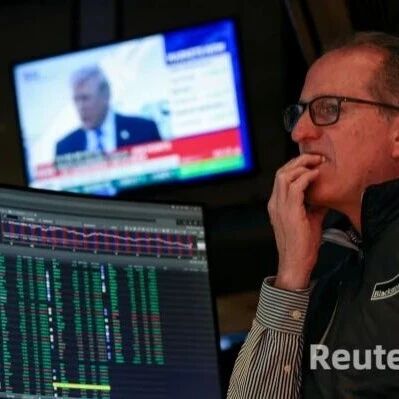
三大因素压制全球股市,4月或仍承压
日经中文网· 2026-03-30 03:10
Group 1 - The global stock market is experiencing a significant downward trend, with the MSCI Global Index down 8% since the military strikes on Iran, marking the largest monthly decline since September 2022 [4] - The energy sector is the only one benefiting from rising oil prices, while other sectors, particularly materials like steel and non-ferrous metals, have seen declines of up to 13% [4][6] - Concerns about inflation and economic slowdown due to high oil prices are leading to fears of "stagflation," with WTI crude oil prices remaining around $100 per barrel [4][6] Group 2 - The capital goods sector has also faced a significant decline of 10%, with companies like GE Aerospace seeing a 17% drop in stock price [6] - The consumer sectors are not immune, with non-essential consumer goods down 10% and essential goods down 8%, reflecting fears of reduced consumer spending due to rising inflation [6] - AI-related stocks are under scrutiny for overheating, with the communication services sector down 10% and major players like Alphabet showing poor performance since 2026 [6][7] Group 3 - The financial sector has seen a 7% decline, with concerns about the quality of loans from non-bank institutions and funds, especially following the bankruptcy of Market Financial Solutions [9] - The Nikkei average has dropped significantly, with a 12% decline from its historical high, reflecting market concerns over the ongoing geopolitical tensions and their impact on corporate earnings [10] - Analysts are adjusting their outlooks, with UBS increasing the probability of oil prices exceeding $120 per barrel to 30%, indicating a potential shift in investment strategies [10]
英大证券晨会纪要-20260330
British Securities· 2026-03-30 03:05
Core Views - The A-share market is showing signs of recovery, with the Shanghai Composite Index successfully reclaiming the 3900-point mark, indicating a reduction in the marginal impact of overseas market fluctuations and a shift towards self-driven recovery momentum [1][15][17] - The recent market adjustment is primarily attributed to ongoing geopolitical conflicts rather than a deterioration in domestic macroeconomic fundamentals, suggesting that such declines typically do not alter the long-term market trajectory [1][15][17] - Investors are advised to focus on "double insurance" stocks that have been unjustly punished but can validate their growth logic through upcoming quarterly performance reports, especially in the current environment of macroeconomic data verification and external uncertainties [1][15][17] Market Overview - Last week, the A-share market experienced a rebound after a period of decline, with the Shanghai Composite Index, Shenzhen Component Index, and ChiNext Index all showing positive movements [4][6] - The market saw significant activity in sectors such as pharmaceuticals, lithium mining, and agricultural chemicals, while defensive sectors like electricity and banking faced declines [4][5][6] - The overall market sentiment improved, with a notable increase in the number of rising stocks, although trading volumes remained a concern, indicating potential limitations on the sustainability of the rebound [2][5][6] Sector Analysis - The pharmaceutical and biotechnology sector is expected to continue its upward trajectory, driven by an aging population and increasing healthcare demands, making it a valuable area for investment [8] - The new energy sector, particularly lithium mining and energy metals, remains active, supported by government initiatives aimed at standardizing and promoting advancements in electric vehicle technologies and energy storage [9] - The coal sector has shown resilience, benefiting from rising oil and gas prices that encourage a shift towards coal as an alternative energy source [10] - The military industry, particularly ground equipment, is experiencing growth due to geopolitical tensions and the increasing importance of self-sufficiency in defense technologies [11] - The electricity sector, especially in relation to "computing and electricity synergy," is gaining traction as it becomes a national strategic focus, promising long-term growth opportunities [12] - The non-ferrous metals sector is rebounding, supported by ongoing economic recovery expectations and government policies aimed at stabilizing growth [12] Investment Strategy - Investors are encouraged to adopt a cautious approach, focusing on sectors with strong fundamentals and growth potential while being mindful of the overall market volatility and external risks [2][16] - The report emphasizes the importance of monitoring trading volumes to gauge the sustainability of market rebounds, as insufficient volume could limit upward movement [2][16] - A long-term bullish outlook remains intact, with expectations of a gradual recovery in the A-share market, supported by structural changes in the economy and policy stability [2][16]