有色

Search documents
大宗商品周报:关税仍存在不确定性扰动商品短期或震荡运行-20251020
Guo Tou Qi Huo· 2025-10-20 11:03
Report Industry Investment Rating No relevant content provided. Report's Core View - The commodity market may fluctuate in the short - term due to uncertainties such as Trump's trade policy, Sino - US trade negotiations, the US government shutdown, and geopolitical situations. The precious metals sector has strong potential, while other sectors have different trends [2]. Summary by Related Catalogs 1. Market Performance Review - The commodity market declined by 1.14% last week. Only the precious metals sector rose by 10.76%, while the non - ferrous, agricultural products, black, and energy - chemical sectors fell by 1.07%, 1.52%, 1.66%, and 3.43% respectively. The 20 - day average volatility of the commodity market increased with a narrowing margin, and the precious metals and energy - chemical sectors had significant volatility increases. The overall market scale increased, with only the non - ferrous sector having net capital outflows, mainly concentrated in Shanghai copper [2][6]. - Among specific varieties, gold, silver, and soybean No.1 had the highest gains of 10.9%, 10.53%, and 2.03% respectively, while glass, crude oil, and fuel oil had the largest declines of 9.28%, 6.34%, and 5.54% respectively [6]. 2. Outlook for Different Sectors Precious Metals - The uncertainty of Sino - US economic and trade relations strengthens the sector's hedging properties. Powell's statement that balance - sheet reduction may end in the next few months strengthens the expectation of monetary easing, leading to a significant rise in the sector. The actual overall position of gold is at a low level, with potential for further growth. Short - term fluctuations may intensify [2]. Non - Ferrous Metals - The Fed's October Beige Book shows weakening consumer spending and a labor shortage. Domestically, the economy continues to improve. The raw material supply is tight, and inventory increases, with overall supply and demand remaining relatively loose. The sector may fluctuate in the short - term, waiting for a clear macro - environment [3]. Black Metals - The apparent demand for rebar has recovered significantly after the holiday but is still weak year - on - year. Production continues to decline, and inventory has decreased. The high - level hot metal has slightly declined, and downstream carrying capacity is insufficient. With the contraction of steel mill profits, the pressure for steel mills to cut production increases, and the negative feedback expectation of the industrial chain strengthens. The price of coking coal may be prone to rise and difficult to fall. The sector may fluctuate in the short - term, with coking coal and coke relatively stronger [3]. Energy - Oil prices continued to decline last week. The US refinery utilization rate dropped sharply, causing crude oil inventory to increase by 352,400 barrels more than expected. The three major institutions' October reports raised the supply - demand surplus for this year and next year by 210,000 barrels per day and 460,000 barrels per day respectively. The easing of the Russia - Ukraine situation and Sino - US trade games have increased market risk - aversion. Oil prices may continue to be weak in the short - term [3]. Chemicals - For polyester products, the industrial chain may continue to be weak due to weak oil prices and weakening demand expectations. For building materials, PVC domestic demand is stable, but exports face policy pressure, and cost support is not obvious. Glass has high intermediate inventory pressure and continues to be under pressure [4]. Agricultural Products - The sales progress of new - season US soybeans is slow, and China has not purchased US new - season soybeans, putting pressure on US soybean prices. Domestic soybean supply in the fourth quarter is generally stable, and soybean meal inventory is high. If Sino - US trade relations do not improve, soybean meal may fluctuate downward. The pattern of strong oil and weak meal may continue [4]. 3. Commodity Fund Overview - Gold ETFs had significant gains, with most having a weekly return rate of around 11%. The total scale of gold ETFs was 21.8244 billion yuan, with a growth of 10.76%. The trading volume increased by 204.56%. Other commodity funds such as energy - chemical, agricultural product, and non - ferrous metal ETFs had different performance trends [38].
长城基金汪立:等待宏观事件落地,聚焦政策线和业绩线
Xin Lang Ji Jin· 2025-10-20 09:16
Group 1: Market Overview - The A-share market saw mixed performance last week, with major indices showing more declines than gains, while the overall market style was relatively favorable. The average daily trading volume across the market was 21,928.52 billion yuan [1] - In terms of industry performance, the banking, coal, and food and beverage sectors performed relatively well, while the automotive, media, and electronics sectors lagged behind [1] Group 2: Macroeconomic Analysis - The core CPI continued to rise year-on-year, with September CPI at -0.3% and PPI at -2.3%, indicating a need for price support. The rise in core CPI was driven by consumer subsidy policies and rising gold prices [2] - There is strong market expectation for the effects of "anti-involution" policies, with industrial product prices increasing since July, particularly in raw materials and upstream sectors. Recent policy measures include easing real estate purchase restrictions in major cities and the launch of 500 billion yuan in new policy financial tools [2] - September export data exceeded expectations, with a year-on-year increase of 8.3% in dollar terms, while social financing data showed a slight decline in growth to 8.7% [2] Group 3: Policy Developments - The macroeconomic adjustment remains positive, with fiscal measures being ramped up to support effective investment. The central government allocated 500 billion yuan from local government debt limits to support investment [3] - Upcoming events such as the 20th Central Committee's Fourth Plenary Session and the Politburo meeting are expected to provide further policy guidance [3] - A new round of trade negotiations between China and the U.S. is anticipated, with discussions scheduled for October 24, indicating a potentially optimistic outlook for trade relations [3] Group 4: Investment Strategy - The current market is characterized by high levels and increased uncertainty, leading to a cautious trading environment. However, there is potential for a new market trend to emerge following a period of reduced trading volume [4] - The upcoming policy window in mid to late October, including potential growth-stabilizing policies and international meetings, may provide favorable conditions for investment [4] - The focus should be on third-quarter earnings reports, particularly in sectors such as AI, renewable energy, and financial services, which are expected to show resilience [5] Group 5: Thematic Directions - Continued attention should be paid to sectors benefiting from U.S.-China trade tensions and the "14th Five-Year Plan," particularly in emerging technologies and regional economic development strategies [6]
资金跟踪系列之十六:个人 ETF仍是主要增量,两融整体净流出
SINOLINK SECURITIES· 2025-10-20 07:54
Macro Liquidity - The US dollar index has declined, and the degree of "inversion" in the China-US interest rate spread has narrowed. The nominal and real yields of 10Y US Treasuries have decreased or remained unchanged, driven by a decline in inflation expectations [2][13][19]. Market Trading Activity - Overall market trading activity has decreased, with the volatility of major indices showing mixed trends. The trading activity in sectors such as non-ferrous metals, electric vehicles, steel, electronics, automotive, and real estate remains above the 80th percentile [3][25]. - The volatility of major indices, including the Shanghai Composite and CSI 300, has increased, while the volatility of the ChiNext and STAR Market indices has decreased. Sectors like electronics, automotive, and chemicals have seen a rapid increase in volatility [3][31]. Analyst Predictions - Analysts have continued to raise net profit forecasts for the entire A-share market for 2025 and 2026. The proportion of stocks with upward revisions in net profit forecasts has increased across various sectors, including retail, finance, light industry, and public utilities [4][50]. - The net profit forecasts for major indices such as the CSI 300, CSI 500, and SSE 50 have been adjusted upwards for 2025 and 2026, while the ChiNext index has seen mixed adjustments [4][23][24]. Northbound Trading Activity - Northbound trading activity has decreased, with an overall net sell-off in A-shares. The trading volume ratio in sectors like non-ferrous metals, electronics, and banking has increased, while it has decreased in pharmaceuticals, machinery, and communications [5][29]. - Northbound trading has shown a net buying trend in sectors such as electronics, automotive, and electric vehicles, while net selling has occurred in computing, pharmaceuticals, and communications [5][33]. Margin Financing Activity - The activity of margin financing has dropped to its lowest point since mid-September 2025, with a net sell-off of 12.812 billion yuan. The main net buying has been in sectors like non-ferrous metals, military, and pharmaceuticals, while net selling has occurred in TMT, finance, and automotive sectors [6][35]. Fund Activity - The positions of actively managed equity funds have continued to increase, with significant net subscriptions in ETFs, primarily driven by individual investors. Active equity funds have mainly increased their positions in electronics, automotive, and media sectors, while reducing exposure in communications, finance, and real estate [6][8][52]. - The newly established equity fund scale has rebounded, with both active and passive funds seeing an increase in size. ETFs related to financials, non-ferrous metals, and electronics have been the main net buyers, while those related to communications, chemicals, and transportation have seen net selling [6][53].
资金跟踪系列之十六:个人 ETF 仍是主要增量,两融整体净流出
SINOLINK SECURITIES· 2025-10-20 07:25
Macro Liquidity - The US dollar index has declined, and the degree of "inversion" in the China-US interest rate spread has narrowed [2][13] - The nominal and real yields of 10-year US Treasuries have decreased or remained unchanged, with inflation expectations also falling [2][19] - Offshore dollar liquidity has tightened, while domestic interbank liquidity remains balanced and slightly loose [2][19] Market Trading Activity - Overall market trading activity has decreased, with the volatility of major indices showing mixed trends [3][25] - Trading heat in sectors such as non-ferrous metals, electric vehicles, steel, electronics, automotive, and real estate remains above the 80th percentile [3][25] - The volatility of the communication and electronics sectors remains above the 80th historical percentile [3][31] Analyst Predictions - Analysts have continued to raise net profit forecasts for the entire A-share market for 2025 and 2026 [4][43] - The proportion of stocks with upward revisions in net profit forecasts for 2025 and 2026 has increased [4][43] - Sectors such as retail, finance, light industry, and public utilities have seen upward revisions in net profit forecasts for 2025 and 2026 [4][43][44] Northbound Trading Activity - Northbound trading activity has decreased, with overall net selling of A-shares [5][29] - In the top 10 active stocks, the trading volume ratio for sectors like non-ferrous metals, electronics, and banking has increased [5][32] - Northbound trading has shown net buying in sectors such as electronics, automotive, and electric vehicles, while net selling occurred in computing, pharmaceuticals, and communications [5][33] Margin Financing Activity - Margin financing activity has dropped to its lowest point since mid-September 2025 [6][35] - The main net buying in margin financing has been in sectors like non-ferrous metals, military, and pharmaceuticals [6][38] - The proportion of financing purchases in sectors such as oil and petrochemicals, steel, and public utilities has increased [6][38] Fund Activity - The positions of actively managed equity funds have continued to rise, with net subscriptions in ETFs persisting [8][45] - Actively managed equity funds have mainly increased positions in sectors like electronics, automotive, and media [8][46] - New fund establishment has seen a rebound, with both actively and passively managed funds experiencing growth [8][50]
聚焦顺周期行业2026年配置价值,石化ETF(159731)受益于政策发展
Sou Hu Cai Jing· 2025-10-20 05:39
Core Viewpoint - The China Petroleum and Chemical Industry Index showed fluctuations with mixed performance among constituent stocks, highlighting the cyclical nature of certain industries and the significance of the PPI rebound in 2023 [1] Group 1: Industry Performance - The index saw leading gains from stocks such as Bluestar Technology, Cangge Mining, and Jinfat Technology, while stocks like HeBang Bio and Salt Lake Co. experienced declines [1] - The analysis from招商证券 indicates that the PPI rebound is a key characteristic of "6 and 1" years, with strong performance in cyclical industries such as resources, finance, and real estate [1] Group 2: ETF and Sector Composition - The Petrochemical ETF (159731) closely tracks the China Petroleum and Chemical Industry Index, with a significant focus on the basic chemical industry at 61.93% and the petroleum and petrochemical industry at 30.84% [1] - The top ten weighted stocks in the index include WanHua Chemical, China Petroleum, Salt Lake Co., Sinopec, CNOOC, Juhua Co., Cangge Mining, Jinfat Technology, Hualu Hengsheng, and Baofeng Energy, collectively accounting for 55.12% of the index [1]
全品种价差日报-20251020
Guang Fa Qi Huo· 2025-10-20 05:08
Report Information - Report date: October 20, 2025 [3] - Report title: Full Variety Spread Daily Report [3] Core Data Summary Ferrous Metals - **Silicon Iron (SF601)**: Spot price 5558, futures price 5430, basis 128, basis rate 2.36%, historical quantile 73.10% [1] - **Silicon Manganese (SM601)**: Spot price 5718, historical quantile 65.20% [1] - **Rebar (RB2601)**: Spot price 3200, futures price 3037, basis 66, basis rate 2.06%, historical quantile 66.70% [1] - **Hot - Rolled Coil (HC2601)**: Spot price 3270, futures price 3204, historical quantile 46.10% [1] - **Iron Ore (I2601)**: Spot price (equivalent price) 832, futures price 771, basis 61, basis rate 7.91%, historical quantile 49.60% [1] - **Coke (J2601)**: Spot price (equivalent price) 1676, futures price 1603, basis - 73, basis rate - 4.38%, historical quantile 26.49% [1] - **Coking Coal (JM2601)**: Spot price (equivalent price) 1257, futures price 1179, basis 78, basis rate 6.62%, historical quantile 45.50% [1] Non - Ferrous Metals - **Copper (CU2512)**: Spot price 84775, futures price 84390, basis 385, basis rate 0.46%, historical quantile 82.08% [1] - **Aluminum (AL2512)**: Spot price 20950, futures price 20910, basis 40, basis rate 0.19%, historical quantile 68.12% [1] - **Alumina (AO2601)**: Spot price 2921, futures price 2800, basis 121, historical quantile 60.13% [1] - **Zinc (ZN2511)**: Spot price 21815, futures price 21780, basis - 35, basis rate - 0.16%, historical quantile 52.29% [1] - **Tin (SN2511)**: Spot price 281000, futures price 280750, basis 250, basis rate 0.09%, historical quantile 57.70% [1] - **Nickel (NI251)**: Spot price 121550, futures price 121160, basis 390, basis rate 0.32%, historical quantile 76.87% [1] - **Stainless Steel (SS2512)**: Spot price 13170, futures price 12630, basis 540, basis rate 4.28%, historical quantile 92.25% [1] - **Lithium Carbonate (LC2511)**: Spot price 75700, futures price 73350, basis - 2350, basis rate - 3.10%, historical quantile 23.12% [1] - **Industrial Silicon (SI2511)**: Spot price 9350, futures price 920, historical quantile 61.14% [1] Agricultural Products - **Soybean Meal (M2601)**: Spot price 2870, futures price 2868, basis 2, basis rate 0.07%, historical quantile 35.00% [1] - **Soybean Oil (Y2601)**: Spot price 8410, futures price 8256, basis 154, basis rate 1.87%, historical quantile 32.10% [1] - **Palm Oil (P2601)**: Spot price 9308, futures price 9230, basis - 78, basis rate - 0.84%, historical quantile 7.00% [1] - **Rapeseed Meal (RM601)**: Spot price 2470, futures price 2306, basis 164, basis rate 7.11%, historical quantile 74.00% [1] - **Rapeseed Oil (Ol601)**: Spot price 10160, futures price 9861, basis 299, basis rate 3.03%, historical quantile 80.30% [1] - **Corn (C2601)**: Spot price 2130, futures price 2117, basis 13, basis rate 0.61%, historical quantile 49.80% [1] - **Corn Starch (CS2511)**: Spot price 2550, futures price 2374, basis 176, basis rate 7.41%, historical quantile 83.10% [1] - **Live Hogs (LH2601)**: Spot price 11670, futures price 11250, basis - 420, basis rate - 3.60%, historical quantile 30.90% [1] - **Eggs (JD2511)**: Spot price 3000, futures price 2805, basis 195, basis rate 6.95%, historical quantile 48.00% [1] - **Cotton (CF601)**: Spot price 13335, futures price 1182, basis 14517, basis rate 8.86%, historical quantile 79.80% [1] - **Sugar (SR601)**: Spot price 5810, futures price 5412, basis 398, basis rate 7.35%, historical quantile 70.60% [1] - **Apples (AP601)**: Spot price 8625, futures price 8600, basis - 25, basis rate - 0.29%, historical quantile 16.20% [1] - **Red Dates (CJ601)**: Spot price 11420, futures price 9600, basis - 1820, basis rate - 15.94%, historical quantile 19.30% [1] Energy and Chemicals - **Paraxylene (PX601)**: Spot price 6432, futures price 6292, basis 140, basis rate 2.20%, historical quantile 12.40% [1] - **PTA (TA601)**: Spot price 4402, futures price 4330, basis - 72, basis rate - 2.04%, historical quantile 20.00% [1] - **Ethylene Glycol (EG2601)**: Spot price 4075, futures price 4003, basis 72, basis rate 1.05%, historical quantile 75.10% [1] - **Polyester Staple Fiber (PF512)**: Spot price 6290, futures price 6036, basis 254, basis rate 2.20%, historical quantile 74.10% [1] - **Styrene (EB2511)**: Spot price 6495, futures price 6483, basis 12, basis rate 0.97%, historical quantile 75.10% [1] - **Methanol (MA601)**: Spot price 2272, futures price 2272, basis 0, basis rate 0.0%, historical quantile 53.90% [1] - **Urea (UR601)**: Spot price 1602, futures price 1560, basis - 42, basis rate - 2.25%, historical quantile 5.40% [1] - **LLDPE (L2601)**: Spot price 6975, futures price 6874, basis 101, basis rate 1.86%, historical quantile 56.80% [1] - **PP (PP2601)**: Spot price 6565, futures price 6551, basis 14, basis rate 0.21%, historical quantile 48.10% [1] - **PVC (V2601)**: Spot price 4688, futures price 4600, basis 88, basis rate 1.88%, historical quantile 32.50% [1] - **Caustic Soda (SH601)**: Spot price 2593.8, futures price 2344, basis 249.8, basis rate 5.41%, historical quantile 70.90% [1] - **LPG (PG2512)**: Spot price 4498, futures price 4220, basis 278, basis rate 6.21%, historical quantile 47.80% [1] - **Asphalt (BU2601)**: Spot price 3380, futures price 3135, basis 245, basis rate 7.25%, historical quantile 93.40% [1] - **Butadiene Rubber (BR2512)**: Spot price 11000, futures price 10925, basis 75, basis rate 0.68%, historical quantile 61.40% [1] - **Glass (FG601)**: Spot price 1095, futures price 1072, basis 23, basis rate 2.10%, historical quantile 66.59% [1] - **Soda Ash (SA601)**: Spot price 1209, futures price 1154, basis 55, basis rate 4.77%, historical quantile 18.90% [1] - **Natural Rubber (RU2601)**: Spot price 14695, futures price 14250, basis - 445, basis rate - 3.12%, historical quantile 73.33% [1] Financial Futures - **Stock Index Futures**: - **IF2512.CFE**: Spot price 4514.2, futures price 4485.2, basis - 29, basis rate - 0.65%, historical quantile 13.90% [1] - **IH2512.CFE**: Spot price 2967.8, futures price 2963, basis - 4.8, basis rate - 0.16%, historical quantile 35.10% [1] - **IC2512.CFE**: Spot price 6863.2, futures price 7016.1, basis - 152.9, basis rate - 2.23%, historical quantile 0.50% [1] - **IM2512.CFE**: Spot price 7020.8, futures price 7185.5, basis - 164.7, basis rate - 2.35%, historical quantile 7.80% [1] - **Treasury Bond Futures**: - **2 - year Treasury Bond (TS2512)**: Spot price 102.37, futures price 99.94, basis - 0.02, basis rate - 0.02%, historical quantile 20.00% [1] - **5 - year Treasury Bond (TF2512)**: Spot price 105.72, futures price 99.39, basis - 0.04, basis rate - 0.04%, historical quantile 21.80% [1] - **10 - year Treasury Bond (T2512)**: Spot price 108.10, futures price 100.19, basis 0.05, basis rate 0.09%, historical quantile 21.10% [1] - **30 - year Treasury Bond (TL2512)**: Spot price 129.31, futures price 114.48, basis 0.28, basis rate 0.25%, historical quantile 37.50% [1]
研究所晨会观点精萃-20251020
Dong Hai Qi Huo· 2025-10-20 01:17
Report Industry Investment Ratings - No specific industry-wide investment ratings are provided in the text. Core Views - The softening of the US President's trade stance boosts global risk appetite, and the short - term macro upward drive has increased. The market focuses on domestic incremental stimulus policies and Sino - US relations. [2][3] - Different asset classes have different short - term trends, with some suggesting cautious long - positions and others suggesting cautious waiting and watching. [2] Summary by Category Macro Finance - Overseas, the softening of the US President's trade stance boosts the US dollar index and global risk appetite. Domestically, economic growth is accelerating, and multiple industry growth - stabilizing plans are introduced, increasing policy support. The market focuses on domestic policies and Sino - US relations, and the short - term macro upward drive has strengthened. [2] - For assets: stocks are expected to be volatile in the short term, with a cautious long - position; bonds are volatile, with cautious waiting and watching; for commodities, black metals are volatile, with cautious waiting and watching; non - ferrous metals are adjusted, with cautious long - positions; energy and chemicals are volatile, with cautious waiting and watching; precious metals are strongly volatile at high levels, with cautious long - positions. [2] Stock Index - Affected by sectors such as power grid equipment, photovoltaics, and semiconductor components, the domestic stock market has fallen significantly. However, economic growth acceleration, the softening of the US President's trade stance, and domestic policy support boost risk appetite. The market focuses on policies and Sino - US relations, and short - term cautious long - positions are recommended. [3] Precious Metals - The precious metals market fell last Friday. With the softening of the US President's trade stance, global risk aversion declined, and gold prices dropped after hitting a record high. In the short term, precious metals are volatile at high levels, and the medium - to - long - term upward trend remains unchanged. Short - term long - positions can be held or reduced on rallies, and medium - to - long - term buying on dips is recommended. [3] Black Metals Steel - The domestic steel futures and spot markets rebounded slightly last Friday, with low trading volume. The easing of Sino - US trade conflicts and expectations of policy benefits support the market. Fundamentally, demand has changed little, inventory has decreased, and supply is likely to decline. In the short term, the steel market is expected to be range - bound. [4] Iron Ore - Iron ore futures and spot prices were weak last Friday. With the narrowing of steel mill profits, iron ore demand is likely to decline. Supply has changed, with a decrease in shipments and an increase in arrivals, and port inventory has increased. A bearish view is recommended for iron ore prices. [6] Silicon Manganese/Silicon Iron - Silicon iron and silicon manganese spot prices were flat last Friday, and the futures prices were volatile. The decline in steel production has reduced ferroalloy demand. Manganese ore prices are weak, and the supply of silicon manganese has decreased. Silicon iron prices are stable, and the market for some raw materials is tight. The futures prices of silicon iron and silicon manganese are expected to remain range - bound. [7] Non - Ferrous Metals and New Energy Copper - Macro factors include the easing of trade tensions and the impact of US bank credit issues. The suspension of an Indonesian copper mine supports prices, but it is temporary, and future supply is expected to increase. Domestic copper inventory is high, and demand is facing challenges. Copper prices are expected to remain high and volatile. [8] Aluminum - Aluminum prices rose and then fell last Friday. The market is affected by bank credit issues. Aluminum inventory has decreased, but demand is weakening. In the short term, aluminum prices are expected to be range - bound. [9] Tin - On the supply side, Indonesian policies and mining approvals affect supply, and the end of maintenance in a large Chinese smelter increases production. On the demand side, demand is weak in traditional and emerging industries. High prices suppress demand, and inventory has decreased. Tin prices are expected to remain high and volatile. [10] Energy and Chemicals Crude Oil - The decline in spot market benchmarks and premiums has led to a fall in futures prices. The return of Asia - Pacific procurement is the focus, and Russian supply is a risk point. In the short term, there may be a price rebound, but the long - term outlook is bearish. [11] Asphalt - Asphalt prices are following oil prices and remaining low and volatile. The basis is low, and there is pressure on factory inventory accumulation. Profit has recovered slightly, and supply pressure is increasing. The future trend depends on oil prices and inventory. [11] PX - Affected by falling oil prices and weak polyester demand, PX prices are falling. Although PTA's high - level operation provides some support, PX is expected to remain weak and volatile. [11] PTA - Downstream demand is weak, and processing fees are falling. Inventory is accumulating, and the basis is decreasing. Short - term short - selling on rallies is recommended. [12] Ethylene Glycol - Inventory has increased, and demand is weak. The price is expected to remain low, with limited room for rebound. [12] Short - Fiber - Short - fiber is adjusting with the polyester sector and is expected to remain weak and volatile. The improvement in terminal orders is limited, and the future trend depends on demand recovery. [13] Methanol - Short - term supply has decreased, and demand from olefins is high, leading to a slight reduction in inventory. However, traditional demand is weak, and there are plans to restart production, so prices are expected to be volatile. [13] PP - Supply growth exceeds demand, and inventory is high. Falling oil prices weaken cost support. The future trend depends on demand recovery. [13] LLDPE - Supply has increased, and inventory has accumulated, suppressing prices. Demand is divided, and cost support is weakening. The market is under short - term pressure. [14] Urea - Daily production is stable. Industrial demand is stable, and agricultural demand is recovering. Exports are shrinking. The market may be stagnant and then rise slightly, but there is a risk of a subsequent decline. [14] Agricultural Products US Soybeans - USDA reports are delayed, and Sino - US soybean trade concerns persist. Domestic consumption provides some support. Brazilian and Argentine soybean conditions are good. The market is expected to be in a narrow - range shock, and Sino - US trade is the key factor. [15] Soybean Meal - Domestic oil mill supply has recovered, but inventory pressure remains. Oil mill profit is in deficit, increasing the willingness to support prices. There is a supply gap risk before the arrival of South American soybeans next year. After the oversold situation, the market is expected to stabilize and fluctuate. [15] Oils - For rapeseed oil, the easing of China - Canada relations reduces risk appetite, and the market is expected to be volatile before trade news is clear. Palm oil supply and demand are stable, and prices are supported. Soybean oil is in the peak season, and the price is stable. [15][16] Corn - Corn from Northeast and North China is on the market, causing a seasonal impact. The current price is close to the cost line, and farmers' reluctance to sell may slow down the price decline. [16] Pigs - After the festival, the production and inventory reduction speed has accelerated, and pig prices have fallen to a new low. There is support from fat - to - lean price differences and some restocking, and the supply may decrease in late October, stabilizing prices. However, significant price recovery is difficult without a large increase in demand. [16]
银华鑫禾拟任基金经理和玮:舍弃锐度追求长期稳健收益
Zhong Guo Ji Jin Bao· 2025-10-20 01:04
Core Viewpoint - The investment philosophy of the new fund manager, He Wei, emphasizes long-term stable returns over short-term gains, aiming to provide a steady holding experience for investors [2][4]. Investment Philosophy - The team led by He Wei focuses on "absolute return" principles, integrating this approach into their relative return public funds, prioritizing long-term stability [4][5]. - The investment strategy involves taking meaningful risks while maintaining a defensive posture during market bubbles, concentrating on stable blue-chip stocks to control drawdowns [4][5]. Fund Performance - The Silver Hua Hu Shen Stock Connect Fund, managed by He Wei, achieved a three-year unit net value growth rate of 24.08%, ranking in the top 3% of its category [5]. - The fund has consistently delivered excess returns of 3% to 12% annually from 2022 to 2024 [5]. Investment Framework - The investment framework includes selecting fundamentally driven stocks with safety margins, prioritizing win rates over potential returns, and avoiding overvalued and crowded trades [6]. - Emphasis is placed on macroeconomic trends and future developments, with a focus on risk-reward ratios and controlling drawdowns [6]. Market Outlook - He Wei expresses optimism about the long-term potential of the Chinese capital market, citing strong fundamentals in manufacturing, technology, and healthcare [10]. - The market is viewed as undervalued due to geopolitical tensions, with expectations of improved performance as foreign capital begins to enter [10]. Sector Focus - The long-term investment value in the non-ferrous metals sector is highlighted, with a favorable supply-demand structure for commodities like gold, copper, and aluminum [11]. - The financial sector, particularly bank stocks, is seen as having reasonable dividend yields and potential for valuation recovery as market conditions improve [11]. New Fund Launch - The upcoming Silver Hua Xin He Mixed Securities Investment Fund will feature a floating management fee structure, aiming to build a long-term relationship with investors through steady returns [9]. - This new fund will include investments in the Hong Kong stock market, which is perceived to offer attractive opportunities compared to A-shares [9].
牛市轮动规律
Sou Hu Cai Jing· 2025-10-19 16:43
Core Viewpoint - The current bull market is mirroring the seven-wave pattern observed in 2015, with the market transitioning through various phases of sector leadership, indicating a cyclical rotation among financial, cyclical, technology, and defensive sectors. Group 1: Financial Sector - The first wave of the bull market is led by financial institutions, including banks, brokerages, and insurance companies, which have successfully attracted new capital, with state-owned banks showing a year-to-date increase of 37% and Industrial and Commercial Bank of China briefly surpassing Apple in market capitalization [1] - The brokerage sector is experiencing a wave of mergers, leading to the emergence of "trillion-yuan investment banks" [1] - Insurance capital's equity allocation ratio has increased to 15% [1] Group 2: Cyclical Sector - The second wave sees cyclical stocks, such as coal, steel, and non-ferrous metals, taking over from financial stocks, reflecting market expectations for economic recovery [2] - The current rally in cyclical stocks is driven by two main factors: policy initiatives aimed at capacity reduction and a shift in capital towards these stocks as a safe haven, with individual stocks rising over 40% [2] Group 3: Technology Sector - The third wave is characterized by a surge in technology stocks, particularly in AI, semiconductors, and robotics, which are expected to be the most profitable areas moving forward [2] - The technology sector in 2025 shows two key trends: the rise of hard technology, with stocks like Cambrian Technology increasing by 387%, and a notable divergence in performance, as the sector's price-to-earnings ratio has reached 45 times, with some companies reporting disappointing earnings [2] Group 4: Consumer Sector - The fourth wave anticipates a rebound in consumer stocks as funds seek undervalued sectors after technology stocks reach a certain peak, with consumer sectors like liquor and pharmaceuticals currently lagging behind in performance [2] Group 5: Growth Stocks - The fifth wave indicates a shift of capital from high-profile stocks to mid and small-cap growth stocks, which may experience a rally driven by market sentiment rather than fundamentals, cautioning against blind chasing of high prices [2] Group 6: Defensive Sector - The sixth wave suggests a transition towards defensive sectors, such as utilities and transportation, as the bull market approaches its peak, with a clear market divergence where previously high-performing sectors begin to correct while defensive stocks continue to rise [3] Group 7: Market Transition - Currently, defensive sectors like utilities and electricity have not yet started to rally, indicating that the market is still in the middle phase of the cycle, transitioning from cyclical dominance to technology leadership [4] - The market is in a transitional phase from the second wave led by cyclical stocks to the third wave led by technology stocks, with key signals indicating that a full breakout in technology could lead to a subsequent push in consumer stocks, marking the entry into the fourth wave [4]
下周A股,整装待发!
Sou Hu Cai Jing· 2025-10-19 15:28
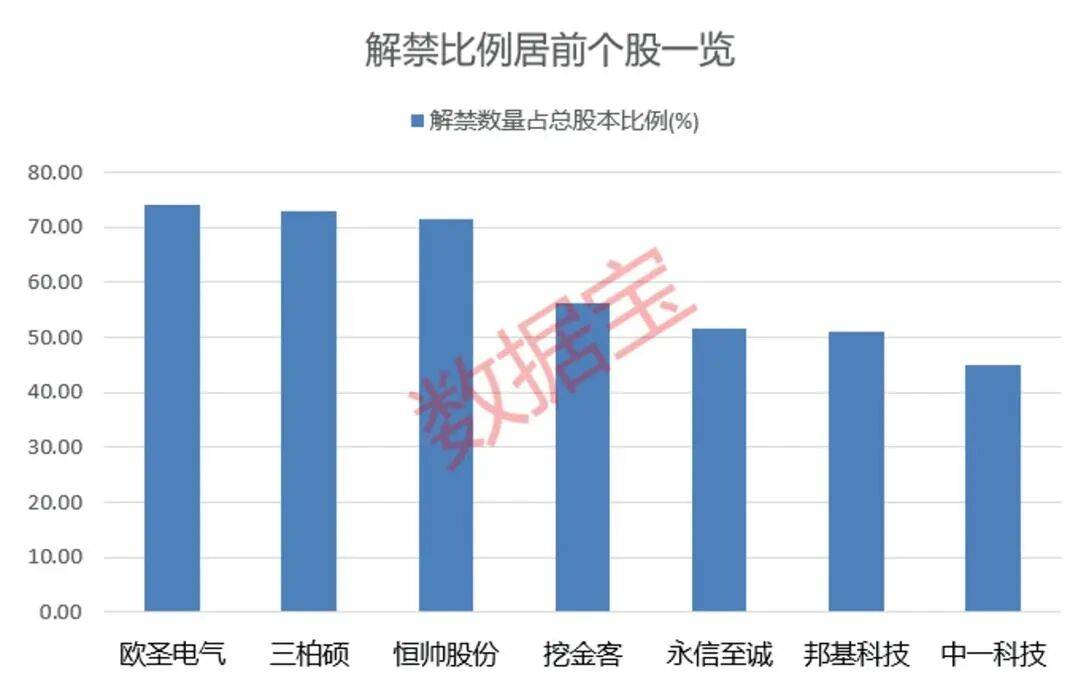
Market Overview - The three major indices in China all closed lower, with the Shanghai Composite Index down 1.47%, the Shenzhen Component Index down 4.99%, and the ChiNext Index down 5.71%, resulting in an average decline of 4.67% across all A-shares, indicating poor profit-making effects [1] - Global markets have faced two "Black Fridays" since the end of the National Day and Mid-Autumn Festival holidays, with significant declines in U.S. stock indices and Chinese concept stocks [1] Investor Sentiment - Concerns over U.S. regional banks' bad debts and potential escalation of U.S.-China trade tensions have contributed to market declines, as noted by analysts [1] - The rise in gold prices and the spike in the VIX index indicate increased demand for safe-haven assets, reflecting investor anxiety [2] Market Dynamics - There is uncertainty regarding whether the "slow bull" market will end, but analysts believe that policy support, ample liquidity, and performance growth still provide a foundation for the market [2] - The A-share market is experiencing active mergers and acquisitions, with 14 companies disclosing M&A progress this week [3] Upcoming Events - A total of 54 stocks will face unlocks next week, with a combined market value of 71.709 billion yuan, and the average stock price of these companies has dropped by 5.25% in October [3][5] - The upcoming third-quarter earnings reports are expected to show significant growth for certain sectors, particularly in AI hardware, driven by demand from the AI technology wave [2][6] Economic Indicators - Key economic indicators, including the LPR rates and national economic performance data, will be released on October 20, which may influence market sentiment [9][11]