LME锡

Search documents
黄金、白银价格大跌
新华网财经· 2026-03-21 01:04
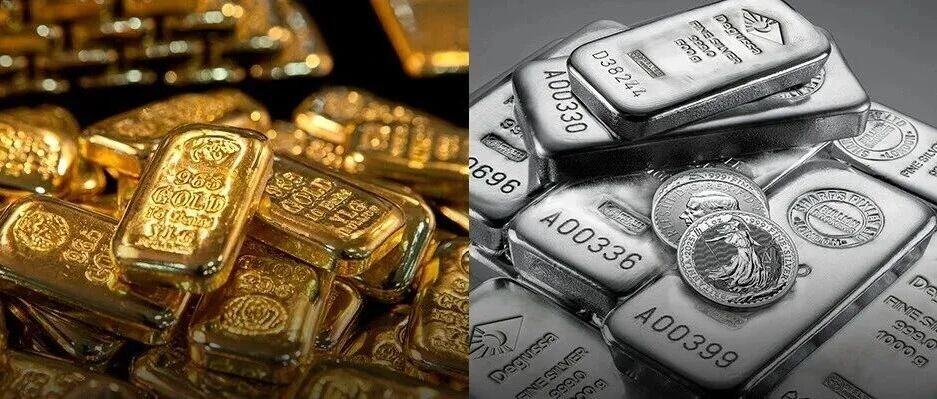
Commodity Market - As of March 20, London spot gold decreased by 3.42%, closing at $4,491.670 per ounce, while COMEX gold futures fell by 2.47%, settling at $4,492.0 per ounce [1] - London spot silver dropped by 6.80%, ending at $67.897 per ounce, and COMEX silver futures declined by 4.78% [1] - LME copper fell by over 2%, while LME zinc saw a slight increase; LME aluminum and LME tin both decreased by over 1%, and LME nickel experienced a minor decline [1] Oil Market - As of March 20, ICE Brent crude oil rose by 0.61%, and NYMEX WTI crude oil increased by 2.66% [2]

小金属双周报(2026/2/16-2026/2/27):供给收缩下游提价,产业链上下游联动推动钨价新高-20260301
Hua Yuan Zheng Quan· 2026-03-01 08:07
Investment Rating - The investment rating for the small metals industry is "Positive" (maintained) [5] Core Views - The report highlights that supply constraints and downstream price increases are driving tungsten prices to new highs [4] - The rare earth market is experiencing tight supply, with prices for praseodymium and neodymium oxide reaching new highs due to downstream restocking [6] - Molybdenum prices are rising due to post-holiday restocking demand, while tungsten prices are increasing due to supply reductions and downstream price adjustments [6] - Tin prices have surged significantly due to geopolitical tensions affecting supply chains, particularly from key producing regions [6] - Antimony prices are showing signs of recovery, with expectations for improved export data to support further price increases [6] Summary by Category Rare Earths - Praseodymium and neodymium oxide prices increased by 4.71% to 890,000 CNY/ton, dysprosium by 9.83% to 1,620,000 CNY/ton, and terbium by 1.56% to 6,525,000 CNY/ton [11][6] - Supply remains tight due to policy and supply-side constraints, with downstream magnetic material companies shifting from just-in-time purchasing to stockpiling [6] Molybdenum - Molybdenum concentrate prices rose by 6.48% to 4,435 CNY/ton, and molybdenum iron (Mo60) prices increased by 5.42% to 282,000 CNY/ton [18][6] - The market is experiencing a decrease in liquidity due to reduced mine output and low inventory levels at smelters [6] Tungsten - Black tungsten concentrate prices increased by 13.13% to 784,000 CNY/ton, and ammonium paratungstate prices rose by 13.66% to 1,165,000 CNY/ton [25][6] - Supply constraints from stricter mining regulations and reduced operational rates are pushing prices higher [6] Tin - SHFE tin prices surged by 24.04% to 453,240 CNY/ton, while LME tin prices increased by 18.89% to 57,425 USD/ton [31][6] - Supply chain concerns from geopolitical tensions in key producing regions are contributing to price volatility [6] Antimony - Antimony ingot prices rose by 1.82% to 167,500 CNY/ton, and antimony concentrate prices increased by 2.08% to 147,500 CNY/ton [46][6] - The market is awaiting signals of export recovery to support further price increases [6]
现货黄金涨超1%,白银站上89美元/盎司,机构:三重逻辑驱动贵金属行情
Sou Hu Cai Jing· 2026-02-25 02:52
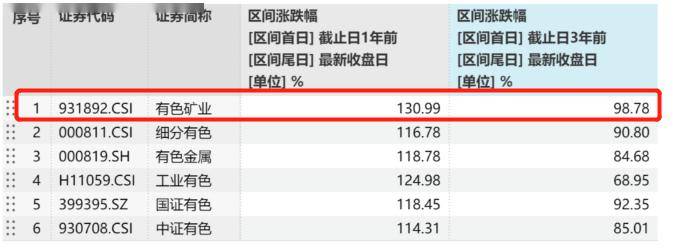
Group 1 - The core viewpoint of the articles highlights a significant rise in the non-ferrous metal sector, driven by strong performance in precious metals and industrial metals, with specific ETFs and stocks showing notable gains [1][2] - Precious metals, particularly gold and silver, have seen price increases, with gold reaching $5183.62 per ounce and silver surpassing $88 per ounce, attributed to concerns over U.S. fiscal sustainability, geopolitical tensions, and inflation risks [1] - The analysis from Shenwan Hongyuan indicates that the short-term drivers for precious metals include tariff decisions and geopolitical conflicts, while long-term factors such as de-dollarization and geopolitical risks will support gold's upward trend [1] Group 2 - In the industrial metals sector, LME tin prices increased by over 3% to $51,920 per ton, with other metals like zinc, copper, aluminum, and nickel also experiencing gains [2] - Long-term demand for industrial metals is expected to grow due to accelerated infrastructure projects in China, including power grid upgrades and photovoltaic power station constructions, as well as recovery in emerging sectors like electric vehicles and AI infrastructure [2] - The non-ferrous mining ETF (159690) has shown a remarkable performance, with a one-year increase of 131% and a three-year increase of 99%, indicating strong price elasticity and higher beta in a commodity bull market [2][3]
2026年春节假期期间国际品种涨跌幅
Ge Lin Qi Huo· 2026-02-24 08:03
Report Summary 1. Core View - The report presents the price changes of various international varieties from February 13th, 15:00 to February 23rd, 18:00 in 2026, including stock indices, commodities, and currency indices [3]. 2. Key Points by Category Stock Indices - The FTSE A50 Index rose from 14,684 to 14,919, a 1.60% increase [3]. - The Hang Seng Index increased from 26,595.15 to 27,081.91, a 1.83% rise [3]. - The Dow Jones Industrial Index went up from 49,451.98 to 49,625.97, a 0.35% increase [3]. - The S&P 500 Index climbed from 6,832.76 to 6,909.51, a 1.12% gain [3]. - The NASDAQ Composite Index advanced from 22,597.15 to 22,886.07, a 1.28% increase [3]. - The Nikkei 225 Index dropped from 56,941.97 to 56,825.7, a 0.20% decline [3]. Commodity Indices - The Baltic Dry Index decreased from 2,083 to 2,043, a 1.92% fall [3]. Energy Commodities - Brent Crude Oil rose from $67.55 to $71.04, a 5.17% increase [3]. - US Crude Oil increased from $62.83 to $66.23, a 5.41% rise [3]. Precious Metals - CMX Gold climbed from $4,986.7 to $5,170.1, a 3.68% gain [3]. - CMX Silver advanced from $77.105 to $86.515, a 12.20% increase [3]. Base Metals - LME Copper rose from $12,894.5 to $12,966, a 0.55% increase [3]. - LME Aluminum increased from $3,062.5 to $3,102.5, a 1.31% rise [3]. - LME Zinc went up from $3,352.5 to $3,377.5, a 0.75% increase [3]. - LME Lead dropped from $1,976.5 to $1,963, a 0.68% decline [3]. - LME Nickel advanced from $17,255 to $17,600, a 2.00% increase [3]. - LME Tin climbed from $46,940 to $47,500, a 1.19% gain [3]. Iron Ore - TSI Iron Ore decreased from $97.15 to $95.85, a 1.34% fall [3]. Agricultural Commodities - CBOT Soybeans rose from $1,134.75 to $1,146.75, a 1.06% increase [3]. - CBOT Soybean Meal increased from $308.6 to $309.7, a 0.36% rise [3]. - CBOT Soybean Oil advanced from $57.26 to $59.67, a 4.21% increase [3]. - CBOT Corn climbed from $430.25 to $438.75, a 1.98% gain [3]. - CBOT Wheat rose from $550.75 to $575.75, a 4.54% increase [3]. - MDE Crude Palm Oil increased from 3,996 to 4,084, a 2.20% rise [3]. - ICE No. 2 Cotton advanced from 64.26 to 65.46, a 1.87% increase [3]. - ICE No. 11 Sugar climbed from 13.53 to 13.9, a 2.73% gain [3]. Currency Indices - The US Dollar Index rose from 97.0775 to 97.6349, a 0.57% increase [3]. Currency Pairs - The US Dollar against Offshore RMB decreased from 6.908 to 6.8852, a 0.33% decline [3].
需求担忧笼罩 有色走势谨慎【春节外盘综述】
Wen Hua Cai Jing· 2026-02-24 02:16
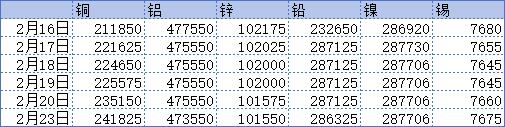
Group 1 - The overall performance of the overseas non-ferrous metal sector showed initial decline followed by recovery during the holiday period, with reduced volatility [1] - Concerns over US tariffs have eased, leading to a rebound in non-ferrous metals as the US dollar index retreated from its highs [2] - The US Supreme Court ruled that the Trump administration's large-scale tariff measures lacked clear legal authorization, contributing to a decrease in average tariff rates [2] Group 2 - Domestic demand for copper is weak, leading to a significant accumulation of global copper inventories, with COMEX copper prices experiencing narrowing premiums [3] - The increase in copper inventories is evident, with the Shanghai Futures Exchange copper stock rising over 20,000 tons, reaching a 1.5-year high [3] - The LME copper inventory has also shown a notable increase, rising from around 200,000 tons before the holiday to over 240,000 tons [3] Group 3 - During the holiday, LME copper prices fluctuated due to a strong US dollar and increasing inventories, with trading volumes being low due to the Chinese New Year [5] - The LME copper price saw a brief recovery on February 18, but faced downward pressure again due to rising inventories and reduced demand from China [5] - Following the Supreme Court's ruling on February 20, LME copper and aluminum prices increased, but later retreated as inventory levels continued to rise [6]
外盘表现:春节假期外盘市场涨跌幅统计
Guan Tong Qi Huo· 2026-02-23 07:40
Report Industry Investment Rating - Not provided in the given content Core Viewpoints - The report presents the price and cumulative percentage change of various commodities, stock market indices, and other important indicators during the Spring Festival holiday in the overseas market [2] Summaries by Related Catalogs Commodities - NYMEX crude oil closed at $66.31 on February 20, with a cumulative increase of 5.57% during the holiday [2] - NYMEX natural gas closed at $2.99 on February 20, with a cumulative decrease of 6.41% during the holiday [2] - COMEX gold closed at $5130.00 on February 20, with a cumulative increase of 1.31% during the holiday [2] - COMEX silver closed at $84.57 on February 20, with a cumulative increase of 9.45% during the holiday [2] - LME copper closed at $12964.00 on February 20, with a cumulative increase of 0.25% during the holiday [2] - LME zinc closed at $3382.50 on February 20, with a cumulative increase of 1.20% during the holiday [2] - LME nickel closed at $17435.00 on February 20, with a cumulative increase of 2.59% during the holiday [2] - LME aluminum closed at $3102.50 on February 20, with a cumulative increase of 0.39% during the holiday [2] - LME tin closed at $46559.00 on February 20, with a cumulative decrease of 0.62% during the holiday [2] - LME lead closed at $1965.00 on February 20, with a cumulative decrease of 0.35% during the holiday [2] - TSI iron ore CFR China (62% iron powder) closed at $95.30 on February 20, with a cumulative decrease of 1.60% during the holiday [2] - CBOT soybeans closed at $1153.75 on February 20, with a cumulative increase of 1.67% during the holiday [2] - CBOT corn closed at $428.00 on February 20, with a cumulative decrease of 0.87% during the holiday [2] - CBOT soybean oil closed at $59.34 on February 20, with a cumulative increase of 3.80% during the holiday [2] - CBOT soybean meal closed at $314.20 on February 20, with a cumulative increase of 1.58% during the holiday [2] - CBOT wheat closed at $581.75 on February 20, with a cumulative increase of 5.97% during the holiday [2] - CBOT rice closed at $10.52 on February 20, with a cumulative decrease of 4.54% during the holiday [2] - ICE 11 - sugar closed at $13.86 on February 20, with a cumulative increase of 2.29% during the holiday [2] - ICE 2 - cotton closed at $65.55 on February 20, with a cumulative increase of 2.13% during the holiday [2] Stock Market - The S&P 500 closed at 6909.51 on February 20, with a cumulative increase of 1.07% during the holiday [2] - The Nasdaq Index closed at 22886.07 on February 20, with a cumulative increase of 1.51% during the holiday [2] - The UK FTSE 100 closed at 10686.89 on February 20, with a cumulative increase of 2.30% during the holiday [2] - The French CAC40 closed at 8515.49 on February 20, with a cumulative increase of 2.45% during the holiday [2] - The German DAX closed at 25260.69 on February 20, with a cumulative increase of 1.39% during the holiday [2] - The Nikkei 225 closed at 56825.70 on February 20, with a cumulative decrease of 0.20% during the holiday [2] - The Hang Seng Index closed at 26413.35 on February 20, with a cumulative decrease of 0.58% during the holiday [2] Other Important Indicators - The US dollar index closed at 97.74 on February 20, with a cumulative increase of 0.91% during the holiday [2]
近十年春节期间外盘涨跌幅统计
Guan Tong Qi Huo· 2026-02-11 06:28
Group 1: Core Data 1. Average price change in the last five years - NYMEX crude oil: 2.01% [2] - NYMEX natural gas: -3.73% [2] - COMEX gold: 0.15% [2] - COMEX silver: 2.23% [2] - LME copper: 1.77% [2] - LME zinc: 1.05% [2] - LME nickel: 1.02% [2] - LME aluminum: 0.99% [2] - LME tin: 3.65% [2] - LME lead: 1.13% [2] - CBOT soybeans: 1.83% [2] - CBOT corn: 0.20% [2] - CBOT soybean oil: -0.59% [2] - CBOT soybean meal: 2.78% [2] - CBOT wheat: 0.60% [2] - CBOT rice: -1.32% [2] - ICE No. 11 sugar: -0.04% [2] - ICE No. 2 cotton: 2.45% [2] - S&P 500: 1.03% [2] - US dollar index: -0.12% [2] - CRB commodity index: 1.30% [2] - BDI: 6.93% [2] 2. Average price change in the last ten years - NYMEX crude oil: 0.01% [2] - NYMEX natural gas: -3.23% [2] - COMEX gold: 0.82% [2] - COMEX silver: 1.95% [2] - LME copper: 0.00% [2] - LME zinc: 0.11% [2] - LME nickel: 0.44% [2] - LME aluminum: 0.27% [2] - LME tin: 1.70% [2] - LME lead: 0.53% [2] - CBOT soybeans: 0.61% [2] - CBOT corn: -0.19% [2] - CBOT soybean oil: -0.43% [2] - CBOT soybean meal: 0.81% [2] - CBOT wheat: -0.53% [2] - CBOT rice: -1.71% [2] - ICE No. 11 sugar: -0.07% [2] - ICE No. 2 cotton: 1.28% [2] - S&P 500: 0.08% [2] - US dollar index: -0.03% [2] - CRB commodity index: 0.01% [2] - BDI: 0.67% [2] 3. Annual price change from 2016 - 2025 - NYMEX crude oil: 1.16% (2016), -0.13% (2017), 1.19% (2018), -4.80% (2019), -7.31% (2020), 5.70% (2021), 5.30% (2022), -2.83% (2023), 2.33% (2024), -0.48% (2025) [2] - NYMEX natural gas: -1.50% (2016), -5.11% (2017), 0.87% (2018), -4.21% (2019), -3.71% (2020), 8.77% (2021), -2.88% (2022), -8.97% (2023), -15.01% (2024), -0.56% (2025) [2] - COMEX gold: 5.49% (2016), 2.24% (2017), -1.99% (2018), -0.29% (2019), 2.00% (2020), -3.75% (2021), 0.92% (2022), -0.01% (2023), -1.18% (2024), 4.78% (2025) [2] - COMEX silver: 5.06% (2016), 4.14% (2017), -1.72% (2018), -0.53% (2019), 1.35% (2020), 1.29% (2021), 0.13% (2022), -1.39% (2023), 3.60% (2024), 7.54% (2025) [2] - LME copper: -2.71% (2016), 0.97% (2017), -0.38% (2018), 0.98% (2019), -7.72% (2020), 1.66% (2021), 3.99% (2022), -0.77% (2023), 2.99% (2024), 0.96% (2025) [2] - LME zinc: 1.83% (2016), 3.29% (2017), -0.91% (2018), -2.14% (2019), -6.24% (2020), 2.97% (2021), -0.14% (2022), 0.75% (2023), 2.58% (2024), -0.88% (2025) [2] - LME nickel: -4.50% (2016), 10.59% (2017), -1.43% (2018), -0.75% (2019), -4.55% (2020), 0.32% (2021), 3.34% (2022), 1.26% (2023), 1.62% (2024), -1.45% (2025) [2] - LME aluminum: -0.13% (2016), 0.80% (2017), 0.91% (2018), 0.16% (2019), -3.93% (2020), 2.13% (2021), 0.88% (2022), 1.45% (2023), -0.31% (2024), 0.79% (2025) [2] - LME tin: 1.82% (2016), -0.55% (2017), 0.16% (2018), 0.89% (2019), -3.61% (2020), 5.25% (2021), 3.36% (2022), 3.52% (2023), 3.85% (2024), 2.28% (2025) [2] - LME lead: 4.76% (2016), 1.67% (2017), -0.81% (2018), -1.53% (2019), -4.45% (2020), 1.10% (2021), -1.76% (2022), 4.58% (2023), 0.85% (2024), 0.87% (2025) [2] - CBOT soybeans: 0.35% (2016), -0.93% (2017), 1.90% (2018), -0.22% (2019), -4.10% (2020), 2.16% (2021), 5.76% (2022), 0.22% (2023), -1.84% (2024), 2.85% (2025) [2] - CBOT corn: -1.85% (2016), 1.10% (2017), 1.84% (2018), -0.93% (2019), -3.11% (2020), 3.76% (2021), -2.28% (2022), 0.96% (2023), -3.87% (2024), 2.44% (2025) [2] - CBOT soybean oil: 2.72% (2016), 0.15% (2017), 0.63% (2018), 3.35% (2019), -8.26% (2020), 2.30% (2021), 0.25% (2022), -2.05% (2023), -5.07% (2024), 1.64% (2025) [2] - CBOT soybean meal: -1.50% (2016), -2.14% (2017), 2.69% (2018), -1.83% (2019), -2.98% (2020), 2.18% (2021), 7.82% (2022), 2.09% (2023), -2.42% (2024), 4.22% (2025) [2] - CBOT wheat: -1.87% (2016), 1.70% (2017), -1.87% (2018), -1.24% (2019), -5.07% (2020), 2.13% (2021), -2.79% (2022), 0.84% (2023), -4.99% (2024), 7.84% (2025) [2] - CBOT rice: -2.88% (2016), -2.31% (2017), -2.33% (2018), -2.81% (2019), -0.11% (2020), -1.82% (2021), 2.18% (2022), 0.94% (2023), -1.66% (2024), -6.26% (2025) [2] - ICE No. 11 sugar: -1.43% (2016), 0.59% (2017), -0.30% (2018), 0.71% (2019), -0.07% (2020), -3.76% (2021), -0.11% (2022), 6.75% (2023), -5.85% (2024), 2.77% (2025) [2] - ICE No. 2 cotton: -2.15% (2016), 3.52% (2017), 4.26% (2018), -1.52% (2019), -3.59% (2020), 4.39% (2021), 2.35% (2022), 0.25% (2023), 5.90% (2024), -0.64% (2025) [2] - S&P 500: -0.81% (2016), -0.69% (2017), 0.10% (2018), 0.05% (2019), -3.01% (2020), 0.55% (2021), 1.55% (2022), 2.47% (2023), 0.15% (2024), 0.43% (2025) [2] - US dollar index: -1.05% (2016), -0.66% (2017), 1.23% (2018), 1.08% (2019), -0.32% (2020), 0.54% (2021), -1.80% (2022), -0.07% (2023), 0.13% (2024), 0.62% (2025) [2] - CRB commodity index: -0.97% (2016), -0.38% (2017), 0.93% (2018), -1.39% (2019), -4.60% (2020), 2.50% (2021), 3.34% (2022), -0.29% (2023), -0.36% (2024), 1.30% (2025) [2] - BDI: -2.02% (2016), -8.33% (2017), 4.66% (2018), -6.82% (2019), -15.45% (2020), 34.77% (2021), 3.04% (2022), -11.40% (2023), 9.30% (2024), -1.05% (2025) [2]
——小金属双周报(2026/1/26-2026/2/6):供给紧缺格局加剧,钨&稀土价格持续新高-20260208
Hua Yuan Zheng Quan· 2026-02-08 02:50
Investment Rating - The industry investment rating is "Positive" (maintained) [4] Core Views - The supply tightness in the rare earth sector is increasing, with prices for praseodymium and neodymium oxide reaching new highs, up 12.64% to 757,500 CNY/ton [4] - Molybdenum prices have rebounded due to improved supply-demand dynamics, with molybdenum concentrate prices rising 2.48% to 4,135 CNY/ton [21] - Tungsten prices continue to hit historical highs, with black tungsten concentrate prices increasing 25.19% to 671,000 CNY/ton [27] - Tin prices have seen significant adjustments, with SHFE tin down 16.89% to 357,000 CNY/ton [30] - Antimony prices are experiencing a rebound, with antimony ingot prices up 2.49% to 164,500 CNY/ton [39] Summary by Category Rare Earth - Praseodymium and neodymium oxide prices increased by 12.64% to 757,500 CNY/ton, while dysprosium and terbium prices decreased by 1.41% to 140,000 CNY/ton and 2.37% to 617,500 CNY/ton respectively [9][4] Molybdenum - Molybdenum concentrate prices rose 2.48% to 4,135 CNY/ton, and molybdenum iron (Mo60) prices increased 3.48% to 267,500 CNY/ton [21][4] Tungsten - Black tungsten concentrate prices surged 25.19% to 671,000 CNY/ton, and ammonium paratungstate prices rose 24.68% to 985,000 CNY/ton [27][4] Tin - SHFE tin prices fell 16.89% to 357,000 CNY/ton, while LME tin prices decreased 15.42% to 45,845 USD/ton [30][4] Antimony - Antimony ingot prices increased by 2.49% to 164,500 CNY/ton, and antimony concentrate prices rose 1.40% to 144,500 CNY/ton [39][4]

财经观察丨突然大跌!比特币跌破8万美元,市场遭遇大抛售,什么原因?
Sou Hu Cai Jing· 2026-02-01 15:39
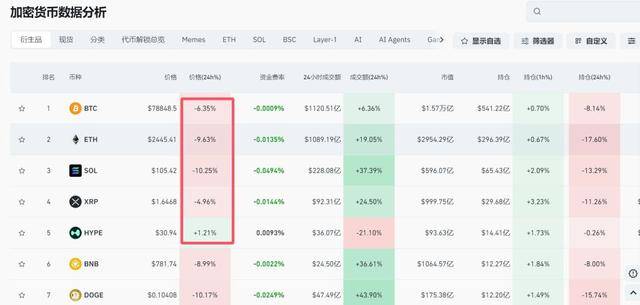
Group 1: Bitcoin Market Overview - Bitcoin has dropped below the $79,000 mark, reaching a low of $78,130, the lowest level since April 2025, with a daily decline of 6.35% [1] - As of the latest update, Bitcoin is priced at $78,848.5, having previously dipped to $75,687 [1] - Other cryptocurrencies such as SOL and Dogecoin have also seen declines exceeding 10% [1] Group 2: Market Liquidation Data - In the past 24 hours, the total liquidation in the cryptocurrency market reached $2.559 billion, affecting over 420,000 traders [2] - Long positions accounted for $2.4 billion of the liquidations, while short positions were liquidated for $150 million [2] - The largest single liquidation occurred on Hyperliquid-ETH, valued at $223 million [2] Group 3: Precious Metals and Economic Factors - Precious metals have experienced significant declines, with silver dropping over 25% and gold falling more than 9% [4] - The market reaction is attributed to the nomination of Kevin Warsh as the next Federal Reserve Chairman, which has raised concerns about the independence of the Fed and strengthened the dollar, negatively impacting gold and silver prices [4][5] - Warsh's nomination is seen as a move towards a more accommodative monetary policy, which could lead to lower interest rates to alleviate the burden of the $37 trillion national debt [5] Group 4: Market Sentiment and Future Outlook - Recent weeks have shown that Bitcoin has not responded positively to market changes that would typically benefit its price, indicating a lack of investor confidence [6] - The recent crash in precious metals did not lead to an influx of capital into Bitcoin, suggesting a shift in investor interest towards traditional safe-haven assets [8] - Analysts note that the current price levels indicate extremely low retail interest in Bitcoin, with trading volumes expected to remain subdued for one to two more quarters [9]
史诗级暴跌引发流动性踩踏,金银后市怎么走?
第一财经· 2026-02-01 14:45
Core Viewpoint - The article discusses a significant market crash in gold and silver prices, triggered by the nomination of Kevin Warsh as the new Federal Reserve Chairman, leading to a liquidity crunch and forced selling across various asset classes [3][4][5]. Market Reaction - On the last trading day of January, gold prices fell by over 12%, dropping below $5000 per ounce, while silver experienced a maximum drop of over 35%, marking its largest single-day decline in nearly 40 years [3][4]. - The sell-off was exacerbated by increased margin requirements from exchanges, leading to a vicious cycle of forced liquidations [7][8]. Federal Reserve Nomination Impact - Kevin Warsh's nomination is perceived as a hawkish shift, altering market expectations regarding the Federal Reserve's independence and monetary policy, which previously supported rising gold prices [5][6]. - Warsh's stance on reducing the Fed's balance sheet and being cautious about inflation has led to a significant rebound in the dollar index and a sharp correction in commodity markets [6]. Technical Indicators and Market Conditions - Prior to the crash, gold and silver markets showed extreme overbought signals, with gold's Relative Strength Index (RSI) reaching 90 and silver's RSI exceeding 93, indicating a high likelihood of a technical correction [10][11]. - The volatility in the market was further amplified by algorithmic trading and forced liquidation, which triggered additional selling pressure [11]. Retail Market Response - Retail investors faced challenges in responding to the price drop, with many unable to intercept orders for gold jewelry purchased at higher prices, as retailers often do not accept returns for precious metals [12][13]. Future Outlook - Short-term market sentiment remains cautious, with expectations of continued forced selling and volatility, while long-term views suggest a potential shift towards a de-dollarization trend, which may support gold prices in the future [14][16]. - Despite the recent crash, gold and silver still recorded significant gains for January, with COMEX gold and silver futures up 13% and 20% respectively [15].