
LME铝

Search documents
宝城期货资讯早班车-20260401
Bao Cheng Qi Huo· 2026-04-01 02:34
1. Report Industry Investment Rating No information provided in the report. 2. Core Viewpoints of the Report - The economic situation shows a mixed picture, with some indicators improving while others facing challenges. The geopolitical situation, especially the Iran - US conflict, has significant impacts on the global economy, trade, and financial markets. Central banks are implementing various monetary policies to maintain economic stability and promote growth [1][2][13] - The bond market is expected to maintain a volatile and relatively strong performance in the second quarter, and attention should be paid to international situation changes and crude oil import conditions [21] - The stock market is volatile, with different sectors showing different trends, and the public - offering fund market is making progress in implementing performance comparison benchmark regulations [30][31] 3. Summary by Directory 3.1 Macro Data Overview - GDP growth in Q4 2025 was 4.5% year - on - year, lower than the previous quarter and the same period last year. The manufacturing PMI in March 2026 was 50.4%, up from the previous month. The non - manufacturing PMI: business activity was 50.1%, slightly down from the previous month [1] - In February 2026, social financing scale was 23855 billion yuan, M0, M1, and M2 year - on - year growth rates were 14.1%, 5.9%, and 9.0% respectively. New RMB loans were 9000 billion yuan. CPI was 1.3% year - on - year, and PPI was - 0.9% year - on - year [1] - In February 2026, fixed - asset investment cumulative year - on - year growth was 1.8%, and social consumer goods retail sales cumulative year - on - year growth was 2.8%. Exports and imports in February 2026 increased by 39.60% and 13.80% year - on - year respectively [1] 3.2 Commodity Investment Reference 3.2.1 Comprehensive - The US, Iran are willing to end the war, but Iran requires guarantees. The Iran - US conflict may cause significant GDP losses in Arab countries, rising unemployment, and increased poverty [2] - The Central Bank's Monetary Policy Committee suggests integrating incremental and stock policies, using various tools for monetary policy regulation, and maintaining financial market stability [3] 3.2.2 Metals - Goldman Sachs raised the Q2 2026 LME aluminum price forecast to $3450 from $3200. On March 31, domestic tin and copper inventories reached new lows, while aluminum inventory reached a new high [4] - Three Middle - Eastern aluminum plants cut production by about 2.63 million tons. On March 31, the gold持仓 of SPDR Gold Trust increased by 0.11% to 1047.28 tons [5] 3.2.3 Coal, Coke, Steel, and Minerals - In mid - March, the price of rebar increased by 0.83% month - on - month to 3189.1 yuan/ton, the price of coke decreased by 2.08% month - on - month to 1346.4 yuan/ton, and the price of coking coal increased by 0.4% month - on - month to 1420.7 yuan/ton [6] 3.2.4 Energy and Chemicals - US API crude oil inventory increased by 10.263 million barrels last week, causing oil prices to fall. Sadara Chemical Company temporarily shut down due to supply chain disruptions. Iran's oil discount has narrowed, and the average selling price has risen. The US Treasury Secretary said the oil market has a daily supply shortage of 10 - 12 million barrels [7] 3.2.5 Agricultural Products - In mid - March, the prices of soybean meal, soybeans, and cotton increased by 6.82%, 2.98%, and 2.15% month - on - month respectively, reaching new highs [9] 3.3 Financial News Compilation 3.3.1 Open Market - On March 31, the central bank conducted 32.5 billion yuan of 7 - day reverse repurchase operations, with a net investment of 15 billion yuan [10] 3.3.2 Important News - The US and Iran are willing to end the war, but there is no formal negotiation yet. Iran listed 18 US ICT and AI - related companies as "legitimate targets" [11][12] - China's economic sentiment improved in March, with manufacturing, non - manufacturing, and comprehensive PMI output indexes all returning to the expansion range [14] - From January to February, state - owned enterprises' total operating income increased by 0.2% year - on - year, and the profit decreased by 2% year - on - year. The asset - liability ratio at the end of February was 65.4%, up 0.5 percentage points year - on - year [15] - A number of national regulations will be implemented in April. The Ministry of Finance announced the issuance arrangements for key - term, short - term, and ultra - long - term treasury bonds in Q2 2026 [15][16] - In February, government bond net financing decreased by 292.53 billion yuan year - on - year, and corporate bond net financing decreased by 18.02 billion yuan year - on - year. At the end of February, the bond market custody balance was 198.9 trillion yuan, with foreign institutions holding 3.4 trillion yuan [16] - New special bonds issuance accelerated in Q1 2026, reaching 1.1599 trillion yuan, a 21% increase from the same period in 2025 [17] - The trading association supported 370+ enterprises to issue 1.06 trillion yuan of science and technology innovation bonds. New bond indexes will be launched on April 1 [17][18] - Global central banks are selling US Treasury bonds at the fastest pace in more than a decade. The market trading logic has shifted from inflation trading to recession trading [18] - Some bond - related events include bond redemption options, asset transfers, and rating changes [19] 3.3.3 Bond Market Summary - The inter - bank bond market was volatile, with most major interest - rate bond yields rising slightly. Treasury bond futures mostly strengthened. The inter - bank market liquidity was very loose [20][21] - The exchange - traded bond market had mixed performance, with some bonds rising and some falling. The convertible bond index and related indexes also showed different trends [21][22] - Money market interest rates mostly declined, and the yields of some domestic and foreign bonds also changed [22][24][25] 3.3.4 Foreign Exchange Market - The on - shore RMB against the US dollar rose 49 basis points at the 16:30 close. The US dollar index fell 0.62%, and most non - US currencies rose [26] 3.3.5 Research Report Highlights - CITIC Securities believes that accelerating the revitalization of existing assets helps local platforms transform and serve economic growth. The acceleration of government debt clearance for enterprises is expected to repair the balance sheets and valuations of industries such as construction [27][28] - CITIC Construction Investment believes that the "South - bound Bond Connect" meets the needs of institutional diversification, and the Hong Kong bond market may expand, providing more choices for global asset allocation [28] 3.4 Stock Market News - The A - share market declined, with some sectors rising and some falling. The Hong Kong stock market had a mixed performance, with the Hang Seng Index rising slightly and the Hang Seng Tech Index falling [30][31] - The public - offering fund market is making progress in implementing performance comparison benchmark regulations [31] 3.5 Today's Reminder - On April 1, 132 bonds were listed, 120 bonds were issued, 55 bonds were due for payment, and 173 bonds paid principal and interest [29]
黄金、白银价格大跌
新华网财经· 2026-03-21 01:04
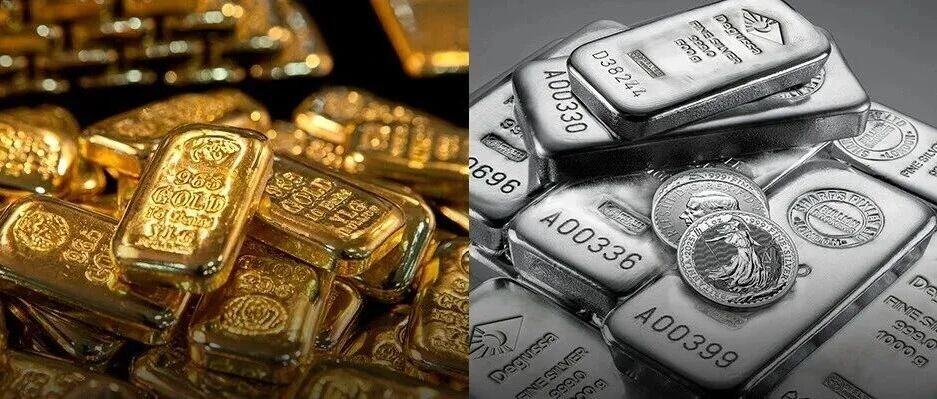
Commodity Market - As of March 20, London spot gold decreased by 3.42%, closing at $4,491.670 per ounce, while COMEX gold futures fell by 2.47%, settling at $4,492.0 per ounce [1] - London spot silver dropped by 6.80%, ending at $67.897 per ounce, and COMEX silver futures declined by 4.78% [1] - LME copper fell by over 2%, while LME zinc saw a slight increase; LME aluminum and LME tin both decreased by over 1%, and LME nickel experienced a minor decline [1] Oil Market - As of March 20, ICE Brent crude oil rose by 0.61%, and NYMEX WTI crude oil increased by 2.66% [2]

高频数据扫描:护航前景存疑、相互威慑升级
Bank of China Securities· 2026-03-15 13:44
1. Report Industry Investment Rating - The document does not provide a specific investment rating for the industry [1][3] 2. Core Viewpoints of the Report - High oil prices may push up US inflation, and if WTI oil prices remain above $90 per barrel for a long time, it could drive the US CPI year - on - year increase back above 3% or even 4%, affecting the Fed's interest rate cut expectations and the US Treasury market. The longer high oil prices persist, the greater their upward potential may be [3] - Whether the US can provide escort in the Strait of Hormuz is a key factor for the persistence of oil price shocks. The US government has considered the escort option, but security risks have prevented its implementation [3] - Tensions between the US and Iran around Kharg Island have escalated, increasing the risk of sharp fluctuations in international oil prices [3] - Next week, the international financial and commodity markets should focus on the US - Iran game around Kharg Island and when the US can provide escort in the Strait of Hormuz [1][3] - International oil prices continued to rise, while domestic meat and vegetable prices declined this week. There were also changes in the prices and indicators of other commodities such as copper, aluminum, and steel [3] - The average daily transaction area of commercial housing in 30 large and medium - sized cities in February and March 2026 decreased compared to the same period in 2025 [3] 3. Summary by Relevant Catalogs 3.1 High - frequency Data Scan - Next week, focus on the US - Iran game around Kharg Island and when the US can provide escort in the Strait of Hormuz [1][3] 3.2 High - frequency Data and Important Macroeconomic Indicators Trend Comparison - The document provides multiple charts showing the relationships between high - frequency data and important macroeconomic indicators such as industrial added value, PPI, CPI, etc., including the relationship between copper spot prices and industrial added value, and between RJ/CRB price index and export amount [19][28][55] 3.3 Important High - frequency Indicators in the US, Europe, and Japan - The document shows charts related to US weekly economic indicators, real economic growth rate, initial jobless claims, unemployment rate, and the implied prospects of interest rate hikes/cuts by the central banks of the US, Japan, and the Eurozone [85][89][93] 3.4 Seasonal Trends of High - frequency Data - The document presents the seasonal trends (in terms of month - on - month increases) of various high - frequency data, including 30 - city commercial housing transaction area, LME copper spot settlement price, and Brent crude oil futures settlement price [98][106][112] 3.5 High - frequency Traffic Data in Beijing, Shanghai, Guangzhou, and Shenzhen - The document shows the year - on - year changes in subway passenger volume in Beijing, Shanghai, Guangzhou, and Shenzhen [144][145][146]
期货市场交易指引-20260313
Chang Jiang Qi Huo· 2026-03-13 03:33
Report Industry Investment Ratings - The report does not provide an overall industry investment rating but gives specific trading suggestions for various futures products, including long - term bullish, short - term trading, range trading, and short - selling opportunities [1] Core Views - The report analyzes the market conditions of multiple futures sectors, including macro - finance, black building materials, non - ferrous metals, energy chemicals, cotton - spinning industry chain, and agricultural livestock. It provides trading strategies based on factors such as supply - demand relationships, geopolitical situations, and cost changes [1] Summary by Directory Macro - Finance - **Stock Index**: Long - term bullish, recommend buying on dips. US inflation cools, Fed rate - cut expectations decline, and geopolitical factors may put pressure on the stock index [5] - **Treasury Bonds**: Expected to trade in a range. The trading around the Two Sessions and short - term RRR cuts or rate cuts is over, and the market will focus on quarter - end institutional behavior and overseas situations. China's inflation data may influence the market [6] Black Building Materials - **Coking Coal**: Short - term trading. After the Spring Festival, the coking coal market is weak and stable, with slow demand recovery and low trading volume [9] - **Rebar**: Range trading. The rebar futures price is expected to be slightly bullish in the short term, with low static valuation and ongoing inventory accumulation [10] - **Glass**: Short - selling on rallies. Supply increases, inventory rises, demand is weak, and the fundamental situation is poor, limiting the upside potential [11][12] Non - Ferrous Metals - **Copper**: Short - term range trading or wait - and - see, with an operating range of 98,000 - 106,000 yuan/ton. Geopolitical factors, economic recession expectations, and inventory changes need to be closely monitored [14][15] - **Aluminum**: Suggest strengthening observation. The price is affected by geopolitical situations, supply - demand changes, and inventory levels. It is recommended to allocate more while controlling positions [17] - **Nickel**: Suggest holding moderately on dips. The reduction of nickel ore quotas in Indonesia supports the price, but demand is weak in some sectors [18][19] - **Tin**: Range trading. Supply is tight, and downstream demand is stable. The price is expected to continue wide - range fluctuations [20] - **Gold and Silver**: Both are expected to trade in a range. Geopolitical situations and inflation expectations affect the prices, and it is recommended to wait and trade cautiously [22][23] - **Lithium Carbonate**: Range - bound. Supply and demand both increase, and the price is expected to continue to fluctuate [24][25] Energy Chemicals - **PVC**: Bullish and volatile. The cost is low, supply is high, domestic demand is weak, and exports are expected to support the price in the short term [26] - **Caustic Soda**: Bullish and volatile. Demand from alumina production provides support, and exports may increase due to geopolitical factors. Spring maintenance and downstream restocking support the price [29] - **Styrene**: Bullish and volatile. Geopolitical factors drive up the oil price, providing cost support. Low inventory and export support the price [30] - **Polyolefins**: Bullish and volatile. Geopolitical conflicts support the cost, and supply - demand conditions improve marginally [31] - **Rubber**: Bullish and volatile. Cost support is strong, but inventory pressure is high. It is recommended to buy on dips and not chase the high [32] - **Urea**: Bullish and range - trading. Supply increases, demand from agriculture and compound fertilizers supports the price, and inventory levels are relatively low [34] - **Methanol**: Bullish and range - trading. The conflict in Iran may cause supply shortages, and domestic supply and demand are in a complex situation [35] - **Soda Ash**: Short - selling on rallies. Supply is high, inventory pressure is large, and the price is expected to remain under pressure [37] Cotton - Spinning Industry Chain - **Cotton and Cotton Yarn**: Bullish and volatile. Global cotton supply and demand change, and the price is expected to be bullish after the festival [38] - **Apples**: Bullish and volatile. The trading is stable, with some regional differences in price and demand [40] - **Red Dates**: Expected to trade in a range. The acquisition price in the Xinjiang region is based on quality [41] Agricultural Livestock - **Hogs**: For contracts 05 and 07, adopt a short - selling on rallies strategy; for contract 09, treat it as a range - bound market. The short - term price is under pressure due to oversupply, and the long - term price depends on capacity reduction [42][43] - **Eggs**: Range - bound. Supply is sufficient, demand is in a transition stage, and the price is expected to oscillate in the short term [44] - **Corn**: Bullish and volatile. Be cautious when chasing high prices. Short - term supply - demand game is intense, and long - term supply is expected to be relatively loose [45] - **Soybean Meal**: Bullish and volatile. Be cautious when chasing long positions in the 05 contract. The price is affected by factors such as US soybean exports, Brazilian harvest, and domestic supply [46] - **Oils and Fats**: Bullish and volatile. Follow the international crude oil price. It is recommended to go long on soybean and palm oils. Different oils have different supply - demand situations [47][48][49]
大类资产配置周报20260306-20260308
East Money Securities· 2026-03-08 13:08
Group 1 - The overall equity market experienced adjustments during the week from March 2 to March 6, with the Shanghai Composite Index falling by 0.93% to close at 4124.19 points, and the Shenzhen Component Index declining by 2.22% to 14172.63 points [9][11] - The convertible bond market also saw a decline, with the China Convertible Bond Index dropping by 2.07% and the Shanghai Convertible Bond Index decreasing by 2.21% during the week [16] - The bond market showed a general strengthening trend, with the 1-year China government bond yield decreasing by 3.58 basis points, and the 10-year yield down by 0.67 basis points [20] Group 2 - In the commodity market, performance was mixed, with WTI crude oil rising significantly by 35.63%, while COMEX gold and silver fell by 2.17% and 10.27% respectively [10][28] - The South China Commodity Index overall strengthened, with a 6.43% increase, driven by strong performance in energy and chemical sectors, which rose by 15.45% [28] - The market saw active trading in both convertible bonds and underlying stocks, with transaction volumes of 3674.49 billion and 7711.56 billion respectively, indicating a recovery in trading activity [16]
大类资产配置周报-20260303
East Money Securities· 2026-03-03 05:46
1. Report Industry Investment Rating No relevant content provided. 2. Core View of the Report The report analyzes the performance of various asset classes in the week from February 24th to February 27th, 2026. The equity market showed overall recovery, the convertible bond market declined, the bond market mostly weakened, and commodity futures mostly strengthened. Different market segments were affected by various factors such as policy changes, external trade environment, and geopolitical risks [9][10]. 3. Summary by Directory 3.1 This Week's Performance of Major Asset Classes - The equity market showed overall recovery. The Shanghai Composite Index rose 1.98% to 4162.88 points, the Shenzhen Component Index rose 2.8% to 14495.09 points, and the ChiNext Index rose 1.05% to 3310.3 points. The trading volume of the Shanghai and Shenzhen stock exchanges totaled 9.69 trillion yuan. The Hang Seng Index rose 0.82% to 26630.54 points, while the Hang Seng Tech Index fell 1.41% to 5137.84 points [9]. - The convertible bond market declined. The CSI Convertible Bond Index fell 0.24% in the past week, and the Shanghai Stock Exchange Convertible Bond Index fell 0.34%. In the past month, the CSI Convertible Bond Index rose 0.9%, and the Shanghai Stock Exchange Convertible Bond Index rose 0.26% [9]. - The bond market mostly weakened. The yields of 1-year, 3-year, 5-year, 7-year, and 30-year China Bond Treasury bonds increased by 0.71bp, 0.84bp, 1.33bp, 2.36bp, and 4.36bp respectively, while the 10-year yield decreased by 0.22bp [9]. - Commodity futures mostly strengthened, with silver performing strongly. COMEX gold rose 3.24%, COMEX silver rose 11.61%, LME copper rose 2.28%, LME aluminum rose 1.16%, WTI crude oil rose 0.81%, SHFE rebar rose 0.98%, CBOT soybeans rose 1.41%, and CBOT corn rose 1.88% [10]. 3.2 Performance of the Equity Market - Stocks - The equity market rose this week, with small and medium-cap stocks outperforming. Most industries rose, with cyclical sectors such as steel and non-ferrous metals leading the gains. The media, consumer services, and non-bank financial sectors led the declines. The media sector fell 5.21%, consumer services fell 4.14%, and non-bank financials fell 3.21%. The steel sector rose 9.52%, and the comprehensive financial sector rose 2.17% [14]. - Market rotation was still active this week. The market style switched again. Benefiting from post-holiday resumption of work and production, cyclical and resource sectors led the gains, while the consumer sector was relatively weak. In addition, technology growth sectors such as semiconductors and chips also performed well [14]. - The reasons for the market performance are that the trading volume increased in the first week after the holiday, and the trading activity improved. Since the beginning of this year, the prices of many commodities have continued to rise. On the one hand, driven by the expansion of AI-related demand, the prosperity of sub - sectors such as chips and electronic cloth has increased, and prices have strengthened. On the other hand, the prices of resources such as gold and silver have also risen to varying degrees. Under the combined effect of rising product prices and improved profit expectations, relevant fields have strengthened synchronously. In the steel sector, many steel enterprises announced a "good start" in production in the first month of this year, and the production and sales indicators of some steel enterprises performed well, enhancing the investment confidence in the sector [14]. 3.3 Performance of the Equity Market - Convertible Bonds - The equity market rose this week, while the convertible bond market fell. As of February 27, 2026, the CSI Convertible Bond Index fell 0.24%, and the Shanghai Stock Exchange Convertible Bond Index fell 0.34%. In the past month, the CSI Convertible Bond Index rose 0.9%, and the Shanghai Stock Exchange Convertible Bond Index rose 0.26%. The trading volumes of convertible bonds and underlying stocks this week were 2945.06 billion yuan and 5968.85 billion yuan respectively, and the trading activity of both underlying stocks and convertible bonds declined compared with before the holiday [16]. - The convertible bond market was weak this week, lagging behind the overall stock market performance. The resource and pro - cyclical sectors of A - shares showed obvious upward trends, while some high - valuation technology and growth stocks were under pressure. At the same time, the trading volume of convertible bonds decreased, which may have had a certain impact on the convertible bond market [16]. 3.4 Performance of the Fixed - Income Market - The bond market yields generally increased this week, with the 10 - year Treasury bond yield slightly decreasing. The yields of 1 - year, 3 - year, 5 - year, 7 - year, and 30 - year China Bond Treasury bonds increased by 0.71bp, 0.84bp, 1.33bp, 2.36bp, and 4.36bp respectively, while the 10 - year yield decreased by 0.22bp [18]. - During the Spring Festival, the US tariff policy fluctuated again, increasing the uncertainty of the external trade environment and affecting the market risk appetite, which had a certain impact on the short - term bond market. On February 25th, Shanghai issued the "Seven Measures for Shanghai" real estate optimization policy, which adjusted the purchase restrictions, housing provident fund use, and property tax, etc. The policy was aimed at stabilizing the real estate market and expectations. Affected by the policy's boost to the real estate chain sentiment, the risk appetite for equities was marginally repaired, and the bond market was under pressure [18]. - In terms of the capital side, on February 25th, the central bank conducted 600 billion yuan of MLF operations. From the perspective of the operation intensity and reverse repurchase scale, the monetary policy continued to be relatively loose, and the attitude of maintaining liquidity was stable. Especially before the Two Sessions, the policy orientation of stabilizing the capital side is expected to continue, and the capital price is likely to remain in a reasonable range and be generally stable. In the future, although the bond market sentiment has improved compared with before, there are not enough incremental factors to drive the yield to break through the oscillation range effectively. Before there is a new dominant variable, the market's long and short forces are still relatively balanced, and the bond market is expected to continue the range - bound pattern in the short term [19]. 3.5 Performance of the Commodity Market - The Nanhua Commodity Index strengthened overall this week, with precious metals performing strongly. The index rose 3.56% in total. Precious metals led the gains, rising 8.55% compared with the week before the Spring Festival. Metals rose 3.06%, industrial products rose 2.47%, energy and chemicals rose 2.14%, and agricultural products rose 1.19% [27]. - The gold price continued to rise this week and remained at a high level. The uncertainty of the US - Iran situation and the variable policy orientation of the Trump administration have increased the external geopolitical risk premium. At the same time, the short - term rebound of international oil prices and the creation of a new stage high have strengthened the market's re - pricing expectations for inflation and the energy supply - demand pattern, driving the precious metal and energy sectors to strengthen synchronously. In the future, the evolution of the geopolitical situation is still uncertain, and there are also significant differences in the Fed's policy path. It is expected that gold will maintain a high - level oscillation pattern in the short term [28][30].
多资产周报“暴走”的汇率
Guoxin Securities· 2026-02-28 10:45
Exchange Rate Dynamics - The RMB exchange rate strengthened significantly post-Spring Festival, with an average daily increase reaching 239 basis points, breaking key psychological levels of 6.85 and 6.80[1] - The surge in demand for currency settlement due to the misalignment of the Spring Festival led to a concentrated demand explosion in late February[1] - Approximately $1 trillion of export earnings have been held in overseas accounts over the past 2-3 years, triggering a "herd effect" in currency settlement as the RMB appreciated rapidly[1] Market Trends - From February 21 to February 28, the CSI 300 index rose by 1.08%, while the Hang Seng Index increased by 0.83%, and the S&P 500 fell by 0.45%[2] - The offshore RMB appreciated by 0.53%, and the US dollar index decreased by 0.11% during the same period[2] - Major commodities saw price increases, with WTI crude oil rising by 0.82%, LME copper up by 5.41%, and London silver increasing by 11.77%[2] Inventory and Fund Behavior - Recent oil inventory levels reached 44,684 million tons, up by 46,224 million tons from the previous week[3] - The latest week saw a decrease in long positions for the US dollar by 2,121 contracts, totaling 13,295 contracts, while short positions slightly decreased by 4 contracts[3] - The scale of gold ETFs increased to 3,540 million ounces, up by 720,000 ounces from the previous week[3] Risk Factors - Potential risks include volatility in overseas markets and uncertainties in domestic policy execution[4]
2026年春节假期期间国际品种涨跌幅
Ge Lin Qi Huo· 2026-02-24 08:03
Report Summary 1. Core View - The report presents the price changes of various international varieties from February 13th, 15:00 to February 23rd, 18:00 in 2026, including stock indices, commodities, and currency indices [3]. 2. Key Points by Category Stock Indices - The FTSE A50 Index rose from 14,684 to 14,919, a 1.60% increase [3]. - The Hang Seng Index increased from 26,595.15 to 27,081.91, a 1.83% rise [3]. - The Dow Jones Industrial Index went up from 49,451.98 to 49,625.97, a 0.35% increase [3]. - The S&P 500 Index climbed from 6,832.76 to 6,909.51, a 1.12% gain [3]. - The NASDAQ Composite Index advanced from 22,597.15 to 22,886.07, a 1.28% increase [3]. - The Nikkei 225 Index dropped from 56,941.97 to 56,825.7, a 0.20% decline [3]. Commodity Indices - The Baltic Dry Index decreased from 2,083 to 2,043, a 1.92% fall [3]. Energy Commodities - Brent Crude Oil rose from $67.55 to $71.04, a 5.17% increase [3]. - US Crude Oil increased from $62.83 to $66.23, a 5.41% rise [3]. Precious Metals - CMX Gold climbed from $4,986.7 to $5,170.1, a 3.68% gain [3]. - CMX Silver advanced from $77.105 to $86.515, a 12.20% increase [3]. Base Metals - LME Copper rose from $12,894.5 to $12,966, a 0.55% increase [3]. - LME Aluminum increased from $3,062.5 to $3,102.5, a 1.31% rise [3]. - LME Zinc went up from $3,352.5 to $3,377.5, a 0.75% increase [3]. - LME Lead dropped from $1,976.5 to $1,963, a 0.68% decline [3]. - LME Nickel advanced from $17,255 to $17,600, a 2.00% increase [3]. - LME Tin climbed from $46,940 to $47,500, a 1.19% gain [3]. Iron Ore - TSI Iron Ore decreased from $97.15 to $95.85, a 1.34% fall [3]. Agricultural Commodities - CBOT Soybeans rose from $1,134.75 to $1,146.75, a 1.06% increase [3]. - CBOT Soybean Meal increased from $308.6 to $309.7, a 0.36% rise [3]. - CBOT Soybean Oil advanced from $57.26 to $59.67, a 4.21% increase [3]. - CBOT Corn climbed from $430.25 to $438.75, a 1.98% gain [3]. - CBOT Wheat rose from $550.75 to $575.75, a 4.54% increase [3]. - MDE Crude Palm Oil increased from 3,996 to 4,084, a 2.20% rise [3]. - ICE No. 2 Cotton advanced from 64.26 to 65.46, a 1.87% increase [3]. - ICE No. 11 Sugar climbed from 13.53 to 13.9, a 2.73% gain [3]. Currency Indices - The US Dollar Index rose from 97.0775 to 97.6349, a 0.57% increase [3]. Currency Pairs - The US Dollar against Offshore RMB decreased from 6.908 to 6.8852, a 0.33% decline [3].
外盘表现:春节假期外盘市场涨跌幅统计
Guan Tong Qi Huo· 2026-02-23 07:40
Report Industry Investment Rating - Not provided in the given content Core Viewpoints - The report presents the price and cumulative percentage change of various commodities, stock market indices, and other important indicators during the Spring Festival holiday in the overseas market [2] Summaries by Related Catalogs Commodities - NYMEX crude oil closed at $66.31 on February 20, with a cumulative increase of 5.57% during the holiday [2] - NYMEX natural gas closed at $2.99 on February 20, with a cumulative decrease of 6.41% during the holiday [2] - COMEX gold closed at $5130.00 on February 20, with a cumulative increase of 1.31% during the holiday [2] - COMEX silver closed at $84.57 on February 20, with a cumulative increase of 9.45% during the holiday [2] - LME copper closed at $12964.00 on February 20, with a cumulative increase of 0.25% during the holiday [2] - LME zinc closed at $3382.50 on February 20, with a cumulative increase of 1.20% during the holiday [2] - LME nickel closed at $17435.00 on February 20, with a cumulative increase of 2.59% during the holiday [2] - LME aluminum closed at $3102.50 on February 20, with a cumulative increase of 0.39% during the holiday [2] - LME tin closed at $46559.00 on February 20, with a cumulative decrease of 0.62% during the holiday [2] - LME lead closed at $1965.00 on February 20, with a cumulative decrease of 0.35% during the holiday [2] - TSI iron ore CFR China (62% iron powder) closed at $95.30 on February 20, with a cumulative decrease of 1.60% during the holiday [2] - CBOT soybeans closed at $1153.75 on February 20, with a cumulative increase of 1.67% during the holiday [2] - CBOT corn closed at $428.00 on February 20, with a cumulative decrease of 0.87% during the holiday [2] - CBOT soybean oil closed at $59.34 on February 20, with a cumulative increase of 3.80% during the holiday [2] - CBOT soybean meal closed at $314.20 on February 20, with a cumulative increase of 1.58% during the holiday [2] - CBOT wheat closed at $581.75 on February 20, with a cumulative increase of 5.97% during the holiday [2] - CBOT rice closed at $10.52 on February 20, with a cumulative decrease of 4.54% during the holiday [2] - ICE 11 - sugar closed at $13.86 on February 20, with a cumulative increase of 2.29% during the holiday [2] - ICE 2 - cotton closed at $65.55 on February 20, with a cumulative increase of 2.13% during the holiday [2] Stock Market - The S&P 500 closed at 6909.51 on February 20, with a cumulative increase of 1.07% during the holiday [2] - The Nasdaq Index closed at 22886.07 on February 20, with a cumulative increase of 1.51% during the holiday [2] - The UK FTSE 100 closed at 10686.89 on February 20, with a cumulative increase of 2.30% during the holiday [2] - The French CAC40 closed at 8515.49 on February 20, with a cumulative increase of 2.45% during the holiday [2] - The German DAX closed at 25260.69 on February 20, with a cumulative increase of 1.39% during the holiday [2] - The Nikkei 225 closed at 56825.70 on February 20, with a cumulative decrease of 0.20% during the holiday [2] - The Hang Seng Index closed at 26413.35 on February 20, with a cumulative decrease of 0.58% during the holiday [2] Other Important Indicators - The US dollar index closed at 97.74 on February 20, with a cumulative increase of 0.91% during the holiday [2]
商品周期驱动与轮动的再审视
Guo Tai Jun An Qi Huo· 2026-02-11 11:07
1. Industry Investment Rating No information about the industry investment rating is provided in the report. 2. Core Views - The factors affecting commodity prices are complex, with the core factors being financial and commodity attributes. The financial attributes include macro - liquidity, risk preference, and the role of the US dollar as a pricing "anchor". The commodity attributes involve supply - demand fundamentals, including both normal and abnormal influencing factors [2][3][7]. - Commodity prices do not rise and fall synchronously but follow a certain rotation order. Based on financial attributes, the mean - reversion of commodity ratios drives price rotation. Based on commodity attributes, economic cycle rotation and inventory cycles lead to the rotation of "precious metals - industrial metals - energy - agricultural products" [11][15][19]. - The current commodity pricing is influenced by the re - construction of the monetary "anchor", the abnormal supply - demand factors in commodity attributes, such as technological revolutions, industrial transformation, supply - chain re - construction under geopolitical influence, and strategic reserves. These factors have a more significant impact on prices compared to traditional supply - demand drivers [3]. - In the past two years, some commodities have shown strong performance, mainly led by precious metals and non - ferrous metals. The current commodity rally is mainly based on macro - narrative logic changes rather than traditional demand - driven cycles. If the economic cycle recovers more clearly, the traditional demand and cycle rotation will contribute more to commodity price increases [4]. 3. Summary by Directory 3.1 Commodity Pricing Factors and Rotation Analysis Framework 3.1.1 Commodity Pricing Factors - Financial attributes: Conventional factors include macro - liquidity (e.g., monetary policy, interest rates, inflation expectations) and risk preference. At a higher level, the US dollar serves as the pricing "anchor" for commodities, and its "de - anchoring" can lead to significant price re - evaluation [2][7]. - Commodity attributes: Core drivers are based on supply and demand. Normal factors include supply - demand gaps, production costs, and inventory levels. Abnormal factors on the demand side include technological revolutions, industrial transformation, and national strategic reserves; on the supply side, they include policy regulation, wars, pandemics, export controls, and weather [3][8]. 3.1.2 Commodity Rotation Framework - Based on financial attributes, the mean - reversion of commodity ratios (price - ratio effect) promotes price diffusion and rotation. For example, when the price ratio of copper to gold or oil exceeds the historical average, it may trigger a mean - reversion [15]. - Based on commodity attributes, economic cycle rotation and inventory cycles lead to the rotation of "precious metals - industrial metals - energy - agricultural products". In the recession period, precious metals are favored for their hedging value; in the recovery period, industrial metals take the lead; in the over - heating period, energy performs strongly; and in the stagflation period, agricultural products make up for the late - stage increase [15][19]. 3.2 Two Rounds of Typical Commodity Cycle Trends Review - The first round was in the 1970s, during the depression of the fourth Kondratieff cycle. The breakdown of the Bretton Woods system and two oil crises led to a tripling of the CRB index. Gold led the rally, followed by oil, and then agricultural products [28][34]. - The second round was in the early 21st century, driven by China's rise. The CRB index also tripled. LME copper led the early stage, oil had a more significant increase in the later stage, and agricultural products had a late - stage rally [28][37]. - After the 2008 subprime mortgage crisis, commodities followed the economic cycle rotation. Precious metals led in early 2009, industrial metals rebounded in the second and third quarters of 2009, oil prices climbed as the economy recovered, and after 2011, oil and agricultural products remained stable while precious metals and non - ferrous metals declined [40]. 3.3 Current Fundamental Situation and Rotation Status - In recent years, the prices of precious metals and non - ferrous metals have risen significantly, leading to expectations of a new commodity super - cycle. In 2025, precious metals and non - ferrous metals led the rally, energy was at the bottom, and agricultural products had not yet started [42]. - The drivers include the decline of the US dollar's reserve status, the double - loose monetary and fiscal policies in the Kondratieff depression, the demand for upstream resources driven by the AI technological revolution, the deepening of geopolitical contradictions leading to increased strategic reserves, and the return of manufacturing. However, due to the uncertain economic recovery, the typical commodity diffusion and rotation based on the cycle have not yet occurred. If the traditional economic cycle rotation becomes more obvious, the commodity rally will spread to black metals, energy, and agricultural products [46][54].
