
LME镍

Search documents
瑞达期货沪镍产业日报-20260324
Rui Da Qi Huo· 2026-03-24 11:14
Report Summary 1. Report Industry Investment Rating No information provided. 2. Core Viewpoint The report predicts that Shanghai nickel will fluctuate strongly in the short - term, and investors should pay attention to the MA60 resistance. The macro - situation shows that Trump's dialogue with Iran has formed key points of an agreement, delaying the attack on Iranian power plants and energy infrastructure. Fundamentally, the import of nickel ore from the Philippines is decreasing due to the rainy season, while Indonesia's nickel ore RKAB production approval is faster than expected, easing supply concerns. The domestic refined nickel production is expected to rise again, and the demand from stainless steel plants and new - energy vehicles is improving. Technically, the increasing position and rising price indicate a strong bullish sentiment [3]. 3. Summary by Relevant Catalogs 3.1 Futures Market - The closing price of the main futures contract of Shanghai nickel is 133,480 yuan/ton, with a week - on - week increase of 500 yuan/ton. The spread between the 05 - 06 contracts is - 230 yuan/ton, a decrease of 40 yuan/ton. - The price of LME 3 - month nickel is 17,200 US dollars/ton, up 315 US dollars/ton. The position of the main contract of Shanghai nickel is 181,146 lots, an increase of 1,440 lots. - The net long position of the top 20 futures holders of Shanghai nickel is - 54,932 lots, a decrease of 2,740 lots. The LME nickel inventory is 282,792 tons, a decrease of 720 tons. - The inventory of nickel in the Shanghai Futures Exchange is 63,661 tons, a decrease of 20 tons. The LME nickel cancelled warrants total 17,640 tons, a decrease of 720 tons. The warehouse receipt quantity of Shanghai nickel is 58,006 tons, an increase of 374 tons [3]. 3.2 Spot Market - The SMM 1 nickel spot price is 136,150 yuan/ton, a decrease of 1,700 yuan/ton. The average spot price of 1 nickel plate in the Yangtze River is 136,050 yuan/ton, a decrease of 1,900 yuan/ton. - The CIF (bill of lading) price of Shanghai electrolytic nickel is 210 US dollars/ton, unchanged. The bonded warehouse (warehouse receipt) price of Shanghai electrolytic nickel is 210 US dollars/ton, unchanged. - The average price of battery - grade nickel sulfate is 31,650 yuan/ton, unchanged. The basis of the NI main contract is 2,670 yuan/ton, a decrease of 2,200 yuan/ton. The LME nickel (spot/3 - month) premium is - 188.19 US dollars/ton, a decrease of 5.2 US dollars/ton [3]. 3.3 Upstream Situation - The monthly import volume of nickel ore is 199.28 million tons, a decrease of 134.67 million tons. The total port inventory of nickel ore is 792.66 million tons, a decrease of 65.68 million tons. - The average monthly import price of nickel ore is 75.53 US dollars/ton, an increase of 3.36 US dollars/ton. The tax - included price of Indonesian laterite nickel ore with 1.8% Ni is 41.71 US dollars/wet ton, unchanged [3]. 3.4 Industry Situation - The monthly output of electrolytic nickel is 29,430 tons, an increase of 1,120 tons. The total monthly output of ferronickel is 21,400 metal tons, unchanged. - The monthly import volume of refined nickel and alloys is 23,861.23 tons, an increase of 11,020.74 tons. The monthly import volume of ferronickel is 99.61 million tons, an increase of 10.07 million tons [3]. 3.5 Downstream Situation - The monthly output of 300 - series stainless steel is 185.81 million tons, an increase of 11.09 million tons. The total weekly inventory of 300 - series stainless steel is 62.42 million tons, a decrease of 1.28 million tons [3]. 3.6 Industry News - The US - Iran negotiation is in a deadlock. Trump said the US and Iran had a "strong" dialogue and formed key points of an agreement, delaying the attack on Iranian energy facilities for 5 days. Iran has repeatedly denied having a dialogue with the US. - State Power Investment Corporation plans to invest 200 billion yuan in 2026, a year - on - year increase of 17%. It aims to complete 23 billion yuan of investment in the first quarter, a year - on - year increase of 35%. - US Vice - President Vance and Israeli Prime Minister Netanyahu discussed the efforts to start negotiations with Iran and the elements of a potential agreement to end the war with Iran. Netanyahu said he had a call with Trump, and Trump thought there was an opportunity to achieve all war goals through an agreement. Meanwhile, Israel continues to attack Iran and Lebanon. - Fed's Goolsbee said inflation is the primary risk, not ruling out the possibility of raising interest rates, while still retaining the space for rate cuts this year. Other Fed officials also expressed their views on inflation and interest - rate policies [3].

黄金、白银价格大跌
新华网财经· 2026-03-21 01:04
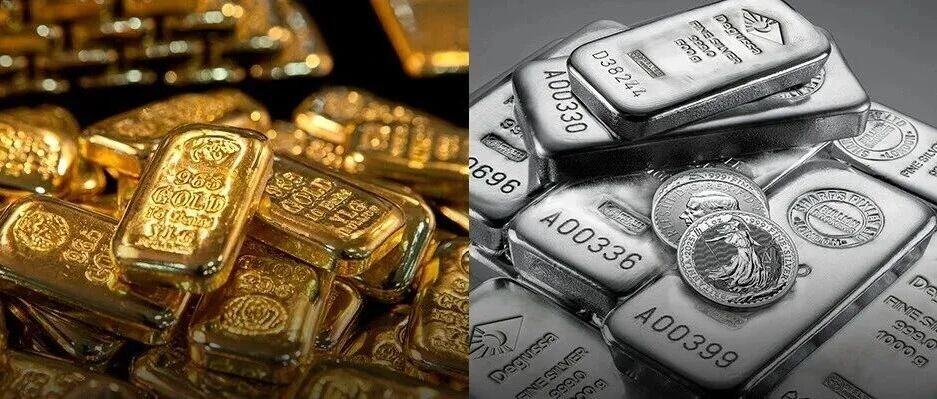
Commodity Market - As of March 20, London spot gold decreased by 3.42%, closing at $4,491.670 per ounce, while COMEX gold futures fell by 2.47%, settling at $4,492.0 per ounce [1] - London spot silver dropped by 6.80%, ending at $67.897 per ounce, and COMEX silver futures declined by 4.78% [1] - LME copper fell by over 2%, while LME zinc saw a slight increase; LME aluminum and LME tin both decreased by over 1%, and LME nickel experienced a minor decline [1] Oil Market - As of March 20, ICE Brent crude oil rose by 0.61%, and NYMEX WTI crude oil increased by 2.66% [2]

有色金属衍生品日报-20260318
Yin He Qi Huo· 2026-03-18 09:54
1. Report Industry Investment Rating No relevant content provided. 2. Core Views of the Report - The market is affected by the ongoing conflict between the US and Iran, and there is significant uncertainty. The situation in the Middle East and Mozambique is having an impact on the aluminum smelting industry, and the market is waiting for the Fed's interest rate decision. [1][16][20] - The supply and demand of various metals are in different states. For example, copper is in a seasonal destocking phase, while zinc has an increase in domestic inventory due to insufficient demand recovery compared to supply. [1][28] - The prices of different metals are expected to have different trends. For instance, copper prices may test key support levels, and aluminum prices are expected to be weak. [1][16] 3. Summary by Related Catalogs Copper - **Market Review**: The main contract of Shanghai copper 2605 closed at 98,610 yuan/ton, a decrease of 1.5%. The Shanghai copper index increased its position by 9,477 lots to 576,000 lots. The spot market showed different price trends in different regions. [1] - **Important Information**: As of March 16, the national mainstream copper inventory decreased by 5.46% to 547,300 tons. The production and sales of new energy vehicles from January to February decreased year - on - year. Chile's copper production in January was 409,900 tons, and Kazakhstan's refined copper production from January to February decreased by 9.1% year - on - year. [1] - **Logic Analysis**: The conflict between the US and Iran brings uncertainty. The African wet - process copper production may be affected by the shortage of sulfuric acid supply. The downstream consumption is strong, and the substitution of refined copper rods for recycled copper rods is prominent. [1] - **Trading Strategy**: For unilateral trading, wait and see as the market sentiment weakens and copper prices test key support levels. For arbitrage and options, also wait and see. [3][4][5] Alumina - **Market Review**: The alumina 2505 contract rose 10 yuan/ton to 3,048 yuan/ton, and the weighted position decreased by 1,921 lots. The spot prices in different regions showed an upward trend. [6] - **Related Information**: Guinea is discussing policies to restrict bauxite production and exports. The UAE's aluminum exports and raw material transportation are affected by the closure of the Strait of Hormuz. The registered volume of alumina warehouse receipts on the Shanghai Futures Exchange decreased on March 18. China's alumina exports from January to February decreased year - on - year, while bauxite imports increased. New alumina production capacity is expected to be put into trial production. [7][8][9] - **Trading Logic**: The news of Guinea's policy on bauxite has magnified the price fluctuations of alumina. Although the policy details are not clear, the bauxite supply is in a surplus situation. In the short term, alumina prices may be firm, but the subsequent pressure will come from the supply side. There is a basis for spot - futures arbitrage. [10][12] - **Trading Strategy**: For unilateral trading, expect a decline in an oscillatory manner. For arbitrage, buy spot delivery products and sell futures. For options, wait and see. [13][14] Electrolytic Aluminum - **Market Review**: The Shanghai aluminum 2605 contract decreased by 245 yuan/ton to 24,800 yuan/ton, and the position decreased by 9,662 lots. The spot prices in different regions decreased. [16] - **Related Information**: Bahrain Aluminum and Mozal Aluminum have reduced production due to transportation interruptions. China's imports of unforged aluminum and aluminum products from January to February decreased year - on - year, while exports increased. The cancellation of the photovoltaic tax - refund policy may affect the orders of related factories. [16][17] - **Trading Logic**: The situation in the Middle East is still tense, and the market is waiting for the Fed's interest rate decision. The reduction in aluminum smelting production in the Middle East and Mozambique continues, and there is a risk of economic weakness due to geopolitical conflicts and high oil prices. [20] - **Trading Strategy**: For unilateral trading, expect a weak performance. For arbitrage and options, wait and see. [21][22] Casting Aluminum Alloy - **Related Information**: Bahrain Aluminum and Mozal Aluminum have reduced production due to transportation interruptions. The warehouse receipt volume of casting aluminum alloy on the Shanghai Futures Exchange shows certain data. [23] - **Trading Logic**: The situation in the Middle East is tense, and the market is waiting for the Fed's interest rate decision. There is a risk of economic weakness. The supply of scrap aluminum is gradually released, but the demand recovery in the peak season is slow, and high prices and price fluctuations suppress purchasing willingness. [24] - **Trading Strategy**: For unilateral trading, expect a short - term weak performance following the aluminum price. For arbitrage and options, wait and see. [25][26] Zinc - **Market Review**: The Shanghai zinc 2605 contract decreased by 2.26% to 23,345 yuan/ton, and the position of the Shanghai zinc index increased by 1.28 lots to 205,700 lots. The spot market in Shanghai showed that the downstream enterprises took advantage of the low - price to place orders, and the spot discount narrowed. [26] - **Related Information**: As of March 16, the total inventory of zinc ingots in seven regions increased compared to previous periods. The downstream consumption recovery is slower than the arrival of smelter products. [28] - **Logic Analysis**: The supply of refined zinc in China is increasing, while the demand recovery is insufficient, and the domestic inventory is accumulating. However, there is an expectation of overseas smelter production cuts due to rising energy prices, and the low LME zinc inventory provides some support for zinc prices. [29] - **Trading Strategy**: For unilateral trading, expect a weak oscillatory performance in the short term. Wait for the price to stabilize and then go long at low prices. For arbitrage and options, wait and see. [30] Lead - **Market Review**: The Shanghai lead 2605 contract rose 0.79% to 16,650 yuan/ton, and the position of the Shanghai lead index decreased by 11,100 lots to 133,000 lots. The actual shipment volume of recycled refined lead is limited, and downstream battery production enterprises are reluctant to accept the premium price. [31] - **Related Information**: As of March 12, the social inventory of lead ingots increased. The import window is open, and imported lead is increasing. [32] - **Logic Analysis**: The increase in social inventory due to the delivery of goods by holders and the inflow of imported lead suppress the domestic lead market. However, the losses of recycled lead smelting enterprises are expanding, which provides some support for lead prices. [33] - **Trading Strategy**: For unilateral trading, continue to hold profitable long positions and raise the stop - loss line to protect profits. For arbitrage and options, wait and see. [35] Nickel - **Market Review**: The LME nickel price decreased by 130 to 17,255 US dollars/ton, the LME nickel inventory decreased by 174 to 283,740 tons, and the LME nickel 0 - 3 spread was - 206.69 US dollars/ton. [36] - **Important Information**: Greenmei has completed the rectification of the accident in Indonesia, and the production of MHP has resumed. The national economic data from January to February shows certain trends. [37] - **Logic Analysis**: The decline in copper prices and the market's trading of the recession expectation after the sharp rise in oil prices lead to a general decline in the non - ferrous metal sector. Although Greenmei has resumed production, the high cost of MHP provides cost support for nickel prices. In the short term, the macro - situation dominates the market. [37] - **Trading Strategy**: For unilateral trading, expect a weak oscillatory performance. For arbitrage and options, wait and see. [38][39] Stainless Steel - **Important Information**: Due to the geopolitical tension in West Asia, an Indian stainless - steel company has raised its product prices. The supply of industrial gas is interrupted, and logistics costs have increased. [40][42] - **Logic Analysis**: Overseas manufacturing is shrinking due to energy prices and supply issues, and some manufacturing orders are flowing back to China, but the fear of global economic recession still dominates the price trend. Stainless - steel prices are expected to follow the decline of nickel prices. [42] - **Trading Strategy**: For unilateral trading, wait for the macro - situation to stabilize. For arbitrage, wait and see. [43] Tin - **Market Review**: The main contract of Shanghai tin 2604 closed at 370,000 yuan/ton, a decrease of 9,820 yuan/ton or 2.59%. The position increased by 253 lots to 78,500 lots. The spot price decreased, and the market sentiment was cautious. [43] - **Related Information**: NVIDIA expects high revenue from its new AI chips. Nebius and Meta have reached a cooperation agreement. The supply of helium, an important raw material for chip cooling, is affected by the situation in the Strait of Hormuz. [44] - **Logic Analysis**: The situation in the Middle East is tense, and the impact of Indonesia's potential ban on tin exports is currently limited. China's imports of tin concentrates are increasing, but the production of refined tin in February decreased. The spot market is cautious, and downstream enterprises mainly consume inventory. [47] - **Trading Strategy**: For unilateral trading, expect an oscillatory performance in the range due to the unclear situation between the US and Iran and the weakening supply support from Myanmar's resumption of production. For options, wait and see. [48] Industrial Silicon - **Important Information**: An industrial silicon project in Inner Mongolia has its environmental impact assessment file accepted. [49] - **Logic Analysis**: In terms of supply and demand, the production of organic silicon and polysilicon increased in March, and the production of industrial silicon also increased. The overall supply and demand are in a tight - balance state. The low - price shipment willingness of manufacturers is not strong due to cost considerations. [50] - **Trading Strategy**: For unilateral trading, conduct range trading. For arbitrage and options, there is currently no suitable strategy. [51][52][53] Polysilicon - **Important Information**: GlobalData predicts that the global renewable energy installed capacity will increase significantly by 2031, with photovoltaic installed capacity being a major contributor. [54] - **Logic Analysis**: The production of polysilicon increased in March, and the silicon wafer production schedule also increased. The market is in a tight - balance state. The price strategy of manufacturers is divided, and the future price trend depends on whether the industry can maintain sales above the benchmark cost. [57] - **Trading Strategy**: For unilateral trading, expect an oscillatory performance with insufficient liquidity, so wait and see. For arbitrage and options, there is currently no suitable strategy. [58][59][60] Lithium Carbonate - **Important Information**: Tesla and LG Energy will invest in a battery factory in Michigan. An auction of lithium spodumene concentrate was completed. Rongbai Technology plans to adjust the equity structure of its South Korean subsidiary. [61] - **Logic Analysis**: The export of lithium mines from Zimbabwe will affect the domestic supply after May. The demand for batteries is high, and new production capacity of cathode materials will be put into operation in April. The supply and demand are marginally looser in March. Due to the external situation and regulatory environment, it is difficult for lithium prices to reach new highs, but there will be buying support if prices fall sharply. [62][64] - **Trading Strategy**: For unilateral trading, expect a weak oscillatory performance. For arbitrage and options, wait and see. [65][66]
期货市场交易指引-20260313
Chang Jiang Qi Huo· 2026-03-13 03:33
Report Industry Investment Ratings - The report does not provide an overall industry investment rating but gives specific trading suggestions for various futures products, including long - term bullish, short - term trading, range trading, and short - selling opportunities [1] Core Views - The report analyzes the market conditions of multiple futures sectors, including macro - finance, black building materials, non - ferrous metals, energy chemicals, cotton - spinning industry chain, and agricultural livestock. It provides trading strategies based on factors such as supply - demand relationships, geopolitical situations, and cost changes [1] Summary by Directory Macro - Finance - **Stock Index**: Long - term bullish, recommend buying on dips. US inflation cools, Fed rate - cut expectations decline, and geopolitical factors may put pressure on the stock index [5] - **Treasury Bonds**: Expected to trade in a range. The trading around the Two Sessions and short - term RRR cuts or rate cuts is over, and the market will focus on quarter - end institutional behavior and overseas situations. China's inflation data may influence the market [6] Black Building Materials - **Coking Coal**: Short - term trading. After the Spring Festival, the coking coal market is weak and stable, with slow demand recovery and low trading volume [9] - **Rebar**: Range trading. The rebar futures price is expected to be slightly bullish in the short term, with low static valuation and ongoing inventory accumulation [10] - **Glass**: Short - selling on rallies. Supply increases, inventory rises, demand is weak, and the fundamental situation is poor, limiting the upside potential [11][12] Non - Ferrous Metals - **Copper**: Short - term range trading or wait - and - see, with an operating range of 98,000 - 106,000 yuan/ton. Geopolitical factors, economic recession expectations, and inventory changes need to be closely monitored [14][15] - **Aluminum**: Suggest strengthening observation. The price is affected by geopolitical situations, supply - demand changes, and inventory levels. It is recommended to allocate more while controlling positions [17] - **Nickel**: Suggest holding moderately on dips. The reduction of nickel ore quotas in Indonesia supports the price, but demand is weak in some sectors [18][19] - **Tin**: Range trading. Supply is tight, and downstream demand is stable. The price is expected to continue wide - range fluctuations [20] - **Gold and Silver**: Both are expected to trade in a range. Geopolitical situations and inflation expectations affect the prices, and it is recommended to wait and trade cautiously [22][23] - **Lithium Carbonate**: Range - bound. Supply and demand both increase, and the price is expected to continue to fluctuate [24][25] Energy Chemicals - **PVC**: Bullish and volatile. The cost is low, supply is high, domestic demand is weak, and exports are expected to support the price in the short term [26] - **Caustic Soda**: Bullish and volatile. Demand from alumina production provides support, and exports may increase due to geopolitical factors. Spring maintenance and downstream restocking support the price [29] - **Styrene**: Bullish and volatile. Geopolitical factors drive up the oil price, providing cost support. Low inventory and export support the price [30] - **Polyolefins**: Bullish and volatile. Geopolitical conflicts support the cost, and supply - demand conditions improve marginally [31] - **Rubber**: Bullish and volatile. Cost support is strong, but inventory pressure is high. It is recommended to buy on dips and not chase the high [32] - **Urea**: Bullish and range - trading. Supply increases, demand from agriculture and compound fertilizers supports the price, and inventory levels are relatively low [34] - **Methanol**: Bullish and range - trading. The conflict in Iran may cause supply shortages, and domestic supply and demand are in a complex situation [35] - **Soda Ash**: Short - selling on rallies. Supply is high, inventory pressure is large, and the price is expected to remain under pressure [37] Cotton - Spinning Industry Chain - **Cotton and Cotton Yarn**: Bullish and volatile. Global cotton supply and demand change, and the price is expected to be bullish after the festival [38] - **Apples**: Bullish and volatile. The trading is stable, with some regional differences in price and demand [40] - **Red Dates**: Expected to trade in a range. The acquisition price in the Xinjiang region is based on quality [41] Agricultural Livestock - **Hogs**: For contracts 05 and 07, adopt a short - selling on rallies strategy; for contract 09, treat it as a range - bound market. The short - term price is under pressure due to oversupply, and the long - term price depends on capacity reduction [42][43] - **Eggs**: Range - bound. Supply is sufficient, demand is in a transition stage, and the price is expected to oscillate in the short term [44] - **Corn**: Bullish and volatile. Be cautious when chasing high prices. Short - term supply - demand game is intense, and long - term supply is expected to be relatively loose [45] - **Soybean Meal**: Bullish and volatile. Be cautious when chasing long positions in the 05 contract. The price is affected by factors such as US soybean exports, Brazilian harvest, and domestic supply [46] - **Oils and Fats**: Bullish and volatile. Follow the international crude oil price. It is recommended to go long on soybean and palm oils. Different oils have different supply - demand situations [47][48][49]
镍矿供给紧张态势助推镍不锈钢持续上涨
Hua Tai Qi Huo· 2026-02-26 05:26
1. Report Industry Investment Rating - Not provided in the given content 2. Core View of the Report - The tight supply situation of nickel ore has boosted the continuous rise of nickel and stainless steel. Due to the contraction expectation of nickel ore supply and macro - factors, nickel and stainless steel prices are expected to maintain a strong - side oscillatory trend, but are still suppressed by high inventory and weak demand, so the strategy is mainly range - based operation [1][3][5] 3. Summary by Related Catalogs Nickel Variety Market Analysis - **Futures**: On February 25, 2026, the main contract 2605 of Shanghai nickel opened at 139,000 yuan/ton and closed at 141,250 yuan/ton, a 2.32% change from the previous trading day's closing price. The trading volume was 221,614 (+88,557) lots, and the open interest was 38,264 (37,428) lots. The overnight LME nickel rose 3.64% to $17,915/ton, and the global non - ferrous metal sector generally rose, boosting the confidence of domestic Shanghai nickel bulls. The domestic non - ferrous metals in the commodity market were all in the green, and Shanghai nickel followed the sector to strengthen with obvious capital inflow [1] - **Nickel Ore**: After the Spring Festival, the trading atmosphere in the nickel ore market gradually recovered. The Indonesian market slightly declined due to the benchmark price adjustment, but the price of imported Philippine ore continued to rise. Philippine mines' quotes continued to rise, while the domestic market mainly adopted a wait - and - see attitude [1] - **Spot**: The nickel price continued to rise during the day, and the overall spot trading of refined nickel turned cold. Most traders still used the Shanghai nickel 2603 as the quotation contract. The spot premiums and discounts of various brands of refined nickel were generally stable, and the spot premium of Jinchuan resources continued to decline. The premium of Jinchuan nickel changed by - 350 yuan/ton to 8,550 yuan/ton, the premium of imported nickel changed by 0 yuan/ton to - 50 yuan/ton, and the premium of nickel beans was 2,450 yuan/ton. The previous trading day's Shanghai nickel warehouse receipts were 53,177 (1253) tons, and the LME nickel inventory was 287,808 (480) tons [2] Strategy - The supply of nickel ore is expected to remain in a contraction state due to Indonesian policies and the rainy season. Coupled with macro - factors, the nickel price is expected to maintain a strong - side oscillatory trend. However, the price is still suppressed by high inventory and weak demand, so the strategy is mainly range - based operation. There are no strategies for inter - period, cross - variety, spot - futures, and options [3] Stainless Steel Variety Market Analysis - **Futures**: On February 25, 2026, the main contract 2604 of stainless steel opened at 14,150 yuan/ton and closed at 14,245 yuan/ton. The trading volume was 102,416 (+33,299) lots, and the open interest was 84,875 (-4,171) lots. The stainless steel main contract opened slightly higher, oscillated upward, and closed with a small positive line, following the non - ferrous metal sector to operate strongly, with a smaller increase than Shanghai nickel. The overnight LME nickel rose sharply, and LME copper/LME tin also strengthened synchronously. The domestic non - ferrous futures were all in the green, and stainless steel followed the sector sentiment to rise, with a dominant long - side atmosphere. The Shanghai nickel 2603 rose 2.32%, the nickel iron price rebounded, and the cost line of stainless steel increased, providing bottom support for the futures price [3] - **Spot**: After the Spring Festival, the resumption of work was gradually promoted. The inquiring and trading activities in the spot market increased, and traders' quotes rose. The market had a preliminary expectation of the demand recovery in March. The stainless steel price in the Wuxi market was 14,300 (+100) yuan/ton, and in the Foshan market was 14,300 (+150) yuan/ton. The premium and discount of 304/2B were 135 to 335 yuan/ton. According to SMM data, the ex - factory tax - included average price of high - nickel pig iron changed by 16.50 yuan/nickel point to 1,070.0 yuan/nickel point [4] Strategy - Affected by the macro - level interest rate cut expectation and the support of the nickel price at the cost end, the stainless steel price is expected to maintain a strong - side oscillatory trend. However, the price is still suppressed by high inventory and weak demand, so the strategy is mainly range - based operation. There are no strategies for inter - period, cross - variety, spot - futures, and options [5]
2026年春节假期期间国际品种涨跌幅
Ge Lin Qi Huo· 2026-02-24 08:03
Report Summary 1. Core View - The report presents the price changes of various international varieties from February 13th, 15:00 to February 23rd, 18:00 in 2026, including stock indices, commodities, and currency indices [3]. 2. Key Points by Category Stock Indices - The FTSE A50 Index rose from 14,684 to 14,919, a 1.60% increase [3]. - The Hang Seng Index increased from 26,595.15 to 27,081.91, a 1.83% rise [3]. - The Dow Jones Industrial Index went up from 49,451.98 to 49,625.97, a 0.35% increase [3]. - The S&P 500 Index climbed from 6,832.76 to 6,909.51, a 1.12% gain [3]. - The NASDAQ Composite Index advanced from 22,597.15 to 22,886.07, a 1.28% increase [3]. - The Nikkei 225 Index dropped from 56,941.97 to 56,825.7, a 0.20% decline [3]. Commodity Indices - The Baltic Dry Index decreased from 2,083 to 2,043, a 1.92% fall [3]. Energy Commodities - Brent Crude Oil rose from $67.55 to $71.04, a 5.17% increase [3]. - US Crude Oil increased from $62.83 to $66.23, a 5.41% rise [3]. Precious Metals - CMX Gold climbed from $4,986.7 to $5,170.1, a 3.68% gain [3]. - CMX Silver advanced from $77.105 to $86.515, a 12.20% increase [3]. Base Metals - LME Copper rose from $12,894.5 to $12,966, a 0.55% increase [3]. - LME Aluminum increased from $3,062.5 to $3,102.5, a 1.31% rise [3]. - LME Zinc went up from $3,352.5 to $3,377.5, a 0.75% increase [3]. - LME Lead dropped from $1,976.5 to $1,963, a 0.68% decline [3]. - LME Nickel advanced from $17,255 to $17,600, a 2.00% increase [3]. - LME Tin climbed from $46,940 to $47,500, a 1.19% gain [3]. Iron Ore - TSI Iron Ore decreased from $97.15 to $95.85, a 1.34% fall [3]. Agricultural Commodities - CBOT Soybeans rose from $1,134.75 to $1,146.75, a 1.06% increase [3]. - CBOT Soybean Meal increased from $308.6 to $309.7, a 0.36% rise [3]. - CBOT Soybean Oil advanced from $57.26 to $59.67, a 4.21% increase [3]. - CBOT Corn climbed from $430.25 to $438.75, a 1.98% gain [3]. - CBOT Wheat rose from $550.75 to $575.75, a 4.54% increase [3]. - MDE Crude Palm Oil increased from 3,996 to 4,084, a 2.20% rise [3]. - ICE No. 2 Cotton advanced from 64.26 to 65.46, a 1.87% increase [3]. - ICE No. 11 Sugar climbed from 13.53 to 13.9, a 2.73% gain [3]. Currency Indices - The US Dollar Index rose from 97.0775 to 97.6349, a 0.57% increase [3]. Currency Pairs - The US Dollar against Offshore RMB decreased from 6.908 to 6.8852, a 0.33% decline [3].
外盘表现:春节假期外盘市场涨跌幅统计
Guan Tong Qi Huo· 2026-02-23 07:40
Report Industry Investment Rating - Not provided in the given content Core Viewpoints - The report presents the price and cumulative percentage change of various commodities, stock market indices, and other important indicators during the Spring Festival holiday in the overseas market [2] Summaries by Related Catalogs Commodities - NYMEX crude oil closed at $66.31 on February 20, with a cumulative increase of 5.57% during the holiday [2] - NYMEX natural gas closed at $2.99 on February 20, with a cumulative decrease of 6.41% during the holiday [2] - COMEX gold closed at $5130.00 on February 20, with a cumulative increase of 1.31% during the holiday [2] - COMEX silver closed at $84.57 on February 20, with a cumulative increase of 9.45% during the holiday [2] - LME copper closed at $12964.00 on February 20, with a cumulative increase of 0.25% during the holiday [2] - LME zinc closed at $3382.50 on February 20, with a cumulative increase of 1.20% during the holiday [2] - LME nickel closed at $17435.00 on February 20, with a cumulative increase of 2.59% during the holiday [2] - LME aluminum closed at $3102.50 on February 20, with a cumulative increase of 0.39% during the holiday [2] - LME tin closed at $46559.00 on February 20, with a cumulative decrease of 0.62% during the holiday [2] - LME lead closed at $1965.00 on February 20, with a cumulative decrease of 0.35% during the holiday [2] - TSI iron ore CFR China (62% iron powder) closed at $95.30 on February 20, with a cumulative decrease of 1.60% during the holiday [2] - CBOT soybeans closed at $1153.75 on February 20, with a cumulative increase of 1.67% during the holiday [2] - CBOT corn closed at $428.00 on February 20, with a cumulative decrease of 0.87% during the holiday [2] - CBOT soybean oil closed at $59.34 on February 20, with a cumulative increase of 3.80% during the holiday [2] - CBOT soybean meal closed at $314.20 on February 20, with a cumulative increase of 1.58% during the holiday [2] - CBOT wheat closed at $581.75 on February 20, with a cumulative increase of 5.97% during the holiday [2] - CBOT rice closed at $10.52 on February 20, with a cumulative decrease of 4.54% during the holiday [2] - ICE 11 - sugar closed at $13.86 on February 20, with a cumulative increase of 2.29% during the holiday [2] - ICE 2 - cotton closed at $65.55 on February 20, with a cumulative increase of 2.13% during the holiday [2] Stock Market - The S&P 500 closed at 6909.51 on February 20, with a cumulative increase of 1.07% during the holiday [2] - The Nasdaq Index closed at 22886.07 on February 20, with a cumulative increase of 1.51% during the holiday [2] - The UK FTSE 100 closed at 10686.89 on February 20, with a cumulative increase of 2.30% during the holiday [2] - The French CAC40 closed at 8515.49 on February 20, with a cumulative increase of 2.45% during the holiday [2] - The German DAX closed at 25260.69 on February 20, with a cumulative increase of 1.39% during the holiday [2] - The Nikkei 225 closed at 56825.70 on February 20, with a cumulative decrease of 0.20% during the holiday [2] - The Hang Seng Index closed at 26413.35 on February 20, with a cumulative decrease of 0.58% during the holiday [2] Other Important Indicators - The US dollar index closed at 97.74 on February 20, with a cumulative increase of 0.91% during the holiday [2]
近十年春节期间外盘涨跌幅统计
Guan Tong Qi Huo· 2026-02-11 06:28
Group 1: Core Data 1. Average price change in the last five years - NYMEX crude oil: 2.01% [2] - NYMEX natural gas: -3.73% [2] - COMEX gold: 0.15% [2] - COMEX silver: 2.23% [2] - LME copper: 1.77% [2] - LME zinc: 1.05% [2] - LME nickel: 1.02% [2] - LME aluminum: 0.99% [2] - LME tin: 3.65% [2] - LME lead: 1.13% [2] - CBOT soybeans: 1.83% [2] - CBOT corn: 0.20% [2] - CBOT soybean oil: -0.59% [2] - CBOT soybean meal: 2.78% [2] - CBOT wheat: 0.60% [2] - CBOT rice: -1.32% [2] - ICE No. 11 sugar: -0.04% [2] - ICE No. 2 cotton: 2.45% [2] - S&P 500: 1.03% [2] - US dollar index: -0.12% [2] - CRB commodity index: 1.30% [2] - BDI: 6.93% [2] 2. Average price change in the last ten years - NYMEX crude oil: 0.01% [2] - NYMEX natural gas: -3.23% [2] - COMEX gold: 0.82% [2] - COMEX silver: 1.95% [2] - LME copper: 0.00% [2] - LME zinc: 0.11% [2] - LME nickel: 0.44% [2] - LME aluminum: 0.27% [2] - LME tin: 1.70% [2] - LME lead: 0.53% [2] - CBOT soybeans: 0.61% [2] - CBOT corn: -0.19% [2] - CBOT soybean oil: -0.43% [2] - CBOT soybean meal: 0.81% [2] - CBOT wheat: -0.53% [2] - CBOT rice: -1.71% [2] - ICE No. 11 sugar: -0.07% [2] - ICE No. 2 cotton: 1.28% [2] - S&P 500: 0.08% [2] - US dollar index: -0.03% [2] - CRB commodity index: 0.01% [2] - BDI: 0.67% [2] 3. Annual price change from 2016 - 2025 - NYMEX crude oil: 1.16% (2016), -0.13% (2017), 1.19% (2018), -4.80% (2019), -7.31% (2020), 5.70% (2021), 5.30% (2022), -2.83% (2023), 2.33% (2024), -0.48% (2025) [2] - NYMEX natural gas: -1.50% (2016), -5.11% (2017), 0.87% (2018), -4.21% (2019), -3.71% (2020), 8.77% (2021), -2.88% (2022), -8.97% (2023), -15.01% (2024), -0.56% (2025) [2] - COMEX gold: 5.49% (2016), 2.24% (2017), -1.99% (2018), -0.29% (2019), 2.00% (2020), -3.75% (2021), 0.92% (2022), -0.01% (2023), -1.18% (2024), 4.78% (2025) [2] - COMEX silver: 5.06% (2016), 4.14% (2017), -1.72% (2018), -0.53% (2019), 1.35% (2020), 1.29% (2021), 0.13% (2022), -1.39% (2023), 3.60% (2024), 7.54% (2025) [2] - LME copper: -2.71% (2016), 0.97% (2017), -0.38% (2018), 0.98% (2019), -7.72% (2020), 1.66% (2021), 3.99% (2022), -0.77% (2023), 2.99% (2024), 0.96% (2025) [2] - LME zinc: 1.83% (2016), 3.29% (2017), -0.91% (2018), -2.14% (2019), -6.24% (2020), 2.97% (2021), -0.14% (2022), 0.75% (2023), 2.58% (2024), -0.88% (2025) [2] - LME nickel: -4.50% (2016), 10.59% (2017), -1.43% (2018), -0.75% (2019), -4.55% (2020), 0.32% (2021), 3.34% (2022), 1.26% (2023), 1.62% (2024), -1.45% (2025) [2] - LME aluminum: -0.13% (2016), 0.80% (2017), 0.91% (2018), 0.16% (2019), -3.93% (2020), 2.13% (2021), 0.88% (2022), 1.45% (2023), -0.31% (2024), 0.79% (2025) [2] - LME tin: 1.82% (2016), -0.55% (2017), 0.16% (2018), 0.89% (2019), -3.61% (2020), 5.25% (2021), 3.36% (2022), 3.52% (2023), 3.85% (2024), 2.28% (2025) [2] - LME lead: 4.76% (2016), 1.67% (2017), -0.81% (2018), -1.53% (2019), -4.45% (2020), 1.10% (2021), -1.76% (2022), 4.58% (2023), 0.85% (2024), 0.87% (2025) [2] - CBOT soybeans: 0.35% (2016), -0.93% (2017), 1.90% (2018), -0.22% (2019), -4.10% (2020), 2.16% (2021), 5.76% (2022), 0.22% (2023), -1.84% (2024), 2.85% (2025) [2] - CBOT corn: -1.85% (2016), 1.10% (2017), 1.84% (2018), -0.93% (2019), -3.11% (2020), 3.76% (2021), -2.28% (2022), 0.96% (2023), -3.87% (2024), 2.44% (2025) [2] - CBOT soybean oil: 2.72% (2016), 0.15% (2017), 0.63% (2018), 3.35% (2019), -8.26% (2020), 2.30% (2021), 0.25% (2022), -2.05% (2023), -5.07% (2024), 1.64% (2025) [2] - CBOT soybean meal: -1.50% (2016), -2.14% (2017), 2.69% (2018), -1.83% (2019), -2.98% (2020), 2.18% (2021), 7.82% (2022), 2.09% (2023), -2.42% (2024), 4.22% (2025) [2] - CBOT wheat: -1.87% (2016), 1.70% (2017), -1.87% (2018), -1.24% (2019), -5.07% (2020), 2.13% (2021), -2.79% (2022), 0.84% (2023), -4.99% (2024), 7.84% (2025) [2] - CBOT rice: -2.88% (2016), -2.31% (2017), -2.33% (2018), -2.81% (2019), -0.11% (2020), -1.82% (2021), 2.18% (2022), 0.94% (2023), -1.66% (2024), -6.26% (2025) [2] - ICE No. 11 sugar: -1.43% (2016), 0.59% (2017), -0.30% (2018), 0.71% (2019), -0.07% (2020), -3.76% (2021), -0.11% (2022), 6.75% (2023), -5.85% (2024), 2.77% (2025) [2] - ICE No. 2 cotton: -2.15% (2016), 3.52% (2017), 4.26% (2018), -1.52% (2019), -3.59% (2020), 4.39% (2021), 2.35% (2022), 0.25% (2023), 5.90% (2024), -0.64% (2025) [2] - S&P 500: -0.81% (2016), -0.69% (2017), 0.10% (2018), 0.05% (2019), -3.01% (2020), 0.55% (2021), 1.55% (2022), 2.47% (2023), 0.15% (2024), 0.43% (2025) [2] - US dollar index: -1.05% (2016), -0.66% (2017), 1.23% (2018), 1.08% (2019), -0.32% (2020), 0.54% (2021), -1.80% (2022), -0.07% (2023), 0.13% (2024), 0.62% (2025) [2] - CRB commodity index: -0.97% (2016), -0.38% (2017), 0.93% (2018), -1.39% (2019), -4.60% (2020), 2.50% (2021), 3.34% (2022), -0.29% (2023), -0.36% (2024), 1.30% (2025) [2] - BDI: -2.02% (2016), -8.33% (2017), 4.66% (2018), -6.82% (2019), -15.45% (2020), 34.77% (2021), 3.04% (2022), -11.40% (2023), 9.30% (2024), -1.05% (2025) [2]
全球资产配置资金流向月报(2026年2月):1月资金流出新兴市场,中国市场配置位于中低水平-20260210
Shenwan Hongyuan Securities· 2026-02-10 02:41
Market Overview - In January 2026, global funds saw a significant outflow from emerging markets, with China experiencing a notable decline in fund allocation[3] - The Brent crude oil price increased by 14.6%, while industrial and precious metals saw substantial gains, with LME nickel, copper, and aluminum rising over 10%[3] - The U.S. equity market attracted $44.9 billion, while non-U.S. equity markets only saw an inflow of $2.3 billion during the same period[12] Fund Flows - China’s equity market experienced an outflow of $96.2 billion in January, while the fixed income market saw a $17 billion outflow[25] - Active funds contributed $2.1 billion to the Chinese equity market, whereas passive funds saw a significant outflow of $98.2 billion[22] - The relative outflow ratios for Chinese fixed income and equity funds reached 11.0% and 7.2%, respectively, indicating a higher outflow compared to other major markets[22] Global Asset Allocation - As of December 2025, the global allocation to U.S. equities slightly decreased to 61.2%, while the allocation to Chinese equities was at a historical low of 31.5%[3] - Emerging markets reduced their allocation to Chinese equities, with the current allocation ratio at 37.7%, reflecting a downward trend[3] Risk Factors - Short-term asset price fluctuations may not accurately represent long-term trends, and potential economic downturns in Europe and the U.S. could impact market stability[3]
伦敦基本金属期货集体下跌 LME铜跌超5%
Xin Lang Cai Jing· 2026-02-02 07:00
Group 1 - The core viewpoint of the article highlights a collective decline in London base metal futures, with significant drops in various metals [1] Group 2 - LME copper has seen a continuous decline, currently down over 5% [1] - LME nickel has dropped more than 7% [1] - LME zinc and aluminum have both decreased by nearly 5% [1]