
Qi Huo Ri Bao Wang

Search documents
农业农村部:“三农”政策让农民有更多的获得感、幸福感、安全感
Qi Huo Ri Bao Wang· 2025-09-16 08:56
Group 1 - The core viewpoint of the news is that the "14th Five-Year Plan" emphasizes the importance of addressing agricultural and rural issues, with a focus on high-quality development and the implementation of supportive policies for agriculture [1][2] - The Ministry of Agriculture and Rural Affairs has introduced a series of strong policies aimed at benefiting farmers, which include increasing financial support for high-standard farmland construction from approximately 1,000 yuan per mu to over 2,000 yuan per mu [2] - The government aims to enhance rural infrastructure and public services, improve the quality and efficiency of agricultural production, and maintain the stability of farmers' rights and interests [2][3] Group 2 - Since the beginning of the "14th Five-Year Plan," fiscal spending on agriculture, forestry, and water affairs has reached 10.8 trillion yuan, with 2.7 trillion yuan spent last year [3] - Fixed asset investment in the primary industry has reached 5.47 trillion yuan, and the balance of agricultural loans has reached 53.19 trillion yuan [3] - More than 10% of the land transfer income has been allocated to agriculture and rural development, indicating a significant financial commitment to the sector [3]
上市公司期货套期保值已从价格风险管理转向全面市值管理
Qi Huo Ri Bao Wang· 2025-09-16 08:13
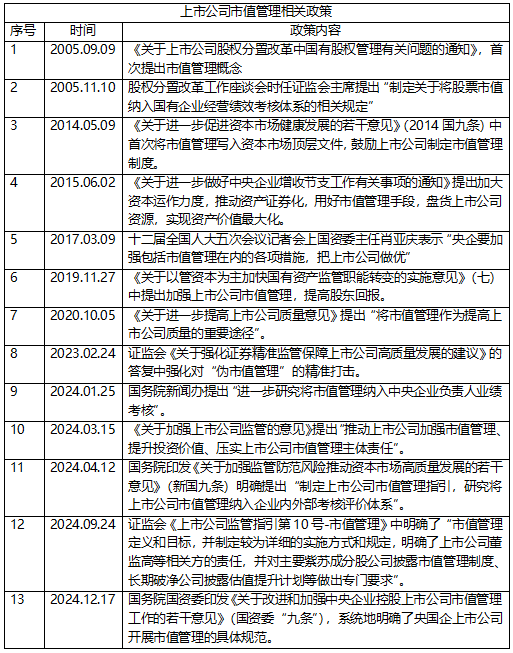
Group 1: Futures Hedging Business Status - In 2024, 1,503 non-financial A-share listed companies have announced futures hedging business, an increase of 192 companies compared to 2023, with an overall participation rate of 28.6% [3] - The participation in futures and derivatives markets shows stronger hedging orientation, increased demand for exchange rate risk hedging, and a rise in the use of swap and option tools [3] - 189 companies have newly entered or plan to enter the hedging business to mitigate risks such as raw material price risk, product sales price risk, inventory risk, and exchange rate risk [3] Group 2: Types of Futures Hedging Business - Companies engaged in hedging are primarily concentrated in the basic chemical, electronics, machinery, and new energy sectors, closely related to the diversification of chemical and new energy products in domestic futures exchanges [4] Group 3: Effectiveness of Futures Hedging Business - According to the "China Listed Companies Hedging Annual White Paper (2024)," 1,853 listed companies disclosed their hedging business and profitability in 2023, an increase of 241 companies from the previous year [5] - The top ten companies in terms of hedging profitability include Jinlongyu, Xin'ao Co., Wuchan Zhongda, Xiamen Guomao, Jianfa Co., Luxshare Precision, Daodaoquan, Jingliang Holdings, China Resources Materials, and Poly Development [5] Group 4: New Demands for Futures Hedging Business - Market participants believe that futures companies should enhance their professional capabilities and service levels to meet the diverse needs of listed companies, including customized risk management solutions and comprehensive financial services [6] Group 5: Progress in Value Management - The concept of value management has evolved over nearly 20 years since its introduction in 2005, with increasing regulation and standardization in practice [7] - Recent policies emphasize the integration of value management into the performance assessment of central enterprise leaders [7][8] Group 6: Value Management Goals and Tools - Central enterprises aim to enhance the quality of listed companies and improve core competitiveness through value management [9] - Tools for value management include mergers and acquisitions, market reforms, information disclosure, investor relations management, and stock buybacks [10] Group 7: Innovations in Value Management Practice - The release of the "Listed Company Supervision Guideline No. 10 - Value Management" has made value management a mandatory practice for listed companies [13] - By February 2025, over 180 listed companies had established institutional frameworks for value management [13] Group 8: Case Studies in Value Management - The merger of China Shipbuilding and China Shipbuilding Industry Corporation is a notable example of value management through mergers and acquisitions, resulting in significant increases in market capitalization [19][21] - Industrial and Commercial Bank of China has consistently increased its market value through share buybacks and dividends, reflecting strong investor confidence [22][23] Group 9: Future Challenges and Opportunities - There is a growing need for customized risk management solutions and comprehensive financial services in futures hedging, particularly for central enterprises [32] - The recognition of futures tools' functions is evolving, with an emphasis on resource allocation and risk management in value management practices [30][31]

农业农村部:目前三大粮食作物完全成本保险和种植收入保险政策已实现全国全面覆盖
Qi Huo Ri Bao Wang· 2025-09-16 07:46
Group 1 - The core viewpoint of the news is the emphasis on achieving food security and agricultural development during the "14th Five-Year Plan" period, highlighting the importance of stabilizing production and ensuring supply to secure China's food resources [1][2] - The Ministry of Agriculture and Rural Affairs has implemented comprehensive support policies for grain production, including full cost insurance and income insurance for major grain crops, which are now fully covered nationwide [1] - The government aims to maintain reasonable prices for important agricultural products and ensure farmers can earn a profit from grain production, thereby stabilizing their income [1] Group 2 - The current grain production situation is positive, with stable summer grain production and increased early rice output; the Ministry has deployed 18 research teams nationwide to assess the conditions for autumn grain [2] - The area for autumn grain is expected to increase, and the growth conditions are favorable, providing a solid foundation for achieving a bountiful harvest [2] - The target for total grain production for the year is approximately 1.4 trillion jin, and efforts are being made to ensure effective management and disaster prevention in the fields to secure the harvest [2]
资金动态20250916
Qi Huo Ri Bao Wang· 2025-09-16 00:22
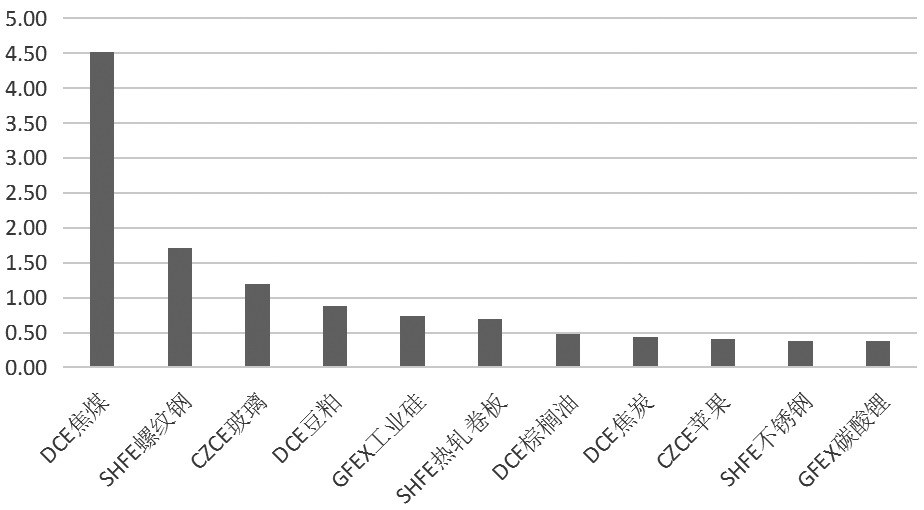
Core Insights - The article highlights the recent capital inflows and outflows in commodity futures, indicating a mixed market sentiment with specific focus on various sectors [1] Group 1: Capital Inflows - The main commodities with significant capital inflows include coking coal (4.52 billion), rebar (1.71 billion), glass (1.19 billion), soybean meal (0.88 billion), and industrial silicon (0.73 billion) [1] - The black and agricultural product sectors are experiencing inflows, particularly in coking coal, rebar, soybean meal, and palm oil [1] Group 2: Capital Outflows - Major commodities with notable capital outflows include gold (5.45 billion), copper (2.92 billion), aluminum (2.81 billion), silver (2.69 billion), and crude oil (2.41 billion) [1] - The chemical, non-ferrous metals, and financial futures sectors are showing outflows, with a specific focus on gold, copper, silver, and crude oil [1] Group 3: Sector Analysis - Overall, the commodity futures market is experiencing a moderate outflow of funds, with particular attention on the outflow of gold, copper, silver, and crude oil, while glass and industrial silicon are noted for their counter-trend inflows [1] - The financial sector is highlighted for its focus on the CSI 500 index futures and 10-year treasury futures [1]
借力尿素“商储无忧” 企业承储实现“零风险”
Qi Huo Ri Bao Wang· 2025-09-15 23:30
Core Viewpoint - The article highlights the challenges faced by fertilizer companies, particularly in the context of fluctuating urea prices and the implementation of the "Commercial Storage Without Worries" project, which aims to mitigate risks for storage enterprises through financial tools and risk management mechanisms [1][4]. Group 1: Market Challenges - Urea production is at an average daily output of 190,000 tons, with demand shrinking and exports not being opened, leading to concerns about inventory becoming a "hot potato" for storage companies [1]. - The volatility in urea prices has transformed the responsibility of storage from a duty to a high-risk burden for enterprises involved in national fertilizer reserves [2]. Group 2: "Commercial Storage Without Worries" Project - The "Commercial Storage Without Worries" project was initiated to provide financial support for storage enterprises, allowing them to hedge against price risks and effectively manage their operations [2]. - Participation in the project has grown from 5 companies to 52 over five years, indicating its success and the establishment of a risk management mechanism that covers storage costs and supports futures trading [2][4]. Group 3: Risk Management and Financial Outcomes - The company utilized futures tools to establish short positions, successfully generating a profit of approximately 1.8 million yuan from a 200 yuan per ton price drop in the futures market, which offset the depreciation of their physical inventory [3]. - The effective use of futures as a hedging tool has allowed storage companies to stabilize their operations and protect inventory value, demonstrating a successful case of risk management in the fertilizer industry [3][4].

累计期权“量体裁衣” 为沥青企业降本增效提供新解法
Qi Huo Ri Bao Wang· 2025-09-15 23:30
Group 1 - The core viewpoint highlights the increasing demand for asphalt in infrastructure projects, driven by China's "14th Five-Year Plan," which aims for over 5.5 million kilometers of roads and 190,000 kilometers of highways by 2025, making asphalt a critical raw material in the construction sector [1] - Asphalt terminal companies face significant pressure due to the volatility of raw material prices and the need for effective risk management systems to ensure sustainable development [1] - Traditional procurement methods, such as direct purchasing from refineries and stockpiling, are becoming less effective in managing market fluctuations [1] Group 2 - Yong'an Futures established a specialized service team to assess the production operations of asphalt terminal companies in Shandong and Shanxi, creating tailored risk management solutions that incorporate options tools to balance risk management, cost optimization, and capital efficiency [2] - In March 2024, an asphalt terminal company in Shandong prepared for demand by locking in procurement costs below 3,651 yuan/ton using a combination of futures and options, resulting in a total purchase of 2,850 tons [2] - The company received a compensation of 142,500 yuan after the option expired, demonstrating the effectiveness of using futures to stabilize procurement costs [3] Group 3 - A different asphalt terminal company in Shanxi utilized a "circuit breaker cumulative selling option" to manage inventory value amid high prices and low construction demand, resulting in a profit of 239,800 yuan from the option strategy [4] - The use of customized options allows companies to address various risk scenarios, enhancing their risk management strategies and improving profitability [4][5] - The application of off-exchange options in the asphalt industry represents an innovative approach to risk management, providing practical case studies for other entities in the asphalt supply chain [5]

期货服务新疆产业高质量发展再出发
Qi Huo Ri Bao Wang· 2025-09-15 23:30
Core Viewpoint - The training session held in Xinjiang aims to enhance the understanding and capability of state-owned enterprises and listed companies in utilizing the futures market for risk management, thereby injecting new momentum into the construction of a modern industrial system in the region [1][2]. Group 1: Importance of Futures Market - The futures market plays a crucial role in price discovery, risk management, and resource allocation, contributing significantly to risk management, industrial upgrading, and rural revitalization in Xinjiang [2]. - Despite the steady development of the futures market in Xinjiang, there are still shortcomings such as low awareness of the market, a predominance of small institutions, weak professional service capabilities, and low participation from industries [2]. Group 2: Training and Development Initiatives - The training is part of a broader strategy to support the development of western regions and enhance the futures market's service capabilities for the real economy [3]. - The Dalian Commodity Exchange (DCE) has established delivery warehouses and service bases in Xinjiang, providing tailored risk management solutions and training for local enterprises [3][4]. Group 3: Corporate Participation in Futures Market - In 2024, 1,503 listed companies issued hedging announcements, with the participation rate rising to 28.6%, reflecting a 15.7% year-on-year increase in the first seven months [6][7]. - The number of companies participating in hedging has seen a compound annual growth rate of 23% over the past decade, indicating a growing trend towards embracing futures derivatives [6][7]. Group 4: Future Developments and Innovations - DCE plans to introduce a plastic monthly average price futures contract to provide more pricing benchmarks and risk management tools for industry enterprises [8]. - The training emphasized the importance of developing a robust risk management framework for state-owned enterprises, focusing on the necessity of adhering to hedging principles and avoiding speculative trading [9]. Group 5: Feedback and Future Outlook - Participants expressed that the training provided valuable learning opportunities, which will help enhance their risk management capabilities and contribute to the high-quality development of Xinjiang [10].
期货赋能铅产业风险管理提质
Qi Huo Ri Bao Wang· 2025-09-15 23:30
Group 1 - The online seminar focused on the current status and development trends of the lead industry, the role of the futures market in supporting high-quality development, pricing frameworks, and the integration of production and finance [1] - The lead industry is facing challenges such as raw material dependency, capacity utilization, and the need for low-carbon development, with an emphasis on expanding consumption and green development as essential requirements [1][2] - The futures market provides companies with risk management tools to lock in procurement costs and sales profits, enhancing operational efficiency and addressing price volatility risks [2] Group 2 - In 2024, the lead futures market recorded a total trading volume of 30.02 million contracts, with a cumulative transaction value of 2.67 trillion yuan, and an average daily open interest of 59,100 contracts [3] - Lead options have been steadily operating since their launch, with a total trading volume of 1.06 million contracts in the first half of 2025, and an average daily trading volume of 7,108.85 contracts [3] - The Shanghai Futures Exchange aims to enhance market transparency, improve trading mechanisms, and increase participation from industry clients to better serve the real economy [3]
全球原油供给过剩压力持续加大
Qi Huo Ri Bao Wang· 2025-09-15 23:28
Group 1: Economic Outlook - The global economy is experiencing slow growth, with a forecasted increase of 3% in 2025, up by 0.2 percentage points from previous predictions [2] - The IMF has slightly upgraded the growth forecasts for the US, China, and the Eurozone, with expected growth rates of 1.9%, 4.8%, and 1% respectively [2] - The OECD has revised its 2025 global growth forecast down from 3.1% to 2.9%, and the US GDP growth forecast down from 2.2% to 1.6% [2] Group 2: Federal Reserve Interest Rate Policy - The Federal Reserve maintained the federal funds rate target range at 4.25% to 4.5% in August, marking the sixth consecutive month of unchanged rates [3] - Following comments from Fed Chair Powell indicating an openness to rate cuts, market expectations for a 25 basis point cut in September surged to over 90% [3] Group 3: Oil Supply and OPEC+ Policies - Global oil supply is expected to grow, with an increase of 2.6 million barrels per day projected for 2025, reaching a historical high [5] - OPEC+ has decided to gradually exit the voluntary production cut of 1.65 million barrels per day announced in April 2023, with an increase of 137,000 barrels per day starting in October [6] - OPEC+ aims to balance production increases with oil price stability, having already restored 2.2 million barrels per day of production ahead of schedule [6][7] Group 4: US Oil Production Trends - US oil production has declined slightly to approximately 13.5 million barrels per day as of early September, primarily due to capital constraints and low oil prices [8] - The largest 20 shale oil producers have cut their capital expenditures for 2025 by about $1.8 billion, a decrease of 3% [8] - The number of active oil rigs in the US has decreased by 15% since the beginning of the year, limiting production growth [8] Group 5: Geopolitical Factors Impacting Oil Supply - The ongoing geopolitical tensions, particularly between the US and Russia regarding sanctions, have created uncertainties in global oil supply [9][10] - Russia's oil refining capacity has been reduced by 17% due to drone attacks and sanctions, affecting its export capabilities [9] - The stagnation of ceasefire negotiations between Russia and Ukraine poses further risks to Russian oil supply [10] Group 6: Global Oil Demand Projections - Global oil demand growth forecasts have been frequently revised downwards, with EIA, IEA, and OPEC lowering their projections by 200,000 to 400,000 barrels per day [11] - The US is expected to see only a modest increase in oil consumption of 30,000 barrels per day this year, impacted by economic slowdowns and tariff policies [11] - Domestic oil consumption in China has also shown weakness, with gasoline and diesel consumption declining by 7.11% and 4% respectively in the first seven months of the year [12] Group 7: Market Surplus Expectations - Energy agencies have raised their expectations for oil market surplus, predicting a surplus of 2 million barrels per day in Q3 and exceeding 2 million barrels per day in Q4 [14] - The overall surplus for the year is expected to surpass 1.7 million barrels per day, indicating a significant imbalance between supply and demand [14] - The combination of increasing supply from OPEC+ and weakening demand forecasts suggests that the oil market will face ongoing surplus pressures [14]

贴水行情里 生猪养殖龙头的避险之道
Qi Huo Ri Bao Wang· 2025-09-15 23:25
Core Insights - The pig futures market has been experiencing a unique phenomenon since 2025, where futures prices consistently remain lower than spot prices, indicating a market expectation of a loose supply of pigs [1] - Leading companies like Muyuan Foods have established sophisticated hedging systems to manage risks effectively in this environment [2][5] - The persistent price discount in futures reflects deep concerns about supply-demand mismatches in the market [3] Group 1: Market Dynamics - As of May 2025, the national breeding sow inventory reached 40.42 million, exceeding the normal holding level by 3.6% [3] - The self-breeding and self-raising model has been profitable for over a year, reducing the incentive for producers to cut back on production [3] - The current market shows a divergence where low-cost producers are barely profitable while high-cost producers are incurring losses, indicating a need for capacity reduction or a significant disease outbreak to change the situation [3] Group 2: Hedging Strategies - In a loose supply environment, hedging through futures is considered the optimal solution for breeding enterprises, although the low absolute value of futures prices complicates direct hedging [4] - Companies are advised to use a "futures price + basis" model for forward contracts to mitigate price risks while capturing potential gains from rising spot prices [4] - Guizhou Fuzhiyuan Technology Group has effectively utilized hedging strategies on both feed raw materials and pig products to manage price volatility risks [4][5] Group 3: Cost Management - The focus on cost reduction has become a central theme in the pig farming industry, with leading companies achieving significant profit growth through cost control measures [5][6] - Muyuan Foods emphasizes that every percentage point reduction in breeding costs can lead to substantial profit increases, highlighting the importance of internal efficiency improvements [6] - Fuzhiyuan Group aims to maintain cost competitiveness by adjusting hedging ratios based on market conditions to secure future sales profits [6] Group 4: Innovative Risk Management Tools - The flexibility of options tools is highlighted, allowing companies to tailor their hedging strategies according to specific needs [7] - Combining futures and options can provide broader protection against price declines while reducing margin requirements [7][8] - Smaller producers face challenges in directly participating in futures hedging, and are encouraged to monitor futures prices to adjust production plans accordingly [9] Group 5: Support for Small Producers - Fuzhiyuan Group's "1050" project aims to enhance the competitiveness of small producers by sharing expertise and utilizing futures tools to mitigate price risks [9] - The collaboration with insurance companies to offer "insurance + futures" solutions provides a more accessible hedging option for small producers [9]
