
Qi Huo Ri Bao

Search documents
深读 | 生猪市场盘点:“旺季不旺”背后的行业激变
Qi Huo Ri Bao· 2026-01-03 23:26
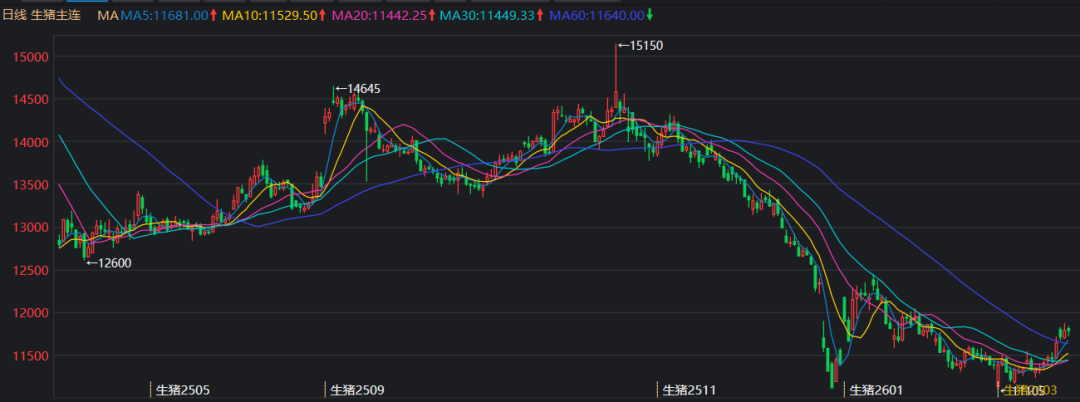
Core Viewpoint - The domestic pig market in 2025 is experiencing significant adjustments due to abundant supply and weak demand, leading to a decline in average prices and creating challenges for producers [1][2]. Supply and Demand Dynamics - The average price of pigs in 2025 is approximately 13.80 yuan/kg, significantly lower than in 2024, with prices fluctuating from around 16 yuan/kg at the beginning of the year to below 11 yuan/kg by late October [2]. - The supply of pigs is robust, driven by a high number of breeding sows and increased production efficiency, resulting in actual pork supply exceeding market expectations [2][5]. - Demand for pork is weak, with traditional consumption peaks failing to stimulate demand, leading to a situation where price increases do not correspond with demand growth [2][6]. Market Trends and Future Outlook - The pig futures market reflects expectations of price declines, with significant fluctuations influenced by supply and demand dynamics [3][7]. - Analysts predict that while supply pressures may persist in the first half of 2026, there could be marginal improvements in the second half due to potential reductions in breeding sow numbers and seasonal demand increases [6][7]. - The average price for pigs in 2026 is expected to range between 12 to 13 yuan/kg, with a potential for a price recovery later in the year [7]. Cost Management and Industry Restructuring - In response to declining prices, pig farming companies are focusing on cost reduction and efficiency improvements, with leading firms achieving significant reductions in production costs [5][8]. - The cost of raising pigs for major companies has decreased, with examples such as Muyuan Foods reducing costs from approximately 13 yuan/kg to 11.3 yuan/kg [5]. - The industry is witnessing a shift towards larger, more efficient operations, with smaller producers facing increasing pressure and potential exit from the market [5][8]. Risk Management Strategies - Producers are encouraged to adopt risk management tools such as futures and derivatives to mitigate price volatility and stabilize operations [9]. - The trading volume of pig futures in 2025 reached 17.99 million contracts, indicating increased market liquidity and the growing importance of futures in risk management for producers [9].

美委局势最新:马杜罗夫妇已被起诉!假期“黑天鹅”影响哪些品种?来看解读→
Qi Huo Ri Bao· 2026-01-03 14:09
Core Viewpoint - The recent military actions by the U.S. against Venezuela have raised concerns in the global commodity markets, particularly regarding oil and mineral supplies, as Venezuela is a significant supplier of key resources [1][2]. Group 1: Impact on Oil Market - Venezuela, holding the largest proven oil reserves globally, currently has an oil production of approximately 1 million barrels per day, which is only 0.8% of global oil production [3]. - The U.S. airstrikes have heightened fears of a disruption in Venezuelan oil exports, which are currently around 600,000 barrels per day, significantly lower than historical levels [3]. - Analysts predict that the airstrikes will provide short-term support for oil prices, although the extent of this impact remains uncertain due to other factors influencing global oil supply and demand [3][4]. Group 2: Impact on Mineral Resources - Venezuela is a key supplier of copper, accounting for 5% to 8% of global reserves, and also provides essential minerals like bauxite and uranium, which are critical for the energy and defense industries [3]. - The geopolitical tensions may lead to increased prices for these minerals due to supply concerns, with gold prices expected to remain strong as investors seek safe-haven assets [3][4]. Group 3: Broader Market Implications - The ongoing conflict may lead to a divergence in market performance, with energy and gold sectors potentially benefiting while other sectors may face challenges [5]. - The situation could also influence domestic markets, with analysts suggesting that the opening of the domestic futures market should be closely monitored for potential volatility driven by geopolitical developments [5][6].
刚刚,美国发动空袭!委内瑞拉进入国家紧急状态
Qi Huo Ri Bao· 2026-01-03 08:49
Group 1 - Venezuela has declared a national emergency as announced by President Maduro [1] - Explosions were reported in Caracas, particularly near military facilities, leading to power outages and disrupted telecommunications [3] - The U.S. military has conducted airstrikes targeting Venezuelan military installations, including airports and the Ministry of Defense [4] Group 2 - U.S. officials indicated that President Trump ordered strikes against military targets in Venezuela [6] - The Venezuelan Foreign Ministry has strongly condemned the U.S. military actions as severe aggression against its territory and people [8]

突然,集体暴涨!特朗普,发出威胁
Qi Huo Ri Bao· 2026-01-03 02:05
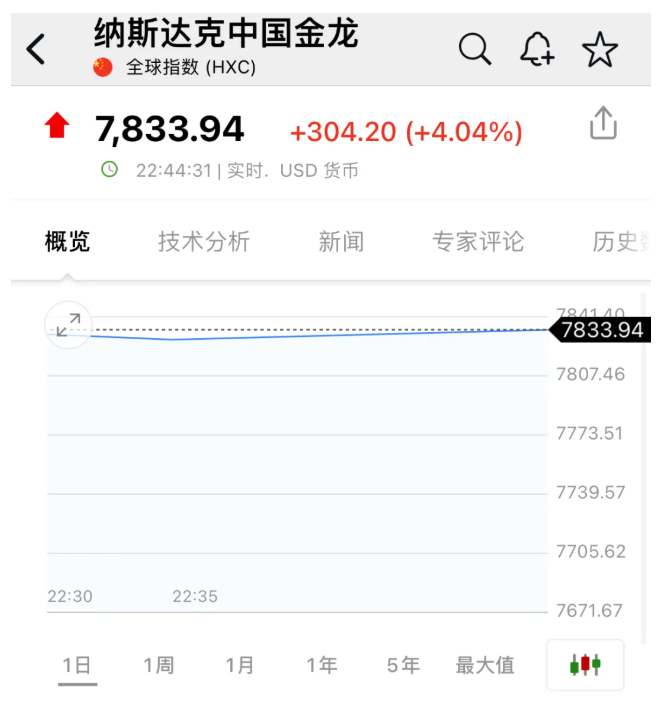
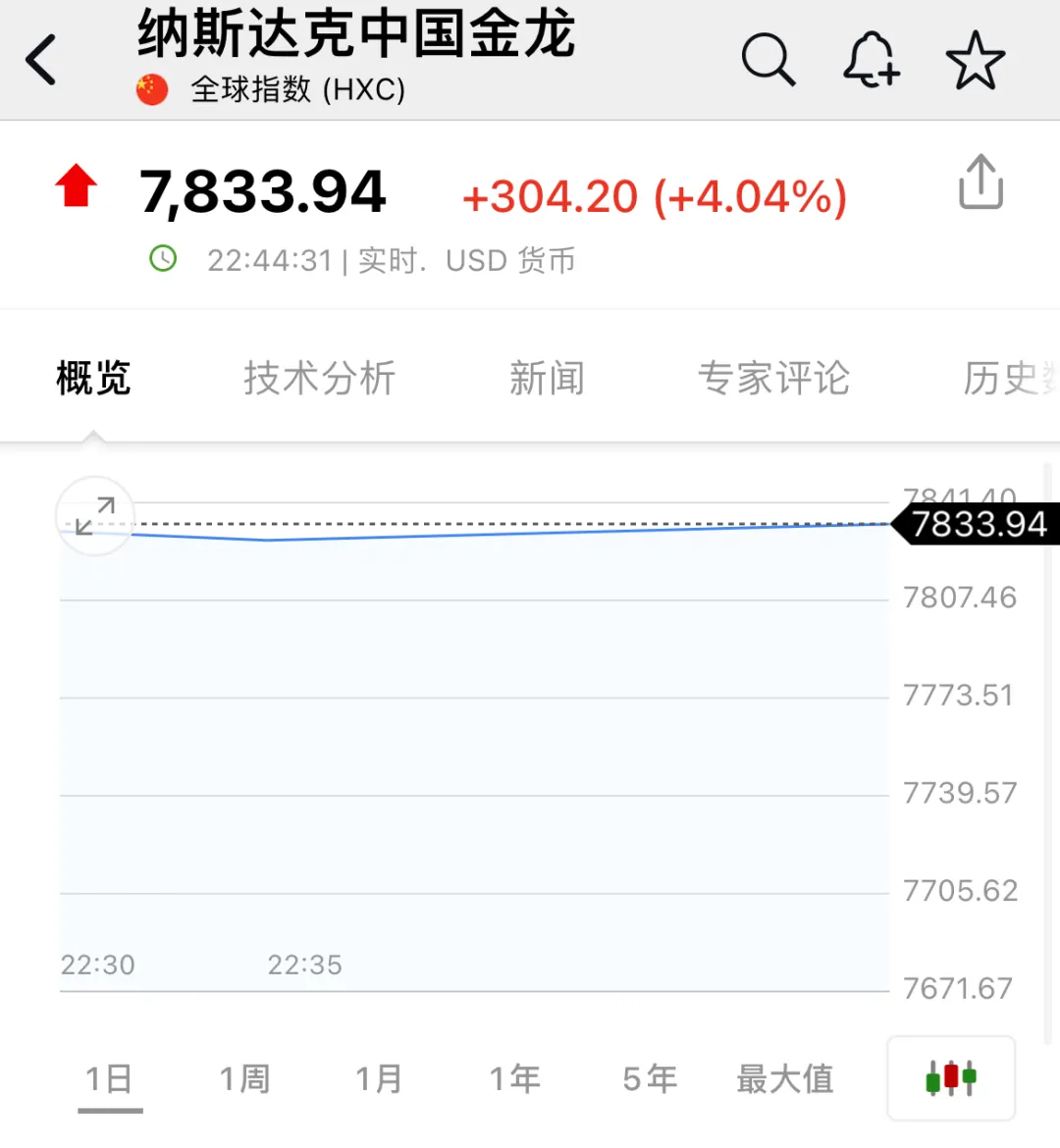
Market Performance - On January 2, US stock indices opened higher, with the Dow Jones up 0.19%, S&P 500 up 0.58%, and Nasdaq up 1.03% [1] - By the end of the trading day, the Nasdaq closed down 0.03%, while the S&P 500 rose 0.19% and the Dow increased by 0.66% [3] - The Nasdaq China Golden Dragon Index surged 4.38%, with notable gains in Chinese stocks such as Baidu up 15% and Alibaba up over 6% [4][6] Sector Performance - Semiconductor stocks saw significant gains, with ASML rising nearly 9% and Micron Technology up over 10%, both reaching historical highs [3] - The solar energy sector also performed well, with GCL-Poly Energy up over 22% [7] - The innovative drug sector showed strength, with companies like Innovent Biologics and Hengrui Medicine rising over 5% [6] Investment Outlook - Goldman Sachs predicts a 38% upside potential for the Chinese stock market by the end of 2027, citing factors such as improved domestic policies and a favorable investment environment [10] - Analysts suggest that the A-share market is likely to experience a "spring rally," supported by recent positive market sentiment and increased trading volumes [11][12] - The market is expected to benefit from a stable external environment, with reduced geopolitical risks and improved liquidity conditions [14] Economic Indicators - Recent data indicates a recovery in A-share trading volumes, with daily trading amounts rising from 1.6 trillion yuan to over 2 trillion yuan [12][13] - Analysts note that the market's risk appetite is increasing, with expectations for a strong start to the new year [16]
国际糖市供应过剩,新榨季糖市出现新信号
Qi Huo Ri Bao· 2026-01-03 01:52
Core Viewpoint - The global sugar market is expected to experience a supply surplus of 7.4 million tons in the 2025/2026 season, marking a ten-year high, with a contrasting situation in the domestic market where both domestic production and high import levels exert pressure on sugar prices [1][3]. Global Sugar Market Analysis - Brazil's sugar production for the 2025/2026 season reached 39.9 million tons by mid-November, a year-on-year increase of 1.13%, despite lower yields due to reduced rainfall [2]. - India's sugarcane minimum purchase price has been raised to 3,550 rupees per ton, leading to an expansion in planting area to 5.724 million hectares and a projected sugar production of 30.95 million tons, with a significant year-on-year increase of 27.69% [2]. - Thailand's sugar production is expected to rise to 11 million tons due to high sugarcane purchase prices, with exports reaching 5.1349 million tons in the first ten months of 2025, indicating increased export pressure [2]. Domestic Sugar Market Pressure - China's domestic sugar production for the 2025/2026 season is projected at 11.8 million tons, with significant increases in Guangxi and Yunnan provinces, while Guangdong's production slightly decreased due to typhoon impacts [4]. - High import levels are evident, with Brazil exporting 4.3718 million tons of sugar to China from January to November 2025, and an estimated total import of 4.9 million tons for the year [4]. - The domestic sugar consumption structure shows a strong industrial demand but weak consumer demand, with industrial consumption rising while beverage and dairy production has declined [4]. Key Factors to Monitor - The sugar-ethanol ratio is a critical factor affecting sugar production, with Brazil's ethanol production accounting for 50% of global output; a decline in the sugar-ethanol ratio could lead to reduced sugar production [5]. - India's export policy will significantly influence sugar prices, with a potential increase in exportable sugar to 2 million tons if domestic prices fall below export parity [5]. Long-term Outlook - The European sugar market is expected to see a decline in production due to falling sugar prices, with the average price in the 2024/2025 season at 555 euros per ton, significantly lower than the previous season [6]. - Thailand's sugarcane purchase price is set at 890 baht per ton, which may reduce farmers' willingness to plant sugarcane [6]. - The global sugar market is anticipated to continue its supply surplus trend, with strong production momentum from Brazil and India, while China faces dual pressures from increased domestic production and high import levels [6].
突然,集体暴涨!特朗普,发出威胁→
Qi Huo Ri Bao· 2026-01-03 00:24
Market Overview - On January 2, US stock indices opened higher, with the Dow Jones up 0.19%, S&P 500 up 0.58%, and Nasdaq up 1.03% [1] - The Philadelphia Semiconductor Index saw significant gains, with ASML rising over 7% and Micron Technology up nearly 6% [1] - Chinese concept stocks surged, with the Nasdaq Golden Dragon China Index soaring 4%, and notable gains in Baidu (up 11.35%) and others [1] Performance Summary - By market close, US indices showed mixed results; Nasdaq fell 0.03%, while S&P 500 rose 0.19% and Dow Jones increased by 0.66% [3] - Notable tech stocks had varied performances, with ASML and Micron reaching historical highs, while Tesla and Microsoft dropped over 2% [3] - The Nasdaq Golden Dragon China Index closed up 4.38%, with Baidu gaining 15% and other major Chinese stocks also performing well [3] Sector Highlights - Semiconductor stocks like Hua Hong Semiconductor and SMIC saw significant increases, with Hua Hong up over 9% [5] - The innovative drug sector also performed well, with notable gains in companies like Innovent Biologics and Hengrui Medicine [5] - The solar energy sector experienced a boost, with GCL-Poly Energy rising over 22% [5] Future Market Outlook - Goldman Sachs predicts a 38% upside potential for the Chinese stock market by the end of 2027, citing factors like easing core risks and favorable regulatory environments [6] - Analysts expect a "spring market" in A-shares, driven by improved market sentiment and increased trading volumes [7][8] - The A-share market has shown signs of recovery, with the Shanghai Composite Index breaking a previous downtrend and trading volumes rising above 2 trillion yuan [9][10] Investment Sentiment - Analysts note that the current market environment is more favorable compared to previous periods, with expectations of continued liquidity and supportive macro policies [10][11] - The anticipated "spring rally" is supported by historical trends and positive macroeconomic signals, with a focus on sectors like commercial aerospace and military [12][13]
注意!2025/2026榨季糖市出现新信号
Qi Huo Ri Bao· 2026-01-03 00:24
Core Viewpoint - The global sugar market is expected to experience a supply surplus of 7.4 million tons in the 2025/2026 season, marking a ten-year high, with a contrasting situation in the domestic market where both domestic production and high import levels exert pressure on sugar prices [1][3]. Global Sugar Market Overview - Brazil's sugar production for the 2025/2026 season reached 39.9 million tons as of mid-November, a year-on-year increase of 1.13%. Despite lower yields due to reduced rainfall, the sugar-to-ethanol ratio improved to 51.12%, offsetting the impact of lower yields [3]. - India's sugarcane minimum purchase price was raised to 3,550 rupees per ton, leading to an increase in planting area to 5.724 million hectares and an expected sugar production of 30.95 million tons, with a 27.69% year-on-year increase in production [3]. - Thailand's sugar production is projected to rise to 11 million tons, driven by high sugarcane purchase prices and increased planting area [3]. - Global sugar consumption is estimated at 177.8 million tons, while production is expected to be 185.3 million tons, resulting in a supply surplus of 7.4 million tons [3]. Domestic Sugar Market Dynamics - China's domestic sugar production for the 2025/2026 season is projected at 11.8 million tons, with significant increases in Guangxi and Yunnan provinces. However, Guangdong's production is slightly down due to typhoon impacts [5]. - High import levels are evident, with Brazil exporting 4.3718 million tons of sugar to China from January to November, and an estimated total import of 4.9 million tons for the year. The cost advantage of imported sugar is significant, with costs approximately 3,380 yuan per ton lower than domestic prices [5]. - The domestic sugar consumption structure shows a strong industrial demand but weak consumer demand, with industrial consumption rising while beverage and dairy production has declined [5]. Key Factors to Monitor - The sugar-ethanol ratio is a critical factor affecting sugar production, particularly in Brazil, where the ethanol production capacity is expanding. A drop in the sugar-ethanol ratio could lead to reduced sugar production [7]. - India's export policy will significantly influence sugar prices, with a potential increase in exportable sugar if domestic prices fall below export parity [7]. - Long-term trends indicate that declining sugar prices in Europe may lead to reduced production in the region, with a projected decrease in sugar beet planting area and production [8].
破译金属新主线:金银开门红!“大多头”难以为继?
Qi Huo Ri Bao· 2026-01-02 23:49
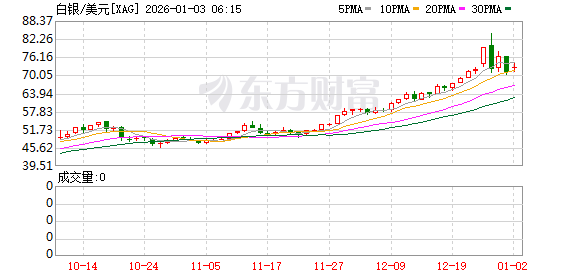
Core Viewpoint - The silver market has experienced significant volatility, with prices reaching near historical highs before a sharp decline, driven by ongoing tensions between overseas regulators and bullish investors [2] Group 1: Market Dynamics - On Monday, COMEX silver futures approached $84 per ounce before dropping over 10% in a single day, followed by further declines on Wednesday, but rebounded on Friday as the first trading day of 2026 saw gains in precious metals [2] - The recent price fluctuations are attributed to increased margin requirements imposed by overseas exchanges, which pressured bullish positions and led to profit-taking among investors [2] - Despite the volatility, the underlying structural "supply shortage" in the silver market remains unchanged, with low global deliverable silver inventories and significant financial capital entering the market [2][4] Group 2: Supply and Demand Outlook - Global silver production is not expected to see significant growth by 2025, while demand is projected to surge, particularly due to the rise of AI hardware, photovoltaics, and electric vehicles [3] - The silver market is currently in a state of structural supply shortage, with a projected supply gap exceeding 2,900 tons in 2026 [3] - Domestic silver inventories are declining, indicating strong downstream demand, while COMEX silver futures inventory remains high but with low liquidity due to long-term holders locking up large amounts of silver [4] Group 3: Future Market Strategy - Analysts suggest a cautious approach for traders, balancing optimism with tactical caution, as the structural bull market for precious metals remains intact [6] - It is recommended to reduce positions and prioritize more stable gold holdings while viewing silver as a market sentiment amplifier rather than a core investment [6] - The first quarter of 2026 is expected to see a cautious bullish outlook for silver, with recent price drops viewed as a technical correction rather than the end of a bull market [6]
金银,开门红!“大多头”难以为继?
Qi Huo Ri Bao· 2026-01-02 23:46
看向基本面,据金瑞期货贵金属研究员吴梓杰介绍,全球矿产银产量在2025年并未出现显著增长,需求则爆发 式增长。2025年被称为"AI工业化元年",人工智能硬件对银的需求激增,叠加光伏和新能源汽车对银的需求持 续放量,工业用银占比进一步提升。当前市场正处于结构性供应短缺的状态,2025年是白银连续第五年供不应 求,2026年预计供应缺口仍将超过2900吨。 顾冯达认为,白银市场供需错配的根本原因是供应难以快速增长。不过,前期推动白银价格飙涨的"大多头", 在海外交易所大举提升保证金的情况下可能面临资金成本压力,加杠杆"逼空"拉涨的模式或许在中期难以为 继,市场正从多头情绪驱动,转向对实际供需和宏观政策的敏感博弈,波动加剧将成为新常态。 "截至2025年12月31日,白银显性库存呈现'外增内减、总体偏紧'的格局。"吴梓杰说,最新数据显示,上期所 白银库存降至691.638吨。国内库存持续去化,显示出国内下游备货需求依然旺盛,现货市场供应趋紧。截至 2025年12月24日,COMEX白银期货库存约为4.51亿盎司,虽然维持高位,但注册仓单处于历史相对低位,大量 白银被长期持有者锁定,导致可用于期货交割的流动性库存实 ...
“吨亏破千”?PDH行业停工潮将至?这些品种受到影响
Qi Huo Ri Bao· 2026-01-02 00:17
Core Viewpoint - The propane dehydrogenation (PDH) industry is facing significant losses, with profits dropping to around -1400 yuan/ton, marking the lowest level in nearly six years. There are expectations of widespread shutdowns in the PDH industry this month, raising concerns about the impact on downstream products like propylene, polypropylene (PP), and liquefied petroleum gas (LPG) [1][2]. Industry Profit Trends - The PDH industry's profit trajectory showed a clear "rise and fall" pattern last year, peaking in July and August due to low raw material prices and a rebound in downstream PP prices. However, since mid-October, profits have been in decline, leading to significant losses [1]. - The main reason for the continued losses is the weakening price of PP, with supply outpacing demand as PP production capacity is expected to grow by 12% in 2025 and around 10% in 2026, while actual demand growth is only projected at 4%-5% [1][2]. Raw Material Pressure - The pressure on raw materials is increasing, with seasonal purchasing expectations in India and Japan driving up import propane prices. Domestic deep processing enterprises report high spot prices for propane, further squeezing PDH industry profit margins. Additionally, the current demand for PP is weak, limiting price recovery potential [2]. Impact on Related Products LPG - LPG demand is relatively stable, but its price is influenced by the PDH industry's demand. Since November, LPG's fundamentals have shown a "strong reality, weak expectation" pattern. If PDH operations reduce or shut down, LPG's price stability may be compromised [4]. - Long-term projections indicate that LPG production capacity in the U.S. and the Middle East will continue to increase, leading to potential downward pressure on LPG prices if PDH operations decline [4]. PP - As the core downstream product of PDH, PP prices have been declining for three consecutive months since September. While expectations of reduced PDH operations may provide short-term support for PP prices, high inventory levels and upcoming new production capacity in 2026 will likely maintain long-term supply pressure [5]. Propylene - Propylene, being a direct downstream product of PDH, will see a significant supply reduction if PDH operations shut down, potentially providing price support. However, the ongoing pressure on PP margins and reduced operating rates may limit propylene's price increase potential [6]. Trading Opportunities - Market participants should focus on the actual shutdown situation of PDH units in January. If the number of shutdowns increases, it could significantly support PP and propylene prices. Conversely, if shutdowns are fewer than expected, related products may face downward pressure [8]. - Long-term variables to monitor include domestic macro policy releases and the impact of new production capacity planned for 2026, which could affect the supply-demand balance for PP and propylene [8].