
Tai Mei Ti A P P

Search documents
鸿星科技撤回 IPO:注册制下的理性适配与主业深耕的长远布局
Tai Mei Ti A P P· 2025-09-29 15:03
Core Viewpoint - Hongxing Technology has voluntarily withdrawn its IPO application after 941 days of progress, indicating a strategic choice to align with the evolving capital market environment rather than due to operational risks [2][3][4] Policy Evolution and Company Development - The withdrawal of the IPO application is fundamentally a mismatch between the main board's positioning and the company's development stage, not related to operational risks [3] - Since the submission of the IPO application on March 3, 2023, the company has navigated through the approval process, but the changing capital market rules necessitated a reassessment of its listing strategy [4][5] Financial Metrics and Market Position - When the IPO application was initiated in December 2022, the company's financial indicators met the Shanghai Stock Exchange's requirements; however, subsequent changes in listing criteria have created a misalignment [4] - The company’s global market share in quartz crystal oscillators reached 3.08% in 2023, ranking ninth globally, but its revenue and profit levels have not yet met the expectations for "large-cap blue-chip" companies on the main board [5] Industry Trends and Company Performance - The quartz crystal oscillator industry is experiencing a cyclical downturn due to external pressures, with global smartphone shipments declining by 3.2% in 2023, marking a ten-year low [6][7] - Despite short-term performance fluctuations, the industry and the company are entering a recovery phase, with the global quartz crystal market projected to reach $3.652 billion in 2024, a year-on-year increase of 12.33% [7] Strategic Focus and Future Outlook - The company is expanding into emerging markets such as artificial intelligence, optical communication, and automotive electronics, which are expected to drive future growth [8] - The company has clarified that its recent legal issues and dividend policies are unrelated to the IPO withdrawal, emphasizing a stable shareholding structure and a reasonable approach to dividends [9] Capital Pathway and Business Strategy - The withdrawal of the IPO application is viewed as a new starting point for the company to focus on its core business and adjust its capital strategy [10] - The company plans to continue investing in R&D and talent acquisition while monitoring market conditions to identify the right timing for future capital market initiatives [10]


福达合金“父买子”并购后续:交易性质反转,高溢价面临低补偿|并购一线
Tai Mei Ti A P P· 2025-09-29 14:32
Core Viewpoint - Fuda Alloy (603045.SH) has officially released a restructuring plan for the acquisition of 52.61% of Zhejiang Guangda Electronic Technology Co., Ltd. for 352 million yuan, representing a premium of 2.71 times the valuation, transitioning the nature of the transaction from a "parent buying child" to an "internal integration under the same control" [2][3][4]. Group 1: Transaction Details - The acquisition price of 352 million yuan includes a significant premium of 2.71 times the assessed value of Guangda Electronic [2]. - The restructuring plan includes a performance commitment that Guangda Electronic must achieve a cumulative net profit of no less than 200 million yuan over three years (2025-2027) [2][8]. - The performance compensation is limited to two shareholders, with a maximum compensation amount of 74.85 million yuan, which is insufficient compared to the acquisition cost [2][6][8]. Group 2: Control and Governance - The actual controller of Guangda Electronic has changed to Wang Da Wu and Wang Zhong Nan, indicating a shift in the transaction's nature to "same control enterprise acquisition," which eliminates the risk of goodwill [4][6]. - Following the transaction, the Wang Da Wu family will hold a total of 84.48% of Guangda Electronic's shares, consolidating control [6]. Group 3: Industry Context - Fuda Alloy's main business is in electrical contact materials, while Guangda Electronic operates in the photovoltaic silver paste sector, indicating no direct industry overlap [9]. - The photovoltaic industry is currently experiencing a downturn, contrasting with the previous high demand, which raises questions about the strategic timing of this acquisition [9]. - The acquisition is seen as an attempt to create a second growth curve for Fuda Alloy, leveraging synergies in technology and customer resources [9].

10万亿智能汽车的未来,被千里科技用 AI 画出来了
Tai Mei Ti A P P· 2025-09-29 12:58
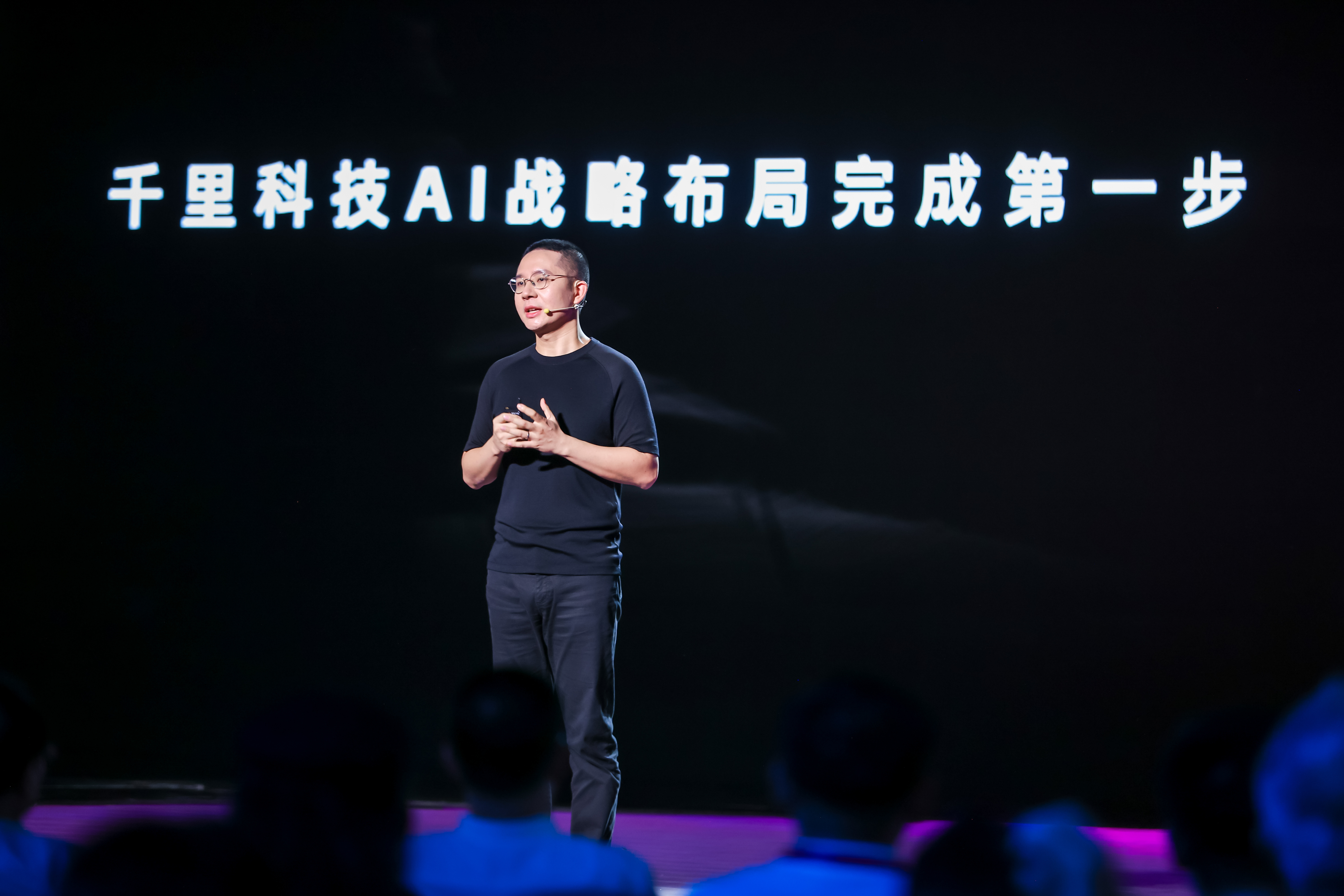
Core Insights - The article highlights the rapid integration of generative AI into the automotive industry, with over 50 domestic car brands equipping more than 130 models with AI large models by mid-2025, achieving an installation rate of nearly 16% [4] - The global smart connected vehicle market is projected to reach $1.5 trillion (approximately 10.6 trillion RMB) by 2025, with expectations to grow to $6.7 trillion by 2032 [5] - Qianli Technology announced its strategic focus on "AI + Car," aiming to develop intelligent driving, smart cockpit, and smart mobility solutions, transitioning from L2+ to L4 level intelligent vehicles [5][10] Company Strategy - Qianli Technology's chairman emphasized that future vehicles will evolve into intelligent robotic carriers, marking the beginning of a significant transformation in the automotive industry [10] - The company reported a revenue of 4.184 billion RMB in the first half of 2025, a year-on-year increase of 40.04%, driven by strong sales in its automotive and motorcycle segments [11] - Qianli Technology plans to launch its first public offering of H-shares on the Hong Kong Stock Exchange [12] Product Development - Qianli Technology introduced the "Qianli Intelligent Driving 1.0" platform, which includes various configurations to meet different vehicle needs, with the flagship version offering up to 700 TOPS of computing power [14] - The company aims to release the L3 level intelligent driving solution, "Qianli Intelligent Driving 2.0," by the end of this year, redefining the standards for intelligent driving technology [14] - Qianli Technology is developing a universal AI intelligent driving solution that does not rely on high-precision maps, enabling seamless driving in complex environments [17] Market Trends - The penetration rate of new passenger cars equipped with combined driving assistance systems in China reached 62.6% in the first seven months of 2025, an increase of 40 percentage points compared to the same period in 2021 [29] - The article suggests that the next three years will be crucial for the development of autonomous driving technologies, with significant changes expected in the industry landscape [29] - By 2028, the overall scale of the "AI + Car" market is expected to exceed 21.2 million units [32]

盘古智库发布《中国算力与能耗研究报告暨2030年发展预测》报告
Tai Mei Ti A P P· 2025-09-29 09:57
Introduction - Computing power is recognized as a key infrastructure supporting the development of the digital economy and a core driver of new productive forces. The current scale and energy consumption of computing power in China show significant discrepancies among various research institutions and media [1] Research Methodology and Content - The report categorizes types of computing power and data centers, focusing on the statistics and calculations of intelligent computing power. It employs a unified FP16 precision for measurement while considering the relationship with FP8. The statistical methods include chip shipment calculations, server and cabinet conversions, and power reverse calculations to enhance measurement accuracy [1] Findings and Explanations - The report finds that if calculated based on the 8.3 million standard cabinets published by the government, the theoretical annual electricity consumption would be approximately 272.6 billion kWh, while the actual annual consumption is about 116.6 billion kWh, indicating a significant gap. This discrepancy challenges the narrative of excessive energy consumption in computing centers [1][2] Predictions for the 14th Five-Year Plan - The report predicts that during the 14th Five-Year Plan, driven by large models and generative AI, the scale of computing power in China will continue to expand, contributing to high-quality development in the AI industry [3] Computing Power Growth Forecast - It is expected that the annual growth rate of computing power in China will remain above 35% during the 14th Five-Year Plan, with the total computing power scale projected to exceed 2500 EFLOPS (FP16) by 2030. If measured using FP8, the total scale could surpass 5000 EFLOPS by 2030 [4] Energy Consumption Forecast - The report anticipates that the theoretical annual electricity consumption of computing centers will reach 600 billion kWh by 2030, accounting for approximately 5%-6% of the total electricity consumption in society [5] Industry Scale Growth Forecast - The computing power industry chain encompasses various segments, including chip R&D, server manufacturing, data center construction, and software systems. By 2030, the direct industry scale related to AI computing power is expected to reach around 2 trillion yuan, with the AI application industry scale projected to be about 5 trillion yuan, potentially driving an overall industry scale exceeding 15-20 trillion yuan [6] Recommendations for Statistical Standards - The report suggests establishing a unified statistical framework for computing power at the national level, categorizing it into intelligent computing, general computing, and storage computing. This would ensure consistency in reporting and avoid mixing traditional storage with intelligent computing totals [7] - It also recommends creating a unified statistical indicator system requiring computing centers to report both FP16 and FP8 computing power and actual energy consumption metrics for comparability across regions and types [7] - Additionally, a national-level data platform for computing power and energy consumption should be established to regularly publish authoritative data, aiding policy formulation and industry regulation [8]
【生态环境周观察】中国宣布2035年前风电、光伏装机力争达到36亿千瓦目标;天合储能管理层变动;理想汽车与欣旺达成立合资公司
Tai Mei Ti A P P· 2025-09-29 08:46
Group 1 - China aims to achieve a total installed capacity of wind and solar power reaching 3.6 billion kilowatts by 2035, which is over six times the capacity in 2020 [3] - The new national contributions include a target for non-fossil energy consumption to account for over 30% of total energy consumption [3] - The forest stock volume is targeted to exceed 24 billion cubic meters by 2035 [3] Group 2 - Four departments in China have issued guidelines to promote the development of a high-quality energy equipment system, aiming for significant advancements in the energy equipment industry by 2030 [4] - The guidelines emphasize the need for long-life, wide-temperature, low-degradation lithium batteries, sodium batteries, and solid-state batteries [4] - The focus is also on developing low-cost, long-duration flow battery systems and enhancing the safety performance of energy storage batteries [4] Group 3 - The steel industry is set to achieve an average annual growth of around 4% in value added from 2025 to 2026, with a focus on optimizing industrial structure and enhancing green and digital development [5] - The plan includes ten specific measures across five areas, such as precise control of production capacity and promoting quality upgrades of bulk products [5] Group 4 - The petrochemical industry aims for an average annual growth of over 5% in value added from 2025 to 2026, with a focus on enhancing technological innovation and achieving collaborative benefits in pollution reduction and carbon reduction [6] - The plan emphasizes the transition of chemical parks from standard construction to high-quality development [6] Group 5 - Li Auto and battery giant Xinwanda plan to establish a joint venture for the production and sale of lithium-ion batteries for electric vehicles, with each holding a 50% stake [7] - This follows a strategic cooperation agreement with CATL to collaborate on battery safety and ultra-fast charging technology [7] Group 6 - Four exchanges in the Guangdong-Hong Kong-Macao Greater Bay Area have signed a memorandum to promote the development of the carbon market and green finance ecosystem [8] - The collaboration aims to enhance professional capabilities in carbon market operations and green finance [8] Group 7 - Trina Solar's energy storage division has undergone management changes, with a new president appointed to focus on energy storage while the previous president shifts focus to the solar module sector [9] - Trina Solar aims for energy storage shipments to exceed 8 GWh by 2025, with a target of maintaining over 50% year-on-year growth in 2026 [9] Group 8 - China's first green energy supply railway project has been launched, integrating renewable energy and storage into the railway power supply system [10] - The project is expected to provide an average of 7.39 million kilowatt-hours of green electricity annually, saving 2,218.3 tons of standard coal and reducing carbon dioxide emissions by 5,804.53 tons [10]





1元/百万token,8.9ms生成速度,Aengt落地“成本账”与“速度账”都要算丨ToB产业观察
Tai Mei Ti A P P· 2025-09-29 08:12
Core Insights - The cost of AI token generation can be reduced from over 10 yuan per million tokens to just 1 yuan through the use of Inspur's HC1000 AI server [2] - The response speed of AI systems is critical for their commercial viability, with a target of reducing latency from 15ms to 8.9ms [2][5] - The commercialization of AI agents hinges on three key factors: capability, speed, and cost, with speed being the most crucial for real-world applications [3][5] Cost and Speed - The average token generation speed for global API service providers is around 10-20 milliseconds, while domestic speeds exceed 30 milliseconds, necessitating innovations in underlying computing architecture [4] - In financial scenarios, response times must be under 10ms to avoid potential asset losses, highlighting the importance of speed in high-stakes environments [5] - The cost of tokens is a significant barrier for many enterprises, with the average cost per deployed AI agent ranging from $1,000 to $5,000, and token consumption expected to grow exponentially in the next five years [7][8] Technological Innovations - The DeepSeek R1 model achieves a token generation speed of just 8.9 milliseconds on the SD200 server, marking it as the fastest in the domestic market [5] - The architecture of AI systems must evolve to support high concurrency and large-scale applications, with a focus on decoupling computational tasks to enhance efficiency [9][10] - The HC1000 server employs a "decoupling and adaptation" strategy to significantly reduce inference costs, achieving a 1.75 times improvement in performance compared to traditional systems [10]


昂立教育:教培的尽头是“养老”?
Tai Mei Ti A P P· 2025-09-29 06:51
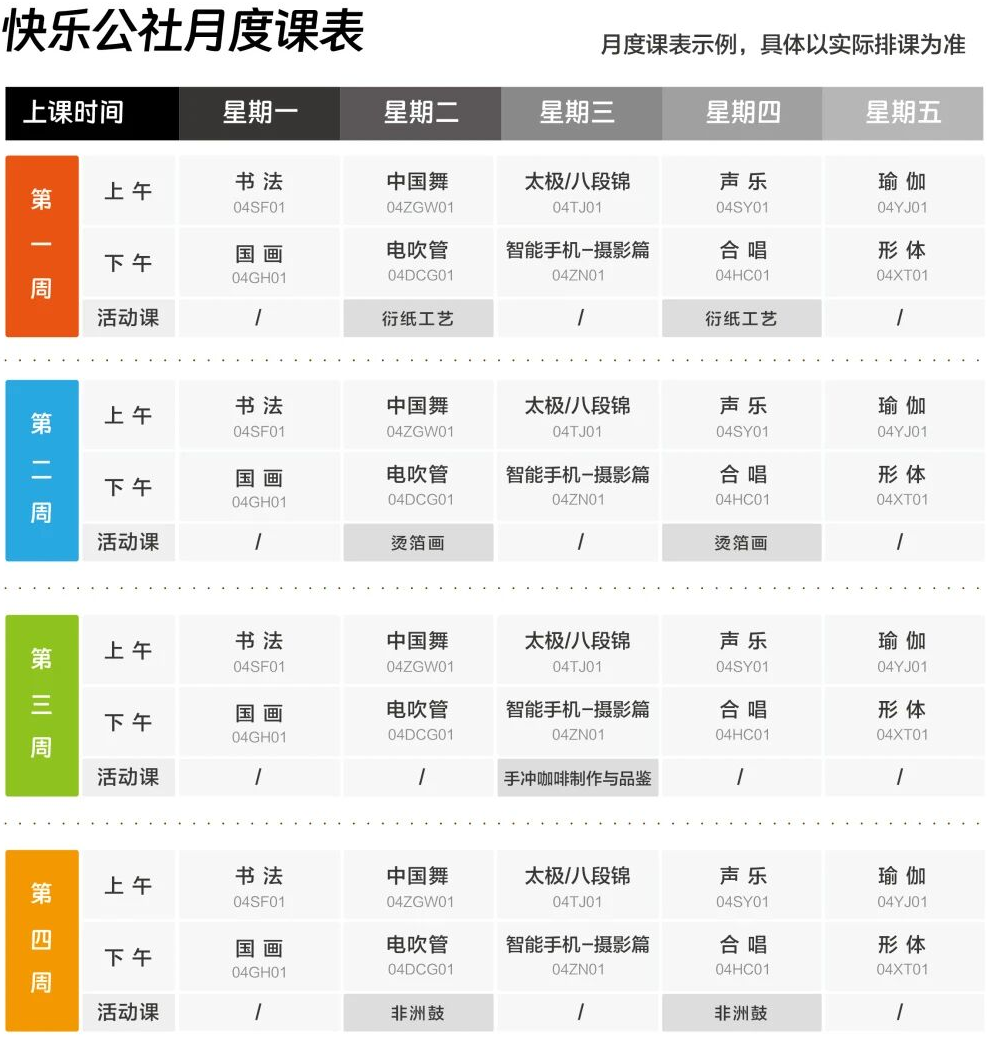
Core Viewpoint - The article discusses the strategic shift of Angli Education from focusing on K12 education to targeting the elderly market, highlighting the potential of the silver economy as a new growth engine for the company [2][3][25]. Financial Performance - In 2024, Angli Education reported a revenue of 1.23 billion yuan, a year-on-year increase of 27.32%, with a net loss of 48.58 million yuan, which is a reduction of 139 million yuan compared to the previous year [4][20]. - The revenue from youth quality education was 598 million yuan, accounting for 48.6% of total revenue, with a year-on-year growth of 36.07% [5]. Market Dynamics - The birth rate in China has significantly declined, with the number of newborns dropping from 17.23 million in 2017 to 9.02 million in 2023, leading to a shrinking core customer base for Angli [6]. - The elderly population aged 60 and above is projected to reach 310 million by the end of 2024, with the silver economy expected to grow to 19.1 trillion yuan by 2035 and 49.9 trillion yuan by 2050 [8]. Strategic Shift - Angli is exploring the silver economy by focusing on elderly interest education and cultural tourism, aiming to establish a business model by 2025 [7]. - The company is leveraging its existing resources, such as teaching spaces and staff, to cater to the elderly demographic, capitalizing on its brand trust built over 40 years [10]. Business Model - The "Happy Community" initiative offers various interest courses for the elderly at a monthly fee of 99 yuan, aiming for mass-market appeal rather than high-end niche education [12][14]. - The business model emphasizes companionship and lifestyle enhancement rather than traditional knowledge payment, targeting the social and emotional needs of the elderly [12][14]. Profitability Considerations - The initial pricing strategy may pose challenges for profitability, but potential scale effects, high customer retention, and additional value-added services could enhance revenue [15][16][17]. - The company aims to create a smart service system that utilizes AI to provide personalized recommendations and health management for elderly learners [21]. Challenges Ahead - The transition to silver education presents challenges in standardization, teacher recruitment, and longer profitability cycles compared to K12 education [18][19]. - Balancing commercial interests with the emotional aspects of companionship is crucial for the success of the "Happy Community" initiative [18][25]. Market Recognition - Despite ongoing losses, Angli's revenue in Q1 2025 reached 309 million yuan, a year-on-year increase of 10.78%, indicating a potential turnaround and market acceptance of its new strategy [20][21].

市值重回1000亿,华友钴业,熬过“至暗时刻”
Tai Mei Ti A P P· 2025-09-29 04:23
Core Viewpoint - The resurgence of the non-ferrous metals sector is highlighted, particularly with the rise of cobalt and lithium prices, benefiting companies like Huayou Cobalt [1][2]. Market Performance - Huayou Cobalt's stock has shown significant resilience, with a price increase of 18.9% since September, while the Shanghai Composite Index fell by 0.77% [1]. - Over the past three months, Huayou Cobalt's stock price surged by 54.32%, leading to a market capitalization of 105.4 billion yuan [1][8]. Company Background - Huayou Cobalt was established in 2002, initially focusing on cobalt resources, and has since expanded its operations internationally, particularly in the Democratic Republic of Congo [3][4]. - The company has undergone significant transformations, evolving from a resource seller to an integrated player in the resource-refining-sales chain [4]. Cyclical Nature of the Industry - The non-ferrous metals industry, including cobalt and nickel, is characterized by strong cyclical trends, with Huayou Cobalt experiencing three notable cycles of boom and bust [5][6]. - The first cycle (2015-2017) saw cobalt prices soar due to demand from the smartphone and electronics sectors, followed by a sharp decline [5]. - The second cycle (2019-2022) was marked by a significant drop in cobalt prices due to adjustments in the new energy battery industry, leading to a drastic reduction in Huayou's profits [5]. - The third cycle began in 2023, with an oversupply in the market impacting Huayou's performance [6]. Recent Performance and Recovery - In the first half of 2023, Huayou Cobalt reported revenue of 37.2 billion yuan, a year-on-year increase of 23.78%, and a net profit of 2.711 billion yuan, up 62.26% [7][8]. - This performance marks the company's best half-year results in recent years, driven by the recovery in cobalt and nickel prices [8]. Price Trends and Future Outlook - Cobalt prices have rebounded from a low of $9.95 per pound earlier in the year, influenced by supply constraints from the Democratic Republic of Congo [9]. - Nickel, which constitutes a significant portion of Huayou's revenue, has also shown signs of recovery due to supply restrictions and rising production costs [10]. - The development of solid-state battery technology is expected to further boost nickel demand, positioning Huayou Cobalt favorably for future growth [10].

毛利率92%,营销费率60%,万兴科技IPO的喜与忧
Tai Mei Ti A P P· 2025-09-29 03:51
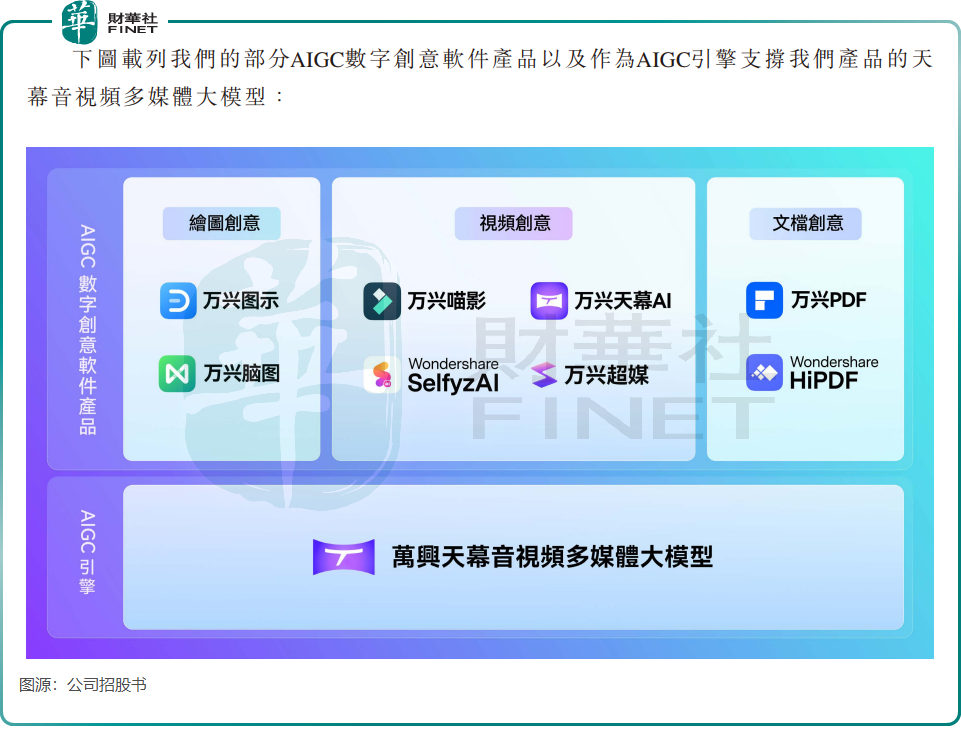
Core Viewpoint - Wankang Technology has officially submitted its prospectus to the Hong Kong Stock Exchange, aiming for a dual listing in both A-share and H-share markets, amidst a competitive landscape in the AI industry [2][3]. Company Overview - Wankang Technology is a global AIGC digital creative software provider, focusing on video creative products and has developed a multimedia model to support its three main product lines: drawing creativity, video creativity, and document creativity [4][6]. - The company boasts a global user base, with products available in over 200 countries and regions, and active users exceeding 2 billion [6]. Market Performance - Despite a strong global presence, Wankang Technology has faced challenges in user growth, particularly against competitors like Adobe and ByteDance in overseas markets, and domestic rivals such as Jianying and Kuaiying [6][10]. - The average monthly active users slightly decreased from 67.4 million in 2023 to 67.3 million in 2024, before recovering to 68.7 million in the first half of 2025 [7]. Financial Performance - Revenue figures for Wankang Technology from 2022 to 2025 show fluctuations, with revenues of 1.18 billion RMB in 2022, 1.48 billion RMB in 2023, and a projected 1.44 billion RMB in 2024 [10][11]. - The company has experienced a decline in net profit, with losses reported in 2024 and the first half of 2025, indicating a shift from profit to loss during these periods [10][12]. Cost Structure - Wankang Technology has a high gross margin of 92.4% in the first half of 2025, significantly higher than its competitors, but struggles with high marketing, management, and R&D costs, leading to low net profits [12][14]. - Marketing expenses accounted for over 60% of total revenue in the first half of 2025, reflecting the company's aggressive customer acquisition strategy in a competitive market [13][14]. Industry Context - The global AIGC video creative software market is projected to grow from approximately 800 million USD in 2020 to about 10.5 billion USD by 2024, with a compound annual growth rate of 90.3% [9]. - Despite the industry's growth, Wankang Technology's performance has not aligned with market trends, highlighting the challenges of converting high gross margins into sustainable profits [10][12].

35岁失业后的“宅系工作”,80、90后靠兴趣边玩边赚钱
Tai Mei Ti A P P· 2025-09-29 00:45
Core Viewpoint - The articles highlight the emergence of new professions and entrepreneurial opportunities among individuals facing unemployment or career transitions, particularly in the context of the post-pandemic economy. Group 1: New Professions and Entrepreneurship - Individuals from the 80s and 90s generations are adapting to unemployment by exploring new business opportunities, such as creating and selling customized products related to their hobbies [1] - The trend of "二创" (secondary creation) in the toy industry is gaining traction, with individuals like 小星 leveraging their design skills to create unique products and generate income [2][3] - The rise of online platforms allows individuals to monetize their hobbies, as seen with 小谷, who turned toy restoration into a profitable venture through video content on B站 [6][8] Group 2: Financial Aspects and Income Generation - 小星's income from her secondary creation efforts in the toy market is modest, earning less than 30,000 yuan in six months, but she finds fulfillment in her creative work [5] - 小谷 earns a few thousand yuan monthly from toy repairs, indicating a comfortable but not high-income lifestyle, driven by passion rather than financial necessity [8] - 豆豆's transition to a mother and child influencer has resulted in a monthly income of around 5,000 yuan, showcasing the potential for monetization in lifestyle content creation [12] Group 3: Social and Emotional Aspects - The shift in mindset among the younger generations reflects a balance between maintaining quality of life and pursuing personal interests, even in the face of financial challenges [1] - The support from family members, such as 豆豆's husband, plays a crucial role in encouraging individuals to pursue their passions and explore new career paths [12] - The emotional satisfaction derived from creative endeavors and the sense of community among like-minded individuals contribute to the appeal of these new professions [8]