晚点LatePost

Search documents
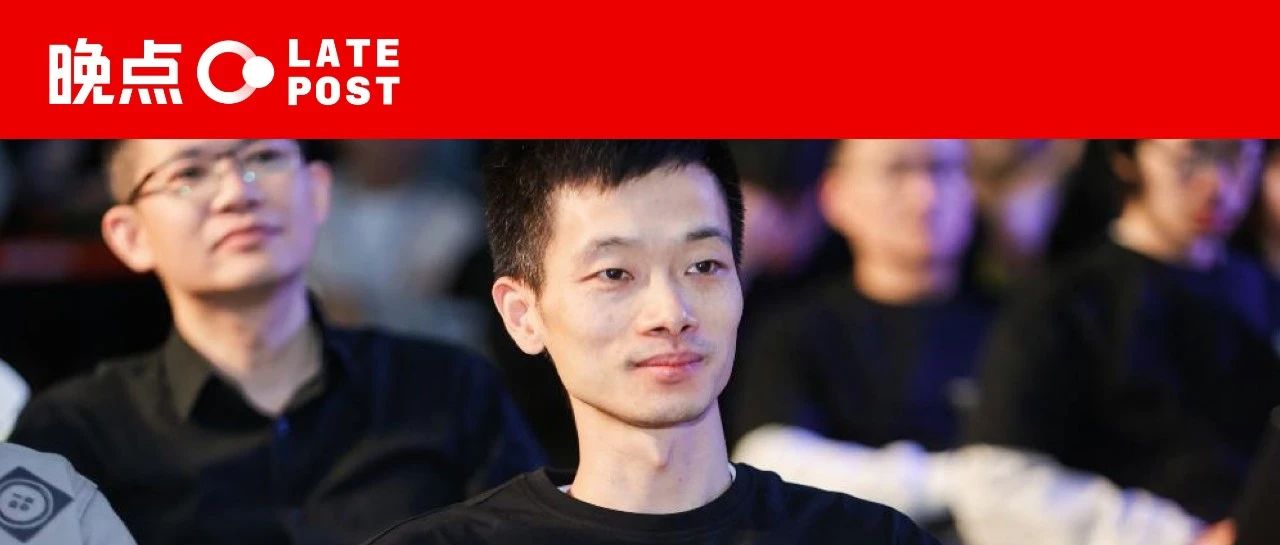
独家对话小鹏联创何涛:第二次创业,我想证明我是谁
晚点LatePost· 2025-06-30 02:20
Core Viewpoint - The article discusses the departure of He Tao from Xiaopeng Motors and his subsequent plans to enter the Southeast Asian market with a new venture focused on smart electric motorcycles, aiming to challenge established brands like Honda and Yamaha. Group 1: Departure from Xiaopeng Motors - He Tao left Xiaopeng Motors without a farewell ceremony, indicating a significant shift in the company's leadership dynamics [2] - The relationship among the founding partners of Xiaopeng Motors deteriorated, leading to He Tao and another co-founder being reassigned to honorary positions [3] - He Tao expressed a desire to prove himself again through a new entrepreneurial venture after achieving financial success but lacking recognition [4] Group 2: New Venture in Southeast Asia - He Tao announced his new company, OMOWAY, in Jakarta, Indonesia, focusing on smart electric motorcycles [4][38] - The Southeast Asian market presents a unique opportunity, with a high motorcycle ownership rate and limited competition from electric brands [21][24] - The market is dominated by Honda and Yamaha, which hold over 95% market share, indicating a concentrated competitive landscape [22] Group 3: Market Potential and Challenges - Indonesia has a population of approximately 300 million, with around 120 million motorcycles, making it a significant market for electric motorcycles [24] - The electric motorcycle penetration rate in Indonesia is currently low, at only 3%, presenting both a challenge and an opportunity for new entrants [40] - OMOWAY aims to leverage the experience gained from the Chinese electric vehicle market to establish a foothold in Indonesia [41] Group 4: Product Development and Strategy - OMOWAY's first motorcycle is designed to appeal to tech-savvy consumers who value quality and are willing to pay a premium [39] - The company conducted extensive user research to inform product design, focusing on aesthetics and functionality [36] - He Tao emphasized the importance of creating a visually appealing product that stands out in the market [37] Group 5: Leadership and Management Style - He Tao is learning to adapt his management style to be more effective in his new role as CEO, focusing on collaboration and communication [32] - The founding team of OMOWAY includes experienced professionals from Xiaopeng Motors, enhancing the company's operational capabilities [30] - He Tao's previous experiences at Xiaopeng Motors have shaped his approach to leadership and decision-making in the new venture [33]


YU7 冲击波来袭,谁被波及?
晚点LatePost· 2025-06-27 12:12
Core Viewpoint - The article discusses the significant market impact of Xiaomi's YU7 vehicle launch, highlighting its impressive order volume and competitive pricing strategy, which positions it strongly against existing players in the SUV market [4][5][12]. Group 1: Market Performance and Order Volume - On the first hour of its launch, Xiaomi sold 289,000 units of the YU7, generating an estimated order value exceeding 70 billion yuan, comparable to the revenue of major A-share companies [4]. - Even with a hypothetical 50% cancellation rate, the order volume would still nearly match Xiaomi's current production capacity [5]. - Xiaomi's first-phase factory has an annual production capacity of 150,000 units, which has been optimized to approximately 300,000 units, with a second-phase factory expected to add another 150,000 units [5][13]. Group 2: Competitive Landscape - The YU7's pricing strategy effectively covers a wide range of competitors in the 220,000 to 350,000 yuan market segment, including models from Tesla, Li Auto, and others [12]. - The competitive environment has shifted, with the YU7's rapid sales impacting the stock prices of rival companies, such as a 6.51% drop in Xiaopeng's stock following the YU7's order announcement [11]. - The YU7's three-tier pricing structure allows it to compete directly with various models, including the Tesla Model Y and Li Auto L6, which have established market presence [9][10][12]. Group 3: Sales Network Expansion - Xiaomi has established over 300 sales outlets within 15 months, with plans to reach 335 by the end of June, covering 92 cities [14][18]. - The sales network is concentrated in key provinces, with 209 stores in ten major regions, representing 70.1% of the total sales outlets [13]. - The new stores are strategically located in high-traffic areas, often near competing brands, enhancing visibility and customer engagement [17][18].


不止闲置,闲鱼 CEO 丁健的 “神奇” 产品改造手册
晚点LatePost· 2025-06-27 12:12
Core Viewpoint - The article discusses the evolution and unique positioning of Xianyu as a C2C platform that emphasizes community and creativity, distinguishing itself from traditional e-commerce platforms by fostering a sense of human connection and imaginative transactions [3][4][5]. Group 1: Company Overview - Xianyu, under the leadership of CEO Ding Jian, has transformed from a simple second-hand trading platform into a vibrant community where users engage in creative transactions, such as offering unique services and sharing experiences [4][5][6]. - The platform has seen significant user growth, with daily active users increasing from over 20 million to 50 million in three years, aiming for a target of 100 million DAU [6][35]. Group 2: Unique Selling Proposition - Xianyu's slogan "Not just idle, but magical" reflects its focus on the unexpected and imaginative aspects of transactions, encouraging users to explore beyond traditional buying and selling [3][4]. - The platform's community-driven nature allows for a wide range of products and services, limited only by users' creativity, which has led to diverse offerings such as event participation and unique collectibles [3][4][5]. Group 3: Strategic Initiatives - Ding Jian emphasizes the importance of maintaining a balance between community feel and commercial efficiency, aiming to standardize transaction experiences while preserving the platform's unique character [5][6]. - The introduction of AI-driven features, such as AI-assisted selling and enhanced trust mechanisms, aims to streamline transactions and improve user experience, addressing common issues like disputes and product verification [38][39][40]. Group 4: Community Engagement - Xianyu is positioning itself as a lifestyle and consumption community, where users can engage in discussions and share interests, moving beyond mere transactions to create a more interactive environment [21][28]. - The platform is actively working to promote content creation and community interaction, transforming product listings into engaging posts that encourage user participation [23][24]. Group 5: Future Directions - The company plans to further develop its community aspects by integrating more interactive features and enhancing user-generated content, ensuring that the platform remains a space for creativity and connection [35][42]. - Ding Jian's vision includes leveraging user insights to continuously adapt and evolve the platform, ensuring it meets the changing needs and interests of its user base [42][43].

理想整合设立智能汽车群组,总裁马东辉统管研发、供应和销服
晚点LatePost· 2025-06-27 12:12
Core Viewpoint - Li Auto is undergoing significant organizational and personnel adjustments to enhance its smart vehicle business and adapt to the competitive automotive market [3][4][8]. Group 1: Organizational Changes - The sales and service group will merge with the R&D and supply chain groups to form a new smart vehicle group, which will be responsible for the strategic and operational aspects of Li Auto's smart vehicle business [3][4]. - The new smart vehicle group will be led by President Ma Donghui, reporting directly to Chairman and CEO Li Xiang [4]. - Other key groups, including product and strategy, systems and computing, and finance, will remain unaffected by this restructuring [4]. Group 2: Sales Strategy and Structure - The sales and service group previously implemented a "battle zone system," consolidating 26 zones into five major regions, with each region responsible for its own sales, profits, and NPS (Net Promoter Score) [5][6]. - The central sales team will be dispersed across the five regions, leading to a degree of autonomy among the regions [5]. - Li Auto has emphasized a commitment to "national unified pricing and service standards," aiming to eliminate unauthorized discounts or rebates by sales personnel [5][6]. Group 3: Market Adaptation and Challenges - The adjustments are seen as a response to the increasingly fierce competition in the domestic automotive market, with Li Auto aiming to break down departmental barriers and enhance operational efficiency [4][8]. - Previous issues within the sales team, such as "order grabbing" and unauthorized rebates, have led to employee dissatisfaction and turnover [6]. - Li Xiang has highlighted that organizational upgrades are crucial for companies facing larger scales and more challenging phases, indicating that many failures stem from organizational capabilities rather than business issues [6][7].


阿里合伙人瘦身:不在业务一线的基本都退出了
晚点LatePost· 2025-06-26 13:23
Core Viewpoint - Alibaba is undergoing significant organizational restructuring, focusing on streamlining operations and strategic refocusing, particularly within its partner system, which has seen a reduction in the number of partners to a historic low of 17 [3][4][11]. Summary by Sections Partner System Changes - Alibaba's partner team has decreased by 9 members, representing one-third of the total, marking the largest exit in the history of the partner system [4][11]. - The current partner committee has seen a change in one member, with Jiang Fan replacing Peng Lei, while the other four members remain unchanged [3][4]. Business Focus and Strategy - The restructuring signals a shift towards having more frontline business leaders in the decision-making body, with only 4 out of 17 partners being senior members not involved in day-to-day operations [4][5]. - The emphasis has shifted from internal value debates to focusing on growth and positioning, with e-commerce and AI + Cloud identified as the two main growth engines for Alibaba [4][5]. Financial Performance - For the fiscal year 2025, Alibaba reported revenues of 996.347 billion yuan, with a net profit increase of 77% to 125.976 billion yuan. E-commerce and cloud revenues grew by 8.3% and 11%, respectively [5][11]. - The company has exited several businesses, including Gao Xin Retail and Yintai Department Store, while achieving profitability in various segments like Gaode and Hema [5][11]. Partner Composition and Roles - The current 17 partners are divided into three tiers: 9 from e-commerce, cloud, and other businesses; 4 from the executive management team; and 4 senior partners focusing on cultural and strategic aspects [17][22]. - The partner system is designed to ensure the continuity of Alibaba's culture and values, with strict selection criteria emphasizing long-term commitment and cultural alignment [29][30]. Management and Decision-Making - The new CEO, Wu Yongming, has prioritized a user-first and AI-driven strategy, with a clear delineation of core and non-core business areas [24][25]. - The partner system allows for significant control over company decisions, with the ability to nominate board candidates and influence company direction [29][30].

逼着算法学品味,抖音想要第三次突围
晚点LatePost· 2025-06-25 12:39
Core Viewpoint - Douyin has established itself as a leading short video and entertainment content platform in China, but competitors like Xiaohongshu and Bilibili are also experiencing significant growth and user engagement, indicating a challenging competitive landscape for Douyin [3][4][6]. Group 1: Douyin's Market Position - Douyin has over 800 million daily active users, surpassing WeChat in terms of time spent on the platform, and its revenue exceeds Alibaba's Chinese e-commerce by one-third [3][4]. - Despite Douyin's dominance, competitors like Xiaohongshu and Bilibili have also reached over 100 million daily active users and are expected to turn profitable in the coming years [4][6]. - Douyin's management acknowledges that it has not yet differentiated itself significantly from competitors in terms of content quality [4][5]. Group 2: Content Strategy and Challenges - Douyin has faced challenges in attracting high-quality user-generated content (UGC), particularly in the graphic content sector, which has not met expectations [5][9]. - The platform has attempted to replicate Xiaohongshu's success by launching initiatives focused on graphic content, but these efforts have not yielded significant results [7][8]. - Douyin's user demographics are shifting, with a decline in younger users, leading to concerns about its ability to attract and retain high-income and younger audiences [6][7]. Group 3: Algorithm and Content Quality - Douyin is implementing a "quality content" initiative to attract users who have not been engaged, focusing on defining and standardizing what constitutes high-quality content [9][10]. - The platform is adjusting its algorithm to prioritize content that may not have high completion rates but is still valuable to users, indicating a shift towards long-term growth over short-term metrics [11][19]. - Douyin has launched a separate app, Douyin Select, aimed at distributing high-quality mid-length videos, with a goal of increasing its daily active users [11][13]. Group 4: User Engagement and Market Trends - User preferences are evolving from instant gratification to a desire for more meaningful content, prompting Douyin to focus on creating valuable and useful content [17][19]. - The platform's internal research indicates that users are increasingly dissatisfied with low-quality content, which has led to a decline in engagement and even uninstalls [19][20]. - Douyin's strategy reflects a broader industry trend where platforms are recognizing the importance of content quality and user experience in retaining users and driving growth [16][19].

加速度和加杠杆的老铺黄金,得学着慢下来
晚点LatePost· 2025-06-25 02:12
Core Viewpoint - The article discusses the challenges and strategies of Lao Pu Gold in positioning itself within the luxury goods market, emphasizing the importance of maintaining a unique brand identity and leveraging the current gold price cycle to enhance profitability [2][4][5]. Group 1: Brand Positioning and Market Perception - Lao Pu Gold has intentionally avoided clear brand positioning, creating a sense of mystery that enhances its market appeal and capital valuation [3][4]. - The label "ancient method gold" reflects the company's industry but also suggests a potential to operate as a brand operator filling a gap in the domestic luxury market [4][5]. - The founder's preference for a low-profile approach contrasts with the trend of founders becoming more public figures, aligning with the luxury brand narrative of cultural heritage and exclusivity [4][5]. Group 2: Profitability and Growth Strategies - The article outlines Lao Pu Gold's strategy of purchasing large amounts of physical gold to capitalize on rising gold prices, which may lead to improved profit margins [5][7]. - The company's current gross margin is around 40%, significantly higher than many domestic jewelry brands, but still below top luxury brands, indicating room for improvement [12][14]. - Future profitability may be bolstered by a shift towards higher-margin products and a favorable gold price environment, with projections suggesting potential gross margin increases in 2025 [13][14]. Group 3: Financial Challenges and Cash Flow Management - Lao Pu Gold faces significant cash flow pressures due to its strategy of accumulating gold, with a reported net cash outflow of 1.23 billion yuan in 2024 [17]. - The company has increased its reliance on bank loans, with interest-bearing debt rising from 28% to 61% of current liabilities, raising concerns about financial stability [17][22]. - Despite plans for expansion and cash dividends, the company's cash reserves are limited, necessitating ongoing external financing to maintain operations [17][22]. Group 4: Market Dynamics and Competitive Landscape - The luxury goods market is characterized by high entry barriers, with established brands benefiting from cultural heritage and market positioning [24][38]. - The article suggests that while there is potential for domestic luxury brands like Lao Pu Gold, they face significant challenges in differentiating themselves from established European and American brands [39][40]. - The competitive landscape indicates that domestic luxury brands may struggle to find unique market positions, as the luxury market is heavily dominated by established players [40].

对话阿里国际站张阔:全球贸易越动荡,越需要尊重常识
晚点LatePost· 2025-06-24 09:35
Core Viewpoint - The article emphasizes the resilience of Chinese manufacturing and trade in the face of high tariffs and global trade tensions, highlighting the significant role of AI in enhancing efficiency and driving growth in foreign trade [2][3][4]. Group 1: Trade Dynamics - The recent trade negotiations between the US and China have led to a reduction in tariffs from 145% to 30%, resulting in a resurgence of foreign trade orders, with Alibaba's international platform reporting a 42% year-on-year growth in orders [3][6]. - The share of private enterprises in China's export value has increased from 2% in 1999 to 65% in 2024, showcasing the adaptability and competitiveness of Chinese companies [2][3]. - The global trade environment remains volatile, but improvements in digital infrastructure and AI integration are enhancing transaction efficiency and order volumes [9][10]. Group 2: AI's Impact on Trade - AI is viewed as a long-term game-changer for the foreign trade industry, improving efficiency and lowering barriers for participation [4][20]. - Alibaba's international platform plans to launch AI-driven tools to assist merchants in operations, customer service, marketing, and compliance, with the aim of enhancing overall operational efficiency [4][20]. - The introduction of the AI-native search engine Accio is expected to significantly improve user experience and drive growth in cross-border trade, with projections suggesting a potential 10% increase in trade volume due to AI [4][24]. Group 3: Market Insights - The article discusses the challenges faced by other countries in replacing China's manufacturing capabilities, noting that China's manufacturing output accounts for over 30% of global production [13][14]. - The article highlights the importance of understanding local markets and the need for collaboration with local businesses to ensure mutual benefits in international trade [19][30]. - The article also points out the varying levels of digital understanding and infrastructure in different regions, which can impact their ability to engage in global trade effectively [15][16].
从地平线拆分后,地瓜机器人怎么做具身智能卖水人丨具身智能对话#15
晚点LatePost· 2025-06-24 09:35
Core Viewpoint - The humanoid robot industry is seen as a potentially massive market, but it faces significant challenges. The industry is still in a state of divergence rather than consensus, with various approaches and technologies being explored [4][5][21]. Group 1: Company Strategy and Positioning - The company, DiGua Robot, was spun off from Horizon Robotics and aims to enter the humanoid robot market, which is currently small but has potential for growth. The strategy is to compete in areas with little competition [4][9]. - The company focuses on building an ecosystem for developers, providing tools and hosting competitions to encourage innovation and collaboration within the industry [5][12][36]. - The company recognizes the importance of AI in robotics and has adjusted its strategy to increase investment in humanoid robots following advancements in large model technologies [10][20]. Group 2: Market Dynamics and Trends - The humanoid robot market is characterized by three main trends: increasing demands for smart consumer robots, the emergence of new companies creating innovative applications, and the development of embodied intelligence [10][11]. - The company believes that the market for humanoid robots will evolve, with some companies succeeding in specific applications, leading to a wave of consensus in the industry [21][22]. Group 3: Challenges and Future Outlook - The industry is currently facing a lack of consensus on technology routes, making it difficult for companies to determine the best path forward. The company aims to gather real demands from the market to inform its strategy [14][16]. - There is a concern that many companies in the humanoid robot space may not survive the long-term challenges, with potential market consolidation expected in the coming years [20][24][27]. - The company anticipates that as the market matures, there will be a clearer understanding of the technology and applications needed, but this may take time [22][28].


“一个淘宝”:阿里没有宣布的战略转型
晚点LatePost· 2025-06-23 12:47
Core Viewpoint - Alibaba is integrating Ele.me and Fliggy into its China e-commerce business group, marking a strategic upgrade towards becoming a comprehensive consumer platform centered around Taobao [2][3]. Group 1: Integration and Strategy - The integration of Ele.me and Fliggy into Alibaba's China e-commerce business group aims to streamline operations and enhance collaboration, allowing for a unified approach to business decisions [2][3]. - This move signifies a shift from a multi-entrance strategy to a "One Taobao" strategy, consolidating power and resources under the leadership of Jiang Fan [3][4]. - The collaboration between Taobao and Ele.me has already shown significant results, with daily order volumes increasing from over 20 million to more than 60 million in less than two months [3][4]. Group 2: Market Impact and Performance - The daily order volume for the Taobao and Ele.me partnership reached a peak of over 60 million, significantly narrowing the gap with Meituan, which reported an average of over 90 million daily orders [4][6]. - The integration is expected to enhance user engagement within the Taobao app, as users can access Ele.me and Fliggy services directly, increasing the time spent on the platform [5][6]. - The strategic focus on instant retail through Taobao has led to a notable increase in active users, with a reported increase of nearly 38 million daily active users in May compared to April [5][6]. Group 3: Historical Context and Organizational Changes - Alibaba has undergone multiple organizational adjustments over the past decade, shifting between centralized and decentralized structures to adapt to market conditions [6][7]. - The current transition reflects a broader trend in the industry where companies consolidate resources to enhance efficiency and respond to competitive pressures [8]. - Historical examples from other companies, such as Ford and Microsoft, illustrate the varying outcomes of centralized strategies, emphasizing the importance of delivering competitive products [8].