虎嗅APP

Search documents
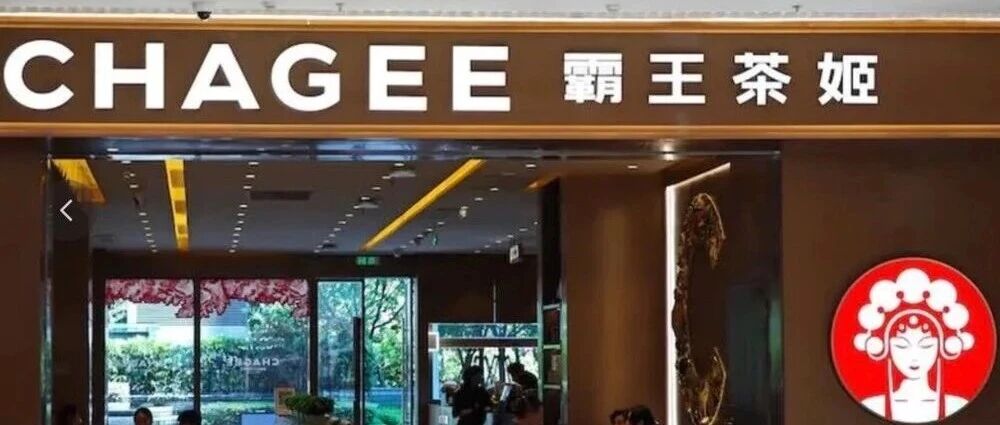
净利跌近四成,狂奔的霸王茶姬急需谋变
虎嗅APP· 2025-12-11 06:00
Core Viewpoint - The article discusses the current challenges and strategies of the tea brand Bawang Chaji, highlighting its rapid expansion, declining profitability, and the need for product innovation to maintain market relevance [4][10][40]. Group 1: Financial Performance - Bawang Chaji reported a global store count of 7,338 and a quarterly GMV of 7.93 billion yuan, but faced a net profit decline of 38.5% year-on-year [4]. - The net profit margin decreased from 18.3% to 12.4%, while the operating profit margin fell from 22.4% to 14.2% [4]. - GMV in the Greater China region dropped by 6.2% to 7.63 billion yuan, with average monthly GMV per store declining by 28.3% to 378,500 yuan [5]. Group 2: Product and Innovation Strategy - Bawang Chaji launched a new product, the Boya Juexian Flower Fragrance, after a long wait, but consumer feedback was mixed [2]. - The company aims to enhance product offerings and has plans for a new menu and special tea products, while also maintaining existing popular items [6]. - The brand's reliance on the successful Boya Juexian product, which has generated over 12.5 billion cups sold, poses a challenge for future innovation [25][27]. Group 3: Franchise and Market Dynamics - Franchisees are experiencing profit pressures due to increased competition and a price war in the tea market, with some reporting longer payback periods for their investments [15][19]. - Bawang Chaji has introduced a new revenue-sharing model for franchisees, transitioning from fixed fees to a commission-based structure to improve profitability [17][19]. - The company is facing challenges in securing prime locations for new stores, leading to a competitive environment among franchisees [16]. Group 4: Organizational Changes and Leadership - The arrival of CFO Huang Hongfei marks a significant shift towards a more structured and disciplined financial approach, aiming for a public listing and improved financial models [37]. - The company is undergoing organizational adjustments to balance traditional management with modern operational practices, focusing on product innovation and team collaboration [38][39]. - Founder Zhang Junjie is adapting to the challenges of scaling the business while maintaining a strong focus on product quality and brand identity [40][41].

早报|美联储降息25个基点;上海迪士尼可以退票了;警方通报“小鹏汽车不雅视频”;广东成立调查组彻查火灾事故原因
虎嗅APP· 2025-12-11 00:09
Monetary Policy - The Federal Reserve announced a 25 basis point cut in the federal funds rate, bringing the target range to 3.5% to 3.75%, marking the third consecutive rate cut since September 2023 and the sixth cut since the current easing cycle began in September 2024 [2] Technology and AI - Meta is shifting its strategy towards monetizable AI models, with a new model named "Avocado" expected to launch in spring 2026, likely in a closed-source format [3] - Former ByteDance visual model AI platform head Pan Xin has joined Meituan to lead multimodal AI innovation, including the development of the LongCat App [5] - Xiaomi clarified that its recruitment for AI education roles is related to enhancing product services, not launching an AI education initiative [21] Market Trends - The price of the Nubia M153 AI phone has surged in the second-hand market, with listings reaching as high as 36,000 yuan due to the unavailability of official purchase channels [13] Corporate Developments - The establishment of a central supervisory committee in Myanmar aims to combat online fraud and gambling, indicating a governmental push to regulate illegal activities [4] - The Shanghai Disneyland will implement a new ticket refund policy starting January 12, 2026, allowing full refunds for requests made at least seven days before the visit [11][12] International Relations - The UK Prime Minister's potential visit to China in January 2024 is under discussion, with China expressing a willingness to improve bilateral relations [26]

烤冷面三十年:走向预制,冷面消失
虎嗅APP· 2025-12-11 00:09
Core Viewpoint - The article explores the evolution and cultural significance of "Kao Leng Mian" (grilled cold noodles) in China, highlighting its transformation from a regional delicacy to a standardized street food across the country, while reflecting on the nostalgia associated with its original form [4][5][27]. Group 1: Historical Context and Origin - Kao Leng Mian is believed to have originated in 1996 in Mishan City, Heilongjiang Province, with its definition recognized as a street food from this region [13][15]. - The dish has undergone significant changes over the years, with the original form being replaced by a standardized version that includes a flat noodle wrapped with various toppings [16][23]. Group 2: Evolution of Preparation and Consumption - The original ingredients and preparation methods have been largely forgotten, with a shift towards a more commercialized and simplified version that is easier to mass-produce [16][26]. - The modern version of Kao Leng Mian typically includes a flat noodle, egg, and various sauces, making it less region-specific and more accessible across different cities [25][26]. Group 3: Cultural Significance and Nostalgia - The article emphasizes the emotional connection many individuals have with the original Kao Leng Mian, representing a collective memory of childhood and simpler times [27][29]. - Despite the commercialization and standardization of the dish, there remains a strong sentiment among consumers for the traditional version, which is often reminisced about in social media discussions [27][29].

美联储鸽了,风险也来了
虎嗅APP· 2025-12-11 00:09
Core Viewpoint - The Federal Reserve's recent interest rate cut of 25 basis points was anticipated, but the lack of a hawkish tone in Chairman Powell's statements surprised the market, leading to a rebound in U.S. stocks, gold, and U.S. Treasuries, while the dollar index fell [2][3]. Group 1: Federal Reserve's Actions and Market Reactions - The market had expected a hawkish stance from the Federal Reserve, but Powell's dovish comments and the announcement of expanding the balance sheet by purchasing $40 billion in short-term Treasury bonds indicated a further easing of financial conditions [3][5]. - Following the rate cut, the focus shifted from the Fed's policy to political risks, particularly Trump's comments suggesting that the rate cut could have been larger, which dampened market enthusiasm [5][6]. Group 2: Political Influence on the Federal Reserve - Trump's potential influence over the Federal Reserve has raised concerns about the central bank's independence, with speculation that he may announce a new chairperson before the end of December, likely Kevin Hassett, who is viewed as a dovish candidate [7][8]. - The market's reaction to Trump's comments and the potential for Hassett's appointment reflects fears that the Fed may lose its independence, which could lead to unpredictable economic cycles and asset prices [8][12]. Group 3: Importance of Federal Reserve Independence - The Federal Reserve was established to stabilize the U.S. financial system, and its independence is crucial to avoid political interference in monetary policy, which could distort market signals and lead to economic instability [10][12]. - Historical examples, such as the Nixon administration's pressure on the Fed, illustrate the risks of political interference, which can lead to inflation and asset crises [14][15]. Group 4: Implications of a Politicized Federal Reserve - If the Federal Reserve becomes politicized, it may adopt a more tolerant stance towards inflation, leading to premature interest rate cuts that could benefit gold as a non-yielding asset and increase its attractiveness [21][22]. - A loss of credibility for the dollar could result from political pressures on the Fed, prompting investors to seek alternatives like gold, which is seen as a hedge against inflation and currency devaluation [23][24]. Group 5: Market Reactions to Potential Fed Changes - The potential for a politicized Fed could lead to increased volatility in commodity prices, including industrial metals like copper and aluminum, as well as precious metals like silver, which has both industrial and investment demand [24][25]. - The stock market may initially benefit from a more accommodative monetary policy, but long-term effects will depend on the underlying economic fundamentals and the Fed's ability to manage inflation expectations [25][26].

光伏反转信号,虽迟但到
虎嗅APP· 2025-12-10 14:17
Core Viewpoint - The establishment of a silicon material storage platform marks a significant event in the photovoltaic industry, indicating a shift towards reducing production capacity and addressing overcapacity issues in the sector [2][5][21]. Group 1: Background and Development - The silicon material storage platform, named Beijing Guanghe Qiancheng Technology Co., Ltd., was officially established on December 9, with a registered capital of 3 billion [2]. - The platform was formed by ten photovoltaic companies, primarily silicon material producers, including Tongwei, GCL, and Daqo Energy [2][18]. - The industry has been anticipating the establishment of this platform since mid-2025, with various discussions and speculations circulating in the market [5][6]. Group 2: Market Reactions and Challenges - Following the announcement of the platform's establishment, major silicon material companies saw significant stock price increases, with some rising by 10% on the same day [6]. - However, negative sentiments emerged in November when claims of the "failure of anti-involution" led to a sharp decline in the photovoltaic sector, with the photovoltaic ETF dropping by 11.27% from November 12 to December 10 [9][8]. - The concerns regarding "anti-monopoly" issues have been cited as a major factor affecting the implementation of the anti-involution measures [11][14]. Group 3: Future Outlook - Despite the challenges, the photovoltaic industry is expected to reach a turning point, with potential for asset revaluation as the market begins to focus on the recovery of photovoltaic asset valuations [21][25]. - The effectiveness of the silicon material reduction plan will be crucial for improving the fundamentals and performance of photovoltaic companies [23]. - The anticipated recovery in the market is expected to begin in the first or second quarter of the following year, with price increases in silicon materials likely to benefit upstream companies first [24][25].




打破“强省会”,突然开始了
虎嗅APP· 2025-12-10 14:17
Core Viewpoint - The article discusses the shift from a "strong provincial capital" model to a "dual-pole" or multi-center development strategy in certain provinces, particularly highlighting the case of Shaanxi and its cities, Xi'an and Yulin [4][6][7]. Group 1: Shaanxi's New Development Strategy - Shaanxi's "14th Five-Year Plan" proposes a "dual-pole drive" strategy, indicating that Xi'an will no longer be the sole growth center, with Yulin emerging as a comparable growth pole [6][7]. - Xi'an contributes 37.5% to Shaanxi's GDP, making it the largest economic hub in the province and the broader northwest region [8]. - Yulin, as China's second-largest coal-producing city, has a GDP exceeding 750 billion, positioning it as a leading city in central and western China [9]. - Yulin has rapidly ascended in national rankings, moving from outside the top 60 to around 40, aiming for a trillion GDP city status [11]. - Yulin's economic strength allows it to become a new growth pole, suggesting a potential transition for Shaanxi from a single-pole to a dual-pole model [13]. Group 2: Comparison with Other Provinces - Other provinces like Sichuan and Hubei continue to emphasize the "strong provincial capital" model, with plans to enhance the core functions of their respective capitals, Chengdu and Wuhan [16][17]. - Provinces such as Shanxi, Guangxi, and Gansu have reiterated the importance of strong provincial capitals, indicating that this remains a mainstream choice in central and western China [19][20]. - The article notes that multi-center development models are typically found in economically strong regions or those with significant ports, contrasting with the majority of central and western provinces that lack such conditions [21][28]. Group 3: Implications for Strong and Weak Provinces - The debate around strong provincial capitals arises from concerns that a singular focus on one city can limit the development of surrounding areas [35]. - For underdeveloped provinces, having a strong provincial capital is crucial for establishing a presence and competing nationally, especially in attracting talent and businesses [37]. - The consensus suggests that economically developed provinces should cultivate multiple centers, while underdeveloped provinces benefit from a strong provincial capital, although there should be efforts to develop multiple growth poles in overly dominant regions [38][39].

被优绩主义困住的人,最终都要学着做个普通人
虎嗅APP· 2025-12-10 14:17
Core Viewpoint - The article discusses the societal pressure of achieving success and the struggle of accepting one's ordinary status in life, particularly in East Asian cultures, where external validation often dictates self-worth [6][9][19]. Group 1: Understanding Ordinary Life - The narrative highlights the shift from a meritocratic mindset to a more accepting view of ordinary life, questioning the necessity of success for self-worth [6][9]. - The film "Perfect Days" is referenced to illustrate the beauty found in ordinary lives, emphasizing that fulfillment can come from simple pleasures rather than societal achievements [6][8]. - The concept of "ordinary" is explored through discussions among editors, revealing a collective struggle to embrace this identity [7]. Group 2: Cultural Influences - The article notes that East Asian collectivist culture often overlooks individual value, leading to a reliance on external achievements for self-assessment [8][9]. - Many individuals, raised in a success-driven environment, find it challenging to accept their ordinary status, which is seen as a common issue in clinical psychology [8][9]. - The societal expectation to excel creates a cycle where individuals feel unworthy unless they meet high standards, perpetuating anxiety and dissatisfaction [9][10]. Group 3: Personal Experiences and Reflections - Contributors share personal stories of grappling with the acceptance of being ordinary, often tied to experiences of failure and societal pressures [11][19]. - The process of accepting one's limitations is described as a gradual reconciliation, where individuals learn to treat themselves with kindness and understanding [12][20]. - The article emphasizes that recognizing one's ordinary status can lead to a sense of freedom and relief from the burdens of comparison and expectation [19][21].

恒大是从哪个项目开始变坏的
虎嗅APP· 2025-12-10 14:17
Core Viewpoint - The article discusses the downfall of Evergrande, highlighting its rapid expansion, excessive debt, and the eventual consequences of its unsustainable business practices [4][7][56]. Group 1: Evergrande's Business Practices - Evergrande's leverage strategy involved using 39 billion yuan in capital to support 2 trillion yuan in debt, maintaining a debt ratio exceeding 85% while offering high dividend rates [10]. - The company expanded aggressively, developing over 1,300 projects in 280 cities, including large-scale tourism projects [11]. - Evergrande's marketing strategies included creating grandiose visions for projects, such as the "Evergrande Venice," which had low land costs due to innovative land acquisition methods [16][23]. Group 2: Financial Mismanagement - The company reported a staggering total debt of 2.38 trillion yuan against total assets of only 1.74 trillion yuan, resulting in a shortfall of nearly 640 billion yuan [58]. - Evergrande's financial practices included using pre-sale funds to inflate revenue figures and issuing commercial bills to suppliers, effectively transferring risk [46][49]. - The company faced scrutiny for its financial reporting, with auditors failing to identify discrepancies in its financial statements [68]. Group 3: Market Environment and Industry Context - The article emphasizes that Evergrande's issues are reflective of broader industry problems, where high leverage and rapid expansion were common practices during China's real estate boom [64][80]. - The real estate market was characterized by a belief that property prices would always rise, leading to reckless investment behaviors among developers and buyers alike [38][81]. - The article suggests that the entire industry operated under a flawed premise, where success was often attributed to market conditions rather than sound business practices [82].

为什么有些顶级CEO很闲?
虎嗅APP· 2025-12-10 10:13
Core Viewpoint - The article emphasizes the importance of leadership style in top executives, contrasting effective leadership with mere busyness, and highlights that successful CEOs focus on strategic thinking rather than micromanagement [8][10]. Group 1: Leadership Style - There are two main types of leadership styles: leadership-oriented and management-oriented. The article advocates for a leadership-oriented approach where CEOs focus on strategic work, external relationships, and key talent acquisition, while delegating management tasks to lower levels [11][12]. - A study by Michael Porter and Nitin Nohria indicates that companies led by leadership-oriented CEOs experience significantly higher productivity and profits, with sales potentially increasing by about 7% when other factors are controlled [11][12]. Group 2: Management Traps - Many busy CEOs fall into a "diligence trap," characterized by a lack of trust in middle management and a tendency to micromanage, which ultimately hampers organizational efficiency [14][15]. - The article points out that a culture of "false busyness" can arise from unhealthy organizational structures, leading to inefficiencies where leaders exhaust themselves without adding value [14][15]. Group 3: Effective Time Management - Top CEOs often appear "idle" because they prioritize high-leverage activities and reserve time for strategic thinking and building external connections, which are crucial for the company's survival [19][20]. - The article suggests that CEOs should regularly audit their schedules to ensure that 20%-30% of low-value activities are eliminated, allowing for a focus on strategic and organizational health [23]. Group 4: Organizational Development Stages - The article outlines different stages of company development and the corresponding role of the CEO: - In the startup phase (0-1), the CEO must be hands-on in product and sales [24]. - In the growth phase (1-10), the focus should shift to building systems and organizations [24]. - In the mature or transformation phase (10-100), the emphasis is on redefining direction and upgrading organizational capabilities [24]. Group 5: Cultural Transformation - CEOs are encouraged to shift from a narrative of "hard work" to one of "value creation," ensuring that the organization can operate efficiently without their constant presence [25][26]. - The article concludes that exceptional leaders enable ordinary people to achieve extraordinary results, rather than positioning themselves as the sole heroes of the organization [26].

数千万老年人,正被手机广告弹窗霸凌
虎嗅APP· 2025-12-10 10:13
Core Viewpoint - The article highlights the challenges faced by elderly users, particularly in navigating mobile technology, which often leads to overwhelming experiences due to intrusive advertisements and scams targeting this demographic [6][24]. Group 1: Elderly Users and Mobile Technology - The article describes how elderly individuals, like Liu Huiqin, have adapted to using smartphones, which serve as a window to the world for them, but they often encounter difficulties due to a lack of digital literacy [5][7]. - By mid-2025, the number of internet users aged 60 and above in China is projected to reach 161 million, many of whom are bombarded with aggressive advertising tactics that exploit their vulnerabilities [6][7]. - The experience of using smartphones for entertainment, such as watching short videos, is frequently interrupted by pop-up ads, leading to frustration and confusion among elderly users [9][10]. Group 2: The Impact of Advertisements - The article discusses how the apps commonly used by elderly individuals are often designed to maximize ad revenue, resulting in a poor user experience [25][28]. - Many advertisements are disguised as legitimate notifications, making it difficult for elderly users to distinguish between useful information and scams [11][29]. - The prevalence of intrusive ads has led to a situation where elderly users become targets for aggressive marketing strategies, effectively turning them into data points for advertisers [27][31]. Group 3: Family Dynamics and Support - The article illustrates the ongoing struggle between elderly users and their family members, who often take on the role of tech support to help navigate the complexities of mobile technology [16][21]. - Family members frequently engage in regular maintenance of elderly relatives' devices, attempting to remove unwanted applications and educate them on recognizing scams [17][22]. - The emotional toll of these interactions is significant, as family members express concern over their loved ones' safety and well-being in the digital landscape [35][36]. Group 4: Industry Response and Challenges - The article notes that while some smartphone manufacturers have introduced features aimed at making devices more user-friendly for the elderly, the effectiveness of these measures remains limited [30][31]. - Despite regulations aimed at protecting elderly users from misleading advertisements, the underlying business model of "free plus ads" continues to exploit this demographic [31][32]. - The article concludes that there is a pressing need for better-designed technology that caters specifically to the elderly, addressing their unique challenges and enhancing their digital experience [36].