虎嗅APP

Search documents
字节英伟达都在给员工发这个“最有面的中产水果”?
虎嗅APP· 2026-02-10 09:28
Core Viewpoint - The article discusses the rise of "Crispy Honey Kumquat" as a new luxury fruit, particularly popular among middle-class consumers, and its significant market presence, especially in tech companies like ByteDance and NVIDIA [5][20]. Group 1: Market Trends - The "Crispy Honey Kumquat" has gained immense popularity, with discussions on social media platforms exceeding 100 million and over 800 million views on Douyin [5]. - The fruit is being marketed as a premium product, with prices reaching up to 15 yuan per piece, making it more expensive than Ferrero chocolates [7][12]. - Sales of the kumquat have increased significantly, with a reported 25% growth in sales from the previous year [14]. Group 2: Product Characteristics - The "Crispy Honey Kumquat" is characterized by its thin skin, large size, and high sweetness, with a sugar content exceeding that of typical fruits like watermelon and strawberries [14][22]. - The fruit's unique breeding process has led to a product that is 100% edible, with a long shelf life, making it suitable for both domestic and international markets [22][23]. Group 3: Economic Impact - The production area for "Crispy Honey Kumquat" in Guangxi has expanded to 231,000 acres, with an expected total output of 287,000 tons and a market value of approximately 5.6 billion yuan [23]. - The brand value of Guangxi kumquat has increased from 4.54 billion yuan to 5.92 billion yuan, marking it as one of the fastest-growing geographical indication brands in the region [23]. Group 4: Consumer Behavior - The kumquat has become a status symbol among middle-class consumers, often used as a gift due to its perceived quality and auspicious connotations [16]. - The fruit's high price point has led to a phenomenon where consumers are willing to pay a premium for perceived quality, with some consumers expressing surprise at the taste compared to traditional kumquats [11][17]. Group 5: Future Outlook - The article suggests that while the current trend is positive, there are concerns about maintaining quality and price stability as production scales up, drawing parallels to other fruits that have experienced market saturation [29][37]. - The commercialization of "Crispy Honey Kumquat" is still in its early stages, with expectations that it may reach its peak in the coming years [36].



Seedance 2.0火出圈,意味着AGI又近了一步
虎嗅APP· 2026-02-10 09:28
Core Viewpoint - Seedance 2.0, developed by ByteDance, has gained significant attention for its advanced video generation capabilities, raising concerns about the implications of realistic AI-generated content and its potential impact on the industry [4][7][20]. Group 1: Seedance 2.0 Features and Impact - Seedance 2.0 allows users to input multiple types of media (text, images, videos, audio) simultaneously, enhancing creative flexibility [10][14]. - The model's ability to simulate physical phenomena, such as gravity and motion, significantly improves the realism of generated videos, reducing common artifacts like "floating" objects [15][26]. - The introduction of precise frame transitions and storyboard-driven video generation allows for a more controlled and coherent narrative flow in the output [16][18]. - The model's performance has led to a surge in stock prices for companies in the media and AI application sectors, with some stocks rising by 10% in a single day [7][8]. Group 2: Industry Reactions and Concerns - The rapid success of Seedance 2.0 has sparked fears among industry experts about the potential for misuse and the erosion of content authenticity [6][21]. - Previous models like Sora 2 faced significant challenges, including a sharp decline in user retention and issues related to copyright and digital rights, which may serve as cautionary tales for Seedance 2.0 [8][41][44]. - The model's ability to generate content featuring popular IP characters raises ongoing copyright concerns, prompting ByteDance to take a more cautious approach to its features [46][48]. Group 3: Future Considerations - The long-term success of Seedance 2.0 will depend on its ability to create meaningful user experiences and integrate deeply with existing platforms like Douyin and Jianying, forming a comprehensive creative ecosystem [48][49]. - The model's advancements in understanding physical laws and causal relationships may position it closer to achieving Artificial General Intelligence (AGI), as it demonstrates a shift from mere pattern recognition to conceptual reasoning [28][30][34].

早报 | 黄金重回5000美元,白银涨超7%;官方通报南京博物院事件;高德打车被约谈;特斯拉陶琳称FSD在华落地无具体日期
虎嗅APP· 2026-02-10 00:25
大家早上好!这里是今天的早报,每天早上,我都会在这里跟你聊聊昨夜今晨发生了哪些大事儿。 昨夜今晨 【黄金重回5000美元,白银涨超7%】 周一美股三大股指收盘普涨,道指涨0.03%,纳指涨0.90%,标普涨0.45%。英伟达涨超2%,苹果跌超1%,谷 歌微涨,微软涨超3%,亚马逊跌0.65%,Meta涨超2%,博通涨超3%,特斯拉涨超1%。纳斯达克中国金龙指数 收涨0.12%,热门中概股涨跌不一。 随着华尔街对人工智能可能给软件股带来的潜在颠覆愈发警惕,微软公司的股票在不到一周内第二次遭到评级 下调。 周一,Melius Research将微软评级从"买入"下调至"持有",理由是对资本开支(capex)以及微软以Copilot为品 牌的产品的担忧。Copilot是微软向办公人群销售AI软件工具的主要载体。此前,上周晚些时候,Stifel也做出 了类似的下调,分析师当时警告称微软Azure云计算业务的增长速度存在隐忧。 此次评级下调发生在投资者对整个软件行业长期前景愈发不安之际。来自Anthropic等公司的AI工具被视为重 要的颠覆力量,并可能对增长构成长期、甚至永久性的逆风。高盛的一篮子软件股自1月下旬以来 ...

今年,哪些行业能过上好日子?
虎嗅APP· 2026-02-10 00:25
A股这7大板块,勾勒出中 国经济全貌 出品 | 妙投APP 作者 | 妙投团队 编辑 | 丁萍 头图 | AI制图 幸福的人大致相同,不幸的人各有各的不幸。 银河证券研报显示,截至1月31日,2956家A股上市公司已披露2025年年报业绩预告,披露率为54%。其中 电机、地面兵装、个护用品、风电设备预喜率 (包括扭亏、续盈、略增、预增等情形) 超过70%,汽车行 业超过50%,受益于AI算力需求的电子和通信行业,预喜率分别达到45%和37%。这些大体上属于科技、高 端制造、新消费等领域。 而传统行业,大多较为一般。 煤炭、房地产、轻工制造、建筑装饰、食品饮料、社会服务、石油石化等行业预喜率较低,均低于25%; 焦炭、体育、林业、农业综合、厨卫电器、油气开采、白酒行业预喜率更是均为0%;传统行业中预喜率较 高的,主要是非银金融、有色金属、钢铁、公用事业等少数行业。 展望2026年,有些业绩不错的行业,有望继续保持成长。而有些2025年经营惨淡的行业,也有边际复苏的 机会,或者有复苏的预期。 这句话放到宏观经济各个层面中来看,也是如此。有的行业经历着良好的增长,有的行业在期待着复苏的 曙光。 2025年到现在,无 ...

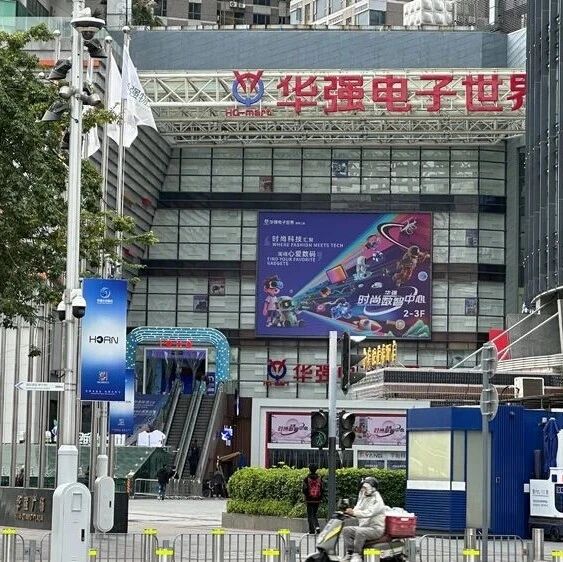
老外“搬空”华强北:花钱像花欢乐豆,三天买满6个行李箱
虎嗅APP· 2026-02-10 00:25
Core Viewpoint - The article highlights the increasing presence of foreign visitors in Huaqiangbei, Shenzhen, and the growing interest in electronic products, driven by factors such as favorable policies and social media exposure [4][17]. Group 1: Foreign Visitors and Their Activities - Huaqiangbei has seen a significant increase in foreign visitors, with over 7,000 daily visitors expected by 2025 [9]. - Foreign visitors are categorized into three groups: those on business trips, tourists, and backpackers [11]. - Many foreigners are drawn to Huaqiangbei for its competitive prices on electronic products, often purchasing items like phone cases and drones [14][16]. Group 2: Influencing Factors - The "144-hour visa-free transit" policy has contributed to the influx of foreign visitors, allowing them to explore Huaqiangbei [18]. - Social media platforms, particularly YouTube, have played a crucial role in promoting Huaqiangbei, with significant viewership on videos showcasing the market [18]. - Government initiatives, such as free shuttle services to Huaqiangbei, have enhanced accessibility for foreign visitors [21]. Group 3: Business Opportunities - The presence of international logistics and freight forwarding companies in Huaqiangbei supports the export of goods, with over 1 billion packages sent globally in 2025 [31]. - The article notes that Huaqiangbei's market transactions reached 480 billion yuan in 2025, with over 40% attributed to exports [31]. - Foreign clients often seek direct suppliers in the region, indicating a trend towards establishing long-term business relationships [26][30]. Group 4: Market Dynamics - Foreign customers are increasingly knowledgeable about the Chinese market, often comparing prices and seeking the best deals [29]. - The article mentions that foreign clients, particularly from India, are known for their bargaining skills, which can complicate negotiations for local businesses [29]. - The competitive landscape in Huaqiangbei is characterized by a diverse range of electronic products and a well-established supply chain, making it an attractive destination for international buyers [28].
春节第一社交“硬通货”,又涨价了
虎嗅APP· 2026-02-09 14:30
Core Viewpoint - The article discusses the rising prices of snack foods, particularly nuts and dried fruits, during the Chinese New Year, highlighting the phenomenon of "snack inflation" and its implications for consumers [3][12][56]. Group 1: Price Trends - Snack prices, especially for nuts and dried fruits, have significantly increased, with some items costing over 100 yuan per pound [19][26]. - The price of sunflower seeds has reportedly surpassed that of pork, indicating a dramatic shift in consumer spending [8][42]. - The trend of rising prices has been ongoing for the past few years, with consumers now spending hundreds of yuan on snacks that were once affordable [12][25]. Group 2: Consumer Behavior - Consumers are increasingly willing to spend on high-priced snacks during the New Year, viewing them as essential for family gatherings and social interactions [57][60]. - The act of purchasing expensive snacks has become a social statement, with consumers sharing their purchases on social media to highlight the high costs [24][36]. - The need for snacks during family reunions serves as a means to navigate social pressures and awkward conversations, making them a staple for the holiday season [57][59]. Group 3: Industry Dynamics - The snack industry is experiencing an "industrial upgrade," with a shift from traditional sales methods to more upscale retail environments, contributing to higher prices [45][47]. - Many snack products are reliant on imported ingredients, making them susceptible to international supply chain issues and price fluctuations [41][42]. - The emergence of trendy snack brands has led to a significant market expansion, with the nut and snack sector projected to exceed 300 billion yuan by 2024 [52].

这次真的不是“狼来了”:AI主导下,码农职场彻底洗牌了
虎嗅APP· 2026-02-09 14:30
Core Viewpoint - The article discusses the significant impact of AI programming tools on the tech industry, particularly the replacement of mid-level programmers with AI, leading to a transformation in employment dynamics within the sector [5][6]. Group 1: AI Impact on Employment - A major internet company has reduced its programming team by one-third over two years due to AI tools, with plans for further reductions [5]. - The strategy involves replacing experienced mid-level programmers with younger, less expensive talent, as AI can effectively handle the tasks previously performed by these workers [5][6]. - The trend of using AI to replace lower-value human labor is prevalent across the tech industry, raising questions about the sustainability of this approach [6]. Group 2: New AI Tools - Recent releases of Claude Code and GPT-5.3-Codex have revolutionized programming capabilities, allowing for more automated and intelligent application development [6][9]. - Claude Code is noted for its strong reasoning abilities and support for long context windows, while Codex excels in execution speed and automation [10][11]. - The emergence of these tools signals a potential shift in the software outsourcing industry, as AI may replace human developers entirely [12]. Group 3: Market Reactions - The release of advanced AI models has caused panic in the capital markets, particularly among gaming companies and game engine developers [12]. - The introduction of new models like ByteDance's Seedance 2.0 has further intensified discussions about the impact of AI on various industries, including video production [13]. Group 4: Future Outlook - The article suggests that companies not primarily focused on software development will likely downsize their development teams, as AI tools become more user-friendly and capable [12]. - The tech industry is at a crossroads, with companies needing to adapt quickly to survive and thrive in an AI-driven landscape [14].

“水牛奶”翻车背后,谁在推波助澜?
虎嗅APP· 2026-02-09 14:30
Core Viewpoint - The article highlights the ongoing issues in the water buffalo milk industry, particularly focusing on the mislabeling and regulatory challenges that have led to consumer deception regarding the purity and quality of water buffalo milk products [4][25][30]. Group 1: Industry Overview - Water buffalo milk is gaining popularity due to its nutritional advantages, containing 1.5 times more protein and higher levels of calcium and vitamins compared to regular cow's milk [9][11]. - Despite the high demand, the production of water buffalo milk is limited due to environmental requirements and low milk yield, with water buffalo producing only 1.5-2 tons of milk per year compared to 6.5-7.5 tons for Holstein cows [19][20]. Group 2: Market Dynamics - The price of water buffalo milk is typically 2-3 times higher than that of regular milk, yet consumers are willing to pay due to its perceived benefits [11][16]. - E-commerce platforms have significantly boosted the sales of water buffalo milk, with sales on platforms like Tmall and JD experiencing substantial year-on-year growth [14]. Group 3: Regulatory Issues - There is a lack of national standards for water buffalo milk, leading to widespread mislabeling and the mixing of water buffalo milk with regular cow's milk without proper disclosure [27][30]. - Recent investigations revealed that many products labeled as water buffalo milk do not contain 100% water buffalo milk, with some containing as little as 35% [20][23]. Group 4: Consumer Deception - Brands are using misleading marketing tactics, such as registering "water buffalo" as a trademark, which confuses consumers about the actual content of the products [27][29]. - Complaints regarding product quality, including issues with packaging and taste, have been reported, indicating a significant gap between consumer expectations and actual product quality [24]. Group 5: Future Outlook - The industry is facing pressure to improve transparency and quality, with some leading brands beginning to invest in better breeding practices and genetic improvements for water buffalo [30]. - Regulatory changes are anticipated, with proposals to enforce stricter labeling requirements and penalties for non-compliance expected to be implemented by 2026 [30].


疯狂的铜条:始于水贝、终于废品站
虎嗅APP· 2026-02-09 14:30
Core Viewpoint - The recent surge in copper bars as a consumer investment reflects a broader search for security rather than a genuine scarcity of copper itself [5][6]. Group 1: Market Dynamics - Copper bars have gained popularity due to their low entry barriers, with retail prices fluctuating between 180 to 299 yuan, later dropping amid tightening regulations and cooling emotions [8][10]. - The average daily sales volume of copper bars in Shenzhen's Shui Bei market has reportedly exceeded a thousand units, indicating strong demand and a shift in pricing dynamics [10]. - The emotional aspect of purchasing copper bars has overshadowed the actual investment value, with consumers driven more by the fear of missing out than by rational financial calculations [10][11]. Group 2: Consumer Behavior - Many consumers are unaware of the difficulties in liquidating their copper bars, often questioning, "Who will I sell to later?" This highlights the impulsive nature of their purchases [13]. - The disparity between the purchase price (around 180 yuan) and the potential resale value (approximately 80 yuan) creates a psychological gap for consumers, leading to feelings of anxiety and regret [13][14]. - The emotional burden of holding copper bars can lead to a gradual erosion of consumer patience and security, as they become increasingly concerned about price fluctuations [15]. Group 3: Investment Risks - Promises of guaranteed returns or buyback options associated with copper bars can mislead consumers, transforming simple transactions into complex financial engagements [17]. - The investment characteristics of copper differ significantly from precious metals, as copper's price is more closely tied to industrial demand rather than safe-haven sentiments [17][18]. - The substantial industrial scale of copper production in China (approximately 13.64 million tons of refined copper and 23.5 million tons of copper processing materials in 2024) underpins its pricing, making retail enthusiasm for copper bars unlikely to impact fundamental market dynamics [18].

我们为什么越来越爱“怀旧”了?
虎嗅APP· 2026-02-09 09:43
Core Viewpoint - The article discusses the shift from an economic upturn period to a more competitive and cautious environment, highlighting the nostalgia for the past and the need for adaptation in the current economic landscape [4][35]. Group 1: Economic Upturn Period - The period from 2000 to 2012 in China is characterized as an "economic upturn," where optimism about the future was prevalent, and the average annual growth rate of disposable income for urban residents was between 8% and 12% [9][15]. - During this time, job markets were more flexible, with significant salary increases in the internet sector, where average annual salaries in Hangzhou reached approximately 150,000 to 200,000 yuan, compared to the national average of over 40,000 yuan [12][15]. - The real estate market thrived, with property prices in major cities like Beijing and Shanghai increasing by over 40% in a year, leading to a belief that real estate was a reliable investment [16][18]. Group 2: Economic Transition - The article identifies 2012 as a turning point, marked by the "Lewis Turning Point," indicating a decline in the availability of cheap labor from rural areas, which contributed to a slowdown in GDP growth from 10.6% in 2010 to 7.9% in 2012 [20][21]. - The job market began to tighten, with a report indicating that only 33.2% of master's and doctoral graduates from ordinary universities received job offers, compared to 43.9% of bachelor's graduates [21]. - The real estate market faced challenges, with some cities experiencing "ghost towns," and the myth of ever-increasing property prices began to crack [22][23]. Group 3: Shift in Social Attitudes - As economic growth slowed, societal attitudes shifted towards a focus on stability and security, with a significant increase in competition for stable jobs, such as civil service positions, where the competition ratio reached 3438:1 for the most sought-after roles [31][32]. - Consumer behavior changed, with a preference for practical and affordable products over luxury items, reflecting a more cautious spending mindset [31]. - The article emphasizes the need for individuals and businesses to adapt to this new environment, focusing on building real skills and sustainable practices rather than chasing rapid growth [36].