虎嗅APP

Search documents
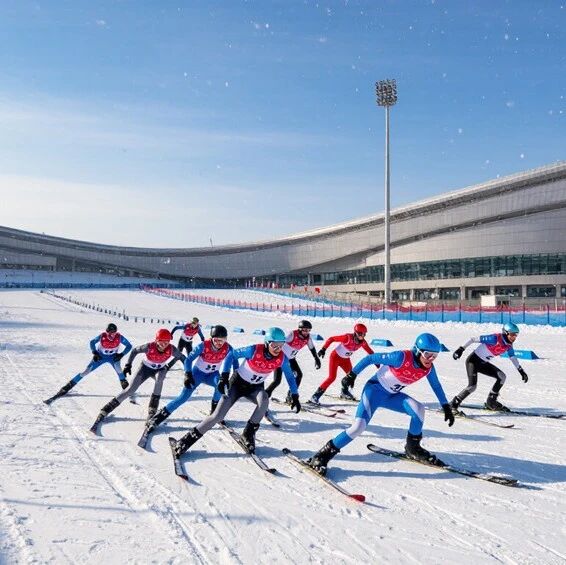
中国冬奥冠军,凭什么都是东北人?
虎嗅APP· 2026-02-08 09:42
Core Viewpoint - The article highlights the significant contributions of Northeast China to the Winter Olympics, emphasizing the region's unique advantages in producing top athletes and its cultural impact on the sport [4][6][29]. Group 1: Northeast China's Dominance in Winter Sports - Northeast athletes have historically dominated China's Winter Olympic representation, with over 50% of the athletes from this region in the last three Winter Olympics [7][10]. - In the 2022 Beijing Winter Olympics, over 80% of China's 22 gold medals were won by athletes from Northeast China, with Heilongjiang province alone contributing 13 gold medals [10][11]. - The small cities in Northeast China, such as Qitaihe, have produced multiple Olympic champions, showcasing the region's depth in talent [12]. Group 2: Cultural and Linguistic Influence - The prevalence of the Northeast dialect among athletes and officials has become a unique cultural aspect of the Winter Olympics, with references to it as the "third official language" [13][14]. - The humor and distinct expressions in the Northeast dialect have added a lively element to the competition, enhancing the overall atmosphere [15][17]. Group 3: Environmental and Historical Factors - Northeast China's geographical advantages, including long winters and abundant snowfall, provide ideal conditions for ice and snow sports training [19][21]. - The region's cultural history fosters a spirit of resilience and optimism, contributing to the athletes' competitive mindset [20][22]. Group 4: Economic Impact and Future Prospects - The growth of China's ice and snow industry has been significant, with projections indicating a rise from 364.7 billion yuan in 2016 to over 1 trillion yuan by 2025, with Northeast China as a key contributor [23][24]. - The popularity of ice and snow sports is expanding nationwide, with increased participation rates and the establishment of new facilities, indicating a burgeoning market [24][25]. - The development of a comprehensive ice and snow industry chain is underway, encompassing equipment manufacturing, training, and market engagement [25][26].

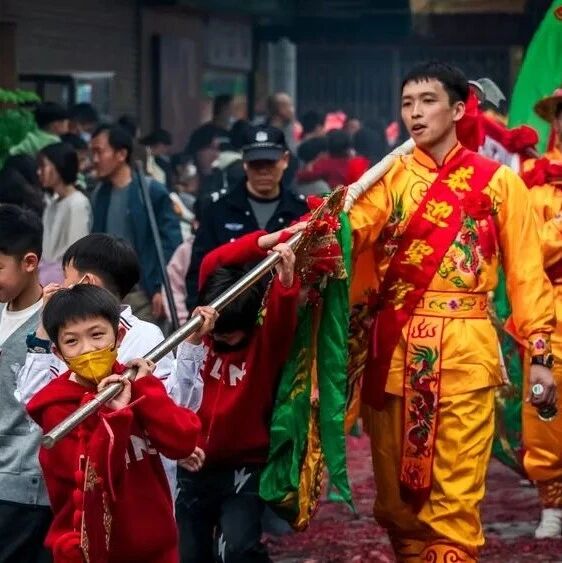
月薪3万,春节住不起汕头亚朵
虎嗅APP· 2026-02-08 03:07
Core Viewpoint - The article discusses the unexpected surge in hotel prices in Shantou during the upcoming Spring Festival, highlighting the significant increase in demand and the emotional value associated with the region's cultural experiences [4][12][17]. Group 1: Hotel Price Surge - Hotel prices in Shantou have skyrocketed, with some listings reaching as high as 3,400 yuan per night, surpassing even traditionally expensive destinations like Sanya [5][12]. - The increase in hotel bookings for Shantou during the Spring Festival has seen a staggering year-on-year growth of 186%, with neighboring cities like Jieyang and Chaozhou also experiencing significant increases of 162% and 135%, respectively [12][13]. - The overall hotel supply in the region is insufficient to meet the surging demand, leading to a mismatch in infrastructure designed for regular business travel rather than peak holiday tourism [29][34]. Group 2: Emotional and Cultural Value - The rising hotel prices reflect a deeper emotional value associated with the unique cultural experiences offered in Shantou, contrasting with the diminishing festive atmosphere in major cities [18][20]. - The influx of tourists seeking authentic cultural experiences, such as traditional performances and local cuisine, has created a scarcity of accommodations, driving prices higher [21][24]. - The presence of returning expatriates and local business owners during the holiday season further intensifies the competition for hotel rooms, as they are less sensitive to price increases [25][28]. Group 3: Visitor Experience and Recommendations - Despite the high prices, the quality of service and overall visitor experience may not meet expectations, with local residents advising against visiting during peak times due to long wait times and subpar service [35][36]. - To mitigate costs, visitors are encouraged to consider accommodations in surrounding areas or smaller towns, where prices are more reasonable and authentic cultural experiences can be found [38][39]. - Alternative destinations like Zhanjiang are suggested for those seeking similar cultural experiences without the inflated prices associated with Shantou during the Spring Festival [40][43].
被嘲笑的馄饨酒馆,是失意中年人的相亲乐园
虎嗅APP· 2026-02-08 03:07
Core Viewpoint - The article discusses the emergence and cultural significance of "Wonton Bars" in Northeast China, portraying them as a social space for middle-aged individuals seeking connection and entertainment during economic downturns. The bars serve as a unique blend of dining and nightlife, where the focus is less on food and more on social interaction and emotional release [8][39][72]. Group 1: Cultural Context - "Wonton Bars" have become a popular social venue for middle-aged individuals, particularly in Northeast China, where they can enjoy affordable entertainment and connect with others [39][72]. - The bars are characterized by a lively atmosphere, often featuring karaoke and dancing, with patrons engaging in activities that reflect a sense of nostalgia and a desire for emotional expression [17][20][91]. - The phenomenon has sparked a wave of social media attention, with videos of patrons dancing and singing going viral, leading to both amusement and critique from younger generations [17][42][90]. Group 2: Business Model and Market Dynamics - The "Wonton Bar" concept is rooted in affordability and social interaction, appealing to a demographic that may feel marginalized in traditional nightlife settings [50][72]. - The bars often feature a standardized environment, with similar decor and offerings, creating a recognizable brand across different locations [15][44]. - The success of "Wonton Bars" has inspired similar ventures, indicating a growing trend in the market for casual, low-cost social venues that cater to middle-aged patrons [54][72]. Group 3: Social Commentary - The article highlights the emotional landscape of middle-aged individuals, who often feel overlooked in a youth-centric society, finding solace and camaraderie in these bars [38][90]. - The interactions and experiences shared in "Wonton Bars" serve as a reflection of broader societal issues, including economic challenges and changing social norms [72][91]. - The bars symbolize a space where age-related stigmas are temporarily set aside, allowing patrons to engage in youthful behaviors and connect with others in a meaningful way [91][92].

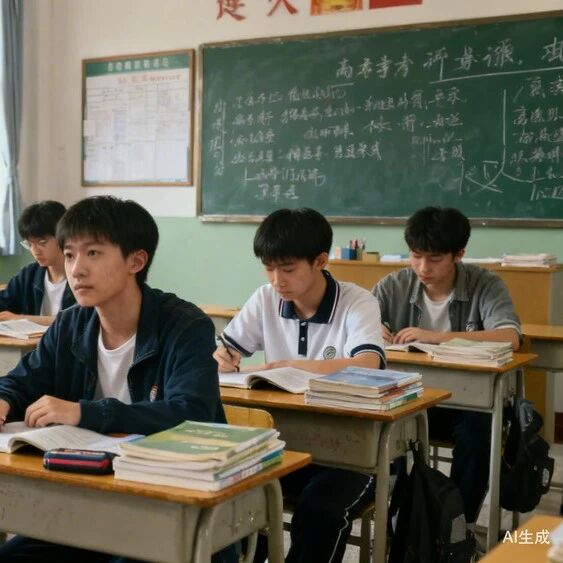
专家建议取消中高考,这利好普通人吗?
虎嗅APP· 2026-02-08 03:07
Core Viewpoint - The suggestion to abolish the high school and college entrance examinations (Zhongkao and Gaokao) is seen as inevitable due to declining birth rates and an oversupply of educational institutions, which may lead to a mismatch between student numbers and available university spots [4][5][16]. Group 1 - The declining birth rate has resulted in fewer children being born than the number of undergraduate admissions, indicating a potential future need to cancel entrance exams [5][6]. - The current examination system is criticized as a "pseudo-exam" that primarily tests rote memorization, which is deemed irrelevant to real-life skills and job requirements [10][11]. - There is a call for alternative assessment methods such as project defenses, practical ability tests, and comprehensive quality evaluations to identify innovative talents [13][14]. Group 2 - Comparisons with Japan and South Korea show that despite similar declining birth rates, these countries have not abolished their entrance exams, which remain competitive [16][17]. - The argument against abolishing entrance exams is that they provide a standardized measure of knowledge mastery, which is practical despite not assessing creativity [20][21]. - The suggestion to find innovative talent through alternative means is acknowledged, but the feasibility of such methods is questioned given the current educational landscape [23][24]. Group 3 - The pursuit of comprehensive development in education is seen as subjective, with concerns that unnecessary subjects waste resources and yield minimal results [28]. - Education should consider long-term impacts, as seemingly unimportant courses can plant seeds for future growth and resilience in students [29]. - The fairness of the current examination system is highlighted, as it allows equal opportunity for students from different backgrounds to compete on the same level [30][31]. Group 4 - The suggestion to abolish entrance exams is viewed as potentially beneficial in the long run, but it risks undermining the fairness of the current system in the short term [40][41]. - The proposal reflects a misunderstanding of the educational needs of diverse student populations, particularly in less developed regions [42]. - The criticism of the proposal includes concerns that it may favor elite students while neglecting the educational equity for those from ordinary families [44][45].
AI“血洗”奶茶店
虎嗅APP· 2026-02-07 13:34
Core Viewpoint - The article discusses the recent surge in orders for milk tea shops due to the "AI War" initiated by the Qianwen APP, which offered a massive promotion leading to over 10 million orders in just 9 hours, highlighting the intense competition in the food and beverage industry and the challenges faced by businesses in managing such demand [5][7][21]. Group 1: AI War and Its Impact - The Qianwen APP launched a "Spring Festival 3 billion free orders" campaign, resulting in a nationwide frenzy for milk tea, with major brands like Mixue Ice City and Luckin Coffee participating [6][7]. - Within 9 hours of the campaign, over 10 million milk tea orders were placed, causing stock prices of several tea brands to rise significantly, with Gu Ming increasing over 5% to reach a record high [7]. - The article notes that this is the second major order surge within a year, indicating a pattern of intense promotional activities in the restaurant industry [8]. Group 2: Previous Delivery Wars - The article references a previous "Delivery War" that occurred on July 5, 2025, which also resulted in overwhelming order volumes, with some stores reporting a 230% increase in orders compared to normal [9][10]. - Following the Delivery War, many restaurant operators expressed concerns about the sustainability of such high demand and the negative impact on service quality [10][12]. - Regulatory actions were taken to address the chaotic competition in the delivery sector, aiming to create a healthier market environment for the restaurant industry [11][12]. Group 3: Characteristics of the Milk Tea Market - The milk tea market is characterized by its ability to attract young consumers, with a projected market size of 354.72 billion yuan in 2024, growing at 6.4% annually [17]. - The consumer base primarily consists of young women aged 22-30, with a high frequency of purchases, making milk tea a low-cost, high-repurchase category [17][18]. - The efficiency and high turnover of milk tea shops make them attractive to platforms seeking to acquire users at a lower cost [19]. Group 4: Financial Implications for Businesses - Despite the surge in orders, the profitability of milk tea shops remains challenging, as the sudden influx of orders can overwhelm staff and disrupt service quality [21][22]. - Many businesses struggle to manage the increased demand, leading to longer wait times and potential customer dissatisfaction, which can harm long-term customer loyalty [23][25]. - The article emphasizes the need for businesses to balance leveraging platform promotions for growth while maintaining their operational integrity and customer experience [27].


这个冬天,中产开始转战攀冰了
虎嗅APP· 2026-02-07 13:34
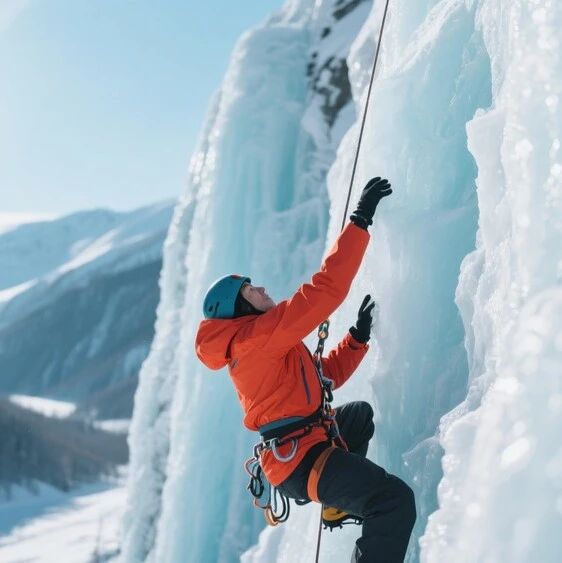
Core Viewpoint - Ice climbing has rapidly gained popularity among urban professionals in Beijing as a winter sport, offering a unique experience that combines adventure with accessibility, especially through the development of artificial ice walls [5][10][20]. Group 1: Market Trends - The trend of ice climbing has shifted from a niche extreme sport to a widely accessible activity in the past three years, particularly in Beijing, which has become the most commercially developed city for ice climbing in China [10][20]. - The emergence of artificial ice walls has made ice climbing more accessible, with several locations around Beijing offering facilities for climbers, significantly reducing the need to travel to remote natural ice formations [10][12][24]. - The average cost for a one-day ice climbing experience in Beijing ranges from 700 to 1000 RMB, while other cities offer it for 400 to 600 RMB, making it a relatively affordable option for urban dwellers [17]. Group 2: Demographics and Participation - Ice climbing attracts a diverse demographic, including former executives, team leaders from tech companies, and social media influencers, indicating its appeal among the middle class [9][10]. - The activity is seen as a social opportunity, with many participants using it as a networking platform, particularly in the context of urban professionals seeking to connect with like-minded individuals [9][10]. Group 3: Equipment and Brands - Popular brands among ice climbers include Arc'teryx, Kailas, and Patagonia, with high-quality gear being essential for safety and performance in the harsh conditions of ice climbing [8][9]. - The cost of necessary equipment for ice climbing can be significant, with enthusiasts reporting total expenses of around 28,000 RMB for gear, indicating a higher long-term investment compared to skiing [9]. Group 4: Infrastructure and Support - The development of supporting infrastructure, such as cafes at climbing sites, enhances the overall experience for climbers, providing amenities for rest and socialization [14]. - The establishment of indoor ice climbing facilities in cities like Beijing and Chengdu further increases accessibility and convenience for participants [14]. Group 5: Safety and Training - Safety remains a critical concern in ice climbing, with the need for qualified instructors and proper risk management being emphasized as the sport becomes more mainstream [18][24]. - Organizations like "Xiangpan" have played a significant role in promoting ice climbing through structured training programs, helping to elevate the skill level of new participants [17][21]. Group 6: Cultural Impact - Ice climbing is increasingly associated with lifestyle branding and outdoor culture, with brands leveraging the sport to enhance their image and connect with consumers [21][22]. - The sport's integration into urban winter tourism reflects its growing significance as a recreational activity that aligns with the interests of city dwellers seeking adventure [22][24].
75亿,自热火锅顶流破产了
虎嗅APP· 2026-02-07 13:34
Core Viewpoint - The rise and fall of the self-heating hot pot brand "Zihai Guo" reflects the challenges faced by new consumer brands in China, highlighting the dangers of relying on marketing and capital without sustainable business fundamentals [4][6][19]. Group 1: Company Overview - "Zihai Guo" was once a leading brand in the self-heating hot pot market, achieving a peak valuation close to 10 billion yuan and annual sales nearing 2 billion yuan [4][9]. - The brand was founded by Cai Hongliang, who transitioned from the snack industry to revolutionizing convenient food with self-heating technology [8][10]. - The brand's marketing strategy included heavy celebrity endorsements and widespread advertising, leading to rapid market penetration and sales growth [11][12]. Group 2: Market Dynamics - The COVID-19 pandemic significantly boosted demand for self-heating food products, as traditional dining options were limited, but this demand was not sustainable [13][14]. - The self-heating food market saw a drastic decline in growth rates from over 50% to single digits in 2022, as consumer behavior shifted back to normalcy [13][14]. - Major competitors began to withdraw from the market, indicating a broader retreat from the once-booming self-heating food sector [13][14]. Group 3: Financial Performance - Despite high sales figures, the parent company, Jinyang Company, reported losses of 151 million yuan and 313 million yuan in 2020 and 2021, respectively [15][16]. - In 2022, the company achieved a profit of 27.52 million yuan but experienced a revenue decline to 820 million yuan [15][16]. - The aggressive marketing strategy led to unsustainable financial practices, with marketing expenses reaching nearly 40% of sales during peak periods [15][16]. Group 4: Operational Challenges - The rapid expansion of product lines and categories led to supply chain issues and increased customer complaints regarding product quality [16][17]. - The company's reliance on capital for growth created a fragile financial structure, which collapsed under the pressure of declining sales and rising debts [16][17]. - The brand's aggressive inventory strategies resulted in significant stockpiling, leading to a cycle of unsold products and further financial strain [16][17]. Group 5: Industry Implications - The downfall of "Zihai Guo" serves as a cautionary tale for the new consumer sector, emphasizing the need for sustainable growth models over mere marketing hype [19][20]. - Investors are shifting focus from growth at all costs to evaluating profitability, cash flow, and customer loyalty metrics [19][20]. - The market is moving towards a preference for brands that offer genuine value and sustainability, rather than those that rely solely on marketing and capital [21][22].

为了冬奥会飞得更远,运动员疑似扎堆做阴茎增大术?;最新调查显示,爵士乐爱好者出轨的可能几乎是重金属乐迷的10倍
虎嗅APP· 2026-02-07 12:01
以下文章来源于那个NG ,作者那个NG 那个NG . 用关注决定视界|复杂世界的策展人 还有,德甲主帅失业三年后,改开麦当劳… II Ros 为了冬奥会飞得更远 远动员扎堆做阴茎增大术 0000 一名男子直肠内藏有一战时期炮弹 泼国国际紧急疏散 x 告别狗屁工作! 德甲副帳处宣年后,改开表等 20) Vol:01 Feb F 那个NG: 为了冬奥会飞得更远,运动员疑似扎堆做阴茎增大术? 为了提高运动成绩,男子跳台滑雪运动员可能会在阴茎中注射兴奋剂,世界反兴奋剂机构即将对此展开调 查。 就在这个月,德国媒体报道称,某些跳台运动员疑似在测量尺寸以测量体型之前,会向阴茎注射玻尿酸。 透明质酸在体育运动中并未被禁用,可用于增加阴茎周长一到两厘米,注射到阴茎中的透明质酸效果可持 续长达18个月。 根据国际滑雪和单板滑雪联合会(FIS)的说法, 阴茎增大可能会增加运动员在空中的飞行距离。 "滑雪服上的每一厘米都很重要。如果你的滑雪服表面积增加5%,你就能飞得更远",国际滑雪联合会男 子跳台滑雪赛事总监桑德罗·佩尔蒂莱说道。一些运动员为此表示愤怒,截止今天,官方调查结果尚未公 布。 在米兰-科尔蒂纳冬奥会的新闻发布会上,世 ...


做不到“绝对公正”与“全网比价”的AI购物助理,都不会成功
虎嗅APP· 2026-02-07 10:10
Core Viewpoint - The article discusses the impact of AI development on e-commerce platforms, particularly focusing on the competitive dynamics between companies like Amazon, Alibaba, and Pinduoduo, emphasizing the importance of consumer trust and value delivery in the retail sector [6][29]. Group 1: AI and E-commerce Dynamics - The daily token consumption in China is projected to increase from 100 billion at the beginning of 2024 to 40 trillion by September 2025, representing a growth of over 400 times [7]. - Major US tech companies are significantly increasing their capital expenditures for AI infrastructure, with Google estimating its 2026 CapEx to be between $175 billion and $185 billion, nearly double its 2025 spending [8]. - Amazon's projected capital expenditure for 2026 is $200 billion, primarily focused on AWS AI infrastructure, while Microsoft anticipates around $150 billion in spending [9]. Group 2: Competitive Analysis of E-commerce Platforms - Amazon's 2025 GMV is estimated at approximately $700 billion, with AI assistant Rufus contributing $12 billion in annual transaction volume, accounting for 1.67% of total GMV [11][12]. - The article critiques the effectiveness of AI assistants in enhancing user experience, suggesting that they often serve as high-level customer service rather than providing significant incremental value [17]. - Pinduoduo's business model emphasizes "lowest price" as a prerequisite for advertising, contrasting with Amazon and Alibaba, which rely on advertising revenue from brand merchants [20][21]. Group 3: Consumer Trust and Value Proposition - The article argues that platforms like Costco succeed because they prioritize consumer trust and value, contrasting with Amazon and Alibaba, which may not always align with consumer needs [22]. - The effectiveness of AI shopping assistants is questioned, particularly in their ability to deliver on consumer expectations for price and quality, with the assertion that they cannot change the underlying business models of platforms like Alibaba [22][23]. - The article concludes that the future of AI in e-commerce will likely favor companies that can maintain consumer trust and deliver genuine value, with Apple and WeChat identified as potential leaders in this space due to their business models [27][28].






爱泼斯坦们的黑暗,诸神的黄昏
虎嗅APP· 2026-02-07 10:10
以下文章来源于不懂经 ,作者不懂经也叔的Rust 不懂经 . 《主权个人》:未来会活得很爽的有三种人,一是技术精英,二是各行业头部,三是有资本及良好判断 力的人。本号专注后面两种。 本文来自微信公众号: 不懂经 ,作者:不懂经也叔,头图来自:AI生成 2026年1月30日,美国司法部再次按下了发布键。350万页文件,18万张图片,2000多个视频。 关于杰弗里·爱泼斯坦 (Jeffrey Epstein) 的档案,这个在2019年"自杀"于曼哈顿监狱的亿万富翁、 被定罪的性犯罪者,又一次让全世界的公众"大开眼界"。 然后呢? 没有然后。 特朗普在2月5日的采访中说,大家应该回到治理国家上了,这都是民主党的事,和共和党没有人任 何关系。 预期中的"正义审判"并未到来。没有高官落马,没有名人被捕,没有体制的地震。取而代之的,是一 种社会性的集体失语。新闻周期照常运转,股市照常开盘,Netflix照常更新。 这很奇怪。 不是因为真相不够惊悚,恰恰相反,这些档案揭示的内容足以让任何一个正常人彻夜难眠。而是因为 真相过于彻底,它击穿了现代社会赖以运转的那套符号系统。当恶行的规模超出了语言的承载能力, 当权力的黑暗超出了 ...