
LI NING(02331)

Search documents
广发证券:维持李宁(02331)“买入”评级 合理价值24.84港元
Zhi Tong Cai Jing· 2026-02-23 03:08
Core Viewpoint - The report from GF Securities projects that Li Ning's net profit attributable to shareholders will be CNY 2.593 billion, CNY 2.851 billion, and CNY 3.100 billion for the years 2025-2027, reflecting a year-over-year change of -13.9%, +10.0%, and +8.7% respectively, with EPS of CNY 1.00, CNY 1.10, and CNY 1.20 per share [1] Group 1 - Li Ning is positioned as a leading domestic sports brand, founded by the gymnast Li Ning in 1990 and listed in 2004, adopting a "single brand, multiple categories" strategy focusing on six core categories: running, basketball, cross-training, badminton, table tennis, and sports leisure [2] - In 2024, the company achieved revenue and net profit of CNY 28.676 billion and CNY 3.013 billion respectively, with 6,117 core brand stores and 1,468 children's stores [2] - Revenue distribution by channel shows that wholesale, direct sales, franchising, and other regions account for 45.1%, 24.0%, 29.0%, and 1.9% respectively, while revenue by category indicates footwear, apparel, and equipment & accessories account for 49.9%, 42.0%, and 8.1% respectively [2] Group 2 - The company leverages Olympic marketing to innovate in products and channels, aiming for sustained brand momentum and performance growth [3] - On the product side, the company enhances its professional technology attributes through four major technology platforms, creating IP blockbuster products and a comprehensive product matrix in core categories [3] - The company actively explores new business formats, launching outdoor stores and flagship stores, and is optimistic about the growth potential of category-specific stores [3] - Marketing strategies include a focus on single brand, multiple categories, and multiple channels, with increased marketing investment through sponsorship of top-tier events and endorsements, which is expected to enhance brand strength [3]


全球运动品牌奔涌:谁能在中国笑到最后
Di Yi Cai Jing Zi Xun· 2026-02-23 01:55
Core Insights - The global sports brands are increasingly focusing on the Chinese market, which is seen as a significant opportunity due to the rising trend of sports participation among the population [2] - The competition in the Chinese market is more intense than in Europe and the US, particularly in the entry-level sports equipment segment priced below 600 yuan, which is now saturated [2] - Not all brands will succeed in this competitive landscape, and historical examples indicate that some will inevitably exit the market [2] Group 1: Market Dynamics - Nike's ACG brand opened its first global store in Beijing's Sanlitun, aiming to capitalize on the growing outdoor sports trend in China [3] - Nike's revenue in the Greater China region fell by 17% year-on-year to $1.423 billion in the second quarter of fiscal year 2026 [3] - The entry of high-end outdoor brands like Norrøna and the UK-based running brand Soar into the Chinese market is facilitated by their exclusive partnership with the domestic retailer, Tmall [3][4] Group 2: Competitive Landscape - The market for entry-level sports products is highly competitive, with brands like Nike, Adidas, Li Ning, and Anta offering products at discounted prices ranging from 200 to 400 yuan [4] - Champion, a brand with both sports and fashion attributes, is expanding its footwear category in China after a partnership with Authentic Brands Group [5] - The Chinese sportswear market is experiencing rapid growth, particularly in lower-tier cities, where there is still significant potential for fitness and sports participation [15] Group 3: Brand Strategies and Challenges - International brands face challenges due to outdated business models and centralized decision-making, which hampers efficiency in responding to the fast-paced Chinese market [10] - Local brands like Anta and Li Ning are closing the performance gap with international brands, and some local brands have even surpassed Nike in revenue within China [10][11] - The market is evolving, with a shift towards more specialized and high-end products as consumer demands increase [14] Group 4: Future Outlook - The overall sportswear market in China is expected to continue growing, with significant untapped potential compared to the US market [15][16] - The current state of the market suggests that it is not yet at its peak, indicating further growth opportunities for both international and local brands [17]



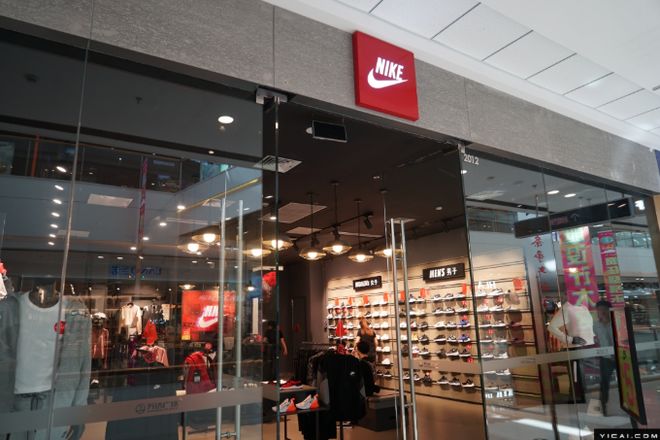
中消协发布30款儿童羽绒服比较试验结果 NIKE、高梵、波司登、英氏、斐乐、李宁、ANTA……
Xin Lang Cai Jing· 2026-02-14 05:05
Background - The children's down jacket market is expanding, with increasing demands for safety and comfort due to children's delicate skin and weaker immunity [2] - The China Consumers Association conducted a comparative test on 30 children's down jackets to assess quality and provide consumers with objective information [2] Sample Information - 30 samples were randomly purchased from various offline and online platforms, including well-known brands such as NIKE, Canada Goose, and ZARA [3][4] - Price distribution of the samples: 8 jackets under 300 yuan, 17 between 300-500 yuan, 4 between 500-800 yuan, and 1 over 5000 yuan [3] Testing Standards and Methods - The testing was based on several national standards, including GB 31701-2015 and GB/T 14272-2021, focusing on safety and quality parameters [6][7] - Key testing items included product instructions, fiber composition, formaldehyde content, pH value, and down content [8][10] Test Results and Analysis Product Instructions - Some samples had non-compliant product instructions, with one brand (Dickies) failing to indicate down content [9] Fiber Content and Safety - All 30 samples met the declared fiber composition, and none showed detectable formaldehyde, which is crucial for safety [11][13] - The pH values of all samples ranged from 5.5 to 7.2, within acceptable limits for children's products [14] Down Performance - The down leakage value for 29 samples ranged from 9 to 20 roots/m², meeting the superior quality standard [16] - The fill power and down weight were also tested, with results indicating good insulation performance [18][22] Compliance Issues - Three samples (Beitisi, PUMA, and Yalu) did not meet the required down content and down fiber limits as per national standards [26] Odor Testing - Most samples exhibited no unpleasant odors, although five brands had detectable but mild odors [31] Overall Evaluation - A comprehensive evaluation of the samples showed that most met the relevant standards, with detailed results provided in a comparative table [33]
冬奥赛场内外“商战”暗涌 运动户外品牌展开全方位竞逐
Zheng Quan Ri Bao Wang· 2026-02-14 03:34
Group 1 - The 25th Winter Olympics in Milan marks the largest participation of Chinese athletes and teams in an overseas Olympic event, highlighting the competitive landscape for sports brands [1] - Anta Group provides equipment support for 13 Chinese national teams, while FILA supports multiple countries, showcasing the global reach of Chinese sports brands [1] - Li Ning, as an official partner of the Chinese Olympic Committee, has developed innovative outfits for the Chinese sports delegation, emphasizing the blend of technology and design in sports apparel [2] Group 2 - The competition among sports brands extends to technological advancements in equipment, with companies like Adidas and Nike introducing innovative features to enhance athlete performance [3] - The collaboration between brands and athletes is becoming increasingly sophisticated, with different brands sponsoring various aspects of an athlete's gear, reflecting a complex commercial landscape [3] - The commercial value of athletes is multi-dimensional, with their visibility and expertise enhancing brand image and exposure, indicating a competitive spectrum in the global sports branding arena [4]
港股消费ETF银华(159735)涨0.23%,成交额8111.19万元
Xin Lang Cai Jing· 2026-02-13 07:14
Core Viewpoint - The Hong Kong Consumption ETF (159735) has shown positive growth in both share count and fund size since the beginning of the year, indicating increased investor interest and market activity [1][2]. Group 1: Fund Performance - As of February 12, 2023, the Hong Kong Consumption ETF has a total share count of 1.09 billion and a total size of 941 million yuan [1]. - The fund's share count has increased by 18.49% and its size has grown by 29.67% since December 31, 2022, when the share count was 920 million and the size was 726 million yuan [1]. Group 2: Trading Activity - The cumulative trading amount for the Hong Kong Consumption ETF over the last 20 trading days is 1.973 billion yuan, with an average daily trading amount of 98.67 million yuan [1]. - In the year to date, the cumulative trading amount over 30 trading days is 2.655 billion yuan, with an average daily trading amount of 88.51 million yuan [1]. Group 3: Fund Management - The current fund manager of the Hong Kong Consumption ETF is Li Yixuan, who has managed the fund since its inception on May 25, 2021, with a return of -12.98% during the management period [2]. - The fund's top holdings include Pop Mart, Yum China, Anta Sports, Nongfu Spring, WH Group, Haier Smart Home, Shenzhou International, Midea Group, Li Ning, and Mengniu Dairy, with varying ownership percentages [2].




纺织服装2月投资策略:多家纺服公司年报盈利预喜,乐欣户外于港交所上市
Guoxin Securities· 2026-02-12 11:05
Market Overview - The textile and apparel sector in A-shares has outperformed the broader market since February, with the textile manufacturing segment rising by 3.6% compared to a 2.0% increase in brand apparel [11] - The Hong Kong textile and apparel index has increased by 4.4% since February, also outperforming the market [11] - Notable companies with significant stock price increases include Under Armour (14.9%), Amer Sports (9.7%), and Jiangnan Buyi (9.6%) [11] Brand Apparel Insights - In December, the year-on-year growth of clothing retail sales was 0.6%, with a slowdown in growth compared to previous months [5] - January saw a 32.5% decline in operating income for sports retailer BaoSheng International, indicating pressure on overall clothing retail [5] - E-commerce sales rebounded in January, driven by promotional activities and pre-Spring Festival purchasing [5] - Outdoor apparel categories showed strong growth, with year-on-year increases of 17% for outdoor clothing and 5% for sports apparel [5] - Leading brands in growth include Lululemon (47%), Descente (29%), and Adidas (16%) in the sports apparel segment [5] Textile Manufacturing Insights - Vietnam's textile exports increased by 8.3% year-on-year in January, while footwear exports rose by 7.8% [5] - The macroeconomic environment shows mixed signals, with PMI in Indonesia and India rising, while Vietnam's PMI decreased slightly but remains above 50 [5] - Wool prices have increased by 15.3% since the beginning of the year, with a year-on-year increase of 54.9% as of February 5 [5] - Taiwanese companies are experiencing short-term revenue pressure but show optimistic growth prospects, particularly with the upcoming 2026 World Cup driving demand for football-related products [5] Company Performance Forecasts - Several companies in the textile and apparel sector, including Bailong Dongfang and Tianhong International, are expected to see net profit growth of over 40% [2] - Key drivers for profit growth include increased order volumes, improved capacity utilization, and lower raw material costs [2] - Le Xin Outdoor, a leading global fishing gear manufacturer, is projected to maintain a 23.1% market share in 2024 [2] Investment Recommendations - The report suggests focusing on brands that are likely to benefit from the Spring Festival sales surge and the performance elasticity of upstream suppliers [5] - High-end consumer recovery is anticipated, particularly in the light luxury sports and outdoor segments [5] - Companies such as Anta Sports, Li Ning, and Xtep International are recommended for their strong positioning in the market [5] - The report highlights the importance of the upcoming 2026 World Cup in driving orders for sports apparel and footwear [5]

纺织服装 2 月投资策略:多家纺服公司年报盈利预喜,乐欣户外于港交所上市
Guoxin Securities· 2026-02-12 09:17
Market Overview - The textile and apparel sector in A-shares has outperformed the broader market since February, with the textile manufacturing index rising by 3.6% and the brand apparel index by 2.0% [11] - The Hong Kong textile and apparel index has increased by 4.4% since February, also outperforming the market [11] - Notable companies with significant stock price increases include Under Armour (14.9%), Amer Sports (9.7%), and Jiangnan Buyi (9.6%) [11] Brand Apparel Insights - In December, the year-on-year growth of clothing retail sales was 0.6%, with a slowdown in growth compared to previous months [5] - January saw a 32.5% decline in operating income for sports retailer BaoSheng International, attributed to the timing of the Spring Festival [5] - E-commerce sales in January rebounded, driven by promotional activities and pre-holiday purchases, with outdoor apparel leading growth at 17% year-on-year [5] - Key brands showing strong growth in the sports apparel category include Lululemon (47%), Descente (29%), and Adidas (16%) [5] Textile Manufacturing Insights - Vietnam's textile exports increased by 8.3% year-on-year in January, while footwear exports rose by 7.8% [5] - The macroeconomic environment shows mixed signals, with PMI in Indonesia and India rising, while Vietnam's PMI slightly decreased but remains above 50 [5] - Wool prices have increased by 15.3% year-to-date, with a year-on-year increase of 54.9% as of February 5 [5] - Companies like RuHong and GuangYue are experiencing revenue growth due to order continuity and optimized production structures [5] Annual Performance Forecasts - Several companies in the textile and apparel sector, including Bailong Dongfang and Tianhong International, have issued profit forecasts indicating over 40% growth in net profit [2] - Factors contributing to this growth include full order books, improved capacity utilization, and declining raw material costs [2] Investment Recommendations - The report suggests focusing on brands that are likely to benefit from the Spring Festival sales surge and the performance elasticity of upstream suppliers [5] - High-end consumer recovery is anticipated, particularly in the light luxury sports and outdoor segments [5] - Key recommendations include Anta Sports, Li Ning, and Xtep International, which are well-positioned to capture market growth [5] Key Company Earnings Forecasts - Anta Sports is rated "Outperform" with an expected EPS of 4.72 for 2025 and 4.98 for 2026 [6] - Li Ning is also rated "Outperform" with an expected EPS of 1.01 for 2025 and 1.08 for 2026 [6] - Other companies such as Xtep International and 361 Degrees are similarly rated "Outperform" with positive earnings forecasts [6]
激情冰雪 逐梦冬奥
Zhong Guo Zhi Liang Xin Wen Wang· 2026-02-12 06:06
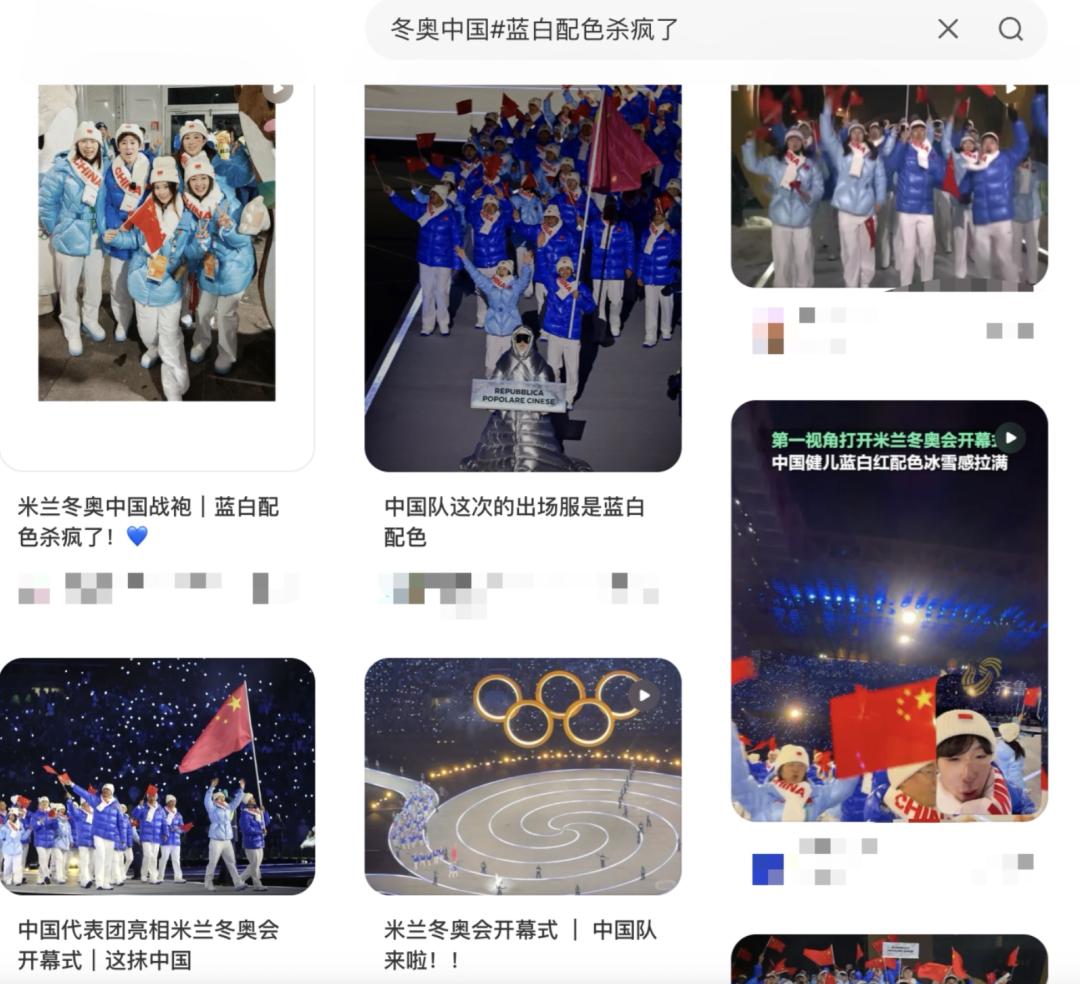
Core Insights - The article highlights the significant presence of Chinese brands at the Milan Winter Olympics, showcasing their commitment to sports culture and international exchange [1][2]. Group 1: Event Highlights - The "China Night" event, hosted by Mengniu and guided by the Chinese Olympic Committee, aimed to promote Chinese sports culture and the Olympic spirit [1]. - The "Li Ning Night" event featured a special exhibition showcasing advancements in sports technology, aesthetics, and environmental practices [1]. Group 2: Brand Participation - Chinese companies like Mengniu and TCL are competing in the commercial arena of the Olympics, leveraging their product quality and technology to gain international recognition [2]. - Mengniu, as the first global Olympic partner in the dairy industry, emphasizes the synergy between sports and nutrition, aligning its brand spirit with Olympic values [4]. Group 3: Sponsorship Dynamics - The "TOP sponsors" represent the pinnacle of Olympic sponsorship, with fierce competition among brands to secure these positions [3]. - TCL's involvement as a new "TOP sponsor" at the Milan Winter Olympics includes providing advanced display technology for broadcasting [3]. Group 4: Apparel and Innovation - Li Ning has become the official sportswear partner for the Chinese Olympic Committee, introducing innovative designs and materials for the athletes' outfits [6]. - The outdoor award outfits feature advanced sports technology, emphasizing performance and sustainability through the use of recycled materials [7]. Group 5: Future Outlook - The upcoming 2026 sports events, including the World Cup, are expected to intensify competition among sports brands for marketing opportunities [7]. - Long-term planning and consistent brand influence are essential for companies aiming to leverage sports sponsorship effectively [7].

米兰冬奥赛场外,运动品牌都在如何商业竞赛?
3 6 Ke· 2026-02-12 00:26
Group 1 - The core focus of the Milan Winter Olympics is the aesthetic competition of national team uniforms, with Li Ning's blue and white design for the Chinese team generating significant buzz on social media [1] - Li Ning has regained the partnership with the Chinese Olympic Committee after 22 years, taking over from Anta, which held the core resource for 16 years [1] - Anta, while no longer a partner of the Chinese Olympic Committee, continues to expand internationally as an official supplier to the International Olympic Committee [4] Group 2 - International brands like Adidas and Moncler are providing full Olympic gear for multiple countries, with Moncler emphasizing visual storytelling through design [7][16] - The Winter Olympics serve as a critical marketing platform for sports brands, creating a marketing loop that extends beyond the event itself [8][19] - Li Ning aims to leverage the historical participation scale of the Chinese team to enhance global exposure and brand recognition during the Winter Olympics [8] Group 3 - Anta's strategy includes focusing on Southeast Asia, with significant revenue growth reported from this region [12] - Other domestic brands like Decathlon are also gaining traction by becoming official suppliers for multiple countries, enhancing their international presence [13][14] - The marketing strategies of domestic brands are increasingly aligning towards professionalism, high-end positioning, and globalization [15] Group 4 - The Winter Olympics, while generating substantial exposure, face challenges in translating this into long-term consumer engagement compared to the Summer Olympics [29] - The technical and cost barriers associated with winter sports limit broader public participation, making winter sports gear perceived more as professional tools than everyday items [29][32] - The design constraints imposed by cold weather and functional requirements can diminish the aesthetic appeal of winter sports apparel [29][32]
港股消费ETF(159735)跌0.57%,成交额7423.11万元
Xin Lang Cai Jing· 2026-02-11 07:10
Group 1 - The Hong Kong Consumption ETF (159735) closed down 0.57% on February 11, with a trading volume of 74.23 million yuan [1] - The fund was established on May 25, 2021, with a management fee of 0.50% per year and a custody fee of 0.10% per year [1] - As of February 10, 2023, the latest share count of the ETF was 1.09 billion shares, with a total size of 958 million yuan, reflecting an 18.49% increase in shares and a 31.90% increase in size year-to-date [1] Group 2 - The ETF's recent trading activity shows a cumulative trading amount of 1.956 billion yuan over the last 20 trading days, with an average daily trading amount of 97.78 million yuan [1] - Year-to-date, the ETF has recorded a cumulative trading amount of 2.512 billion yuan over 28 trading days, with an average daily trading amount of 89.72 million yuan [1] - The current fund manager is Li Yixuan, who has managed the fund since its inception, with a return of -12.98% during the management period [1] Group 3 - The top holdings of the Hong Kong Consumption ETF include Pop Mart, Yum China, Anta Sports, Nongfu Spring, WH Group, Haier Smart Home, Shenzhou International, Midea Group, Li Ning, and Mengniu Dairy, with respective holding percentages [2] - Pop Mart holds the largest share at 10.42%, followed by Yum China at 9.09% and Anta Sports at 7.76% [2] - The total market value of the top holdings varies, with Pop Mart valued at approximately 75.68 million yuan and Yum China at approximately 66.02 million yuan [2]