
LEAPMOTOR(09863)

Search documents
零跑汽车香港开店 ,“轻资产”出海从欧洲扩张至亚太
Jing Ji Guan Cha Wang· 2025-06-13 15:05
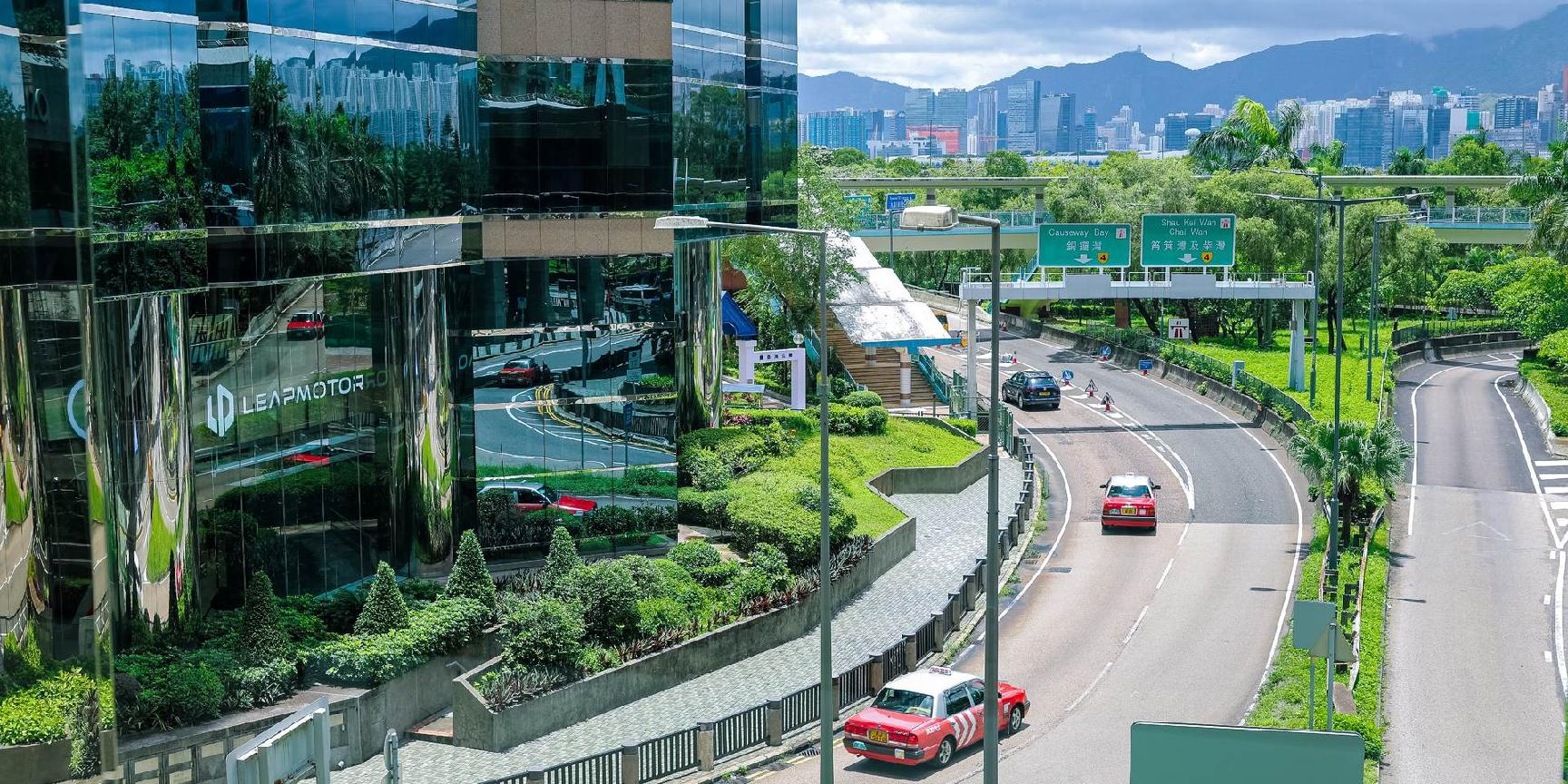
Core Insights - The opening of Leap Motor's first experience center in Hong Kong marks a significant step for the company in showcasing its brand and products in an international market [2][3] - Hong Kong's automotive market is becoming increasingly favorable for Chinese electric vehicle brands, with a reported 68% penetration rate for new energy vehicles in the first four months of 2025 [3] - Leap Motor aims to leverage its international partnership with Stellantis to expand its global presence while maintaining a focus on domestic marketing strategies [4][7] Group 1 - Leap Motor's Hong Kong store is its 1,500th globally, with plans to open another location in the city within the year [3] - The company has achieved the highest sales among new Chinese car brands for three consecutive months as of May 2025, with a revenue increase of 187% year-on-year in Q1 2025 [11] - Leap Motor's CEO emphasizes the importance of Hong Kong as a strategic market for brand exposure and product demonstration [2][3] Group 2 - The company has set a sales target of 500,000 to 600,000 vehicles for 2025, with overseas markets expected to contribute significantly to this goal [8][13] - Leap Motor has established a strong presence in Europe, with approximately 500 of its global stores located there, and plans for local manufacturing in Southeast Asia and Europe by 2026 [7][8] - The company is focused on maintaining a high cost-performance ratio in its product offerings, with the T03 and C10 models priced competitively in the Hong Kong market [9] Group 3 - Leap Motor's strategy includes a commitment to "full-domain self-research," with 65% of core components developed in-house, enhancing supply chain control and cost management [12] - The company is exploring partnerships with major enterprises, including a notable collaboration with FAW Group for joint development of new energy vehicles [11][12] - Leap Motor's management is confident in achieving profitability through scale, cost control, and strategic partnerships [13]


车企“反内卷”风暴:“60天内支付”还不够
汽车商业评论· 2025-06-12 16:30
Core Viewpoint - The article discusses the commitment of 17 automotive companies to adhere to the new payment regulation for suppliers, which mandates a maximum payment period of 60 days, as part of the government's efforts to alleviate the financial pressure on small and medium-sized enterprises [4][5][27]. Group 1: Implementation of Payment Regulation - A total of 17 automotive companies, including major players like BYD, Geely, and NIO, have pledged to comply with the new payment terms [8]. - The regulation, effective from June 1, aims to address the long-standing issue of delayed payments to suppliers, which has been a significant concern in the industry [5][27]. - The average accounts payable turnover days for 32 automotive companies is reported to be 109.74 days, indicating a substantial gap compared to the new regulation [9]. Group 2: Supplier Perspectives - Suppliers express cautious optimism regarding the new payment terms, but they remain skeptical about the actual implementation and potential loopholes [6][27]. - Reports indicate that payment periods for suppliers can vary widely, from one month to over a year, with some waiting nearly two years for payments [11][12]. - The relationship between automotive manufacturers and suppliers is described as deteriorating, with a lack of trust and ethical business practices being highlighted [12][24]. Group 3: Challenges in Payment Terms - The article raises questions about how the payment period is calculated, whether it starts from receipt of goods or invoice date, and the implications of commercial acceptance notes [17][29]. - Some suppliers are concerned that the new 60-day payment term may come with additional conditions, such as interest deductions [28]. - The article notes that only a few companies, like BAIC and SAIC, have fully eliminated the use of commercial acceptance notes, which have been criticized for extending payment periods [30][39]. Group 4: Industry Dynamics - The article highlights the significant power imbalance in the supplier-manufacturer relationship, with many suppliers feeling pressured to accept unfavorable terms [14][24]. - It discusses the practices of certain manufacturers that delay payments based on price negotiations, further complicating the financial situation for suppliers [37][41]. - The article concludes with a call for a return to normal business practices, emphasizing the need for government and industry collaboration to ensure fair payment terms [41].



14天解困1.37亿:司法“绿色通道”如何成为民企“氧气舱”
2 1 Shi Ji Jing Ji Bao Dao· 2025-06-12 13:17
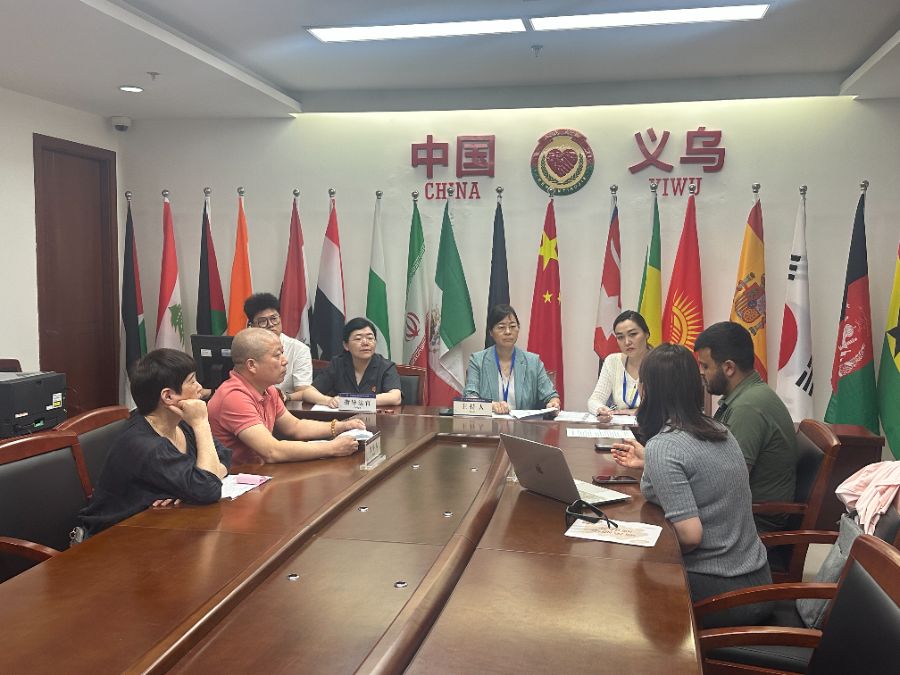
Group 1 - The core viewpoint emphasizes the need for a legal and business-friendly environment to support the entrepreneurial spirit, as demonstrated by the rapid judicial response to assist Leap Motor in recovering over 137 million yuan in a cash flow crisis [2] - Leap Motor achieved a record high delivery of over 45,000 new vehicles in May 2023, marking a 148% year-on-year increase, and maintained its leading position among new car manufacturers in China for three consecutive months [2] - Zhejiang province has a total of 10.95 million registered business entities, highlighting its status as a major hub for private and outward-oriented economies [2] Group 2 - The judicial system in Zhejiang is innovating to better support private enterprises, with initiatives like market-oriented mediation mechanisms and comprehensive intellectual property protection [3] - The "Copyright AI Smart Review" developed by Shaoxing Court has significantly reduced copyright disputes in the textile market by 91.67% over three years, showcasing the effectiveness of digital solutions in legal processes [9] - The "All-Chain Enterprise Restructuring" model implemented by Jinhua Court has successfully restructured 79 companies since 2022, resolving debts totaling 384.28 billion yuan and facilitating the placement of 6,979 employees [9][10] Group 3 - The establishment of the Yiwu Foreign Dispute Mediation Committee in 2013 has created a unique model for resolving international trade disputes, with 20 foreign mediators fluent in multiple languages [6] - Yiwu's market law center, formed in 2023, integrates various legal services to enhance the business environment, reflecting the city's role as a global trade hub [6] - The judicial approach in Yongkang focuses on a tiered crisis resolution strategy, addressing short-term risks and long-term value for enterprises, particularly in the hardware manufacturing sector [10][11]
“右舵”市场集体秀肌肉,内地11家车企亮相香港国际车博会
Di Yi Cai Jing· 2025-06-12 11:46
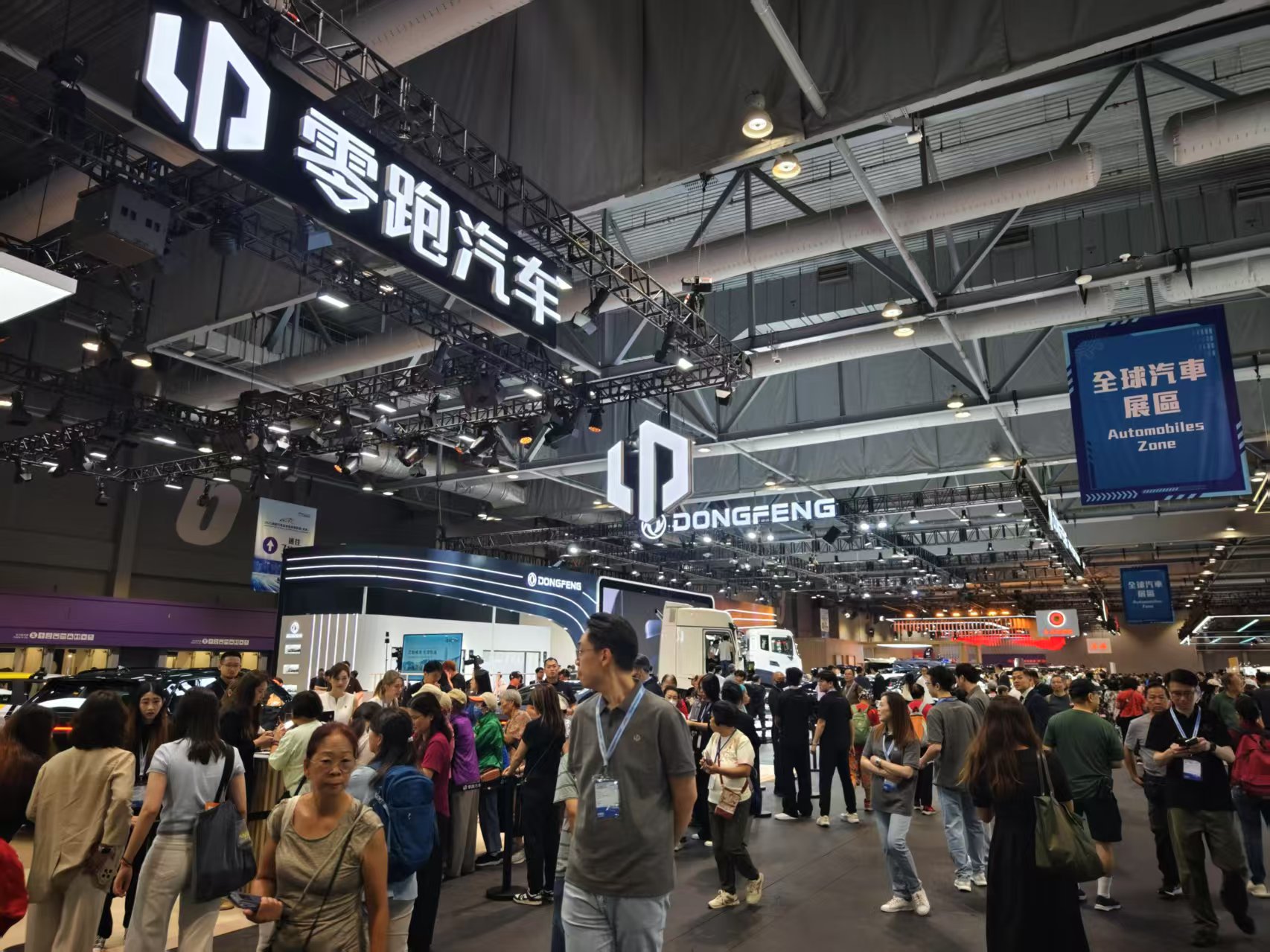
Core Viewpoint - The auto expo in Hong Kong showcases the strength of Chinese automakers, highlighting their advancements in electric vehicles and technology, while also serving as a strategic platform for global expansion [1][8]. Group 1: Event Overview - The auto expo, themed "New Cars, New Journey," covers over 55,000 square meters with seven core exhibition areas, including global automotive, supply chain, and innovation technology [2]. - Eleven major Chinese automakers, including SAIC, BYD, and Dongfeng, participated, alongside new entrants like Leap Motor and Xpeng [1][4]. Group 2: Featured Vehicles and Technologies - BYD showcased popular models such as SEALION 7, SEAL, and ATTO 3, while Changan presented its new energy brands [4]. - Chery Group made a significant impact with its largest-ever exhibition outside mainland China, focusing entirely on new energy vehicles and showcasing advanced technologies like high-efficiency engines and intelligent solutions [4][5]. Group 3: Market Trends and Government Policies - The Hong Kong government has implemented tax reduction policies for electric vehicles under HKD 500,000, significantly boosting sales [6]. - From January to April 2023, the registration of electric vehicles in Hong Kong reached 8,916, with a penetration rate of 68%, led by BYD's SEALION 07 EV [6]. Group 4: Strategic Importance of Hong Kong - Hong Kong is positioned as a crucial gateway for Chinese automakers to enter international markets, leveraging its unique geographical and financial advantages [8][9]. - The city aims to become a hub for innovation and technology, connecting local enterprises with global capital and resources [9][10]. Group 5: Future Aspirations - Companies like Chery and Xpeng express intentions to utilize Hong Kong as a launchpad for international capital markets and advanced technology deployment [10].



零跑汽车朱江明:最不喜欢、不希望打“价格战”
news flash· 2025-06-12 11:31
金十数据6月12日讯,6月11日,零跑汽车董事长、CEO朱江明在接受媒体采访时谈到了对于近期汽车行 业"价格战"的看法:"实际上所谓的价格战也没有大家想象得那么激烈,其实很多是把原来的各种优惠 叠加在了一起。这是一种宣传模式,更能吸引眼球。我们是不能随意降价的。我们是最不喜欢、不希望 打'价格战'。"零跑汽车副总裁李腾飞补充道:"首先我们不参与(价格战),我们不会主动挑起(价格 战);第二个就是我们的成本控制能力可以应对这样的市场变化,在保证产品竞争力的同时也能保证持 续的盈利能力。" (每经网) 零跑汽车朱江明:最不喜欢、不希望打"价格战" ...
60天账期,真能做到还是空头支票?
和讯· 2025-06-12 11:29
Core Viewpoint - The automotive industry is facing significant pressure from various stakeholders, including suppliers and regulatory bodies, due to ongoing price wars and extended payment terms, which are impacting the financial health of the entire supply chain [1][5]. Group 1: Price War Dynamics - Automotive companies are primarily relying on price negotiations rather than improving supply chain efficiency or technological innovation to reduce costs [1][2]. - The current price war is characterized by companies sacrificing their profits and pressuring suppliers to accept longer payment terms, effectively lowering procurement costs [2][3]. - The accounts payable and notes payable of major automotive companies have generally expanded, with notable increases in companies like Beiqi Blue Valley and Zerorun, which saw over 120% and 90% growth, respectively [2][3]. Group 2: Supplier Impact - Approximately 80% of automotive parts manufacturers have reported an increase in accounts receivable, with some companies experiencing growth rates exceeding 50% [3]. - The average turnover days for accounts payable among domestic automotive companies exceed 180 days, while international counterparts maintain around 60 days, indicating a significant burden on suppliers [3][4]. - Suppliers are often forced to accept unfavorable conditions due to the dominance of high market share companies, leading to cost-cutting measures that may compromise quality [4]. Group 3: Regulatory Changes - The newly implemented "Regulations on Payment for Small and Medium Enterprises" aims to address the long payment terms and low capital efficiency issues in the automotive supply chain by mandating payments within 60 days [5][6]. - While some companies have committed to reducing payment terms, many have not explicitly stated their intention to avoid increasing supplier financial pressure through non-cash payment methods [5][6]. - The regulations serve as a "mirror" for the financial health of automotive companies, allowing suppliers to make informed decisions based on the payment practices of their partners [6].



5月跳楼价活埋价中,十大佬六小龙地位渐稳
汽车商业评论· 2025-06-12 09:51
Core Viewpoint - The article discusses the recent developments in the Chinese automotive market, highlighting the government's intervention to curb price wars and promote high-quality industry growth through measures such as regulating supplier payment terms [4][6]. Group 1: Market Trends and Performance - From January to April, the profit margin of the Chinese automotive industry was 4.1%, increasing to 4.4% in April, compared to 3.9% in Q1 and 3.5% in March, indicating a positive trend [7]. - In May, the retail sales of passenger vehicles reached 1.932 million units, a year-on-year increase of 13.3% and a month-on-month increase of 10.1%, surpassing the level of 1.81 million units in May 2018 [9]. - Cumulative retail sales from January to May reached 8.811 million units, up 9.1% year-on-year [9]. Group 2: Sales Data and Company Performance - In the first five months, sales of Chinese brand passenger vehicles reached 7.562 million units, a year-on-year increase of 26.3%, accounting for 68.8% of total passenger vehicle sales [10]. - The top ten automotive groups sold 10.708 million units in total, representing 84% of the overall market, with varying performance among individual companies [11]. - In May, BYD sold 382,476 units, a year-on-year increase of 15.35%, while SAIC Group sold 366,000 units, up 10.25% [13][14]. Group 3: Competitive Landscape - The article notes that some companies engaged in aggressive pricing strategies, leading to a temporary surge in market activity, but this has raised concerns about sustainability [12]. - The sales performance of major companies varied, with some like Geely and Changan showing significant growth, while others like GAC and Dongfeng experienced declines [14][39]. - New energy vehicle sales are highlighted as a key growth area, with companies like Changan and BYD reporting substantial increases in this segment [29][37].



60天账期,给恶性竞争浇一盆冷水
3 6 Ke· 2025-06-12 09:09
Core Viewpoint - An increasing number of automotive companies have committed to a payment term of no more than 60 days for suppliers, responding to regulatory changes aimed at alleviating cash flow pressures in the supply chain [1][2]. Group 1: Industry Commitments - As of now, 15 automotive companies, including GAC Group, China FAW, Dongfeng Motor, NIO, Li Auto, Xiaomi Auto, Geely, BYD, Chery, Changan, Seres, BAIC, SAIC, Leap Motor, and Jianghuai Automobile, have pledged to keep payment terms within 60 days [1]. - SAIC and BAIC have not only committed to the 60-day payment term but also stated they will not use commercial acceptance bills, which can increase financial pressure on suppliers [1]. Group 2: Regulatory Context - The 60-day payment term aligns with the revised "Regulations on the Payment of Funds to Small and Medium-sized Enterprises" issued by the State Council, which took effect on June 1, requiring large enterprises to pay small and medium-sized enterprises within 60 days of delivery [1][2]. - The regulations also prohibit forcing small and medium-sized enterprises to accept non-cash payment methods, such as commercial bills, to prevent the extension of payment cycles [1]. Group 3: Current Payment Practices - Historically, payment terms for suppliers in the joint venture era did not exceed three months, but current practices have extended average payment terms to over 170 days, with some exceeding 240 days [3]. - Some Tier 1 suppliers report payment terms extending beyond eight months, and upstream suppliers often face even longer terms, exacerbating financial strain on smaller suppliers [3]. Group 4: Challenges with Commercial Bills - Commercial bills, which can have a redemption period of 3-6 months, force suppliers to choose between longer payment terms and accepting discounted payments [4][5]. - The discount rates for commercial bills can be significantly high, with some reaching up to 11% for six-month periods, further impacting suppliers' cash flow [4]. Group 5: Ambiguities in Payment Terms - Despite commitments to a 60-day payment term, there are ambiguities regarding when this term begins, as it can vary based on delivery, acceptance, and invoicing processes [6][7]. - Suppliers have expressed skepticism about the sincerity of these commitments, viewing them as potentially empty promises, given the historical context of payment practices in the industry [7].

比较研究系列:从财报看三类车企有何新变化趋势
Ping An Securities· 2025-06-12 08:05
Investment Rating - The report maintains an "Outperform" rating for the automotive industry [1] Core Insights - The report highlights the resilience of private car manufacturers, emphasizing their strong profitability and the acceleration of advanced driver-assistance systems (ADAS) by 2025. Key players like BYD and Geely are expected to lead in this area [3][13] - The report notes that new energy vehicle (NEV) sales are projected to remain robust, particularly in the second half of 2025, driven by favorable policies and tax exemptions [12][10] - State-owned enterprises are facing profitability challenges but are actively collaborating with Huawei to transform their business models towards electrification and smart technologies [4][16] Summary by Sections 1. Overall Automotive Industry - The automotive sales in China surpassed 30 million units in 2023, with exports being a significant growth driver. Domestic sales have not yet returned to 2017 levels [6][7] - Policies such as the vehicle replacement program are expected to stimulate demand, potentially adding 3.5 million units in 2025 [11][10] 2. Major Private Car Manufacturers - Private manufacturers are showing strong operational resilience, with profitability driven by high-end strategies, exports, and NEV scale effects. BYD's net profit for 2024 is projected at 37 billion yuan, a 29.9% increase year-on-year [14][15] - The report indicates that private manufacturers are leading the penetration of ADAS in the market, with significant advancements expected by 2025 [24][25] 3. Major New Forces in Automotive - New entrants are under pressure to achieve self-sustainability, with a focus on new product launches to validate growth potential. Companies like Li Auto and Xpeng are expected to introduce new models in 2025 [32][40] - The report notes that while losses are narrowing for these companies, the urgency to establish self-funding capabilities is increasing due to changes in the financing environment [37][39] 4. Major State-Owned Enterprises - State-owned enterprises are experiencing weaker profitability due to various factors, including declining investment returns from joint ventures and challenges in achieving scale in NEVs [16][4] - Collaborations with Huawei are being intensified to facilitate the transition towards smart and electric vehicles [4][16] 5. Investment Recommendations - The report recommends investing in private manufacturers like Seres, BYD, Great Wall Motors, and Geely due to their strong profitability and market positioning. It also suggests monitoring new entrants like Li Auto, Xpeng, and Xiaomi for their growth potential [3][4]
平安证券:民营车企2025年加速辅助驾驶平权 推荐比亚迪股份等
Zhi Tong Cai Jing· 2025-06-12 07:51
Group 1: Private Car Manufacturers - The profitability of private car manufacturers is strong, with significant advancements in high-end strategies, increased export ratios, and scale effects in the new energy vehicle sector [1] - Key players like Seres, BYD, and Geely are expected to lead the acceleration of advanced driver assistance systems by 2025, enhancing their market position [1] - The overseas market is contributing considerable profits, with BYD maintaining high per-vehicle profitability due to its scale and supply chain advantages [1] Group 2: New Force Car Manufacturers - New force car manufacturers are facing increased urgency to achieve self-sustainability, with companies like Li Auto showing stable profitability and improvements in gross margins for Leap Motor and Xpeng [2] - The financing environment and valuation levels for new force manufacturers have changed significantly since their initial public offerings, necessitating quicker self-financing [2] - Product launches in 2025 will be crucial for these companies to expand their growth potential, with Li Auto focusing on pure electric models and Xpeng diversifying its product matrix [2] Group 3: State-Owned Car Manufacturers - State-owned car manufacturers are experiencing weaker profitability due to declining investment returns from joint ventures and challenges in achieving scale effects in the new energy vehicle sector [3] - Many state-owned enterprises are actively deepening strategic cooperation with Huawei to facilitate their transition towards smart and electric vehicle production [3] - The domestic automotive market is undergoing structural adjustments, leading to decreased profitability in the fuel vehicle segment [3]