ZGXT(000831)

Search documents
2025年4月中国稀土及其制品出口数量和出口金额分别为0.82万吨和1.55亿美元
Chan Ye Xin Xi Wang· 2025-10-22 01:05
Core Insights - China's rare earth and its products export volume in April 2025 was 0.82 million tons, representing a year-on-year decrease of 19.1% [1] - The export value for the same period was 155 million USD, showing a significant year-on-year decline of 49.2% [1] Export Data Summary - The export volume of rare earth and its products decreased to 0.82 million tons in April 2025 [1] - The export value fell to 155 million USD, indicating a substantial drop compared to the previous year [1]


素来冷静的贝森特,情绪激动批中国稀土政策,暴露美国产业恐慌
Sou Hu Cai Jing· 2025-10-21 20:20
一场没有硝烟的战争,在十月悄然打响。这场战争的导火索,是中国对稀土出口审批流程的一次精细化调整。没有激烈的措辞,没有宏大的宣告,仅仅是对 出口规则的微调,却如同平静水面下的暗流,瞬间引发了西方世界的震动。 一石激起千层浪,西方国家的供应链瞬间紧绷。那些长期依赖中国稀土供应的企业,尤其是美国的军工和高科技产业,如同寒冬降临般感受到了切肤之痛。 他们突然意识到,自己引以为傲的供应链体系,竟然如此脆弱不堪。 新规的核心在于引入了"许可制审查",并将审查标准精确到惊人的0.1%的含量。这意味着,几乎所有含有中国稀土成分的产品,无论身处世界的哪个角落, 都必须接受中国的合规审查。这仿佛在全球产业链的咽喉要道,设置了一道由中国掌控的"安检门"。 更戏剧性的一幕随即上演。在一次国际会议上,一向以冷静著称的美国财政部长耶伦竟然失态"破防"!她情绪激动地指责中国"操控资源",言语中充满了压 抑不住的焦虑与不安。这种罕见的失态,宛如一个信号,暴露了美国内心的巨大恐慌。 英国广播公司BBC敏锐地捕捉到了这一信息。10月17日,BBC发表评论,直言不讳地指出,即便美国拉拢所有盟友,恐怕也需要苦熬五年,才能填补中国 留下的稀土供应缺口 ...
美国突破中国稀土卡脖子技术到底缺些什么?
Sou Hu Cai Jing· 2025-10-21 19:21
Core Viewpoint - The article discusses the challenges the United States faces in overcoming its dependency on China for rare earth elements, emphasizing that the difficulties are far greater than those encountered in the semiconductor sector [1][3]. Group 1: Historical Context - The U.S. has been attempting to reduce its reliance on China's rare earth supply chain since 2010, but progress has been minimal over the past fifteen years [3]. - The article draws a parallel between the current U.S. situation and the post-Soviet Union era, highlighting the need for a cohesive national effort to rebuild industrial capabilities [4]. Group 2: Industrial Challenges - The U.S. lacks a comprehensive industrial environment, cultural support, and institutional guarantees necessary for developing a robust rare earth industry [3][4]. - The article argues that the U.S. requires a strong industrial system similar to China's, which encompasses 41 industrial categories and 666 subcategories, to successfully rebuild its rare earth supply chain [4]. Group 3: Economic Viability - The U.S. struggles to achieve basic infrastructure needs, such as affordable electricity and internet, which are critical for re-industrialization efforts [5]. - The transition from a once-industrialized nation to a more financialized economy has eroded the foundational elements necessary for a successful rare earth industry [5].
港媒提醒:美国眼前就在惦记中国稀土,各种手段都已上场!
Sou Hu Cai Jing· 2025-10-21 19:03
Core Insights - The article discusses the critical role of rare earth elements in global high-tech industries and highlights China's dominance in the rare earth market, controlling approximately 70% of global production [2] - The ongoing U.S.-China trade tensions have intensified, particularly regarding rare earth exports, with the U.S. seeking to reduce its dependency on Chinese supplies [4][10] Group 1: U.S.-China Trade Dynamics - In 2025, the U.S. attempted to negotiate tariff exemptions in exchange for rare earth supplies, but China remained firm, leading to a temporary agreement on tariffs without progress on the rare earth issue [4] - The U.S. has accused China of threatening the global supply chain due to its rare earth export controls, with Trump threatening to impose 100% tariffs in response to China's actions [4][10] Group 2: U.S. Strategies to Secure Rare Earths - The U.S. has sought to find intermediaries, such as South Korea and Japan, to source rare earths from China, but faced challenges due to China's warnings against such practices [5] - The U.S. has also turned to Ukraine for rare earth development, offering financial and technical support in exchange for access to its resources, although the potential output is limited [5] Group 3: Smuggling and Illicit Activities - There has been a notable increase in rare earth smuggling cases linked to U.S. companies, with various methods employed to disguise shipments [7][8] - Some U.S. companies have reported smuggling activities to Chinese authorities, indicating a complex relationship where companies are frustrated with market disruptions caused by smuggling [8] Group 4: Future Implications and Strategies - The article emphasizes the need for China to maintain its control over rare earth resources in light of U.S. pressures and the potential for a decoupling of supply chains [10][12] - The U.S. is investing in domestic production and partnerships, such as funding for Australian companies to increase rare earth output, but significant gaps remain compared to China's production capabilities [12]
冲中国稀土地位?一觉醒来,美澳85亿稀土协议落地,誓破中国垄断,特朗普:量多到用不完
Sou Hu Cai Jing· 2025-10-21 16:50
Core Viewpoint - China's recent export control measures on rare earth elements directly impact the U.S., highlighting the latter's dependency on Chinese rare earth materials for high-tech industries, including defense [1][3]. Group 1: China's Export Control Measures - The Chinese Ministry of Commerce has issued six announcements regarding the export control of all seventeen rare earth elements and related technologies, including extraterritorial clauses affecting foreign companies [1]. - Rare earth elements are crucial for modern industries, particularly in semiconductors and military applications, where U.S. defense contractors rely heavily on these materials [1][3]. Group 2: U.S. Response and Agreements - In response to China's export controls, the U.S. has signed an $8.5 billion rare earth supply agreement with Australia, aiming to reduce reliance on Chinese supplies [3][4]. - The agreement includes over $3 billion in investments in Australian rare earth mining projects, with an estimated value of over $53 billion in extractable rare earth minerals [3][6]. Group 3: U.S. Expectations and Challenges - U.S. officials, including former President Trump, express optimism that the agreement will resolve the rare earth supply issues, suggesting that the U.S. will have an abundance of these materials within a year [4][6]. - Despite the U.S. efforts, China's dominance in the rare earth sector is significant, with proven reserves of 44 million tons, accounting for nearly half of global reserves, and a complete supply chain from mining to processing [6][9]. Group 4: China's Competitive Advantages - China controls 90% of the global rare earth separation and purification processes, with major companies holding 85% of domestic mining quotas and 90% of smelting capacity [6][9]. - The country has a strong technological edge, having filed nearly 26,000 rare earth-related patents, surpassing the total of all other countries combined, and achieving high purification efficiencies [9].
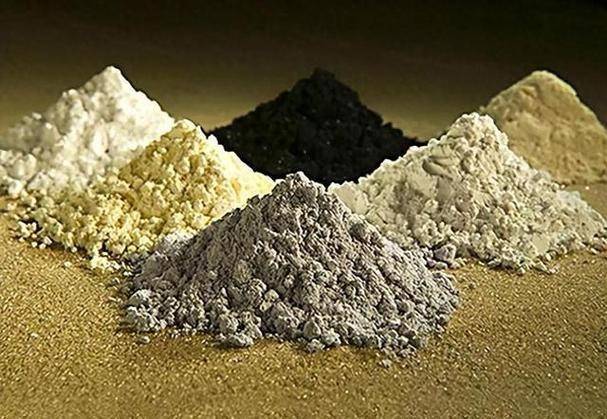
美澳 85 亿美元稀土协议达成,想要打破中国稀土垄断?特朗普这下乐坏了:多到根本用不完
Sou Hu Cai Jing· 2025-10-21 14:33
Core Insights - The recent signing of an $8.5 billion rare earth supply agreement between the U.S. and Australia has garnered significant attention, with U.S. President Trump expressing optimism about the potential for abundant rare earth supplies in the near future [1] Industry Overview - Historically, China has faced challenges in the rare earth sector, possessing rich reserves but lacking the technology to process them, leading to low export prices and reliance on foreign processed products [3] - A breakthrough in rare earth separation technology in the 1970s, led by Chinese scientist Xu Guangxian, allowed China to overcome foreign monopolies and establish itself as a leader in rare earth separation [4] Current Market Position - China currently dominates the global rare earth market, producing approximately 70% of the world's rare earth minerals and refining over 90% of rare earth products, making it the only country capable of supplying all 17 rare earth metals [4] - The establishment of a complete industrial chain from mining to high-purity products has solidified China's position in the rare earth sector, with significant advancements in downstream applications such as permanent magnets and catalytic materials [4] Regulatory Environment - China has implemented stricter export controls on rare earths and related technologies, enhancing its leverage in international trade and making it difficult for other countries to challenge its dominance [6] Competitive Landscape - The U.S.-Australia rare earth agreement, while ambitious, faces significant challenges in breaking China's long-established dominance, which is supported by decades of technological and policy development [7] - The complexities of technology, cost, and talent present substantial barriers for the U.S. and Australia in their efforts to compete with China's rare earth capabilities [7] Strategic Recommendations - In the context of global economic integration, collaboration rather than confrontation may be a more effective approach for the U.S. and Australia to engage with China in the rare earth sector, promoting resource allocation and joint development [7]
美国最急需的是什么?网友的回复亮了:不是中国稀土,是铥镭铑钼
Sou Hu Cai Jing· 2025-10-21 14:22
Core Insights - The humorous combination of elements "Thulium, Radium, Rhodium, Molybdenum" reflects a serious international competition over key minerals, highlighting China's increasing influence in strategic resource sectors [1][3] - The inclusion of Thulium (Tm) and Molybdenum (Mo) in China's export control list indicates significant challenges for the U.S. high-precision manufacturing industry in accessing these critical materials [3] - China's strategic positioning in the rare earth and key mineral sectors serves as a vital leverage in international competition, marking a shift in the balance of power in resource control [3] Group 1 - The phrase "Thulium, Radium, Rhodium, Molybdenum" has sparked discussions about the critical minerals needed by the U.S., with a focus on the implications of China's export controls [1][3] - The U.S. is facing unprecedented difficulties in obtaining Thulium and Molybdenum, which are essential for its supply chain, due to China's recent export restrictions [3] - China's ability to control access to these two elements demonstrates its strategic planning and strength in resource management, a situation unprecedented in over a century of international relations [3] Group 2 - The viral nature of the phrase underscores the importance of language and chemical knowledge in understanding the complexities of resource competition [4] - The ongoing debate about prioritizing technical knowledge over cultural literacy is seen as shortsighted, as national competition requires both hard technology and soft cultural power [4] - A balanced understanding of both literature and science is essential for grasping the nuances of resource conflicts and maintaining a competitive edge in global discourse [4]
挑战中国稀土地位?微妙关头,美澳 85 亿美元协议签署,特朗普这下乐坏了:多到用不完
Sou Hu Cai Jing· 2025-10-21 13:48
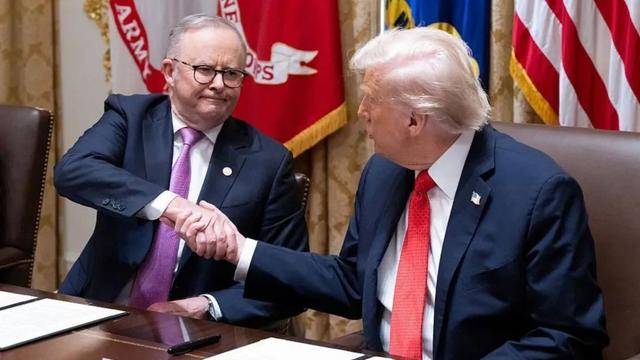
Core Points - The meeting between US President Trump and Australian Prime Minister Albanese resulted in two significant agreements, including a nuclear submarine deal and an $8.5 billion critical minerals agreement focused on rare earth elements [1][3][4] - The agreements are seen as a strategic move to counter China's dominance in the rare earth market, where China currently holds a 70% share of global production and 92% of refining capacity [6][7] Group 1: Nuclear Submarine Agreement - The nuclear submarine deal is part of the AUKUS agreement, which aims to provide Australia with at least three nuclear-powered submarines over 15 years [1][3] - Despite Trump's optimistic remarks about the progress of the submarine deal, there are concerns about the clarity of the original agreement and the US's own submarine production capacity [3][4] Group 2: Critical Minerals Agreement - The critical minerals agreement involves both countries investing $1 billion each, with the US planning to provide an additional $2.2 billion through the Export-Import Bank to support Australian mining projects [4][6] - A key component of this agreement is the establishment of a factory in Western Australia to produce gallium, a critical material for radar and electronic devices, with an expected annual output of 100 tons [4] Group 3: Strategic Implications - The urgency of the US-Australia collaboration on rare earths is driven by the need to reduce reliance on China, which has recently restricted the export of related technologies and personnel [6][7] - Australia, despite having 3-4% of global rare earth reserves, lacks the processing capabilities and technology to refine these materials independently, which raises questions about the feasibility of the agreements [6][7]
莫迪决心已下,大幅买俄油,还通告全球,绝不将中国稀土卖给美国
Sou Hu Cai Jing· 2025-10-21 10:52
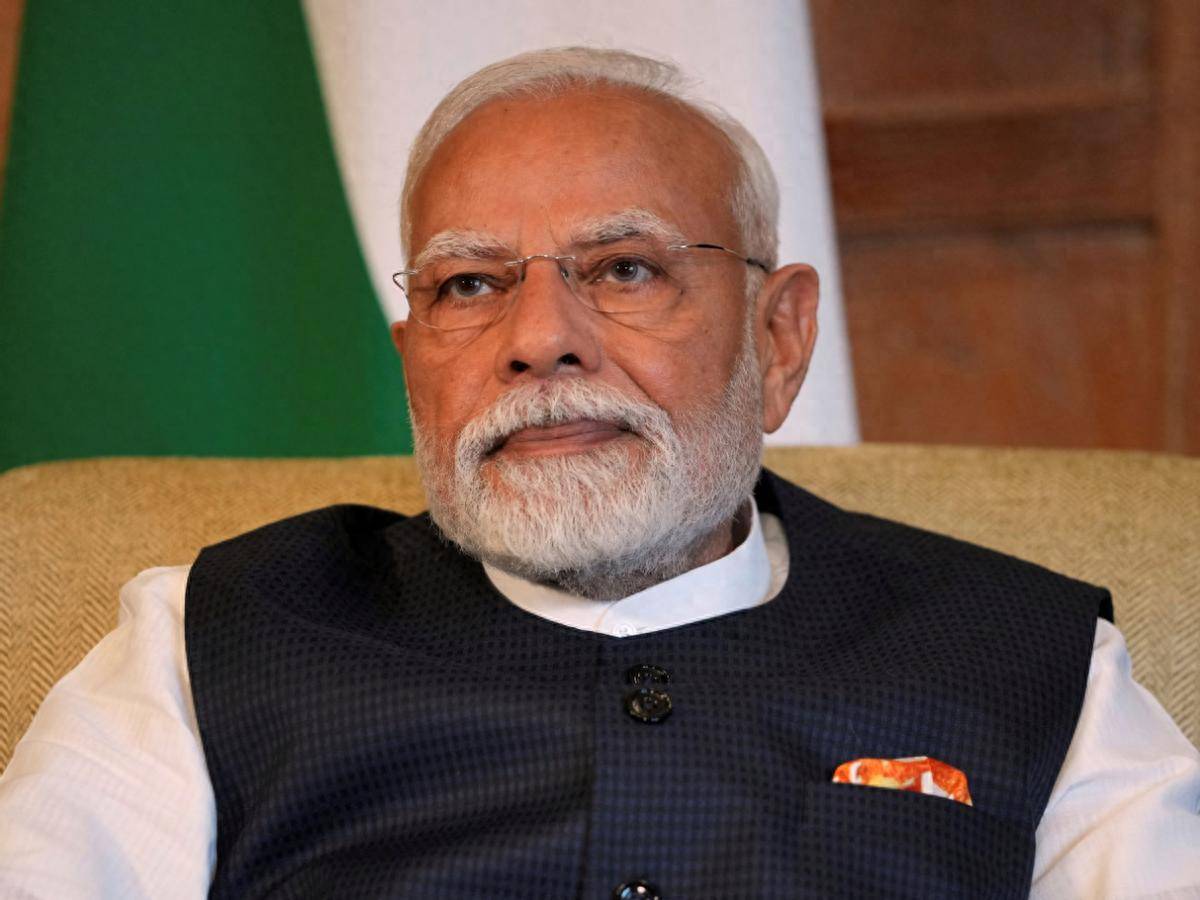
Core Viewpoint - The article highlights India's defiance against U.S. pressure regarding oil purchases from Russia and its strategic alignment with China, indicating a shift in India's foreign policy amidst U.S.-India tensions [1][3][5]. Group 1: U.S.-India Relations - Recent U.S. tariffs on Indian products have strained relations, with tariffs reaching up to 50%, aimed at forcing India to open its agricultural market and reduce its trade surplus with the U.S. [3] - Despite U.S. pressure, India has increased its daily imports of Russian oil to approximately 1.8 million barrels in early October 2023 [3][5]. - India has committed to not exporting rare earth materials sourced from China to the U.S., reflecting a strategic pivot towards China [3][5]. Group 2: Economic Considerations - India benefits economically from purchasing discounted Russian oil, saving approximately $89 per ton, and is processing this oil into refined products for sale to Europe and the U.S. [5][7]. - The country relies heavily on China for rare earth materials, with imports expected to reach around 870 tons valued at over 3 billion rupees in the 2024-2025 fiscal year [5][7]. Group 3: Geopolitical Strategy - India's traditional policy of strategic autonomy prevents it from fully aligning with any single power, complicating U.S. efforts to have India counterbalance China [7][9]. - The U.S. demands for India to cease Russian oil purchases conflict with India's domestic agricultural interests, particularly concerning the livelihoods of millions of farmers [7][9]. - The article suggests that while there may be limited easing of tensions between the U.S. and India, fundamental disagreements on key issues like agricultural market access and Russian oil procurement will persist [9].
西方应战中国稀土管制,妄图一举改变全球稀土格局
Sou Hu Cai Jing· 2025-10-21 10:24
Core Viewpoint - The control of rare earth resources is crucial for high-tech industries, with China currently holding a dominant position in both resource availability and technological capabilities [1][10]. Group 1: China's Dominance in Rare Earths - China is not only a major resource holder but also a technological leader in the rare earth sector, having developed a complete industrial chain from extraction to manufacturing [9][10]. - The country has implemented stringent management and export control measures, ensuring it retains significant influence over the global supply chain [12][14]. - China's approach has shifted from merely selling raw materials to emphasizing technological sovereignty, enhancing its strategic position in the rare earth market [12][21]. Group 2: Challenges for Western Countries - The U.S. and Australia have committed $8.5 billion to create a new rare earth supply chain to reduce dependence on China, but significant technical and operational challenges remain [3][8]. - While Australia has substantial rare earth reserves, the processing and refining of these materials are complex and require advanced technology that is currently lacking in Western countries [6][17]. - The high costs and technical barriers associated with rare earth refining in the West make it difficult to establish a competitive supply chain [17][19]. Group 3: Long-term Investment and Policy Stability - Investors are hesitant to commit to long-term projects in the rare earth sector due to the lengthy return periods and the uncertainty of political policies in Western countries [8][19]. - In contrast, China has consistently invested in rare earth technology since the 1970s, resulting in a robust industrial ecosystem that supports ongoing advancements [19][24]. - The integration of smart manufacturing and green technologies in China's rare earth industry positions it at the forefront of modern manufacturing [15][24]. Group 4: Future of Global Rare Earth Competition - The competition for rare earth resources is not merely a zero-sum game; it involves finding regional roles within the supply chain [22]. - While resources are widely distributed, the actual processing and manufacturing capabilities remain concentrated in countries with established industrial systems, with China maintaining an irreplaceable role [22][24]. - For Western nations to establish a foothold in the rare earth sector, they must build a comprehensive industrial framework and gain decades of experience in the field [24].