
WLY(000858)

Search documents
五粮液:投资者建议回购注销,公司称将根据情况考虑
Xin Lang Cai Jing· 2025-09-11 10:15
Group 1 - The investor inquired why Wuliangye, with 148.8 billion cash on hand, is not considering stock buybacks given the current low stock price and a dividend yield of 4.5% [1] - The company secretary responded that the company will actively consider stock buybacks based on actual circumstances and will strictly fulfill information disclosure obligations [2]

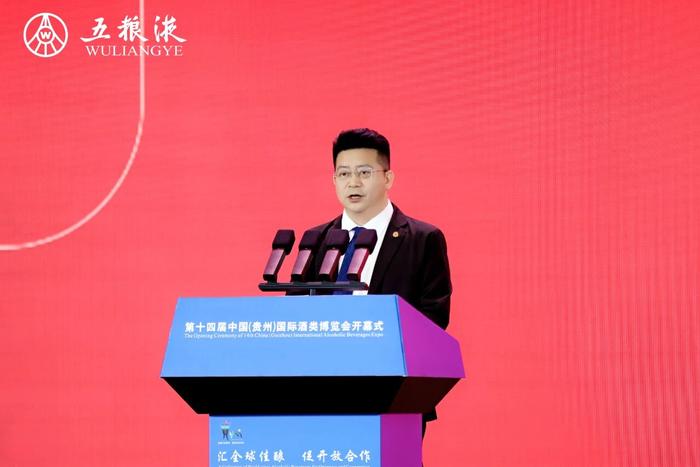
五粮液亮相第十四届贵州酒博会
Zheng Quan Ri Bao Zhi Sheng· 2025-09-11 09:08
Core Viewpoint - The 14th China (Guizhou) International Wine Expo emphasizes global cooperation and cultural exchange in the wine industry, showcasing over 20,000 wine products from more than 1,000 exhibitors across 40 countries and regions, with Wuliangye as a prominent representative of Chinese liquor [1][3]. Group 1 - The theme of the expo is "Gather Global Fine Wines, Promote Open Cooperation," highlighting the importance of cultural exchange and collaboration in the wine industry [3]. - Wuliangye's participation showcases its commitment to enhancing brand recognition and emotional connection through innovative interactions, aiming to promote the global appreciation of fine wines [3][4]. - Wuliangye's General Manager, Hua Tao, emphasized the need for innovation in the industry, advocating for breaking boundaries through marketing, product development, and experiential engagement to connect with younger consumers [3][4]. Group 2 - The Wuliangye brand exhibition hall features a design that reflects its historical heritage and international achievements, showcasing various product lines that attract diverse audiences [4]. - New product launches, such as the 29° Wuliangye "First Love," have gained significant attention due to their appealing design and targeted market positioning, indicating a successful strategy to engage younger demographics [4]. - Interactive experiences at the expo, such as the "Youth Message Collection Station," aim to immerse visitors in Wuliangye's youthful branding initiatives, further demonstrating the company's innovative approach to new consumer trends [4].

聚焦酒博会|张炸力:中国白酒的国际市场机遇与未来值得期待
Sou Hu Cai Jing· 2025-09-11 05:10
Core Insights - In 2024, China's baijiu exports are projected to reach $970 million, indicating potential growth opportunities despite a low current market share in the international spirits market [2] - The internationalization of Chinese baijiu faces multiple challenges, including strong competition from established brands like whiskey and vodka, reliance on the Chinese diaspora for market, strict international standards, and tariff barriers [2][4] Group 1: Challenges in Internationalization - The international spirits market is predominantly dominated by whiskey and vodka, posing significant competitive pressure on Chinese baijiu [2] - Chinese baijiu exports are heavily dependent on the Chinese community abroad, with low recognition among local consumers [2] - International standards for alcoholic beverages are stricter, and existing domestic standards do not fully meet international market requirements [2] - Tariff barriers are a common issue in global liquor trade, complicating the export of Chinese baijiu [2] Group 2: Strategies for Overcoming Challenges - Emphasizing product quality is crucial, with leading companies like Moutai and Wuliangye setting benchmarks through their global exploration [4] - Innovation should focus on adapting to foreign consumer preferences and moving beyond traditional export models that rely on trade fairs and intermediaries [4] - The future strategy should involve "industry going abroad," collaborating with experienced overseas distributors and manufacturers to adapt products to local tastes [4] Group 3: Enhancing Brand Recognition - There is a need to improve the international influence of Chinese baijiu brands, which are currently recognized mainly through a few top brands like Moutai and Wuliangye [5] - Engaging international experts and professional organizations for evaluations can enhance the credibility and recognition of Chinese baijiu in the global market [5]

五粮液陷“增长枯竭:177亿库存压顶、价格倒挂近700元?
Sou Hu Cai Jing· 2025-09-11 04:00
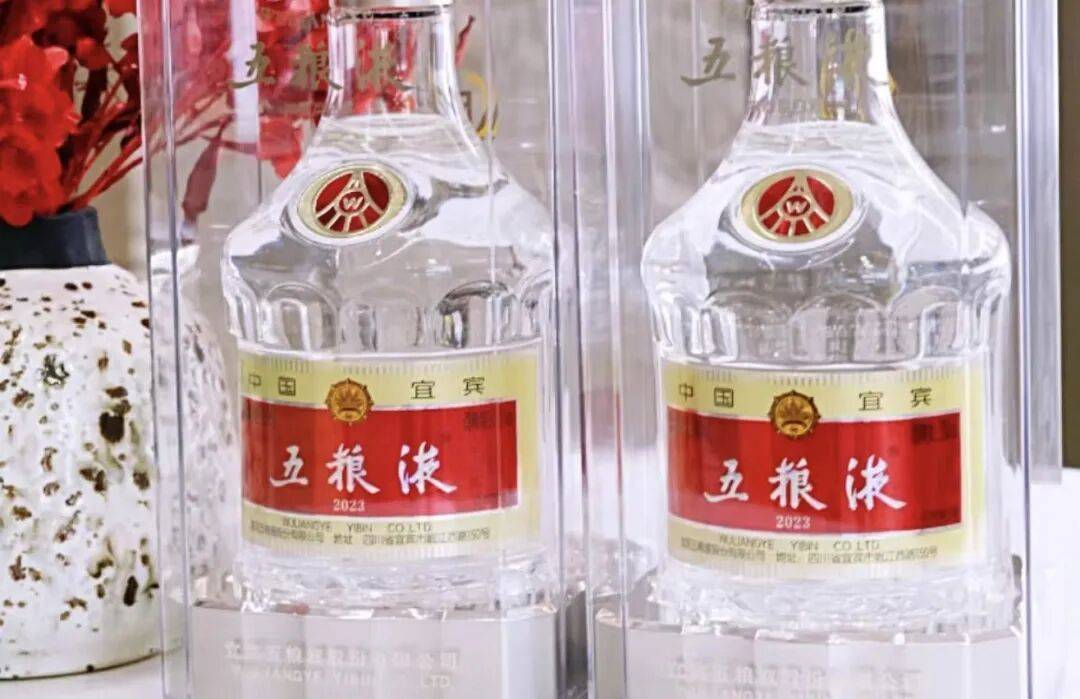
Core Viewpoint - Wuliangye is facing a comprehensive development crisis, marked by declining growth momentum, a collapsing pricing system, and a loss of channel confidence, which complicates its path to recovery [2][11] High-End Market Loss - Wuliangye's revenue for the first half of 2025 was 52.771 billion yuan, with a net profit of 19.492 billion yuan, showing a year-on-year growth of only 4.19% and 2.28%, respectively, while Moutai's growth rates were significantly higher at 8.89% and 9.16% [3] - The brand's image has become blurred, particularly among younger consumers who associate Wuliangye with outdated perceptions rather than modern value [3][4] Pricing System Collapse - Wuliangye's core product, the eighth generation of Pu Wu, has seen its factory price rise from 969 yuan to 1,019 yuan, while market prices have dropped below 800 yuan, creating a significant price gap [5] - The company faces a dual problem of supply-demand imbalance and ineffective channel management, leading to a vicious cycle of low prices and reduced dealer confidence [5][6] Inventory Crisis - As of the first half of 2025, Wuliangye's inventory reached 17.746 billion yuan, with a year-on-year increase surpassing revenue growth, indicating ongoing inventory pressure [7][8] - The average turnover days for the eighth generation of Pu Wu have increased from 45 days to 60-65 days, with some dealers experiencing turnover periods exceeding three months [8] Response Measures - Wuliangye's measures to address the pricing collapse, such as halting supply and enhancing market control, have not resolved the fundamental issues and have instead heightened market panic [6][10] - The company's reliance on traditional advertising and slow digital transformation has hindered its ability to effectively engage with younger consumers and manage channels [10][11] Industry Context - The white liquor industry has entered an era of "refined operations," where brand strength, channel management, and product innovation are critical for survival [11] - If Wuliangye cannot overcome its current challenges, its position as a leading brand in the high-end liquor market may be jeopardized, potentially leading to a decline in its competitive standing [11]
白酒行业冰与火:珍酒李渡失速与头部酒企的进击
Sou Hu Cai Jing· 2025-09-11 02:03
Core Viewpoint - The Chinese liquor industry is experiencing a significant divergence, with leading companies showing growth while others, like Zhenjiu Lidu, face substantial declines in revenue and profit [2][4][5]. Group 1: Financial Performance of Liquor Companies - In the first half of 2025, 22 listed liquor companies reported a total revenue of approximately 242.4 billion yuan and a net profit of about 95.1 billion yuan [4]. - Six companies, including Kweichow Moutai and Wuliangye, achieved both revenue and net profit growth, with Kweichow Moutai reporting revenue of 89.389 billion yuan, up 9.1%, and net profit of 45.403 billion yuan, up 8.9% [2]. - Conversely, Zhenjiu Lidu saw a significant decline, with revenue dropping to 2.497 billion yuan, down 39.6%, and adjusted net profit falling to 613 million yuan, down 39.3% [2][6]. Group 2: Industry Challenges - The liquor industry is undergoing a deep adjustment period characterized by high channel inventory, leading companies to adopt inventory control and price stabilization strategies [3]. - Macro-economic pressures and limited consumption scenarios have reduced consumer purchasing willingness, with liquor sales dropping 15% year-on-year during the 2025 Spring Festival, and mid-to-high-end sales declining by 20% [3]. - Intense competition and price wars among companies, particularly among smaller enterprises, are compressing profit margins and reducing overall profitability in the industry [3][5]. Group 3: Zhenjiu Lidu's Struggles - Zhenjiu Lidu is facing severe challenges, including excessive inventory turnover days at 855, far exceeding the healthy range of 450-700 days [6]. - The company relies heavily on its Zhenjiu brand, with other brands contributing minimally to revenue, and has seen a consistent decline in core product sales over the past four years [6][7]. - The decline in sales reflects weakened product competitiveness and shrinking consumption scenarios, with the company struggling to adapt its product structure and marketing strategies [7]. Group 4: Strategic Responses - Zhenjiu Lidu is attempting to navigate its challenges by launching new products, such as the "Da Zhen·Zhenjiu," priced at 600 yuan, targeting middle-class families and small business owners [8]. - The company is also implementing a "Ten Thousand Merchants Alliance" strategy to expand its dealer network and create a broad channel ecosystem [8]. - Additionally, Zhenjiu Lidu is entering the craft beer market with its "Niu Shi" brand, seeking to establish a second growth curve amid the liquor industry's stagnation [9][10]. Group 5: Market Entry Challenges - The craft beer market is highly competitive, dominated by established players like China Resources and Budweiser, posing significant challenges for new entrants like Zhenjiu Lidu [11]. - Transitioning from liquor to beer requires Zhenjiu Lidu to reconfigure its sales channels, as beer distribution is more diverse and includes restaurants and bars, unlike the traditional liquor sales model [12]. - While seeking new growth avenues is a reasonable strategy, the differences in product, channel, and consumer demographics between liquor and beer present substantial hurdles for successful cross-industry expansion [12].



五粮液携手齐鲁足球超级联赛共绘“绿茵山海”荣耀新篇
Xin Lang Cai Jing· 2025-09-11 01:38
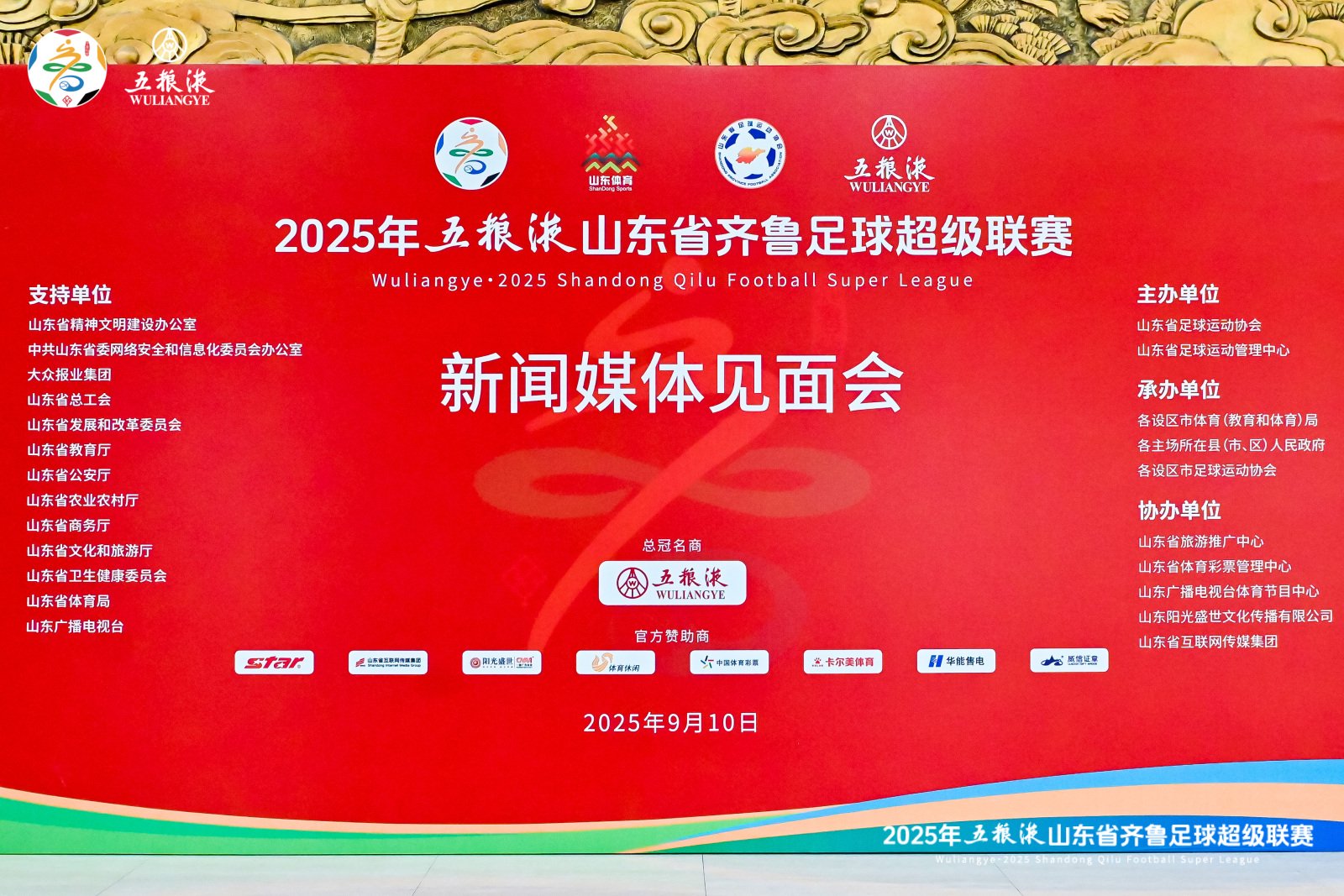
Group 1 - The 2025 Wuliangye Shandong Qilu Super League and the inaugural Qilu Football Club League Finals will commence on September 13 in Zibo, the birthplace of football, under the theme "Green Field Starts a New Journey, Mountains and Seas Share Glory" [2] - Wuliangye, as the title sponsor, collaborates with the Shandong Football Association to promote the integration of "sports + culture + industry," aiming to elevate Shandong football to a higher platform [4] - The sponsorship of the Qilu Super League represents Wuliangye's commitment to deepening its market presence in Shandong, a key strategic market, while fulfilling its social responsibility [6] Group 2 - Wuliangye aims to create a unique fan experience by integrating brand spirit into the event, focusing on "Shandong culture + football passion + Wuliangye craftsmanship" to enhance fan interaction and local特色活动 [8] - Visual elements such as medals, trophies, and mascots will incorporate Qilu culture and Wuliangye's brand spirit, with the championship trophy "Qilu Ruyi" symbolizing good fortune and dreams coming true [10] - The Qilu Super League serves as a crucial pathway from local amateur football to professional leagues, having already nurtured seven professional teams, thus contributing to the development of football talent in Shandong [10] Group 3 - Wuliangye expresses its intention to continuously support sustainable local events like the Qilu Super League, leveraging the FIFA 2026 World Cup platform to enhance its brand visibility [12] - The event is not only a sports occasion but also a reflection of the integration of Shandong's culture, tourism, and commerce, with Wuliangye's involvement enriching the overall experience [14] - Wuliangye plans to foster a harmonious and passionate community through football, engaging with millions of fans to create a vibrant lifestyle [14]
2025年第35周:跨境出海周度市场观察
艾瑞咨询· 2025-09-11 00:03
Group 1 - Amazon released the "Top 50 Innovative Brands for 2025" in cross-border e-commerce, projecting a 16.9% year-on-year growth in China's cross-border e-commerce export scale to 2.15 trillion yuan in 2024, with significant growth in high-tech products [3][4] - The Middle East is identified as a prime market for Chinese companies looking to expand overseas, with retail spending expected to reach $300 billion and a rapidly growing e-commerce market potentially exceeding $1 trillion [5] - The Chinese micro-short drama industry is accelerating its overseas expansion, with the market size expected to surpass 50 billion yuan in 2024, focusing on cultural elements and diverse content to enhance competitiveness [6] Group 2 - A "Robot Outbound Cooperation Network" was officially launched in Beijing, aimed at promoting the international development of China's robotics industry through strategic partnerships [7] - Southeast Asia's e-commerce market has seen explosive growth, with sales increasing from $4 billion in 2012 to $184 billion in 2024, driven by Chinese companies leveraging supply chain advantages [8] - The rise of a new generation in cross-border e-commerce is reshaping global business, with emotional value and technology becoming core competitive elements [9] Group 3 - Localization in research and development is becoming a key strategy for Chinese brands going overseas, with companies adapting products to meet local demands and enhancing market fit [10] - The global popularity of Chinese metaphysics and feng shui is growing, with a projected market size of $48.7 billion by 2024, driven by emotional consumer needs [12] - Chinese service and logistics robot companies are successfully entering the Japanese market by optimizing technology and localizing strategies [13] Group 4 - Chinese brands are rapidly expanding internationally, transitioning from OEM production to independent innovation, with significant sales growth in Europe and other markets [14] - The new tea beverage sector is emerging as a global force, particularly in Southeast Asia, but faces challenges such as supply chain vulnerabilities and cultural differences [15] - Over 20 Chinese beauty brands have accelerated their overseas sales through Alibaba's AliExpress, with significant growth in markets like Europe and Mexico [17] Group 5 - Chinese companies are entering a new wave of "innovative outbound" strategies, with over 2,000 companies targeting 96 countries, integrating local resources and capabilities [18] - Great Wall Motors has completed its factory in Brazil, enhancing its local service and production capabilities to support its global strategy [20] - AliExpress reports a doubling of sales for Chinese beauty brands in the past year, with a focus on integrating influencer marketing and comprehensive solutions for market entry [21] Group 6 - Meituan's Keeta is rapidly expanding into the Middle East, achieving a 10% market share in Saudi Arabia within five months and planning further regional growth [22] - Reading Group's revenue from IP operations has shown strong growth, with a 68.5% increase in net profit, driven by successful adaptations of popular content [23] - Cainiao is transforming into a global logistics enterprise, focusing on international logistics and technology to support Chinese brands' overseas expansion [25]





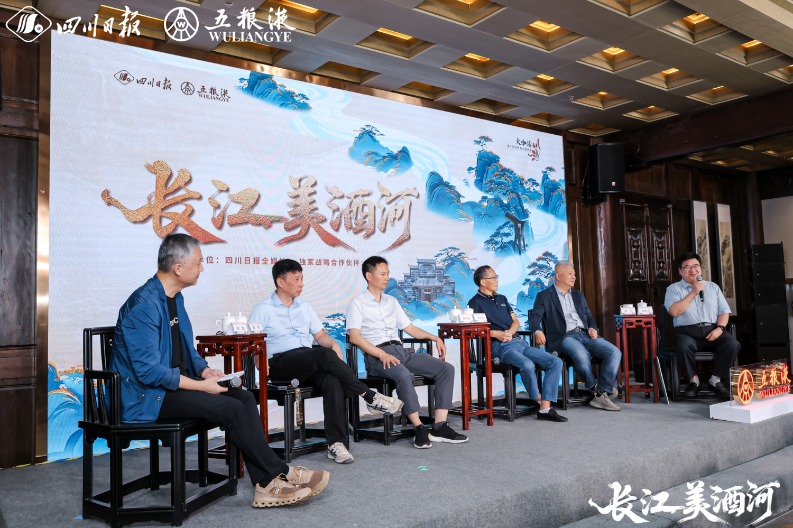
“大咖话川酒”第二季第二期揭秘:为何长江堪称世界第一美酒河?
Xin Hua Cai Jing· 2025-09-10 10:39
Core Viewpoint - The event "Big Names Talk about Sichuan Liquor" highlights the cultural and economic significance of the Yangtze River as a world-class wine river, with a focus on the renowned Chinese liquor brand Wuliangye and its relationship with the Yangtze River [1][3][5]. Group 1: Cultural and Economic Significance - The Yangtze River is home to over 80% of China's famous liquors, including Wuliangye, establishing it as a "world-class wine river" [3]. - Experts discussed the unique ecological, economic, and cultural characteristics of the Yangtze River and its role in social and economic development [3][5]. - The event aims to protect the cultural ecology of the Yangtze River wine river and create new cultural value through expert advice and corporate responsibility [5]. Group 2: Wuliangye's Unique Position - Wuliangye is recognized as a representative of the Yangtze River's liquor, distinguished by its quality, cultural heritage, and broad influence [8]. - The liquor brand has established a closed-loop, traceable high-quality development model, integrating agricultural practices with brewing technology [9]. - Wuliangye's success is attributed to its innovative approach, leveraging natural resources and traditional brewing techniques [9][10]. Group 3: Future Prospects - Experts anticipate that the Yangtze River wine river will evolve to rival world-renowned regions like Bordeaux and Speyside, driven by the collaborative development of famous liquor brands [10]. - Wuliangye is expected to continue its role as the leading brand in the Yangtze River region, promoting Chinese liquor culture globally [10].
酒业观察:白酒上半年业绩加剧下滑 “低度化”恐难成破局“良药”
Xin Hua Cai Jing· 2025-09-10 09:40
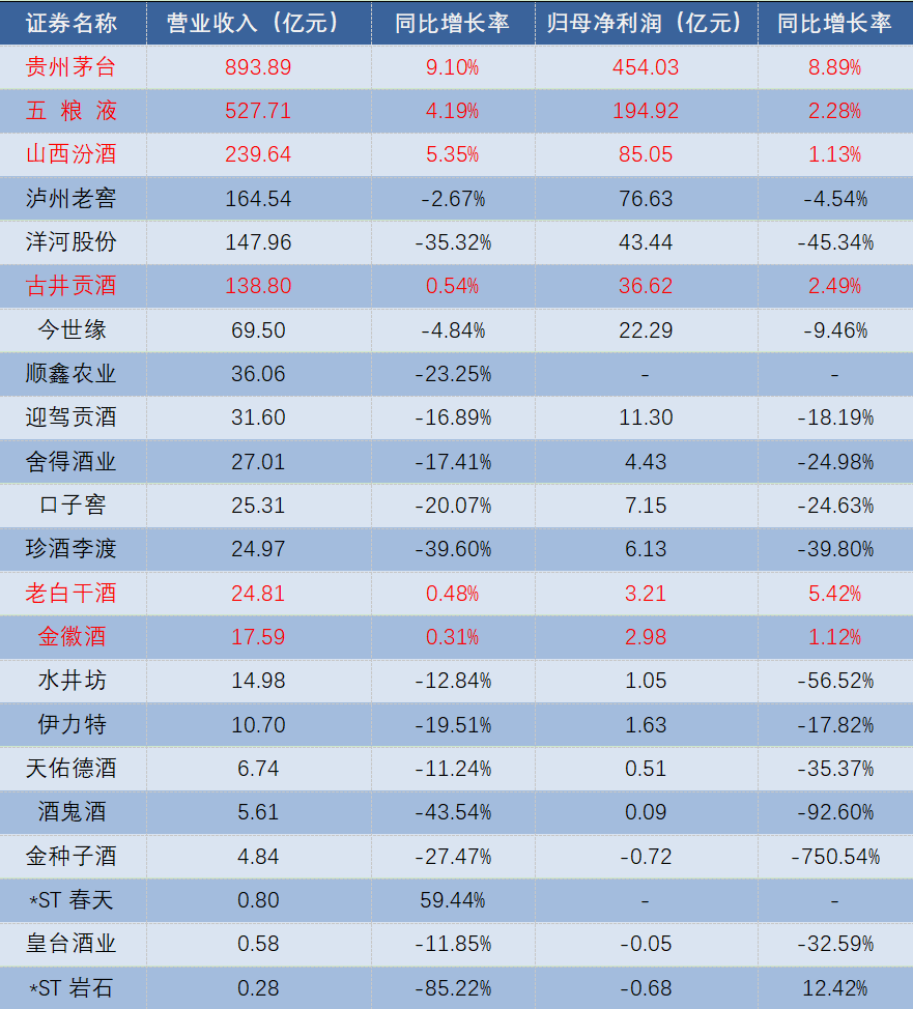
Core Viewpoint - The white liquor industry is experiencing a significant slowdown, with only 6 out of 22 listed companies reporting positive growth in revenue and net profit, indicating a shift from "volume decline with profit increase" to "volume shrinkage with profit reduction" [1][2]. Group 1: Financial Performance - Among the 22 listed white liquor companies, only 6 achieved positive revenue and net profit growth [1]. - Guizhou Moutai reported a revenue of 89.39 billion with a year-on-year growth rate of 9.10%, and a net profit of 45.40 billion, growing by 8.89% [2]. - Other notable companies include Wuliangye with a revenue of 52.77 billion (4.19% growth) and Shanxi Fenjiu with 23.96 billion (5.35% growth) [2]. Group 2: Inventory and Cash Flow - The industry is facing high inventory levels and cash flow pressures, with over half of the distributors experiencing increased inventory pressure [2][3]. - Guizhou Moutai has an inventory turnover rate of 0.14, indicating a long inventory turnover period of approximately 1265 days [3]. - The overall trend shows a significant increase in inventory turnover days across various companies, reflecting the challenges in managing stock levels [3]. Group 3: Market Trends and Strategies - The industry is shifting from supply-driven growth to demand-driven growth, focusing on product structure optimization and channel efficiency [3]. - Companies are exploring online channels and digital transformation to enhance operational efficiency and sales capabilities [2][3]. - There is a notable trend towards "lower alcohol content" and "younger demographics" in product offerings, although this has raised concerns about homogenization and cultural fit within the industry [2][3].


五粮液:投资者建议用现金投初创高科技公司,董秘感谢建议
Xin Lang Cai Jing· 2025-09-10 09:10
投资者提问: 五粮液新设一支数字经济产业基金,公司有上千亿的现金躺在银行睡大觉,可以委托天使基金,创投基金操盘,投入人工智能,创新药,芯片等方向初创高科技公司,广撒网,只要投出一个像英 免责声明:本信息由新浪财经从公开信息中摘录,不构成任何投资建议;新浪财经不保证数据的准确性,内容仅供参考。 董秘回答(五 粮 液SZ000858): 尊敬的投资者,感谢您的建议! 查看更多董秘问答>> ...