LI AUTO(LI)

Search documents
晚点说詹锟接手理想基座模型业务向CTO汇报, 不向郎咸朋汇报
理想TOP2· 2026-01-14 14:55
Core Viewpoint - The article discusses the restructuring of the base model business at Li Auto, with Zhan Kun taking over the VLA base model development, which will support autonomous driving, smart cockpit, and potentially robotics in the future [1] Group 1: Leadership Changes - Zhan Kun will report to CTO Xie Yan instead of Senior Vice President of Autonomous Driving R&D, Lang Xianpeng [1] - Zhan Kun will continue to be responsible for the engineering and platformization of the intelligent driving VLA model [1] Group 2: Strategic Direction - The VLA has been upgraded from a single project to a company-level base model, indicating a clear organizational focus on AI strategy centered around VLA [1] - Resources will be further concentrated on embodied intelligence, with the core objective being the construction of a complete Agent system based on VLA [1] Group 3: Industry Connections - Individuals who have left companies like Weita Power and Zhijian Power, such as Zhao Zhelun and Jia Peng, maintain close communication with Li Xiang and will share industry insights at Li Auto's AI meetings [1]


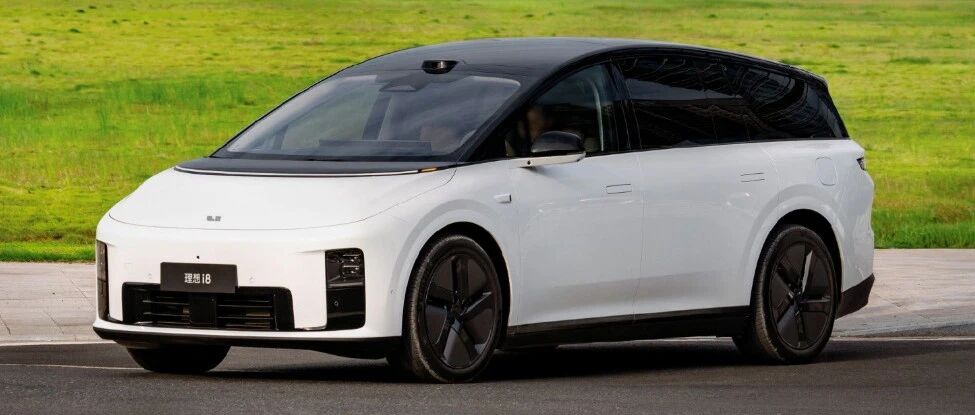
独家丨理想调整基座模型业务:詹锟接手,VLA 研发整合
晚点Auto· 2026-01-14 13:59
Group 1 - The core strategy of the company has become clearer, focusing on the VLA (Vision-Language-Action) model as the central AI direction [2][3] - The VLA model development has transitioned from being managed by two separate departments to a unified approach, emphasizing the importance of embodied intelligence in automotive products [5][6] - The new head of the VLA model, Zhan Kun, has a background in autonomous driving algorithms and has been promoted to oversee the integration of technology for autonomous driving and smart cockpit applications [3][6] Group 2 - The VLA model consists of three components: "V" for perception, "L" for planning and decision-making, and "A" for action, applicable to both physical and digital environments [5][6] - The company plans to fully implement the VLA driver model in the AD Max vehicle by September 2025, aiming for smoother longitudinal control and improved accuracy at complex intersections [7] - The company is also set to enhance language and behavioral interactions and adapt its self-developed M100 chip by 2026 [7]
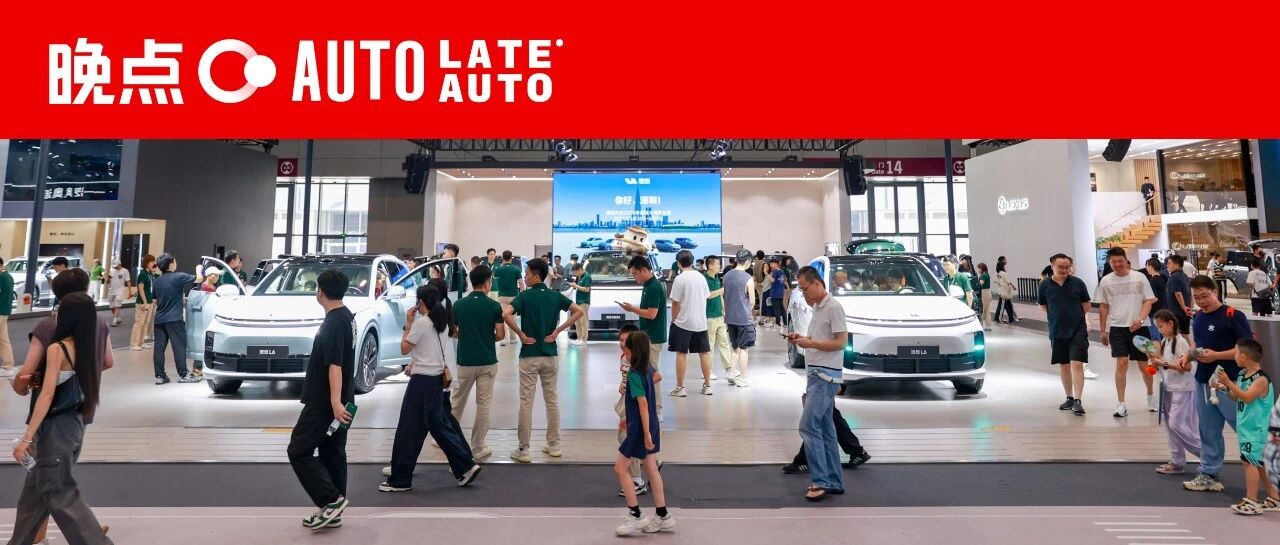
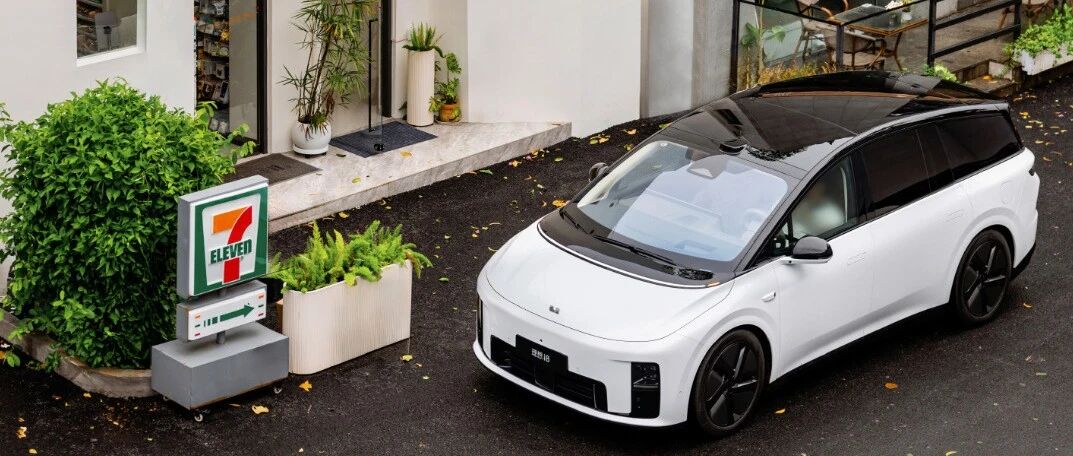
理想i86双车主认为i8久用后超预期的好且自己一个人在上海更爱开i8
理想TOP2· 2026-01-14 11:50
Core Viewpoint - The article discusses the evolving perceptions of electric vehicles, particularly the i8 and i6 models from Li Auto, emphasizing that individual users may find greater satisfaction in using larger vehicles compared to traditional assumptions about multi-user scenarios [1][4]. Group 1: User Experience and Satisfaction - Users have reported that the i8 provides a superior driving experience, especially for long-distance travel, with features like intelligent driving and charging infrastructure being highlighted as significant advantages [1][2]. - The i8 is perceived as a vehicle that becomes more enjoyable over time, aligning with Li Xiang's statement about the importance of user experience during ownership rather than just at the point of purchase [2][3]. - The i8 is characterized as a "low-key luxury" vehicle suitable for middle-class families, while the i6 is seen as more appealing to younger buyers due to its focus on performance and aesthetics [3][4]. Group 2: Practical Features and Usability - The i8 and MEGA models are noted for their ability to accommodate personal needs, such as the option to create a flat single bed for solo travelers, which enhances the practicality of the vehicle for individual users [5][10]. - The design of the cup holders and storage options in the MEGA model is optimized for single-user scenarios, allowing for better organization and convenience when driving alone [6][7]. - The MEGA's spacious interior and features support a variety of personal activities, such as working on a laptop, which is particularly beneficial for users who prioritize comfort and functionality [7][9]. Group 3: Market Perception and Trends - There is a growing recognition that larger vehicles like the i8 and MEGA can be more enjoyable for single users, challenging the misconception that such vehicles are only suitable for families [4][10]. - The article suggests that a significant portion of users prioritize comfort over performance, indicating a shift in market demand towards vehicles that offer a more relaxed driving experience [9].
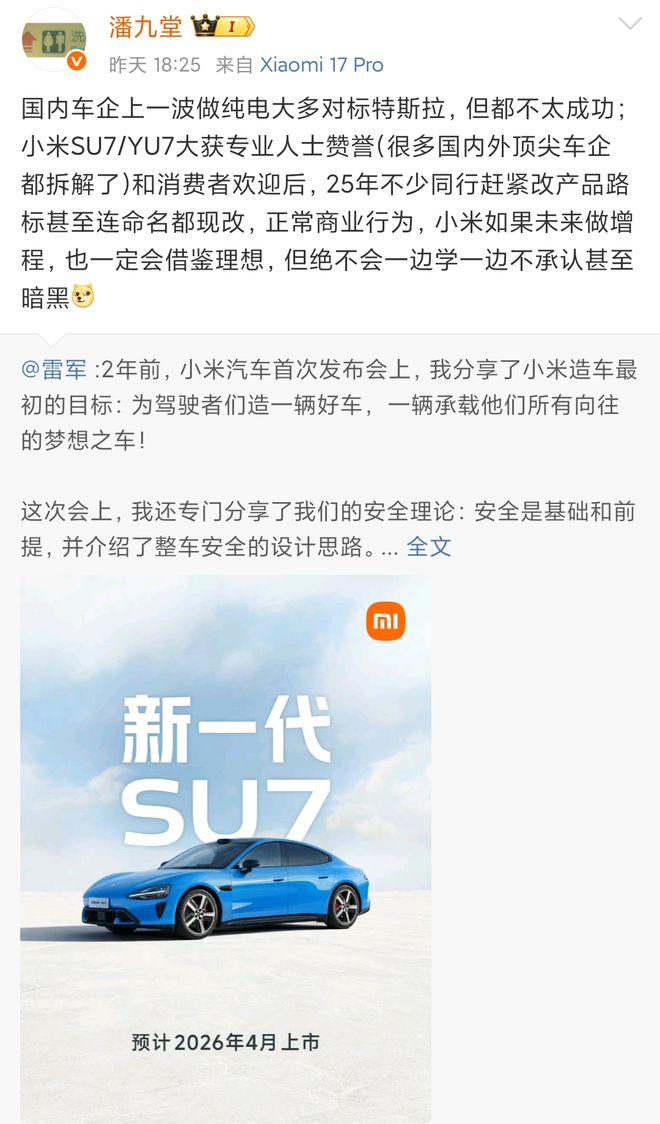
小米潘九堂:小米如果未来做增程,一定会借鉴理想
Jin Rong Jie· 2026-01-14 08:34
Core Viewpoint - Xiaomi is planning to leverage the experience of other companies, particularly in the range-extended electric vehicle (REEV) segment, while maintaining transparency about its learning process [1][3]. Group 1: Product Development - Xiaomi's automotive division is set to launch four new models by 2026, including two versions of the SU7 and two range-extended models: a five-seat SUV and a seven-seat SUV [3]. - The seven-seat SUV, codenamed "Kunlun," will compete with models like Li Auto's L9 and Aito's M9, featuring a large battery range-extended technology with an electric range of 400-500 km [3]. Group 2: Market Trends - Despite the growing interest in range-extended technology, the sales growth rate has been slowing down. Data from the China Passenger Car Association indicates that the share of pure electric vehicles in wholesale sales increased by 4% to 62%, while the share of narrow-sense plug-in hybrid vehicles decreased by 2.9% to 29%, and range-extended vehicles saw a decline of 1.1% to 9% [5]. - Xiaomi aims to deliver 410,000 vehicles in 2025, surpassing its initial target of 300,000, and is targeting an ambitious goal of 550,000 units in 2026 [5].

2025年我国新能源汽车出口达261.5万辆,出口规模再上新台阶
Xin Lang Cai Jing· 2026-01-14 07:19
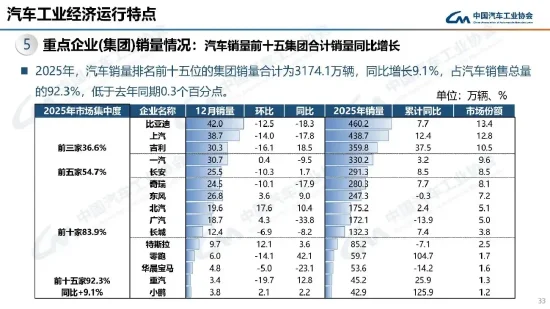
Core Insights - The Chinese automotive industry is projected to achieve record production and sales figures of 34.53 million and 34.40 million vehicles respectively in December 2025, maintaining its position as the world's largest market for 17 consecutive years [1][4]. Group 1: Market Performance - The passenger vehicle market is experiencing steady growth, significantly contributing to the overall automotive market expansion [5]. - The commercial vehicle market is recovering, with production and sales increasing by over 10%, surpassing 4 million units [5]. - New energy vehicles (NEVs) are leading the market, with production and sales exceeding 16 million units, accounting for over 50% of domestic new car sales [5]. Group 2: Export and Trade - The automotive export market shows strong resilience, with total exports exceeding 7 million vehicles, including 2.615 million NEVs, marking a new high in export scale [5]. Group 3: Market Concentration - The top fifteen automotive groups sold a total of 31.741 million vehicles, reflecting a year-on-year growth of 9.1%, which constitutes 92.3% of total vehicle sales, slightly down by 0.3 percentage points from the previous year [5][7]. - The top three groups, BYD, SAIC, and Geely, accounted for 36.6% of total vehicle sales [5][7]. - In the NEV segment, the top fifteen groups sold 15.669 million units, a year-on-year increase of 29.2%, representing 95% of total NEV sales, up by 0.7 percentage points from the previous year [5][7].



潘九堂:模仿是创新的基础,小米汽车如果未来做增程一定会借鉴理想
Huan Qiu Wang· 2026-01-14 06:52
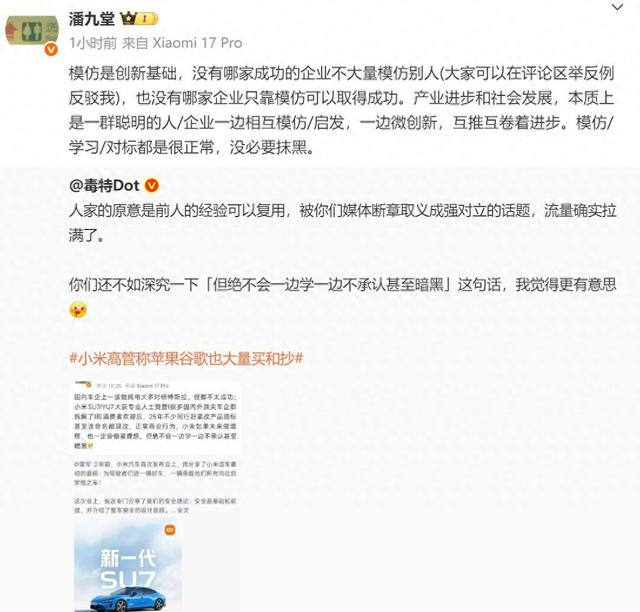
Core Viewpoint - The commentary by Xiaomi's investment partner, Pan Jiutang, highlights the evolving landscape of the domestic electric vehicle (EV) industry, emphasizing that while many companies previously benchmarked against Tesla, the results have been limited. Xiaomi's SU7 and YU7 models have gained significant consumer recognition and attracted attention from leading domestic and international automakers [1][6]. Group 1 - Pan Jiutang noted that many car manufacturers are rapidly adjusting their product plans and even changing model naming strategies in response to Xiaomi's successful product launches, which he describes as a normal business reaction [6]. - He emphasized that if Xiaomi were to pursue an extended-range technology route in the future, it would carefully consider the experiences of Li Auto, while maintaining a respectful approach without denigrating competitors [6]. Group 2 - Pan Jiutang elaborated on the relationship between "imitation" and "innovation," asserting that imitation is a crucial foundation for innovation. He stated that no successful company has achieved its status without extensively learning from others [6]. - He argued that relying solely on imitation cannot lead to long-term success, and that industry progress and social development stem from a collaborative environment where companies inspire and push each other through micro-innovations [6]. - Pan Jiutang called for a rational perspective on benchmarking and learning behaviors within the industry, asserting that imitation, learning, and benchmarking are normal business practices that should not be stigmatized [6].
车企2025产销快报解析:四大板块齐头并进
Xin Lang Cai Jing· 2026-01-14 06:06
Core Insights - The Chinese passenger car market is projected to retail 23.78 million units in 2025, reflecting a 4% year-on-year growth, supported by policies like "trade-in" [20][21] - Major domestic automakers such as BYD, Geely, Changan, and Leap Motor have achieved significant breakthroughs, while several joint ventures are showing signs of recovery in China [20][21] Domestic Automakers Performance - BYD set a new annual sales record with 4.60 million units sold in 2025, a 7.73% increase, with pure electric vehicle sales reaching 2.25 million units, up 27.85% [21][22] - SAIC Group sold 4.51 million vehicles in 2025, marking a 12.3% increase, with its new energy vehicle sales growing by 33.1% to 1.64 million units [3][21] - China FAW achieved total vehicle sales of 3.30 million units, a 3.2% increase, with its new energy vehicle sales soaring by 71% to 366,000 units [3][22] - Geely exceeded its sales target with 3.02 million units sold, a 39% increase, and its new energy vehicle sales reached 1.69 million units, up 90% [4][22] - Changan's sales reached 2.91 million units, an 8.5% increase, with new energy vehicle sales growing by 51% to 1.11 million units [4][23] - Chery Group achieved a record high of 2.81 million units sold, with new energy vehicle sales increasing by 54.9% to 903,800 units [5][23] Joint Ventures Performance - Joint ventures are under pressure but some have found ways to adapt, with FAW-Volkswagen selling 1.59 million vehicles, maintaining its position as the top joint venture [26][27] - SAIC Volkswagen achieved sales of 1.06 million units, successfully surpassing the million mark [27] - Toyota's joint ventures in China reported positive growth, with FAW Toyota selling 805,500 units, marking three consecutive years of growth [27][28] New Energy Vehicle Market - The new energy vehicle segment is a common highlight across major automakers, with significant growth reported [21][22] - Leap Motor achieved a remarkable 103% year-on-year growth, delivering 596,600 units in 2025 [29] - Xpeng Motors delivered 429,400 units, a 126% increase, while NIO delivered 326,000 units, up 46.9% [30][31] Export Growth - China's automobile exports are expected to exceed 7 million units in 2025, marking a historic high [16][34] - Chery led the export of Chinese passenger cars with 1.34 million units, a 17.4% increase [34][35] - BYD's overseas sales surpassed 1 million units for the first time, reaching 1.05 million units, a 145% increase [35][36] Globalization Strategies - SAIC Group updated its overseas strategy, achieving 1.07 million units in overseas sales, a 3.1% increase [35][36] - Changan's overseas sales reached 637,000 units, an 18.9% increase, while Geely's overseas sales totaled 420,000 units [36][37] - New energy vehicle startups are also targeting international markets, with Leap Motor and Xpeng making significant strides in overseas deliveries [36][37]



车圈大佬预警!存储芯片、金属、电池价格全在涨!车企怎么办?|人民智行
Zheng Quan Shi Bao Wang· 2026-01-14 03:13
Core Insights - The automotive industry is facing unprecedented supply chain cost pressures due to rising prices of memory chips, metals, and batteries, which are significantly impacting manufacturing costs [1][4][10] - A predicted shortage of memory chips could lead to a supply satisfaction rate of less than 50% in 2026, exacerbating the cost challenges for automakers [2][8] - The competition for resources between the automotive sector and emerging industries like AI and energy storage is intensifying, leading to a resource squeeze on traditional manufacturing [4][11] Memory Chip Price Surge - The global DRAM market is experiencing its strongest price increase in history, with prices for DDR4 and DDR5 rising by 200-300% since last year [2][5] - High-end smart electric vehicles require significant storage, with demand for memory chips expected to reach TB levels, increasing costs per vehicle by hundreds to thousands of yuan [3][6] Impact of Metal Prices - Prices for key metals such as copper, silver, and lithium have been rising, contributing to increased costs in electric vehicle production [3][7] - The use of copper in electric vehicles is significantly higher than in traditional fuel vehicles, amplifying the cost impact [3][10] Supply Chain Challenges - Automakers are struggling to balance supply chain resilience with cost control, leading to potential price increases, configuration adjustments, and delivery delays [1][10] - The competition for high-end storage capacity is skewed in favor of AI companies, which are securing a majority of DRAM production capacity, leaving traditional industries with limited resources [5][6] Long-term Outlook - The supply chain crisis is expected to persist for 3-5 years, with automakers currently absorbing cost pressures without passing them on to consumers [8][10] - There is a growing recognition of the need for supply chain diversification and domestic production capabilities in the semiconductor industry [12][11] Strategic Responses - Automakers are exploring strategies such as long-term supply agreements and partnerships with local suppliers to mitigate risks associated with rising costs [11][12] - The industry may see a shift towards vertical integration, with companies considering in-house production of critical components like batteries and chips [12]

道指跌近400点,英特尔大涨7%,中概股普跌,文远知行跌超10%,比特币涨5%创年内新高
2 1 Shi Ji Jing Ji Bao Dao· 2026-01-13 23:32
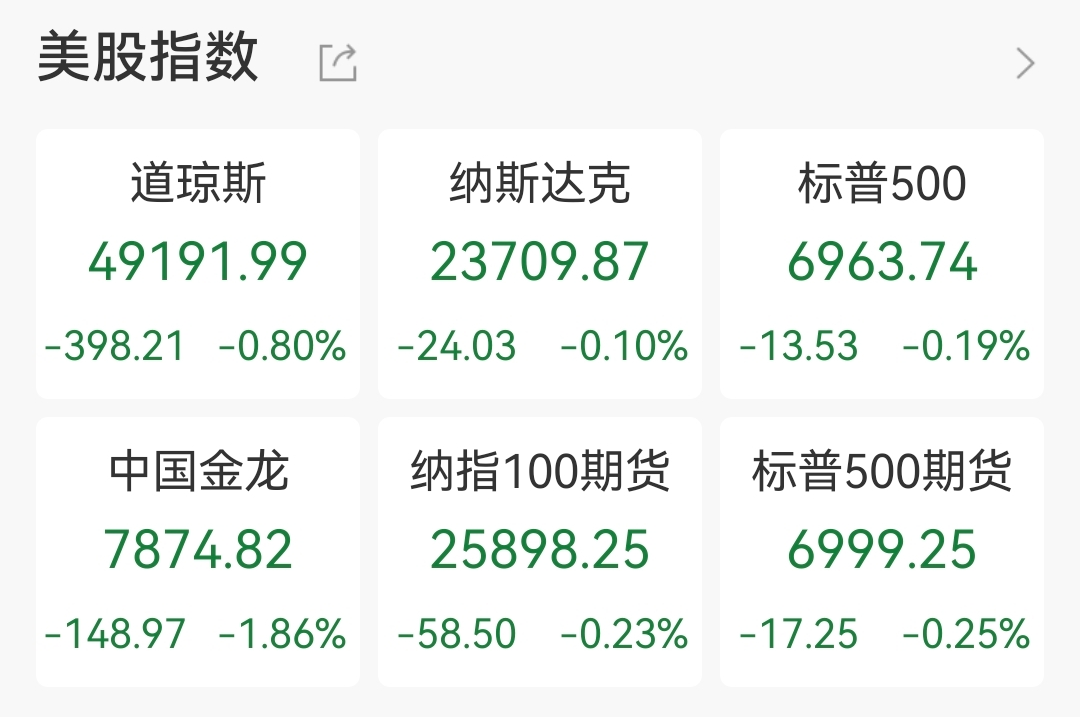
Market Performance - On January 13, all three major US stock indices closed lower, with the Dow Jones down 0.8%, nearly 400 points, the S&P 500 down 0.19%, and the Nasdaq down 0.1% [1] - The Dow Jones index closed at 49,191.99, down 398.21 points, while the Nasdaq and S&P 500 closed at 23,709.87 and 6,963.74, down 24.03 and 13.53 points respectively [2] Technology Sector - Technology stocks showed mixed performance, with Intel rising over 7% to reach a nearly two-year high, and AMD increasing over 6%. However, Meta, Amazon, and Microsoft all fell over 1% [2] - Nvidia's stock rose 0.47% following the news that the US has relaxed export regulations on its H200 chips to China [2] Banking Sector - Bank stocks experienced a broad decline, with the KBW Bank Index falling 1.3% and JPMorgan Chase dropping over 4%. The decline was attributed to lower-than-expected investment banking fees and warnings regarding potential risks from proposed credit card interest rate caps [4] - JPMorgan's investment banking revenue from underwriting and advisory services saw a decline, which could significantly impact the bank and its clients [4] Chinese Stocks - The Nasdaq Golden Dragon China Index fell 1.86%, with many popular Chinese stocks declining. Notable drops included Brain Rebirth down over 26%, WeRide down over 10%, and Pinduoduo down over 5% [4] Commodity and Currency Markets - US Treasury yields fluctuated after the CPI report, with the 10-year yield stabilizing around 4.17%. The dollar strengthened, pushing the USD/JPY exchange rate above 159 [6] - Gold prices reached a historical high of $4,630 before slightly retreating, while silver futures rose 2.08% to $86.86 per ounce [6] Inflation and Economic Outlook - The US Consumer Price Index (CPI) rose 2.7% year-on-year as of December 2025, with the core CPI increasing by 2.6% [8] - Analysts predict that inflation may remain sticky around 3% in 2026, with potential upward pressure due to looser fiscal and monetary policies [8]


热门中概股多数走低,小马智行跌超6%
Mei Ri Jing Ji Xin Wen· 2026-01-13 15:30
Group 1 - The majority of popular Chinese concept stocks experienced declines on January 13, with Xiaoma Zhixing falling over 6% [1] - Pinduoduo saw a drop of more than 5% [1] - Kingsoft Cloud and Baidu both decreased by 4% [1] - NIO and Li Auto each fell by over 2% [1]