蒙牛

Search documents
在巴黎打中文广告,这些品牌怎么想的?
Ge Long Hui· 2025-05-20 01:20
Group 1 - The Paris Olympics is the first Olympic Games after the pandemic, with an open physical space that enhances the sense of participation for athletes and spectators [2] - The event has attracted 79 sponsors, with expected sponsorship revenue of $1.3 billion, surpassing the Tokyo Olympics in terms of sponsor numbers [2] - The sponsors are categorized into four tiers: global partners, premium partners, official partners, and official suppliers, with 15 global partners including two Chinese companies [6] Group 2 - Major Chinese brands are actively marketing during the Olympics, with significant advertising presence in Paris, such as Yili's ads featuring national table tennis team ambassadors [1][9] - Companies like Alibaba and Mengniu have secured long-term sponsorship deals with the International Olympic Committee, indicating a strategic investment in brand visibility [6] - The marketing costs for companies can be substantial, with global partners needing to pay at least $300 million in entry fees, not including additional marketing expenses [11] Group 3 - The effectiveness of Olympic sponsorship is highlighted by the potential for significant brand awareness increases, with a $20 million investment potentially raising brand recognition by 1% [11] - Companies are leveraging digital tools and offline promotions to maximize their marketing impact during the Olympics [11] - The competitive landscape for sponsorship is evolving, with some companies finding success through innovative marketing strategies even without official sponsorship status [12][15]





4月CPI环比由降转涨!恒生消费ETF(159699)高开逾1%,冲击2连阳
Sou Hu Cai Jing· 2025-05-12 02:26
Economic Indicators - In April, the Consumer Price Index (CPI) shifted from a month-on-month decrease of 0.4% to an increase of 0.1%, while the year-on-year CPI fell by 0.1%, maintaining the same decline as the previous month [1] - The core CPI increased by 0.2% month-on-month and rose by 0.5% year-on-year, showing stable growth [1] - The Producer Price Index (PPI) decreased by 0.4% month-on-month and fell by 2.7% year-on-year, with the decline expanding by 0.2 percentage points compared to the previous month [1] Market Performance - On May 12, the Hang Seng Consumption Index (HSCGSI) surged by 1.06%, with notable increases in constituent stocks such as Quan Feng Holdings (+6.59%), Cha Baidao (+4.84%), and Guoquan (+4.51%) [1] - The Hang Seng Consumption ETF (159699) opened over 1% higher on May 12, with an average daily trading volume of 182 million yuan over the past month, ranking first among comparable funds [1] - The Hang Seng Consumption ETF has seen net inflows from leveraged funds for three consecutive days, with a peak single-day net inflow of 7.15 million yuan, bringing the latest financing balance to 14.76 million yuan [1] Financial Support for Consumption - The People's Bank of China (PBOC) announced a 500 billion yuan loan facility aimed at supporting consumption and elderly care, indicating a commitment to enhance financial support for these sectors [3] - The PBOC emphasized the importance of boosting consumption as a key goal of monetary policy, reflecting a structural shift towards enhancing consumer demand rather than merely increasing investment [4] Investment Opportunities - The Hang Seng Consumption ETF (159699) is positioned to benefit from new consumption stimulus policies and supports T+0 trading, focusing on four major sectors: food and beverages, textiles and apparel, household appliances, and tourism and leisure facilities [5] - The ETF includes leading consumer companies that complement the A-share market, featuring well-known domestic brands and emerging consumer firms, enhancing its attractiveness to investors [6] - The ETF is noted for its significant scale and flexibility, making it a prominent choice in the Hong Kong market for investors looking to capitalize on consumer trends [7]
面对三十年来首度“双降” 伊利如何应对“中年危机”
Hua Er Jie Jian Wen· 2025-05-01 12:01
Core Viewpoint - The dairy giant Yili (600887.SH) has ended its 30-year growth streak due to unprecedented industry pressures, with significant declines in revenue and profit expected in 2024 [1][2]. Financial Performance - Yili's 2024 revenue is projected to be 115.78 billion yuan, a year-on-year decline of 8.24%, while net profit is expected to drop to 8.45 billion yuan, down 18.9% [2]. - In Q4, Yili made a substantial impairment provision of 5.2 billion yuan, resulting in a quarterly loss of 2.42 billion yuan, further pressuring annual profits [3]. Impairment and Asset Valuation - A major component of the impairment was a goodwill write-down of 3.04 billion yuan related to the acquisition of Ausnutria (1717.HK), which has seen a significant decline in performance [4]. - Other impairment provisions included 1.23 billion yuan for inventory and 370 million yuan for fixed assets due to market demand changes and technological obsolescence [5]. Industry Challenges - The dairy industry has faced negative retail growth since 2022, with a 2.7% decline in overall sales in 2024, exacerbating supply-demand imbalances [9][10]. - Yili's liquid milk segment saw a revenue drop of 12.3% in 2024, with a decrease in both sales volume and price [11]. Market Strategy - To protect distributor profits, Yili began channel inventory clearance in Q2 2024, leading to a significant revenue drop of 16.5% in Q2, which narrowed to 6.7% in Q3 [12][13]. - By Q3, Yili completed channel clean-up, stabilizing sales during peak seasons [14]. Future Outlook - Yili anticipates a potential turnaround in 2025, with Q1 revenue showing a slight increase of 1.35% and net profit rising by 24.19% [17]. - The company remains cautious about demand recovery, projecting only a 2.8% increase in full-year revenue for 2025 [18]. Market Share and Growth Engines - Yili's liquid milk revenue has stagnated, with a slight increase to 85.54 billion yuan in 2023, but its market share in this segment is declining [21][22]. - Conversely, the infant formula segment is experiencing growth, with a 7.53% increase in revenue to 29.675 billion yuan in 2024, driven by rising birth rates [26][29]. Diversification Efforts - Yili is exploring diversification beyond dairy, including launching new tea and mineral water products, while also focusing on functional dairy products [40][43]. - The company is also investing in health-related sectors and has established a venture capital fund targeting high-tech innovations in the health industry [48].
品牌竞逐马拉松:40公里赛道撬动千万元级赞助,赛事背后还有哪些经济账?
Mei Ri Jing Ji Xin Wen· 2025-04-30 09:21
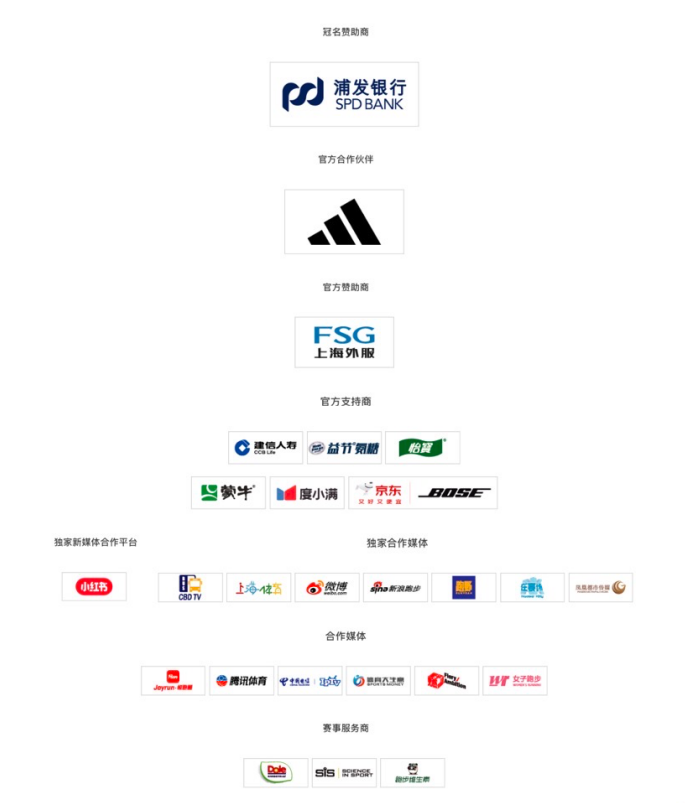
Core Insights - The 2025 Shanghai Half Marathon has become a significant platform for brand marketing, with numerous companies sponsoring the event to leverage its visibility and reach [1][3][5] - The event is part of a broader trend in China where marathons are increasingly popular, attracting a growing number of participants and sponsors [4][6][10] Group 1: Event Overview - The 2025 Shanghai Half Marathon featured 15,000 participants and numerous sponsors, including major brands like Pudong Development Bank and Adidas [1][3] - April 20 marked a peak day for marathons in China, with nearly 50 events occurring nationwide, highlighting the growing popularity of the sport [3][10] Group 2: Sponsorship Dynamics - The sponsorship landscape for marathons includes various levels, with costs ranging from 100,000 to over 1 million yuan depending on the event's scale and location [8][9] - Major brands are increasingly investing in marathon sponsorships as a strategic move to enhance brand visibility and engage with consumers [5][6] Group 3: Economic Impact - Marathons not only generate direct revenue from registration fees but also stimulate local economies through increased spending on accommodation, food, and transportation by non-local participants [10][12] - For instance, the 2025 Wuxi Marathon attracted 84.2% of participants from outside the region, contributing approximately 505 million yuan to the local economy [12] Group 4: Market Trends - The number of participants in marathons is on the rise, with the 2025 Shanghai Half Marathon seeing a significant increase in registrations compared to previous years [4][6] - The trend indicates a shift in consumer behavior, with more individuals participating in running events, thus creating a lucrative market for brands targeting this demographic [4][5]
泡泡玛特股价再创新高!恒生消费ETF(159699)早盘强势翻红,“五一”长假或将催化消费热度
Sou Hu Cai Jing· 2025-04-28 03:33
Group 1 - The core point of the article highlights the significant rise of Pop Mart's app, which reached the top of the US App Store shopping chart for the first time, leading to a surge in its stock price and market capitalization [1] - On April 28, Pop Mart's stock price increased by over 13%, reaching 195 HKD, with a market value exceeding 260 billion HKD, and a year-to-date increase of over 110% [1] - The Hang Seng Consumer ETF saw a rise of 0.32% on the same day, with Pop Mart being a significant contributor to this increase, alongside other consumer stocks [1] Group 2 - The report from Guotai Junan Securities indicates that the upcoming May Day holiday is expected to drive consumer spending, with an estimated daily cross-regional flow of over 270 million people [4] - The Central Political Bureau's meeting emphasized that service consumption could become a crucial engine for domestic demand recovery, with short-term policies boosting travel and long-term trends indicating an upgrade in service consumption structure [4] - The Hang Seng Consumer ETF (159699) is positioned to benefit from new consumption stimulus policies, focusing on four major sectors: food and beverages, textiles and apparel, household appliances, and tourism and leisure facilities [5][6]

中泰国际每日晨讯-20250428
ZHONGTAI INTERNATIONAL SECURITIES· 2025-04-28 02:16
Market Overview - The Hong Kong stock market continued its rebound, with the Hang Seng Index rising 2.7% to 21,980 points last week, although it did not stabilize above the 22,000-point mark. The average daily trading volume increased to HKD 238.9 billion, indicating a recovery in capital activity [1] - The Hang Seng Tech Index only increased by 2.0% and failed to break the psychological barrier of 5,000 points, reflecting insufficient recovery momentum in the technology sector [1] - The healthcare and information technology sectors saw significant gains of 8.4% and 6.0%, respectively, while essential consumer goods and telecommunications sectors declined, indicating a rebalancing of funds between policy expectations and risk aversion [1] Economic Policy Insights - The April Politburo meeting maintained policy consistency, emphasizing that "early policy implementation leads to early effects," including accelerated issuance of special bonds and the implementation of long-term special government bonds [2] - The market outlook will depend on two key variables: progress in US-China tariff negotiations and the pace of domestic special bond issuance along with adjustments in real estate policies [2] Industry Dynamics - The Hang Seng Healthcare Index surged 8.9%, significantly outperforming the Hang Seng Index, driven by innovative pharmaceutical companies such as Kangfang (9926 HK), Xinda (1801 HK), and Rongchang (9995 HK) [3] - Kangfang Biotech's (9926 HK) drug, Idataf, received approval for a broader indication in treating non-small cell lung cancer, which is expected to positively impact sales [3] - Rongchang Biotech (9995 HK) reported a good operational performance in Q1, with expectations of a reduction in sales expense ratio by 2025 and a decrease in net losses for shareholders [3] Strategic Recommendations - The report suggests focusing on defensive sectors and policy catalysts, including high-dividend assets from state-owned enterprises, infrastructure-related sectors, and essential consumer goods benefiting from policy stimuli [12] - Monthly stock recommendations include Alibaba-W (9988 HK), China Resources Beverage (2460 HK), and others, indicating a focus on companies with stable earnings and growth potential [12]
乳业下行周期,新乳业靠低温奶扛住压力
Hua Er Jie Jian Wen· 2025-04-27 11:23
Core Viewpoint - The company, New Dairy Industry (002946.SZ), has demonstrated a better market performance than the industry average despite the overall downturn in the dairy sector, particularly through its focus on low-temperature milk products. Group 1: Financial Performance - In 2024, the company's revenue is projected to be 10.665 billion yuan, reflecting a slight decline of 2.93%, while the dairy product segment still achieved a growth of 0.83% [2] - The overall sales of dairy products across all channels fell by 2.7% in the past year, with major competitors like Mengniu (2319.HK) and Yili (600887.SH) experiencing revenue declines exceeding 10% and 12% respectively in their liquid milk segments [4] - New Dairy Industry achieved a net profit of 538 million yuan, marking a year-on-year increase of 24.8%, attributed to a higher proportion of low-temperature milk and declining raw milk costs [4] Group 2: Market Dynamics - The low-temperature milk segment has seen its penetration rate increase from 23% in 2020 to 41% in 2024, with nearly 60% of households in first-tier cities purchasing fresh milk more than twice a week [8] - Over half of New Dairy Industry's revenue comes from low-temperature products, capitalizing on the growth opportunities in this niche market [9] - The company has experienced a rise in gross margin to 28.36%, an increase of 3.8 percentage points over the past four years, driven by a higher proportion of high-margin products [12] Group 3: Competitive Landscape - The low-temperature milk market remains competitive, with no clear leader, as major brands are rapidly expanding their market shares [13] - In the second half of 2024, Guangming (600594.SH) is expected to catch up to Yili in market share, while Mengniu's high-end low-temperature brand "Daily Fresh" is gaining traction through aggressive marketing [14] - Price wars are looming, putting pressure on New Dairy Industry's mid-to-high-end products, as promotional expenses increased by 100 million yuan, while revenue growth for the "24-hour" series slowed from 40% to 15% year-on-year [15] Group 4: Strategic Initiatives - New Dairy Industry has pursued a national expansion strategy through acquisitions, having spent over 3.3 billion yuan on acquisitions since its listing, which has allowed it to operate 15 sub-brands [24][25] - The company is now focusing on "internal growth" and aims for a compound annual growth rate of double digits and a 10% reduction in debt ratio over the next five years [30] - The company plans to enhance operational quality in existing businesses while remaining open to acquisition opportunities, particularly in the growing low-temperature milk markets in second and third-tier cities [31]

“老鼠人”失眠简史:3亿特困生如何造就千亿睡眠经济?
3 6 Ke· 2025-04-22 10:36
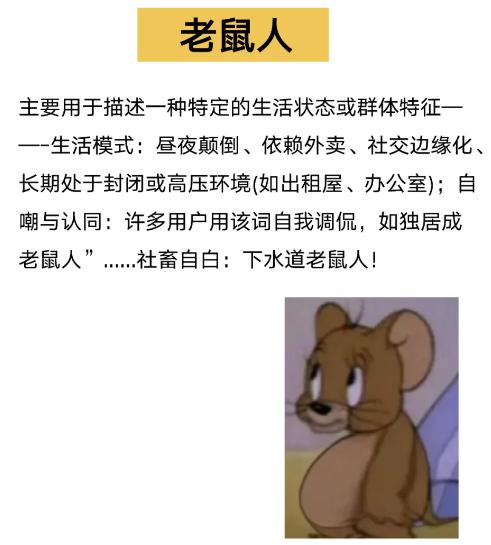
Core Insights - The article highlights the growing phenomenon of sleep deprivation and its impact on society, particularly among younger generations, leading to the emergence of a multi-billion dollar sleep economy [1][3][4]. Group 1: Sleep Crisis - Over 300 million people in China suffer from sleep disorders, with an insomnia rate of 38.2% among adults, indicating that one in three individuals struggles with sleeplessness [7][21]. - Major cities like Beijing, Shanghai, and Guangzhou are identified as "insomnia hotspots," with average sleep durations falling below 6.5 hours, significantly lower than the international health standard of 7-9 hours [7][21]. - The collective sleep deprivation is exacerbated by both voluntary late-night activities and involuntary insomnia, creating a cycle of anxiety and fatigue [10][20]. Group 2: Sleep Economy Growth - The sleep economy in China reached nearly 500 billion yuan in 2023, with an annual growth rate of 86%, and is projected to exceed 1 trillion yuan by 2030 [21][24]. - The consumer base for sleep-related products has grown by 23% from 2019 to 2023, with average spending per person increasing by 20% and the number of purchases rising by 29% [21][24]. - Traditional sleep aids like bedding and sleep masks remain popular, while innovative products such as smart mattresses and sleep monitoring devices are gaining traction [29][51]. Group 3: Consumer Preferences - Among consumers experiencing sleep issues, 64% opt for home textiles and bedding products to improve their sleep environment, indicating a sustained demand for basic sleep solutions [27]. - The market for smart sleep products is expanding rapidly, with a projected annual growth rate of 30%, potentially reaching 200 billion yuan by 2030 [51]. - Different generations exhibit varying preferences for sleep aids, with older generations favoring supplements and younger consumers gravitating towards smaller sleep products like eye masks and aromatherapy candles [42]. Group 4: Innovative Solutions - The rise of smart sleep technology, including AI-driven sleep monitoring and environment-adjusting devices, is redefining how consumers approach sleep quality [51][58]. - Despite the potential of smart sleep products, concerns remain regarding their accuracy and effectiveness compared to traditional medical devices [58][61]. - The emergence of new roles such as "sleep coaches" reflects the growing market for personalized sleep solutions, indicating a willingness among consumers to invest in various methods to achieve better sleep [44][50].
港股周报-2025-04-02
BOCOM International· 2025-04-02 06:52
Market Strategy - The report emphasizes a balanced allocation strategy, suggesting that investors should wait for opportunities for elastic rebounds after recent market pressures due to tariff policies and economic uncertainties [2][4]. - The report highlights that the market is currently lacking a clear narrative, leading to divergent capital flows and a technical adjustment in the Hang Seng Technology Index, which has fallen over 10% from its peak [4][5]. - The anticipated announcement of new tariffs by the U.S. is expected to include global tariffs as high as 20%, impacting all trade partners and increasing global risk aversion [4][5]. Sector Performance - The healthcare sector has shown resilience, with pharmaceutical companies experiencing upward momentum due to strong earnings, particularly in CDMO/CMO companies with significant overseas revenue [7][21]. - The materials sector has benefited from a rotation of funds into high-dividend stocks, with coal stocks seeing gains amid declining risk sentiment in technology and consumer sectors [7][21]. - The consumer sector is exhibiting structural trends, with companies like Pop Mart reporting strong earnings growth, while others like Miniso have seen stock price declines following underwhelming performance [7][21]. AI and Technology Developments - OpenAI and Alibaba have made significant updates to their AI models, enhancing multi-modal capabilities that integrate text, images, audio, and video, which are expected to drive commercial applications [10][16]. - The report notes that the AI infrastructure and cloud computing service providers are entering a valuation reconstruction phase, particularly in the context of domestic chip design companies benefiting from localization trends [7][10]. Consumer Sector Insights - The optional consumer sector has outperformed the necessary consumer sector in terms of profit growth, with a reported net profit increase of 39.4% compared to a decline of 2.76% for necessary consumer goods [21][32]. - Companies in the optional consumer sub-sector, such as Pop Mart, have reported significant revenue growth, with a 106.9% increase in annual revenue, driven by strong performance in overseas markets [35][36]. - The necessary consumer sector is under pressure, but there are expectations for marginal improvements as consumption stimulus policies are implemented in 2025 [32][35]. Market Overview - The Hong Kong stock market has experienced a continued pullback, particularly in the technology sector, with valuations nearing the highs of October 2024 [40][54]. - The report indicates that the risk premium for the Hang Seng Index has rebounded, reflecting a shift in market sentiment and a potential opportunity for investors [54][60]. - The report also highlights that the overall market momentum has weakened, with most sectors entering a lagging phase, except for optional consumer and healthcare sectors which are showing improvement [69][70].
“零添加”成调味乳品零食等营销卖点!海天、金龙鱼等回应
Nan Fang Du Shi Bao· 2025-03-29 10:42
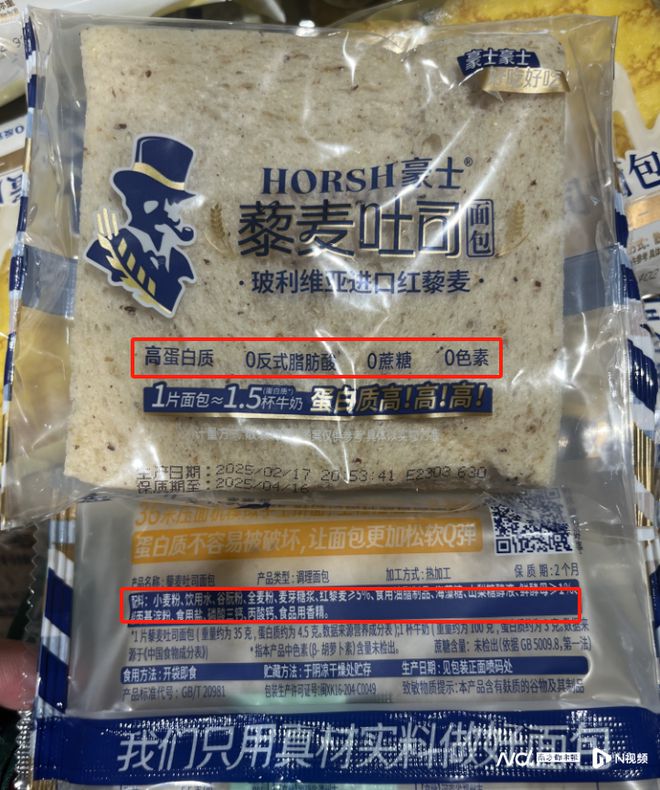
Core Viewpoint - The new food safety standards prohibit the use of terms like "zero added" and "not added" on pre-packaged foods, aiming to address misleading marketing practices in the industry. The implementation date is set for March 16, 2027, allowing companies a two-year transition period to comply [1][2][11]. Group 1: New Regulations - The newly released standards include 59 food safety national standards and amendments, specifically targeting misleading marketing language in pre-packaged food labeling [2][11]. - The revised GB 7718-2025 standard explicitly bans terms synonymous with "not added," such as "zero added" and "no added," to prevent consumer misunderstanding [2][13]. Group 2: Industry Response - Companies like Haidilao, Jinlongyu, and Qianhe have expressed support for the new regulations, indicating a commitment to comply and improve transparency in product labeling [11][12]. - The new regulations are expected to shift the industry focus from "label marketing" to "quality competition," encouraging companies to enhance product development and quality [11][12][14]. Group 3: Marketing Practices - Many brands, including Hao Shi and Wei Chuan, have been found to label products as "zero added" while containing other sugars or additives, highlighting the prevalence of misleading marketing in the industry [3][4][6]. - The dairy sector also sees widespread use of "zero added" claims, with brands like Nayuki and Mengniu promoting products as "zero sugar" or "zero fat," despite containing other forms of sugar [6][7]. Group 4: Consumer Misunderstanding - The marketing of "not added" products has created consumer misconceptions about the safety and quality of food products, leading to increased anxiety over the use of food additives [13][14]. - Experts argue that the new regulations will help consumers return to a more scientifically informed understanding of food safety, reducing the confusion caused by misleading claims [13][14].