
万辰集团

Search documents
开源晨会-20250716
KAIYUAN SECURITIES· 2025-07-16 14:45
Group 1: Macro Economic Overview - Q2 2025 GDP shows resilience with a year-on-year growth of 5.2%, supported by export gains offsetting construction sector drag [3][4][9] - The industrial production in June increased by 1.0 percentage points to 6.8% year-on-year, while the service sector remained stable [3] - The disposable income growth for residents slightly decreased to 5.4%, with consumer spending showing marginal recovery [4] Group 2: Consumer Market Insights - June retail sales growth slowed to 4.8% year-on-year, impacted by the timing of the 618 shopping festival and regional subsidy controls [20][21] - The contribution of "trade-in" spending to retail sales has diminished, with June's trade-in spending progress estimated at 54% [5] - The food and beverage sector is expected to benefit from potential policy support for domestic consumption, particularly in the liquor segment [20][25] Group 3: Industry Specific Analysis - The food and beverage industry is experiencing a slowdown in retail sales growth, with a focus on top liquor brands for strategic investment [20][25] - The machinery sector, particularly 隆盛科技, is positioned for growth with a projected revenue of 2.24 billion yuan in 2024, driven by its EGR systems and electric motor components [31][32] - The company is expanding into humanoid robotics, leveraging its precision manufacturing capabilities and established client relationships with major automotive players [33] Group 4: Investment Recommendations - The report suggests focusing on high-quality companies in the "emotional consumption" theme, particularly in gold jewelry, offline retail, cosmetics, and medical aesthetics [29][30] - Specific recommendations include leading brands in the liquor industry and innovative companies in the snack sector, which are expected to maintain strong growth [23][25]
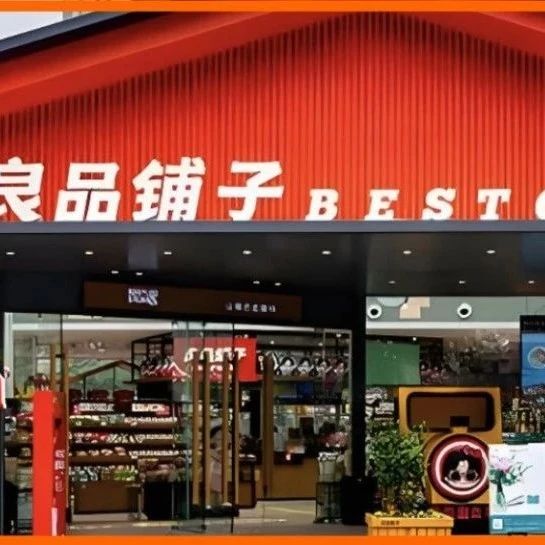
巨亏超7500万!“高端零食第一股”,也要卖了
凤凰网财经· 2025-07-16 13:58
Core Viewpoint - The snack industry is experiencing a recovery period, leading to valuation restoration for leading companies and increased capital market activity, indicating a new round of industry reshuffling [1]. Group 1: Company Performance - Wancheng Group, which started with edible fungi, entered the mass snack market in 2022 and has seen revenue growth from 549 million to 32.33 billion from 2022 to 2024, with net profit rising from 47.73 million to 294 million [1]. - The stock price of Wancheng Group has surged over 1100% since mid-2024, with a market capitalization exceeding 30 billion [1]. - In contrast, Liangpin Shop, known as the "first high-end snack stock," has faced significant performance declines since its IPO in 2020, with revenues dropping from 78.94 billion in 2020 to an estimated 7.16 billion in 2025 [10][12]. Group 2: Financial Challenges - Liangpin Shop's net profit is projected to be between -105 million and -75 million for the first half of 2025, reflecting ongoing financial struggles [7][14]. - The company attributes its losses to product price adjustments, a decline in store numbers, and increased online channel costs, leading to a drop in sales scale and net profit [9]. - The overall financial performance of Liangpin Shop has deteriorated, with a 29.34% revenue decline in Q1 2025 compared to the previous year [12]. Group 3: Strategic Shifts - Liangpin Shop has attempted to reverse its declining performance by significantly reducing product prices, with an average price cut of 22% across over 300 products, the largest since 2017 [15]. - Despite these efforts, the price cuts have not led to a recovery in profits, indicating deeper issues related to supply chain efficiency and product iteration speed [17]. - The shift towards a "cost-performance" strategy may signal a departure from its high-end positioning, which could further impact its brand perception and market competitiveness [17]. Group 4: Ownership and Control Changes - The potential change in control at Liangpin Shop is highlighted by the announcement of significant shareholder actions, including the possible transfer of control by the major shareholder, Ningbo Hanyi [3][20]. - Frequent changes in leadership, including the resignation of key figures and the appointment of new management, suggest instability within the company [18][19]. - The ongoing decline in performance and management turnover raises concerns about the company's competitive position in the recovering snack industry [21].


2025年中期食品饮料行业投资策略报告:政策与新趋势共振,把握结构性机会-20250716
Wanlian Securities· 2025-07-16 09:39
Group 1 - The food and beverage sector experienced a decline in performance and stock prices in the first half of 2025, with revenue growth of 2.46% and net profit growth of 0.28%, both significantly lower than the previous year [1][16] - The food and beverage sector's stock price fell by 7.33%, ranking second to last among 31 sectors in the first half of 2025, with the liquor segment being particularly hard hit [1][26] - The current PE valuation percentile for the food and beverage sector is at 7.26%, indicating a historical low [1][35] Group 2 - Macroeconomic policies aimed at boosting domestic consumption are crucial for achieving GDP growth targets, with a comprehensive consumption promotion plan issued on March 16, 2025 [2] - The Chinese consumption market is witnessing three concurrent trends: rational consumption, emotional consumption, and health-oriented consumption, which are driving changes in the industry [2] - Rational consumption is characterized by a preference for high-quality, low-cost products, leading to rapid growth in discount retail [2] Group 3 - In the beverage segment, energy drinks are experiencing significant growth, with a projected compound annual growth rate of 10.2% from 2024 to 2029 [3] - The snack food sector is seeing growth driven by channel restructuring and product innovation, with new retail formats like bulk snack stores emerging [3] - The health supplement industry is benefiting from increased health awareness among consumers, leading to structural investment opportunities [3] Group 4 - The beer sector is expected to see marginal improvements due to cost reductions and a recovery in mid-to-high-end beer demand driven by restaurant recovery and sports events [8] - The condiment sector is benefiting from continued cost advantages and a growing demand for compound and health-oriented products [8] - The dairy sector is showing signs of cost stabilization, with a potential easing of price wars expected in 2025 [8] Group 5 - The liquor industry is currently in a phase of inventory destocking, with performance under pressure and a prolonged destocking cycle anticipated due to recent "alcohol bans" [8] - The performance of mid-range and mass-market liquor is expected to be relatively better, as they gain favor in a rational consumption environment [8] - The liquor sector is projected to be in a bottoming phase, with low valuations and high dividends providing strong support for stock prices [8]
6月社零增速环比放缓,内需消费仍待提振
KAIYUAN SECURITIES· 2025-07-16 06:16
Investment Rating - The industry investment rating is "Overweight" [1] Core Viewpoints - The report highlights that the food and beverage sector is expected to benefit from potential domestic policy adjustments and a recovery in consumer demand in the second half of the year [3][4] - The report suggests strategic positioning in leading liquor companies due to their low valuation and favorable market conditions [3][6] - The snack food segment shows strong growth potential, driven by product innovation and emerging sales channels [6] Summary by Sections Industry Overview - The food and beverage sector is currently experiencing a slowdown in retail sales growth, with June 2025 retail sales increasing by 4.8% year-on-year, a decrease of 1.6 percentage points from May [4][8] - The report notes that the decline in consumer spending on dining and discretionary items has impacted overall sales performance [4][5] Liquor Sector - The liquor industry is in a bottoming phase, with consumption scenarios limited by recent policy changes and promotional activities affecting pricing [6] - The report recommends focusing on top liquor brands such as Kweichow Moutai, Luzhou Laojiao, and Shanxi Fenjiu for potential investment opportunities [3][6] Snack Food Sector - The snack food segment, particularly products like konjac, is experiencing robust growth due to health trends and diverse flavor offerings [6] - The report emphasizes the importance of identifying quality companies in the snack food sector that align with industry development trends for long-term investment [3][6]



新消费洞察系列一:关于新消费业态的思考
GOLDEN SUN SECURITIES· 2025-07-16 05:20
Investment Rating - The report rates the stock of Beilingsong as "Accumulate" with projected EPS of 0.12 in 2024 and increasing to 0.93 by 2027, indicating a significant growth potential [5]. Core Insights - The service retail sector in China is poised for substantial growth, with a market size reaching 7 trillion yuan, driven by digitalization and changing consumer preferences [21][26]. - The report emphasizes the necessity for offline retail to adapt to the challenges posed by e-commerce, highlighting the importance of unique value propositions and customer experiences [27][32]. - Successful new consumption models must focus on high customer unit prices and integrate products with services to enhance consumer engagement and brand loyalty [2][3]. Summary by Sections Service Retail: A Trillion-Yuan Blue Ocean - China's service retail development level is relatively low, with a GDP contribution of only 56.7% in 2024, compared to 60%-80% in developed countries [10][13]. - The per capita service consumption expenditure in China is projected to reach 46.1% of total consumption in 2024, indicating significant room for growth [10][21]. - The rise of digital platforms has transformed consumer experiences, leading to an exponential increase in service retail market size [25][26]. Offline Retail: Challenges and Breakthroughs - Offline retail faces significant challenges due to e-commerce competition, leading to high fixed costs and product homogenization [27][32]. - Retail models that can achieve high gross margins and customer loyalty are more likely to succeed in the current market [33][36]. New Players in Service Retail - New retail players are emerging by focusing on niche markets and addressing unmet consumer needs, such as the rise of beauty and wellness services [38][39]. - Companies like Xila and Beilingsong are leveraging standardized service models and clear franchise systems to facilitate rapid expansion [46][49]. Key Company Analysis - Beilingsong is transitioning its business model to include both technology products and quick-effect massage services, aiming to enhance customer experience and brand loyalty [4]. - Xila is expanding into scalp care, leveraging its strong brand and supply chain capabilities to become a preferred service provider for families [4].

浙商证券浙商早知道-20250716
ZHESHANG SECURITIES· 2025-07-15 23:30
Market Overview - On July 15, the Shanghai Composite Index fell by 0.42%, while the CSI 300 rose by 0.03%, the STAR 50 increased by 0.39%, the CSI 1000 decreased by 0.3%, and the ChiNext Index rose by 1.73%. The Hang Seng Index increased by 1.6% [4] - The best-performing sectors on July 15 were telecommunications (+4.61%), computers (+1.42%), electronics (+0.79%), home appliances (+0.59%), and automobiles (+0.58%). The worst-performing sectors were coal (-1.92%), agriculture, forestry, animal husbandry, and fishery (-1.62%), utilities (-1.6%), textiles and apparel (-1.55%), and beauty and personal care (-1.53%) [4] - The total trading volume for the A-share market on July 15 was 16,350.05 billion yuan, with a net inflow of 3.824 billion Hong Kong dollars from southbound funds [4] Important Recommendations Company: Xuguang Electronics (600353) - The company is a leading domestic supplier of vacuum devices, with growth potential in controlled nuclear fusion and electronic materials [5] - Key points include being a top supplier of megawatt-level electronic tubes, with the DB967 tube applicable in nuclear fusion, and having leading domestic capacity in aluminum nitride, which may alleviate supply chain constraints [5] - Revenue projections for 2025-2027 are 1,953.40 million yuan, 2,390.02 million yuan, and 3,033.57 million yuan, with growth rates of 23.13%, 22.35%, and 26.93% respectively. Net profit forecasts are 166.93 million yuan, 208.79 million yuan, and 274.04 million yuan, with growth rates of 62.89%, 25.08%, and 31.25% respectively [5] Company: Wancheng Group (300972) - The company is positioned as a pure player in the hard discount sector and is the only listed company in the bulk snack market, with strong scale advantages and bargaining power [6] - The company operates over 15,000 stores, which enhances its bargaining power within the supply chain. As subsidy expenses decrease, there is potential for improved net profit margins [6] - Revenue forecasts for 2025-2027 are 54,008 million yuan, 64,250 million yuan, and 73,350 million yuan, with growth rates of 67.06%, 18.96%, and 14.16% respectively. Net profit projections are 936 million yuan, 1,292 million yuan, and 1,602 million yuan, with growth rates of 218.81%, 38.03%, and 24.06% respectively [7]
大众品Q2业绩前瞻及中期策略报告:新消费重构投资范式,传统消费循势待时-20250715
ZHESHANG SECURITIES· 2025-07-15 11:48
Group 1 - The report emphasizes the reconstruction of investment paradigms in the food and beverage sector, driven by new consumption trends that focus on emotional value, health, and technological innovation [1][14][30] - The new consumption paradigm is characterized by a shift from traditional consumption frameworks to a model that prioritizes innovative supply and new demand creation through quality offerings [1][14][35] - The report identifies three main consumption trends: rational quality consumption, emotional value self-consumption, and technological iteration innovation [1][14][30] Group 2 - The analysis of sub-sectors indicates that traditional leaders in beer, dairy, and condiments should be evaluated through traditional consumption frameworks, while new consumption-driven sectors like snacks, tea drinks, and health products require a bottom-up approach to identify explosive changes [2][35] - In the snack sector, companies with category dividends and new channel expansions are expected to perform well, with projected revenue growth rates for various companies in Q2 2025 [4][36] - The soft drink sector shows differentiated performance across segments, with energy drinks and ready-to-drink tea expected to grow, while traditional segments face challenges [4][37] Group 3 - The dairy sector is anticipated to have stable revenue in Q2 2025, with a focus on profit elasticity once raw milk prices stabilize [4][38] - The tea drink market is experiencing high growth driven by the delivery battle, with key players like Mixue Group and Cha Bai Dao expected to thrive in the mid-price segment [4][41] - The health product sector is seeing a concentration in the B-end market, while the C-end market requires attention to high-growth single products [4][39] Group 4 - Investment recommendations include companies that align with new consumption trends, such as Wei Long, Yili, Wanchen Group, and others, indicating a focus on long-term growth opportunities despite short-term adjustments [6][35] - The report highlights the importance of supply chain optimization and product innovation for brands to remain competitive in the evolving retail landscape [30][33]
中证1000可选消费指数报4595.61点,前十大权重包含万辰集团等
Jin Rong Jie· 2025-07-15 08:49
Group 1 - The core index of the A-share market, the CSI 1000 Consumer Discretionary Index, closed at 4595.61 points, showing mixed performance among the three major indices [1] - The CSI 1000 Consumer Discretionary Index has increased by 2.41% in the past month, 5.35% in the past three months, and 4.51% year-to-date [2] - The CSI 1000 index series selects liquid and representative securities from each industry to form 10 industry indices, providing investors with diversified investment options [2] Group 2 - The top ten holdings of the CSI 1000 Consumer Discretionary Index include: Silver Wheel Holdings (3.34%), Longxin General (2.85%), Shuanglin Shares (2.65%), Qianli Technology (2.61%), Wancheng Group (2.53%), Fulim Precision (2.27%), Kids Wang (1.93%), Weifu High-Tech (1.92%), Huamao Technology (1.86%), and Jihua Group (1.80%) [2] - The market capitalization distribution of the CSI 1000 Consumer Discretionary Index shows that the Shenzhen Stock Exchange accounts for 60.41%, while the Shanghai Stock Exchange accounts for 39.59% [2] - The industry composition of the CSI 1000 Consumer Discretionary Index includes: Passenger vehicles and parts (54.82%), Durable consumer goods (15.94%), Retail (14.06%), Textiles, clothing, and jewelry (10.36%), and Consumer services (4.82%) [2] Group 3 - The index sample is adjusted every six months, with adjustments implemented on the next trading day after the second Friday of June and December each year [3] - In special circumstances, the index may undergo temporary adjustments, such as when a sample company is delisted or undergoes mergers, acquisitions, or splits [3] - When the CSI 1000 index adjusts its samples, the corresponding adjustments will also be made to the CSI 1000 industry indices [3]
万辰集团(300972):从草根观察看量贩零食扩品类之路
Xin Lang Cai Jing· 2025-07-15 00:49
Core Viewpoint - The company is positioned as the purest player in the hard discount sector, being the second-largest listed company in the bulk snack industry, with strong scale effects and bargaining power, indicating promising growth potential through store expansion and category diversification [1][4]. Industry Trends - The offline retail sector is undergoing significant transformation, with the expansion of bulk snack categories being a necessary choice for industry development. The industry has entered a duopoly competition landscape, making it difficult for new entrants to disrupt the competitive dynamics [2]. - The bulk snack category features high gross margins and impulsive consumer behavior, with average transaction values typically ranging from 20 to 30 yuan, making it challenging to exceed 100 yuan [2]. - The discount retail format currently accounts for only about 4% of the market in China, compared to over 40% in Europe and more than 20% in the U.S., indicating substantial room for growth [2]. Company Strategy - The company plans to expand into categories such as trendy toys, frozen products, baked goods, and marinated foods, which are expected to become important growth directions. The strategy includes enhancing consumer stickiness through a "high-frequency drives low-frequency" approach and addressing management challenges associated with high-frequency categories [2][3]. - The company aims to launch the "Trendy Toy 630 Plan" to broaden its trendy toy product pool and upgrade the display of trendy toy shelves, focusing on high efficiency and differentiated offerings [3]. Financial Projections - Revenue forecasts for 2025-2027 are set at 54 billion, 64.3 billion, and 73.4 billion yuan, with net profits of 936 million, 1.292 billion, and 1.602 billion yuan, reflecting growth rates of 219%, 38%, and 24% respectively. The current stock price corresponds to a PE ratio of 33 and 24 for 2025 and 2026, respectively, suggesting significant potential for market capitalization growth [5]. Investment Recommendations - The company is recognized for its scale, first-mover advantage, and management capabilities, with over 15,000 stores enhancing its bargaining power within the supply chain. As subsidy expenses decrease, there is potential for net profit margin improvement [4].
万辰集团(300972):从草根观察看量贩零食扩品类之路
ZHESHANG SECURITIES· 2025-07-14 13:37
Investment Rating - The report maintains a "Buy" rating for the company [4]. Core Views - The company is considered the purest player in the hard discount sector and is the only listed company in the bulk snack market, possessing scale, first-mover, and management advantages. The company has over 15,000 stores, strong bargaining power in the supply chain, and potential for improved net profit margins as subsidy costs decrease. Additionally, the bulk snack stores effectively meet the consumption needs of lower-tier markets, allowing for continuous category expansion and significant growth potential [2][3][4]. Financial Forecast and Valuation - The revenue forecasts for 2025-2027 are 540 billion, 643 billion, and 734 billion yuan, respectively, with net profits of 9.36 billion, 12.92 billion, and 16.02 billion yuan, reflecting growth rates of 219%, 38%, and 24%. The current stock price corresponds to a PE ratio of 33 and 24 for 2025 and 2026, respectively, indicating substantial room for market capitalization growth due to the company's rarity and growth potential [3][4]. Category Expansion - The company is transitioning from a "snack+" model to a "discount supermarket" model, driven by the need to address the challenges of scale inefficiency and low-price competition in the retail sector. The bulk snack channel has become a significant player in the snack category, with expectations of revenue exceeding 500 billion yuan by 2025. The industry is moving towards a dual oligopoly competition structure, where leading companies have a competitive edge due to their scale and first-mover advantages [12][13][14]. Consumer Demand and Market Position - The bulk snack channel meets consumer demands for "more, faster, better, and cheaper," with a typical customer price point of 20-30 yuan. The channel's products are priced at 70-80% of those in other channels, making it an attractive option for consumers. The company aims to leverage its scale and bargaining power to capture market share in lower-tier cities [15][16][20]. Store Experience and Product Offering - The company's stores are designed to enhance consumer experience, featuring clear product area divisions and engaging layouts that encourage deeper exploration of the store. The introduction of diverse product categories, including fresh food, baked goods, and toys, aims to create a one-stop shopping experience that meets various consumer needs [63][68][70].