奔驰

Search documents
芯片人去德国!一口气看两场行业大展
芯世相· 2025-07-25 10:23
Core Viewpoint - The article emphasizes the importance of understanding market trends, regional regulations, and technological advancements for companies in the semiconductor industry looking to expand overseas, particularly in Europe. Group 1: Overview of the Business Trip - The trip aims to explore the European electronics sector, focusing on two major exhibitions: IFA and IAA, to understand the real demands and development directions in consumer and automotive electronics [1][2]. - The IFA exhibition, one of the largest in the world, attracted over 1,800 exhibitors and more than 210,000 visitors from 138 countries in its last edition, with artificial intelligence being a key theme [2]. - The IAA exhibition, a critical event in the global automotive industry, had 750 exhibitors from 38 countries and over 500,000 visitors, covering the entire automotive supply chain [2]. Group 2: Activities and Engagements - The trip includes organizing industry salons and visits to renowned companies and universities, allowing participants to connect with local resources and industry experts [4][5]. - Previous trips to Germany in 2018 and 2023 have built a strong resource network and experience, enhancing the relevance and effectiveness of the current itinerary [7][9]. Group 3: Itinerary Highlights - The itinerary includes visits to five key German cities: Berlin, Leipzig, Dresden, Stuttgart, and Munich, each representing significant industrial characteristics [5]. - Participants will visit the Mercedes-Benz factory in Stuttgart, which has over 35,000 employees and an annual production capacity of 367,000 vehicles [15]. - The trip will also feature visits to local companies such as Nexperia and Fraunhofer, which are leaders in the semiconductor and research sectors, respectively [18].


乘用车专题:复盘丰田高端化,对比亚迪有何启示
Tianfeng Securities· 2025-07-25 04:13
Industry Rating - The industry investment rating is maintained at "Outperform" [1] Core Insights - The report analyzes Toyota's high-end transformation and draws parallels to BYD's potential strategies for success in the high-end market [2][3][4] Summary by Sections Toyota's High-End Transformation - Toyota successfully established the Lexus brand in North America by leveraging low trade barriers and addressing the demand for economical luxury cars during the oil crisis [2] - The company invested $1 billion in R&D for the LS 400, producing 450 prototypes and conducting extensive testing to ensure performance and reliability [2][5] - Marketing strategies included the iconic "highball glass" advertisement, which effectively positioned Lexus as a high-quality luxury brand [2][21] - Lexus quickly became the best-selling imported luxury car in North America, surpassing competitors like BMW and Mercedes-Benz within two years of launch [2][24] BYD's High-End Strategy - BYD aims to replicate Toyota's successful high-end strategy by launching the Tengshi Z9 GT in Western Europe, avoiding saturated SUV markets [3][4] - The company plans to establish over 1,000 service outlets across multiple countries within two years, focusing on smart driving features to address local consumer needs [3] - In the domestic market, BYD is introducing models like the Fangchengbao Titanium 7 and Yangwang U8L, which align with consumer preferences for aesthetics and space [3][55] Market Performance Expectations - If BYD can successfully implement a strategy similar to Toyota's, it could capture a significant share of the European luxury market and improve its domestic market position against established brands [4] - The report highlights the importance of technological innovation and differentiated marketing in achieving high-end brand recognition [4][34]


几十万元买的车,中控屏感觉不是自己的,蔚来、奔驰、宝马等都被投诉过
21世纪经济报道· 2025-07-25 02:52
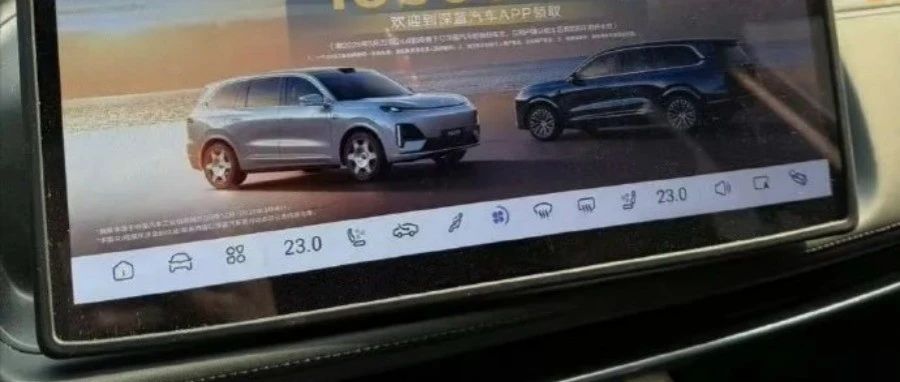
Core Viewpoint - The article discusses the controversy surrounding in-car advertising on digital screens, highlighting the lack of user control and regulatory clarity in the automotive industry [1][6][12]. Group 1: Advertising Controversy - The emergence of in-car advertising has sparked significant backlash from car owners, who feel that they have not consented to such advertisements [1][3]. - A specific incident involving Deep Blue Automotive's pop-up ads has led to complaints from numerous car owners, raising questions about the consent process and the visibility of advertising policies [3][5]. - The automotive display market is projected to grow from $16 billion in 2024 to $48.9 billion in 2034, indicating a lucrative opportunity for advertising [6]. Group 2: User Control and Privacy - Many car owners are now scrutinizing the privacy policies of automotive apps, which often include clauses about advertising and user consent [9][10]. - Users who refuse to accept privacy agreements may lose access to essential vehicle functions, leading to frustration and confusion about ownership rights [10][11]. - Legal experts argue that car owners should have full control over their vehicle's information and advertising content, but the current ecosystem is often closed and lacks transparency [12][14]. Group 3: Regulatory Challenges - The automotive industry is still in the exploratory phase regarding advertising regulations, with significant differences in how companies implement compliance measures [12][14]. - Current regulations for internet advertising do not adequately cover in-car advertising, leading to frequent complaints and confusion among users [16][18]. - The distinction between service notifications and advertisements is often blurred, complicating the consent process for users [17][18]. Group 4: Safety Concerns - The potential for in-car advertisements to distract drivers raises serious safety concerns, with no standardized technical guidelines to prevent such occurrences [18][19]. - The article draws parallels between the early days of smartphone advertising and the current state of in-car advertising, emphasizing the need for clearer regulations to ensure user safety [19].

访华前先制裁中国?冯德莱恩神操作,欧洲网友:她是美国卧底吧
Sou Hu Cai Jing· 2025-07-25 01:03
Group 1 - The core issue is the imposition of a 30% tariff on EU goods exported to the US, which threatens €379 billion of EU exports and could cost each European citizen nearly €1,000 [1][2] - Germany, heavily reliant on exports to the US, faces significant risks, with a potential one-third reduction in profits for car manufacturers like Mercedes and BMW [2][3] - The immediate market reaction saw a €50 billion loss in European stock market value, with the DAX index dropping 2.3% [1][2] Group 2 - Internal discord within the EU is evident, with leaders like German Chancellor Merkel advocating for a softer approach towards the US, while French President Macron pushes for strong countermeasures [3][5] - The EU's trade ministers' meeting highlighted the divisions, resulting in a reduced countermeasure list from €72 billion to €50 billion, showcasing ineffective negotiation [5][6] Group 3 - The EU's relationship with China has deteriorated due to actions taken by Ursula von der Leyen, including sanctions that have led to a projected 40% drop in EU orders from China in 2024 [6][7] - The EU's long-standing dependence on the US has been exacerbated by strategic miscalculations, particularly in energy procurement, leading to higher costs for European consumers [7][8] Group 4 - The geopolitical landscape shows that the EU could have balanced relations among the US, China, and Russia, but has instead aligned closely with the US, jeopardizing access to the Chinese market [9] - Reports indicate that the combination of the US tariffs and worsening EU-China relations could lead to a 1.2% decline in German GDP and potential unemployment for 3 million people [9]
从“雪糕刺客”到破产:那些不把消费者当人的品牌,终被市场抛弃
Sou Hu Cai Jing· 2025-07-24 18:22
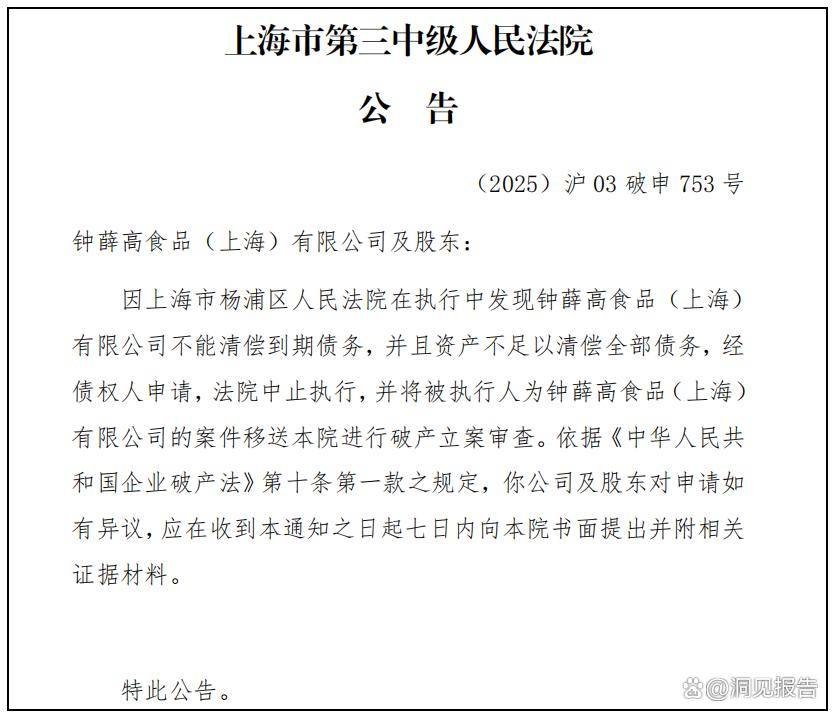
Core Viewpoint - The downfall of Zhong Xue Gao, once a leading high-end ice cream brand, is attributed to its failure to maintain product quality and integrity, leading to a loss of consumer trust and market position [2][4][7] Group 1: Company Performance - Zhong Xue Gao initially achieved significant success, selling ice cream at high prices and generating over 1 billion yuan in sales within a year [2] - The brand's image was severely damaged due to false advertising claims, such as "no added water," which were later proven to be misleading [4] - A viral video showing the ice cream not melting when heated further tarnished the brand's reputation, leading to consumer backlash [4] Group 2: Marketing and Consumer Trust - The founder's focus on marketing over product quality resulted in a disconnect with consumer expectations, particularly regarding health and ingredient transparency [4][5] - The brand's pricing strategy, which placed high-end products alongside cheaper options without clear labeling, contributed to negative consumer experiences and perceptions [4] Group 3: Industry Trends - The challenges faced by Zhong Xue Gao reflect a broader trend in the market where once-prominent brands are struggling due to a lack of respect for consumer needs and market dynamics [5][6] - Other luxury brands, such as BMW, are also experiencing significant sales declines, indicating a shift in consumer preferences towards value and quality over brand prestige [5] - The failure of brands like Zhong Xue Gao serves as a cautionary tale for companies that prioritize short-term gains over long-term consumer trust and product integrity [6][7]
上半年中国车企在欧洲市场份额创新高
Guan Cha Zhe Wang· 2025-07-24 08:38
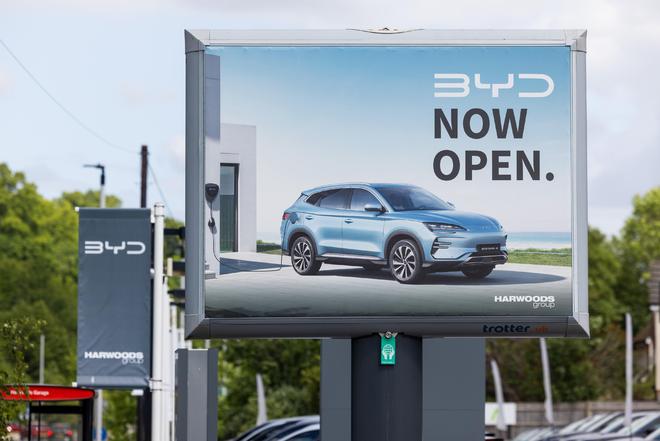
Group 1 - In June 2023, car registrations in Europe totaled 1.25 million, a year-on-year decline of 4.4% [1] - Chinese car manufacturers have made significant progress in the European market, achieving a record market share of 5.1%, nearly doubling from the previous year [1][3] - BYD, along with brands like Jaecoo, Omoda, Leap Motor, and Xpeng, saw substantial growth, with BYD registering 70,500 vehicles in the first half of 2023, a 311% increase year-on-year [3] Group 2 - Stellantis experienced the largest market share decline among major manufacturers, dropping from 16.7% to 15.3% [3] - Tesla's market share fell from 2.4% at the end of last year to 1.6% in the first half of 2023, with the new Model Y failing to meet sales expectations [3] - The registration of pure electric vehicles in Europe reached 1.19 million in the first half of 2023, a 25% increase year-on-year, accounting for 17.4% of the market share [3] Group 3 - Chinese electric vehicles are rapidly capturing market share in Europe, despite the EU imposing tariffs of up to 35.3% on imports from China [4] - The competitive pricing of Chinese electric vehicles has proven resilient against protective measures aimed at supporting European manufacturers [4]

当海外Tier 1开始讲中国故事
芯世相· 2025-07-24 05:52
Core Viewpoint - The article discusses the challenges and transformations faced by Tier 1 automotive suppliers in the context of the electric vehicle (EV) transition, highlighting the shift of R&D and decision-making power to China, as well as the need for these suppliers to adapt to new market dynamics and technologies [5][6][27]. Group 1: Profitability Challenges - Panasonic sold its automotive electronics business to Apollo due to low profit margins, which only contributed 5% to its revenue despite being a significant part of its business [8][11]. - The automotive parts industry is characterized by low profit margins, with an average EBIT margin of 4.7% expected in 2024, and a stark contrast between Chinese suppliers (5.7%) and European suppliers (3.6%) [14][15]. - Major suppliers like Bosch and ZF are facing declining profits, with Bosch's EBIT margin dropping from 7-8% to 3.5%, resulting in a loss of €1.7 billion [14][15]. Group 2: Strategic Shifts and Restructuring - Tier 1 suppliers are restructuring to focus on higher-margin businesses, with ZF splitting its automotive division to concentrate on more profitable areas like tires [14][15]. - The article notes that traditional automakers are increasingly collaborating with new tech firms, leading to a loss of market share for established Tier 1 suppliers [26][27]. - The shift towards electric vehicles requires Tier 1 suppliers to invest heavily in new technologies while maintaining cash flow from existing businesses, creating a challenging balancing act [14][15]. Group 3: Market Dynamics and Competition - The article highlights the rapid growth of China's EV market, which has outpaced traditional automakers in terms of sales and technological advancement [31][35]. - Traditional automakers are adjusting their EV strategies, with many delaying their electric vehicle targets and shifting focus to hybrid models [28][31]. - The competitive landscape is changing, with established Tier 1 suppliers needing to adapt to new entrants and changing consumer preferences in the EV space [35][36].
选择坦克和小米,他们竟有这样的故事
3 6 Ke· 2025-07-24 01:56
Core Insights - The article discusses the evolving attitudes of different generations towards car ownership in China, highlighting a shift from traditional brand loyalty to a focus on personal preferences and emotional value among younger consumers [6][14][19]. Group 1: Market Trends - The automotive market in China is entering a new cycle, with an increase in younger consumers purchasing cars primarily for enjoyment rather than practicality [5][28]. - The number of cars owned in China has significantly increased, with the total reaching 3.52 billion by 2025, indicating a growing trend towards car ownership [26][28]. Group 2: Consumer Behavior - Younger consumers, such as those in their twenties and thirties, prioritize personal interests and emotional satisfaction over brand prestige when choosing vehicles [19][21]. - There is a notable generational divide in car preferences, with older generations favoring established brands and luxury vehicles, while younger buyers are more open to new and less traditional options [14][15][19]. Group 3: Cultural Shifts - The article suggests that the current generation views cars similarly to technology products, focusing on features and personal enjoyment rather than traditional status symbols [19][21]. - The emergence of a distinct automotive culture in China is highlighted, as younger consumers engage in social activities centered around their vehicles, reflecting a shift in how cars are perceived in society [28].
周鸿祎评DeepSeek流量下滑:没花心思,梁文锋一门心思做AGI;影石宣布进军无人机市场;传阿里本周将发布首款自研AI眼镜
雷峰网· 2025-07-24 00:36
Key Points - DeepSeek's user engagement has significantly declined, with monthly downloads dropping from 81.1 million to 22.6 million, a decrease of 72.2% [4] - Alibaba is set to launch its first self-developed AI glasses, integrating various functionalities and aiming to compete in the AI glasses market [6] - Amazon's AI research center in Shanghai has been disbanded, marking a trend of tech giants withdrawing R&D from China [7] - Insta360 has announced its entry into the drone market, planning to launch its own drone brand [8] - Li Auto has committed to a 60-day payment term for suppliers, reflecting its strong cash flow position [17] - JD.com clarified that its new food service, Seven Fresh Kitchen, is not intended to compete with traditional restaurants but to enhance quality dining options [14] - DJI is set to release its first vacuum robot, named "ROMO," on August 6, leveraging its expertise in technology [12] - Mitsubishi has officially exited the Chinese market, ending its partnership in engine manufacturing [25] - Amazon has acquired wearable device manufacturer Bee, which produces an AI-powered wristband [34] - Tesla's first diner in Los Angeles has generated $47,000 in revenue within six hours of opening, with plans for a similar establishment in Shanghai [36]


豪车税突然大调整后,有些品牌2天狂售一个月销量
Xin Lang Cai Jing· 2025-07-24 00:34
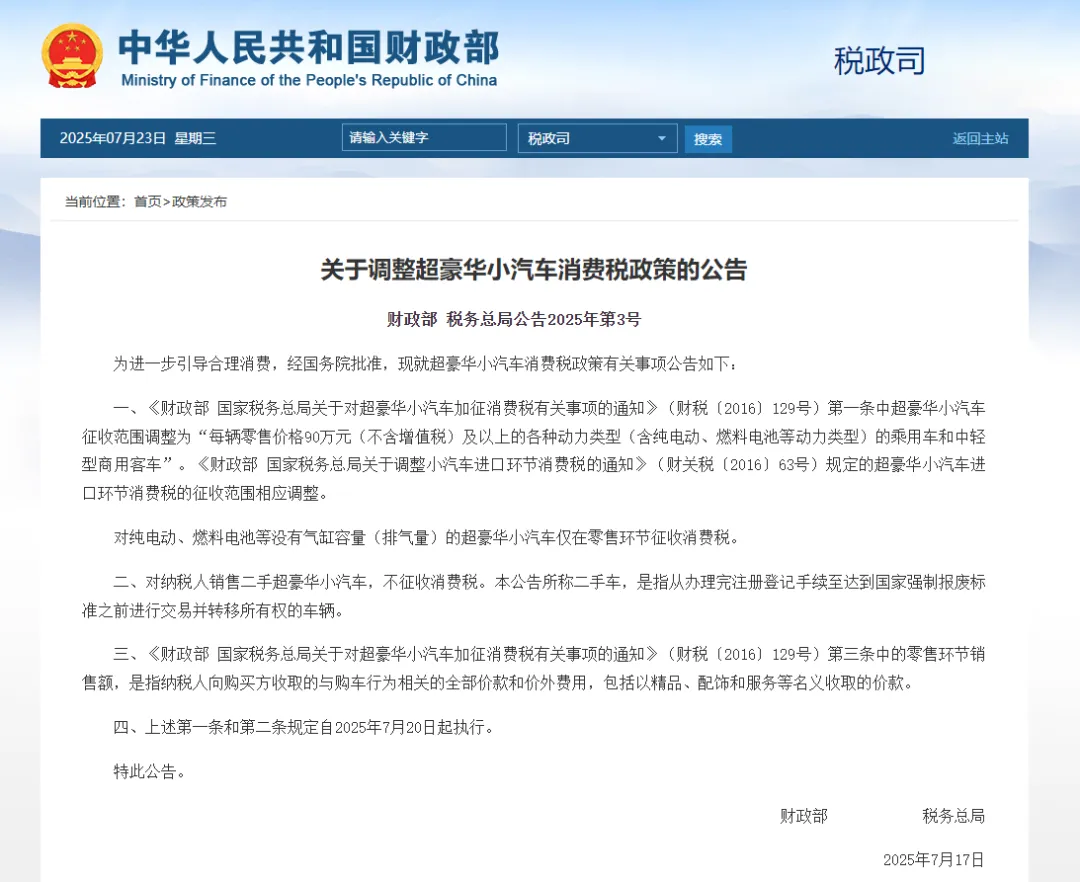
Core Viewpoint - The adjustment of the luxury car consumption tax policy in China aims to guide reasonable consumption and promote energy conservation and emission reduction, with the tax threshold lowered from 1.3 million yuan to 900,000 yuan [1][2][14]. Group 1: Policy Changes - The new tax threshold means that vehicles priced over 900,000 yuan (excluding VAT) will incur a 10% additional consumption tax, significantly impacting the pricing of many luxury models [2][3]. - The previous tax threshold was set at 1.3 million yuan (with an invoice price of 1.469 million yuan), while the new threshold is now 900,000 yuan (with an invoice price of 1.017 million yuan) [2][3]. Group 2: Market Impact - The policy change is expected to reshape the luxury car market, with many popular models now falling under the new tax regime, leading to increased costs for consumers [3][4]. - Sales of luxury cars have been declining, and the new tax policy is likely to exacerbate this trend, as consumer demand shifts towards more affordable and energy-efficient vehicles [6][14]. Group 3: Dealer Reactions - Some dealers, like those selling Porsche, reported a significant drop in sales, with monthly sales figures falling to single digits due to the lack of consumer interest [6]. - Conversely, other dealers, such as those selling Land Rover, experienced a surge in sales immediately following the announcement, with reports of thousands of units sold in just two days [7][9]. Group 4: Long-term Implications - The adjustment of the luxury car consumption tax is seen as the first step in a broader reform of China's automotive tax system, which may lead to a more comprehensive tax structure that includes electric and fuel cell vehicles in the future [14][15]. - The new policy is expected to increase the annual taxable sales of passenger vehicles by over 100,000 units, predominantly from fuel vehicles, while the market structure is gradually shifting towards electric vehicles [15].