
泸州老窖

Search documents
财通证券:食饮板块预期基本处于底部 关注顺周期和强增量两条主线
Zhi Tong Cai Jing· 2025-11-10 02:01
Group 1 - The food and beverage sector is expected to be at the bottom of its cycle, with fundamentals accelerating in Q3, indicating potential investment opportunities as policies and fundamentals improve [1] - The report highlights two main investment themes: 1) cyclical recovery focusing on the restaurant chain and liquor sectors, 2) strong growth potential in health and store expansion logic [1] - The liquor industry is experiencing significant revenue declines, particularly for brands like Wuliangye and Gujinggongjiu, while brands like Kweichow Moutai show resilience; a return to positive revenue growth is anticipated around Q2 2026 [1] Group 2 - The restaurant supply chain is seeing signs that the price war may be nearing its end, with Q3 net profit margins showing improvement as companies move away from price competition [2] - The improvement in net profit margins is attributed to clearer growth paths and drivers focusing on new products and channels, alongside a shift towards quality enhancement rather than just cost reduction [2] - Capital expenditures in the industry are gradually decreasing, which supports the improvement in price competition [2] Group 3 - Companies with strong growth are driven by several factors: 1) the health sector, which has good beta and expanding demand, 2) channel expansion through new stores and customization, 3) mergers and acquisitions leading to external growth [3]

光大证券晨会速递-20251110
EBSCN· 2025-11-10 01:07
Macro Insights - October CPI turned positive year-on-year, exceeding market expectations, driven by the weakening high base effect, seasonal food price increases, holiday effects, and medical price reforms impacting service prices [2] - PPI recorded its first month-on-month increase this year, attributed to improved supply-demand dynamics in industrial products and rising international metal prices [2] Trade Data - In October 2025, China's exports fell by 1.1% year-on-year, significantly down from the previous month, primarily due to high base effects. Integrated circuits and automobiles were key export drivers, while labor-intensive products contributed negatively [3] - The export growth rate is expected to remain affected by high base effects in the remaining months of the year, but supportive non-US economies and easing US-China trade relations are likely to maintain a favorable export outlook [3] Market Strategy - The current market position is seen as a potential starting point for a long-term bull market, with gradual improvements in fundamentals and industry highlights as the foundation. The inflow of resident funds and policy support will influence market trends [4][10] - The market may enter a wide-ranging consolidation phase in the short term, with a focus on defensive and consumer sectors, while mid-term attention remains on TMT and advanced manufacturing sectors [10] Bond Market - The secondary market for REITs showed a downward trend, with the weighted REITs index closing at 182.3, reflecting a return rate of -0.48% for the week [5] - Credit bond issuance totaled 334 bonds with a total scale of 363.4 billion yuan, a decrease of 7.66% week-on-week, while industrial bonds saw a 5.36% increase in issuance [6] Industry Research TMT Sector - The narrative around AI investments is shifting from "need to invest" to "need for returns," leading to a revaluation of AI visibility and realization. Major tech companies are experiencing accelerated growth in cloud computing revenue, validating AI demand [11] - Recommended stocks include Microsoft, with a focus on Google, Amazon, and Meta [11] Basic Chemicals - Strong demand for energy storage is tightening the supply-demand situation for iron phosphate, leading to improved prices and profitability for leading phosphate chemical companies [12] - Suggested stocks include Yuntianhua, Chuanheng, and Xingfa Group [12] Oil and Gas - OPEC+ announced a pause in production increases, which is expected to alleviate concerns over oil supply. Geopolitical tensions are likely to support oil prices [13] - The report highlights risks related to upstream capital expenditure growth and price volatility [13] Food and Beverage - Recommendations include strong brands with high dividend returns like Kweichow Moutai and Shanxi Fenjiu, as well as companies benefiting from structural upgrades in the beer sector [14] - Suggested stocks include Yihai International and Mengniu Dairy [14] Automotive - The automotive market showed strong performance in October, with NIO's monthly sales surpassing 40,000 units. Recommended stocks include NIO and XPeng Motors [15] - Suggested components include Fuyao Glass and Wuxi Zhenhua [15] Textile and Apparel - The textile and apparel sector is focusing on mitigating tariff impacts and enhancing market share among leading companies. Recommended stocks include Shenzhou International and Anta Sports [16] - The cosmetics sector is expected to highlight the capabilities of leading companies amid intensified competition [16] Company Research Hong Kong Stock Exchange - The company reported record high revenue and profit for the first three quarters of 2025, driven by active trading in the Hong Kong stock market [17] - The forecast for net profit from 2025 to 2027 is 17.3 billion, 18.5 billion, and 19.5 billion HKD, maintaining a "buy" rating [17] Farah Electronics - The company achieved a revenue of 1.445 billion yuan in Q3 2025, with a year-on-year growth of 9.31%. The market share in the new energy sector continues to rise [18] - The stock is rated as a "buy" with a projected PE of 20X, 16X, and 14X for 2025-2027 [18] Huahong Semiconductor - The company is entering a price increase cycle due to sustained demand recovery, with adjusted net profit forecasts for 2025-2027 of 70 million, 150 million, and 190 million USD [19] - The stock is rated as a "buy" based on market share growth and long-term revenue potential [19] Meili Tianyuan Medical Health - The acquisition of Siyanli is expected to enhance the company's performance, with revised net profit forecasts for 2025-2027 of 320 million, 440 million, and 490 million yuan [20] - The stock is rated as a "buy" with a focus on shareholder returns [20]
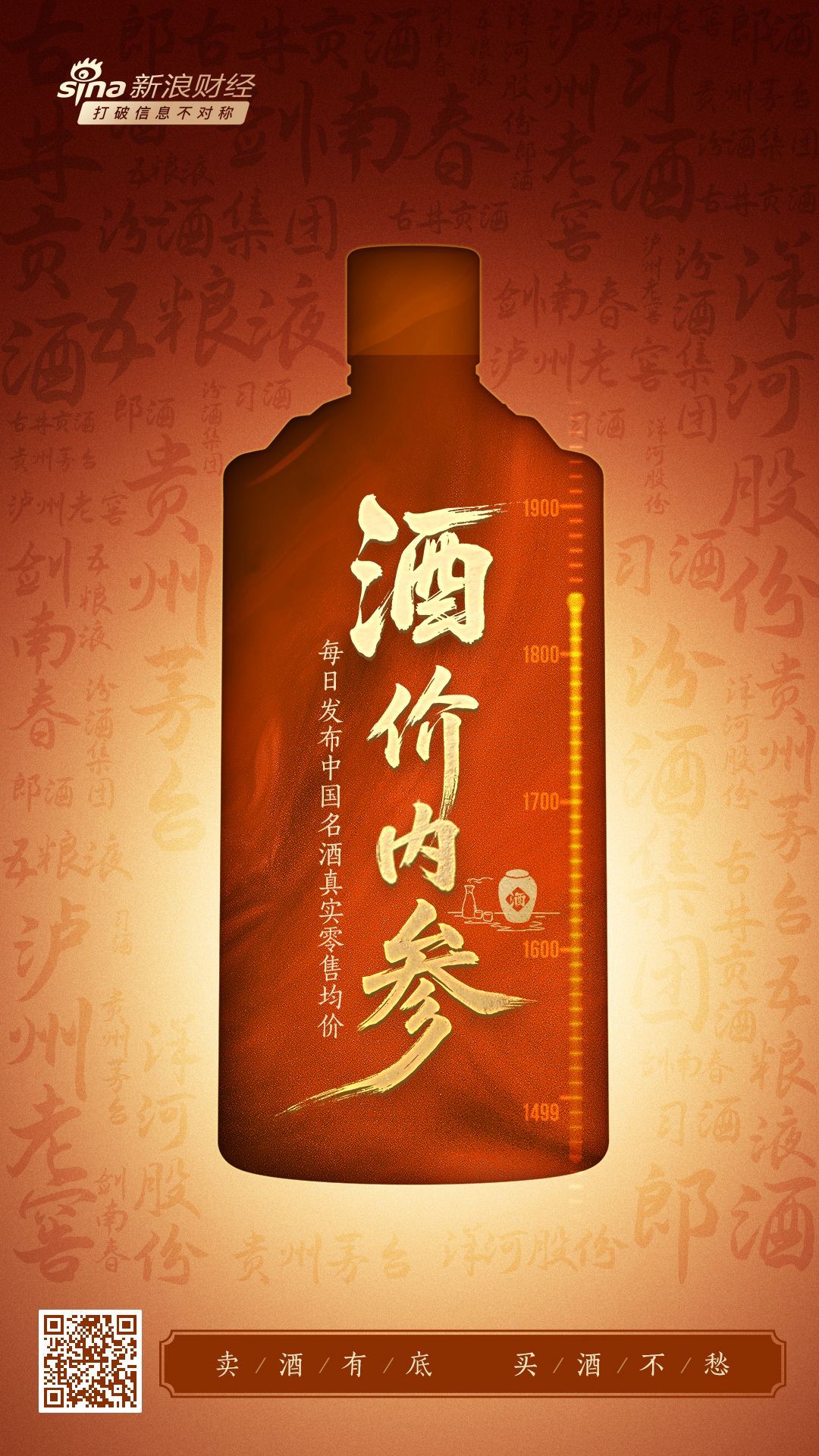
酒价内参今日正式上线,破局价格混沌
Xin Lang Cai Jing· 2025-11-10 00:51
Core Insights - The current pricing model for liquor, primarily based on "wholesale prices," has limitations in adapting to the changing industry environment, necessitating insights into the true market transaction trends from various stakeholders including liquor companies, distributors, and consumers [1] - Sina Finance has launched the first domestic terminal price service system for liquor, named "JiuJia Neican," which adheres to principles of objectivity, authenticity, scientific basis, and traceability [1] - "JiuJia Neican" focuses on nine leading liquor brands, including Feitian Moutai and the eighth generation of Wuliangye, ensuring strong representativeness of the samples based on four dimensions: revenue leadership, main products promoted by companies, market attention, and consumer awareness [1] - The service emphasizes "terminal transaction prices" over "wholesale prices," capturing actual transaction prices from major e-commerce platforms like JD.com and Tmall, as well as offline retail stores, to better reflect the real market demand [1]

高端白酒还有没有未来?丨首席锐评
Sou Hu Cai Jing· 2025-11-09 21:12
Core Viewpoint - The high-end liquor market is undergoing significant changes, but it is expected to experience "structural expansion" after adjustments, driven by the recognition of "historical classics" in the industry [3][4]. Group 1: Historical Significance - The Ministry of Industry and Information Technology has included traditional industries such as liquor in the "historical classic industries" directory, signaling a strong endorsement for high-end liquor [3]. - The inclusion of liquor in historical classic industries aims to enhance the value of high-end liquor through cultural and historical empowerment, potentially reshaping the market and competitive landscape [3][4]. Group 2: Market Dynamics - The consumer base and market logic for high-end liquor are fundamentally changing, moving away from past associations with vulgarity and corruption towards a redefined value proposition [3][4]. - High-end liquor is expected to transition from being a "vulgar social currency" to a "classic cultural carrier," seeking high-end positioning through traditional culture and history [5]. Group 3: Marketing Strategies - High-end liquor will shift from mass marketing to "timeless marketing," leveraging historical, cultural, and geographical narratives to achieve brand and market synergy [5]. - Brands that successfully decode traditional classics will gain competitive advantages, while the market will see a redefined "classic scene" that merges traditional and modern elements [5][6]. Group 4: Market Concentration - The high-end liquor market is becoming increasingly concentrated, with a few dominant brands controlling 90% of the market share, particularly in the large single product category [6]. - Future differentiation in high-end liquor will likely occur in the realm of "high-end cultural creativity," with brands like Jian Nan Chun and Lang Jiu making significant strides in this area [6].



开源晨会-20251109
KAIYUAN SECURITIES· 2025-11-09 14:42
Group 1 - The report highlights the significant achievements in the recent China-US trade talks, with the US agreeing to suspend certain tariffs on Chinese goods, which may positively impact trade dynamics [7] - The macroeconomic policy emphasizes the importance of expanding domestic demand and improving living standards, as outlined in the "15th Five-Year Plan" [5][6] - The report notes a shift in export growth, with October exports showing a decline of 1.1% year-on-year, influenced by high base effects from the previous year [11][12] Group 2 - The report discusses the rebalancing between technology and cyclical sectors, suggesting that both will play significant roles in the market moving forward [17][20] - It identifies the satellite industry as a strategic investment opportunity, driven by large market potential, strong policy support, and technological advancements [23][24] - The report indicates that the REIT market is showing resilience, with the recent listing of the CITIC Construction Investment Shenyang International Software Park REIT, which is expected to attract investment due to its high dividend yield [65][66]
拉餐饮外卖入局 “双11”从“囤货”转向“即享”
Bei Jing Shang Bao· 2025-11-09 12:58
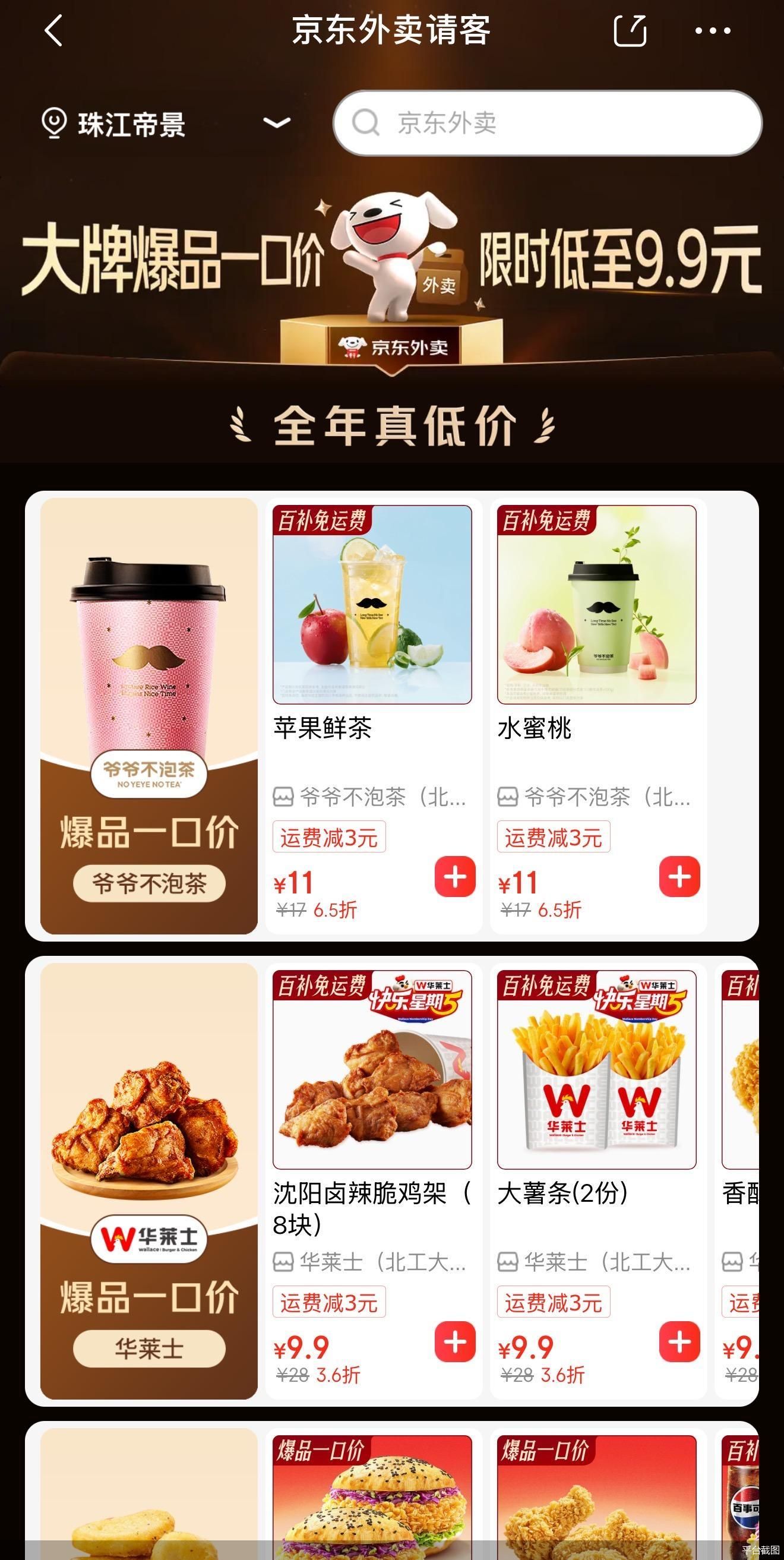
Core Insights - This year's "Double 11" has shifted from traditional e-commerce competition to a focus on instant retail, with players like Taobao, Meituan, and JD engaging in rapid delivery battles [1][12] - The participation of food delivery services in "Double 11" marks a significant change, transforming the event into a "life festival" rather than just a shopping spree [1][5] Group 1: Participation of Food Delivery Services - Food delivery brands, previously sidelined, have now taken center stage in "Double 11," with Taobao Flash Sale launching a "hot stores" channel and offering significant discounts [5] - As of November 5, Taobao Flash Sale reported over 1 billion orders during "Double 11," with 19,958 restaurant brands seeing sales growth exceeding 100% compared to pre-event levels [5] - JD's food delivery service also joined the "Double 11" festivities, with a reported 13-fold increase in daily orders for its top 300 restaurant brands since the launch of the service [7] Group 2: Instant Retail Competition - The competition has evolved to focus on "minute-level" delivery, with brands like Meituan reporting over 100% sales growth for nearly 800 brands during the first day of the event [11] - Meituan has integrated nearly one million offline stores into its instant delivery network, significantly boosting sales for various product categories, including electronics and beverages [11] - Taobao Flash Sale's entry into "Double 11" represents a strategic move to enhance its presence in instant retail, with 37,000 brands and 400,000 stores participating [12] Group 3: Market Strategy and Adaptation - The shift towards instant retail indicates a need for platforms to adapt their strategies, focusing on increasing customer spending domestically and expanding user bases internationally [13] - Companies are leveraging offline resources and partnerships to enhance their service offerings, with Meituan and JD employing strategies like exclusive product deals and inventory management [13] - The reconfiguration of the instant retail market necessitates upgrades in supply chain, warehousing, and delivery systems to meet the demand for rapid delivery [13]

三季报“蓄力”,华致酒行等待起跳?
Sou Hu Cai Jing· 2025-11-09 12:21
Core Viewpoint - The liquor distribution industry is facing significant challenges during the deep adjustment period of the liquor market, with companies like Huazhi Liquor experiencing substantial declines in performance [1][2]. Financial Performance - In the first three quarters of 2025, Huazhi Liquor reported revenue of 5.164 billion yuan, a year-on-year decline of 34.07%, and a net loss attributable to shareholders of 199 million yuan, down 218.48% year-on-year [2][3]. - For Q3 alone, revenue was 1.214 billion yuan, a decrease of 35.7%, with a net loss of approximately 255 million yuan, reflecting a staggering decline of 2112.58% year-on-year [3]. Asset Impairment and Inventory Management - The significant losses were primarily driven by a surge in asset impairment losses, which reached 325 million yuan, a dramatic increase of 114.63 times compared to the same period last year [6]. - The increase in asset impairment losses is attributed to the rise in inventory write-down provisions due to declining market prices for premium liquors [7][8]. - Huazhi Liquor's proactive approach to slowing down operations is seen as a strategy to adjust future business rhythms, focusing on inventory reduction and brand pressure relief [9][10]. Strategic Adjustments - The company has initiated a reform strategy emphasizing "de-inventory, promoting sales, stabilizing prices, adjusting structures, strengthening teams, and optimizing models" [10]. - Huazhi Liquor has been reducing its prepayments to suppliers, which had previously reached 2.739 billion yuan in 2022, accounting for 31.45% of total revenue [15][17]. - The company has also seen a significant reduction in its contract liabilities, indicating a cautious approach from downstream distributors [19]. Market Position and Future Outlook - Despite the current challenges, Huazhi Liquor is exploring new opportunities, including a shift towards online channels and digital transformation to enhance operational efficiency [22][23]. - The e-commerce segment has shown remarkable growth, with a year-on-year increase of 72.87%, becoming the only revenue growth area amid overall declines [24]. - However, the company faces competition from established online platforms, which may dilute its competitive advantages in the market [25]. Cost Management - Huazhi Liquor has successfully reduced its sales expenses by 40.33%, management expenses by 20.76%, and financial expenses by 30.78% in the first three quarters of 2025 [29]. - The reduction in sales expenses is attributed to a decrease in the number of sales personnel, while management expenses have been lowered through strategic operational adjustments [30]. Conclusion - The current period for Huazhi Liquor is characterized by both pain and potential, as the company navigates through a challenging market while laying the groundwork for future growth [20][31].


“双11”本地之战|拉餐饮外卖入局 “双11”从“囤货”转向“即享”
Bei Jing Shang Bao· 2025-11-09 12:03
Core Insights - This year's "Double 11" has shifted from traditional e-commerce competition to a focus on local life and instant retail, with players like Taobao, Meituan, and JD engaging in a "minute-level" delivery race [1][12] Group 1: Participation of Food Delivery - Food delivery services, previously sidelined, have become key players in this year's "Double 11," with brands like Xiaobai and Papa John's launching special promotions [5][7] - Taobao's flash sale feature has attracted over 1 billion new users during the "Double 11" period, with 19,958 restaurant brands seeing over 100% growth in transaction volume compared to before the event [5][12] Group 2: Instant Retail Competition - The competition has evolved to focus on "minute-level" delivery rather than logistics scale, with Meituan reporting significant sales increases across various categories, including a 300% increase in liquor sales [11][12] - Meituan has integrated nearly one million offline stores into its instant delivery network, enhancing its service capabilities [11][12] Group 3: Strategic Shifts in E-commerce - Platforms are adapting their strategies to enhance customer engagement and increase transaction values, with a focus on local life services and instant retail as growth areas [13] - The competition is driving a need for platforms to upgrade their supply chains, warehousing, and delivery systems to meet the demand for rapid delivery [13]

食品饮料行业周报:周观点:茅台披露分红回购方案,把握底部配置机遇-20251109
GOLDEN SUN SECURITIES· 2025-11-09 09:15
Investment Rating - The report maintains an "Overweight" rating for the food and beverage industry, indicating a positive outlook for investment opportunities in this sector [4]. Core Insights - The report highlights that Kweichow Moutai has announced a mid-term dividend and share buyback plan, reflecting confidence in the company's growth and commitment to shareholder returns. The proposed dividend is 23.957 yuan per share, totaling 30 billion yuan, which represents 66.08% of the net profit for the first half of 2025 [2]. - The report notes that the sales performance of Moutai's products has shown improvement in September and October, suggesting a recovery in demand for premium liquor. The overall pressure on liquor sales is expected to ease, with a gradual release of genuine demand as prices stabilize [2][3]. - In the beer and beverage sector, the introduction of innovative products like "Xiao Piao" by China Resources Beer and the steady growth of Uni-President's Q3 performance indicate a positive trend in the market. Uni-President reported a net profit of 2.013 billion yuan for the first three quarters of 2025, a year-on-year increase of 23.1% [3]. Summary by Sections White Wine - Kweichow Moutai's mid-term dividend and buyback plan is a significant indicator of the company's confidence and shareholder value focus. The stock's current dividend yield is 3.76% based on projected profits [2]. - The report emphasizes that the sales pressure in the white wine sector has peaked, with expectations for demand recovery as prices return to value [2]. Beer and Beverage - The beer segment is entering a seasonal lull, but the report suggests focusing on companies with strong growth potential and significant product contributions, such as Yanjing Beer and Zhujiang Beer [3]. - The beverage sector is characterized by intense competition, with Uni-President's Q3 results showcasing resilience and growth potential in a challenging market [3]. Food - The high-end retail market is recovering, with significant sales growth reported in various regions, indicating a rebound in consumer confidence and spending [4]. - The report suggests that advancements in technology sectors like AI and chips are likely to drive consumption upgrades in the food industry [4].
行业周报:白酒底部布局,兼顾成长型标的-20251109
KAIYUAN SECURITIES· 2025-11-09 07:43
Investment Rating - The investment rating for the food and beverage industry is "Positive" (maintained) [1] Core Viewpoints - The liquor sector is entering a layout phase, with the snack segment being the preferred choice for consumer goods. The food and beverage index experienced a decline of 0.6% from November 3 to November 7, ranking 25th among 28 sectors, underperforming the CSI 300 by approximately 1.4 percentage points. The processed food (+2.3%), baked goods (+1.7%), and meat products (+0.8%) sectors performed relatively well. The food and beverage sector has significantly underperformed the market since the beginning of 2025 due to changes in consumer environment and market style. Factors include the impact of alcohol bans, pressure on household income expectations, and a noticeable shift of funds towards technology sectors. The current underlying logic of the sector indicates that the fundamentals are nearing a bottom, with recovery expectations gradually warming up. The negative impacts on the industry have largely been released, and the marginal effects of alcohol bans are slowing down. Some companies are actively reducing supply to achieve a balance between supply and demand, alleviating channel pressures and releasing channel risks. Strengthened policy expectations are boosting demand in related consumption areas. The fundamentals are at a bottom, and the sector's valuation has dropped to a low point, with fund holdings in food and beverage remaining at a low level, indicating a relatively good chip structure. Therefore, there is no need for pessimism at this stage. Looking ahead to 2026, the main theme for the food and beverage industry is a recovery from the bottom, with the pace and strength of recovery being closely related to macroeconomic conditions. It is expected that consumer resilience will be maintained, and increased economic activity will boost business consumption [4][12][13]. Summary by Sections Weekly Viewpoints - The liquor sector is entering a layout phase, with the snack segment being the preferred choice for consumer goods. The food and beverage index experienced a decline of 0.6% from November 3 to November 7, ranking 25th among 28 sectors, underperforming the CSI 300 by approximately 1.4 percentage points. The processed food (+2.3%), baked goods (+1.7%), and meat products (+0.8%) sectors performed relatively well [12][14]. Market Performance - The food and beverage index declined by 0.6%, ranking 25th out of 28 sectors, and underperformed the CSI 300 by about 1.4 percentage points. Leading individual stocks included Anji Food, Huifa Food, and Barbie Food, while Jinzi Ham, Jiu Gui Jiu, and Gu Qing Gong Jiu saw significant declines [14][19]. Upstream Data - Some upstream raw material prices have decreased. For instance, the price of whole milk powder at GDT auction was $3,503 per ton, down 3.0% month-on-month and 5.7% year-on-year. The domestic fresh milk price was 3.0 yuan per kilogram, down 0.3% month-on-month and 3.2% year-on-year [19][21]. Liquor Industry News - The launch of the 2025 special edition of Langpai Lang was announced, with a suggested retail price of 299 yuan per bottle. The product features classic packaging elements and is limited in availability. Additionally, significant growth in white liquor sales was reported during the Double 11 shopping event, with brands like Moutai and Wuliangye seeing year-on-year increases exceeding 100% [47][48]. Recommended Portfolio - The recommended stocks include Guizhou Moutai, Shanxi Fenjiu, Ximai Food, Weilong Delicious, and Bairun Shares. Guizhou Moutai is focusing on sustainable development despite short-term demand pressures. Shanxi Fenjiu has high mid-term growth certainty. Ximai Food is expanding rapidly in new channels, while Weilong Delicious is stabilizing its base with new product launches. Bairun Shares is improving its pre-mixed liquor trends [5][54].


