蜜雪冰城

Search documents
传统饮料行业面对革新变化
Xiangcai Securities· 2026-01-07 06:27
Investment Rating - The industry investment rating is maintained as "Buy" [4] Core Insights - The traditional beverage industry is undergoing significant changes, with a shift towards health-conscious consumption and personalized beverage options [6][12] - The beverage market is transitioning from a focus on sugary drinks to healthier, sugar-free alternatives, with sugar-free beverages projected to account for over 45% of the market by 2024 [7][15] - The industry is experiencing a dual-track development focusing on health and sensory enjoyment, with ready-to-drink beverages posing a significant challenge to traditional bottled drinks [17] Summary by Sections Current Situation - The past decade has seen a transformation in China's beverage industry, with evolving consumer demands and marketing strategies. Consumers now prioritize health, hydration, and personalized experiences over mere thirst quenching [6][12] Product Dimension - The beverage market's core trend is the pursuit of health, with sugar-free drinks becoming mainstream. In 2014, sugar-free beverages accounted for about 5%, which is expected to rise to over 45% by 2024. The market is now dominated by packaging water, tea drinks, and energy beverages [7][15][17] Channel and Marketing Dimension - The beverage industry is moving towards a multi-channel approach, emphasizing comprehensive channel coverage and online-offline integration. This shift presents opportunities for smaller brands to leverage social media and innovative marketing strategies to drive sales [8][20][21] Investment Recommendations - The food and beverage industry is characterized by resilience and is currently undervalued. The report suggests focusing on leading brands with strong channel advantages and emerging growth companies that align with health and experience trends. The industry is shifting from scale benefits to structural benefits, highlighting the importance of health and experience in future growth [9][22]
茶叶有苍蝇?胖东来致歉:下架排查! | 1月7日早报
Sou Hu Cai Jing· 2026-01-07 04:21
Star Brands - Chow Sang Sang has officially raised prices today, with gold jewelry increasing by 10%-13%, and some items seeing price hikes of up to 1500 yuan [2] - The new zodiac Maotai liquor was launched and quickly sold out, with scalpers offering a buyback price of 3000 yuan for the base model priced at 1899 yuan, although experts suggest that the market for such collectibles may not see a repeat of past speculative trends [2] - Pop Mart has established six global production bases, including in Indonesia, Cambodia, and Mexico, enhancing its overseas supply chain and supporting global business expansion [2] Consumer Platforms - Douyin E-commerce has released a clothing industry operation guide to address issues of non-compliance and transparency in marketing practices among merchants and influencers [5] - Hema has signed a contract for its first store in Yancheng, marking its expansion into the city and enhancing local consumer experience [6] - Meituan Keeta has launched its food delivery service in Bahrain, continuing its regional expansion strategy after successful launches in other Middle Eastern countries [7] Investment and Financing - Grandpa's Farm International Holdings has submitted a listing application to the Hong Kong Stock Exchange, reporting revenues of approximately 780 million yuan for the first nine months of 2025, with significant rankings in the organic baby food market [8] - Jollibee Foods Corporation plans to spin off its international business and list it on a U.S. stock exchange by the end of 2027, aiming to accelerate its global expansion strategy [8] Consumer Dynamics - Pang Dong Lai has apologized and initiated a product recall after a customer reported finding a fly in their tea, emphasizing the importance of product quality and customer experience [9][10] - A customer in Hunan reported finding a fly in a sealed cup of milk tea from Mixue Ice City, raising concerns about food safety and customer service response [11] - Café de Coral has acknowledged food poisoning cases linked to its dishes and expressed concern for affected customers, reaffirming its commitment to food safety standards [12] - Bawang Tea Ji has responded to a viral video of an employee preparing tea with bare hands, clarifying that the incident involved waste materials and that the employee has been dismissed [12]

政策刺激哪些消费最有效
2026-01-07 03:05
Summary of Conference Call Records Industry Overview - The records primarily focus on the **tourism, restaurant, hotel, and duty-free industries** in the context of post-pandemic recovery and government stimulus policies [1][2][4]. Key Points and Arguments Tourism Industry - Post-pandemic, the tourism penetration rate has increased significantly, with **Ctrip's stock performing strongly** and scenic area data showing high activity levels, indicating a robust tourism industry [1][2]. - Government subsidies for service consumption, particularly in tourism, have a notable multiplier effect, with regions like Gansu and Harbin successfully stimulating economic growth through tourism [1][2]. - The **OTA (Online Travel Agency) market** is expected to maintain rapid growth, with the top five OTAs holding over **90% market share**, and Ctrip nearing **50%** [2][10]. Restaurant Industry - The restaurant sector is benefiting from the recovery of the tourism market and subsidies from delivery platforms, leading to significant growth, especially in lower-tier markets [2][12]. - High-frequency, low-cost consumer goods like tea and coffee are showing strong demand elasticity, with double-digit growth rates expected [12][19]. - Recommended stocks include **Haidilao, Xiaocaiyuan, and Guoquan**, which are expected to perform well due to their competitive advantages [19]. Hotel Industry - The hotel sector is experiencing a narrowing decline in performance, with **H World** reporting stable data and **Jinjiang Inn** showing signs of recovery [6][7]. - The supply expansion rate is expected to decrease in the coming years, which may alleviate pressure on RevPAR (Revenue per Available Room) if demand remains stable [6]. - Jinjiang Inn is projected to recover from losses, with significant potential for revenue growth in the coming years [7][8]. Duty-Free Market - The duty-free market has shown positive performance since September, aided by low base effects and new policies, with expectations for continued growth if further supportive measures are implemented [5]. - The Hainan government aims for a duty-free market size of **60 billion** by 2027, up from **58 billion** in 2023, indicating a recovery trend [5]. Future Trends - The tea beverage industry is expected to grow significantly in 2025, driven by delivery subsidies and a rebound in scenic areas, with growth rates approaching high double digits [11][13]. - Head companies like **Mixue Ice City** and **Guming** are expanding rapidly, with strong supply chain capabilities and competitive pricing strategies [14][15][17]. - The restaurant industry is anticipated to see a recovery in demand, particularly during holidays, with a focus on high-value, chain-operated businesses that can manage supply chains effectively [18][19]. Additional Important Insights - The **duty-free market** is influenced by government policies and consumer behavior, with a notable impact from promotional activities and consumer awareness campaigns [5]. - The **OTA industry** is adapting to market changes by focusing on niche segments and enhancing customer engagement through innovative offerings [10]. - The overall sentiment in the restaurant and tourism sectors is optimistic, with expectations for sustained growth driven by consumer demand and strategic business expansions [12][19].
雀巢中国婴配粉业务新架构:以谢国耀为中心丨消费参考
2 1 Shi Ji Jing Ji Bao Dao· 2026-01-07 02:50
Company Restructuring - Nestlé China has announced the merger of its Wyeth Nutrition and Nestlé Infant Nutrition business units, effective January 1, 2026, forming a new Nestlé Nutrition business [1] - Joel Seah will lead the newly integrated Nestlé Nutrition team, which will be organized into three main functional areas: market development, sales and operations, and enabling functions [1] Market Dynamics - The infant formula market is facing challenges, with Nielsen IQ reporting a growth rate of only 0.6% in Q2 2025, and a decline in new births expected to weaken growth momentum [3] - The market is becoming increasingly fragmented, with leading companies like Yili, New Dairy Era, and FrieslandCampina expanding, while brands like Feihe are experiencing market share declines [4] Strategic Implications - The integration of the two business units is expected to reduce internal redundancies and create synergies, which is crucial in a highly competitive market [5] - The infant nutrition segment is seen as a cornerstone of Nestlé's performance in Greater China, especially as the region's organic growth rate fell by 10.4% in Q3 2025, continuing a downward trend [5]

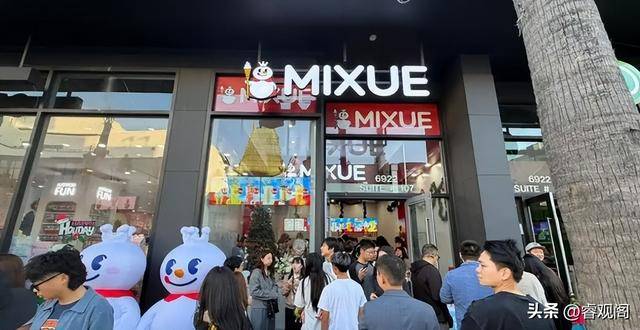
1.19美元横扫美国!蜜雪冰城洛杉矶“亮剑”,贾跃亭转型暗藏大棋
Sou Hu Cai Jing· 2026-01-06 22:38
Group 1: Core Insights - The opening of the first overseas store of Mixue Ice Cream in Hollywood, priced at $1.19, has attracted significant consumer interest, showcasing a successful business model [1][3] - Mixue Ice Cream's pricing strategy is significantly lower than local competitors, with prices ranging from $1.19 to $4.99, leveraging a robust supply chain in China to maintain low operational costs [3][5] - The company's profitability is primarily driven by the sale of standardized supplies to franchisees, accounting for over 70% of its profits, which allows for a low-price strategy to attract customers [5][7] Group 2: Supply Chain and Operational Strategy - Mixue Ice Cream has established approximately 4,700 stores across 13 countries, supported by its own factory in Henan, China, which enables cost-effective production of equipment and supplies [3][5] - The company employs a model of "low front-end pricing to drive traffic, while making profits from back-end supplies," which has been successfully replicated from its operations in China to the U.S. market [5][17] - Localized marketing strategies, such as "snow king street flash" and "theme song challenges," have helped Mixue quickly gain popularity in the U.S. [7] Group 3: Industry Comparisons - The strategic shift of Jia Yueting's Faraday Future from a fully American production model to a "Chinese components + American assembly" approach reflects a similar reliance on Chinese supply chains as seen with Mixue Ice Cream [9][17] - The automotive industry faces more complex engineering challenges compared to the standardized product offerings of Mixue Ice Cream, making it harder for Faraday Future to establish a competitive edge solely through assembly [24][26] - While both companies benefit from the advantages of the Chinese supply chain, the automotive sector's need for core technological advancements remains a significant barrier for long-term competitiveness [26]

2025年零售圈十大收购事件发布
Tai Mei Ti A P P· 2026-01-06 13:14
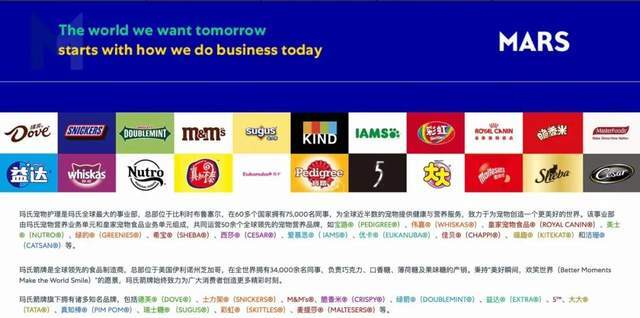
Core Insights - The retail industry experienced a significant wave of mergers and acquisitions in 2025, indicating a major capital reshuffle within the sector [1][27] - Major companies are either divesting non-core assets to focus on their main businesses or acquiring new brands to expand their portfolios [1][27] - Private equity firms are playing a crucial role in driving brand transformation and expansion in the retail sector [1][27] Group 1: Major Mergers and Acquisitions - Alibaba divested its stake in Suning and Intime Retail, marking a strategic shift to optimize resource allocation [3][26] - Mars, Incorporated completed the acquisition of Kellanova for approximately $35.9 billion, creating a global snack empire [5][7] - KKR acquired an 85% stake in Vista International, which is linked to the domestic beverage brand Da Yao, enhancing its control over the Chinese soda market [9][10] Group 2: Strategic Adjustments and Performance - After KKR's acquisition, Gao Xin Retail reported a revenue of 71.55 billion yuan, with a net profit of 386 million yuan, marking a turnaround from previous losses [4] - The acquisition of Kellanova by Mars is one of the largest in the packaged food sector in the last decade, highlighting the trend of consolidation among food giants [7][8] - CPE Yuanfeng's acquisition of Burger King China aims to accelerate local expansion with a commitment to invest $350 million [16][17] Group 3: Industry Trends and Future Outlook - The retail sector is shifting from scale expansion to lean operations, focusing on supply chain and brand value [2][27] - The relationship between brands and capital is evolving from mere financial support to active operational involvement, indicating a search for sustainable growth [27] - The ongoing mergers and acquisitions signal a re-evaluation of the value of physical retail, with supply chain and product strength becoming central to competition [27]


专访瑞银胡凌寒:港股IPO有望再创新高,外资偏爱龙头企业
2 1 Shi Ji Jing Ji Bao Dao· 2026-01-06 12:46
Core Viewpoint - The Hong Kong IPO market is experiencing a strong recovery in 2025, with total fundraising reaching HKD 274.6 billion, a year-on-year increase of over 200% [1] Group 1: Market Performance and Trends - The Hong Kong IPO market is expected to maintain its momentum into 2026, with over 300 companies having submitted listing applications [2] - The influx of southbound and foreign capital is anticipated to continue, contributing to the growth of the IPO market [3] - The divergence in performance between Hong Kong stocks and A-shares and U.S. stocks since November 2025 is attributed to a rapid increase in Hong Kong stocks, leading to a normal adjustment phase [4] Group 2: Foreign Investment Dynamics - Foreign capital's participation in Hong Kong IPOs is evolving, with a significant portion of investors now coming from foreign sources, approximately two-thirds of IPO participants [1][2] - Notable foreign funds, such as M&G and Schroders, are increasingly participating as cornerstone investors, indicating a long-term commitment to the Hong Kong market [5][6] - Foreign investors are showing a preference for leading companies across various sectors, focusing on quality rather than a broad investment approach [6] Group 3: Factors Influencing Companies to List in Hong Kong - Companies are attracted to the Hong Kong market due to its efficient approval process, which aligns well with their strategic planning [2][9] - The ability to raise foreign currency funds in Hong Kong supports companies' global expansion and acquisition strategies [9] - The perception of higher valuation premiums for industry leaders in Hong Kong compared to A-shares is influencing companies' decisions to list [9] Group 4: Market Mechanisms and Investor Protection - The implementation of the "B mechanism" has improved the willingness of companies to list in Hong Kong by allowing larger companies to issue a smaller percentage of shares initially [10] - This mechanism enhances the pricing power of institutional investors, leading to more professional and stable pricing, which benefits the market [10][11] - The current structure ensures that retail investors still have reasonable access to IPOs while protecting them from potential losses due to overvaluation [11] Group 5: Future Outlook for Specific Sectors - The AI sector is expected to see increased activity in the Hong Kong market, with more companies from the AI supply chain and related fields planning to list [12] - Investors are likely to assign premium valuations to AI-related companies, reflecting confidence in this growth sector [12]

2025年食品行业并购盘点:从万辰的“联邦”到涪陵的“败局”,有钱花不出去的“大厂”与被榨干的效率
3 6 Ke· 2026-01-06 05:36
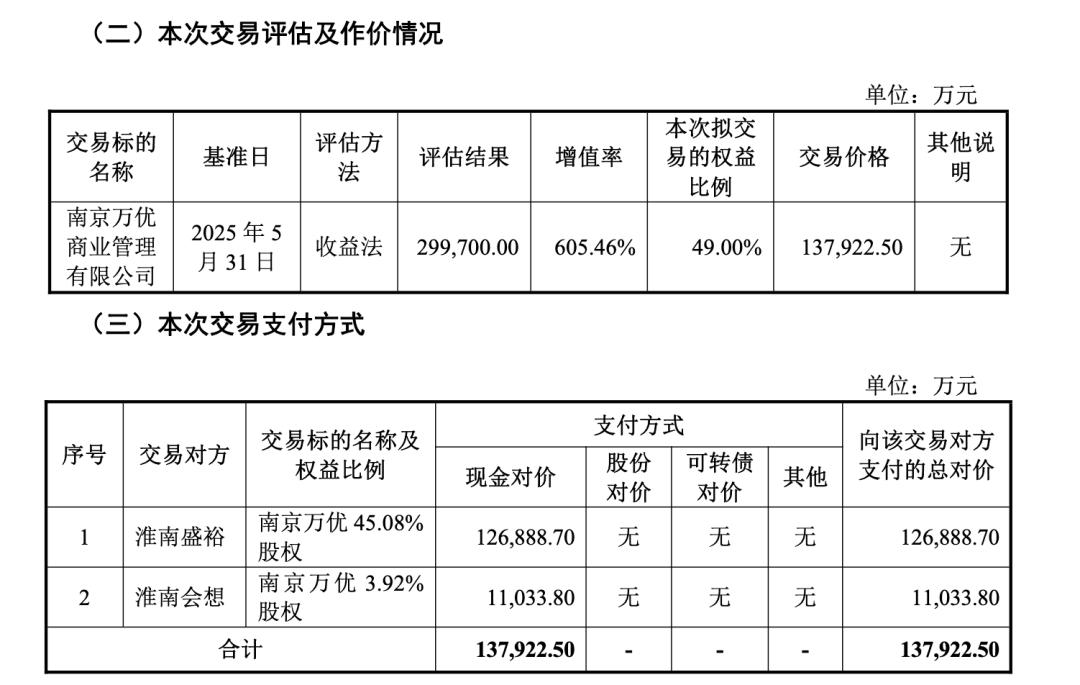
Core Insights - The mergers and acquisitions (M&A) in the Chinese food industry in 2025 are characterized by a focus on necessary integrations rather than large-scale deals, reflecting a shift towards survival in a saturated market [1] Group 1: Snack Industry Developments - Wanchen Group has transformed from a grassroots brand into a significant capital player, acquiring 49% of Nanjing Wanyou for 1.379 billion yuan, which is crucial for its brand integration strategy [2][3] - Nanjing Wanyou, under the "Good Idea" brand, generated 4.1 billion yuan in revenue in the first five months of 2025, highlighting its importance in Wanchen's portfolio [2] - The rapid expansion strategy of Wanchen has slowed significantly, with daily store openings dropping from 26 to less than 7, indicating market saturation and operational challenges [4] Group 2: Dairy Industry Trends - New Hope Dairy's acquisition of Fuzhou Aoni has taken six years to finalize, reflecting a cautious approach in a changing dairy market [7][9] - The acquisition is seen as a strategic move to solidify New Hope's presence in the southern market, but the company has shifted its focus from aggressive acquisitions to more sustainable growth strategies [9] - Junyao Health has adopted a different strategy by acquiring Runying Biotechnology, focusing on probiotic products, which saw a 60% revenue increase in the first three quarters of 2025 [9][10] Group 3: New Tea Beverage Sector - Mixue Ice City has made headlines by acquiring a 53% stake in the craft beer brand "Xianpi Fulu Jia" for nearly 300 million yuan, aiming to create a "day tea, night beer" business model [11][13] - The acquisition has faced criticism for its high premium, but the company leverages its extensive cold chain logistics to address the challenges of craft beer distribution [11] - In contrast, Heytea has paused its expansion plans, reflecting the industry's struggle with over-saturation and declining profitability [13] Group 4: Condiment Industry Challenges - Fuling Mustard's attempt to acquire Sichuan Weizimei has failed due to valuation disagreements, highlighting the difficulties traditional food companies face in finding growth opportunities [14][16] - The condiment industry is experiencing stagnation, with Fuling Mustard holding significant cash but struggling to identify viable growth avenues [16] - Industry leader Haitian Flavoring has opted for a Hong Kong listing to enhance its international presence and repair its reputation following regulatory challenges [16] Group 5: Overall Industry Trends - The 2025 M&A wave in the Chinese food and beverage sector reflects a broader theme of disillusionment, with consumers prioritizing value over brand prestige [17] - Companies are increasingly focusing on cost efficiency and profitability, as evidenced by Wanchen's and New Hope's strategic shifts [17] - The industry is moving towards consolidation, with larger firms dominating the market and employing data-driven strategies to optimize costs across the supply chain [17][18]




QuestMobile 2025年营销热点事件盘点:“情绪”成为核心生产力,IP营销频出爆点,AI营销革命大幕拉开……
QuestMobile· 2026-01-06 02:05
Core Insights - The article emphasizes the significant changes expected in the AI industry by 2026, driven by increased capital investment, systematic competition among models, and intensified competition in foundational applications [3] Group 1: Marketing Trends in 2025 - 2025 is projected to be a "harvest year" for marketing, with "emotion" becoming a core productivity driver influencing various industries and products [4] - The marketing landscape will see three major peaks: popular IP marketing from New Year's to Spring Festival, new product marketing from Labor Day to 618, and diverse marketing from Mid-Autumn Festival and National Day to Double 11 [4] - Emotional marketing will enhance brand connections by deeply exploring consumer emotional tags, leading to innovative collaborations like "Luckin Coffee X Line Dog" and "Morning Glory Stationery X 'Wang Wang Mountain Little Monster'" [4] Group 2: Industry Opportunities - Traditional industries such as food services and apparel will benefit from emotional marketing, with their respective co-branding marketing shares at 18.5% and 12.1% in 2025 [5] - AI marketing will gain momentum as AI technology matures, supported by government policies like the AI labeling system, making it a "new prominent field" [5] - Virtual idols will dominate content interaction, while intelligent marketing will evolve from single-point to cross-platform strategies, enhancing user engagement [5] Group 3: Brand Marketing Strategies - Brands will focus on diverse marketing strategies in 2025, balancing traditional methods with deeper AI marketing applications [9] - Key marketing nodes will include new product launches and public sentiment management, with content platforms playing a crucial role in brand communication [12][14] - Brands will increasingly align marketing efforts with holiday events, using emotional and AI marketing to convey brand values [19] Group 4: Co-branding and Emotional Marketing - Co-branding will thrive under the consumer logic of "buying for emotions," with brands leveraging deep understanding of consumer psychology and social emotions [24][26] - Brands will focus on aligning IP cultural cores with their value genes, creating fresh experiences that resonate with both IP and brand characteristics [28] - The overlap between mainstream IP users and core brand users will be emphasized to strengthen emotional connections [30] Group 5: AI Marketing Evolution - AI marketing will become a central topic in 2025, driving continuous optimization of marketing models [39] - The rise of AI virtual digital humans will shift from traditional models to AI-native entities, expanding their application across industries [43] - User operations will transition from segmented approaches to generative user management, enhancing marketing content across various scenarios [45] Group 6: Channel Marketing Dynamics - Online channels will see steady growth in traffic, with brands concentrating marketing resources on these channels [58] - Hard advertising will focus on e-commerce and live-streaming channels to shorten conversion paths [60] - The beauty industry will expand its offline channels, shifting marketing highlights from "flagship stores" to diverse concepts like "experience labs" [66]

太平洋证券:建议关注餐饮链低基数下的修复 四大方向把握明年消费投资脉络
智通财经网· 2026-01-06 01:56
Core Viewpoint - The report from Pacific Securities suggests that the food and beverage sector, particularly frozen food, is expected to recover due to low base effects and reduced competition, leading to improved profitability. The sector's low valuation may benefit from a "Davis Double" effect as demand recovers and leading companies explore new product opportunities [1][3]. Group 1: Industry Performance and Trends - In 2025, consumer demand is under pressure, with the liquor and restaurant chains lagging behind. The overall consumption has been flat, with retail sales and CPI data at low levels, impacting traditional consumption [2]. - The liquor sector has shown a decline in performance, with major brands like Moutai experiencing a drop in prices from 2200 yuan to 1550 yuan. Most liquor companies, except for a few leaders, have reported declining revenues and profits [2]. - The snack and beverage sectors have shown resilience, characterized by high-frequency consumption and low average transaction values. New products and channels have positively impacted their performance [2][3]. Group 2: Future Outlook and Recommendations - The central economic work conference has prioritized boosting domestic demand, with expectations for policy support to stimulate recovery. There is potential for improvement in consumer spending if housing prices stabilize and supportive policies are implemented [3]. - For 2026, the focus is on the recovery of the restaurant chain sector, particularly frozen foods, as competition eases and profitability improves. The beverage sector, especially low-cost and high-frequency items, is also expected to perform well [3][4]. - Investment opportunities are identified in four areas: overseas demand, cost benefits, new product launches, and value-for-money consumption. Companies like Moutai, Anqi Yeast, and various beverage brands are highlighted for their potential [4].