
海底捞

Search documents
简阳春节放大招!吃喝玩乐购太“有范”!
Sou Hu Cai Jing· 2026-01-21 17:07
Core Insights - The article discusses strategies to boost consumer spending and economic activity during the Spring Festival in Jianyang, aiming to create a vibrant consumption environment and achieve significant economic milestones [1][9]. Group 1: Consumer Activation Strategies - Various departments are collaborating to implement targeted measures under six themes to meet diverse consumer needs and stimulate spending [2][8]. - The Municipal Bureau of Commerce is focusing on three key consumer groups: transit passengers, returning residents, and local residents, by creating diverse consumption scenarios [4][9]. - Specific initiatives include introducing international dining experiences, themed immersive performances, and promotional activities such as "One Ticket Super Jianyang" to enhance consumer engagement [4][6]. Group 2: Cultural and Recreational Integration - The Municipal Bureau of Culture, Sports, and Tourism is organizing over 30 events to enrich the cultural experience of consumers during the Spring Festival [6]. - Themed routes will be developed to cater to various interests, including urban sightseeing, traditional crafts, and family-friendly activities, enhancing the overall appeal of the festival [6][8]. Group 3: Agricultural Product Promotion - The Agricultural and Rural Affairs Bureau is focusing on connecting local agricultural products with holiday consumption, promoting 25 types of "Jianyang Quality Products" through various sales channels [7]. - The initiative aims to increase brand recognition and support local farmers while providing consumers with authentic local flavors [7]. Group 4: Safety and Consumer Confidence - Emphasis is placed on ensuring safety as a prerequisite for consumer confidence, with strict adherence to safety protocols across various sectors [9]. - Departments are tasked with monitoring safety measures, addressing consumer complaints, and ensuring a smooth shopping experience during the festive period [9]. Group 5: Overall Economic Development - The Spring Festival consumer promotion is viewed as a critical driver for economic growth and a showcase of Jianyang's urban charm [8][9]. - The city aims to leverage this opportunity for investment attraction and resource integration, fostering a collaborative consumption landscape [9].


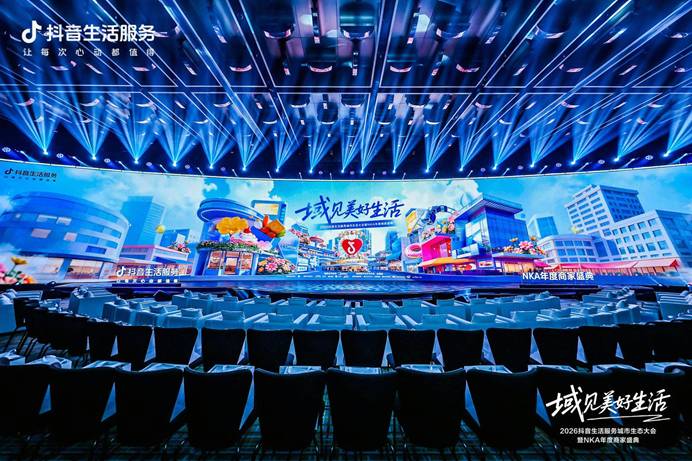
抖音生活服务城市生态大会NKA年度盛典:打造健康生态,共获全新增长
Zhong Guo Shi Pin Wang· 2026-01-21 12:15
Core Insights - The "Yujian Meihua Sh生活" 2026 Douyin Life Service City Ecological Conference highlighted the growth and operational achievements of national chain merchants on the Douyin platform, focusing on the theme of "stimulating good business and seeing new growth" [1][7] - Douyin's life service business has maintained high growth, with a year-on-year transaction volume increase of 59%, and the number of stores achieving operational revenue surpassing 15 million [8] Group 1: Business Growth and Performance - In 2025, 610,000 new stores opened on Douyin, with industries like in-store retail and tourism seeing growth rates exceeding 50%, and the number of chain merchants with annual payment GMV over 1 billion increasing by over 86% year-on-year [2] - The platform's marketing activities and product tools have significantly enhanced the competitiveness of chain merchants, leading to explosive business growth [2][5] - The integration of online and offline operations has allowed chain merchants to attract traffic with quality products while efficiently managing physical stores, resulting in improved sales and brand performance [5][6] Group 2: Marketing and Consumer Engagement - Douyin's diverse marketing activities, including promotions and rankings, have provided multiple touchpoints for chain merchants to enhance their business performance [2] - The introduction of features like "queueing" and "one-click payment" has improved user experience, reducing wait times by 20% and increasing sales for participating brands [4] - The collaboration between chain merchants and influencers has led to successful brand exposure and customer loyalty, with significant increases in transaction volumes during promotional events [4] Group 3: Future Strategies and Industry Trends - In 2026, chain merchants are expected to further embrace integrated operations on Douyin, focusing on enhancing customer engagement and establishing effective profit models [6] - The platform aims to break down barriers between online and offline businesses, fostering a collaborative ecosystem that supports the growth of the real economy [8] - The conference established sub-forums for various industries, emphasizing tailored strategies for enhancing efficiency and growth among national chain merchants [7]
餐饮业集体进入“瘦身”时代
3 6 Ke· 2026-01-21 12:12
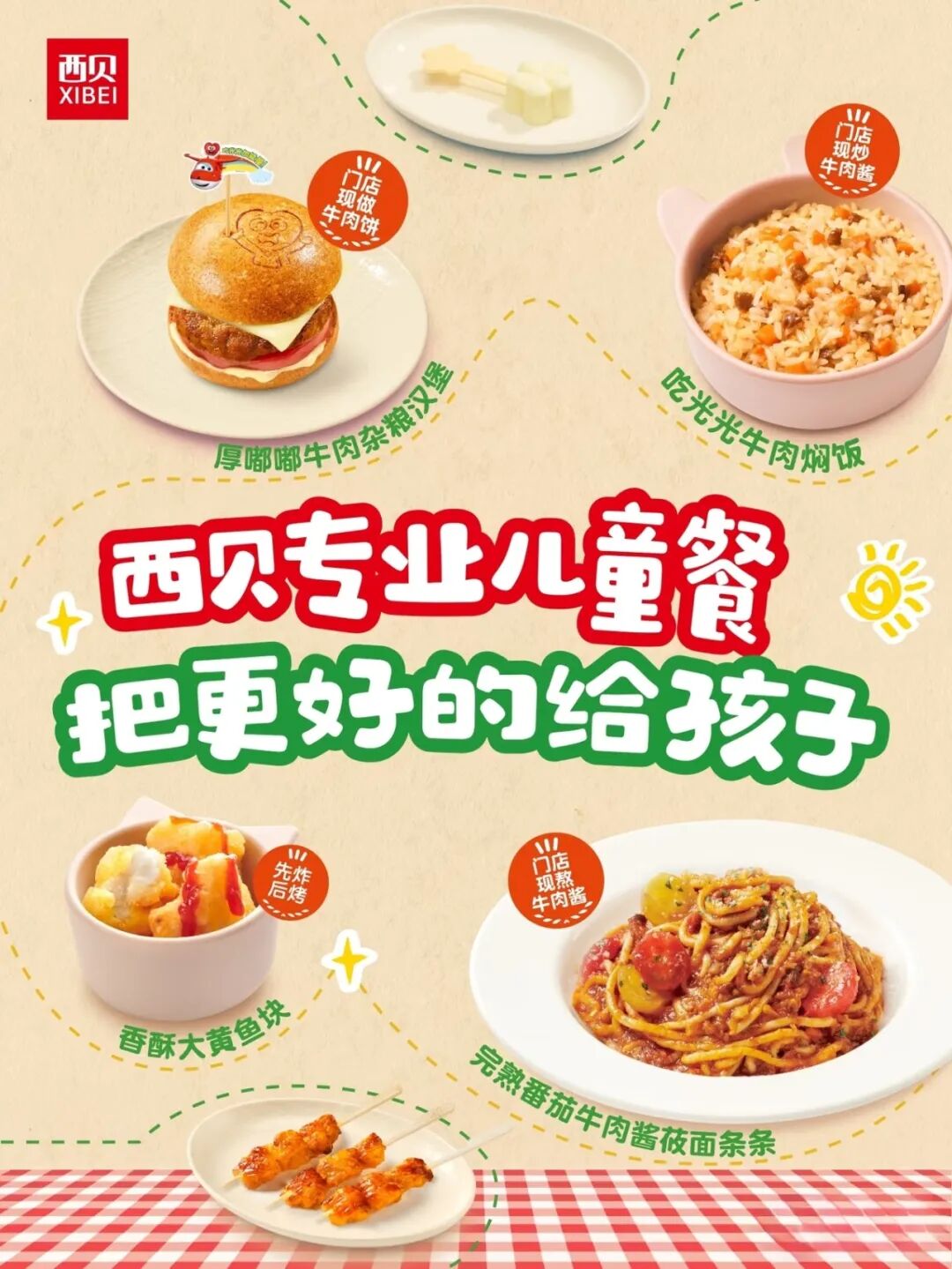
未来的赢家,可能不再是那些装修最奢华、店面最大的"巨兽",而是那些离生活最近、供应链最稳、效率最高的品牌。。 2025年9月,罗永浩针对西贝预制菜卖得贵的一声质疑,如同推倒了多米诺骨牌的第一块,引发了长达四个月的舆论围剿。 面对质疑,西贝迅速采取了一系列"去预制化"的补救措施。 在菜品上,西贝将部分原本由中央厨房加工的工序撤回门店,试图强调现串现烤的烟火气,并对菜单进行大手术,降低了30多道菜的价格,平均降幅达 20%左右。 在服务端,西贝试图通过给员工涨薪来提振士气,并全面发力"欢乐家庭餐厅"概念,用儿童套餐和魔术生日会锁住家庭客群。 然而,这些温情脉脉的细节并未能抵消沉重的成本压力。为了控费止损,西贝开始了近乎残酷的自我瘦身,通过优化供应链和精减亏损门店来强行止血。 这场风波,表面上是关于"预制菜卖得贵"的控诉,实则是消费者对上一代连锁中餐积怨已久的爆发。 最新的震荡发生在2026年1月15日,创始人贾国龙证实,西贝计划关闭102家门店。当然,这不仅是西贝的至暗时刻。 西贝的收缩代表了那种依靠"高房租、高溢价、商场流量"支撑的旧模式,在理性消费席卷而来的今天彻底失灵。 时下的餐饮巨头们,正集体步入一场残酷 ...
小菜园(999 HK):强化性价比优势,拥抱高质量增长
HTSC· 2026-01-21 10:35
Investment Rating - The investment rating for the company is maintained as "Buy" with a target price of HKD 11.41 [1]. Core Insights - The report highlights that the restaurant industry in 2025 is significantly affected by the rhythm of takeaway subsidies, with a notable enhancement in cost-performance advantages for low-priced daily items under substantial subsidies [5]. - The company is actively optimizing its single-store performance and increasing profits, benefiting from enhanced subsidies starting from Q2 2025, leading to a year-on-year growth of 13.7% in takeaway revenue for the first half of 2025 [5]. - The company is expected to accelerate store openings in the second half of 2025, with a focus on both existing and new regions, while also adjusting menu prices to maintain its core competitiveness of "delicious and affordable" [6][7]. Financial Projections - Revenue projections for the company are as follows: - 2024: RMB 5,210 million - 2025: RMB 5,343 million (growth of 2.56%) - 2026: RMB 6,177 million (growth of 15.61%) - 2027: RMB 7,329 million (growth of 18.64%) [4]. - Net profit attributable to the parent company is projected to be: - 2024: RMB 580.62 million - 2025: RMB 701.10 million (growth of 20.75%) - 2026: RMB 785.75 million (growth of 12.07%) - 2027: RMB 930.10 million (growth of 18.37%) [4]. - The report anticipates a decrease in net profit estimates for 2025-2027 due to short-term disruptions from channel adjustments and price reductions, with EPS projected at RMB 0.60, 0.67, and 0.79 for 2025, 2026, and 2027 respectively [9]. Market Position and Strategy - The company is implementing a stock incentive plan to deepen the alignment of interests among stakeholders, including founders and executives, while also exploring new retail platforms to leverage its supply chain capabilities [8]. - As of the end of 2025, the company operates approximately 818 stores across 14 provinces and 193 cities in China, with an estimated 146 new stores expected to open in the second half of 2025 [7].
叮咚买菜开到盐城,「小城消费」有多大想象力?
36氪未来消费· 2026-01-21 10:08
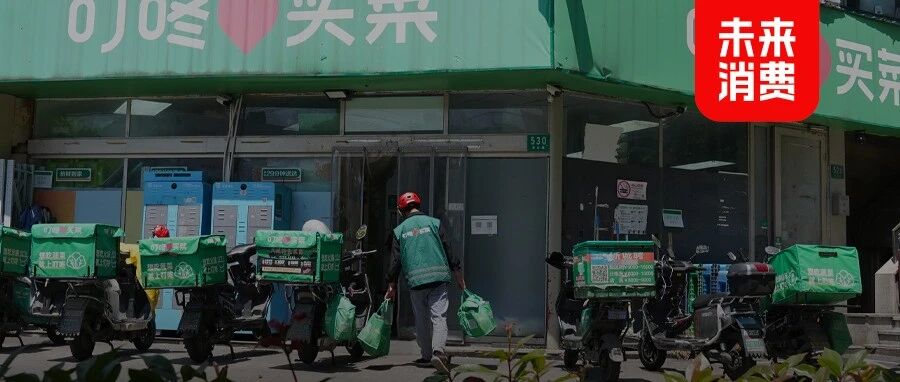
Core Viewpoint - The future of instant retail in China is increasingly reliant on lower-tier cities, with the market expected to exceed 1 trillion yuan by 2026, driven by macroeconomic policies and consumer demand in these areas [3]. Group 1: Market Potential - The growth rate of users and transaction volume in lower-tier cities has surpassed that of higher-tier cities, making these markets crucial for revenue growth in instant retail [3]. - In 2025, retail sales in county and rural areas accounted for 38.7% of total social retail sales, indicating a robust growth in consumption in these regions [5]. - The demand for high-quality products in lower-tier cities is significant, with many consumers seeking better shopping experiences that are currently lacking [10]. Group 2: Company Strategies - Dingdong Maicai has opened a new warehouse in Yancheng, Jiangsu, utilizing a self-operated front warehouse model to enhance local shopping options [3][4]. - The company plans to expand its presence in other cities in northern Jiangsu, indicating a strategic deepening in the region [4]. - Dingdong Maicai has established a comprehensive supply chain network in the Jiangsu area, which supports its expansion into lower-tier markets [12]. Group 3: Competitive Landscape - The instant retail sector has evolved from focusing solely on fresh produce to including daily necessities, especially during the pandemic, marking its transition to a more competitive phase [7]. - Major players like JD, Taobao, and Meituan are also targeting lower-tier cities, indicating a competitive environment for instant retail [10]. - Dingdong Maicai's strategy emphasizes cautious expansion and product differentiation to maintain competitiveness in these markets [19][20]. Group 4: Operational Efficiency - Dingdong Maicai has achieved a significant reduction in inventory turnover days to 2.1 days and maintains a low product loss rate of around 1.5%, showcasing its operational efficiency [23]. - The company has reported continuous profitability for twelve consecutive quarters under Non-GAAP standards and seven quarters under GAAP standards, demonstrating its sustainable growth potential [23]. Group 5: Future Outlook - As consumer spending habits mature, lower-tier cities like Yancheng are expected to become key battlegrounds for retailers [24].

评分比米其林还高,海底捞挤满了吃瓜的韩国人
36氪· 2026-01-21 10:01
Core Viewpoint - The article discusses the rising popularity of Haidilao in South Korea, driven by celebrity endorsements and effective localization strategies, which have led to increased consumer interest and engagement in the brand [4][5][8]. Group 1: Celebrity Influence - The influence of K-pop stars, particularly BLACKPINK's Jisoo, has significantly boosted Haidilao's visibility in South Korea, with events like her birthday celebration at a Haidilao location generating substantial media attention and fan engagement [5][7][16]. - The phenomenon of Korean celebrities dining at Haidilao has created a "check-in effect," encouraging fans and consumers to visit the restaurants, further enhancing the brand's appeal [16][17]. Group 2: Market Strategy and Performance - Haidilao's success in South Korea mirrors its early growth in China, characterized by a limited number of stores that create a strong draw for consumers [9][10]. - As of September 30, 2023, Haidilao had 20 stores in East Asia, with 9 specifically in South Korea, indicating a strategic focus on maintaining high demand through exclusivity [10][12]. - The average consumer spending at Haidilao in South Korea was reported to be approximately 40,000 KRW (around 1,990 CNY) during high-profile events, showcasing the brand's ability to attract premium customers [20]. Group 3: Localization and Service Innovation - Haidilao has tailored its services to meet local preferences, such as offering free fruit and personalized dining experiences, which resonate well with Korean consumers' expectations for value and social dining [13][15]. - The introduction of localized menu items, including kimchi hot pot, reflects Haidilao's commitment to adapting to local tastes while maintaining its core offerings [15][16]. Group 4: Financial Performance and Challenges - Haidilao's parent company, Tehai International, reported a revenue of $214 million for the third quarter of 2025, marking a 7.8% year-on-year increase, although net profit saw a significant decline of 90.43% [22]. - The company faces challenges such as rising operational costs and the need for customer experience enhancements, which have impacted profit margins [22][26]. Group 5: Leadership Changes and Future Outlook - The return of founder Zhang Yong as CEO signals a strategic shift aimed at navigating industry challenges and pursuing growth through diversification and innovation [24][26]. - Haidilao has launched multiple new restaurant brands under its "Pomegranate Plan," indicating a proactive approach to expanding its market presence and adapting to changing consumer demands [26].


呷哺呷哺“挤进”牛排赛道,打造全新子品牌能否闯出新增长路径?
Xin Jing Bao· 2026-01-21 09:41
Group 1 - The core point of the article is that Xiabuxiabu Group is entering the steak market with a new sub-brand "Xiniu Pai," aiming to open its first store in Beijing on February 6 and plans to achieve a hundred-store scale within three years [1][2] - The Chinese steak market is projected to reach a size of 35.9 billion yuan in 2024, with a year-on-year growth of 5.4%, and is expected to rise to 37 billion yuan in 2025, indicating significant growth potential [1] - Current market challenges include high average prices for mid-to-high-end steaks exceeding 300 yuan, while budget self-service steak options struggle with quality, creating a dilemma for consumers between quality and price [1] Group 2 - The founder and chairman of Xiabuxiabu Group, He Guangqi, emphasized that "Xiniu Pai" leverages nearly 30 years of global procurement and supply chain management experience, along with organic ranch resources from Inner Mongolia, to ensure high-quality beef procurement and cost control [2] - The business model of "Xiniu Pai" features "Taiwan-style handmade steak + 158 free Chinese and Western fusion dishes + unlimited afternoon tea," with prices starting from 100 yuan and promotional offers like 39.9 yuan for afternoon tea [2] - The trend of multi-brand exploration in the restaurant industry is highlighted, with leading companies diversifying through sub-brands to mitigate risks and tap into new market segments, as seen with competitors like Haidilao and Maliu Ji [2][3] Group 3 - Industry experts caution that developing sub-brands may lead to resource dilution, supply chain fragmentation, and management focus diversion, alongside the high costs of market validation [3] - There is a risk that consumer perceptions of the parent brand may create stereotypes, making it essential for sub-brands to achieve differentiation to avoid becoming "cold" upon launch [3] - Companies must establish clear brand distinctions and conduct sufficient market research when venturing into new segments to ensure successful cross-industry expansion [3]
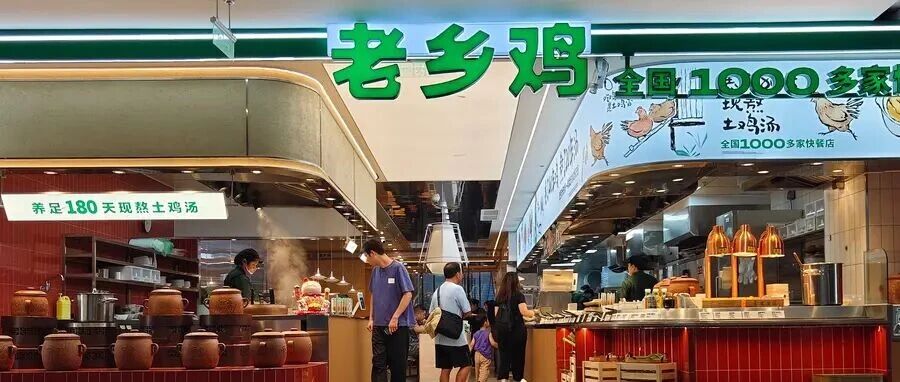
土鸡誓进城 老乡鸡三闯港交所
BambooWorks· 2026-01-21 09:31
Core Viewpoint - The article discusses the challenges and developments of Lao Xiang Ji, China's largest Chinese fast-food brand, as it attempts to go public in Hong Kong after previous unsuccessful attempts in the A-share market [1][3]. Group 1: Company Overview - Lao Xiang Ji, originally named "Fei Xi Lao Mu Ji," was founded in 2003 by veteran Shu Congxuan and has grown to become a leading player in the Chinese fast-food market [3][5]. - The company changed its name to "Lao Xiang Ji" in 2012 to facilitate national brand recognition and expansion beyond its home province of Anhui [5]. Group 2: Financial Performance - In the first eight months of the previous year, the company reported revenues of 4.578 billion yuan and a net profit of 371 million yuan, reflecting a year-on-year revenue increase of 11% and a profit increase of 12% [2][6]. - Projected net profits for 2022, 2023, and 2024 are 252 million, 375 million, and 409 million yuan respectively, with a significant growth of 49% in 2023 compared to 2022, primarily driven by strong performance in direct stores [6][9]. Group 3: Market Position and Strategy - Lao Xiang Ji holds the top position in the Chinese fast-food market with a market share of only 0.9%, indicating a highly fragmented market with over 1.7 million restaurants [2][9]. - The company has adopted a dual strategy of direct and franchise operations, with plans to expand its franchise model after initially focusing solely on direct stores for 17 years [7]. Group 4: Industry Insights - The Chinese fast-food market is expected to grow from 809.7 billion yuan in 2024 to 1,205.8 billion yuan by 2029, with a compound annual growth rate of 8.3% [8]. - Lao Xiang Ji's average daily sales per store are projected to be 15,100 yuan in 2024, ranking first among the top five Chinese fast-food brands [8]. Group 5: Challenges and Future Outlook - Despite being a market leader, Lao Xiang Ji faces challenges with a low market share and high competition, as well as a relatively low gross margin of 20% to 25% compared to competitors [9]. - The company's future growth will depend on the new leadership's ability to transform Lao Xiang Ji from a regional leader into a national giant [9].
招商证券:维持颐海国际“强烈推荐”评级 业绩提速股息可观 重视关联方积极变化
Zhi Tong Cai Jing· 2026-01-21 03:50
Core Viewpoint - The report from China Merchants Securities maintains a "strongly recommended" rating for Yihai International (01579), highlighting performance improvement and high dividends as key attractions. The company is expected to benefit from positive changes in related party transactions and continued double-digit growth in third-party business, particularly in overseas and B-end markets [1] Group 1: Performance and Dividends - The core highlights for the company are performance improvement and high dividends. Previously, the decline in related party business prices constrained performance and affected valuation, but this obstacle is expected to improve. The company has initiated high dividends starting in 2023, with future dividend rates expected to remain high [1] - The estimated EPS for 2025 and 2026 is projected to be 0.81 and 0.88 yuan, respectively, with a corresponding valuation of 15X for 2026. The dividend yield for both years is expected to exceed 6%, driven by restaurant recovery and improvements in related party transactions [1] Group 2: Revenue and Profitability - For the second half of 2025, the company anticipates low single-digit revenue growth, with improvements in gross sales margin due to increased factory prices and enhanced channel expenses to support market demand. The overall profit growth is expected to exceed 20% [2] - The company is focusing on improving supply chain efficiency, which is expected to positively impact gross margins. A one-time payment of historical dividend prepayment taxes in 2024 will lead to a higher tax rate, but the tax rate is expected to normalize in 2025, releasing approximately 50 million in profits [2] Group 3: Third-party Business Growth - The third-party business is stable, with significant growth in B-end and overseas markets. The company is reforming direct channels to recover profits and has successfully partnered with major retailers like Hema and Dingdong Maicai. The overseas business is expanding rapidly, particularly in Southeast Asia, with a dual-brand strategy [3] - The B-end revenue is expected to double in 2025, primarily driven by partnerships with key clients. The company plans to enhance the profitability of the B-end by optimizing product offerings and reducing reliance on distributors [3] Group 4: Related Party Business Improvement - The return of the founder of Haidilao is expected to boost morale and management within the company, leading to improved related party business. The founder's emphasis on quality management and new brand development is anticipated to benefit Yihai as a supplier [4] - As the overall demand in the restaurant sector recovers, the gross margin and supply volume of Yihai's related party business are expected to improve [4]

招商证券:维持颐海国际(01579)“强烈推荐”评级 业绩提速股息可观 重视关联方积极变化
智通财经网· 2026-01-21 03:49
Core Viewpoint - The report from China Merchants Securities maintains a "strongly recommended" rating for Yihai International (01579), highlighting performance improvement and attractive dividends as key points, with expectations for a high dividend payout ratio in the future [1] Group 1: Performance Improvement and Dividends - The company's core highlights are performance improvement and high dividends, with previous price reductions from related party businesses having constrained performance and valuation, but this pressure is expected to ease [1] - The company is anticipated to maintain a high dividend payout ratio starting in 2023, with expected earnings per share (EPS) of 0.81 and 0.88 yuan for 2025 and 2026 respectively, corresponding to a valuation of 15X in 2026 [1] - The expected dividend yield for 2025 and 2026 is projected to exceed 6%, with a target valuation of 22X for 2026, leading to a target stock price of HKD 21.5, representing a 44% upside [1] Group 2: Revenue and Profitability Insights - For the second half of 2025, the company expects low single-digit revenue growth, with improvements in gross sales margin due to increased factory prices and enhanced channel support for distributors [2] - The company is also expected to improve supply chain efficiency, contributing positively to gross margins, while a one-time tax payment in 2024 is projected to lead to a profit release of around 50 million yuan in 2025 [2] Group 3: Third-Party Business Growth - The third-party business is stable, with significant growth expected in B-end and overseas markets, particularly in Southeast Asia, South America, Africa, and the Middle East [3] - The B-end revenue is projected to double in 2025, driven by deepening cooperation with key clients and the establishment of a small B-end team aiming to optimize product offerings [3] Group 4: Related Party Business Improvement - The return of Haidilao's founder, Zhang Yong, is expected to boost morale and management within the company, with a focus on enhancing the quality of products supplied to Haidilao [4] - The association with Haidilao is anticipated to improve Yihai's related party business, with expectations for increased gross margins and supply volumes as the restaurant sector recovers [4]