
红旗连锁

Search documents
星巴克迎来「中国合伙人」之后,还要面临哪些压力? | 声动早咖啡
声动活泼· 2025-11-10 09:04
Core Viewpoint - Starbucks has transitioned from wholly-owned expansion in China to a joint venture model, indicating a strategic shift in response to competitive pressures in the market [3][4]. Group 1: Historical Context and Strategic Decisions - Starbucks entered the Chinese market in 1999 through partnerships with local companies, gradually shifting to a wholly-owned model as the market matured [4]. - The recent deal with Boyu Capital marks a return to a joint venture structure, allowing Starbucks to retain some control while leveraging local expertise [4][5]. - The valuation of Starbucks China at $4 billion has raised concerns among industry experts, who believe it may be too high given the competitive landscape [4]. Group 2: Market Strategy and Expansion Plans - Starbucks adapts its market entry strategy based on local conditions, opting for wholly-owned or majority-controlled models in markets similar to the U.S., while using joint ventures in less familiar territories [5][6]. - The company aims to expand its store count in China to 20,000, indicating an aggressive growth strategy despite the challenges posed by local competitors [6][8]. - The partnership with Boyu Capital is seen as a way to enhance local market penetration and capitalize on Boyu's resources in residential and commercial properties [7]. Group 3: Challenges Ahead - The ambitious target of 20,000 stores may necessitate a shift towards franchising, as managing such a large number of outlets without local partners could be impractical [8][9]. - Expanding into lower-tier cities presents challenges, including limited consumer spending power and competition from lower-priced coffee options [8][10]. - Starbucks faces pressure to localize its menu and supply chain to compete effectively, as its current offerings may not meet the evolving preferences of Chinese consumers [10][11]. Group 4: Operational Adjustments - The company has made recent adjustments to its pricing and product offerings, including limited-time discounts and new beverage options, to remain competitive [10][11]. - There is a need for innovation in product development, particularly in sourcing and flavor profiles, to better align with local tastes and preferences [11].



红旗连锁涨2.16%,成交额1.49亿元,主力资金净流入1664.60万元
Xin Lang Zheng Quan· 2025-11-10 05:51
Core Viewpoint - Hongqi Chain's stock price has shown fluctuations, with a recent increase of 2.16%, while the company faces a decline in revenue and profit year-on-year [1][2]. Group 1: Stock Performance - As of November 10, Hongqi Chain's stock price reached 5.67 CNY per share, with a trading volume of 1.49 billion CNY and a market capitalization of 77.11 billion CNY [1]. - The stock has decreased by 2.16% year-to-date, but has increased by 2.90% over the last five trading days [1]. - The stock's trading activity shows a net inflow of 16.64 million CNY from main funds, with significant buying and selling from large orders [1]. Group 2: Financial Performance - For the period from January to September 2025, Hongqi Chain reported a revenue of 7.108 billion CNY, a year-on-year decrease of 8.48%, and a net profit of 383 million CNY, down 1.89% year-on-year [2]. - Since its A-share listing, the company has distributed a total of 1.562 billion CNY in dividends, with 926 million CNY distributed in the last three years [3]. Group 3: Shareholder Information - As of October 20, 2025, the number of shareholders for Hongqi Chain is 64,400, a decrease of 1.58% from the previous period [2]. - The average number of circulating shares per shareholder is 17,786, an increase of 1.60% [2]. - The largest circulating shareholder, Hong Kong Central Clearing Limited, holds 35.2285 million shares, a decrease of 19.9774 million shares from the previous period [3].

拉餐饮外卖入局 “双11”从“囤货”转向“即享”
Bei Jing Shang Bao· 2025-11-09 12:58
Core Insights - This year's "Double 11" has shifted from traditional e-commerce competition to a focus on instant retail, with players like Taobao, Meituan, and JD engaging in rapid delivery battles [1][12] - The participation of food delivery services in "Double 11" marks a significant change, transforming the event into a "life festival" rather than just a shopping spree [1][5] Group 1: Participation of Food Delivery Services - Food delivery brands, previously sidelined, have now taken center stage in "Double 11," with Taobao Flash Sale launching a "hot stores" channel and offering significant discounts [5] - As of November 5, Taobao Flash Sale reported over 1 billion orders during "Double 11," with 19,958 restaurant brands seeing sales growth exceeding 100% compared to pre-event levels [5] - JD's food delivery service also joined the "Double 11" festivities, with a reported 13-fold increase in daily orders for its top 300 restaurant brands since the launch of the service [7] Group 2: Instant Retail Competition - The competition has evolved to focus on "minute-level" delivery, with brands like Meituan reporting over 100% sales growth for nearly 800 brands during the first day of the event [11] - Meituan has integrated nearly one million offline stores into its instant delivery network, significantly boosting sales for various product categories, including electronics and beverages [11] - Taobao Flash Sale's entry into "Double 11" represents a strategic move to enhance its presence in instant retail, with 37,000 brands and 400,000 stores participating [12] Group 3: Market Strategy and Adaptation - The shift towards instant retail indicates a need for platforms to adapt their strategies, focusing on increasing customer spending domestically and expanding user bases internationally [13] - Companies are leveraging offline resources and partnerships to enhance their service offerings, with Meituan and JD employing strategies like exclusive product deals and inventory management [13] - The reconfiguration of the instant retail market necessitates upgrades in supply chain, warehousing, and delivery systems to meet the demand for rapid delivery [13]

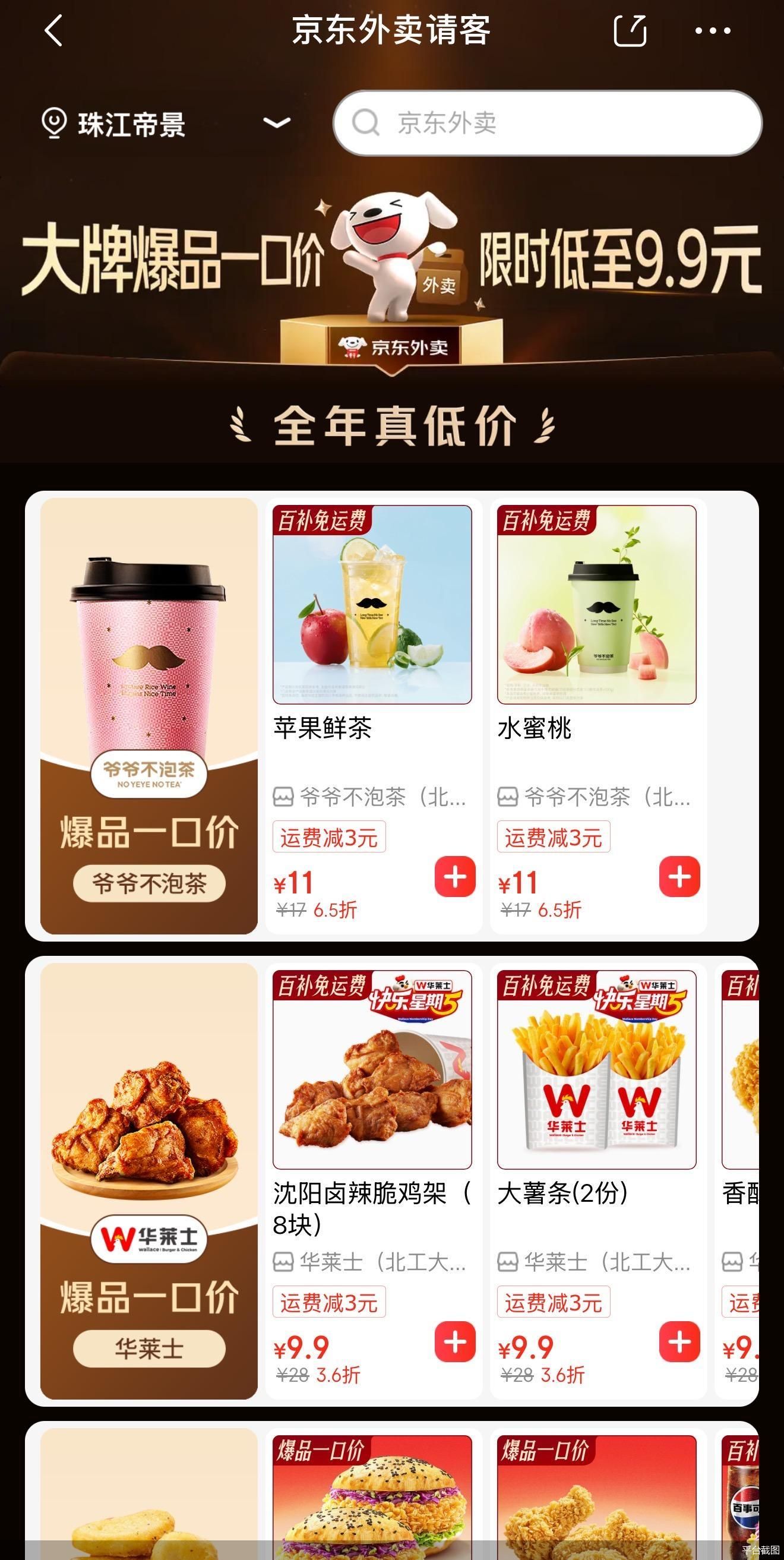
新十年,重新定义 | 5万字解读2025年中国餐饮全品类、全球餐饮认知及三大趋势
3 6 Ke· 2025-11-09 09:16
Core Viewpoint - The report highlights the evolution of the Chinese restaurant industry over the past decade, emphasizing the shift towards chain operations and capital investment, while also outlining future trends and opportunities for growth in the sector [4][6][9]. Industry Overview - The chain rate of the Chinese restaurant industry has reached 23%, with revenue approximately 6.4 trillion RMB and nearly 9 million stores [4][6]. - The past decade has been characterized as the "chain era," marked by significant capital investment and the emergence of influential associations like the China Chain Store & Franchise Association [4][6][8]. Future Trends - The report anticipates that the chain rate will rise to 25% in 2025 and potentially reach 28% by 2026 [14]. - Key trends identified for the next decade include the evolution of chains, the globalization of Chinese cuisine, and a focus on cost reduction while maintaining quality [10][12][14]. Restaurant Categories Hot Pot - The number of hot pot restaurants in China is approximately 528,298, with a net increase of 62,000 stores [17][18]. - Haidilao has initiated the "Pomegranate Plan," which aims to empower new brands using its supply chain and operational capabilities, resulting in significant revenue growth [18][19]. Barbecue - The barbecue segment has around 413,682 operating stores, with a net increase of 16,029 [33]. - Brands like "Very Long Ago" and "Guan's Chicken Wings" exemplify different operational philosophies, focusing on quality and customer relationships [36][39]. Regional Cuisines - Hunan cuisine is experiencing a transformation into a national favorite, with brands like "Fei Chef" emphasizing fresh ingredients and healthy cooking methods [70][76]. - Sichuan cuisine faces challenges in scaling due to reliance on franchising and a lack of standardized operations, which hinders brand strength [79][84]. Cantonese Cuisine - Cantonese cuisine is expanding both nationally and globally, with brands like "Dian Dou De" successfully adapting their offerings to attract a broader audience [93][94]. - The focus on fresh supply chains and innovative dining experiences is driving growth in this segment [95][96]. Jiangsu-Zhejiang Cuisine - Jiangsu-Zhejiang cuisine, known for its delicacy and refinement, has around 110,463 operating stores, with a focus on cultural experiences and high-quality ingredients [104][106]. - The global appeal of dishes like soup dumplings is highlighted as a key opportunity for international expansion [108].




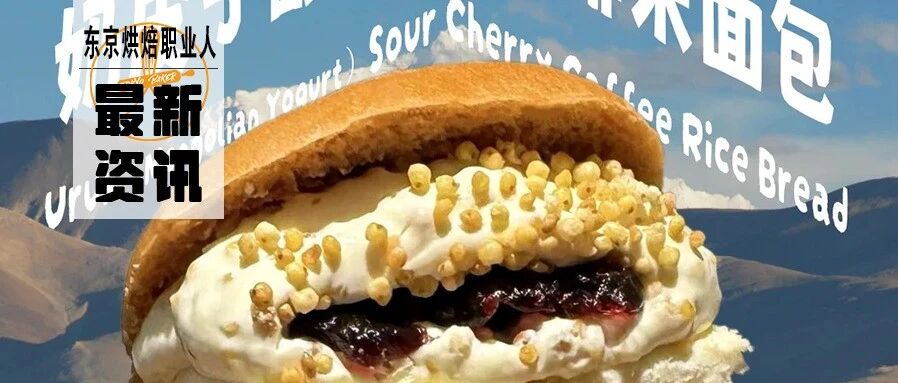
一周上新!可言可颂、至爱法麦、PUNCH MONDAY...海内外新品资讯抢先看 | 全球职人情报站
东京烘焙职业人· 2025-11-09 08:33
东京烘焙职业人每周准时摘取烘焙行业最重要的、最有价值的新品信息、品牌资讯,行业热文和海外信息,一切你想知道的,都在这里。 在这里不需要恰饭,只需要更新鲜的资讯! 1、叮咚买菜【0蔗糖杂粮谷豆膳食贝果面包/保萝工坊迁西栗子可可软欧面包】 2、 Family Mart全家 【两款三明治】 3、 Costco开市客 【科克兰香肠芝士丹麦面包】 4、ALDI奥乐齐【巴旦木奶酪维也纳式面包】 5、LAWSON罗森【三款可露丽】 1、莫卡乡村【南瓜芝士吐司】 2、 菽麦谷屋【己早蛋糕】 3、 好芙利 【 厚米乳三明治蛋糕 】 4、都市甜心CitySweet【三款栗子季蛋糕】 5、 小香港 【 「馥桂满盈」桂花蛋糕 】 6、丁香西饼屋【九层巧克力糕王】 7、一鸣真鲜奶吧【一鸣多谷物系列】 8、可言可颂【脆巧芋泥可颂挞】 9、 布朗先生 【三款秋冬蛋糕】 10、麦德莲【英式奶皮子拿破仑】 11、 金元朗EARLY BAKER 【红枣板栗南瓜吐司】 12、红星前进面包牛奶公司【两款咸口贝果】 13、UEIDUO优壹朵【黑金芝士爆汁肠】 14、 山崎面包 【3款秋季面包】 15、崎本的店【限定暖秋吐司】 16、Delicake悠 ...
你随手扔掉的东西,大批人开始囤!有人靠卖月入近千元
Sou Hu Cai Jing· 2025-11-09 01:24
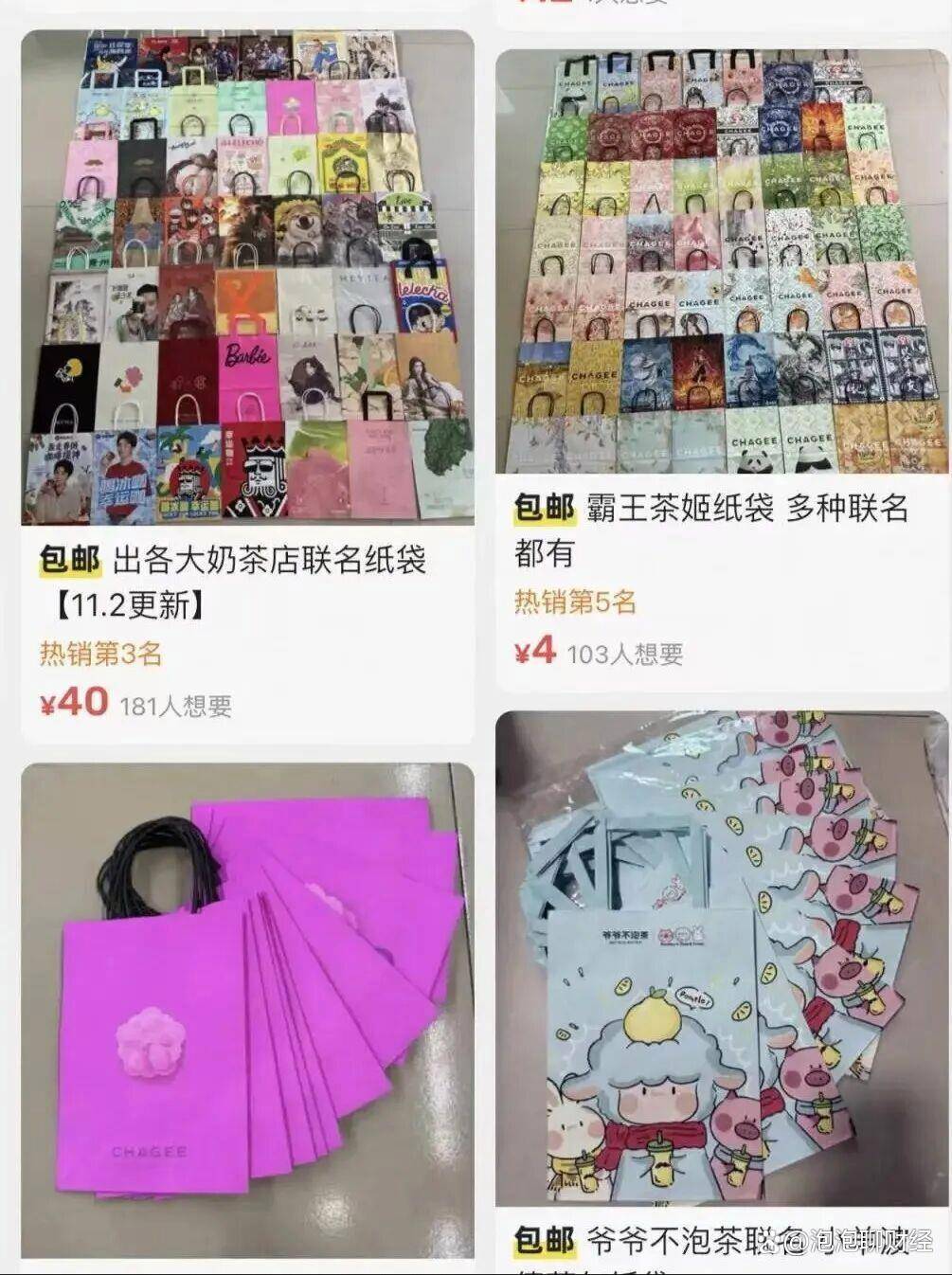
Core Insights - The article discusses the emerging trend of collecting milk tea bags, highlighting their cultural significance and the unique market dynamics surrounding them [1][5][9] Group 1: Market Dynamics - The pricing of milk tea bags follows a distinct market logic, with ordinary bags priced at 1-3 yuan, while limited edition and co-branded bags can range from 10 to 50 yuan, with some rare designs fetching over 100 yuan [5] - The new-style tea beverage market is projected to reach a scale of 354.72 billion yuan by 2024, with expectations to exceed 400 billion yuan by 2028, indicating significant growth potential in this sector [14] Group 2: Cultural and Social Aspects - Collectors view milk tea bags as valuable items that represent the growth history of brands, with some individuals amassing collections worth hundreds of yuan [7] - The act of collecting milk tea bags serves as a "social currency," helping young people establish group identities through shared consumption experiences [9] Group 3: Emotional and Creative Expression - The collection of milk tea bags is seen as a way to anchor emotions, providing a sense of ritual and emotional release for young consumers [9] - The trend of repurposing milk tea bags into creative projects, such as storage boxes and fashion items, reflects a growing interest in sustainability and creativity among consumers [14] Group 4: Marketing Strategies - Brands utilize limited packaging to enhance user recognition and create a sense of scarcity, which in turn fosters a culture of collecting [5] - The marketing strategies employed by tea brands effectively transform the perceived value of products into consumer motivation, leading to increased sales [14]
2025年第43周:跨境出海周度市场观察
艾瑞咨询· 2025-11-09 00:05
Group 1: Cross-Border Expansion and Market Trends - China and UAE's bilateral trade has surpassed $100 billion, with over 15,000 Chinese companies operating in the UAE, 90% of which plan to expand into the Middle East market [2][3] - The Dubai IFZA Free Zone has established its first office in Shanghai to facilitate Chinese companies' entry into the UAE and Middle East, aiming for a 30% increase in the number of serviced Chinese companies by 2024 [2][3] - The Chinese gaming industry is experiencing a significant reshuffle in the overseas mobile game market, with Tencent maintaining the top position but slowing growth, while MiHoYo and Muto Technology have seen substantial ranking increases [5] Group 2: Industry-Specific Developments - The global market for AI short dramas is expected to grow significantly by 2025, with China focusing on local production and AI optimization to enhance efficiency and reduce costs [6] - China's commercial aerospace sector is accelerating its international cooperation, with the successful launch of satellites for various countries, showcasing the maturity and cost-effectiveness of its technology [8] - The Chinese home robot market is thriving globally, with a 16.5% year-on-year increase in shipments, and Chinese brands holding four of the top five positions in the global market share [13] Group 3: Brand Strategies and Market Penetration - Chinese tea brands are rapidly expanding overseas, with Mixue Ice Cream and Heytea adopting different strategies to capture markets in Southeast Asia and Europe, respectively [19][20] - The sports goods industry in China is projected to reach an export value of $28.396 billion in 2024, driven by brand building and supply chain efficiency [18] - BYD has achieved impressive overseas sales, with a significant market share in Europe and plans to surpass Toyota by 2025, despite facing challenges in market education and after-sales service [27] Group 4: Technological Innovations and Globalization - Haier Biomedical is transitioning from product export to ecosystem co-building, focusing on laboratory solutions and smart medication to enhance its global competitiveness [28] - Chery Automobile has seen a 26.2% year-on-year increase in exports, emphasizing a strategy of localized production and a comprehensive product matrix [29] - SHEIN is transforming from a super retail entity to a super ecological entity, leveraging flexible supply chains and digital tools to enhance its global manufacturing capabilities [25]

新首富身价771亿美元,雷军第七,马云跌出前十,财富版图生变
Sou Hu Cai Jing· 2025-11-08 19:12
Core Insights - The Forbes China Rich List reveals that Zhong Shanshan retains the title of the richest person for the fifth consecutive year, with a net worth of $77.1 billion, increasing by $26.3 billion over the past year, averaging over $70 million daily in earnings [1][3] - Xiaomi's founder Lei Jun ranks seventh with a wealth of $36.8 billion, surpassing Jack Ma for the first time, who has fallen out of the top ten for the first time since the list's inception [1][3] Group 1: Zhong Shanshan's Wealth Growth - Zhong Shanshan's wealth is attributed to the resilience of the consumer goods sector against economic fluctuations, with his company Nongfu Spring achieving double-digit growth in revenue and net profit in the first half of 2025 [3] - The expansion of his distribution network to 8 million outlets has provided stability for low-cost essential products, even amid consumer tightening [3] Group 2: Decline of Internet Tycoons - The drop in rankings for internet billionaires highlights the challenges faced by the industry, with Jack Ma falling out of the top ten and Meituan's Wang Xing experiencing a wealth decrease of $6.2 billion, over 42% [3][9] - The end of the "burning money for market share" model is evident as platform-based companies like Meituan and JD.com see their wealth shrink [9] Group 3: Lei Jun's Rise - Lei Jun's wealth surged from $19.9 billion to $36.8 billion, an increase of 85%, driven by explosive growth in Xiaomi's automotive business, with revenue reaching 39.8 billion yuan, a year-on-year increase of over 500% [5] - The successful delivery of over 150,000 units of the SU7 model in the first half of the year has significantly impacted Lei Jun's position on the wealth list [5] Group 4: Emergence of New Wealth - New entrants in the AI sector, such as Chen Tian Shi and Liang Wen Feng, have seen significant wealth increases, contrasting with the decline of traditional real estate tycoons like Wang Jianlin [7] - The threshold for the wealth list has risen from $3.9 billion to $4.6 billion, indicating a shift in wealth towards hard technology and global consumer brands [7] Group 5: Market Dynamics - The shift from internet and real estate wealth engines to new paths represented by Zhong Shanshan's consumer goods and the technological breakthroughs of figures like Zhang Yiming and Liang Wenfeng is evident [9] - The total wealth of listed billionaires increased from $1.03 trillion to $1.35 trillion, with the CSI 300 index rising by 15%, reflecting a clear market vote for these new sectors [9][11]



2025年中国餐饮食品连锁加盟行业白皮书
艾瑞咨询· 2025-11-08 00:06
Core Viewpoint - The Chinese restaurant food chain franchise industry is undergoing profound changes, driven by macroeconomic recovery and increasing consumer spending power, leading to market expansion and digital transformation [1][4][9] Market Overview - The Chinese restaurant food market is projected to reach 12.6 trillion yuan, with a compound annual growth rate (CAGR) of approximately 7.2% from 2020 to 2024, driven by both service and retail sectors [9] - The average annual growth rate of GDP is expected to be 6.9%, while the retail sales of consumer goods will grow at about 5.5% during the same period, indicating resilient domestic demand [4] Consumer Behavior - Urban and rural residents' per capita consumption expenditure is showing a recovery trend, with urban residents growing at 6.4% and rural residents at 8.9% annually from 2020 to 2024, reflecting the vitality of the lower-tier market [6] - The demand for food and beverages remains stable, providing a solid foundation for the restaurant food industry [6] Industry Trends - The chain rate in the restaurant service sector is expected to rise from 15% in 2020 to 24% by 2025, indicating significant growth potential compared to developed countries [12] - The rise of "at-home dining" is reshaping industry structures, with this market segment growing at a CAGR of 18.4% from 2020 to 2024, significantly outpacing overall food retail growth [10] Franchise Dynamics - The franchise market is dominated by the restaurant sector, which accounts for nearly 50% of the market, but most franchise businesses are still in early expansion stages, with nearly 80% of registered franchise companies having fewer than 10 stores [20][22] - The competitive environment is shifting towards refined operations, with franchisees focusing on quality site selection and cost structure rather than engaging in price wars [24] Investment Considerations - Franchisees are increasingly favoring the "at-home dining" segment due to its lower investment threshold and shorter return on investment period, with expected payback periods of 10 to 20 months [34][36] - The leading brand in the at-home dining segment, Guoquan Shihui, is recognized for its low investment requirements and mature, replicable business model, making it a preferred choice for franchisees [39] Digital Transformation - The industry is experiencing a critical need for digital transformation to support scale expansion and profitability, with brands leveraging data-driven site selection and standardized operational systems [44] Franchisee Profile - The franchisee landscape is evolving, with a growing number of professional franchisees who have prior successful experiences, leading to a more selective relationship between brands and franchisees [47][48]

河南超千家企业参加第八届进博会
Shang Wu Bu Wang Zhan· 2025-11-07 15:23
11月5日,第八届中国国际进口博览会(以下简称"进博会")在国家会展中心(上海)开幕。河南组织 超千家企业逛展采购,同时精选一批老字号、非遗企业登台展示,既是参会者,又是展示方,体现河南 的开放活力。与此同时,组织各交易分团密集拜访外企高管、推介本土优势产业;蜜雪冰城、禹州坪山 钧窑等企业以独特的文化表达,向世界持续释放合作共赢的信号。 ...