
供给侧结构性改革

Search documents
丙烯期货和期权启航筑牢产业风险管理屏障
Zhong Guo Zheng Quan Bao· 2025-07-22 21:05
Core Viewpoint - The listing of propylene futures and options on the Zhengzhou Commodity Exchange is significant for enhancing China's pricing influence in energy and chemical products, while also aiding companies in risk management and cost control, thereby injecting new momentum into the stable development of the propylene industry [1][3]. Group 1: Market Performance - On the first day of trading, all seven propylene futures contracts experienced price increases, with the main contract PL2601 closing at 6613 yuan/ton, up by 4.14%, and the largest increase seen in PL2602 at 5.02% [1][2]. - The total trading volume for the seven contracts on the first day was 47,000 lots, with an open interest of 10,000 lots and a total transaction value of 6.24 billion yuan [2]. Group 2: Industry Context - Propylene is a crucial basic chemical product with upstream raw materials including crude oil, naphtha, coal, methanol, and propane, and downstream products such as polypropylene and propylene oxide, which are widely used in various sectors including appliances, automotive, textiles, medical devices, and cosmetics [2][3]. - China has become a major player in the global petrochemical industry, ranking first in both propylene production and consumption, but faces challenges such as rapid upstream capacity expansion and insufficient effective demand [3]. Group 3: Risk Management and Industry Development - There is a strong demand for risk management among companies in the propylene industry, as traditional pricing models are becoming inadequate due to significant price fluctuations [3][4]. - The introduction of propylene futures and options is expected to provide effective pricing references, risk management, and resource allocation tools, enhancing companies' risk resilience and promoting high-quality industry development [4][5]. - The futures market will offer continuous and authoritative price signals, reducing information gaps in traditional pricing models and facilitating innovation in trading models [4].
卷!7月券商发布超300篇“反内卷”研报
Bei Jing Shang Bao· 2025-07-22 14:06
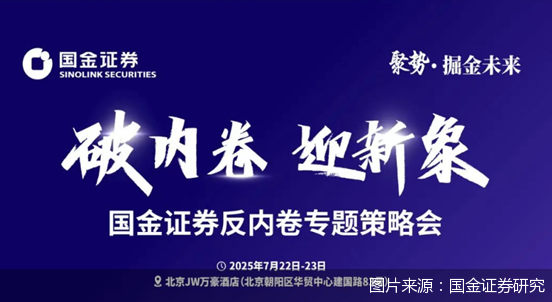
7月以来,券业掀起一轮"反内卷"研究热潮,研报、路演、电话会层出不穷之后,有券商更推出了"反内 卷"专题策略会。7月22日—23日,国金证券举办专题策略会,探讨"内卷"破局之路:从国际经验到中国 方案、"反内卷"下钢铁新机遇等话题。公开数据显示,7月以来,券商已"组团"发布了超300篇"反内 卷"主题相关研报。有业内人士表示,"反内卷"专题策略会不仅能够帮助关联公司梳理出更具前瞻性的 业务战略,同时也为客户提供了一种全新的视角和服务体验,预计这种形式可能引发更多机构跟进。不 过,券商也需在热点追踪与差异化研究间找到平衡。 300余篇研报关注"反内卷" 除国金证券外,7月21日,中信建投证券宏观、政策研究、策略、新股策略、固收、金属和金属新材 料、电新等研究团队也共同推出"反内卷"主题投资展望。 在策略方面,中信建投证券表示,配置层面关注中报业绩和反内卷主题,"反内卷"当前更多是作为"供 给侧结构性改革"的映射主题引发市场短期行情,政策力度尚不足以改变行业长期趋势。多数板块行情 预计在概念热度消退后重新回归基本面,而在更有实质约束力的政策举措落地后,"反内卷"这一横跨多 个政策约束力和执行路径成为投资者关注的焦 ...



政策预期发酵压制债市情绪
Qi Huo Ri Bao· 2025-07-22 09:44
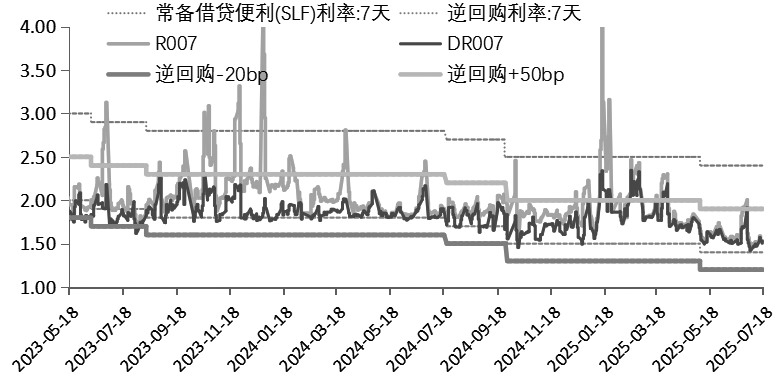
Group 1 - The recent stock and bond market dynamics show a "see-saw" effect, with strong policy expectations and a rising stock market putting pressure on the bond market [1] - The bond market experienced a brief rebound due to the disconfirmation of housing reform expectations and weak economic data, but renewed policy expectations led to a decline in bond prices [1][2] - The People's Bank of China (PBOC) has been actively managing short-term liquidity, with significant net injections to counter tax period funding demands, resulting in a more favorable environment for short-term bonds [2] Group 2 - The focus of urban development in China is shifting from large-scale expansion to urban renewal, emphasizing safety and quality improvements rather than merely increasing housing supply [3] - The economic growth rate for Q2 was slightly down to 5.2%, with structural and price weaknesses persisting, indicating a need for careful monitoring of policy impacts on economic stability [5][6] - Consumer spending remains weak, and real estate investment is still in a bottoming phase, suggesting that the overall economic momentum lacks elasticity despite a stable economic backdrop [6] Group 3 - The upcoming implementation of the Ministry of Industry and Information Technology's ten key industry growth plans is expected to exert continuous pressure on the bond market [2][6] - The market anticipates that the upcoming Central Political Bureau meeting will likely focus on maintaining existing policies rather than introducing new incremental policies, which may further influence market sentiment [5][6] - The bond market's fundamental direction remains unchanged, with a cautious outlook on the potential for further adjustments in response to evolving economic conditions and policy expectations [6]
花旗集团余向荣:下半年中国出口有望继续超预期
2 1 Shi Ji Jing Ji Bao Dao· 2025-07-22 07:22
Group 1 - Citi Group projects that China's GDP growth target for the year is achievable, with a revised forecast of 5% growth for 2023 [1] - The bank emphasizes the need for nominal growth recovery in the second half of the year while maintaining actual growth momentum [1] - Export performance is identified as the biggest surprise factor for growth this year, with expectations of moderate growth despite a slowdown in the second half due to higher base effects [1][2] Group 2 - Three main factors are driving the continued outperformance of exports: the peak of US tariff policies, overestimation of "export grabbing" effects, and the resilience of China's export sector [2][3] - The potential reduction of tariffs on fentanyl and other goods following US-China negotiations could further benefit Chinese exports [2] - The competitiveness of Chinese products remains strong, with a shift towards intermediate goods and capital goods in export composition [3] Group 3 - The "Artificial Intelligence +" sector is expected to generate an additional investment of approximately 500 billion yuan, contributing about 0.4 percentage points to GDP growth [4] - New consumption trends, particularly in service sectors, are emerging, with inbound tourism expected to contribute 0.2 percentage points to GDP growth [4] - Investment in new sectors is thriving, despite uncertainties in traditional sectors like real estate and exports [4] Group 4 - The bank anticipates that domestic demand growth will face marginal weakening, leading to accelerated implementation of incremental policies [5] - Fiscal policies will focus on enhancing existing measures rather than increasing budget or bond issuance, with a projected scale of 100 billion yuan for childcare subsidies [6] - Monetary policy is expected to maintain a "light total, heavy structure" approach, with anticipated rate cuts and liquidity support for key projects [6] Group 5 - The focus on "supply-side structural reform" and measures to combat low-price competition are highlighted as essential for improving supply-demand dynamics [7] - Proposed measures include stricter regulations on production standards and financial oversight to ensure orderly market conditions [7] - Successful implementation of these reforms, combined with demand-side stimulus, could lead to a moderate rebound in Producer Price Index (PPI) data [7]

上半年出口增长7.2% 彰显外贸韧性
Zhong Guo Qing Nian Bao· 2025-07-22 02:23
Group 1: Export Performance - In the first half of the year, China's exports exceeded expectations, with private enterprises being the main contributors, showing a 7.0% growth compared to state-owned and foreign-invested enterprises at 3.2% and 4.7% respectively [1][4] - The overall trade volume increased by 2.9% year-on-year, with exports growing by 7.2%, indicating a recovery from the previous month's decline [1][3] - High-tech product exports rose by 9.2%, with significant growth in sectors like high-end machinery and marine engineering equipment, which saw over 20% growth [3] Group 2: Economic Resilience - China's economy demonstrated strong resilience amid external pressures, with macro policies and proactive responses from businesses playing a crucial role [2] - The industrial added value growth rate increased from 5.8% in May to 6.8% in June, marking the highest rate in three months [1] - The net export of goods and services contributed 1.7 percentage points to economic growth, highlighting its importance in the recovery [3] Group 3: Challenges and Outlook - Experts noted that the economic outlook remains uncertain, with potential challenges including export decline, policy effects, real estate adjustments, and low price levels [6] - The supply side indicators are outpacing demand indicators, indicating an imbalance in the economy [6] - Recommendations include enhancing domestic demand, particularly in consumption, and implementing structural reforms to balance supply and demand [6][7] Group 4: Policy Recommendations - Emphasis on ensuring that fiscal policy growth outpaces nominal economic growth, with a focus on effective implementation [7] - The need for a balanced approach in policy design, including growth-oriented, reform-oriented, and stability-oriented measures [8] - Suggestions for increasing support for employment and social security to maintain social stability and harmony [8]
7月经济价升量落,低位平衡点逐步形成
China Post Securities· 2025-07-21 09:08
Economic Overview - In July, economic prices increased while volumes decreased, indicating a search for rebalancing in supply and demand, with marginal economic growth expected to slow down[1] - The Producer Price Index (PPI) showed a month-on-month increase, with the year-on-year decline in growth narrowing, primarily driven by the "anti-involution" policy expectations[1][45] Real Estate Market - The sales sentiment in the real estate market weakened, with both month-on-month and year-on-year growth turning negative; the average daily transaction area in 30 major cities decreased by 15.85% compared to June[2][11] - It is anticipated that first-tier city housing prices may stabilize by the end of the year, while second-tier cities may see stabilization by June next year[2][48] Industrial Demand - Industrial demand showed a mild recovery, with the rebar production rate increasing to 43.06%, up 0.87 percentage points from June, while prices slightly decreased by 0.16%[15] - The average operating rate for asphalt plants rose to 32.4%, indicating a recovery in demand, with asphalt inventory decreasing by 7.31%[18] Consumer Behavior - July consumer spending is expected to remain resilient, supported by a surge in tourism during the summer, with domestic tourism projected to exceed 2.5 billion trips, recovering to over 115% of 2019 levels[26] - The average daily subway ridership in major cities increased, reflecting a rebound in travel demand during the summer[23] Risks and Challenges - Potential risks include unexpected intensification of global trade frictions, geopolitical conflicts, and policy effects falling short of expectations[3]
从“资产荒”角度看“内卷”的深层原因︱重阳荐文
重阳投资· 2025-07-21 06:07
Core Viewpoint - The article emphasizes the importance of understanding the root causes of "involution" in the context of declining investment returns and risk appetite in the capital market, suggesting that addressing these issues is crucial for effective countermeasures against involution [1]. Group 1: Declining Investment Returns - The operating profit margin of large-scale manufacturing enterprises has been on a downward trend, with figures of 5.35%, 5%, and 4.63% for 2022, 2023, and 2024 respectively, further declining to 4.25% in the first five months of this year [5]. - The revenue generated per 100 yuan of assets for large-scale manufacturing enterprises has decreased from 107 yuan in 2022 to 92.3 yuan in 2024, dropping to 85.2 yuan in the first five months of this year [5]. Group 2: Involution in Competition - Increased operational pressures have led to intensified competition among enterprises, characterized as "involutionary competition," where companies resort to price cuts to gain market share, resulting in "increased volume without increased revenue" [10]. - The Producer Price Index (PPI) has been in negative growth for 33 consecutive months since October 2022, despite the value-added growth of large-scale manufacturing enterprises being 3%, 5%, and 6.1% for 2022, 2023, and 2024 respectively, and accelerating to 7% in the first half of this year [10]. Group 3: Supply-Demand Imbalance - The root cause of "involutionary competition" is identified as an oversupply in certain industries, with capacity utilization rates for large-scale manufacturing enterprises at 75.8%, 75.28%, and 75.2% for 2022, 2023, and 2024, further declining to 74.2% in the first half of this year [18]. - Manufacturing investment growth has outpaced overall investment growth since 2021, with manufacturing investment growth rates exceeding overall investment growth by 8.6, 4, 3.5, and 6 percentage points from 2021 to 2024 [19]. Group 4: Government Influence on Investment - Local governments are incentivized to boost manufacturing investment to meet GDP targets, leading to increased investment in new industries, which has resulted in overcapacity in sectors like photovoltaics, lithium batteries, and electric vehicles [31]. - The financial support for manufacturing has increased, with long-term loans for manufacturing growing at rates exceeding 40%, providing substantial funding for investment expansion [28]. Group 5: Consumer Behavior and Economic Structure - Consumer confidence has declined, with the income confidence index dropping from 124.95 in 2019 to 95.42 in 2024, while the average wage growth for urban non-private units has slowed to 2.8% in 2024 [32]. - The high savings rate in China, at 42.49% in 2023, is attributed to a preference for low-risk assets over riskier investments, reflecting a cautious consumer sentiment [40]. Group 6: Comparison with Past Economic Reforms - The current "anti-involution" initiative is likened to the supply-side structural reforms of a decade ago, focusing on enhancing product quality and addressing low-price competition, while also emphasizing the need to stimulate consumer demand [61]. - The article suggests that the strategies for "anti-involution" should prioritize reducing excess capacity and inefficient investments while increasing household income to boost consumption [61].

反内卷对利率中枢影响如何?
2025-07-21 00:32
Summary of Conference Call Records Industry or Company Involved - The discussion primarily revolves around the **anti-involution policy** and its implications on the **economic landscape** in China, particularly focusing on the **market structure**, **competition**, and **long-term interest rates**. Core Points and Arguments 1. **Anti-Involution Policy Overview** The anti-involution policy aims to prevent vicious competition and enhance product quality by promoting orderly exit of outdated capacities. It was first proposed in July 2024 and included in the government work report in March 2025 [2][2][2] 2. **Impact on Market Structure** The current market structure has shifted to monopolistic competition, where price reductions do not effectively stimulate demand. Companies are increasingly relying on marketing strategies to create demand, leading to sales expenses becoming a critical factor affecting production [1][5][6] 3. **Profit Pressure and Sales Expenses** The gap between individual production scale and effective production scale is narrowing, causing companies to invest heavily in sales to create demand, which increases profit pressure and can lead to losses [1][7][10] 4. **Quality of Products and Services** The impact of involution on product and service quality occurs in three stages: initial quality improvement, followed by quality decline, and ultimately quality degradation. Over-marketing leads to a "lemon market" scenario where R&D investment decreases, affecting product quality [1][9][10] 5. **Long-term Economic Effects** The anti-involution policy is expected to raise the long-term interest rate center by 10-20 basis points, although the profit recovery from production limits may be temporary. Historical data suggests that past production limits led to short-term GDP declines but nominal GDP recoveries [3][12][13] 6. **Global Context of Involution** Involution is a global phenomenon, often referred to as the high-income trap. Many high-income countries have faced similar issues, but China's current situation is more severe due to ineffective price competition [4][4] 7. **Future Economic Outlook** The policy aims to alleviate the pressure of excessive sales expenses and price competition, which may initially lead to profit transfers but is expected to have a positive long-term impact on overall economic growth and corporate profitability [10][12][13] Other Important but Possibly Overlooked Content 1. **Market Reactions** The stock and commodity markets have reacted significantly to the anti-involution sentiment, while the bond market has shown a more muted response. The focus should be on the macroeconomic perspective regarding the impact of the anti-involution policy on the bond market [11][12][14] 2. **External Trade and Monetary Policy** Attention should be given to the potential escalation of trade tensions post the expiration of the US-China agreement and the risks of negative export growth. Additionally, the central bank's efforts to guide interest rates lower and restart government bond trading are crucial [15][15] 3. **Investment Strategies** Future investment strategies should consider sectors like AI and military industries that may benefit from the anti-involution policy. Monitoring policy changes and their effects on the economic environment will be essential for formulating investment approaches [20][20][21]
策略快评:犹豫理解共识:16年供给侧改革三部曲
Huachuang Securities· 2025-07-21 00:15
Core Insights - The report identifies the "anti-involution" policy as a new round of supply-side reform, which aims to improve the persistently low price performance and may significantly impact asset allocation, shifting from a balanced strategy to a focus on core assets represented by large-cap growth stocks [1][12][47] - The historical context of the supply-side structural reform from 2016 to 2018 is analyzed, highlighting the market's journey from skepticism to optimism, and the importance of understanding the timing of policy implementation and market reactions [1][13] Policy Implementation Timing - The Central Economic Work Conference in November 2015 marked the clear signal for policy action, with specific policy documents for the steel and coal industries being released within three months, leading to rapid local government implementation [1][14][27] - The supply-side reform involved adjustments in the relationship between central and local governments, with local fiscal pressure alleviating as a key factor in the successful implementation of policies [1][15][27] Market Reaction Timeline - Commodity prices began to stabilize at the end of 2015, with significant price increases for rebar and thermal coal starting in mid-2016, indicating a market response to the supply-side reforms [3][10][38] - The stock market showed cautious behavior in the first half of 2016, but began to recover in the second half, particularly in the steel and coal sectors, which saw significant upward trends and excess returns [3][41][42] Key Changes in Supply-Side Reform - The 2016 supply-side reform was characterized by high efficiency, strong determination, and a shift in market expectations, with policies requiring not just the elimination of outdated capacity but also a mandatory reduction of overall capacity [2][8][28] - Accompanying measures, such as financial support and worker placement policies, were implemented to alleviate local government concerns, enhancing the commitment to the reforms [2][29][30] Focus Areas for Current Policies - Current policies are focused on the sustainability of local fiscal pressure relief, the issuance of specific industry policy documents, and the enforcement of local assessment constraints and accompanying measures [2][34] - The report emphasizes the importance of monitoring the recovery of local government revenues and the potential impact of land sales on fiscal health, which could provide the necessary support for the "anti-involution" policies [34][35] Conclusion on Market Dynamics - The report concludes that the success of the current "anti-involution" policies hinges on the ability to clear supply, which should lead to price recovery and subsequently improve corporate earnings, creating a positive feedback loop in the market [12][47]
港股市场年内表现亮眼 下半年流动性或再改善
Zheng Quan Ri Bao· 2025-07-20 16:06
Group 1 - The Hong Kong stock market has shown strong performance this year, attracting significant attention from overseas investors, particularly in quality A+H stocks [1][2] - As of July 18, the Hang Seng Index has risen by 23.76% and the Hang Seng Tech Index by 23.96% this year [1] - Foreign capital inflow is expected to improve liquidity in the Hong Kong market in the second half of the year, driven by continuous southbound fund inflows and a weaker US dollar [1][4] Group 2 - Since July, several Chinese stocks have seen increased foreign investment, especially A+H companies, with notable purchases in newly listed stocks and quality leading companies [2] - For instance, Schroders Group increased its stake in Anjuke Food by 107.88 million shares, bringing its total holdings to 297.88 million shares, representing 7.45% of the total [2] - Point72, a hedge fund, has also increased its holdings in Lens Technology by 822.34 million shares, totaling 2205.14 million shares or 8.41% of the company [2] Group 3 - Quality leading stocks have attracted significant foreign investment, with notable increases in holdings by major investment firms [3] - WuXi AppTec announced a projected revenue of approximately 20.64% growth year-on-year, with net profit expected to rise by 101.92% [3] - Morgan Stanley and Fidelity Investments have increased their stakes in WuXi AppTec, holding 3577.17 million shares (9.24%) and 5435.49 million shares (14.04%) respectively [3] Group 4 - The outlook for the second half of the year suggests that the weakening US dollar will lead to increased foreign net inflows into emerging markets, benefiting both A-shares and Hong Kong stocks [4] - UBS analysts note that emerging markets are likely to be the biggest beneficiaries of a weaker dollar, with Hong Kong stocks expected to gain more due to their larger weight in the emerging market index [4] - As of July 18, southbound funds have net inflows of 7358.53 billion yuan this year, indicating strong liquidity support for the Hong Kong market [4] Group 5 - Foreign investors are optimistic about sectors such as technology, consumption, and quality leading stocks [5] - Citigroup has upgraded the consumption sector from "neutral" to "overweight," indicating a positive outlook for domestic stocks [5] - BlackRock's fund manager sees potential opportunities in the Hang Seng Tech sector and quality enterprises in the traditional economy, which may experience valuation increases if their mid-year performance is strong [5]