Workflow
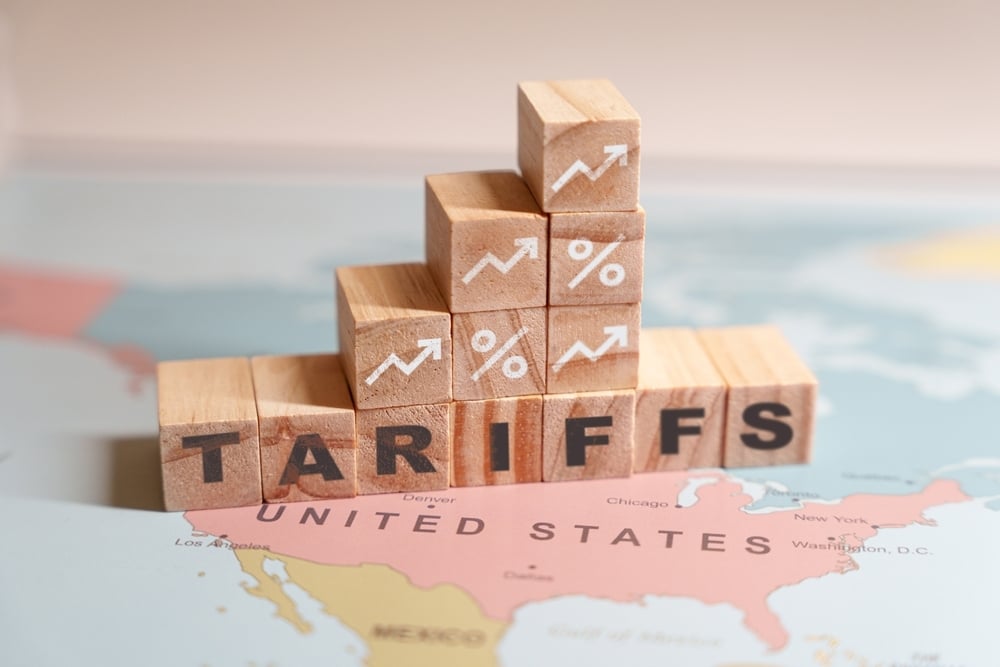
关税政策
icon
Search documents
华尔街日报批特朗普关税“大规模敛财” 究竟在保护美国,还是掏空美国人的钱包?
Sou Hu Cai Jing· 2025-11-08 00:38
Core Viewpoint - The Trump tariffs, initially aimed at protecting American manufacturing, have evolved into a significant fiscal revenue mechanism, raising concerns about their legality and implications for U.S. economic policy [1][4]. Group 1: Tariff Revenue and Economic Impact - The Trump administration has expanded tariffs not only on China but also on Europe, Mexico, and Vietnam, framing them as measures for national security and fair competition, while effectively acting as an "invisible tax" on American consumers [3][5]. - If the current tariff structure remains in place until mid-next year, the U.S. government could generate between $750 billion to $1 trillion in revenue, marking the largest tax increase in nearly two decades [3][5]. - The American Employers Federation estimates that U.S. businesses will incur over $82 billion in additional costs due to tariffs in 2024, leading many small manufacturers to raise prices or reduce production [5]. Group 2: Legal and Constitutional Challenges - The legality of the tariffs is under scrutiny, as the U.S. Constitution grants Congress the power to levy taxes, and the Trump administration's use of "emergency economic powers" to impose tariffs may violate this principle [5][7]. - Supreme Court justices have expressed doubts about the constitutionality of the tariffs, suggesting that significant economic decisions should require explicit congressional authorization [5][7]. - If the courts determine that the tariffs are effectively taxes, it could trigger constitutional disputes and potentially require the government to refund up to $19.5 billion in collected revenue [5]. Group 3: Political and Diplomatic Implications - The perception of tariffs as a covert tax undermines the credibility of U.S. trade policy in international negotiations, as trade measures are increasingly viewed as revenue-generating tools rather than diplomatic instruments [6][7]. - The Trump administration faces a dilemma: maintaining that tariffs serve as trade tools necessitates proving their direct link to national security, while acknowledging their fiscal role risks being deemed unconstitutional [7]. - The situation illustrates a broader internal conflict regarding power, money, and constitutional limits, as tariffs transition from trade levers to fiscal instruments, complicating the administration's economic agenda [7].
特朗普改口承认美国民众在为关税买单,此前宣称关税成本由其他国家承担
Sou Hu Cai Jing· 2025-11-07 14:15
Core Viewpoint - The U.S. Supreme Court is debating the legality of President Trump's extensive tariff imposition, which is seen as a significant test of presidential power and could impact the global economy [1] Group 1: Tariff Policy and Economic Impact - President Trump has acknowledged that U.S. consumers are paying higher prices due to tariffs, marking a shift in his previous stance that other countries bear the cost [3] - The Trump administration has imposed tariffs on imports from various countries, claiming to use tariffs to end conflicts and asserting that he has resolved multiple international disputes [3] - A study from Yale University indicates that by 2025, the average effective tariff rate for U.S. consumers could rise to 18.3%, the highest since 1934, with an estimated additional annual cost of $2,400 per household due to tariffs [4] Group 2: Legal and Political Implications - Trump expressed concerns that a negative ruling from the Supreme Court regarding his tariff authority would be "devastating" for the country and indicated the need for a "second plan" [4] - This case represents a significant divergence between Trump and the conservative-majority Supreme Court, marking a notable moment in his presidency [4]
贵金属市场周报-20251107
Rui Da Qi Huo· 2025-11-07 10:06
1. Report Industry Investment Rating - Not provided in the document 2. Core Viewpoints of the Report - The precious metals market continued its wide - range oscillation this week due to complex global macro - situations such as easing tariff tensions, ongoing US government shutdown, and weakened short - term expectations of Fed rate cuts. The US government shutdown provides bottom - line support for gold prices, but the uncertainty of the Fed's future rate - cut path and the potential end of the government shutdown may suppress the upward trend of gold prices. Precious metals are expected to resume a mild upward trend in the short term, and it is recommended to adopt an interval - band trading strategy. The recommended trading intervals are 890 - 950 yuan/gram for the Shanghai Gold 2512 contract and 11000 - 11700 yuan/kg for the Shanghai Silver 2512 contract [8] 3. Summary According to the Directory 3.1 Weekly Highlights Summary - **Market Situation**: The precious metals market continued to oscillate widely. The US government shutdown reached a record 38 days, providing support for gold prices. The overall PMI was dragged down by the manufacturing industry, the labor market was weakening, and the Fed's future rate - cut path was uncertain, which potentially suppressed the upward movement of gold prices. The high - level decline of the US dollar provided potential support for gold prices [8] - **Market Outlook**: Precious metals are expected to resume a mild upward trend in the short term, but the potential end of the US government shutdown may suppress the upward expectation of gold prices. Attention should be paid to the US October CPI data [8] 3.2 Futures and Spot Markets - **Price Movement**: COMEX silver rose 0.63% to $48.55 per ounce, and the Shanghai Silver 2512 contract rose 0.38% to 11484 yuan/kg. COMEX gold rose 0.06% to $4017.5 per ounce, while the Shanghai Gold 2512 contract fell 0.07% to 921.26 yuan/gram [11] - **ETF Holdings**: As of November 6, 2025, SPDR gold ETF holdings remained basically the same as last week, and SLV silver ETF holdings decreased by 0.5% [16] - **COMEX Positions**: Due to the US government shutdown, COMEX position data for precious metals was suspended. As of September 23, 2025, COMEX gold total positions increased by 2.43%, and net positions increased by 0.13%. COMEX silver total positions increased by 1.75%, and net positions increased by 1.43% [17][21] - **Basis**: The basis of Shanghai gold strengthened, while that of silver weakened. As of November 6, 2025, the gold basis was - 3.80 yuan/gram, and the silver basis was - 93 yuan/kg [22][24] - **Inventory**: COMEX precious metals inventory decreased, while SHFE inventory increased. As of November 6, 2025, COMEX gold inventory decreased by 1.04%, and SHFE gold inventory increased by 0.92%. COMEX silver inventory decreased by 1.2%, and SHFE silver inventory increased by 0.1% [31] 3.3 Industrial Supply and Demand Situation 3.3.1 Silver Industry - **Imports**: As of September 2025, China's silver imports increased by 19.17% month - on - month, while silver ore imports decreased by 13.19% month - on - month [37] - **Downstream Demand**: Due to the increasing demand for silver in semiconductors, the growth rate of integrated circuit production continued to rise. As of September 2025, the monthly integrated circuit production was 4371000 pieces, with a year - on - year growth rate of 5.90% [39][42] - **Supply and Demand Balance**: The silver market was in a tight - balance state. As of the end of 2024, industrial demand increased by 4% year - on - year, coin and net bar demand decreased by 22% year - on - year, and ETF net investment demand changed from - 37.6 million ounces to 61.6 million ounces. Total demand decreased by 3% year - on - year. The supply - demand gap was - 148.9 million ounces, a 26% decrease from the previous period [48][52] 3.3.2 Gold Industry - **Price**: Affected by the gold tax policy, the prices of gold jewelry increased. As of November 6, 2025, the gold prices of Laofengxiang, Chow Tai Fook, and Saturday Fu were 1256 yuan/gram, 1259 yuan/gram, and 1261 yuan/gram respectively. The Chinese gold recycling price was 910.80 yuan/gram, a 0.80% decrease from the previous period [54][58] - **Demand**: According to the World Gold Council, gold ETF investment demand increased significantly in Q3 2025. Central banks net - purchased about 220 tons of gold in Q3, with a cumulative total of 634 tons in the first three quarters of 2025 [60] 3.4 Macroeconomic and Options (Macroeconomic Data) - **Dollar and Treasury Yields**: The US dollar index oscillated higher and then declined from its high this week, and the 10 - year US Treasury yield followed the trend of the US dollar [64] - **Yield Spread and Volatility**: The 10Y - 2Y US Treasury yield spread widened, and the CBOE gold volatility continued to decline [68] - **Inflation - Balanced Interest Rate**: The 10 - year inflation - balanced interest rate was 2.28%, slightly lower than last week [71] - **Central Bank Gold Purchases**: In Q3 2025, central banks around the world purchased 220 tons of gold, a 28% increase from the previous quarter, reversing the downward trend at the beginning of the year. The cumulative net gold purchases from the beginning of the year to now reached 634 tons, still significantly higher than the level before 2022 [75][77]
特朗普回应美最高法院大法官关税质疑,还有“B计划”?
Di Yi Cai Jing· 2025-11-07 09:51
Core Viewpoint - The authority of President Trump to impose broad tariffs on trade partners under the International Emergency Economic Powers Act (IEEPA) is being challenged in the U.S. Supreme Court, raising significant legal and economic implications for U.S. trade policy [1][2]. Group 1: Supreme Court Proceedings - The Supreme Court held a three-hour oral argument regarding Trump's tariff authority, with most justices expressing skepticism about the government's legal basis for the tariffs [2][3]. - The court consists of six conservative justices and three liberal justices, with the liberal justices openly opposing Trump's emergency tariff powers [3]. - Chief Justice Roberts questioned the absence of the term "tariff" in the IEEPA and emphasized that taxation is traditionally a congressional power, suggesting a potential limitation on presidential authority [3]. Group 2: Economic Impact of Tariffs - U.S. consumers are expected to bear over 55% of the tariff costs, with American businesses absorbing 22% and foreign exporters taking on 18% [3]. - The average effective tariff rate faced by U.S. consumers is estimated at 17.9%, the highest since 1934, leading to a projected 1.3% increase in price levels and an average household loss of $1,800 [4]. - By the end of 2025, these tariffs could increase the unemployment rate by 0.3 percentage points, rising to 0.7 percentage points by the end of 2026 [4]. Group 3: Potential Outcomes and Alternatives - If the Supreme Court rules against the emergency tariffs, companies involved in the lawsuit may receive refunds, while others could face complex administrative processes for reimbursement [5]. - The court may not entirely negate the president's emergency powers but could impose stricter limitations on the scope of tariffs that can be enacted unilaterally [6]. - Trump has mentioned a "second plan," indicating that alternative legal avenues exist for imposing tariffs, although these may be less effective than the IEEPA [5][6].
美最高法院激辩关税政策是否合法
Huan Qiu Shi Bao· 2025-11-07 06:54
Core Viewpoint - The U.S. Supreme Court is questioning the legality of the federal government's large-scale tariff policies, which may have significant implications for the global economy and the current administration's authority [2][4]. Group 1: Legal Proceedings - The Supreme Court is reviewing an appeal from the federal government regarding the legality of tariffs imposed under the International Emergency Economic Powers Act of 1977, which has never been used for such purposes before [2][4]. - Five small businesses and twelve states filed lawsuits in April, challenging the legality of the tariff policies, with several courts previously ruling against the government's use of the Act for comprehensive tariffs [2][4]. Group 2: Government's Position - The U.S. Deputy Attorney General argued that tariffs are necessary to negotiate trade agreements and prevent aggressive trade retaliation from other nations, framing the situation as a potential economic and security disaster [3]. - The Chief Justice and other conservative justices expressed skepticism about the government's authority to impose tariffs, emphasizing that taxation is a core power of Congress [3][4]. Group 3: Potential Outcomes - If the Supreme Court rules against the government, it may have to cancel trade agreements and potentially refund importers, which could lead to significant economic repercussions [5]. - The government has alternative options to impose tariffs, such as using Section 301 of the Trade Act of 1974 to address perceived unfair trade practices [5]. Group 4: Economic Impact - Tariffs imposed under the International Emergency Economic Powers Act have generated an estimated $89 billion in revenue from February 4 to September 23 of this year [6]. - However, the economic costs of the tariff policies are substantial, negatively impacting consumers and productive enterprises, with a significant portion of the public attributing rising living costs to the government's actions [6].
广发期货《农产品》日报-20251107
Guang Fa Qi Huo· 2025-11-07 05:16
Report Industry Investment Rating No relevant information is provided in the given content. Core Viewpoints of the Report - **Poultry and Oilseeds**: The market is affected by the US tariff decision and high domestic inventory, with poor profit control and limited support for demand. Future soybean procurement may face challenges, but the support for soybean meal is expected to increase [1]. - **Oils and Fats**: Malaysian palm oil futures may face further downward pressure, while domestic palm oil and soybean oil futures are expected to show a volatile rebound. The demand for domestic soybean oil is expected to remain stable, and the basis quotation is expected to have limited fluctuation [2]. - **Hogs**: The current hog market is in a range - bound pattern, with limited downward space. The slowdown of the overall slaughter progress in November may boost hog prices to some extent. It is recommended to be cautiously bullish in single - side operations, and the 3 - 7 reverse spread strategy can be continued [4]. - **Corn and Corn Starch**: The supply in the Northeast and North China regions is stable. The demand side shows general inventory - building enthusiasm in the trading sector. The corn market is expected to oscillate at a low level in the short term, and there is a selling pressure expectation in November [7]. - **Sugar**: The expected increase in supply surplus and weakening energy prices have led to a weak trend in raw sugar prices. The domestic sugar price is under pressure but has significant cost support at around 5400. The spot market is tepid, and the price is expected to remain in a low - level oscillation [12]. - **Cotton**: The new cotton cost provides strong support for cotton prices, but there is also hedging pressure. The downstream demand is weak, but the inventory pressure is not large. Short - term cotton prices are expected to oscillate within a range [13]. - **Eggs**: In the short term, the egg market still faces a supply - exceeding - demand situation. The price is expected to be in a difficult - to - rise - or - fall state initially and then gradually transition to a slow - rising trend. The egg price is expected to oscillate widely at the bottom, with a reference range of 2900 - 3300 [16]. Summary by Relevant Catalogs Poultry and Oilseeds - **Soybean Meal**: The current price in Jiangsu is 3060 yuan/ton, up 0.99% from the previous day. The futures price of M2601 is 3068 yuan/ton, down 0.16%. The basis of M2601 is - 8 yuan/ton, up 81.40%. The spot basis quotation in Jiangsu is m2601 - 60 [1]. - **Rapeseed Meal**: The current price in Jiangsu is 2550 yuan/ton, unchanged from the previous day. The futures price of RM2601 is 2549 yuan/ton, up 0.47%. The basis of RM2601 is 1 yuan/ton, down 92.31% [1]. - **Soybeans**: The current price of Harbin soybeans is 3920 yuan/ton, unchanged. The futures price of the main soybean contract is 4146 yuan/ton, up 0.56%. The basis of the main soybean contract is - 226 yuan/ton, down 11.33% [1]. - **Spreads**: The soybean meal inter - delivery spread 01 - 05 is 241 yuan/ton, down 3.21%. The rapeseed meal inter - delivery spread 01 - 05 is 133 yuan/ton, up 0.76%. The oil - meal ratio of the spot is 2.74, down 0.86%, and that of the main contract is 2.67, up 0.78% [1]. Oils and Fats - **Palm Oil**: The current price of first - grade palm oil in Jiangsu is 8390 yuan/ton, up 0.12%. The futures price of Y2601 is 8188 yuan/ton, up 0.61%. The basis of Y2601 is 202 yuan/ton, down 16.53% [2]. - **Soybean Oil**: The current price of third - grade rapeseed oil in Jiangsu is 9780 yuan/ton, up 0.31%. The futures price of OI601 is 9564 yuan/ton, up 1.67%. The basis of OI601 is 216 yuan/ton, down 37.03% [2]. - **Spreads**: The rapeseed - soybean oil spread of 2601 is 1376 yuan/ton, up 8.43%. The soybean oil inter - delivery spread 01 - 05 is 182 yuan/ton, down 3.19% [2]. Hogs - **Futures Indicators**: The main contract basis is - 40 yuan/ton, up 57.89%. The futures price of hog 2605 is 12040 yuan/ton, down 0.12%. The futures price of hog 2601 is 11940 yuan/ton, down 0.04% [4]. - **Spot Prices**: The spot price in Henan is 11900 yuan/ton, up 50 yuan/ton. The spot price in Shandong is 12020 yuan/ton, up 70 yuan/ton [4]. Corn and Corn Starch - **Corn**: The futures price of corn 2601 is 2154 yuan/ton, up 0.94%. The Pingcang price in Jinzhou Port is 2150 yuan/ton, unchanged. The basis is - 4 yuan/ton, down 125.00% [7]. - **Corn Starch**: The futures price of corn starch 2601 is 2469 yuan/ton, up 0.73%. The spot price in Changchun is 2510 yuan/ton, unchanged. The basis is 41 yuan/ton, down 30.51% [7]. Sugar - **Futures Market**: The futures price of sugar 2601 is 5448 yuan/ton, up 0.13%. The futures price of sugar 2605 is 5388 yuan/ton, down 0.09%. The ICE raw sugar main contract is 14.22 cents/pound, up 0.71% [12]. - **Spot Market**: The spot price in Nanning is 5750 yuan/ton, up 50 yuan/ton. The spot price in Kunming is 5660 yuan/ton, unchanged. The Nanning basis is 362 yuan/ton, up 17.92% [12]. Cotton - **Futures Market**: The futures price of cotton 2605 is 13615 yuan/ton, down 0.04%. The futures price of cotton 2601 is 13605 yuan/ton, down 0.07%. The ICE US cotton main contract is 64.48 cents/pound, down 0.91% [13]. - **Spot Market**: The arrival price of 3128B in Xinjiang is 14618 yuan/ton, down 9 yuan/ton. The CC Index of 3128B is 14820 yuan/ton, down 5 yuan/ton [13]. - **Industry Situation**: The commercial inventory is 172.02 tons, up 69.85 tons. The industrial inventory is 80.93 tons, down 3.62 tons [13]. Eggs - **Futures Indicators**: The futures price of the egg 12 - contract is 3227 yuan/500KG, up 0.31%. The futures price of the egg 01 - contract is 3386 yuan/500KG, up 0.03% [15]. - **Spot Indicators**: The egg price in the production area is 2.93 yuan/jin, up 0.05 yuan/jin. The egg - feed ratio is 2.38, up 0.03 [15].
前议长佩洛西官宣将退休沪银震荡
Jin Tou Wang· 2025-11-07 04:51
Group 1 - Silver futures are currently trading above 11381, with an opening price of 11449 and a current price of 11421, reflecting a 0.65% increase [1] - The highest price reached was 11485, while the lowest was 11264, indicating a short-term oscillating trend in silver futures [1] - The Shanghai silver market closed around 11400, maintaining a previous view of a trading range between 11100 and 11600, with a focus on whether the 11600 level will be broken [3] Group 2 - Former U.S. House Speaker Nancy Pelosi announced her retirement after her current term ends in January 2027, marking the end of a significant legislative career [2] - Concerns over U.S. Treasury bond sales indicate that if Trump's tariff policies are overturned, fiscal issues will become a primary concern for investors due to rising debt levels and budget deficits [2] - The market's reaction to potential tariff changes has been more subdued compared to earlier in the year, with expectations of alternative tariffs limiting fiscal stimulus and not fully compensating for revenue losses [2]
股指期货将偏弱震荡,黄金、白银期货将震荡整理,铁矿石、原油、PTA、PVC、豆粕期货将偏弱震荡
Guo Tai Jun An Qi Huo· 2025-11-07 04:01
Report Industry Investment Rating No relevant content provided. Core Viewpoints - Through macro - fundamental and technical analysis, the report predicts the trends of various futures contracts on November 7, 2025, including weak oscillations for stock index futures, iron ore, crude oil, PTA, PVC, and soybean meal futures; shock consolidation for gold and silver futures; and wide - range oscillations for some other futures contracts [2][3][5][6]. Summary by Directory 1. Macro News and Trading Tips - China emphasizes the construction of Hainan Free Trade Port, promotes trade and investment liberalization, and responds to the issue of Nexperia. The Chinese government also conducts reverse repurchase operations and adjusts administrative divisions. In the US, Trump reaches an agreement on GLP - 1 diet pills, and the employment situation is severe, leading to an increase in interest - rate cut expectations. The US government shutdown affects inflation data and the aviation industry. The UK central bank maintains the interest rate, and the expectation of an interest - rate cut in December increases [8][9][10]. - On November 6, international precious - metal futures generally closed down, oil prices declined, and most London base metals rose. Indonesia stops approving applications for nickel ore processing plants, and Saudi Aramco lowers the price of crude oil sold to Asia [10][11]. 2. Futures Market Analysis and Forecast Stock Index Futures - On November 6, major stock - index futures contracts such as IF2512, IH2512, IC2512, and IM2512 showed different degrees of increase. The A - share market rose, with an increase in trading volume. MSCI adjusted its index, and Hong Kong stocks also rose. US and European stock markets generally fell [12][13][14][15][16][17]. - It is expected that on November 7, stock - index futures will show weak oscillations, and in November 2025, they will likely have wide - range oscillations [17][18]. Treasury Bond Futures - On November 6, ten - year and thirty - year treasury - bond futures contracts generally declined. The central bank conducted reverse - repurchase operations, resulting in a net withdrawal of funds. It is expected that on November 7, ten - year and thirty - year treasury - bond futures contracts will have wide - range oscillations [34][35][36][38][39]. Precious - Metal Futures - On November 6, gold and silver futures contracts rose. It is expected that in November 2025, the continuous main contracts of gold and silver futures will have wide - range oscillations, and on November 7, they will show shock consolidation [40][48][49]. Base - Metal Futures - On November 6, copper, aluminum, alumina, and carbon - lithium futures contracts showed different degrees of increase. It is expected that in November 2025, copper, aluminum, and carbon - lithium futures will have wide - range oscillations, and alumina futures will have weak wide - range oscillations. On November 7, copper and alumina futures will have weak oscillations, and aluminum futures will have wide - range oscillations and attempt to break through resistance levels [53][59][63][67][68]. Building - Material and Energy - Chemical Futures - On November 6, futures contracts such as rebar, hot - rolled coil, iron ore, coking coal, glass, soda ash, crude oil, PTA, PVC, methanol, and soybean meal showed different trends. It is expected that in November 2025, most of these futures will have wide - range oscillations. On November 7, rebar, glass, and soda - ash futures will show shock consolidation; hot - rolled coil, iron ore, coking coal, crude oil, PTA, PVC, methanol, and soybean meal futures will have weak oscillations; and carbon - lithium futures will have strong oscillations [70][76][79][84][87][91][95][98][101][103][104].
凯投宏观:如果特朗普关税政策被否决 财政问题将是投资者的首要担忧
Xin Hua Cai Jing· 2025-11-07 02:54
Core Viewpoint - The recent sell-off of long-term U.S. Treasuries indicates that if Trump's tariff policy is rejected, fiscal issues will become the primary concern for investors due to fears of rising debt levels exacerbating budget deficits [1] Group 1: Market Reactions - The long end of the U.S. Treasury yield curve has shown the most volatility, reflecting concerns about fiscal conditions that are as significant as worries regarding the Federal Reserve's interest rate path [1] - Market reactions on Wednesday were more subdued compared to the initial introduction of tariffs earlier this year, as investors anticipate the government may introduce alternative tariffs [1] Group 2: Fiscal Implications - The loss of tariff revenue will reignite concerns over budget deficits, limiting the scale of fiscal stimulus and making it unlikely to fully offset revenue losses [1] - Although the direct impact of tariffs on inflation is limited, a recent slight decrease in inflation swap rates suggests that investors believe the cancellation of tariff policies could still have a dampening effect on inflation [1]
金融期货早评-20251107
Nan Hua Qi Huo· 2025-11-07 02:29
Group 1: Macroeconomic and Market Overview - The "14th Five-Year Plan" draft is officially released, guiding future focus areas. Sino-US economic and trade teams reach a phased consensus in Kuala Lumpur, reducing tariff policy disturbances and boosting market risk appetite [2]. - The manufacturing PMI declines marginally, indicating weakening supply and demand, and the economy still needs policy support. Overseas, after the US interest rate cut, the focus shifts to employment and inflation during the US government shutdown [2]. - The US "small non-farm" ADP added 42,000 jobs in October, exceeding expectations, with stagnant wage growth and marginal stabilization in employment [2]. Group 2: RMB Exchange Rate - The onshore RMB against the US dollar closed at 7.1219 on November 6, up 27 points from the previous trading day [3]. - It is expected that the US dollar against the RMB spot exchange rate will operate in the range of 7.09 - 7.14 this week, with a potentially stronger overall trend. The key technical level of 7.10 is crucial for short - term exchange rate trends [4]. Group 3: Stock Index - The stock index closed up collectively in the previous trading day, with the CSI 300 index rising 1.43%. The trading volume in the two markets rebounded by 18.2906 billion yuan [4]. - Short - term stock index is expected to continue to fluctuate due to intensified external disturbances and increased sensitivity to external risks in the domestic market [5]. Group 4: Treasury Bonds - On Thursday, medium - and long - term treasury bond futures declined, while short - term bonds stabilized. The capital market was loose, with DR001 around 1.32% [5]. - Short - term treasury bonds are expected to fluctuate, and if the bond market corrects due to the rumored public fund fee new regulations, it may present a buying opportunity [6]. Group 5: Container Shipping (Europe Line) - On November 6, the container shipping index (Europe line) futures market closed down across the board, with the main contract EC2512 performing weakly. The shipping futures led the decline, with the container shipping index (Europe line) falling 3.91% [8]. - Short - term container shipping futures for the Europe line are expected to maintain a weak and volatile pattern, driven by the game between the expectation of Red Sea route resumption and spot demand [10]. Group 6: Precious Metals - On Thursday, precious metals continued to fluctuate and consolidate. COMEX gold 2512 contract closed at $3984.8 per ounce, down 0.2%; SHFE gold 2512 main contract closed at 917.8 yuan per gram, up 0.79% [12]. - In the medium - to long - term, central bank gold purchases and investment demand growth will boost precious metal prices, but in the short - term, it is in an adjustment phase. In November, it is difficult to have strong drivers [15]. Group 7: Copper - Overnight, Comex copper closed at $4.97 per pound, up 0.19%; LME copper closed at $10687 per ton, down 0.1%; SHFE copper main contract closed at 85,690 yuan per ton, down 0.33% [16]. - When the copper price falls to around 85,000 yuan per ton, downstream enterprises' replenishment enthusiasm increases significantly, but whether orders will continue to increase needs further observation [17]. Group 8: Aluminum Industry Chain - The previous trading day, the main contract of SHFE aluminum closed at 21,665 yuan per ton, up 1.29% month - on - month; LME aluminum closed at $2843 per ton, down 0.09% month - on - month [18]. - Aluminum prices are expected to fluctuate at a high level; alumina prices are expected to be weak; cast aluminum alloy prices are expected to fluctuate at a high level [20][21]. Group 9: Zinc - The previous trading day, the main contract of SHFE zinc closed at 22,675 yuan per ton. The price of zinc is expected to be strongly volatile, with sufficient bottom support in November [21]. Group 10: Tin - The main contract of SHFE tin closed at 283,400 yuan per ton in the previous trading day. Tin prices are expected to fluctuate narrowly, with a stable resistance level at 290,000 yuan [21]. Group 11: Lead - The main contract of SHFE lead closed at 17,430 yuan per ton in the previous trading day. Short - term lead prices are expected to fluctuate at a high level due to supply shortages [23]. Group 12: Black Metals - The price of rebar is expected to fluctuate at a low level, and the anti - dumping investigation of hot - rolled steel sheets may put pressure on far - month contracts. Hot - rolled coil inventory is accumulating, and the de - stocking pressure is high [25]. - Iron ore prices are under pressure due to abundant supply and weak demand. There are opportunities to short at high prices after valuation repair [27][28]. - Coking coal and coke are in short supply in the spot market, and long - short spreads are strengthening. In the short term, prices may face adjustment, and in the long term, they are suitable for long positions in the black metal sector [29][30]. - Ferrosilicon and ferromanganese are expected to fluctuate due to high inventory and weak demand, with support from the cost side [30][31]. Group 13: Energy and Chemicals - Crude oil prices are expected to be weakly volatile in the short term, with geopolitical factors as potential upward risks, and will be suppressed by fundamentals in the long term [33][34]. - LPG prices are expected to fluctuate, with unclear short - term drivers and a lack of upward momentum [35][36]. - PX - PTA prices are expected to be relatively strongly volatile. PX is expected to maintain a relatively strong position, and PTA may have support below a processing fee of 230 on the disk [37][39]. - MEG - bottle chip prices are expected to rebound slightly following the cost of coal in the short term, with an expected trading range of 3750 - 4150 [40][42]. - PP prices are expected to be weakly volatile due to a supply - strong and demand - weak pattern [43][45]. - PE prices are expected to be weakly volatile due to large supply pressure and weak demand support [46][48]. - Pure benzene and styrene prices are likely to be weak, and it is recommended to wait for short - selling opportunities after a rebound [49][50]. - Fuel oil prices' high - sulfur cracking is expected to be weak, and it is necessary to pay attention to taking profits. Low - sulfur fuel oil prices' fundamentals are improving [51][53]. - Asphalt prices are expected to continue to decline, and it is necessary to pay attention to the rhythm [54][55]. - Soda ash prices are expected to be limited in upward movement due to high - supply expectations and cost support. Glass prices may face downward pressure in the 01 contract but have cost support and policy expectations in the long term. Caustic soda prices may face market pressure as production recovers [56][59]. Group 14: Pulp and Related Products - Pulp and offset paper prices are expected to be relatively volatile in the short term. Pulp prices are supported by raw material price increases, and offset paper prices are supported by cost factors [60][61]. Group 15: Logs - Log prices are expected to be weakly volatile. The current main strategy is to short at high prices, and pay attention to the opportunity of shorting the 01 - 03 spread in the medium - to long - term [62][63]. Group 16: Propylene - Propylene prices are expected to remain weak due to a loose supply situation and weak terminal demand [64][65]. Group 17: Agricultural Products - Hog prices may be supported by improving demand during the peak season. Long - term strategic bullishness is possible, but short - to medium - term focus is on fundamentals [66]. - Oilseed prices' upward trend is delayed. Imported soybeans' buying sentiment is reduced, and domestic soybean meal has a high inventory. Rapeseed meal is in a state of weak supply and demand in the fourth quarter [67][68]. - Edible oil prices are waiting for opportunities after negative factors are exhausted. Palm oil has supply pressure, soybean oil has inventory pressure but cost support, and rapeseed oil supply concerns remain [69]. - Soybean No. 1 prices are recommended for short - term observation. The market has entered a bullish trend, and short positions should be avoided [71]. - Corn and starch prices show signs of upward breakthrough, but attention should be paid to the impact of the decline in the external market [72][73].