
通货膨胀

Search documents
Gold prices plunge for fourth straight day of declines as hopes for interest-rate cut fade
New York Post· 2025-11-18 17:48
Core Viewpoint - Gold prices have declined to their lowest levels in over a week due to reduced expectations for an interest rate cut by the Federal Reserve in December [1][4]. Group 1: Gold Price Movement - Gold futures fell 0.3% to $4,062.20 per ounce, marking the fourth consecutive day of declines and the lowest price since November 10 [1]. - The probability of a quarter-point interest rate cut next month has decreased to 52.6%, down from 93.7% a month ago [1]. Group 2: Market Sentiment and Fed Commentary - Market participants are adjusting their expectations for US interest rate cuts following hawkish remarks from Federal Reserve officials [2]. - Fed Vice Chair Philip Jefferson emphasized the need for a cautious approach to further rate cuts, which has unsettled investors seeking lower interest rates [4][6]. Group 3: Economic Indicators and Future Outlook - The Federal Reserve officials lacked access to critical government data during the recent shutdown, which is essential for their interest rate decision-making [3]. - Upcoming releases of Fed minutes and the delayed September jobs report are anticipated to provide significant insights into the US economy's health [3]. Group 4: Gold's Performance and Influencing Factors - Despite recent declines, gold has gained over 50% this year, positioning it for its best performance since 1979, driven by factors such as inflation concerns and central bank buying [6][7]. - The US economy is showing signs of cooling, which is expected to lead to falling interest rates and a weaker US dollar, creating a favorable long-term outlook for gold [10].


特朗普说对了,关税降通胀获支撑,关键数据将补发,降息概率走低
Sou Hu Cai Jing· 2025-11-18 17:03
Group 1 - A research report from the San Francisco Federal Reserve suggests that a 4% increase in tariffs could lead to a 2% decrease in inflation, which contradicts conventional economic wisdom [1] - The report indicates that while inflation may decrease, unemployment could rise by approximately 1% as a consequence [3] - The consumer price index (CPI) showed a year-on-year increase of only 2.4% in May 2025, which was lower than market expectations, but subsequent data indicated a rise to 2.7% in June, marking the largest increase since February [3] Group 2 - The impact of tariffs extends beyond consumer prices, as Japan's economy shrank for the first time in six quarters, with a 1.8% annualized decline in GDP [7] - The Trump administration's proposal to distribute $2,000 to families earning under $100,000 faces challenges, including a projected cost of $600 billion, which exceeds anticipated tariff revenues [9][15] - The Federal Reserve's decision to lower interest rates by 25 basis points reflects a response to conflicting economic signals, with internal divisions among policymakers regarding the timing and extent of rate changes [11][12] Group 3 - Companies are experiencing increased cost pressures, with a survey indicating an average expected cost increase of 4.4%, of which 1.7 percentage points are attributed to tariffs [13] - Retail prices have shown upward pressure, with clothing prices rising by 0.4% and furniture prices increasing by 0.4% as well, indicating that tariff costs are being passed on to consumers [13] - The Federal Reserve's internal disagreements are evident, with some members advocating for more aggressive rate cuts while others express concerns about inflation targets [12][15] Group 4 - The inflation rate reached 2.9% in August, the highest level since January, while non-farm employment increased by only 22,000, leading to a rise in the unemployment rate to 4.3% [14] - Financial markets reacted unpredictably to the Fed's rate cut announcement, with initial gains reversing as comments from the Fed Chair were interpreted [14] - The Trump administration's tariff policies are reshaping global trade dynamics, with selective agreements made with Latin American countries to lower costs, while certain products still face high tariffs [14][15]
特朗普给美国人发“股息”,人均2000美元,关税战赢麻了?
Sou Hu Cai Jing· 2025-11-18 07:29
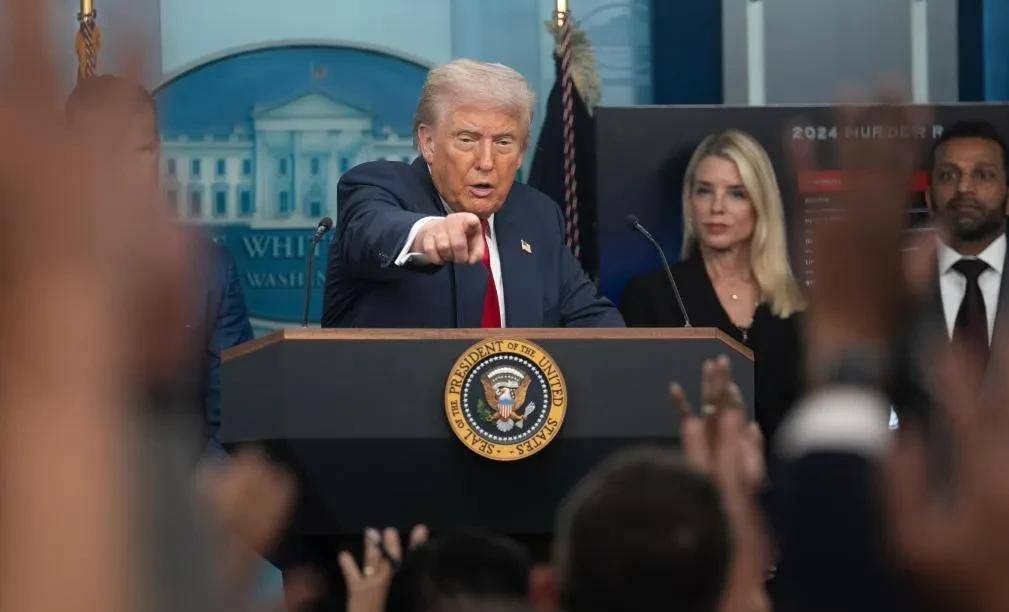
特朗普最近在自己的社交媒体上宣布,将向每位美国公民发放至少2000美元的股息,但"高收入人群"将 不包括在内。如此大规模的类似"刺激"的付款,其经济影响无疑是巨大的,尤其是在股市创下历史新高 的情况下。 首先,谁将收到这笔付款呢?我们可以看看最近一次的刺激付款,也就是2021年3月发放的1400美元刺 激支票。当时,全额付款只给那些收入低于75,000美元的单身申报者、家庭收入低于112,500美元的人 群,以及已婚联合申报者收入低于150,000美元的家庭。相同的标准预计会应用到2025年:目前大约有 2.2亿美国成年人符合这些收入标准,其中大约15%收入最高的人将被排除在外。按照这个比例,2.2亿 人乘以2000美元,支付金额大约为4400亿美元。预计支票金额可能会超过2000美元。 根据已知的数据,2025年第二季度,美国收入前10%的消费者将占美国总支出的49.2%。这一比例达到 了自1989年以来的最高水平。 8月份,美国的关税收入创下了300亿美元的纪录,看起来特朗普确实取得了某些胜利。然而,仅仅2025 年8月,美国政府的财政赤字就高达3450亿美元,而关税收入仅占每月赤字的10%左右,特朗普虽 ...
Gold price today, Monday, November 17: Gold opens below $4,100 as optimism for rate reduction fades
Yahoo Finance· 2025-11-17 12:50
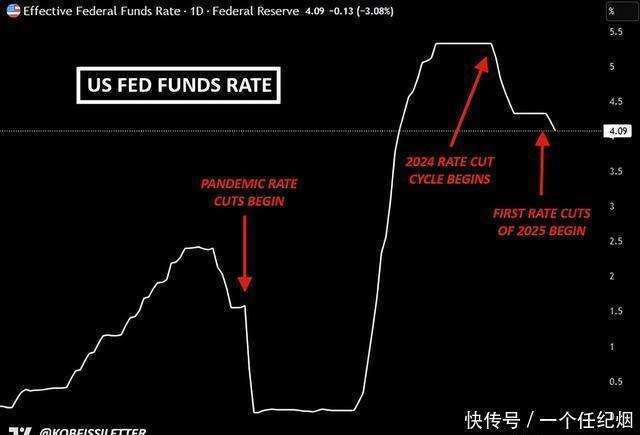
Core Viewpoint - Gold prices are experiencing a decline amid uncertainty regarding the Federal Reserve's interest rate decisions, with a significant reduction in the probability of a rate cut in December compared to a month ago [1][2]. Group 1: Current Gold Prices - Gold futures opened at $4,084.40 per ounce, down 0.2% from the previous close of $4,094.20 [1]. - The one-year gain for gold was reported at 63.4% as of last Friday [4]. - The price of gold has changed as follows: +0.6% week-over-week, -6.2% month-over-month, and +59.2% year-over-year [9]. Group 2: Economic Context - Inflation remains above the Fed's 2% target, while employment data indicates a weakening labor market, complicating the Fed's decision-making process [2]. - Analysts currently estimate a 44.6% chance of a quarter-point rate reduction in December, a significant drop from 93.7% a month ago [2]. Group 3: Factors Influencing Gold Prices - Lingering high interest rates can suppress gold demand, as gold does not yield interest [3]. - Key factors affecting gold prices include geopolitical events, central bank buying trends, inflation, interest rates, and mining production [13].
几乎所有因素都“利好”,美国债市有望创2020年以来“最佳表现”
Hua Er Jie Jian Wen· 2025-11-17 01:33
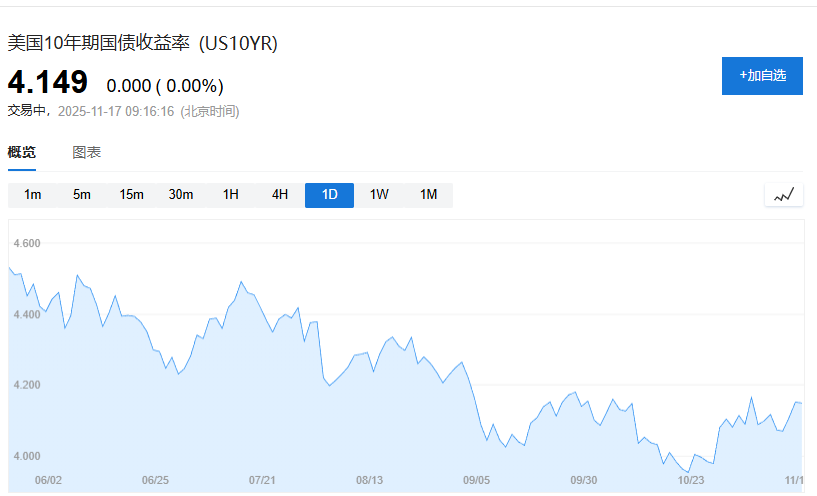
Core Viewpoint - The U.S. bond market is experiencing its best performance since 2020, driven by multiple favorable factors including Federal Reserve rate cuts, moderate economic slowdown, and easing inflation pressures [1][2]. Group 1: Market Performance - The Bloomberg U.S. Aggregate Bond Index has achieved a return of approximately 6.7% year-to-date, marking a potential best annual performance since 2020 [1]. - The 10-year U.S. Treasury yield has decreased by nearly 0.5 percentage points this year, closing at 4.149% last Friday [3]. Group 2: Federal Reserve Actions - The Federal Reserve's rate cuts have become the core driver of the bond market's rise, as bonds issued at higher rates become more valuable when market expectations shift towards lower rates [2]. - The labor market cooling has prompted the Federal Reserve to cut rates twice this year, with the possibility of further cuts [2]. Group 3: Economic Concerns - Despite concerns over the U.S. budget deficit impacting yields, the decline in interest rates has largely overshadowed these worries [6]. - The U.S. budget deficit for fiscal year 2025 is projected at $1.8 trillion, remaining stable compared to 2024, which could pose future challenges for the bond market [9]. Group 4: Investor Sentiment - Investors are optimistic about the continuation of favorable conditions, believing that despite rising uncertainties, there is still room for further rate declines [9]. - The additional yield spread of investment-grade corporate bonds relative to Treasuries fell to 0.72 percentage points in September, the lowest since the late 1990s, indicating potential overvaluation in the corporate bond market [8].
特朗普削减多种农产品关税,美媒:物价上涨已引起美国选民不满
Guan Cha Zhe Wang· 2025-11-16 14:43
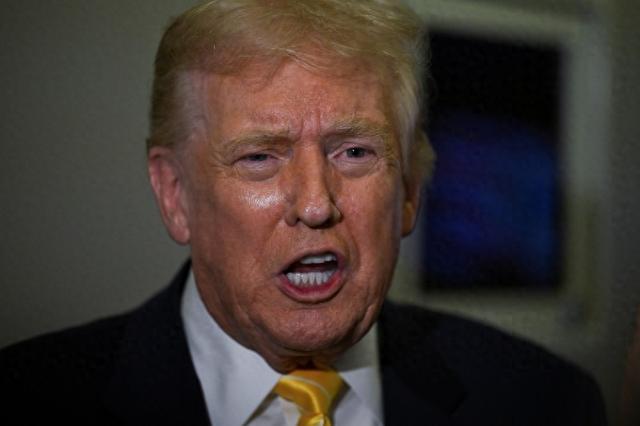
Core Points - The article discusses President Trump's recent executive order to adjust the scope of "reciprocal tariffs," specifically exempting certain agricultural products from these tariffs, which is seen as a significant concession in the ongoing trade war [1][5] - Analysts suggest that this move is aimed at alleviating public dissatisfaction over rising prices and may influence the upcoming midterm elections [1][5] Group 1: Tariff Adjustments - Trump signed an executive order on November 14, exempting certain agricultural products such as coffee, tea, cocoa, spices, bananas, oranges, tomatoes, beef, and some fertilizer products from "reciprocal tariffs" [1] - This decision is characterized as a major reversal in Trump's tariff policy, with analysts noting that rising prices have pressured him to make this adjustment [5][6] Group 2: Economic Impact - Despite Trump's claims that tariffs have not exacerbated inflation, prices for everyday goods continue to rise, with banana prices up approximately 7% and tomato prices up about 1% [4] - The cost of food consumption for American households increased by 2.7% in September, indicating ongoing inflationary pressures [4] Group 3: Public Sentiment and Political Implications - A recent poll indicated that about two-thirds of American voters disapprove of Trump's tariff policy, which could jeopardize the Republican Party's performance in the upcoming midterm elections [5] - Trump's decision to withdraw certain tariffs is viewed as an attempt to soothe public concerns over economic issues, particularly inflation [5][6] Group 4: Financial Costs of Tariffs - The tariffs on imported coffee have cost the U.S. approximately $358 million this year, significantly higher than the $1.3 million from the previous year [5] - The cost of automobile tariffs has reached $13 billion, over 36 times the original amount, highlighting the financial burden of these tariffs on American consumers [5]

宏观周报:国内经济稳增长,海外风险再上升-20251116
Yin He Zheng Quan· 2025-11-16 07:54
Domestic Economic Overview - In October, China's economic data showed contractions in both supply and demand, but structural highlights remain in consumption upgrades and new productivity[1] - The retail sales of passenger cars in the first week of November dropped by 18.8% year-on-year, while metro passenger volume increased by 4.0% year-on-year[2] - Fixed asset investment from January to October decreased by 1.7% year-on-year, indicating a need for increased investment to support economic growth[7] Production and Pricing Trends - As of November 16, the operating rate of blast furnaces was 82.79%, down 0.36 percentage points from the previous month, indicating a seasonal decline in production[3] - The Consumer Price Index (CPI) showed a 0.19% week-on-week drop in pork prices, while vegetable prices stabilized with a 0.14% increase[4] - The Producer Price Index (PPI) reflected mixed performance in black commodities, with coking coal prices down by 3.86% and iron ore prices up by 0.53%[7] Fiscal and Monetary Policy - The issuance of special refinancing bonds has been completed, with general government bonds issued amounting to 3093.2 billion yuan, achieving 89.5% of the issuance target[7] - The People's Bank of China conducted a 800 billion yuan reverse repurchase operation, indicating a policy intent to maintain liquidity in the banking system[7] - The yield curve for government bonds has flattened, with the 10-year yield at 1.8140% and the 30-year yield at 2.1481%[7] International Economic Context - The U.S. government ended a 43-day shutdown, with potential losses estimated at 1.5 trillion USD, impacting economic data releases[8] - New tariffs have been signed by Trump, adjusting the scope of "reciprocal tariffs" and affecting trade relations with multiple countries[8] - The Federal Reserve faces uncertainty regarding inflation data due to the risk of missing October's CPI release, complicating monetary policy decisions[8]
加纳首都位列非洲最贵城市第三
Shang Wu Bu Wang Zhan· 2025-11-16 03:10
Core Insights - The cost of living in major African cities is expected to continue rising by 2025, driven by inflationary pressures, currency fluctuations, and increasing housing and transportation costs [1] Summary by Category Cost of Living Rankings - Harare, Zimbabwe, ranks as the most expensive city due to ongoing inflation and currency instability, significantly impacting residents' basic living expenses [1] - Johannesburg, South Africa, follows closely as the second most expensive city, with high housing costs and living expenses [1] - Accra, Ghana, ranks third, attributed to rising costs in housing, food, and transportation [1] Notable Cities in Morocco - Casablanca ranks fourth, benefiting from its financial and industrial status, leading to higher price levels [1] - Rabat, the capital, is ninth due to modern infrastructure contributing to elevated living costs [1] - Marrakech, a tourist city, ranks tenth, driven by a booming tourism sector and high-end accommodation market [1] Other Significant Cities - Cape Town and Pretoria in South Africa are fifth and sixth, respectively, with sustained high costs in rent, public services, and education [1] - Nairobi, Kenya, ranks seventh due to housing shortages and urban development pressures [1] - Lagos, Nigeria, is eighth, facing high rental prices and costs of imported goods [1]
加密货币集体拉升 超13万人爆仓 比特币重回96000美元上方
2 1 Shi Ji Jing Ji Bao Dao· 2025-11-15 23:51
Core Viewpoint - The cryptocurrency market experienced a significant rally, with Bitcoin surpassing $96,000, despite over 130,000 liquidations totaling $390 million in the past 24 hours. This follows a three-week decline where Bitcoin briefly fell below $95,000, contributing to a total market cap loss exceeding $1 trillion since October 10 [1]. Group 1: Bitcoin Market Dynamics - Bitcoin rose over 1% and returned above $96,000 [1] - Over 130,000 liquidations occurred in the cryptocurrency market, amounting to $390 million [1] - The total market cap of all cryptocurrencies has lost more than $1 trillion since October 10 [1] Group 2: Whale Activity and Selling Pressure - Significant selling pressure from "whales" and long-term holders has been identified as a key factor in Bitcoin's recent performance [1] - Long-term holders sold approximately 815,000 Bitcoins in the past 30 days, marking the highest selling level since early 2024 [1] - "Whale" wallets holding Bitcoin for over seven years are selling at a rate exceeding 1,000 Bitcoins per hour [1] Group 3: MicroStrategy's Position - Speculation regarding MicroStrategy potentially selling Bitcoin has increased, with on-chain fund movements raising concerns among market observers [2] - MicroStrategy's stock has dropped nearly 32% over the past month, with a market cap of $59 billion and Bitcoin holdings valued at $62.3 billion [2] - The company's co-founder, Michael Saylor, reiterated that their strategy is to continue buying Bitcoin, with pauses in announcements at the end of each fiscal quarter [2] Group 4: Economic Data and Federal Reserve Outlook - The U.S. government's "shutdown" has led to missing economic data, complicating the Federal Reserve's decision-making process [2][3] - Dallas Federal Reserve Bank President Logan expressed that without clear evidence of faster inflation decline, she does not support another rate cut in December [2] - Concerns about inflation and labor market risks have made the Federal Reserve cautious about future rate cuts [3]

本周美股回顾(上):突然市场变得担心人工智能的估值和通货膨胀
Sou Hu Cai Jing· 2025-11-15 22:13
Core Insights - The main driver of rising yields is nominal economic growth, which is distinct from the yield increases caused by policy tightening [1] - The Federal Reserve is likely to maintain current policy rates for an extended period, as indicated by Boston Fed President Susan Collins [1] - The uncertainty surrounding the December meeting outcomes is heightened due to a lack of official economic data, exacerbated by the government shutdown [1] Summary by Sections Federal Reserve Policy - Susan Collins emphasized that further easing should have a "high threshold" and suggested that policy rates may remain unchanged for a while [1] - Fed Vice Chairman Jefferson highlighted the need for caution as the Fed approaches neutral rates, indicating that the lack of data makes it prudent to be cautious [1] - There are currently 6 voting members supporting the maintenance of rates, while only 3 are in favor of a rate cut, with 3 non-voting members taking a wait-and-see approach [1] Market Reactions - The market's shift in expectations for rate cuts is driven more by the absence of data rather than positive economic indicators [1] - The current environment is characterized by a hawkish tilt in the Federal Open Market Committee's (FOMC) response mechanism, despite a lack of positive adjustments in economic outlook [1] - Risk assets are feeling uneasy due to this hawkish sentiment, contrasting with the ideal scenario of a dovish Fed and a strong economy [1] Economic Indicators - The stock market's recent performance has been supported by a loose Financial Conditions Index (FCI) and AI-related stocks [1] - A tightening FCI driven by hawkish tendencies, coupled with rising real yields, could lead to challenging times ahead for the market [1]