情绪消费

Search documents
成都两会聚焦“情绪消费” 多元实践激活国际消费中心动能
Zhong Guo Xin Wen Wang· 2026-01-30 09:07
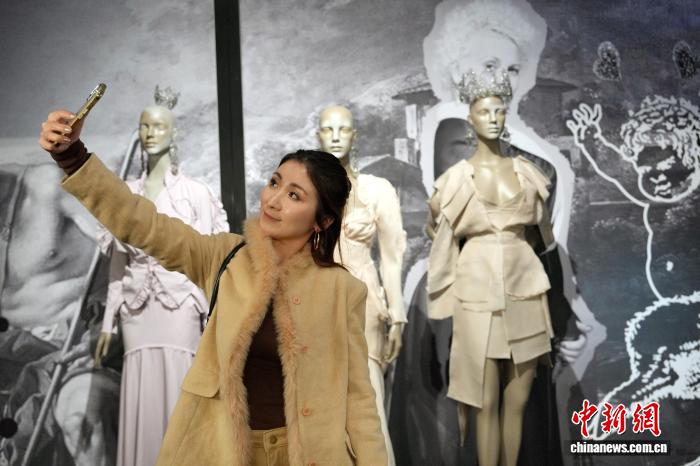
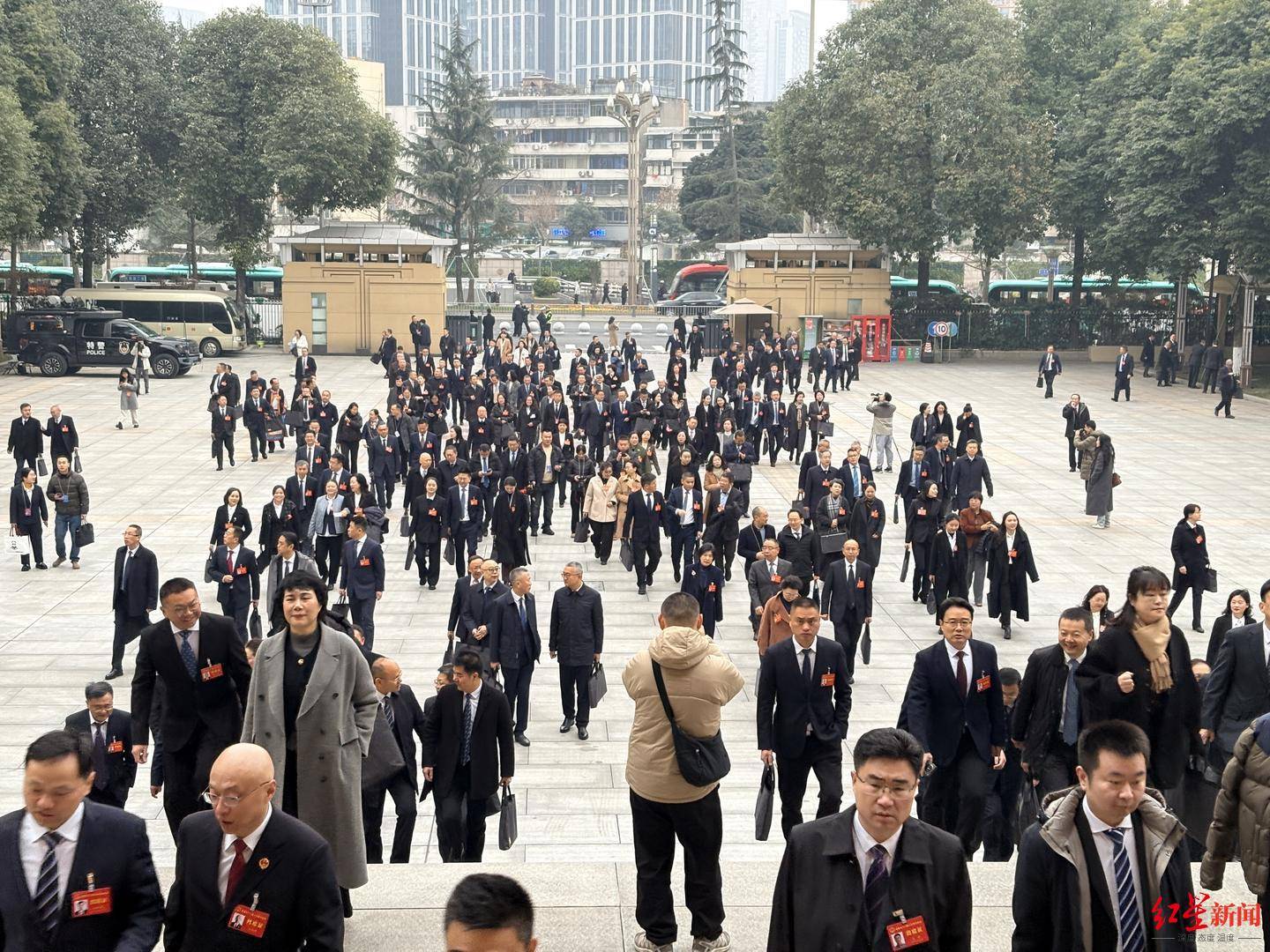
成都两会聚焦"情绪消费" 多元实践激活国际消费中心动能 中新网成都1月30日电 (王利文 袁牟知博)成都市两会当下正在举行,作为社会消费品零售总额稳居副省 级城市首位的城市,如何解读"情绪消费"这一新兴趋势、依托其激活消费潜力,成为成都两会关注焦 点。 什么是情绪消费?成都市人大代表、四川大学经济学院教授邓菊秋解读道:"情绪消费是指以获得情感 满足、心理慰藉或精神愉悦为主要目的的消费行为,商品或服务的'情绪价值'优先于'实用价值'。"她进 一步解释,这类消费的核心不是"有用",而是"爽""被治愈",满足当下的心理感受,其爆发源于社会结 构性压力、技术催化与代际价值观变迁的三重共振。具体而言,现代年轻人面临住房、职业等压力,慢 性焦虑渐渐成为常态;同时数字技术简化了支付流程,削弱了消费的"痛感",让情绪冲动更易转化为实 际消费;而"Z世代"与父辈的消费逻辑存在差异,更倾向"体验优先",用即时消费填补情感空洞。 这一消费趋势折射出服务业升级的微观变化,也为城市消费创新提供了新方向。2025年成都市消费市场 稳中有升:兑现消费品以旧换新补贴超870万件,入选首批全国零售业创新提升试点城市;1035场重大 会展活动、 ...

服务消费再迎重磅政策利好,哪些亮点值得关注
Di Yi Cai Jing· 2026-01-30 07:58
Core Viewpoint - The State Council has issued a plan to accelerate the cultivation of new growth points in service consumption, focusing on optimizing service supply and enhancing consumer experience across various sectors [1][2]. Group 1: Key Areas of Service Consumption - The plan identifies key service consumption areas including transportation, housekeeping, online audio-visual services, travel, automotive aftermarket, inbound consumption, performance services, sports event services, and emotional experience services [1][2]. - The growth rate of service consumption is expected to exceed that of goods consumption during the 14th Five-Year Plan period, with emerging sectors like culture, education, sports, health, and travel driving significant growth [1][2]. Group 2: Policy Measures to Stimulate Growth - The plan outlines 12 policy measures aimed at stimulating development in key areas, including the integration of railway and tourism services, enhancing cruise consumption, and improving the overall service quality in transportation [2][3]. - The Ministry of Commerce emphasizes the importance of service consumption in driving domestic demand and improving the quality of life, highlighting its high frequency, strong multiplier effect, and sustainable growth potential [2]. Group 3: Inbound Consumption and Tourism - The plan aims to boost inbound consumption by extending visa-free policies and enhancing the convenience of entry for foreign visitors, which is expected to significantly increase consumer spending [3]. - The focus on creating immersive consumption experiences and promoting high-quality international events and services is intended to attract more foreign tourists and enhance their spending in China [3]. Group 4: Sports Events and Economic Impact - The rise of sports events across the country is recognized as a key driver for upgrading local consumption, with initiatives to improve safety management and increase the supply of quality sports events [4][5]. - The economic impact of sports consumption is significant, contributing to growth in tourism, dining, accommodation, and retail sectors, thereby supporting sustainable economic development [5]. Group 5: Emotional Consumption Trends - Emotional consumption is emerging as a new trend, with the market expected to grow from 2.31 trillion yuan in 2024 to over 4.5 trillion yuan by 2029, indicating a shift towards personalized and quality-driven consumer demands [5][6]. - The plan encourages the development of emotional and experiential services while promoting a regulatory framework that supports innovation and protects consumer rights [5][6].
报告派研读:2026年消费行业深度报告
Sou Hu Cai Jing· 2026-01-30 02:36
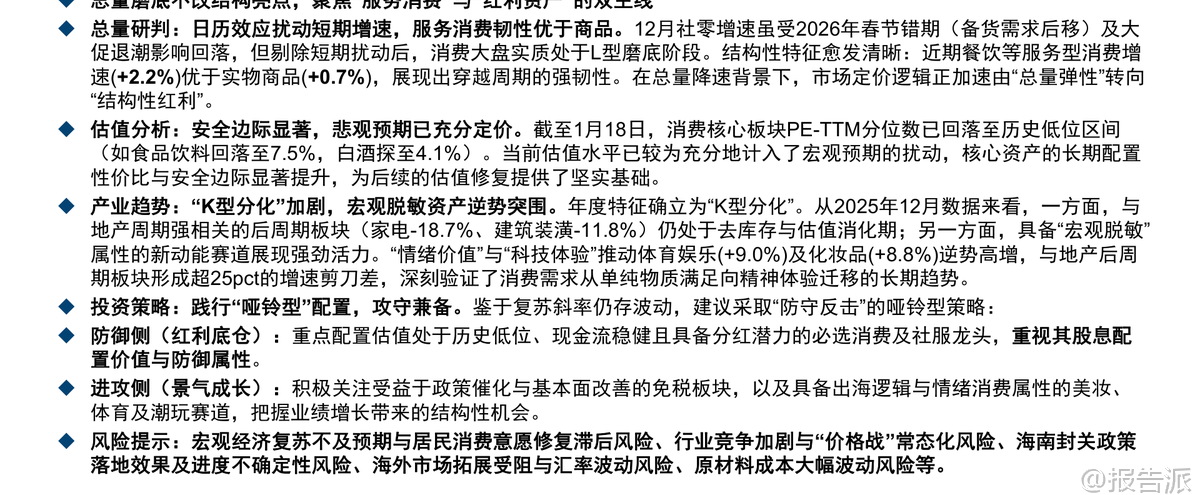
Core Insights - The Chinese consumer market is transitioning from total expansion to structural differentiation, characterized by an "L-shaped bottoming" trend as of early 2026, with retail sales growth impacted by factors like the timing of the Spring Festival and a decline in promotional activities [1] - A "K-shaped" differentiation is emerging, where resilient "extreme value-for-money" essential consumption contrasts with high-premium emotional consumption, while traditional mid-range discretionary spending faces growth challenges [1][2] - The marginal propensity to consume (MPC) is recovering slowly, reflecting a rational return in middle-class consumption decisions, with consumers being more cautious about non-essential spending but willing to pay premiums for categories that satisfy "self-pleasure" and "social" needs [1] Consumer Trends - In December 2025, restaurant revenue grew by 2.2%, significantly outpacing the 0.7% growth in retail sales, with online food products seeing a remarkable growth of 14.5%, serving as a stabilizing force for overall consumption [2] - Emotional consumption sectors, such as sports entertainment (+9.0%), cultural office supplies (+9.2%), and cosmetics (+8.8%), are experiencing robust growth, contrasting sharply with the downturn in real estate-related sectors like home appliances (-18.7%) and construction decoration (-11.8%) [2] Valuation Insights - Core consumer sectors have fallen to historical low valuations, providing a significant safety margin for investors [3] - As of January 2026, the price-to-earnings (PE) ratio for food and beverage is at 7.5%, with liquor even lower at 4.1%, indicating that pessimistic expectations are already priced in, highlighting the long-term value of core assets [4] Investment Strategy - The report suggests a "barbell" investment strategy, recommending defensive positions in essential consumption and social service leaders with low valuations and strong cash flows, such as grain and oil, traditional Chinese medicine, and gold jewelry, while also emphasizing their dividend value and defensive attributes [5] - On the offensive side, investors should capture growth sectors benefiting from policy catalysts and fundamental improvements, including the duty-free sector and emotional consumption categories like cosmetics, sports goods, and trendy toys [5] Policy Impact - The first month of the Hainan Free Trade Port's duty-free sales reached 4.86 billion yuan, a year-on-year increase of 46.8%, demonstrating the strong appeal of "zero tariffs and low tax rates" for high-end consumption [6] - China Duty Free Group holds a dominant market share of 78.7% and continues to strengthen its channel and brand barriers through acquisitions and expanding its presence in city stores [7] Emerging Markets - The pet economy is experiencing a "humanization" upgrade, and the "going out" trend in categories like home appliances is also contributing to significant incremental alpha sources [9] - The shift in pet ownership towards viewing pets as family members is driving both volume and price increases, while the home appliance sector leverages China's supply chain advantages to replicate successful "extreme value-for-money" strategies overseas [10] Market Dynamics - Overall, while the total consumption recovery is not steep, the market opportunities are shifting from a "beta market" to "structural alpha" under low valuations and clear structures [11] - Investors are encouraged to abandon linear thinking of a "full recovery" and focus on "dividend assets" and "emotional consumption" as dual main lines, employing a "barbell" strategy to seize certain opportunities amid uncertainty [12]
传递情感温度与文化自信 “马”元素走俏节前消费市场
Xin Hua She· 2026-01-29 23:10
Core Insights - The upcoming Year of the Horse is driving a surge in demand for various horse-themed cultural products and activities, enhancing the festive atmosphere for the Chinese New Year [1][14] - The integration of traditional cultural symbols with modern consumer needs is creating new market opportunities, particularly among younger consumers [14][15] Group 1: Cultural Products - A variety of horse-themed cultural products, including plush toys and accessories, are prominently featured in supermarkets, reflecting strong sales as the New Year approaches [1][2] - The Gansu Provincial Museum has developed a series of horse-themed products, such as "马上有才" (Instant Talent) and "马上有福" (Instant Fortune), inspired by its prized artifact, the bronze galloping horse [4][5] - In Yiwu, horse-shaped toys are dominating sales, with popular items like the "傲娇马" (Proud Horse) and "马上有钱" (Instant Wealth) figurines selling out quickly, indicating a strong consumer interest [5][6] Group 2: Cultural Tourism - In Xinjiang's Zhaosu County, horse-themed cultural events, such as traditional wedding performances, are attracting tourists, showcasing the region's unique cultural heritage [6][8] - The "马灯福气船" (Horse Lantern Fortune Boat) in Hangzhou is a new attraction designed for the winter night tours, enhancing the festive experience for visitors [9][11] - The integration of horse elements into local tourism projects is not only boosting visitor numbers but also enriching the cultural experience, as seen in various regions across China [8][14] Group 3: Consumer Behavior - The current trend of "emotional consumption" is driving younger consumers to purchase horse-themed products that resonate with their aspirations and cultural identity [5][15] - The popularity of horse-themed items reflects a growing cultural confidence and a desire for products that embody traditional values while appealing to modern aesthetics [15][18] - The market is witnessing a shift from passive preservation of traditional culture to active innovation, with businesses creatively combining cultural symbols with local characteristics to meet consumer demands [18]

情绪消费催生花式“文创黑马”
Xin Lang Cai Jing· 2026-01-29 20:54
丙午马年尚未到来,但包括"黑马"在内,多款文创马已率先出圈。意外走红的"哭哭马",以憨态可掬、 略带委屈的形象,精准触动了人们心中柔软的一角。率性奔放的"马彪彪",鬃毛炸开、"放荡不羁"的造 型,生动演绎了"潦草但自由"的独特气质。虽然打动人心的具体维度不一样,但能看到其中蕴含的相似 道理,那便是:抽象,但有意义。恰如学者所言,"网络语境下,消费者有着极强的文化解码参与意 愿。" "为情绪消费,为意义买单",许多观察者都精准捕捉了这一消费动态。从"禁止蕉绿"绿植,到或丑或萌 的"潮玩",再到收集"谷子"、付费"树洞"……新一代消费者早已跳出"实用至上"的传统诉求,转而愈发 看重产品所承载的情感共鸣与自我表达。简言之,他们买的不是商品,而是意义。在购买行为发生之 时,便已在参与意义共创,很多时候都能看到"内容种草—产品消费—社交传播"的完整链条。就像人们 争相用"哭哭马"玩梗,是在表达对于"不必完美"的释然;拍摄"马彪彪"的照片,也是在畅想"自由自 在"的状态。正在蓄势的"黑马",也开发了类似于"一拍马屁"即嘶鸣、磁吸马蹄"串亲戚"的趣味玩法, 等待消费者参与其中。 马马成功,各美其美。事实证明,不必执着于精致 ...
“乐动京城”呼唤更多服务巧思
Xin Lang Cai Jing· 2026-01-29 20:54
Core Insights - The concert economy in Beijing is projected to host over 60,000 ticketed performances by 2025, attracting more than 14 million attendees, with venues like the Bird's Nest and Huaxi LIVE becoming popular hotspots [1] - The government aims to enhance large-scale performance activities and cultural events, establishing the "Lively Beijing" brand as a key focus during the 14th Five-Year Plan [1] - The concert economy has evolved from a venue-centric model to one that emphasizes service and supporting infrastructure, enhancing the overall experience for attendees [1] Economic Impact - The economic multiplier effect of large concerts is approximately 1:6.85, meaning every 1 yuan spent on tickets generates an additional 6.85 yuan in related spending on transportation, accommodation, dining, and shopping [1] - During the 2025 Beijing International Drama Invitation Exhibition, participating merchants in the Wangfujing shopping area saw a 28% increase in sales, demonstrating the positive impact of events on local businesses [1] - Surrounding areas of major venues like the Bird's Nest can experience a consumption increase of about 30% during events, highlighting the economic benefits of concert activities [1] Service Enhancements - The city is focusing on "emotional infrastructure" by coordinating resources to improve services for visitors, which is essential for enhancing the overall concert experience [1] - Suggestions from representatives at the recent Beijing municipal meetings emphasize the importance of improving surrounding commercial areas and creating a comprehensive consumption ecosystem to retain fans and expand spending [2]
两会热话题|从商圈升级到赛事经济,成都市人大代表们热议消费新图景
Sou Hu Cai Jing· 2026-01-29 12:52
Group 1 - The Chengdu government aims to boost offline consumption and enhance key commercial areas by 2026, introducing over 850 new stores and promoting various innovative consumption models [1][3] - The government report emphasizes the importance of integrating consumption across different sectors, linking dining, accommodation, travel, shopping, and entertainment [1] - Representatives at the meeting highlighted the need to stimulate consumer potential and create a consumption hub, making "consumption" a focal point of discussion [1] Group 2 - Representative Wang Lihong expressed enthusiasm for the government's plans to enhance the international consumption environment and optimize the supply structure, suggesting the creation of a "Chengdu Micro-Vacation" brand [3][7] - Wang proposed leveraging local cultural elements and high-end services to improve the consumer experience, including the promotion of local brands and digital innovation [7] - He also recommended expanding tax refund services for international tourists and enhancing multi-language support in key commercial areas [7] Group 3 - Representative Liu Wenjun focused on expanding domestic demand and suggested developing local sports events like the Chengdu Marathon to drive consumption [8][10] - Liu emphasized the connection between sports events and various industries, advocating for the integration of cultural and tourism elements to enhance consumer engagement [10][11] Group 4 - Representative Luo Le highlighted the potential of the emotional consumption market in Chengdu, noting the city's strong demand for interactive and high-value experiences [12][13] - Luo proposed creating platforms to support new artistic organizations and enhance visibility for creative talents, aiming to invigorate the local cultural scene [13][14] - Plans for events like the Arts Festival and digital art exhibitions were mentioned to attract visitors and promote local creativity [14]
财经聚焦丨传递情感温度与文化自信 “马”元素走俏节前消费市场
Xin Hua Wang· 2026-01-29 12:47
从文创产品、毛绒玩具到箱包配饰,各类寓意吉祥的"马"元素产品占据商超"C位"、产销两旺;从雪域边疆到诗意江南,多地围绕"马"做文 章,文旅活动精彩纷呈……随着农历马年渐近,丰富多彩的"马年限定"款产品、项目逐步走俏消费市场,为即将到来的新春佳节增添了浓厚的文 化氛围与情感温度。 萌趣"马"元素产品成节前市场宠儿 走进甘肃省博物馆艺术生活馆,各色以"马"为主题的文创产品吸引着游客驻足。"马年买'马',图个喜庆。"兰州市民王先生端起脚踏金色祥 云、手抱金元宝、身披红色彩带的财神"绿马"摆件说。 甘肃省博物馆艺术生活馆内,各色以"马"为主题的文创产品吸引游客驻足。新华社记者李杰 摄 "'绿马'创作灵感源自我们博物馆的镇馆之宝铜奔马,我们在设计产品时着意突出产品的寓意,今年开发了'马上有才''马上有福'等系列产 品。"甘肃省博物馆文创中心创意总监吴小宇说。 不只博物馆开发的"马"系列文创产品走俏,随着马年新春脚步渐近,包含"马"元素的潮玩商品也迎来销售高峰。 浙江义乌国际商贸城六区的"萌玩汇"店铺内,各种以"马"为造型的公仔几乎占据半壁江山。其中双手抱胸、表情傲娇的"傲娇马"公仔,枣红 色、身上印着金色"发"字和铜钱 ...

POLYVOLY破产:情绪泡沫破裂与新消费生死劫
Xin Lang Cai Jing· 2026-01-29 08:54
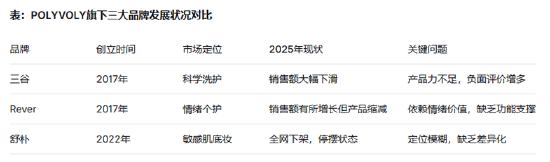
一颗彩虹浴球在水中炸开绚烂色彩,曾让无数年轻消费者为"沐浴仪式感"买单,如今却成为新消费泡沫 破灭的见证。2025年冬天,被誉为"情绪个护鼻祖"的POLYVOLY正式走向破产清算。 线下扩张的战略在多个层面出现问题。首先,产品定价与渠道不匹配。便利店消费者更青睐平价洗护产 品,而POLYVOLY产品定价集中在百元区间,属于偏高价位。 曾经的单日销售额突破6000万元,2019年双十一的行业销售榜首,拒绝外资10亿元收购要约的意气风发 ——这些辉煌记忆与如今资不抵债、官司缠身的现实形成残酷对比。 审计报告显示,截至2024年底,POLYVOLY合并报表所有者权益已为-878.28万元,公司及其两任法定 代表人多次被下发"限高令",涉及超过20起法律纠纷。那些曾经让品牌迅速崛起的要素,最终也成为其 倒塌的推手。 战略误判:从线上王者到线下困局 POLYVOLY从诞生之初就与流量红利紧密相连。2016年,中国新消费浪潮蓄势待发,小红书、抖音成 为流量新入口,为新品牌提供了生长土壤。 创始团队深谙此道。创始人李梓嘉拥有阿里运营经历,联合创始人叶鹏则是阿里高级设计专家。这样的 团队基因,让POLYVOLY在线上运营方面 ...
65.22亿人次出游背后的这些文旅趋势你需要关注——
Sou Hu Cai Jing· 2026-01-28 10:56
Core Insights - The number of domestic trips taken by residents in China is projected to reach 6.522 billion in 2025, an increase of 9.07 million from the previous year, representing a year-on-year growth of 16.2% [2] - Total spending on domestic travel is expected to be 6.3 trillion yuan in 2025, up by 0.55 trillion yuan from the previous year, with a year-on-year growth of 9.5% [2] Group 1: Trends in Domestic Travel - The increase in travel is supported by various measures from central and local governments aimed at expanding quality service supply and releasing consumption potential [4] - The integration of culture and tourism is leading to new consumption trends, with events like local football leagues and concerts driving tourism experiences and spending [4] - The "ticket economy" is thriving, with large-scale performances increasing to 30,000 events in 2025, a 12.7% increase, and box office revenue reaching 32.448 billion yuan, up 9.49% [4] Group 2: Technological Integration - The tourism sector is being enhanced by technology, with new products and experiences emerging through the use of augmented reality, virtual reality, and artificial intelligence [5] - Smart tourism initiatives are being developed to improve public service systems and create new consumer scenarios [5] Group 3: Rural Tourism Development - The growth of leisure and vacation travel is characterized by personalized and integrated experiences, with rural areas becoming popular destinations [6] - Four villages in China were recognized as "Best Tourism Villages" by the UN, highlighting the sustainable development of rural tourism [7] Group 4: Transportation Infrastructure - The improvement of transportation infrastructure is transforming travel methods and tourism product offerings, with rail passenger volume expected to reach 4.255 billion in 2025, a 4.2% increase [8] - The introduction of new services, such as "door-to-door" travel options, is facilitating easier travel for tourists [8] Group 5: Changing Consumer Preferences - Young travelers are shifting from merely visiting attractions to seeking deep cultural experiences, emphasizing emotional value in their travel decisions [9] - New travel styles, such as "lazy tourism," are emerging, reflecting a desire for relaxation and unique experiences [9] Group 6: The Essence of Travel - The significant number of trips reflects the individual desires of travelers, showcasing the personal motivations behind the collective growth in tourism [10] - Each trip represents a unique story, contributing to the vibrant pulse of China's tourism industry [10]