K型经济

Search documents
选举绑架货币!特朗普剑指美联储宽松,美元霸权与全球地缘格局迎大考
Sou Hu Cai Jing· 2025-12-27 07:19
Group 1 - The core argument is that Trump's pressure on the Federal Reserve for monetary easing is driven by political motives ahead of the 2026 midterm elections, potentially undermining the Fed's independence and impacting global financial stability [1][6][12] - The current economic landscape shows 62% of Americans feeling significant economic pressure, with rising living costs becoming a central election issue, prompting Trump to advocate for lower interest rates to alleviate these burdens [3][5] - Trump's strategy includes appointing allies to the Federal Reserve to influence monetary policy, with a clear path to nominate a successor to Powell who supports his easing agenda [5][8] Group 2 - The independence of the Federal Reserve, established by the Federal Reserve Act of 1913, is facing unprecedented challenges due to Trump's actions, which include threats to dismiss the Fed Chair and manipulating board appointments [6][8] - Historical data indicates that during previous easing periods, such as in 2025, oil prices rose significantly, suggesting that Trump's proposed easing could boost energy demand and prices [5][10] - If monetary easing occurs, it could lead to a speculative frenzy in the stock market, exacerbating wealth inequality, while the bond market may face severe volatility due to rising inflation expectations and potential debt monetization [10][12] Group 3 - The weakening of the dollar's credibility as a global reserve currency could accelerate de-dollarization in emerging markets, while rising oil prices may alter the geopolitical dynamics among oil-exporting nations [10][12] - The potential for increased inflation and capital volatility in emerging markets could trigger debt crises and regional security issues, highlighting the broader implications of Trump's monetary policy pressures [10][12]

“斩杀线”下的美国:年薪百万的中产,也怕一次意外
Feng Huang Wang Cai Jing· 2025-12-26 13:09
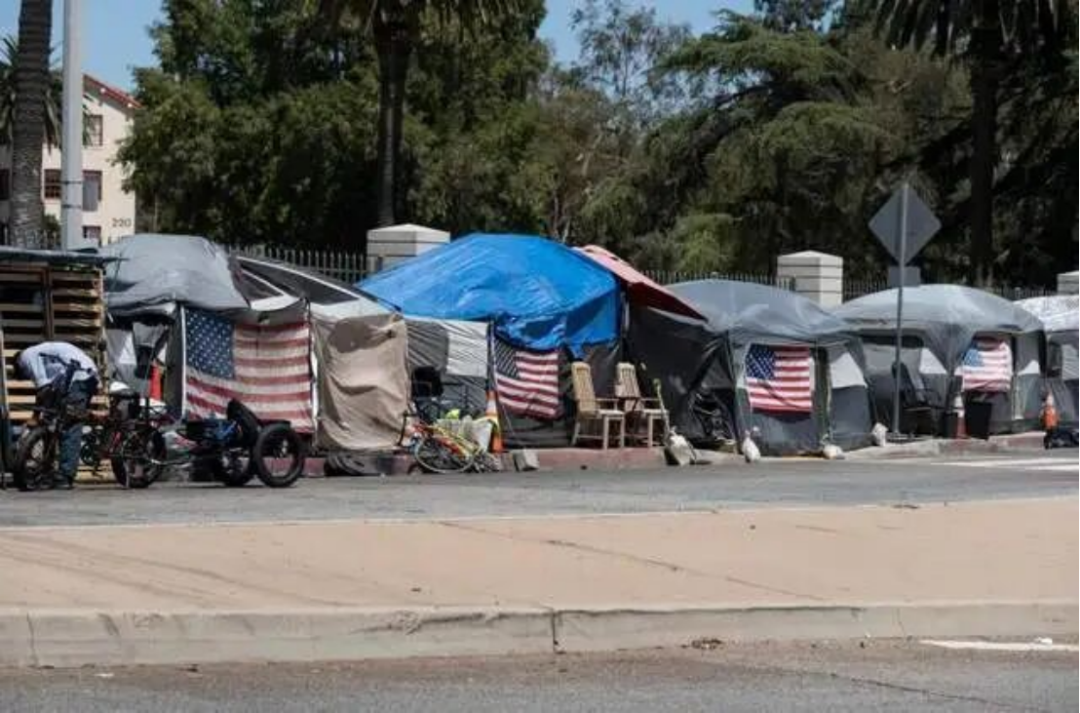
"斩杀线"这词最近在网上火出圈了,源头其实是一群在美多年的华人和留学生,他们靠着直播聊天,分享了不少自己在美国的亲身见闻。 有人是做慈善的契机,有人是搞学术研究的需要,总之都实实在在接触到了美国的底层人群,也亲眼目睹了太多美国中产一朝破产后,生活一落千丈的狼 狈惨状。 后来网友们又搬运了一大堆美国中产的吐槽和哭诉,让"斩杀线"对应的那些现实情况,变得越来越具体、越来越扎心。 其实"斩杀线"本来是游戏里的词,意思很简单,就是BOSS的血量降到某个临界值以下,玩家一套连招就能直接把它秒杀。 可放到美国社会里,直接成了普通人的生存红线。 只要你的财务状况、信用评分跌破那个阈值,就会被一连串麻烦连环打击,从正常生活滑向困境,想翻身都难。 01 谁都可能踩到的"生存红线" 根据美国官方划定的四口之家贫困线,是年收入3.215万美元[1]。 但这套标准是1963年那会儿,按食品支出算出来的,早就跟不上现在的物价了,根本反映不了现在房租、医疗费、育儿费有多贵。 投资者迈克尔·格林算过一笔账,现在一个美国四口之家,想维持最基本的生活,有地方住、生病能看上病、孩子有人管,年收入至少得13.65万美元,差 不多合人民币96万元[ ...
“斩杀线”下的美国:年薪百万的中产,也怕一次意外
凤凰网财经· 2025-12-26 12:44
Core Viewpoint - The term "cut-off line" has emerged from discussions among Chinese expatriates and students in the U.S., highlighting the precarious financial situations faced by many Americans, particularly the middle class, who can quickly fall into financial distress due to rising living costs and unexpected events [1][2][4]. Group 1: Survival Threshold - The official poverty line for a family of four in the U.S. is set at an annual income of $32,150, a figure that is outdated and does not reflect current living costs [6][7]. - To maintain a basic standard of living, a family of four would need an annual income of approximately $136,500, equivalent to about 960,000 RMB [7]. - A quarter of American households are living paycheck to paycheck, with nearly all income going towards essential expenses [9]. - 37% of Americans cannot cover an emergency expense of $400, indicating widespread financial vulnerability [10]. - Even middle-class individuals are not immune, as demonstrated by a programmer in Seattle who, despite a $450,000 salary, faced financial ruin due to high living costs and unexpected medical expenses [12][15]. Group 2: Homelessness Crisis - The U.S. is experiencing an unprecedented homelessness crisis, with the total number of homeless individuals rising by 18% in 2024 compared to the previous year [18][19]. - Young people under 25 now make up 27% of the homeless population, with their numbers increasing by 29% [20]. - The number of homeless children has surged by 33%, with at least 148,000 minors living in shelters or on the streets [21]. - Older adults, particularly those aged 55 and above, are the fastest-growing segment of the homeless population, with many living below the official poverty line [26][27]. Group 3: Economic Disparities - The "cut-off line" phenomenon is rooted in the structural imbalances of the U.S. economy, characterized by a "K-shaped" recovery where wealth is increasingly concentrated among the affluent [29][32]. - The contribution of AI-related investments to GDP growth has surpassed that of private consumption, indicating a shift towards a technology-driven economy [30]. - The manufacturing sector's value added has dropped below 10%, highlighting a shift away from traditional economic drivers [31]. - Wealth creation is heavily skewed towards capital owners, exacerbating the financial fragility of working-class families [32]. Group 4: Policy Implications - The U.S. labor market is facing a "double weakness" in supply and demand, with rising unemployment and job instability for low-income workers due to technological advancements [35]. - The average commercial electricity prices have increased by about 30% since 2019, adding to the financial burden on households [36]. - Economic policies have disproportionately benefited the wealthy, with lower-income families facing net losses while high-income families gain significant tax benefits [36]. - Policymakers are struggling to balance the needs of capital markets with the rising cost of living for ordinary citizens, which could lead to significant economic risks if not managed properly [37][39].

高盛:2025年15个最受关注的争论(可能会延续到2026年)-Goldman_The_15_Most_Prominent_Debates_Of_2025_Which_Are_Likely_To
Goldman Sachs· 2025-12-26 02:12
Investment Rating - The report does not explicitly provide an investment rating for the industry Core Insights - The report highlights 15 key themes for 2025, many of which are expected to continue into 2026, focusing on significant debates such as artificial intelligence (AI) capital expenditure and its ecosystem risks [1] - There is a growing concern regarding the risks associated with private credit, particularly following significant losses and fraud allegations [12][13] - The report anticipates a favorable macro environment for 2026, driven by factors such as accelerated growth, fiscal stimulus, and a potential reduction in interest rates by the Federal Reserve [15] - The report notes a divergence in retail performance based on income demographics, with low-income consumer sentiment turning negative and only a 0.2% increase in same-store sales for low-income retailers compared to a 2.5% increase for middle to high-income retailers [22] - The report predicts a strong demand for physical assets due to rising inflation and a declining dollar, with expectations for copper prices to continue rising in the first half of 2026 [24] - The report indicates that the Chinese GDP growth forecast has been significantly revised upward, which may negatively impact global GDP growth outside of China [38] Summary by Sections - **Artificial Intelligence**: The focus remains on AI capital expenditure and the risks associated with companies having higher leverage within the AI ecosystem [4][6] - **Private Credit**: Concerns are raised about the risks in non-bank lending, particularly with the increasing interconnections within the financial system [12][13] - **U.S. Economic Outlook**: The report discusses the rebound in U.S. cyclical sectors and the pricing of a more favorable macro environment for 2026 [15] - **Fiscal Stimulus**: A combination of tax cuts, investment incentives, and new spending is expected to create a significantly positive fiscal stimulus by next year [17] - **K-shaped Economy**: The report highlights the disparity in consumer sentiment and sales growth between low-income and higher-income demographics [22] - **Commodities**: Expectations for rising copper prices and a tight supply of aluminum are noted, alongside a general bullish outlook for physical assets [24] - **China's Economic Impact**: The upward revision of China's GDP growth is expected to have substantial implications for foreign manufacturers and global GDP growth [38] - **Emerging Markets**: South Korea is highlighted as the best-performing market this year, with ongoing improvements in corporate performance [43] - **U.S.-China Tech Competition**: The report emphasizes the ongoing intense competition between the U.S. and China for technological superiority [45]

K型经济!美国大小企业业绩迥异
Hua Er Jie Jian Wen· 2025-12-26 00:01
美国经济正在呈现一种显著的结构性分化:在人工智能热潮和利润飙升的推动下,美国大型企业的股价 屡创新高,业绩表现强劲;而与之形成鲜明对比的是,众多小型企业因难以抵御经济逆风,正深陷经营 困境。 这种企业端"冰火两重天"的局面,如实折射并加剧了美国高收入与低收入人群之间日益扩大的财富鸿 沟。 最新就业数据显示,这种分化已在劳动力市场引发剧烈震荡。据薪资处理机构ADP数据,员工人数少于 50人的私营企业在过去六个月中持续裁员,仅11月单月就削减了12万个工作岗位。 这一趋势与中型企业、特别是持续增加就业岗位的大型企业形成了鲜明反差,凸显了小型企业在当前宏 观环境下的脆弱性。 市场表现进一步印证了这一裂痕。据LSEG统计,标普500指数成分股中的大型上市公司第三季度净利润 较上年同期增长12.9%,像亚马逊和英伟达这样资本雄厚的巨头普遍经历了丰收的一年。相比之下,受 持续通胀、消费者支出谨慎以及关税压力的影响,小型企业盈利能力正在减弱,迫使其实施缩减开支计 划。 Homebase的数据同样呼应了这一趋势,该公司发现11月劳动力参与率和工时指标均出现三年来最大降 幅,娱乐和酒店业的收缩尤为剧烈。 结构性劣势与关税冲击 ...
美国顶尖法学家论“榨取时代”
财富FORTUNE· 2025-12-25 13:06
Core Viewpoint - The modern American capitalism has devolved into a system characterized by the accumulation of market power and extraction, leading to a profound sense of economic resentment across the nation [2][3]. Group 1: Shift in Corporate Goals - The core issue is the shift in corporate objectives from creating quality products that people want to buy to seeking control over others and extracting value from them [3]. - This shift is attributed to a lack of discipline, where companies are allowed to lower the quality of products and services without facing consequences [3][6]. - The trend challenges the fundamental ideals of American progress, particularly in the technology sector, which is expected to drive improvements [3][4]. Group 2: NFL as a Model - The NFL serves as a clear example of a market structure that maintains discipline and does not allow for the degradation of quality, ensuring that even the worst teams have opportunities to compete [4][5]. - The NFL's mechanisms, such as salary caps and drafts, promote fairness and balance, contrasting with the MLB, which suffers from distorted spending and resource misallocation [5]. Group 3: Economic Model and Wealth Distribution - The current economic model focuses on accumulating market power and extraction, leading to a redistribution of wealth upwards [6]. - Industries that once supported the middle class are being suppressed, while a few high-return sectors, including concentrated intermediaries and certain parts of finance and technology platforms, are favored [6]. Group 4: Attention Economy and Internet Neutrality - Tim Wu's contributions include the concept of "net neutrality," which mandates that internet service providers must treat all content equally, a significant victory as relevant laws remain effective [7]. - His earlier work on the "attention economy" highlighted how human attention has become a commodity that is increasingly exploited [8]. Group 5: Political Engagement and Economic Discourse - Wu reflects on his time in the Biden administration, expressing a desire for more action on children's privacy issues, noting the strong influence of large tech companies on politics [9][10]. - He engages in economic debates within leftist circles, indicating a tension regarding economic issues and expressing concern over the current political climate fueled by economic resentment [10][11].
油价暴跌却没人夸?奥巴马前智囊“心疼”特朗普:这届消费者太难带
Jin Shi Shu Ju· 2025-12-25 03:03
Group 1 - The article discusses the challenges faced by President Trump in addressing American consumers' concerns about affordability, despite low gasoline prices [1][2] - According to AAA, the average price of unleaded gasoline in December reached its lowest level of the year at $2.85 per gallon, which is $0.18 cheaper than last year [1] - Consumer confidence has dropped to its lowest level since April, indicating increasing discontent with Trump's economic management [1] Group 2 - Jason Furman highlights that consumers are primarily focused on rising grocery prices, which have increased nearly 30% over the past five years, complicating the economic outlook [2] - The U.S. economy grew at its strongest pace in two years, with a GDP growth of 4.3%, surpassing analysts' expectations, while the unemployment rate rose to 4.6% in November, up from 4.2% a year ago [2] - Furman expresses uncertainty about the "K-shaped economy," noting that while low prices persist, wage growth remains strong, although the lowest income quartile has seen a decline in wage growth from 7.5% to about 3.5% [2][3] Group 3 - Diane Swonk, chief economist at KPMG, connects economic growth and rising unemployment to the "K-shaped economy," suggesting that companies are achieving growth without hiring, which may be exacerbated by AI replacing jobs [3] - The current productivity gains are largely attributed to companies being hesitant to hire and trying to operate more efficiently [3]
美国GDP意外超预期背后:难以弥合的“K型鸿沟”
2 1 Shi Ji Jing Ji Bao Dao· 2025-12-24 11:04
受消费者支出、出口、政府支出等因素推动,美国三季度经济以两年来的最快速度扩张,表现意外超预 期。 据央视新闻报道,美国商务部23日公布的首次预估数据显示,今年第三季度美国国内生产总值环比按年 率计算增长4.3%。美国出口和消费支出有所增长,但投资和进口均出现下降。 与此同时,第三季度个人消费支出(PCE)物价指数上涨2.8%,高于第二季度的2.1%。剔除波动较大的 食品和能源价格后,三季度核心PCE物价指数为2.9%,高于第二季度的2.6%。 在美国相对火热的经济数据背后,消费者信心却持续颓靡。由于物价高企以及加征关税政策的影响,美 国消费者对经济的信心继续受到冲击。美国研究机构世界大型企业研究会23日发布的初步调查数据显 示,美国12月消费者信心指数跌至89.1,为连续五个月下滑,低于11月修正后的92.9,为今年4月以来最 低水平。 经济数据的"热"和消费者的"冷"形成了鲜明对比,"冰火两重天"的数据背后有何玄机? 火热数据背后的微妙信号 在美国经济表现超预期背后,一系列微妙信号需要关注。 中航证券首席经济学家董忠云对21世纪经济报道记者表示,美国第三季度GDP超预期增长,一定程度上 反映了美国当前经济在 ...
美国GDP猛增4.3%,背后撕裂:只有富人在狂欢
Sou Hu Cai Jing· 2025-12-24 04:16
Group 1 - The U.S. GDP annualized growth rate reached 4.3% in Q3 2025, marking the fastest growth in two years, but this growth is characterized by structural imbalances and is not a broad-based recovery [1][3] - The primary driver of this GDP growth is consumer spending, which increased by 3.5%, with significant contributions from entertainment, electronics, automotive, international travel, healthcare, and daily necessities [3][4] - The economic landscape is described as a "K-shaped economy," where high-income individuals and large corporations benefit from stock market gains and asset appreciation, while middle and low-income households face rising costs and economic pressures [4][6] Group 2 - The current consumer spending boom is primarily supported by the wealthy, indicating a superficial prosperity rather than healthy, endogenous growth [7][8] - Trump's tariff policies have contributed positively to GDP in the short term but have increased living costs, leading to a decline in his approval ratings despite favorable macroeconomic indicators [8][10] - Large corporations are thriving under current economic conditions, while small businesses struggle with rising costs and declining profits, reflecting a similar K-shaped divergence in the corporate sector [9][10] Group 3 - Inflation has begun to accelerate again, complicating the Federal Reserve's potential for interest rate cuts, with expectations shifting towards a more cautious monetary policy outlook [11][12] - The economic impact of a recent government shutdown is projected to lower Q4 GDP by 1-2 percentage points, with significant irreversible economic losses anticipated [13] - The widening consumption gap between the wealthy and the poor, along with the survival disparity between large and small enterprises, highlights the conflict between short-term policy stimuli and long-term structural issues [14]

GDP gains 4% in Delayed Report, Vol falls, Metals Rally
Youtube· 2025-12-23 14:43
Kevin Hanks live at the CBOE with our pre-bell playbook. Um, we've gotten in a few reports. I saw durable goods and GDP.I I thought the GDP print here 4.3% but it was delayed. What were your thoughts. >> Good morning, Nicole.Yeah, we're we're getting some key data. However, it's old key data. Right.Uh, we're getting this is actually the first look at third quarter GDP. The October reading was cancelled, so we're only going to get two this time. We we'll get this one and another update in January, but the nu ...