能源

Search documents
融合破局 创新赋能 以才引才海安绘就教育科技人才一体化发展新图景
Xin Hua Ri Bao· 2025-11-17 00:03
11月15日,2025年火炬科技成果直通车暨"百园百校万企"成果转化对接行动在海安启幕。这场由工 信部火炬中心指导的高规格活动,聚焦锦纶纤维、电工电气等地方优势产业,不仅是科技成果转化 的"催化剂",更是展示海安近年来探索教育、科技、人才一体化改革成效的一扇窗口。从"单打独 斗"到"系统作战",海安正以一场深刻的系统性变革,驱动县域发展动能澎湃。 载体筑基"强引擎",推动产学研无缝对接 "科技成果'先使用后付费',让初创企业轻装上阵。"江苏畅州能源科技有限公司董事长李荣的感 慨,源自今年1月与南京大学海安高新技术研究院签订的能源智慧管理技术转让合同。这种模式直击科 技成果转化"成本高、周期长"的痛点,打通实验室到生产线的"最后屏障"。 推进科技成果"先尝后买"的改革实践背后,折射出海安的科技成果转化优势。为打通科技创新与产 业创新之间"最后一公里",海安已连续12年举办"创新创业在海安""两院专家走进海安"主题活动,常态 化开展"高校海安日""企业高校院所行"等系列活动,拓展大院大所合作矩阵,让更多科技成果从"实验 台"迈向"生产线"。 不久前,南通大学高端纺织研究院内,一场关于"功能纺织品与先进纤维"的对接 ...
做成长股的“探路者” 均衡之中见锐度
Zhong Guo Zheng Quan Bao· 2025-11-16 20:13
Core Insights - The article highlights the investment strategy of Chen Yunzong, a fund manager at GF Fund, focusing on identifying growth stocks and their respective growth stages through a dual-track approach of "traditional growth" and "emerging growth" [1][2] Investment Strategy - Chen Yunzong emphasizes a systematic approach to understanding industry attributes, clarifying industry cycle stages and medium to long-term trends before selecting quality growth stocks [1][2] - The investment framework is centered around capturing excess returns from diverse growth directions, including technology and manufacturing sectors, while also expanding research beyond TMT (Technology, Media, Telecommunications) to include military and energy sectors [2] Growth Categories - Growth stocks are categorized into "traditional growth" and "emerging growth," with differentiated strategies for each. Traditional growth includes sectors like new energy, semiconductors, and military, where a cyclical growth mindset is applied [2] - Emerging growth serves as an "offensive lever" in the portfolio, focusing on sectors like robotics, embodied intelligence, satellite internet, quantum computing, and solid-state batteries, which are expected to represent future trends [2][3] Dynamic Allocation - The allocation between traditional and emerging growth is dynamically adjusted based on market liquidity and risk appetite, enhancing the portfolio's offensive capabilities in bull markets and defensive strength in volatile markets [2][3] Industry Rotation - Chen Yunzong's investment approach involves industry rotation based on a systematic method rather than merely chasing market trends, focusing on the balance between "industry position" and "valuation margins" [3] - A significant portion of research efforts is dedicated to tracking emerging growth directions, involving visits to industry leaders and studying cutting-edge trends globally [3] Future Growth Areas - The new fund, GF Innovation Growth, will adopt a balanced growth-oriented strategy, targeting sectors such as computing power, storage, edge innovation, brand globalization, robotics, satellite internet, and solid-state batteries [4] - The computing power sector is highlighted as a key focus, with expectations of significant capital expenditure increases from domestic cloud service providers in the upcoming quarters [5] Market Outlook - The storage sector is anticipated to enter an upward cycle, with NAND flash memory prices beginning to rise since September, expected to maintain favorable industry conditions for one to two more quarters [5] - The military sector is viewed as having high cost-effectiveness, while the robotics sector is seen as a major application terminal for AI, with the domestic robotics supply chain not yet fully priced [5]

2026年公募REITs首发及扩募市场策略展望:洞悉分化常态,深耕价值本源
Shenwan Hongyuan Securities· 2025-11-16 12:15
1. Report Industry Investment Rating No relevant content provided. 2. Core Viewpoints of the Report - In 2025, the public - offering REITs market expanded in quality under normal - state issuance. With the dual - wheel drive of "first - offering + expansion - offering", the total market capitalization exceeded 220 billion yuan, and the market ecosystem became more mature. In 2026, it is expected to issue 20 - 30 projects, and the differentiation among projects will intensify [3][11]. - Expansion - offering is an inevitable path for the development of China's public - offering REITs market. In 2025, the expansion - offering channel reopened, and in 2026, with policy implementation and process optimization, it may become another main line in the market [3]. - The secondary market of REITs in 2025 showed a "rising first and then falling" trend. To improve liquidity, policy support is expected, such as including REITs in the Shanghai - Hong Kong and Shenzhen - Hong Kong Stock Connect, launching REITs - ETF and index fund products, and guiding long - term funds like annuities and pensions to enter the market [3]. - The fundamentals of different asset types of REITs have shown different trends. Investors should select Alpha assets to make investment decisions [3]. 3. Summary According to Relevant Catalogs 3.1.审度首发新常态,洞见估值新平衡 - **2025 First - offering Situation** - From January to October 2025, 19 REITs started the recruitment process, with an average of 2 per month, slower than in Q4 2024. The total first - offering scale was 38.7 billion yuan, about 40% less than in 2024. Two new IDC - REITs were added, enriching the asset types [3][11]. - The net - underwriting and online subscription yields of REITs were calculated. The net - underwriting yield was significantly higher than the online yield. The net - underwriting yield of 10 - 200 million yuan of funds was the highest, reaching 3.50% [13][15]. - The strategic placement of REITs in 2025 had a 100% winning rate and an average floating profit of 35%. The number of strategic investment institutions increased to 275, a 6% increase from 2024 [3]. - The number of new - offering products increased to nearly a thousand, and the winning rate dropped below 1%. In October, due to limited initial listing gains and overlapping fundraising periods, the enthusiasm for new - offering decreased, and the winning rate rebounded [20][22]. - In terms of institutional participation, 270 institutions participated in the net - underwriting inquiry, a 69% increase from 2024. Among them, the number of securities firms, insurance funds, private funds, and public funds increased significantly. Insurance funds led in terms of the proposed subscription amount, followed by securities firms [28]. - The strategic placement became more difficult for institutions to obtain. The number of strategic placement institutions per REIT reached a new high, indicating increased scarcity [34]. - **Valuation and Pricing** - From January to October 2025, the first - day and first - four - day closing cumulative increases of REITs reached new highs. However, since September and October, as the first - offering valuation increased, the initial listing gains narrowed, and the net - underwriting quotation became more cautious [39]. - From January to September 2025, the first - offering valuation had an average discount of 25%. Since October, the discount rate has significantly narrowed to less than 10%, and even less than 5% for some projects [40]. - **2026 First - offering Expectations** - Policy support is expected to expand the market and increase the number of asset types. The approval efficiency will be improved, and the average time from acceptance to registration will be shortened to 100 days [45][57]. - The expected number of first - offerings in 2026 is 20 - 30, with a relatively small average fundraising scale. The differentiation among projects will intensify, and the initial listing gains are expected to narrow to 5% - 10% [64][71]. - Under the neutral scenario, the net - underwriting and online new - offering yields of 10 - million - 100 - million - yuan funds are expected to be 3.21% and 0.61% respectively [75]. 3.2.扩募潮起谋新篇,资产混装开新局 - **Importance of Expansion - offering** - Due to high - dividend requirements and leverage limitations, expansion - offering is an important way for the external expansion of public - offering REITs. It can optimize the asset portfolio and improve the anti - risk ability [81]. - **Policy Changes** - In September 2025, the 782nd document shortened the expansion - offering threshold from 12 months to 6 months and supported cross - industry asset mixing, which is expected to shorten the expansion - offering cycle and enrich the asset types [86]. - **2025 Expansion - offering Situation** - After the first four REITs' expansion - offerings in 2023, the expansion - offering channel reopened in 2025. By October, 2 REITs' expansion - offering shares were listed, 3 were in the process, and 3 were under review. The issuance methods were diversified, including private placement and rights offering [90]. - The returns of investors participating in the expansion - offering mainly come from the market discount at the time of issuance and the increase in the dividend rate. The initial batch of expansion - offering projects had losses in the bidding and strategic placement, but 2 projects still had floating profits by the end of October [93][94]. - **Potential Expansion - offering Projects** - Many original equity holders of listed REITs hold potential expansion - offering assets. There are currently 5 expansion - offering projects in progress, and the AVIC Jingneng Photovoltaic REIT is the first project with mixed - asset expansion (photovoltaic + hydropower) [100][101]. - **Case Studies of Expansion - offering Projects** - The Beijing Affordable Housing REIT's expansion - offering assets are slightly inferior in quality to the first - offering assets, but the overall dividend rate is expected to increase [109]. - The AVIC Jingneng Photovoltaic REIT's expansion - offering of "photovoltaic + hydropower" is expected to significantly increase the net profit, EBITDA, and distributable amount in 2026, and the cash distribution rate will also increase [117]. - The Huaxia China Resources Commercial REIT plans to expand by purchasing the Suzhou Kunshan Mixc project. After the expansion, the 2026 combined predicted dividend rate is expected to increase by 0.23 pct [119]. 3.3.长钱定盘亦凝滞,活水破局方致远 - **2025 Market Review** - In 2025, the REITs market showed a "rising first and then falling" trend. The first half was supported by the low - interest rate environment, while the second half was affected by factors such as stock market diversion, rising interest rates, unlocking pressure, and weakening fundamentals. In Q4, some defensive assets' performance was excellent, and some configuration funds began to enter the market [122][124]. - **Investor Structure** - As of the first half of 2025, securities firms and insurance companies dominated the REITs market. Their "heavy - configuration, light - trading" strategy restricted the secondary - market liquidity. Different types of institutions had different configuration preferences [128]. - **Measures to Improve Liquidity** - Including REITs in the Shanghai - Hong Kong and Shenzhen - Hong Kong Stock Connect, launching REITs - ETF and index fund products, and guiding long - term funds like annuities and pensions to enter the market are expected to improve the market liquidity [131]. 3.4.基本面殊途已现,精选Alpha定乾坤 - **Affordable Housing REITs** - In the past five quarters, the affordable housing REITs showed a pattern of "stable quantity and differentiated price". In 2026, the rental market will be affected by factors such as supply and tenant preferences in different regions. Rents in first - tier cities are expected to decline slightly, while those in core second - tier cities may stabilize or rise slightly [137]. - **Consumption REITs** - In 2025, the consumption REITs' operation was stable. The rental rate and collection rate remained high, and the rental efficiency fluctuated seasonally. With the adjustment of the supply - demand relationship and the release of new consumption demands, the asset managers of REITs adjusted the tenant mix. The increase in CPI in October is expected to support the valuation of consumption REITs [140].
宏观周报:国内经济稳增长,海外风险再上升-20251116
Yin He Zheng Quan· 2025-11-16 07:54
Domestic Economic Overview - In October, China's economic data showed contractions in both supply and demand, but structural highlights remain in consumption upgrades and new productivity[1] - The retail sales of passenger cars in the first week of November dropped by 18.8% year-on-year, while metro passenger volume increased by 4.0% year-on-year[2] - Fixed asset investment from January to October decreased by 1.7% year-on-year, indicating a need for increased investment to support economic growth[7] Production and Pricing Trends - As of November 16, the operating rate of blast furnaces was 82.79%, down 0.36 percentage points from the previous month, indicating a seasonal decline in production[3] - The Consumer Price Index (CPI) showed a 0.19% week-on-week drop in pork prices, while vegetable prices stabilized with a 0.14% increase[4] - The Producer Price Index (PPI) reflected mixed performance in black commodities, with coking coal prices down by 3.86% and iron ore prices up by 0.53%[7] Fiscal and Monetary Policy - The issuance of special refinancing bonds has been completed, with general government bonds issued amounting to 3093.2 billion yuan, achieving 89.5% of the issuance target[7] - The People's Bank of China conducted a 800 billion yuan reverse repurchase operation, indicating a policy intent to maintain liquidity in the banking system[7] - The yield curve for government bonds has flattened, with the 10-year yield at 1.8140% and the 30-year yield at 2.1481%[7] International Economic Context - The U.S. government ended a 43-day shutdown, with potential losses estimated at 1.5 trillion USD, impacting economic data releases[8] - New tariffs have been signed by Trump, adjusting the scope of "reciprocal tariffs" and affecting trade relations with multiple countries[8] - The Federal Reserve faces uncertainty regarding inflation data due to the risk of missing October's CPI release, complicating monetary policy decisions[8]
【UNFX市场前瞻】美国政府重启后:关注经济数据补发、美联储政策与债市走势
Sou Hu Cai Jing· 2025-11-15 15:52
Core Insights - The end of the longest government shutdown in U.S. history has shifted market sentiment, reducing risk aversion and warming up risk assets, but volatility may still be on the horizon [1] Economic Data Release - Key economic data that was delayed due to the shutdown will be released next week, including Non-Farm Payrolls (NFP), CPI and PPI inflation data, retail sales, new housing starts and building permits, and consumer confidence index [2][6] Market Dynamics - The market has been operating on expectations during the shutdown, with the Federal Reserve unable to access the latest data. The release of this data may lead to a market re-evaluation [3] - The Federal Reserve has signaled a hawkish stance, reducing the market's expectation for a rate cut in December from approximately 72% to 50% [3] - The end of the shutdown has led to a short-term increase in risk appetite, with U.S. stock futures rebounding and the dollar stabilizing, although this rebound may not indicate a trend reversal [3] Potential Market Movements - The bond market may undergo re-pricing due to delayed fiscal spending, which could increase debt risks and put upward pressure on yields. Rising yields may first impact high-leverage assets like gold and tech stocks [3] - U.S. stocks may experience a "divergent market" where sector rotation occurs rather than a broad market rally, with tech stocks sensitive to yield changes and financial stocks reacting significantly to the interest rate cycle [4] Gold Market Outlook - Gold is at a critical juncture, with its price currently in a weak but unbroken range. The upcoming week will be pivotal for gold's direction, influenced by delayed data, the Federal Reserve's stance, bond yield trends, and the re-pricing of risk assets [5][8] - If economic data is weak, rate cut expectations may rise, potentially boosting gold prices and tech stocks. Conversely, strong data may lead to a higher likelihood of the Fed maintaining its stance, resulting in rising bond yields and pressure on both U.S. stocks and gold [7]
乌克兰总统宣布启动国有能源企业全面改革
Yang Shi Xin Wen· 2025-11-15 15:03
当地时间11月15日,乌克兰总统泽连斯基通过社交媒体宣布,启动国有能源企业全面改革,同步推进财 务审计与管理架构更新。 泽连斯基表示,当天他与乌克兰总理、经济部长共同敲定实施路线。具体安排包括:国家原子能公司一 周内完成组建新的监事会的筹备工作;水力能源公司启动CEO竞聘并完善监事会;天然气运输系统运营 商完成监事会改组及总经理竞聘;石油天然气公司启动新一届监事会竞聘,确保2026年1月交接。其他 大型国企将同步更新国家代表监事。 (文章来源:央视新闻) 泽连斯基还表示,乌方明确,政府将联动执法与反腐机构,严查违规操作,以保障能源领域透明廉洁为 核心优先事项。 ...
沉默的巴菲特:转向与等待
Shang Hai Zheng Quan Bao· 2025-11-15 14:25
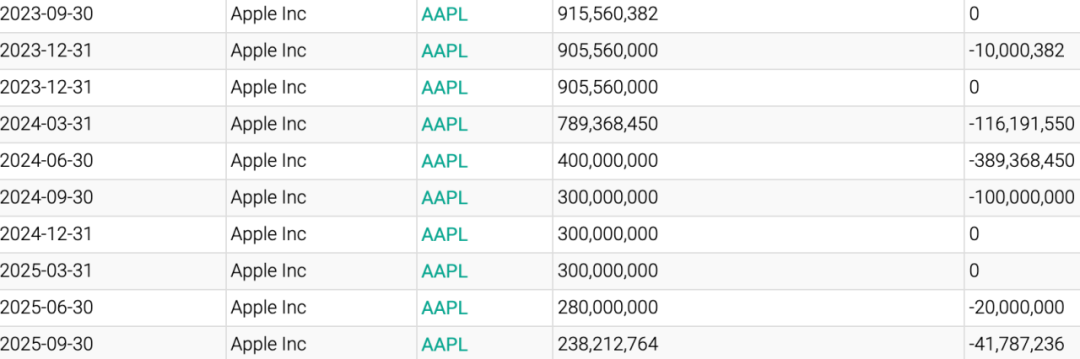
Core Insights - Warren Buffett's investment actions signal a cautious approach in a high-valuation market while preparing for the "post-Buffett era" [1] - Berkshire Hathaway has significantly increased its cash reserves and reduced its position in Apple, while investing in Alphabet and other valuable sectors [1][5] Investment Strategy - Berkshire has been net selling stocks for 12 consecutive quarters, with notable reductions in its Apple holdings [3] - The company has built a new position in Alphabet, acquiring approximately 17.85 million shares valued at around $4.3 billion, making it one of Berkshire's top ten holdings [5] - Buffett's investment philosophy emphasizes finding companies with a durable competitive advantage at discounted prices [8] Sector Focus - Berkshire's investments are increasingly focused on consumer health and related brands, with significant increases in holdings of homebuilders like Lennar, energy companies like Chevron, and beverage firms like Constellation Brands [9][11] - The company has reduced exposure to financial institutions, selling approximately 112 million shares of Bank of America and completely exiting Citigroup [13] Cash Management - As of the end of Q3, Berkshire's cash reserves reached a record high of over $380 billion, indicating a cautious stance while waiting for better market valuations [15] - The lack of stock buybacks since Q2 2024 suggests that Buffett believes the company's stock lacks compelling value, allowing for the accumulation of "ammunition" for future investments [16]


核心CPI向上 物价拐点何时到来
Jing Ji Guan Cha Wang· 2025-11-15 06:19
Group 1 - The core viewpoint of the articles indicates that China's economic growth is facing challenges, with a decline in social retail sales and an increase in core CPI, suggesting a complex economic environment [2][3][12] - In October, the social retail sales total increased by 2.9% year-on-year, marking a continuous decline for five months, while the core CPI rose by 1.2%, indicating a potential turning point in consumer demand [2][8] - Experts highlight a "supply-demand imbalance" in the economy, emphasizing the need for enhanced consumer demand to address the declining retail sales growth [2][12] Group 2 - The increase in core CPI is attributed to factors such as the consumption stimulus from the National Day and Mid-Autumn Festival holidays, as well as rising gold prices, with service prices also showing a recovery [7][8] - The core CPI's growth reflects improvements in terminal consumer demand, but it also indicates underlying pressures on food and energy prices, which remain low [13][14] - The overall CPI has been operating at low levels, with experts suggesting that while the core CPI's increase is a positive sign, it is not sufficient to confirm a definitive turning point in the economy [11][12]

面对面提问,实打实解题 成都举办上市公司专场活动
Zhong Guo Jin Rong Xin Xi Wang· 2025-11-15 05:49
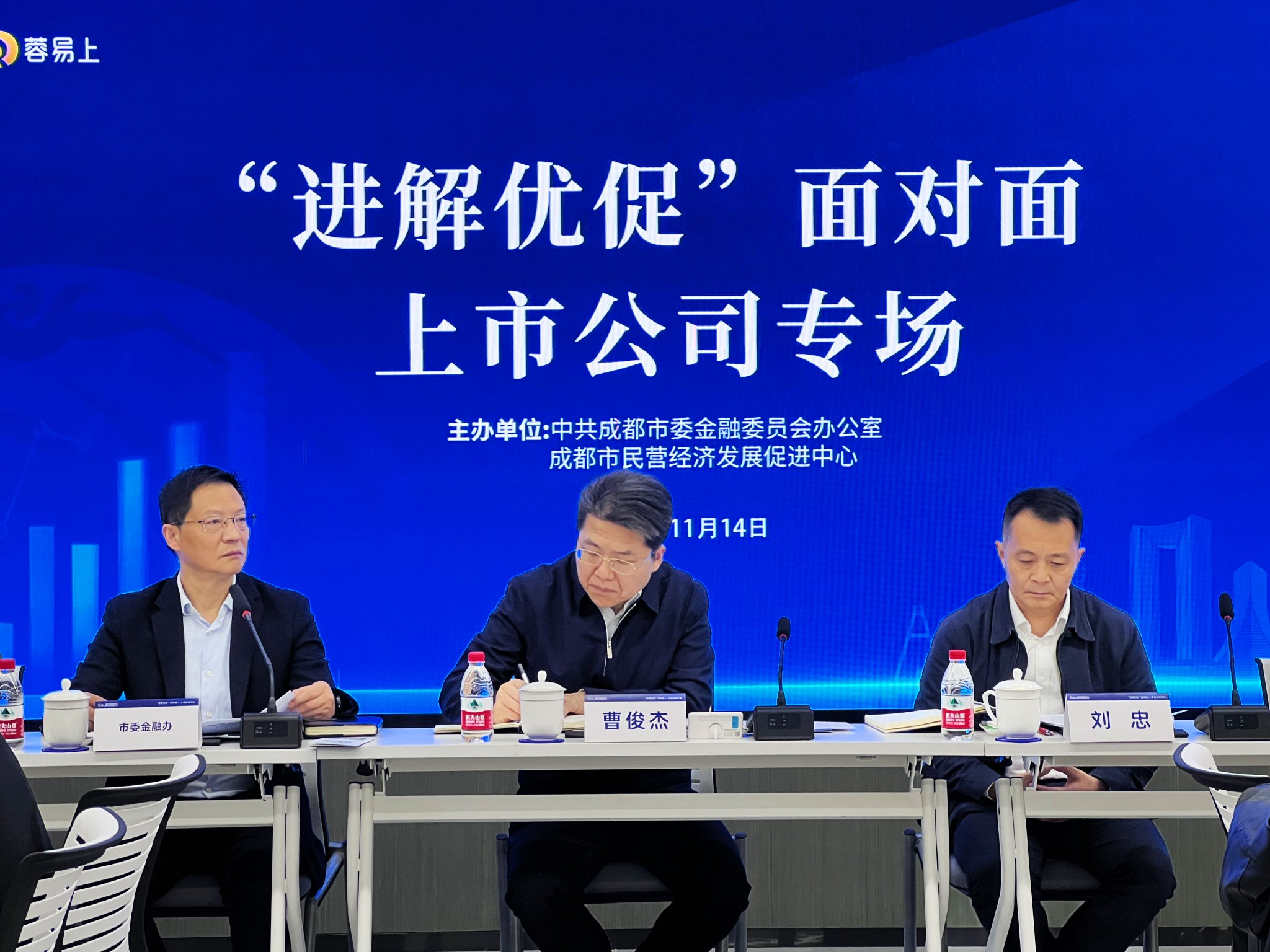
Core Viewpoint - The event "Face-to-Face with Listed Companies" in Chengdu aims to provide direct support to enterprises by addressing their specific needs through collaboration between government departments and businesses [1][4]. Group 1: Event Overview - The event was held on November 14 at the Chengdu Private Economy Development Promotion Center, where over 83 listed companies presented their challenges to government officials [1]. - Chengdu's government officials, including the Deputy Mayor, actively participated in the event to listen and respond to the needs of the companies [1][4]. Group 2: Interaction and Support Mechanism - The event featured a unique setup where government departments were seated next to the companies to facilitate direct communication and quick resolution of issues [4]. - Companies like Zhongguang Lightning Protection and Delong Huineng received immediate feedback on their concerns regarding foreign exchange and property registration issues [4][5]. Group 3: Financial and Industrial Development - Chengdu's new energy vehicle market is growing, with an expected market share increase from 28% to 30% by the end of the year, supported by partnerships with major automotive companies [5]. - The city has established a "green channel" for feedback from listed companies, ensuring that their issues are systematically addressed and tracked [5][6]. Group 4: Future Plans and Continuous Support - Chengdu plans to enhance its collaboration with major stock exchanges and deepen international partnerships to improve capital market services [7]. - The city will continue to hold weekly events focused on different industrial chains to maintain ongoing support for businesses [7].
又有巨头,大裁员
中国基金报· 2025-11-15 00:26
Market Overview - The three major U.S. stock indices closed mixed, with the Dow Jones down 0.65% at 47,147.48 points, the S&P 500 down 0.05% at 6,734.11 points, and the Nasdaq up 0.13% at 22,900.59 points [4] - For the week, the Dow Jones rose 0.34%, the S&P 500 rose 0.08%, while the Nasdaq fell 0.45% [6] Employment and Economic Data - The U.S. Labor Department postponed the release of the September employment report to November 21, which will include inflation-adjusted wage data [6] - Initial jobless claims decreased slightly from 228,900 to 227,500, indicating a stable labor market, which may support the Federal Reserve in maintaining interest rates [6] - Kansas City Fed President Esther George indicated that further rate cuts could exacerbate inflation risks rather than effectively support the labor market [6] Corporate Layoffs - Verizon Communications is planning to announce a layoff affecting approximately 15,000 to 20,000 employees, marking the largest layoff in the company's history [8] - This layoff is part of a corporate transformation strategy under new CEO Daniel Schulman, potentially reducing the workforce by up to 20% from around 100,000 employees as of February [8] Oil Price Movements - Oil prices increased due to geopolitical tensions, including an attack on a key Russian oil port by Ukraine and the seizure of a tanker by Iran [14] - WTI crude oil for December delivery rose 2.39% to $60.09 per barrel, while January Brent crude increased 2.19% to $64.39 per barrel [14] Technology Sector Performance - Major tech stocks showed mixed performance, with Nvidia and Microsoft both rising over 1%, while Amazon and Google fell by more than 1% [10] - Google is willing to adjust its ad tech policies to comply with EU antitrust requirements but has refused to sell parts of its ad tech business, citing potential disruptions for publishers and advertisers [11] Chinese Stocks Performance - The Nasdaq Golden Dragon China Index fell by 1.61%, with notable declines in stocks such as Futu Holdings down over 7% and JD Group down over 4% [16]