
债券

Search documents
美国债务危机:2025年的全球隐忧与重塑机遇
Di Yi Cai Jing· 2025-09-28 12:37
Core Insights - The debt crisis is a systemic challenge for the global economy, significantly impacting financial stability, geopolitical dynamics, and market trends [1][17] - The rapid increase in U.S. federal debt, projected to reach $37.3 trillion by September 2025, poses risks to both domestic and international economic conditions [1][17] - Understanding the causes, manifestations, and potential consequences of the debt crisis is crucial for investors, economists, and policymakers [1] Causes of the Debt Crisis - The primary driver of the rapid growth in U.S. federal debt is the persistent budget deficit, with a projected deficit of $1.9 trillion for the fiscal year 2025, equivalent to 6% of GDP [2] - Tax cuts and increased spending, particularly from the Trump administration, have significantly reduced federal revenue, leading to an estimated $3.4 trillion increase in deficits from 2025 to 2034 [2] - Mandatory spending, including Social Security and Medicare, along with rising interest payments, are major contributors to the expanding deficit [2] Interest Costs and Market Dynamics - High interest costs exacerbate the debt issue, with projected interest payments reaching $952 billion in 2025, accounting for 18.4% of federal revenue [3] - The current high-interest environment, with a 10-year Treasury yield around 4.1%, has led to a significant increase in interest costs compared to previous years [3] - Rising bond yields across major economies signal a potential reset of the monetary system, affecting the value of the dollar and inflation pressures [4] Interconnectedness of Debt and Markets - The bond market, valued at over $50 trillion, is highly interconnected with equity and precious metals markets, with rising debt leading to increased borrowing costs [5] - The S&P 500 index has seen significant growth, but its valuation relative to GDP indicates potential bubble risks [5] - Gold has emerged as a hedge against currency devaluation, with prices rising from $1,770 per ounce in 2020 to $3,682 per ounce in 2025 [5][6] Geopolitical Implications - High debt levels limit diplomatic flexibility, particularly in U.S.-China relations, where China holds approximately $780 billion in U.S. debt [8] - The trend of de-dollarization is accelerating, with non-dollar trade increasing and central banks shifting towards gold as a primary asset [8] - Historical patterns suggest that high debt levels can lead to military conflicts as a means to divert public attention from domestic issues [8] Social and Political Consequences - Wealth inequality has reached historic highs, with 90% of stock market wealth concentrated among the top 10% of the population [9] - Public concern over the federal budget deficit is significant, but political divisions hinder effective reform [9] - The lack of coherent fiscal policy exacerbates the debt crisis, with differing approaches from political parties complicating solutions [9] Fiscal Management and Cash Flow - The U.S. Treasury General Account (TGA) has a balance of $410 billion, significantly below the target of $850 billion, necessitating frequent borrowing [10] - The short-term nature of U.S. debt makes the government sensitive to interest rate fluctuations, increasing refinancing costs [10] - The debt ceiling poses a significant risk, with potential market turmoil if Congress fails to raise or suspend it in a timely manner [11] Solutions and Future Outlook - Addressing the debt crisis requires a multi-faceted approach, including economic growth strategies, spending controls, and inflation management [13] - Long-term reforms should focus on balancing the budget, optimizing tax policies, and fostering international cooperation to attract foreign investment [15] - The next decade is critical for U.S. fiscal stability, necessitating decisive action to ensure long-term economic prosperity [16][17]
万达知情人士回应王健林被限高;摩尔线程IPO过会|周末要闻速递
2 1 Shi Ji Jing Ji Bao Dao· 2025-09-28 12:37
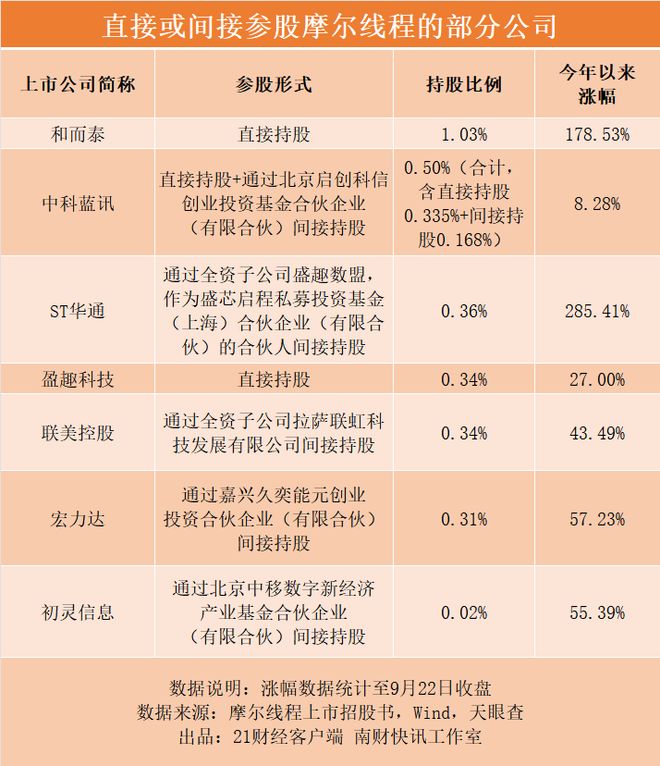
Economic Indicators - The National Bureau of Statistics will release the PMI data for September on September 30, with August's manufacturing PMI at 49.4%, a 0.1 percentage point increase from July; the non-manufacturing business activity index at 50.3%, up 0.2 percentage points; and the composite PMI output index at 50.5%, an increase of 0.3 percentage points, indicating continued economic expansion in China [1] Monetary Policy - The People's Bank of China (PBOC) held a monetary policy committee meeting, signaling a shift towards enhancing the foresight, targeting, and effectiveness of monetary policy, while maintaining policy continuity and stability [2] - The PBOC, the China Securities Regulatory Commission, and the State Administration of Foreign Exchange jointly announced that foreign institutional investors can participate in bond repurchase transactions in China's bond market, aligning trading methods with international standards [2][3] Industry Growth Plans - The Ministry of Industry and Information Technology and seven other departments issued a growth plan for the petrochemical industry, targeting an average annual growth of over 5% in value-added from 2025 to 2026, with a focus on technological innovation and environmental sustainability [5] - The Ministry of Industry and Information Technology and eight departments released a plan for the non-ferrous metals industry, aiming for an average annual growth of around 5% in value-added and a 1.5% increase in the production of ten non-ferrous metals from 2025 to 2026 [4] Market Developments - The China Securities Regulatory Commission announced the classification results for securities firms in 2025, with 53 classified as A, 43 as B, and 11 as C, indicating a stable distribution among categories [6] - Wanda Group's chairman Wang Jianlin faced high consumption restrictions due to economic disputes involving subsidiary projects, with the company clarifying that negotiations were ongoing [7] IPO and Stock Market Activity - Moore Threads' IPO application has been approved, with plans to raise 8 billion yuan, positioning it as a potential leader in the domestic GPU market [7] - Zhongji Xuchuang announced plans to reduce its stake by up to 0.49% through block trading, with no impact on company control or governance structure [8] Regulatory Actions - Fuhuang Steel Structure is under investigation by the China Securities Regulatory Commission for suspected information disclosure violations, while the company continues normal operations and will cooperate with the investigation [9][10]


全球大类资产配置周报:美联储降息周期启动下的全球资产分化-20250928
Yin He Zheng Quan· 2025-09-28 08:39
Global Asset Performance - The global market is experiencing a divergence between safe-haven assets and risk assets, with gold prices continuing to rise while equities show mixed performance [5][50] - The S&P 500 and Nasdaq indices have seen declines due to strong U.S. economic data reinforcing expectations for sustained high interest rates, negatively impacting growth stocks [50][51] - The A-share market has demonstrated resilience amidst global volatility, with a slight increase in the index [50] Commodity Market - Gold prices reached a historical high of $3758.78 per ounce on September 22, with a weekly increase of 2.01%, driven by the market's reaction to the Federal Reserve's interest rate cuts [7][8] - The oil market is characterized by rising prices due to geopolitical risks, with WTI and Brent crude oil prices increasing by 4.85% and 5.17% respectively [12][13] Bond Market - U.S. Treasury yields unexpectedly rose following the Fed's rate cut, with the 10-year yield increasing to 4.20%, reflecting a "sell the fact" behavior among investors [18][19] - The Chinese bond market showed a slight upward trend in yields, influenced by liquidity conditions and the strong performance of the A-share market [20][22] Currency Market - The U.S. dollar index exhibited a strong performance, supported by robust U.S. economic data, while the euro weakened against the dollar due to widening economic data disparities between the U.S. and Europe [25][31] - The British pound declined against the dollar, driven by weak economic data from the UK and contrasting monetary policy signals from the Bank of England and the Federal Reserve [40][42] Equity Market - European stock markets, particularly the UK, Germany, and France, showed gains, while U.S. markets faced declines, highlighting a divergence in performance based on regional economic conditions [50][51] - The Japanese stock market benefited from domestic stimulus expectations and a weaker yen, supporting export-oriented companies [50]
地方政府债与城投行业监测周报2025年第35期:河南专项债及专项贷款协力“清欠”,第二批置换仅剩2省未发行完毕-20250928
Zhong Cheng Xin Guo Ji· 2025-09-28 03:07
Group 1: Report Industry Investment Rating - No relevant content provided Group 2: Core Viewpoints of the Report - As of the end of 2024, China's government debt scale was 92.6 trillion yuan, with local government implicit debt reduced to 10.5 trillion yuan, and the overall risk was controllable. The State Council and relevant departments continuously optimized and improved government debt management to better发挥 the function of government debt. However, there were still some difficulties and problems in government debt management and risk prevention and resolution, such as the need to strengthen government debt management, the occurrence of illegal new implicit debt and false debt resolution, and the need to optimize the government debt scale and structure. To address the problems and challenges in China's fiscal and debt fields, it was necessary to change ideas, moderately increase policy intensity, and promote medium - and long - term structural reforms [6][7][8]. - Henan actively supported the clearance of government - owed enterprise accounts through the coordinated efforts of "special bonds + special loans." Zhengzhou adjusted special bond funds to repay debts, and Xuchang completed the issuance of special working capital loans [6][10]. - This week, 25 urban investment enterprises prepaid bond principal and interest, and 2 urban investment bonds cancelled issuance [6][13][14]. - This week, the issuance and net financing scale of local government bonds decreased, and Shenzhen and Hainan issued offshore RMB local bonds in Macau and Hong Kong respectively. Only Henan and Hubei had not completed the issuance of the 2 - trillion - yuan replacement quota. The issuance and net financing scale of urban investment bonds increased, with rising issuance interest rates and widening spreads [6][15][20]. - This week, there was no adjustment to the urban investment credit rating and no occurrence of urban investment credit risk events. The spot trading scale of local government bonds and urban investment bonds increased, and the yield to maturity of urban investment bonds increased across the board. There were 15 abnormal transactions of 11 urban investment bonds [23][25]. - This week, 51 urban investment enterprises announced changes in senior management, legal representatives, directors, supervisors, etc., as well as changes in controlling shareholders and actual controllers, and equity/asset transfers [29]. Group 3: Summary by Relevant Catalogs 1. News Review (1) The 2024 Government Debt Management Report was released, with implicit debt reduced to 10.5 trillion yuan - As of the end of 2024, China's government debt balance was 92.6 trillion yuan, including 34.6 trillion yuan in national debt, 47.5 trillion yuan in local government legal debt, and 10.5 trillion yuan in local government implicit debt, a decrease of 3.8 trillion yuan from the end of 2023. The national government legal debt - to - GDP ratio was 60.9%, and after adding the 10.5 - trillion - yuan local government implicit debt balance, the national government debt - to - GDP ratio was 68.7% [7]. - The State Council and relevant departments optimized and improved government debt management in aspects such as system mechanism construction, prevention and resolution of local government implicit debt risks, and improvement of the local government debt monitoring and supervision system [8]. - There were problems in government debt management, including the need to improve the management of ultra - long - term special national debt, the occurrence of illegal new implicit debt and false debt resolution, and the need to optimize the government debt scale and structure [8]. (2) Henan supported "debt clearance" through "special bonds + special loans," and Zhengzhou adjusted special bond funds to repay debts and Xuchang completed the issuance of special working capital loans - Zhengzhou promoted the clearance of debts owed to enterprises, carried out a new round of debt investigations, and adjusted special bond funds to repay debts. Xuchang's Xiangcheng Sub - branch of the Agricultural Bank of China approved a 10 - million - yuan working capital loan for a debt - owing entity and completed the first issuance of 5 million yuan [10]. (3) 25 urban investment enterprises prepaid bond principal and interest this week - 25 urban investment enterprises prepaid the principal and interest of 28 bonds, with a total scale of 4.799 billion yuan. The prepaid urban investment enterprises were mainly from the central region, and the main credit rating was AA [13]. (4) 2 urban investment bonds cancelled issuance this week - "25 Tongzhouwan PPN003" and "25 Xianggaosu CP003" cancelled issuance, with a planned total issuance scale of 1.33 billion yuan. As of September 12, 81 urban investment bonds had postponed or cancelled issuance this year, with a total scale of 51.594 billion yuan [14]. 2. Issuance of Local Government Bonds and Urban Investment Enterprise Bonds (1) Local government bonds - This week, 65 local bonds were issued, with a issuance scale of 194.519 billion yuan, a decrease of 35.52% from the previous value, and a net financing amount of 36.855 billion yuan, a decrease of 80.88%. As of September 19, 2025, the scale of local bonds in the存续 period was 53.3 trillion yuan. The issuance of new bonds this year had reached 4.176385 trillion yuan, accounting for 80.32% of the annual new quota, and the issuance of new special bonds was 3.517665 trillion yuan, accounting for 79.95% of the annual new quota. The issuance of refinancing bonds was 4.096984 trillion yuan, of which 1.974915 trillion yuan was used to replace existing implicit debt, completing 98.75% of the 2 - trillion - yuan quota for the year, and only 2.5085 billion yuan remained to be issued; 953.2 million yuan was used to repay existing government debt [15]. - The issuance term of local bonds was mainly 10 - year, and the weighted average issuance term was 15.55 years, 2.30 years shorter than the previous value. Ten provinces issued local bonds this week, with Henan having the largest issuance scale of 38.315 billion yuan. Shenzhen, Guangdong, and Hainan issued a total of 6 billion yuan of offshore RMB local bonds in Macau and Hong Kong. The weighted average issuance interest rate of local bonds increased by 2.24BP to 2.18%, and the weighted average issuance spread widened by 2.24BP to 21.71BP [15][16]. (2) Urban investment bonds - This week, 209 urban investment bonds were issued, with a issuance scale of 145.455 billion yuan, an increase of 52.95% from the previous value, and a net financing amount of 33.243 billion yuan, an increase of 1.1681 billion yuan. As of September 19, the scale of urban investment bonds in the存续 period was 14.26 trillion yuan. The overall issuance interest rate of urban investment bonds was 2.41%, an increase of 2.50BP from the previous value, and the issuance spread was 87.48BP, a widening of 7.00BP. The issuance was mainly in the form of general medium - term notes, with a 5 - year term as the main term. The issuer's main credit rating was AA +. This week, 10 urban investment overseas bonds were issued, with a total scale of 4.66 billion yuan [20]. 3. Trading of Local Government Bonds and Urban Investment Enterprise Bonds - This week, the central bank conducted 1.8268 - trillion - yuan reverse repurchase operations in the open market, with 1.2645 - trillion - yuan reverse repurchases maturing, resulting in a net investment of 562.3 billion yuan. Short - term capital interest rates mostly increased. There was no adjustment to the urban investment credit rating and no occurrence of urban investment credit risk events [23]. - The spot trading scale of local government bonds was 493.12 billion yuan, an increase of 13.41% from the previous value, and the yield to maturity fluctuated, with an average increase of 1.20BP. The trading scale of urban investment bonds was 317.943 billion yuan, an increase of 25.47% from the previous value, and the yield to maturity increased across the board, with an average increase of 2.69BP. In terms of credit spreads, the spreads of 1 - year and 5 - year AA + urban investment bonds widened, while the spread of 3 - year AA + urban investment bonds narrowed. There were 15 abnormal transactions of 11 urban investment bonds of 11 urban investment entities [25]. 4. Important Announcements of Urban Investment Enterprises - This week, 51 urban investment enterprises announced changes in senior management, legal representatives, directors, supervisors, etc., as well as changes in controlling shareholders and actual controllers, and equity/asset transfers [29].
美国债市也“闻到了2007年的味道”
Hua Er Jie Jian Wen· 2025-09-28 02:43
Core Insights - The U.S. bond market is showing signs reminiscent of the pre-2007 financial crisis, with a resurgence of large-scale leveraged buyouts and increasing risk debt levels [1][2] - Despite stricter banking regulations and improved capital buffers, market observers are warning about the corporate debt market, as the risk premium for U.S. investment-grade corporate bonds has recently reached a 27-year low [1][4] - Early signs of economic slowdown are emerging, with the U.S. unemployment rate rising to its highest level since 2021 and consumer confidence dropping to a four-month low [1][5] Group 1: Market Conditions - The current market is exhibiting multiple bubble signals similar to those before the 2007 financial crisis, including a resurgence in large leveraged buyout transactions, with Wall Street banks preparing over $20 billion in merger debt financing [2] - The potential $50 billion acquisition of Electronic Arts Inc. is highlighted as a record-setting deal, echoing the $44 billion leveraged buyout of TXU Corp. in 2007 [2] - The rise in auto loan default rates is an early indicator of increased financial pressure on consumers, with subprime auto lender Tricolor Holdings filing for bankruptcy [2] Group 2: Debt Market Expansion - The U.S. investment-grade market has expanded from less than $4 trillion in early 2015 to approximately $7.6 trillion currently, while the private credit market has grown to over $1.7 trillion [3] - The issuance of private credit-backed bonds has become a popular financial product on Wall Street, with major firms like Blackstone and Apollo Global Management issuing these products at record speeds [3] - The recent issuance of $18 billion in investment-grade bonds by Oracle highlights the trend of companies borrowing heavily for AI investments [3] Group 3: Valuation Concerns - Market observers express concerns over current valuation levels, with JPMorgan CEO Jamie Dimon advising against purchasing credit products and DoubleLine Capital reducing exposure to junk bonds due to inadequate risk reflection [4] - The risk premium for U.S. investment-grade corporate bonds reflects overly optimistic risk pricing, as it has reached a 27-year low [4] - Analysts warn that even if a global financial crisis does not occur, significant asset adjustments may be on the horizon due to the high valuation levels [4] Group 4: Economic Indicators - Recent economic indicators show early signs of weakness, with the unemployment rate rising and employment growth slowing significantly [5] - The drop in the consumer confidence index to a four-month low provides a realistic basis for concerns in the bond market, indicating potential turbulence ahead as the financial market adjusts to cyclical slowdowns [5]
【固收】本周转涨,且涨幅超权益——可转债周报(2025年9月22日至2025年9月26日)(张旭/李枢川)
光大证券研究· 2025-09-28 02:22
Market Overview - The China Convertible Bond Index experienced a weekly increase of +0.9% from September 22 to September 26, 2025, following a previous decline of -1.5% [7] - The overall index for the week showed a change of +0.2%, with convertible bonds outperforming equities for the first time in nearly a month [10] - Year-to-date performance indicates a +15.3% increase for convertible bonds compared to a +21.3% increase for the overall index, suggesting slightly weaker performance in the convertible bond market [10] Rating Analysis - High-rated bonds (AA+ and above) saw a weekly increase of +0.69%, while medium-rated bonds (AA) increased by +0.86%, and low-rated bonds (AA- and below) only increased by +0.51%, indicating the lowest growth in the low-rated category [8] Size Classification - Large-scale convertible bonds (over 5 billion) increased by +0.73%, medium-scale bonds (between 500 million and 5 billion) rose by +1.01%, while small-scale bonds (under 500 million) saw a minimal increase of +0.01% [8] Price and Valuation Metrics - The average price of convertible bonds is 130.44 yuan, with an average conversion value of 104.27 yuan and an average conversion premium of 26.0% as of September 26, 2025 [9] - The number of outstanding convertible bonds is 427, with a total balance of 593.38 billion yuan [9] Market Performance and Investment Direction - The convertible bond market is expected to remain a relatively high-quality asset in the long term, despite current high valuation levels, necessitating a focus on structural adjustments [10]

专辑|低波债市投资的破局之道
Xin Lang Cai Jing· 2025-09-28 01:37
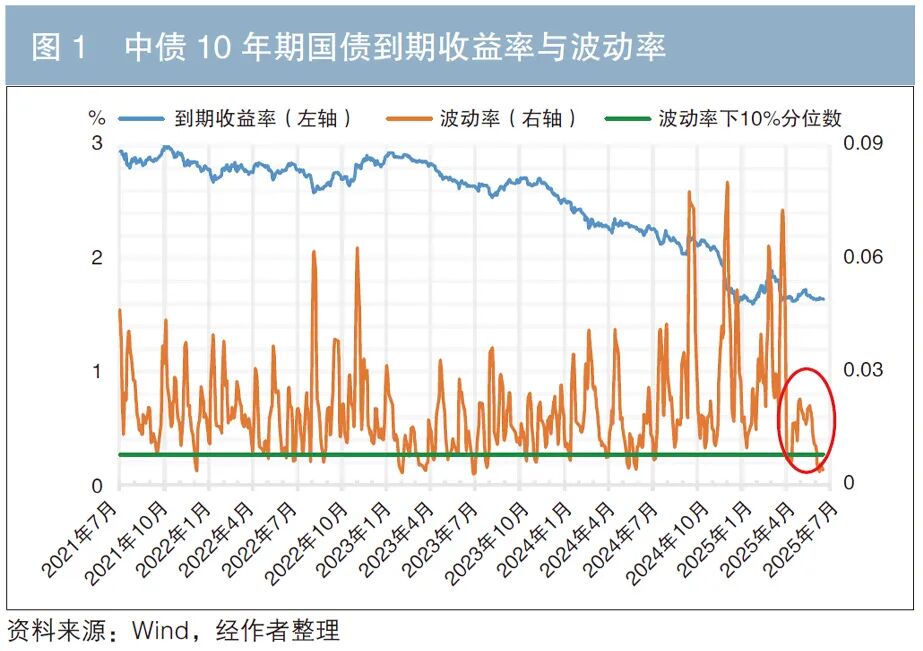
Core Viewpoint - The bond market in 2025 is characterized by low volatility, which limits the profit potential of traditional trend-following strategies. Quantitative and neutral trading strategies are proposed as effective methods to enhance returns in this low-volatility environment [1][2]. Summary by Sections Current Market Conditions - As of early 2025, China's bond market is experiencing low yields and low volatility, prompting investment institutions to rethink their strategies to navigate this challenging environment [2][6]. - The bond market's volatility has significantly decreased, reaching levels below the 10th percentile since April 2025, influenced by factors such as U.S. tariffs and domestic liquidity conditions [2][6]. Causes of Low Volatility - The low volatility in the bond market is attributed to several factors: 1. **Liquidity Constraints**: The central bank's policies have maintained reasonable liquidity, keeping overnight repo rates around 1.4%, which has limited further declines in bond yields [6][7]. 2. **Economic Expectations**: Weak economic indicators and uncertainties surrounding U.S.-China trade relations have constrained the upward movement of bond yields, with the 10-year government bond yield mostly staying below 1.75% [6][7]. 3. **Supply and Demand Dynamics**: Increased government bond issuance has not significantly impacted the market due to ongoing liquidity support from the central bank [7]. 4. **Arbitrage Strategies**: The widespread use of neutral arbitrage strategies by investment institutions has helped stabilize the market and reduce irrational volatility [7]. Investment Strategies in Low Volatility Market - In response to the low volatility environment, two main strategies are recommended: 1. **Quantitative Strategies**: These strategies utilize historical data and mathematical models to identify trading opportunities. A volatility factor model has been developed, demonstrating predictive capabilities and profitability in low-volatility conditions [9][10][17]. 2. **Neutral Strategies**: These involve constructing both long and short positions to hedge market risks and capture stable returns. The application of classic neutral trading strategies, such as basis trading, term spread trading, and new/old bond spread trading, has shown potential for excess returns [17][18]. Performance of Quantitative Strategies - A quantitative strategy based on a volatility factor was tested, yielding a cumulative return of 26.17 basis points with a win rate of 62.33%, outperforming traditional single-direction strategies [14][22]. - The strategy's performance highlighted areas for improvement, such as enhancing sensitivity to directional signals and optimizing threshold parameters for better risk management [15][16]. Performance of Neutral Strategies - Classic neutral strategies have been effectively employed to exploit market inefficiencies, with examples demonstrating successful basis trading, term spread trading, and new/old bond spread trading [18][19][20][21]. - These strategies have proven to enhance absolute returns and improve the return on assets (ROA) in a low-volatility market [22]. Future Outlook - The bond market's low volatility phase is seen as a transitional period that necessitates a restructuring of investment strategies. The integration of quantitative and neutral strategies is emphasized as crucial for adapting to the new market norm [23]. - Investment institutions are encouraged to enhance their research capabilities and technological integration to better navigate the evolving market landscape [23].
低利率和外部环境扰动下债券市场走势与投资策略
Xin Lang Cai Jing· 2025-09-28 01:29
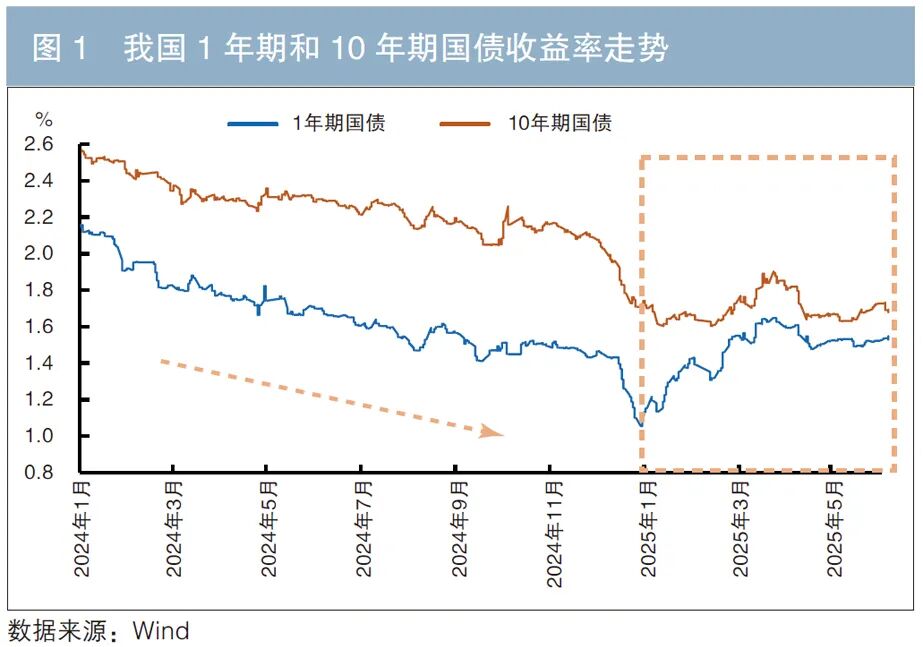
Core Viewpoint - The bond market in China has entered a bull market in 2024, driven by weak economic conditions, moderate monetary policy easing, and reduced bank funding costs, leading to declining interest rates and narrowing credit spreads [1][2][8]. Bond Market Performance Interest Rate Bonds - Since the beginning of 2024, the bond market has shown a bull market trend, with the 1-year government bond yield dropping to a low of 0.9307% on December 23, 2024, the lowest since June 3, 2009 [2][4]. - The 10-year government bond yield reached a historical low of 1.5958% on February 7, 2025, indicating a low interest rate environment [2][4]. Credit Bonds - The scale of credit bond defaults has continued to decline in 2024, with a notable decrease in the proportion of defaults from real estate companies and AAA-rated bonds [5][6]. - The number of defaulting companies decreased from 37 in 2021 to 23 in 2024, and the default scale dropped from 1,076 billion to 241 billion [6]. Factors Driving Bond Yield Decline - Economic slowdown is evident, with the manufacturing PMI below 50 for nine months, indicating weak production [8][9]. - Monetary policy has become more accommodative, with two interest rate cuts totaling 30 basis points and two reserve requirement ratio cuts of 1 percentage point in 2024 [8][9]. - The cost of bank liabilities has decreased due to various policy measures, increasing demand for bond investments [8][9]. - Institutional demand for bonds has surged amid a weak stock market and ample liquidity, leading to significant bond purchases [9][10]. Outlook for the Bond Market Interest Rate Bonds - The bond market may experience increased volatility due to ongoing U.S.-China trade negotiations and potential government policies aimed at stabilizing growth [11][12]. - The issuance of long-term special government bonds is expected to increase, with a total of 11.86 trillion yuan in new government debt planned for 2025 [11][12]. Credit Bonds - The default rate for credit bonds is expected to remain low, particularly in the real estate sector, due to improved sales and financing conditions [20][21]. - Credit spreads are likely to narrow, but the potential for further compression is limited due to already low levels [22]. Investment Strategy Recommendations - Investors should closely monitor the 1-year interbank certificate of deposit rates as they significantly influence the 10-year government bond yields [24][25]. - A strategy to go long on short-term bonds is recommended, as the yield curve is expected to steepen [26]. - Identifying structural opportunities in credit spreads is crucial, focusing on liquidity risk management and sector rotation [27]. - Enhancing trading capabilities and utilizing derivatives for hedging, along with diversifying into fixed-income-like assets, can optimize portfolio performance [28].
城投债到底是什么?和国债、企业债差在哪?数据告诉你真相!
Sou Hu Cai Jing· 2025-09-27 15:28
Core Viewpoint - The article discusses the significance of municipal investment bonds (城投债) in financing urban infrastructure projects in China, highlighting their role as a financial tool for local governments while also addressing concerns regarding hidden debts and credit risks [1][3][9]. Group 1: Definition and Characteristics - Municipal investment bonds are defined as bonds issued by local government financing platforms, primarily used for urban infrastructure and public welfare projects [3]. - The issuance of municipal bonds is distinct from direct government debt, as they are issued by corporate entities, reflecting a "government core, enterprise shell" characteristic [3][4]. - In 2023, the total outstanding municipal bonds reached 13.7 trillion yuan, accounting for 28% of the credit bond market [1]. Group 2: Comparison with National Bonds - National bonds are issued by the Ministry of Finance and are backed by the central government's credit, while municipal bonds are issued by local state-owned enterprises [4][6]. - The funding purposes differ: national bonds fund major cross-regional projects, whereas municipal bonds focus on local infrastructure [4]. - The repayment sources also vary; national bonds rely on national fiscal revenue, while municipal bonds depend on project revenues and local government income, including land sales [4][6]. Group 3: Credit Ratings and Market Dynamics - Municipal bonds exhibit a wide range of credit ratings, with 45% rated AAA and 38% rated AA in 2023, indicating varying levels of market confidence in repayment capabilities [6]. - In 2023, the default rate for ordinary corporate bonds was significantly higher than that of municipal bonds, although the impact of municipal bond defaults can be more pronounced [7]. - Regulatory policies are pushing municipal bonds towards a more market-oriented approach, with a notable increase in bonds linked to projects with stable cash flows [9][10]. Group 4: Economic Impact and Risks - Municipal bonds have played a crucial role in supporting over 90% of urban rail lines and 70% of affordable housing projects in China [9]. - However, excessive reliance on municipal bonds has led to high debt ratios in some regions, with 12 cities exceeding a 200% debt ratio in 2023 [10]. - The decline in land sale revenues in 2023, down 13.2% year-on-year, poses a risk to the repayment capabilities of municipal bonds [10]. Group 5: Future Trends and Investor Considerations - The issuance of municipal bonds in Q1 2024 reached 1.8 trillion yuan, with a shift towards new investments rather than refinancing existing debts [11]. - Investors are advised to consider local fiscal strength, debt ratios, and the cash flow stability of funded projects when evaluating municipal bonds [10][11]. - The ongoing regulatory framework aims to mitigate financial risks associated with municipal bonds while ensuring their contribution to urban development [10][11].

固收周报(9月22日-9月26日):把握跨季节奏,关注配置机会-20250927
Yin He Zheng Quan· 2025-09-27 13:19
1. Report Industry Investment Rating No relevant content provided. 2. Core Views of the Report - This week (9/22 - 9/26), bond market yields first rose and then fell, mainly driven by central bank open - market operations, end - of - quarter and holiday - related liquidity fluctuations, and stock - bond seesaw effects. As of 9/26, the yields of 30Y, 10Y (active bond), and 1Y treasury bonds changed by 3BP, 1BP, and 0BP respectively, closing at 2.22%, 1.80%, and 1.38%. The 30Y - 10Y and 10Y - 1Y term spreads changed by 2BP and 0.5BP respectively compared to last week, closing at 34BP and 49.5BP [1][8]. - Looking ahead to next week, the liquidity situation will face month - end and quarter - end challenges, but it is likely to return to equilibrium after the holiday. The fundamentals show mixed production indicators, mixed real - estate transaction year - on - year performance, and a comprehensive decline in the price index. The supply of interest - rate bonds decreased from 9/22 - 9/28. The central bank conducted net reverse - repurchase operations of 6406 billion yuan through 7 - day and 14 - day reverse repos and 6000 billion yuan of MLF to maintain end - of - month liquidity this week [2][3]. - The bond market is facing headwinds in a volatile environment, and there are mainly allocation opportunities. Next week, attention should be paid to the release of the September PMI data, the central bank's support for the liquidity during the month - end and quarter - end period, and the impact of the implementation of the new public - fund fee regulations on market sentiment [4]. 3. Summary According to the Catalog 3.1 This Week's Bond Market: Interest Rates First Rose and Then Fell, and the Yield Curve Remained Essentially Flat - From 9/22 - 9/26, bond market yields first rose and then fell. As of 9/26, the yields of 30Y, 10Y (active bond), and 1Y treasury bonds changed by 3BP, 1BP, and 0BP respectively, closing at 2.22%, 1.80%, and 1.38%. The 30Y - 10Y and 10Y - 1Y term spreads changed by 2BP and 0.5BP respectively compared to last week, closing at 34BP and 49.5BP. The 10Y yield movement was influenced by central bank support for end - of - quarter liquidity, increased market risk - aversion before the holiday, and market expectations regarding the new public - fund fee regulations [1][8]. - Specifically, on 9/22, bond market interest rates declined slightly. The central bank's net injection of 2605 billion yuan through 14D and 7D OMOs loosened the liquidity and boosted market sentiment. On 9/23, yields rose due to the central bank's shift from net injection to net withdrawal of 109 billion yuan and market concerns about the new public - fund regulations and tax - exemption policies. On 9/24, yields continued to rise as the stock market was strong and the central bank's 7D OMOs led to a net withdrawal. On 9/25, yields declined as the central bank injected 2965 billion yuan through 7D OMOs to support end - of - quarter liquidity. On 9/26, yields continued to decline as the central bank's net injection of 4115 billion yuan through 7D and 14D OMOs and the stock market adjustment before the holiday supported the bond market [26][27]. 3.2 Next Week's Outlook and Strategy 3.2.1 Bond Market Outlook: Liquidity Faces Month - End and Quarter - End Challenges, Likely to Return to Equilibrium after the Holiday - Fundamentals: Production indicators were mixed. The开工 rates of refined PTA and automobile semi - steel tires decreased by 0.355 and 0.08 percentage points respectively, while the blast - furnace开工 rate increased by 0.47 percentage points. On the demand side, overall demand recovered, but real - estate transactions were still mixed. The year - on - year change in the transaction area of commercial housing in 30 large - and medium - sized cities decreased by 6.57%, while that of land in 100 large - and medium - sized cities increased by 39.15%. Passenger - car sales also recovered with an increased margin, rising 10.36% year - on - year. The price index declined comprehensively. The average wholesale price of pork and the price index of edible agricultural products decreased by 0.94% and 0.1% respectively, the production - material price index decreased by 0.2%, and the crude - oil price decreased by 5.22% year - on - year [31][43][49]. - Supply: From 9/22 - 9/28, the issuance scale of interest - rate bonds decreased. The issuance of treasury bonds, local bonds, and inter - bank certificates of deposit (CDs) was 2475.3 billion yuan, 1960.51 billion yuan, and 7918.7 billion yuan respectively, a decrease of 2600.98 billion yuan compared to last week. The issuance progress of local bonds reached 84.3% (including the planned issuance next week), and the issuance progress of new special bonds and new general bonds was 84.3% and 84% respectively [2][64]. - Liquidity: From 9/22 - 9/26, the central bank conducted net reverse - repurchase operations of 6406 billion yuan through 7 - day and 14 - day reverse repos and 6000 billion yuan of MLF to maintain end - of - month liquidity. This week, the liquidity tightened marginally. DR001 and DR007 changed by - 15BP and 4BP respectively compared to 9/19, reaching 1.36% and 1.49%. The yields of 3M and 1Y CDs changed by about 1BP each, reaching 1.59% and 1.69%. The 1Y - 3M CD term spread remained at 10BP, and the 6M - 3M CD term spread expanded by 1BP to about 7BP. Next week, due to month - end, quarter - end, and the National Day holiday, the liquidity may tighten seasonally, but it is likely to return to equilibrium after the holiday with central bank support [3][70]. 3.2.2 Bond Market Strategy: Bond Market Faces Headwinds in a Volatile Environment, with Allocation Opportunities - Attention should be paid to three aspects: the release of September PMI data and the market's pricing of the expected upward repair of fundamentals; the central bank's support for liquidity during the month - end and quarter - end period; and the impact of the implementation of the new public - fund fee regulations on marginal redemptions and market expectations [80]. - Considering these factors, the potential for further downward pricing of fundamentals is limited compared to the expected upward repair. Although the bond market has shown some desensitization to the strong stock market since late August, risky assets such as stocks still suppress the bond market. The implementation of the new public - fund fee regulations may cause short - term negative feedback in the market, but the probability of significant redemptions disrupting the market is currently low. If there is a significant daily pulse of 2 - 4BP or more, it is advisable to seize the opportunity. Overall, the bond market is unlikely to experience a significant bear market, but short - term fluctuations may increase. The 1.8% level of the 10Y active bond offers good allocation value. In a volatile market, it is advisable to maintain an appropriate duration and increase allocations when yields are high. The short - end yields are likely to return to equilibrium after the month - end, with the policy rate (1.4%) as the lower limit. Currently, the short - end has reached 1.39%, so the odds of short - term profit - taking are limited. For the long - end, although the main trend has not changed significantly, short - term negative factors may accumulate, and fluctuations may increase. It is still recommended to seize the allocation opportunity at the 1.8% key level [4][5][87]. 3.3 Next Week's Open - Market Operations and Economic Calendar - Central bank open - market operations: In the past four weeks, the net injections (or withdrawals) were 4961 billion yuan, - 12047 billion yuan, 1961 billion yuan, 5623 billion yuan, and 9406 billion yuan respectively. Next week, there will be net withdrawals of 5166 billion yuan and 19508 billion yuan in one and two weeks respectively [88]. - Next week's fund calendar (9/29 - 10/5): The expected issuance of local government bonds is 526.97 billion yuan and 544.55 billion yuan on Thursday and Friday respectively. The maturity amounts of CDs are relatively high on Thursday and Friday. The maturity amounts of reverse repos are 2405 billion yuan and 2761 billion yuan on Thursday and Friday respectively. Thursday is a tax - payment week, and it is not a reserve - payment week [91]. - Next week's economic calendar: On September 30th at 9:30, the official non - manufacturing PMI, manufacturing PMI (market expectation: 50.10), and comprehensive PMI for September will be released [91].