
轻工

Search documents
国泰海通晨报-20251106
GUOTAI HAITONG SECURITIES· 2025-11-06 05:19
Group 1: Asset Allocation Strategy - The report emphasizes a shift from a barbell strategy to a quality strategy in asset allocation, highlighting opportunities in both technology and non-technology sectors as part of a broad revaluation of the Chinese market [2][9][18] - The report suggests a bullish outlook on Chinese A/H shares, driven by accelerated economic transformation and increased asset management demand due to declining risk-free interest rates [24][25] - It anticipates a moderate recovery in the Eurozone economy in 2026, recommending a benchmark allocation, while suggesting an underweight position for Indian stocks due to uncertainties [24][25] Group 2: Bond Market Insights - The report predicts a slight upward trend in domestic bond yields, influenced by a stable yet slightly easing monetary policy and positive fiscal policy orientation [3][25] - It notes that U.S. Treasury yields may decline moderately due to easing inflation expectations and a resilient economy [3][25] Group 3: Commodity Market Outlook - The report maintains a bullish stance on gold and copper, citing a long-term view on gold's monetary attributes and a structural demand for copper driven by AI infrastructure and grid upgrades [4][26] - It highlights that oil prices are under pressure due to oversupply, while copper prices are supported by supply constraints [4][26] Group 4: Pharmaceutical Industry Analysis - The report indicates a significant increase in the total market value of pharmaceutical stocks held by public funds, rising from 300.9 billion to 409 billion yuan, a 35.9% increase [10][27] - It notes that the proportion of pharmaceutical stocks in public fund holdings has increased to 10.53% as of Q3 2025, reflecting growing confidence in the sector [12][27] - The report identifies chemical preparations, other biological products, and medical devices as the leading segments within the pharmaceutical sector [12][27] Group 5: Gaming Industry Performance - The gaming industry has shown strong growth, with Q3 2025 revenues reaching 30.362 billion yuan, a year-on-year increase of 28.6% [29][30] - The report highlights the positive impact of new product launches and a stable regulatory environment on the gaming sector's performance [29][30] - It emphasizes the importance of high-quality product reserves and overseas expansion for companies in the gaming industry [29][30]
专访黄群慧:发展新质生产力是“十五五”产业政策主线
21世纪经济报道· 2025-11-05 12:40
Core Viewpoint - The article discusses China's strategic direction for industrial development during the "15th Five-Year Plan" period, emphasizing the construction of a modern industrial system and the strengthening of the real economy as primary tasks [1][11]. Group 1: Traditional Industry Transformation - The "15th Five-Year Plan" aims to optimize and enhance the global competitiveness of traditional industries such as mining, metallurgy, and machinery, which are crucial for economic resilience [6][7]. - The transformation of traditional industries is expected to generate significant economic value, potentially reaching a value increase of 10 trillion yuan through technological upgrades and smart manufacturing [7]. Group 2: Emerging Industries - The plan highlights the importance of strategic emerging industries like new energy, new materials, and aerospace, which are anticipated to become major drivers of economic growth [8][9]. - Local governments are encouraged to develop emerging industries based on regional resources and capabilities, fostering suitable industrial clusters [9]. Group 3: Future Industries - The article identifies future industries such as quantum technology and hydrogen energy as critical for gaining competitive advantages in global markets [10][12]. - The development of these future industries requires careful consideration of technological maturity and market potential, as they involve high risks and long investment cycles [10]. Group 4: Modern Industrial System - A modern industrial system is deemed essential for China's modernization, with a focus on intelligent, green, and integrated development [11][12]. - The article stresses the need for a robust manufacturing sector as the backbone of the modern industrial system, which is vital for achieving national development goals [11]. Group 5: New Infrastructure and Services - The plan calls for the construction of new infrastructure, particularly in computing power, to support technological advancements and industrial upgrades [12][13]. - The expansion and enhancement of productive services are highlighted as key to supporting manufacturing transformation and achieving high-quality development [14].

21专访|黄群慧:发展新质生产力是“十五五”产业政策主线
2 1 Shi Ji Jing Ji Bao Dao· 2025-11-05 11:49
Core Viewpoint - The article discusses China's strategic plan for industrial development during the 15th Five-Year Plan period, emphasizing the construction of a modern industrial system and the strengthening of the real economy as primary tasks [1][2]. Group 1: Traditional Industry Optimization - The 15th Five-Year Plan aims to consolidate and enhance the global competitiveness of traditional industries such as mining, metallurgy, and machinery, which are crucial for economic resilience [3][4]. - The transformation and upgrading of these traditional industries through intelligent, green, and high-end development are expected to generate significant economic value, potentially reaching trillions in added value [4]. Group 2: Emerging Industries - The plan highlights the importance of emerging industries like new energy, new materials, and aerospace, which are anticipated to become major drivers of economic growth and have strong interconnections with various sectors [5][6]. - The development of strategic emerging industries should be tailored to local conditions, leveraging regional resources and capabilities to foster suitable industry clusters [5]. Group 3: Future Industries - The proposal includes promoting future industries such as quantum technology and hydrogen energy, which are seen as critical for gaining competitive advantages in global markets [6][7]. - These future industries are characterized by high dependence on original innovation and long investment cycles, necessitating careful planning and support for their development [6]. Group 4: Modern Industrial System - The modern industrial system is identified as the material and technical foundation for China's modernization, with a focus on maintaining a robust manufacturing sector [7][8]. - The integration of advanced manufacturing with new technologies is essential for driving high-quality development and achieving the goals of the 15th Five-Year Plan [8]. Group 5: New Infrastructure and Service Industry - The plan emphasizes the need for new infrastructure, particularly in computing power, to support technological advancements and industrial upgrades [9][10]. - The expansion and enhancement of the productive service industry are crucial for facilitating the transformation of manufacturing and achieving higher value chains [11].
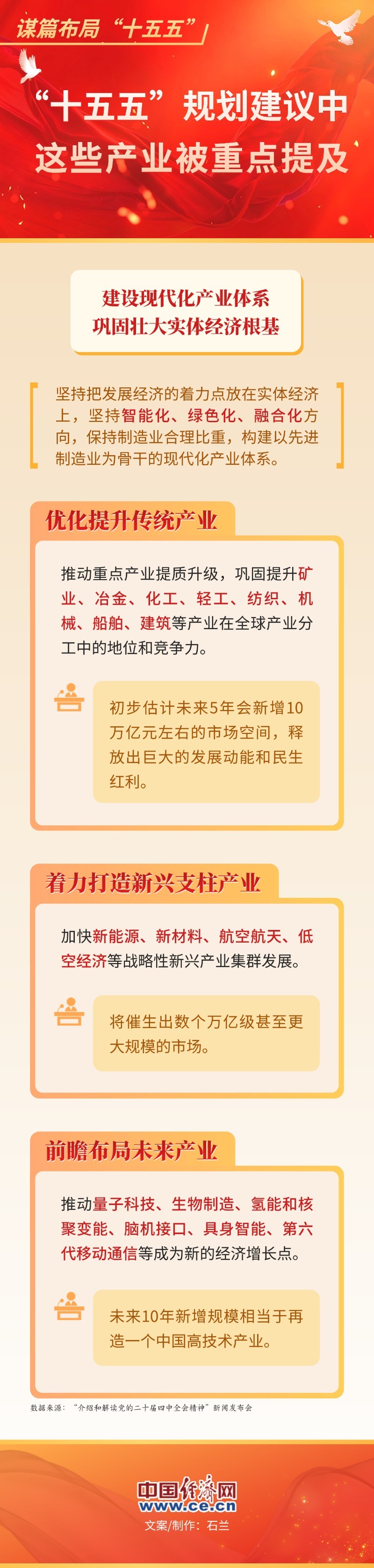
【图解】谋篇布局“十五五”|“十五五”规划建议中,这些产业被重点提及
Zhong Guo Jing Ji Wang· 2025-11-05 07:17
Core Viewpoint - The article emphasizes the importance of developing a modern industrial system focused on strengthening the real economy, with a commitment to intelligent, green, and integrated development, while maintaining a reasonable proportion of manufacturing [3][5]. Group 1: Modern Industrial System - The focus is on consolidating and expanding the foundation of the real economy by prioritizing the development of the real economy [3]. - There is a commitment to maintaining a reasonable proportion of manufacturing and constructing a modern industrial system centered on advanced manufacturing [3]. Group 2: Traditional Industry Optimization - The article discusses the need to enhance traditional industries such as mining, metallurgy, chemicals, light industry, textiles, machinery, shipping, and construction to improve their global competitiveness [5]. - An estimated market space of around 10 trillion yuan is expected to be added over the next five years, releasing significant development momentum and benefits for people's livelihoods [5]. Group 3: Emerging Pillar Industries - There is a push to accelerate the development of strategic emerging industries such as new energy, new materials, aerospace, and low-altitude economy [6]. - This initiative is expected to create several trillion-level markets or even larger scales [7]. Group 4: Future Industry Layout - The article highlights the importance of forward-looking layouts for future industries, promoting quantum technology, biomanufacturing, hydrogen energy, nuclear fusion energy, brain-computer interfaces, embodied intelligence, and sixth-generation mobile communication as new economic growth points [8]. - The anticipated scale of new high-tech industries over the next decade is comparable to recreating an entire high-tech industry in China [8].
“十五五”规划建议里那些有关中企出海的表述 | 跨越山海
Sou Hu Cai Jing· 2025-11-04 02:27
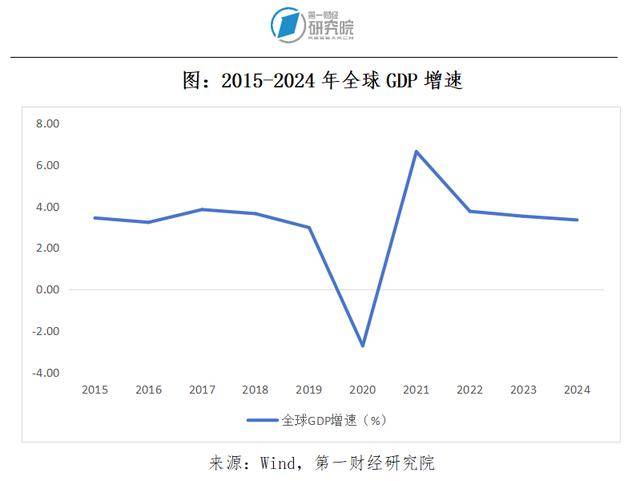
Core Viewpoint - The "15th Five-Year Plan" emphasizes the importance of China's globalization efforts amid a complex international environment, highlighting both challenges and opportunities for Chinese enterprises in their overseas expansion. Group 1: External Environment and Challenges - The "15th Five-Year Plan" acknowledges the intensified international competition and challenges posed by unilateralism, protectionism, and geopolitical tensions, which affect Chinese enterprises' overseas operations [2][3]. - The International Monetary Fund forecasts global GDP growth rates of 3.2% and 3.1% for 2025 and 2026, respectively, indicating a relatively slow economic growth environment [2]. - Changes in trade policies, such as new tariffs imposed by countries like Mexico on imports from China, complicate the export landscape for Chinese companies [3]. Group 2: Opportunities for Globalization - The "15th Five-Year Plan" introduces new proposals for Chinese enterprises to actively shape international environments and leverage their advantages in global supply chains [4]. - Chinese enterprises are increasingly demonstrating strong global market competitiveness, particularly in sectors like electric vehicles and 5G technology, despite geopolitical pressures [5]. Group 3: Cultural and Traditional Industry Development - The plan emphasizes the importance of enhancing the influence of Chinese culture globally, encouraging cultural enterprises to expand overseas [7][9]. - There is a focus on optimizing and upgrading traditional industries, with specific mentions of enhancing the global competitiveness of sectors such as mining, metallurgy, and textiles [10]. Group 4: Infrastructure and Connectivity - The plan highlights the need for robust international logistics and infrastructure, aiming to improve trade facilitation through diversified and resilient transportation networks [12]. - The ongoing geopolitical factors affecting trade are acknowledged, yet the overall trend towards globalization remains strong, necessitating improved logistics to enhance competitiveness [12]. Group 5: Service Trade and Financial Integration - The "15th Five-Year Plan" places greater emphasis on the development of service trade, aiming to expand market access and improve service trade standards [15]. - The plan also stresses the importance of advancing the internationalization of the Renminbi and building a self-controlled cross-border payment system, which will facilitate trade and reduce risks for Chinese enterprises [16].
21评论丨为何要保持制造业合理比重?
2 1 Shi Ji Jing Ji Bao Dao· 2025-11-03 22:35
Core Insights - The recent proposal by the Central Committee emphasizes the importance of a modern industrial system as the material and technological foundation for Chinese-style modernization, focusing on the real economy and aiming for intelligent, green, and integrated development [2][3] Group 1: Strategic Focus - The primary strategic task for the 15th Five-Year Plan has shifted from technological innovation to industrial system construction and real economy development, with technology now serving as a supporting role [2][3] - The dual motivations for this strategic shift include the transition of development stages and the evolution of competitive paradigms, highlighting the need for innovation to be rooted in the industrial context to enhance economic resilience and competitiveness [3] Group 2: Manufacturing Sector Importance - The proposal underscores the critical role of maintaining a reasonable proportion of manufacturing in the economy, which is essential for strengthening the foundation of the real economy [3][4] - Historical data indicates that countries like Japan and Germany maintain a stable manufacturing value-added ratio of around 20% of GDP, which supports their international competitiveness [4] Group 3: Development Pathways - The construction of a modern industrial system should focus on four key areas: optimizing the manufacturing tier, promoting service industry development, solidifying infrastructure, and enhancing the market environment [5][6] - Specific actions include upgrading traditional industries, fostering new industries as core pillars, and innovating regulatory frameworks to support future industries [5][6] - The service sector is to be expanded and improved, integrating with advanced manufacturing and modern agriculture to enhance overall economic efficiency [6]
大消费行业2025 年11 月金股推荐
Changjiang Securities· 2025-11-03 13:40
Investment Rating - The report maintains a "Buy" rating for the recommended stocks in the consumer sector, indicating a positive outlook for their performance in the coming years [7][11][12][13][14][16][18][19]. Core Insights - The report highlights nine advantageous sectors within the consumer industry, including agriculture, retail, social services, automotive, textiles and apparel, light industry, food, home appliances, and pharmaceuticals, with specific stock recommendations for each sector [4][7]. - The report emphasizes the expected growth in net profits for the recommended companies from 2025 to 2027, with significant increases projected for several firms, indicating strong future performance [11][12][13][14][16][18][19]. Summary by Relevant Sections Agriculture - Recommended Stock: Muyuan Foods (牧原股份) - Projected net profits for 2025-2027: 154.9 billion, 175.7 billion, 225.5 billion CNY, with corresponding PE ratios of 18, 16, and 12 [11][29]. Retail - Recommended Stock: Shangmei Co., Ltd. (上美股份) - Projected net profits for 2025-2027: 10.9 billion, 13.6 billion, 15.8 billion CNY, with corresponding PE ratios of 29, 23, and 20 [12][29]. Social Services - Recommended Stock: China Duty Free Group (中国中免) - Projected net profits for 2025-2027: 36.7 billion, 41.7 billion, 47.8 billion CNY, with corresponding PE ratios of 43, 38, and 33 [13][29]. Automotive - Recommended Stock: Top Group (拓普集团) - Projected net profits for 2025-2027: 28.0 billion, 33.7 billion, 41.0 billion CNY, with corresponding PE ratios of 45.7, 38.1, and 31.3 [14][29]. Textiles and Apparel - Recommended Stock: Huali Group (华利集团) - Projected net profits for 2025-2027: 33.6 billion, 40.7 billion, 47.2 billion CNY, with corresponding PE ratios of 20.5, 17.0, and 14.6 [16][29]. Light Industry - Recommended Stock: Craft Home (匠心家居) - Projected net profits for 2025-2027: 9.5 billion, 12.3 billion, 15.4 billion CNY, with corresponding PE ratios of 22, 17, and 13 [17][29]. Food - Recommended Stock: Shanxi Fenjiu (山西汾酒) - Projected net profits for 2025-2026: 10.09, 10.93 CNY per share, with corresponding PE ratios of 19 and 17 [18][29]. Home Appliances - Recommended Stock: Anker Innovations (安克创新) - Projected net profits for 2025-2027: 26.57 billion, 31.98 billion, 38.95 billion CNY, with corresponding PE ratios of 23.59, 19.60, and 16.09 [19][29]. Pharmaceuticals - Recommended Stock: Innovent Biologics (信达生物) - Projected net profits for 2025-2027: 0.34, 0.69, 1.35 CNY per share, with corresponding PE ratios of 232.2, 116.5, and 59.3 [19][29].




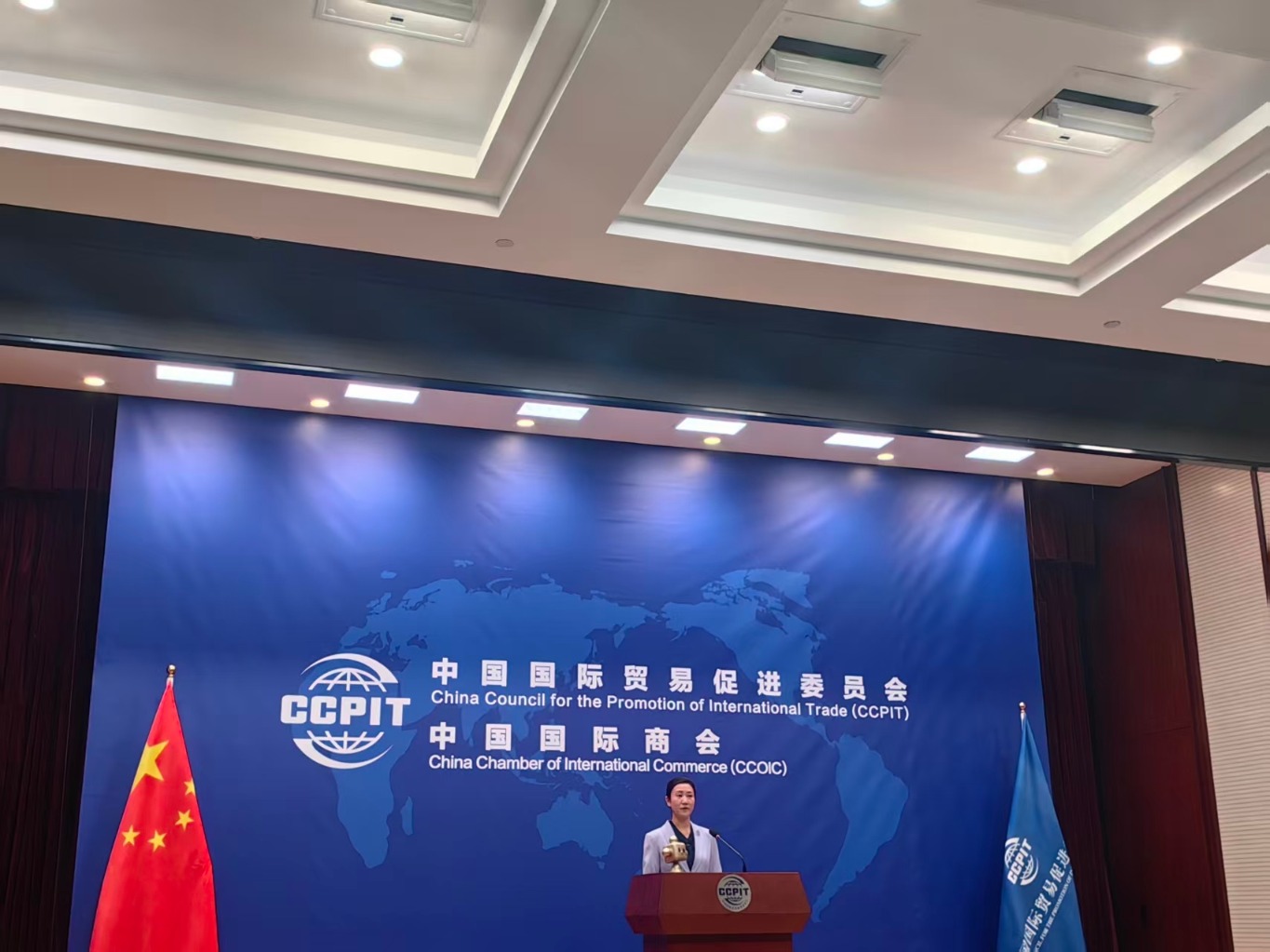
中国贸促会:年内已邀请和应约接待超60批次美方机构和企业负责人访华,中美两国工商界已形成互利共赢的利益共同体
Mei Ri Jing Ji Xin Wen· 2025-10-31 17:56
Group 1 - The global trade friction index for August remains high at 100, with a year-on-year decrease of 4.3% and a month-on-month decrease of 15.2% in the amount involved in trade friction measures [1] - The United States, Brazil, and Japan have the highest trade friction indices among 20 monitored countries, with the U.S. maintaining the top position for 14 consecutive months [1] - The electronics industry has the highest trade friction index among 13 major industries, indicating significant conflict points in sectors such as electronics, transportation equipment, pharmaceuticals, machinery, and light industry [1] Group 2 - The number of U.S. exhibitors at the Chain Expo has increased by 15% compared to the previous year, continuing to lead in the number of foreign exhibitors [4] - Over 3,500 Chinese companies have participated in more than 50 professional exhibitions in the U.S. from January to October, covering various sectors including electronics, textiles, and pharmaceuticals [5] - The China Council for the Promotion of International Trade (CCPIT) has facilitated over 100 activities under the China-U.S. Enterprise Cooperation Project, benefiting nearly 3,000 companies [5] Group 3 - In the first three quarters of this year, China's total import and export value with ASEAN reached 5.57 trillion yuan, a year-on-year increase of 9.6%, maintaining ASEAN as China's largest trading partner [6] - The CCPIT has organized multiple delegations to ASEAN countries for trade negotiations, with significant participation in various forums and summits [6][7] - The number of RCEP certificates issued and the corresponding visa amounts have increased by 25.57% and 24.01% respectively, enhancing trade dynamics between China and RCEP member countries [7]
华安研究:华安研究2025年11月金股组合
Huaan Securities· 2025-10-31 13:57
Group 1: Company Performance - The company achieved a revenue of 1.40 billion yuan in the first half of 2025, representing a year-on-year growth of 62.36%[1] - The net profit for 2025 is projected to be 640 million yuan, with a growth rate of 127% compared to 2024[1] - The EPS for 2025 is expected to be 0.2, up from 0.1 in 2024[1] Group 2: Market Trends - The AI-enabled revenue has become a core driver of performance, with significant contributions from products like AI-MDT reports and lung cancer screening[1] - The company is expanding its product matrix with new AI-driven health management products, indicating a strong focus on innovation[1] Group 3: Strategic Initiatives - The company is implementing an "All in AI" strategy, which has shown significant operational improvements and efficiency gains[1] - Collaborations with major tech firms like Alibaba for developing innovative screening products highlight the company's commitment to leveraging AI technology[1] Group 4: Risks and Challenges - Potential risks include ongoing industry policy impacts, declining customer prices, and the possibility of AI application not meeting expectations[1] - The company faces competition in the AI healthcare space, which may affect its market position and growth trajectory[1]


国泰海通|策略:Q3主动基金动向:大幅加仓AI硬件
国泰海通证券研究· 2025-10-31 10:39
Core Insights - The report indicates that active funds have significantly increased their holdings in A-shares, particularly in the TMT (Technology, Media, and Telecommunications) sector, while reducing exposure to consumer and banking sectors [1][2][4] - The total market value of active equity funds and stock ETFs reached a record high of 7.23 trillion yuan, reflecting a 21.7% quarter-on-quarter increase [1] - The active equity fund stock position rose to 85.6%, with a concentration ratio (CR20) increasing by 6.3% [1] Fund Allocation - Active funds have notably increased their allocation to the TMT sector, particularly in electronics and communications, while reducing exposure to consumer goods and financial sectors [2] - The electronics sector's allocation reached 25.5%, surpassing the previous high of 20.3% during the 2021 bull market [1][4] - The report highlights a significant increase in allocations to the semiconductor, battery, and gaming industries, driven by strong AI capital expenditures [2] Hong Kong Stock Market - The allocation to Hong Kong stocks has slightly decreased, with a total heavy position of 381.8 billion yuan, reflecting a decrease in the proportion of active fund investments to 18.7% [3] - Active funds have increased their investments in sectors such as trade, pharmaceuticals, and non-ferrous metals, while reducing exposure to social services and light industry [3] Market Trends - The report suggests that the fund issuance may soon reach a turning point, with historical data indicating that fund recovery and index breakthroughs are critical for accelerating new fund launches [4] - As of late October 2025, the proportion of actively managed equity funds with positive returns over various time frames has reached high levels, indicating a potential positive feedback loop for fund issuance and market performance [4]
