
轻工

Search documents
专精特新中小企业年营收超八千亿!广州将建设培育赋能中心
Nan Fang Du Shi Bao· 2026-02-05 14:30
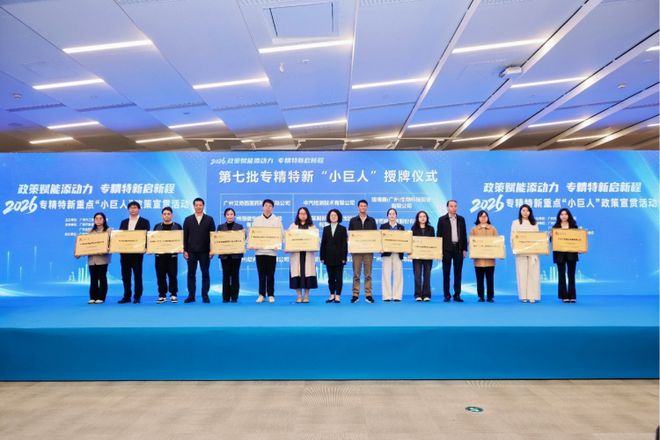
部分传统产业企业有望成为"小巨人" 今年1月,工业和信息化部发布新版《优质中小企业梯度培育管理办法》(以下简称《办法》),对专 精特新中小企业认定标准、"小巨人"企业认定标准进行了完善。 活动现场,广东省工信厅、广东省发改委、广东省科技厅评审专家曾国富以"政策解读+案例分析"的形 式,对重点"小巨人"、专精特新"小巨人"企业申报要点展开解读。 《办法》中,专精特新"小巨人"企业认定标准有较大的变化,企业主导产品的范围有所拓展。属于改造 提升传统产业、培育壮大新兴产业、布局建设未来产业,位于产业链关键环节,对提升产业链供应链韧 性和安全水平发挥重要作用的产品均可纳入。曾国富指出,这一变化将使部分传统产业企业,如矿业、 冶金、化工、轻工、纺织、机械、船舶、建筑等产业领域企业认定专精特新"小巨人"成为可能。 2月4日,广州市工业和信息化局举办全市重点专精特新"小巨人"政策宣贯活动。南都N视频记者从活动 中获悉,截至2025年底,广州市全市累计培育专精特新"小巨人"企业482家、重点"小巨人"企业74家、 专精特新中小企业7175家,专精特新企业年度营业总收入超过8000亿元,成为本市发展新质生产力的重 要力量。 曾 ...

如何吃透用好国家政策?辽宁召开专题会议
Xin Lang Cai Jing· 2026-02-04 18:26
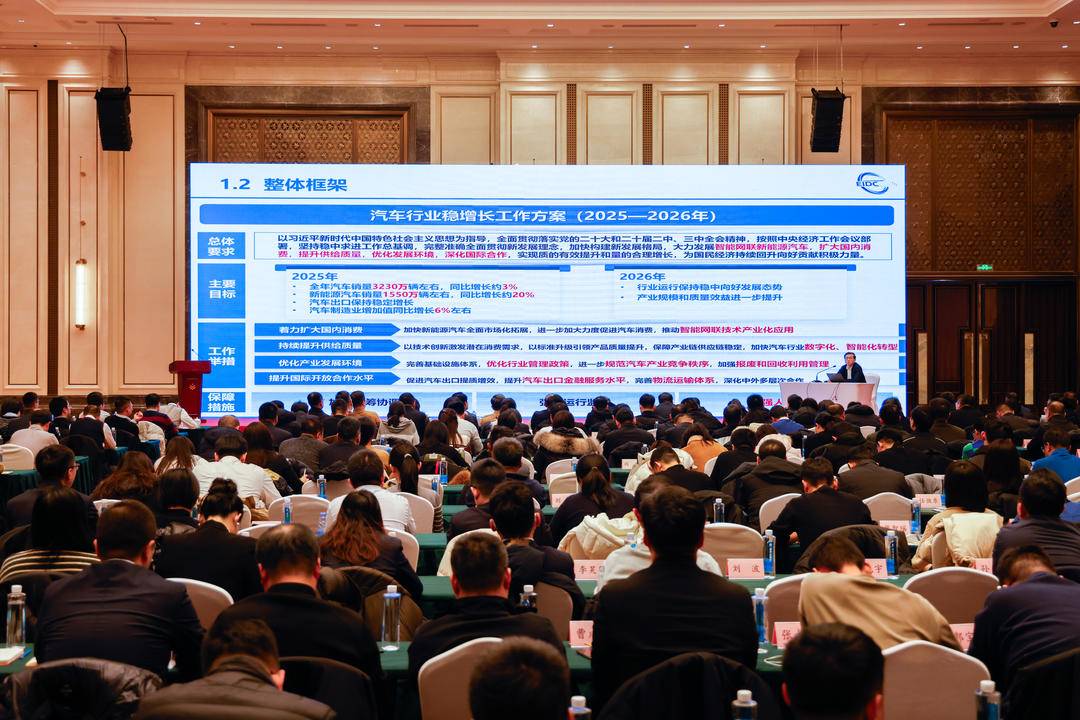
Core Insights - The conference held on February 4 focused on the implementation of growth stabilization policies in key industries such as automotive, machinery, power equipment, electronic information, petrochemicals, steel, and light industry [1][3] - The event was attended by over 300 participants, including representatives from 12 financial institutions, 21 new industrialization institutes, 30 key counties, nearly 50 enterprises, and 33 industry associations [1] Industry-Specific Summaries - The conference provided in-depth explanations of national policies aimed at stabilizing growth, particularly in the automotive sector, emphasizing the need to expand domestic consumption, improve supply quality, optimize the development environment, and deepen international cooperation [3] - Experts suggested that Liaoning should optimize provincial capacity, enhance collaboration between complete vehicle and component manufacturers, and promote the scaling and efficiency of vehicle enterprises [3] - The conference highlighted the importance of leveraging local advantages in education, industry, and data resources to advance key technologies such as power batteries, solid-state batteries, and autonomous driving, while expanding the application of new energy vehicles in public transport, logistics, and snow removal [3] - Recommendations included upgrading automotive after-market services and digital transformation, as well as improving the charging infrastructure network to establish a benchmark for cold climate regions [3] Policy Implementation and Support - The provincial industrial and information technology department emphasized the importance of fully understanding and utilizing national policies to convert opportunities into development momentum [4] - Future efforts will focus on optimizing enterprise services, facilitating production-demand and finance-production connections, and addressing challenges faced by enterprises [4] - The department aims to promote policy alignment and precise transformation, focusing on upgrading traditional industries, nurturing emerging industries, and advancing intelligent and digital transformations [4]
金融制造行业2月投资观点及金股推荐-20260204
Changjiang Securities· 2026-02-04 11:06
Investment Rating - The report provides a "Buy" rating for several key stocks in the financial and manufacturing sectors, including China Resources Land and Beike-W [15][18][20][21]. Core Insights - The macroeconomic environment shows a continuation of strong supply and weak demand characteristics, with short-term growth pressure remaining manageable [9]. - The real estate sector is experiencing a valuation recovery opportunity for quality developers due to a resonance between fundamentals and policies [10]. - The banking sector is witnessing a recovery from oversold conditions, with stock prices rebounding ahead of improvements in the funding environment [20]. - The non-bank financial sector is expected to benefit from policy-driven high-quality development, with a focus on high-performing stocks [22]. - The new energy sector has established a bottom line, with attention on marginal changes in new technologies [25]. - The machinery sector is gaining order resilience from overseas solar expansion and new business developments, while space solar technology opens growth opportunities [31]. - The environmental sector is focusing on carbon neutrality opportunities, with overseas expansion and metal prices providing elasticity [33]. Summary by Sections Real Estate - The sector is expected to face challenges in 2026, but recent policy easing and improved second-hand housing sales indicate a potential recovery [14]. - China Resources Land is highlighted as a leading developer with strong operational capabilities and a solid financial position, projected to achieve a net profit of 26.2 billion, 27 billion, and 28.2 billion from 2025 to 2027 [15]. Banking - Nanjing Bank is recommended due to its expected double-digit revenue growth in 2025, driven by stable asset quality and improved net interest margins [21]. Non-Bank Financials - New China Life Insurance is noted for its high elasticity and potential for improved returns on equity, with projected intrinsic values of 292.1 billion and 329.0 billion for 2025 and 2026, respectively [24]. New Energy - The storage sector is expected to see demand stability supported by national capacity pricing, while lithium battery technology is anticipated to rebound with improved economic conditions [25]. - JunDa Co. is recognized for its strategic partnerships and potential growth in the space solar sector, with projected profits increasing significantly by 2027 [27]. Machinery - The machinery sector is benefiting from overseas solar project expansions, with companies like DiEr Laser positioned to capitalize on new technologies and increased order volumes [31][32]. Environmental - Weiming Environmental is highlighted for its potential in the Indonesian waste-to-energy market, with expected project launches in early 2026 [39]. - The company is projected to achieve net profits of 2.88 billion and 3.44 billion in 2025 and 2026, respectively [39]. Light Industry - The light industry is seeing a rebound in export-driven companies, with a focus on quality stocks that can leverage cost efficiencies and supply chain advantages [43]. Military Industry - The military sector is expected to benefit from the transition of military technology to civilian applications and increased military trade, with key recommendations including Aviation Power and AVIC Xi'an Aircraft Industry [51][53].





“十五五”期间地区生产总值年均计划增长5%左右 江苏:奋力书写“强富美高”新篇章
Shang Hai Zheng Quan Bao· 2026-02-03 18:19
Core Insights - Jiangsu aims for an average GDP growth of around 5% during the "15th Five-Year Plan" period, with a focus on high-quality development and integration of technological and industrial innovation [6][7] - The province's GDP reached 14.2 trillion yuan during the "14th Five-Year Plan," with an average annual growth of 5.7% and significant contributions from manufacturing and service sectors [3][4] - Jiangsu plans to invest heavily in infrastructure, targeting 240 billion yuan in transportation, 45 billion yuan in water conservancy, and 170 billion yuan in energy by 2026 [7] Economic Performance - Jiangsu's GDP per capita reached 167,000 yuan, with public budget revenue exceeding one trillion yuan during the "14th Five-Year Plan" [3] - The manufacturing sector accounted for 33.5% of the GDP, while the service sector contributed 54% [3] - The province has maintained the highest level of new loans in the country for four consecutive years, with a strong presence in the stock market [3] Innovation and Technology - Jiangsu's R&D investment intensity reached 3.38%, with an average of 34.2 high-value invention patents per ten thousand people [3] - The province has established six national technology innovation centers and over 480 joint innovation centers with enterprises [3] - Plans for 2026 include the establishment of 10 provincial concept verification centers, 30 benchmark incubators, and 10 provincial manufacturing pilot platforms to enhance innovation [7] Industrial Development - Jiangsu has deepened the "1650" industrial system construction, with 14 national advanced manufacturing clusters and a strategic emerging industry fund exceeding 200 billion yuan [4] - The province aims to enhance the international competitiveness of its manufacturing base by focusing on high-quality development in key industries [4][8] - Future industries such as quantum technology, biomanufacturing, and hydrogen energy are prioritized for development [8]

中泰证券:2月整体上谨慎乐观,关注板块轮动和结构分化
Jin Rong Jie· 2026-02-02 07:30
Core Viewpoint - The report from Zhongtai Securities indicates a cautiously optimistic outlook for February, emphasizing sector rotation and structural differentiation in investment strategies [1] Group 1: Consumer Sector - The consumer sector, particularly offline consumption areas such as liquor, travel, and duty-free, is expected to experience a phase of valuation recovery due to policy support, seasonal catalysts, and sufficient adjustments [1] - Light industry and textile sectors with export logic are also highlighted as potential investment opportunities [1] - Agriculture, as a key driver of the Consumer Price Index (CPI), is identified as a focus area for investment [1] Group 2: Industrial Sector - The "anti-involution" theme is transitioning from policy advocacy to supply-demand improvement and price validation, making industries like chemicals and machinery worth monitoring for structural optimization [1] Group 3: Technology Sector - The technology sector is recognized as a core component of the "14th Five-Year Plan" for new productive forces, with a focus on artificial intelligence applications, robotics, and semiconductors [1] - Investment should concentrate on high-quality targets that demonstrate strong industrial trends and substantial performance support amid market fluctuations [1]

新华解码丨发展绿色生产力 零碳工厂怎么建?
Xin Hua She· 2026-01-26 11:46
Core Viewpoint - The article discusses the development of zero-carbon factories in China, emphasizing the need for technological innovation and systematic measures to reduce carbon emissions, as outlined in the recent guidelines issued by multiple government departments [1][3]. Group 1: Zero-Carbon Factory Construction - The "14th Five-Year Plan" suggests the construction of zero-carbon factories and parks to promote green transformation in the manufacturing sector [1]. - Zero-carbon factories focus on minimizing carbon emissions through technology, structural adjustments, and management optimization rather than achieving absolute zero emissions [1]. - The construction of zero-carbon factories is seen as a new development model that drives the green transformation and enhances efficiency in the manufacturing industry [1]. Group 2: Guidelines and Implementation - The guidelines include overall requirements, main objectives, construction paths, and work requirements, outlining a roadmap for zero-carbon factory construction [3]. - From 2026, a selection of zero-carbon factories will be initiated, with specific industries targeted for development by 2027 and further expansion by 2030 [3]. - The guidelines prioritize industries with urgent decarbonization needs and lower difficulty in achieving carbon reduction, allowing for a phased approach to implementation [3]. Group 3: Key Challenges and Solutions - There are significant differences in understanding zero-carbon factories, with challenges such as inconsistent evaluation requirements and weak carbon emission accounting foundations [2]. - The guidelines emphasize the need for a robust carbon emission accounting management system to provide accurate data for emission reduction strategies [4]. - Collaborative carbon reduction across the entire supply chain is crucial, with a focus on analyzing carbon footprints and managing zero-carbon supply chains [4]. Group 4: Standards and Support - The construction of zero-carbon factories requires a solid foundation of standards and regulations, with efforts to develop general requirements and industry-specific guidelines [5]. - The China Electronic Technology Standardization Institute is working on establishing national standards for zero-carbon factories, including carbon footprint monitoring [5]. - Strengthening standard compliance and guiding enterprises to meet these standards will support the cultivation of benchmark zero-carbon factories [5].
工信部、生态环境部等五部委联合下发零碳工厂建设指导意见!
Xin Lang Cai Jing· 2026-01-26 11:10
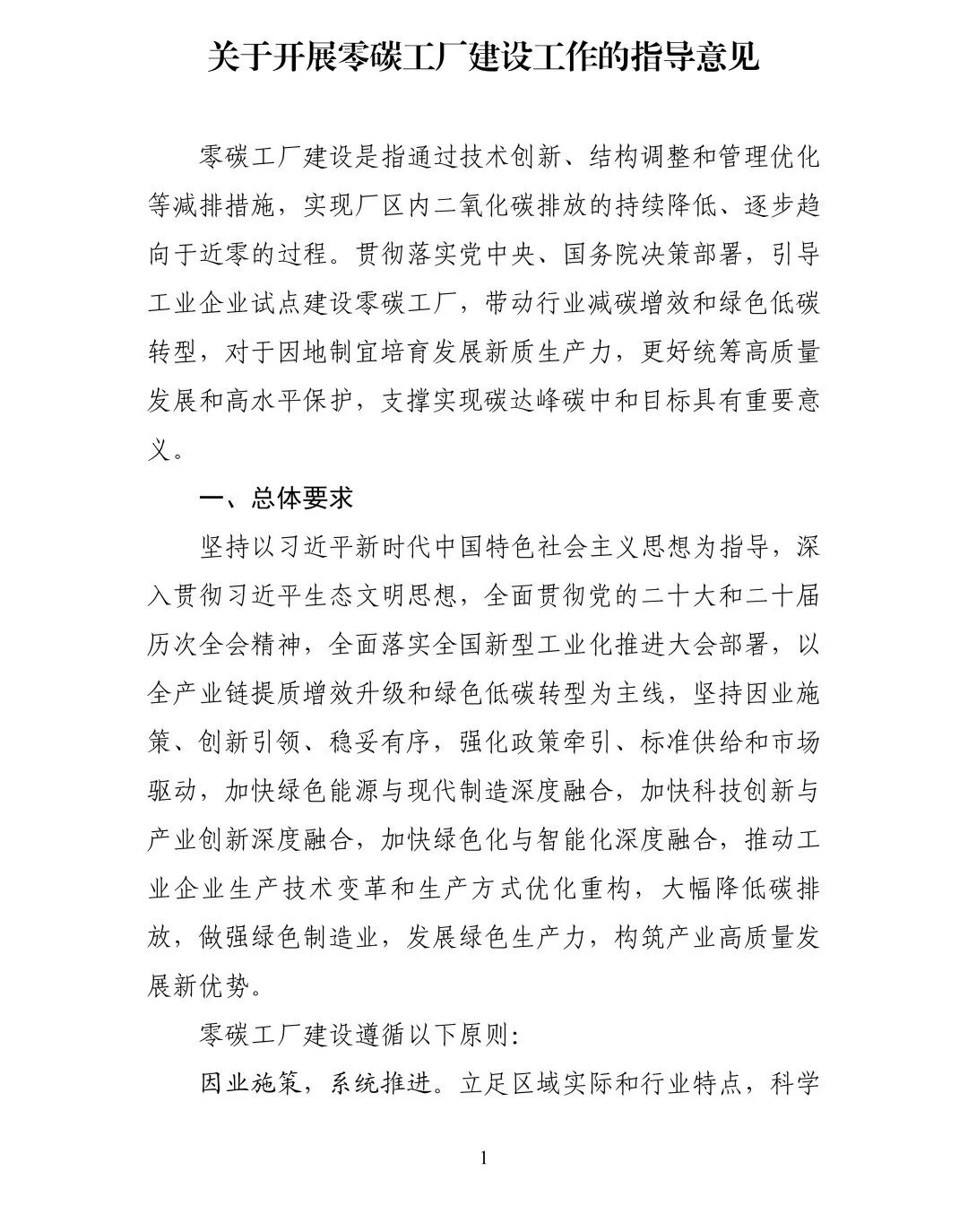
Core Viewpoint - The document outlines the guidelines for the construction of zero-carbon factories in China, emphasizing the importance of reducing carbon emissions through technological innovation, structural adjustments, and management optimization, aiming for near-zero emissions in industrial operations [1][5][21]. Group 1: Overall Requirements - The initiative is guided by Xi Jinping's thoughts on ecological civilization and aims to integrate green energy with modern manufacturing, promoting technological and industrial innovation to significantly reduce carbon emissions [6][22]. - The construction of zero-carbon factories will follow principles such as tailored strategies based on industry characteristics, innovation-driven approaches, and a focus on transparency and standardization in carbon accounting [7][23]. Group 2: Main Goals - The plan includes a phased approach, prioritizing industries with urgent decarbonization needs and lower difficulty levels, with a target to select a batch of zero-carbon factories by 2026 [8][24]. - By 2027, the initiative aims to establish zero-carbon factories in sectors like automotive, lithium batteries, photovoltaic, electronics, light industry, machinery, and computing facilities, creating an ecosystem that supports energy supply, technology research, and financial backing [9][25]. Group 3: Construction Pathways - A carbon emission accounting management system will be established to provide accurate data for zero-carbon factory construction, including direct and indirect emissions from production activities [10][26]. - The initiative encourages the development of green energy sources such as distributed solar, wind, and biomass power, promoting the use of integrated energy systems and green hydrogen applications [11][27]. - There will be a focus on enhancing energy efficiency and optimizing production processes to achieve significant reductions in carbon emissions, with a push for advanced energy-saving technologies and practices [12][28]. Group 4: Collaborative Efforts - The document promotes zero-carbon supply chain management, encouraging the procurement of green products and the adoption of low-carbon logistics to enhance collaborative decarbonization across the industry [13][29]. - The use of digital technologies such as IoT and big data will be emphasized to create smart carbon management systems, enabling precise measurement and control of energy consumption and emissions [14][30]. Group 5: Implementation Requirements - Local industrial and information departments are tasked with developing specific implementation plans for zero-carbon factory construction, fostering collaboration among government, enterprises, and markets [15][31]. - A comprehensive standard system will be established to guide the management and evaluation of zero-carbon factories, ensuring alignment with international standards and promoting transparency in carbon emissions reporting [16][32].
宏观周周谈-当前的核心矛盾是什么
2026-01-26 02:49
Summary of Key Points from Conference Call Records Industry and Company Overview - The discussion primarily revolves around macroeconomic trends, inflation expectations, and the performance of various industries in the context of the Chinese and U.S. markets. [1][2][3] Core Insights and Arguments Market Sentiment - Market sentiment has improved, particularly in second and third-tier cities, indicating a recovery in market activity to about 50-66% of previous levels. [2] Inflation Expectations - A "pork-oil resonance" phenomenon is anticipated in 2026, signaling the end of deflation and a return to inflation, with a CPI central tendency expected to reach 0.5% and PPI likely turning positive in Q3. [1][3][4] Industry Focus - Industries that may benefit from the positive PPI include resource-related sectors and raw materials, while the technology sector's valuations are no longer seen as advantageous. [1][4] U.S. Stock Market Outlook - The U.S. stock market is expected to experience a rally from May to August 2026, potentially boosting related sectors such as computing power. However, the main focus remains on the implications of PPI turning positive. [1][6] PPI Impact on Industries - Positive PPI is expected to favor industries such as construction materials, non-ferrous metals, steel, and basic chemicals, while sectors like machinery, automotive, electronics, pharmaceuticals, and home appliances show strong alpha correlation but weak beta correlation. [1][7][8] Currency Exchange Rate - The Chinese yuan is projected to appreciate significantly, with the effective exchange rate expected to return to levels seen at the end of 2024. This appreciation will benefit yuan-denominated assets, including Hong Kong stocks. [1][9] Geopolitical Risks - Geopolitical risks are increasing due to the disintegration of the old international order, U.S. strategic adjustments, and rising global political uncertainties. Key areas of concern include the Russia-Ukraine conflict, the situation in Iran, and developments in U.S.-China relations. [1][10][11] Other Important but Potentially Overlooked Content Specific Industry Dynamics - The relationship between PPI and various industries has shifted, with some sectors like real estate losing their previous correlation with PPI, while others have become more competitive due to changes in consumer behavior and market dynamics. [1][7][8] Recent Developments in Geopolitical Situations - The situation in Greenland has shown signs of easing, with diplomatic negotiations taking precedence over military threats. However, tensions remain in the Middle East, particularly regarding Iran and the ongoing Russia-Ukraine conflict. [10][11][12][14] U.S.-China Relations - Recent developments indicate a potential stabilization in U.S.-China relations, with high-level diplomatic engagements expected to continue throughout the year. [15][16]
零碳工厂建设进入快车道,2030年将纳入钢铁、有色金属等行业
Xin Lang Cai Jing· 2026-01-23 13:45
Core Insights - The Chinese government is actively promoting the construction of zero-carbon factories and parks, with a goal to select a batch of zero-carbon factories starting in 2026 and expand to various industries by 2030 [2][4]. Policy Development - The concept of zero-carbon parks was first introduced in the 2024 Central Economic Work Conference, with subsequent government reports and guidelines reinforcing the initiative [3]. - The first batch of national-level zero-carbon parks was announced on December 26, 2025, with 52 parks officially recognized [4]. Implementation Strategies - The construction of zero-carbon factories involves reducing carbon emissions through technological innovation, structural adjustments, and management optimization [4]. - Key strategies for building zero-carbon factories include establishing a carbon emission accounting system, transitioning to green energy sources, improving energy efficiency, analyzing carbon footprints, enhancing digital management, and implementing carbon offsetting measures [4]. Regional Distribution - The first batch of zero-carbon parks is distributed across various provinces, achieving nationwide coverage, with a focus on key regions [5]. - The construction of zero-carbon parks is seen as a strategic move to accelerate green transformation in the industry [5]. Industry Impact - Zero-carbon parks are expected to drive deep decarbonization in high-emission industries such as steel, construction materials, and chemicals, while also fostering the growth of new energy and smart manufacturing sectors [6]. - The construction of zero-carbon parks is viewed as a means to enhance the competitiveness of China's green industrial chain on a global scale [6]. Challenges and Lessons - Challenges in the construction of zero-carbon parks include weak carbon management capabilities, significant funding pressures, and the need for improved data monitoring and accounting systems [6]. - European examples, such as Berlin's EUREF-Campus and Denmark's Kalundborg eco-industrial park, provide valuable insights into effective energy system planning and digital management for zero-carbon initiatives [6][7].

零碳工厂迎来“顶层设计”
Xin Jing Bao· 2026-01-23 09:52
Core Viewpoint - The construction of zero-carbon factories in China is being guided by a new policy framework aimed at promoting green transformation in the manufacturing sector, with specific targets set for 2027 and 2030 [1][2]. Group 1: Policy and Guidelines - The "Guiding Opinions" issued by multiple government bodies aim to cultivate a number of zero-carbon factories in key industries by 2027, expanding to additional sectors by 2030 [1][2]. - The transition from energy-saving to green factories and then to zero-carbon factories reflects a progressive evolution in China's manufacturing green transformation [2][3]. Group 2: Importance of Zero-Carbon Factories - Zero-carbon factories are essential for reducing carbon emissions in the industrial sector, which accounts for nearly 70% of China's total carbon emissions [2]. - The construction of zero-carbon factories is recognized as a critical step towards deep decarbonization in the industrial field [2][3]. Group 3: Implementation Challenges - The construction of zero-carbon factories involves complex and systemic challenges, including energy structure, technology, funding, and management, with varying implementation paths across different regions and industries [3][4]. - There are existing issues such as inconsistent evaluation requirements and a lack of robust carbon emission accounting frameworks that need to be addressed [3][4]. Group 4: Regional Initiatives and Standards - Several regions in China, including Tianjin, Shanghai, and Jiangsu, have initiated pilot projects for near-zero carbon factories, establishing a foundation for broader zero-carbon factory construction [4]. - Industry associations have developed over 30 technical standards to guide the construction and evaluation of zero-carbon factories based on international benchmarks [4]. Group 5: Opportunities in Digitalization and Green Energy - The push for zero-carbon factories is expected to create significant opportunities in digital technologies, particularly in areas like digital twin modeling and simulation for manufacturing processes [7]. - The "Guiding Opinions" encourage the development of integrated projects for green hydrogen and ammonia, aiming to establish a sustainable supply chain for clean energy [7].