
石油

Search documents
大越期货原油早报-20260306
Da Yue Qi Huo· 2026-03-06 03:24
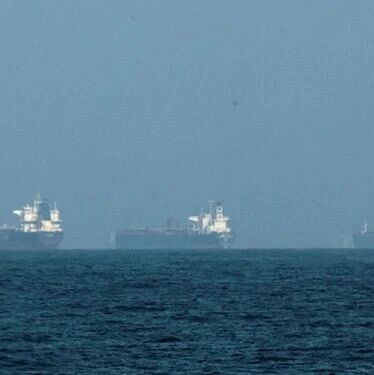
Report Summary 1. Report Industry Investment Rating No investment rating information is provided in the report. 2. Core Viewpoints - The war has further escalated, with the US and Israeli warplanes striking multiple locations in Iran, and several cities in the Gulf being bombed. If transportation cannot be redirected, Kuwait's current reserves can last about 18 days and the UAE's for 22 days. China is in consultations with Iran to ensure the safe passage of Iranian crude oil and Qatari LNG vessels through the Strait of Hormuz. - The US has issued a 30 - day temporary exemption to allow the sale of Russian oil stranded at sea to India to ease pressure on the global oil market. - Overnight, a senior White House official said the US Treasury may announce measures to address soaring energy prices as early as Thursday, possibly intervening in the crude oil futures market. Coupled with allowing some countries to use the stranded Russian crude oil at sea, oil prices have adjusted to some extent, and the internal - external premium has slightly declined. However, the situation in the Strait of Hormuz still does not encourage ship passage, and multiple countries are coordinating. Subsequently, oil prices may face significant fluctuations with news changes. - The SC2604 contract is expected to trade in the range of 655 - 685. Long - term investors should wait for opportunities to short at high prices [3]. 3. Summary by Directory 3.1 Daily Tips - **Fundamentals**: The war situation is escalating, with potential impacts on oil supply. Kuwait and the UAE have limited reserve days. China is involved in ensuring shipping safety, and the US has taken measures to ease the market. Overall, the situation is neutral [3]. - **Basis**: On March 5, Oman crude oil's spot price was $95.30 per barrel, and Qatar Marine crude oil's was $87.94 per barrel. The basis was 40.93 yuan per barrel, with the spot price higher than the futures price, indicating a bullish signal [3]. - **Inventory**: US API crude oil inventory for the week ending February 27 increased by 5.647 million barrels (expected increase: 2.2 million barrels), EIA inventory increased by 3.475 million barrels (expected increase: 2.305 million barrels), and Cushing area inventory increased by 1.564 million barrels (previous increase: 0.881 million barrels). As of March 5, the Shanghai crude oil futures inventory remained unchanged at 2.557 million barrels, showing a bearish trend [3]. - **Market Chart**: The 20 - day moving average is upward, and the price is above the average, suggesting a bullish trend [3]. - **Main Position**: As of February 24, the main positions in WTI and Brent crude oil futures were long, and the long positions increased, which is a bullish sign [3]. 3.2 Recent News - **Saudi Aramco Pricing**: Saudi Aramco raised the official selling price of Arab Light crude oil for April sales to Asia by the largest margin since August 2022, to a premium of $2.50 per barrel over the Oman/Dubai crude oil average. It also set different premiums for exports to Northwest Europe and the US [5]. - **US Treasury Intervention**: The US Treasury is evaluating direct action in the crude oil futures market to suppress the oil price surge caused by the Iran conflict. A senior White House official said the Treasury may announce a series of measures on March 5, which may include direct intervention in the oil futures market. Since the conflict with Iran broke out last Saturday, US crude oil futures prices have soared nearly 21% [5]. - **Gulf Oil Tanker Incidents**: A Bahamian - flagged oil tanker reported an explosion near the Iraqi port of Khor al - Zubair, and about 300 oil tankers are still stranded in the Strait of Hormuz due to the war [5]. 3.3 Long - Short Concerns - **Bullish Factors**: Sanctions on Russia and the deterioration of the Middle East situation [6]. - **Bearish Factors**: The IEA's concern about crude oil oversupply and the alleviation of supply problems in some oil - producing countries [6]. - **Market Driver**: In the short term, continue to focus on geopolitical factors; in the long - term, there is a risk of oversupply [6]. 3.4 Fundamental Data - **Futures Market**: The settlement prices of Brent, WTI, SC, and Oman crude oils increased, with increases of 4.01, 6.35, 41.70, and 3.84 respectively, and the increase rates were 4.93%, 8.51%, 6.68%, and 4.68% respectively [7]. - **Spot Market**: The prices of UK Brent Dtd, WTI, Oman crude oil, and Dubai crude oil in the spot market increased, with the largest increase of 10.16% for Oman crude oil. The price of Shengli crude oil decreased by 1.02% [9]. - **Inventory Data**: API and EIA inventories both increased in the week ending February 27 [10][12]. 3.5 Position Data - **WTI Crude Oil**: As of February 24, the net long position was 172,712, an increase of 31,369 [17]. - **Brent Crude Oil**: As of February 24, the net long position was 320,952, an increase of 57,766 [19].
综合晨报-20260306
Guo Tou Qi Huo· 2026-03-06 03:10
Report Industry Investment Rating No information provided. Core Viewpoints - The military conflict continues, and the international situation is tense, which has a significant impact on the prices of various commodities and financial markets. The prices of energy - related products such as crude oil and fuel oil are highly volatile, and the prices of other commodities are also affected by factors such as supply - demand relationships, geopolitical risks, and policy expectations [1][21]. - The market is closely watching the development of the situation in the Middle East, especially the navigation situation in the Strait of Hormuz, and the release of important economic data in the United States and relevant policies of domestic key meetings [1][7]. Summaries by Categories Energy - **Crude Oil**: The external market of crude oil is strong, and the SC crude oil has a long upper - shadow line due to sudden news. The internal - external price difference has widened, and the SC premium has fluctuated. China will send an envoy to the Middle East to promote the cooling of the situation, and the navigation situation in the Strait of Hormuz needs to be closely monitored [1]. - **Fuel Oil & Low - sulfur Fuel Oil**: After continuous rises, they are oscillating. Although there are signals of "geopolitical relaxation", the actual situation shows that the Strait of Hormuz is in a state of "soft - closure", and fuel oil will continue to fluctuate significantly following crude oil [21]. - **Asphalt**: The price is strengthening following crude oil, but the response to geopolitical risks is relatively mild. It is in a pattern of "strong cost, weak supply - demand", and will follow the cost side to fluctuate in the short term [22]. Metals - **Precious Metals**: They declined slightly overnight. The US initial jobless claims were in line with expectations, and the market is focused on US non - farm payrolls and retail sales data [2]. - **Copper**: The Shanghai copper is in a tough battle at the 100,000 - level. The economic activity is stable, and the interest - rate cut rhythm may be postponed. High inventory may drag the copper price down to test the moving - average support [3]. - **Aluminum**: The Shanghai aluminum declined overnight. The inventory is at a high level in recent years. The supply worry is intensified due to the production cut in the Middle East, but the price fluctuates sharply at a high level [4]. - **Zinc**: The geopolitical situation in the Middle East is tense, and the trading in the non - ferrous sector is dull. The zinc fundamentals are improving, but the actual de - stocking rhythm needs attention, and it is advisable to wait and see for now [7]. - **Lead**: The inventory of lead ingots is high, the price fluctuates narrowly at a low level, and the supply - side pressure is slightly reduced. The terminal consumption growth is expected to be mediocre, and short - term waiting and watching is recommended [8]. - **Nickel and Stainless Steel**: The Shanghai nickel is oscillating downwards. The upstream price rebound supports the middle - stream price. The nickel market lacks independent drivers and follows the external sentiment, gradually weakening [9]. - **Tin**: The tin price oscillated downwards overnight. The supply side is slowly changing. It is advisable to pay attention to the MA60 moving - average and hold the out - of - the - money short - call options [10]. - **Iron Ore**: The supply is at a high level, and the demand has a marginal improvement expectation. The external geopolitical conflict supports the cost. The disk is expected to oscillate, and the policy signals around important meetings should be watched [15]. - **Coke**: The price is oscillating. The first - round price cut has basically landed. The carbon element supply is abundant, and the downstream iron - water is at a low level. The coke price may rise driven by coking coal [16]. - **Coking Coal**: The price is oscillating. The geopolitical conflict may cause concerns about coal chemical industry. The terminal inventory has decreased significantly and may need to replenish stocks after the Spring Festival. The price has changed from a weak state [17]. - **Silicon Manganese**: The international conflict is beneficial to the cost side. The demand and production are slowly rising, and the inventory is slightly increasing. It is likely to oscillate strongly [18]. - **Silicon Iron**: The price is oscillating. The demand has some resilience, the supply changes little, and the inventory decreases slightly. It is likely to oscillate strongly [19]. Chemicals - **Carbonate Lithium**: It is oscillating and回调. The total inventory is decreasing, but the de - stocking speed is slowing down. The futures price is回调, and the short - term uncertainty is high [11]. - **Polysilicon**: The new energy importance is emphasized, and there is an expectation of capacity governance. The downstream demand is expected to increase, and there is a de - stocking expectation. The price is expected to oscillate at a low level in the short term [12]. - **Organic Silicon**: The supply - tightening expectation is rising, but the downstream demand is weak, and there is an inventory - accumulation expectation in March. The price upside is limited [13]. - **Urea**: The market is oscillating and adjusting. The production - enterprise inventory is expected to decrease during the spring - plowing season, and the price is expected to oscillate within a range [23]. - **Methanol**: The liquid disk is weakly oscillating. The supply is expected to shrink, the coastal demand is weak, and the mid - term development of the conflict and the possibility of inland supply replenishment need to be concerned [24]. - **Pure Benzene**: The futures disk is strong. The raw - material supply is expected to decrease, the downstream utilization rate has increased, and the short - term cost support is obvious [25]. - **Styrene**: The export of Middle - East styrene may be blocked due to the geopolitical issue, creating gaps in India and Southeast Asia [26]. - **Polypropylene, Plastic, and Propylene**: The cost support of propylene is strong, the supply reduction is limited, and the production - enterprise inventory is not under pressure. The polyethylene downstream is resistant to price increases, and the polypropylene supply is expected to shrink [27]. - **PVC and Caustic Soda**: The PVC is oscillating strongly. The inventory pressure is large, the cost has decreased, and the export orders are weakening. The caustic soda is strongly affected by news, and the industry profit has been repaired [28]. - **PX and PTA**: The Middle - East situation affects them through crude oil. The absolute price and monthly spread are strengthening, but the downstream profit is squeezed, and the polyester restart may be postponed [29]. - **Ethylene Glycol**: The new capacity has long - term pressure, but there is a possibility of phased improvement in supply - demand in the second quarter. The Middle - East situation has multiple positive effects [30]. Agricultural Products - **Soybeans, Soybean Meal, and Rapeseed Meal**: The predicted yields of Argentine and Brazilian soybeans in 2025/26 are slightly different from the USDA February report. The domestic soybean/soybean - meal inventory has increased, and the oil - strong - meal - weak state may continue [35]. - **Vegetable Oils**: The domestic vegetable oils are strong following the energy prices. The supply - side has a certain buffer against geopolitical risks, and the Middle - East situation needs to be closely monitored [36]. - **Corn**: The Dalian corn is trending strongly. The prices in Northeast and Shandong have increased, and the US corn is oscillating strongly at the bottom. The Northeast grain - selling progress, state - reserve auction information, and futures - fund trends need to be followed [38]. - **Hogs**: The far - month futures price is strong, and the spot price is oscillating at a low level. The inventory pressure needs to be removed, and long positions in far - month contracts can be considered after the premium narrows [39]. - **Eggs**: The egg futures disk has rebounded slightly, and the spot price is slightly weak. The egg - laying hen inventory is decreasing, and long positions can be considered at low levels [40]. - **Cotton**: The Zhengzhou cotton is oscillating. The supply is expected to be tight, but the demand feedback is general. The commercial - inventory digestion and the "Golden March and Silver April" demand need to be watched [41]. - **Sugar**: The international sugar production in India is increasing, while that in Thailand is slower than expected. The domestic sugar production in Guangxi is slow, but there is a strong expectation of production increase in the 25/26 season, and the short - term price faces pressure [42]. - **Apples**: The futures price is rising. The demand in the Northwest is good, but the quality in Shandong is poor, and the inventory is high. The later demand needs to be concerned [43]. - **Timber**: The price is oscillating. The supply is expected to decrease, the demand is gradually recovering, and the low inventory supports the price. Waiting and watching is recommended [44]. - **Pulp**: The domestic port inventory is at a high level, the overseas quotation is strong, and the downstream demand is general. The mid - term trend may be range - bound [45]. Financial Products - **Stock Index**: The A - share market rebounded yesterday, and the futures index contracts all rose. The RMB exchange rate is relatively strong, which may support the A - share market to maintain a relatively strong oscillating pattern. Attention should be paid to the rotation to stable and financial sectors [46]. - **Treasury Bonds**: The treasury - bond futures adjusted slightly yesterday, and the curve flattened slightly. The market risk preference has increased, and the government work report is in line with expectations. The curve may oscillate narrowly in the short term and flatten in the medium term [47].
油价将突破每桶100美元?
日经中文网· 2026-03-06 02:58
Group 1 - The article discusses Iran's strategy to increase oil prices by threatening to block the Strait of Hormuz and attacking oil facilities in neighboring countries, aiming to pressure the U.S. into a ceasefire [2][4][8] - Predictions indicate that if tanker transportation does not quickly resume, oil prices could exceed $100 per barrel, with some estimates suggesting prices could reach $140 per barrel if the blockade lasts a year [6][4] - The geopolitical tensions have led to significant increases in various commodity prices, including a 70% rise in European natural gas prices and a peak in aluminum futures prices not seen in nearly four years [4][6] Group 2 - The U.S. administration, particularly President Trump, is concerned about rising oil prices affecting voter sentiment ahead of the midterm elections, which could influence decisions regarding military engagement [8][9] - The article highlights the potential economic impact of rising oil prices, estimating that a price increase to the $90-$100 range could raise inflation rates in developed countries by 0.7 percentage points [6] - The situation poses a dilemma for the U.S. regarding the political risks of continuing military action against Iran, with oil price trends being a critical factor in decision-making [9]

五矿期货能源化工日报-20260306
Wu Kuang Qi Huo· 2026-03-06 02:57
1. Report Industry Investment Rating No relevant content provided. 2. Core Viewpoints of the Report - The current oil price has increased and priced in a high geopolitical premium. In the short term, the supply gap caused by Iran's supply disruption still exists. Considering the expected over - performance of Venezuela's production increase and OPEC's subsequent production recovery, the oil price should be mainly operated with a mid - term layout. The oil price has reached the upper limit of the critical range [2]. - For methanol, it has fully included the current geopolitical premium, and there is no major short - term supply - demand contradiction, so it is recommended to take profits at high prices [5]. - For urea, although the downstream demand has a positive expectation, the supply - demand situation is prosperous, and the marginal impact is mostly about quotas. There is no significant positive potential in terms of quotas, and the fundamental negative expectation is coming, so it is recommended to short at high prices [8]. - For rubber, it is recommended to respond flexibly, trade short - term according to the market, set stop - losses, and enter and exit quickly. For hedging, it is recommended to open new positions or continue to hold positions by buying the main contract of NR and shorting RU2609 [13]. - For PVC, the domestic supply - demand situation is supply - strong and demand - weak, and the fundamental situation is poor. It rebounds in the short term driven by the sentiment of crude oil cost [16]. - For pure benzene and styrene, the non - integrated profit of styrene is moderately high, and the upward valuation repair space is narrowing. Wait for the profit to fall to a low level before observing the opportunity to go long [20]. - For polyethylene, the futures price rises. The PE valuation still has room to decline, and the pressure on the market from warehouse receipts has decreased. The supply - side support for the price has returned, and the demand - side starts to recover seasonally [22]. - For polypropylene, the futures price falls. The supply - side pressure is relieved, and the downstream demand rebounds seasonally. It is recommended to go long the PP5 - 9 spread at low prices [25]. - For PX, the short - term inventory accumulation pattern will turn into a de - stocking cycle in March. The supply - demand structure of PX and PTA is strong, and there is an opportunity to go long following the crude oil price in the medium term [28]. - For PTA, it is difficult to turn into a de - stocking cycle. There is still room for the valuation to rise in the medium term, and it is recommended to go long following PX and crude oil at low prices [31]. - For ethylene glycol, the industry has a high overall load, and the port inventory accumulation pressure is large. There is an expectation of reducing production to improve the supply - demand pattern. There is an opportunity to go long at low prices due to the tension in the Iranian situation [33]. 3. Summary by Relevant Catalogs Crude Oil - **Market Information**: The main INE crude oil futures closed up 40.10 yuan/barrel, a 6.43% increase, at 664.10 yuan/barrel; high - sulfur fuel oil closed up 50.00 yuan/ton, a 1.32% increase, at 3845.00 yuan/ton; low - sulfur fuel oil closed down 12.00 yuan/ton, a 0.28% decrease, at 4315.00 yuan/ton [1]. - **Strategy**: Adopt a short - term bearish strategic allocation for crude oil; widen the price spread of different oil grades in North and South Africa and the Es Sider - Bonny/Girassol north - south spread at low prices before the mid - year production increase in Libya; short the high - sulfur fuel oil cracking spread; short the INE - Brent inter - regional spread [3]. Methanol - **Market Information**: The spot price in Jiangsu changed by 50 yuan/ton, Henan by - 30 yuan/ton, Hebei by 0 yuan/ton, and Inner Mongolia by 20 yuan/ton. The main futures contract changed by 91.00 yuan/ton, at 2487 yuan/ton, and the MTO profit changed by 150 yuan [5]. - **Strategy**: Since methanol has fully included the current geopolitical premium and there is no major short - term supply - demand contradiction, it is recommended to take profits at high prices [5]. Urea - **Market Information**: The spot price in Shandong changed by - 10 yuan/ton, and Henan by 0 yuan/ton. The overall basis was reported at 36 yuan/ton. The main futures contract changed by - 8 yuan/ton, at 1814 yuan/ton [7]. - **Strategy**: Although the downstream demand has a positive expectation, the supply - demand situation is prosperous, and the marginal impact is mostly about quotas. There is no significant positive potential in terms of quotas, and the fundamental negative expectation is coming, so it is recommended to short at high prices [8]. Rubber - **Market Information**: The rubber price declined slightly. The market is driven by macro and capital factors. The future trend of rubber is facing challenges. The long side believes in the limited rubber production increase in Southeast Asia, the seasonal rise in the second half of the year, and the improvement of China's demand; the short side believes in the uncertain macro - expectation, increased supply, and seasonal off - peak demand. As of February 26, 2026, the operating load of all - steel tires of Shandong tire enterprises was 32.30%, up 18.78 percentage points from last week and down 36.25 percentage points from the same period last year; the operating load of semi - steel tires of domestic tire enterprises was 38.35%, up 22.04 percentage points from last week and down 43.79 percentage points from the same period last year. As of February 23, 2026, the social inventory of natural rubber in China was 136.6 million tons, a 5.4% increase from the previous month. As of February 24, 2026, the inventory of natural rubber in Qingdao increased by 6.28 million tons to 67.21 million tons compared with before the holiday [10][11]. - **Strategy**: It is recommended to respond flexibly, trade short - term according to the market, set stop - losses, and enter and exit quickly. For hedging, it is recommended to open new positions or continue to hold positions by buying the main contract of NR and shorting RU2609 [13]. PVC - **Market Information**: The PVC05 contract rose 21 yuan, at 5016 yuan. The spot price of Changzhou SG - 5 was 4820 (+60) yuan/ton, the basis was - 196 (+39) yuan/ton, and the 5 - 9 spread was - 120 (+10) yuan/ton. The cost of calcium carbide in Wuhai was 2100 (0) yuan/ton, the price of medium - grade semi - coke was 735 (0) yuan/ton, the price of ethylene was 800 (+20) US dollars/ton, and the spot price of caustic soda was 634 (0) yuan/ton. The overall operating rate of PVC was 82.1%, unchanged from the previous month; among them, the calcium carbide method was 81.7%, a 0.3% decrease from the previous month, and the ethylene method was 83.2%, a 0.7% increase from the previous month. The overall downstream operating rate was 17.1%, a 17.1% increase from the previous month. The in - factory inventory was 50.4 million tons (- 0.1), and the social inventory was 135.3 million tons (+1) [15]. - **Strategy**: The comprehensive profit of enterprises is at a neutral level, but the supply - side reduction is small, and the production is at a historical high. The domestic demand has not fully recovered from the off - peak season, and the demand side is under pressure. The cancellation of export tax rebates has stimulated short - term export rush, which is the only short - term fundamental support. The cost of calcium carbide has decreased, and the price of caustic soda has rebounded. Overall, the domestic supply - demand situation is supply - strong and demand - weak, and the fundamental situation is poor. It rebounds in the short term driven by the sentiment of crude oil cost [16]. Pure Benzene & Styrene - **Market Information**: The cost of pure benzene in East China was 7015 yuan/ton, an increase of 195 yuan/ton; the closing price of the active contract of pure benzene was 7251 yuan/ton, an increase of 195 yuan/ton; the basis of pure benzene was - 236 yuan/ton, a decrease of 193 yuan/ton. The spot price of styrene was 8700 yuan/ton, an increase of 450 yuan/ton; the closing price of the active contract of styrene was 8656 yuan/ton, an increase of 443 yuan/ton; the basis was 44 yuan/ton, a 7 - yuan/ton increase. The BZN spread was 104.5 yuan/ton, a decrease of 36.25 yuan/ton; the profit of non - integrated EB plants was - 79.85 yuan/ton, an increase of 186.45 yuan/ton; the EB consecutive 1 - consecutive 2 spread was 69 yuan/ton, a decrease of 19 yuan/ton. The upstream operating rate was 74.24%, an increase of 3.16%; the inventory in Jiangsu ports was 17.56 million tons, an increase of 1.75 million tons. The weighted operating rate of three S products was 30.45%, a decrease of 2.53%; the operating rate of PS was 49.40%, a decrease of 0.30%, the operating rate of EPS was 12.18%, a decrease of 12.83%, and the operating rate of ABS was 70.70%, an increase of 1.80% [19]. - **Strategy**: The non - integrated profit of styrene is moderately high, and the upward valuation repair space is narrowing. The supply of pure benzene is still abundant, and the operating rate of styrene is fluctuating at a high level. The port inventory of styrene is continuously increasing, and the overall operating rate of three S products is decreasing. Wait for the profit to fall to a low level before observing the opportunity to go long [20]. Polyethylene - **Market Information**: The closing price of the main contract was 7393 yuan/ton, an increase of 38 yuan/ton, and the spot price was 7400 yuan/ton, an increase of 100 yuan/ton. The basis was 7 yuan/ton, a 62 - yuan/ton increase. The upstream operating rate was 86.73%, a 0.54% increase from the previous month. In terms of weekly inventory, the inventory of production enterprises was 53.62 million tons, a decrease of 4.35 million tons from the previous month, and the inventory of traders was 5.77 million tons, an increase of 1.08 million tons from the previous month. The average downstream operating rate was 20%, a 1.78% increase from the previous month. The LL5 - 9 spread was 152 yuan/ton, a 67 - yuan/ton increase from the previous month [21]. - **Strategy**: The futures price rises. The PE valuation still has room to decline, and the pressure on the market from warehouse receipts has decreased. The supply - side support for the price has returned, and the demand - side starts to recover seasonally [22]. Polypropylene - **Market Information**: The closing price of the main contract was 7458 yuan/ton, a decrease of 48 yuan/ton, and the spot price was 7525 yuan/ton, an increase of 125 yuan/ton. The basis was 67 yuan/ton, a 173 - yuan/ton increase. The upstream operating rate was 73.61%, a 0.54% decrease from the previous month. In terms of weekly inventory, the inventory of production enterprises was 65.51 million tons, a decrease of 8.48 million tons from the previous month, the inventory of traders was 21.26 million tons, a decrease of 3.71 million tons from the previous month, and the port inventory was 8.14 million tons, a decrease of 0.72 million tons from the previous month. The average downstream operating rate was 36.74%, an 8.49% increase from the previous month. The LL - PP spread was - 65 yuan/ton, an 86 - yuan/ton increase from the previous month. The PP5 - 9 spread was 277 yuan/ton, a 3 - yuan/ton decrease from the previous month [23][24]. - **Strategy**: The futures price falls. The supply - side pressure is relieved, and the downstream demand rebounds seasonally. It is recommended to go long the PP5 - 9 spread at low prices [25]. PX - **Market Information**: The PX05 contract rose 256 yuan, at 8344 yuan. The PX CFR rose 28 US dollars, at 1055 US dollars. The basis was 47 yuan (- 47), and the 5 - 7 spread was 192 yuan (+92). The operating load in China was 90.4%, a 2% decrease from the previous month; the Asian operating load was 83.2%, a 1.7% decrease from the previous month. A 2.5 - million - ton plant of Zhejiang Petrochemical was under maintenance, a 770,000 - ton plant of South Korea's S - oil was under maintenance, and a 550,000 - ton plant of GS was operating at a reduced load. The PTA operating load was 81%, a 4.4% increase from the previous month. In terms of imports, South Korea exported 415,000 tons of PX to China in February, a year - on - year increase of 7,000 tons. The inventory at the end of December was 4.65 million tons, a 190,000 - ton increase from the previous month. In terms of valuation cost, PXN was 251 US dollars (- 31), South Korea's PX - MX was 140 US dollars (- 3), and the naphtha cracking spread was 171 US dollars (+35) [27]. - **Strategy**: The short - term inventory accumulation pattern will turn into a de - stocking cycle in March. The supply - demand structure of PX and PTA is strong, and there is an opportunity to go long following the crude oil price in the medium term [28]. PTA - **Market Information**: The PTA05 contract rose 126 yuan, at 5820 yuan. The East China spot price rose 195 yuan, at 5800 yuan. The basis was - 34 yuan (+12), and the 5 - 9 spread was 182 yuan (+84). The PTA operating load was 81%, a 4.4% increase from the previous month. The downstream operating load was 83.5%, a 4% increase from the previous month. The social inventory (excluding credit warehouse receipts) on February 27 was 2.597 million tons, a 95,000 - ton increase from the previous month. The spot processing fee of PTA increased by 58 yuan to 295 yuan, and the processing fee on the disk decreased by 42 yuan to 346 yuan [30]. - **Strategy**: It is difficult to turn into a de - stocking cycle. There is still room for the valuation to rise in the medium term, and it is recommended to go long following PX and crude oil at low prices [31]. Ethylene Glycol - **Market Information**: The EG05 contract rose 106 yuan, at 4184 yuan. The East China spot price rose 86 yuan, at 4132 yuan. The basis was - 31 yuan (+21), and the 5 - 9 spread was 24 yuan (+31). The supply - side operating load of ethylene glycol was 74.1%, a 4.9% decrease from the previous month. Among them, the operating load of syngas - based production was 83%, a 1% decrease from the previous month, and the operating load of ethylene - based production was 69.2%, a 7% decrease from the previous month. Some plants were under maintenance or operating at a reduced load. The downstream operating load was 83.5%, a 4% increase from the previous month. The forecast of imported arrivals was 108,000 tons, and the departure from East China ports on March 4 was 16,000 tons. The port inventory was 1.002 million tons, a 20,000 - ton increase from the previous month. The profit of naphtha - based production was - 1904 yuan, the profit of domestic ethylene - based production was - 772 yuan, and the profit of coal - based production was - 273 yuan. The price of ethylene increased to 800 US dollars, and the price of Yulin pit - mouth steam coal rebounded to 670 yuan [32].
资讯早间报:隔夜夜盘市场走势-20260306
Guan Tong Qi Huo· 2026-03-06 02:34
Group 1 - The report indicates that domestic commodity futures market showed mixed results, with chemical products leading gains, particularly styrene which rose by 4.33% [4][47] - The main contract for US crude oil increased by 5.64%, closing at $78.87 per barrel, while Brent crude rose by 3.22% to $84.02 per barrel, driven by geopolitical tensions in the Middle East [4][48] - International precious metals futures generally declined, with COMEX gold futures down by 0.81% to $5093.30 per ounce and silver down by 0.80% to $82.52 per ounce, influenced by hawkish signals from the Federal Reserve and inflationary pressures [4][49] Group 2 - The report highlights that the Shanghai International Energy Exchange announced changes in margin requirements for crude oil futures, with initial margins set at 18% for certain contracts [16][52] - The report notes that the total inventory of float glass in sample enterprises reached 79.637 million weight cases, an increase of 4.77% month-on-month, indicating a rising trend in inventory levels [18] - The report mentions that the average profit per ton of coke across 30 independent coking plants in China is 17 yuan, with regional variations in profitability [29] Group 3 - The report discusses the anticipated production levels for agricultural commodities, forecasting Argentina's corn production for the 2025/26 season at 52.86 million tons, with Brazil's corn expected at 132.07 million tons [31] - It also highlights that the U.S. Department of Agriculture's report predicts U.S. soybean ending stocks for the 2025/26 season at 344 million bushels, with corn ending stocks at 2.136 billion bushels [31][33] - The report indicates that the global gold ETF saw a net inflow of $5.3 billion in February, marking the strongest start to the year historically [24]
中东局势动荡不安,继续关注能化板块投资机会
Shen Yin Wan Guo Qi Huo· 2026-03-06 02:24
报告日期:2026 年 3 月 6 日 申银万国期货研究所 首席点评:中东局势动荡不安,继续关注能化板块投资机会 政府工作报告提出,2026 年发展主要预期目标是:经济增长 4.5%-5%,在实际工 作中努力争取更好结果;城镇调查失业率 5.5%左右,城镇新增就业 1200 万人以 上;居民消费价格涨幅 2%左右;继续实施更加积极的财政政策。今年赤字率拟 按 4%左右安排,赤字规模 5.89 万亿元、比上年增加 2300 亿元。拟发行超长期 特别国债 1.3 万亿元,持续支持"两重"建设、"两新"工作等。期市夜盘收盘, 国内商品期货主力合约涨跌互现。涨幅方面,原油、烧碱、纯苯等涨幅居前。跌 幅方面,沪银、沪铝、沪金等跌幅较大。 重点品种:原油、甲醇 原油:SC 夜盘上涨 1.25%。以色列和美国军队对中东某国境内多个目标发动了袭 击,这导致伊朗在波斯湾地区进行了报复性打击。随着冲突蔓延至黎巴嫩,局势 进一步紧张。伊朗已对霍尔木兹海峡地区的能源基础设施和油轮发动袭击,该海 峡是全球五分之一的石油和液化天然气运输通道。伊拉克作为 OPEC 第二大产油 国,将其日产量削减了近 150 万桶。由于危机导致无法出口的原 ...
国际油价,暴涨!原因找到了
新华网财经· 2026-03-06 02:14
Group 1 - Iran announced missile strikes on an oil tanker and a facility of Bahrain National Oil Company, raising concerns about disruptions in the Strait of Hormuz and increased risks to oil production facilities in Gulf countries, leading to a significant rise in international oil prices [1] - As of the close, light crude oil futures for April delivery on the New York Mercantile Exchange settled at $81.01 per barrel, an increase of 8.51%, while Brent crude oil futures for May delivery closed at $85.41 per barrel, up 4.93% [1] Group 2 - Qatar, a major global natural gas exporter, has suspended liquefied natural gas production, contributing to low natural gas inventories in Europe, which has resulted in a more than 4% increase in European natural gas futures, pushing prices back above €50 per megawatt hour [3] - As of the close, the April contract for Dutch TTF natural gas futures was priced at €50.731 per megawatt hour, reflecting a 4.03% increase [3]

独家洞察 | 中东战火升级 能源风险重塑资产定价逻辑
慧甚FactSet· 2026-03-06 02:04
Core Viewpoint - The article discusses the escalation of geopolitical tensions in the Middle East, particularly the military actions involving the U.S. and Israel against Iran, which have led to significant volatility in global financial markets and a surge in risk aversion [1][3]. Market Reactions - Following the military actions, global markets experienced sharp fluctuations, with funds rapidly flowing into traditional safe-haven assets such as gold, oil, and the U.S. dollar. Oil prices and gold prices surged, while major global stock indices faced selling pressure [3][4]. - The Brent crude oil futures closed up approximately 6.7%, nearing $78 per barrel, marking the largest single-day increase since June 2025. WTI crude oil futures rose by 6.28% to $71.23 per barrel, with a cumulative increase of about 14.34% over three trading days [4]. Geopolitical Risks - Iran's threats to close the Strait of Hormuz, a critical passage for oil transport, have heightened market concerns. The Strait accounts for over 20% of global oil transportation, and any disruption could significantly impact the global oil supply chain [3][4]. - Analysts predict that if Iran enforces a blockade, oil prices may enter a phase of "irrational" increases driven by geopolitical fears and supply disruption expectations, with core trading variables focusing on Iran's retaliatory actions and the status of the Strait [4][5]. Future Oil Price Predictions - Market sentiment suggests that if the conflict remains limited to military targets without substantial supply disruptions, oil prices may fluctuate between $80 and $100 per barrel, with daily volatility potentially reaching 5% to 10%. Conversely, if a ceasefire is reached, prices could drop to the $70 to $80 range [5]. - Looking ahead, the international oil price may stabilize around $80, with potential for wide fluctuations. If the Middle East conflict escalates, previously projected oversupply could quickly shift to a tight balance or even shortages, leading to a structural characteristic of "easy to rise, hard to fall" in oil prices [5][6]. U.S. Government Response - In response to rising oil prices, the U.S. government is signaling potential policy measures to stabilize oil prices, aiming to mitigate the impact of rapid price increases on the domestic economy [6].
高盛闭门会-市场展望-油价将突破120美元
Goldman Sachs· 2026-03-06 02:02
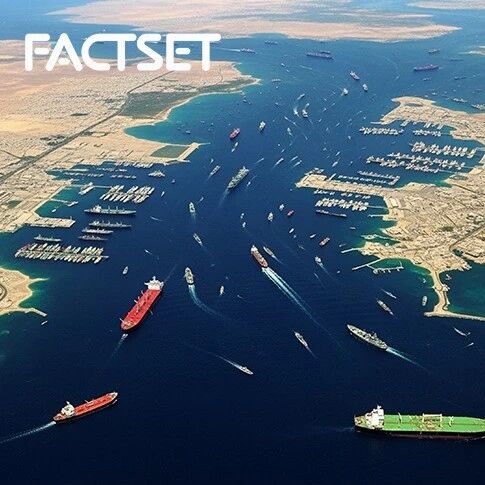
Investment Rating - The report maintains a bullish outlook on the entire oil industry chain, suggesting a potential price increase to $100-$120 per barrel due to supply constraints [1][4][8] Core Insights - The Middle East is facing a significant supply gap of 20 million barrels per day of crude oil, 5 million barrels per day of refined oil, and 20% of global LNG, which is challenging to offset [1][2] - Current oil prices around $84 per barrel do not adequately reflect the substantial impact of supply limitations [1][4] - Diesel, aviation fuel, and petrochemical feedstocks (LPG/NGL/condensate) are the most affected products, with Europe heavily reliant on the region for aviation fuel [1][5] - OPEC's ability to increase production is limited, with half of its capacity located in the Persian Gulf, which cannot be exported [1][3] - The U.S. energy self-sufficiency has altered intervention dynamics, suggesting future supply relief may depend more on IEA coordination rather than unilateral U.S. actions [1][6] Summary by Sections Supply Impact - The ongoing supply disruption has lasted 4 to 5 days, with the potential for a significant impact on oil prices if the situation persists [3][4] - The affected production levels could lead to rapid depletion of inventories by late 2025, with no effective countermeasures available [3][4] Product-Specific Effects - Diesel and aviation fuel are the most vulnerable due to the region's importance in diesel production, while U.S. refineries are more geared towards gasoline production [5] - The reliance on Middle Eastern sources for LPG and condensate further exacerbates the situation, as these are critical for downstream plastic production [5] Market Behavior - There is currently a lack of hedging activity in the market, with many investors opting to take profits, believing prices have deviated from fair value [6] - The market sentiment reflects a complacency that may not last, as significant price inflation is affecting the entire oil supply chain and related industries [6] Future Price Projections - If the current geopolitical tensions escalate, oil prices could realistically reach the $100 to $120 per barrel range, especially if the Strait of Hormuz remains closed [8]
高盛闭门会-周期性顺风-估值逆风与不断演变的地缘政治背景
Goldman Sachs· 2026-03-06 02:02
Investment Rating - The report indicates a cautious investment outlook for the energy sector, with a focus on identifying mispriced assets in the context of geopolitical tensions and energy price fluctuations [1][2]. Core Insights - The energy market is currently viewed as a critical observation window, with recent price surges in oil and natural gas being interpreted as short-term disturbances rather than long-term trends [2][3]. - The report highlights that the U.S. is likely to benefit from rising energy prices, while major importers in Asia and Europe may face adverse effects [3][4]. - The AI sector is entering a phase of differentiation, with increased capital expenditure and concerns over disintermediation risks leading to a more negative market reaction despite positive news [6][7]. - China is positioned to buffer short-term shocks due to its substantial oil reserves, but the long-term impact of energy price fluctuations remains a concern [8][11]. Summary by Sections Energy Market Analysis - Current pricing reflects a potential short-term disruption of 5 to 6 weeks due to geopolitical tensions, with significant adjustments already made in oil price volatility [4][5]. - The distribution of risks suggests that while the market has accounted for some supply disruption, there remains potential for more severe scenarios [4][5]. AI Sector Insights - The AI theme is seen as attractive for productivity enhancement, but the market has already priced in many expectations, leading to increased vulnerability in certain segments [6][7]. - Positive developments in capital expenditure and application expansion have not translated into favorable market reactions, indicating a need for careful selection of winners and losers within the sector [6][7]. Currency and Trade Dynamics - The Chinese yuan has shown a steady appreciation, supported by a significant trade surplus and a 21%-22% undervaluation, which is expected to continue unless geopolitical tensions escalate [11][12]. - The report suggests a selective approach to trading strategies, favoring cyclical assets while employing hedging tools to mitigate risks [12][13]. Investment Opportunities - Brazil is identified as a core opportunity due to its favorable position in commodity trade and potential for interest rate cuts, making it a target for investment through both equity and currency channels [1][13]. - The report emphasizes the importance of identifying mispriced assets that benefit from commodity trade conditions, particularly in emerging markets [13].