低硫燃油

Search documents
美国威胁伊朗,和谈进展缓慢,能化延续震荡
Zhong Xin Qi Huo· 2026-03-31 01:14
1. Report Industry Investment Rating No information provided in the report. 2. Core Viewpoints of the Report - The energy and chemical sector continues to oscillate due to the ongoing geopolitical conflict between the US and Iran, with the closure of the Strait of Hormuz affecting oil supply and causing price fluctuations. The market is waiting for the geopolitical situation to become clear [2]. - Different energy and chemical products show various trends. Some products, such as crude oil, are expected to be volatile and bullish, while others, like urea, are expected to be in a state of shock consolidation [5][27]. 3. Summary by Relevant Catalogs 3.1 Market Outlook - **Crude Oil**: Geopolitical expectations are fluctuating, and the supply gap persists. The Strait of Hormuz has a low traffic volume, and the supply shortage is expected to drive oil prices to oscillate strongly. The outlook is bullish [5]. - **Asphalt**: Affected by geopolitical disturbances, the asphalt futures price oscillates at a high level. The profit of asphalt refineries has deteriorated, and production cuts are expected to increase. The absolute price of asphalt is overvalued, and the medium - to - long - term valuation is expected to decline [6]. - **High - Sulfur Fuel Oil**: The price of high - sulfur fuel oil oscillates at a high level. Geopolitical factors are the core drivers. In the long term, the substitution of fuel oil for power generation in the Middle East may increase fuel oil exports, which is a long - term negative factor [6]. - **Low - Sulfur Fuel Oil**: It follows the high - level oscillation of crude oil. Although it faces some negative factors such as the decline in shipping demand and the substitution of green energy, its current valuation is relatively low, and it follows the trend of crude oil [8]. - **PX**: The cost remains strongly supported. Due to the tense situation between the US and Iran and the upcoming maintenance season in April, the supply is expected to decrease, and the price is expected to remain high [10]. - **PTA**: The oil price remains strong, supporting the center of PTA. Although the downstream situation is not clear, the supply is expected to shrink, and the supply - demand relationship is expected to strengthen [11]. - **Pure Benzene**: It is mainly affected by the geopolitical situation. The supply at home and abroad is expected to decline, and the downstream negative feedback is not obvious. It is expected to oscillate strongly [16]. - **Styrene**: Geopolitical factors bring positive effects to the supply and demand of styrene. The supply may decrease at home and abroad, and the export demand is expected to increase. It is expected to oscillate strongly [17]. - **Ethylene Glycol**: The export demand continues, and the de - stocking pattern is expected to expand further. The supply in the Middle East is tight, and the export demand will continue if the strait remains blocked [20]. - **Short - Fiber**: The downstream's willingness to chase high prices is insufficient. The supply of polyester staple fiber continues to increase, but the downstream trading is average, and the price is expected to oscillate [21]. - **Bottle Chips**: It is passively following the cost. The upstream polyester raw materials are supported by the strong international oil price, and the price is expected to follow the cost fluctuations [22]. - **Methanol**: The geopolitical conflict continues, and it oscillates within a range. The domestic and overseas situations are uncertain, and the market tends to trade the geopolitical premium [25]. - **Urea**: It is mainly guided by policies and oscillates and consolidates. The supply is stable at a high level, and the demand is in a transition period. The price is restricted by policies [27]. - **PE**: Due to the uncertainty of geopolitics, it should be treated with caution. The supply of crude oil is tight, and the import of PE may decrease [30]. - **PP**: Affected by geopolitical news, it oscillates. The direct impact on imports is limited, and the refinery profit is under pressure [31]. - **PL**: Affected by geopolitical expectations, it oscillates. The cost support is obvious, but the downstream powder profit is under pressure [32]. - **PVC**: The production cut is not as expected, and it should be treated with caution. The geopolitical conflict has not been effectively resolved, and the supply and demand situation is complex [34]. - **Caustic Soda**: The spot price is adjusted, and it should be treated with caution. The geopolitical situation affects the supply and demand, and the inventory removal is not smooth [36]. 3.2 Variety Data Monitoring 3.2.1 Energy and Chemical Daily Index Monitoring - **Inter - period Spreads**: Different varieties have different inter - period spread data, such as Brent (M1 - M2: 7.41, change: 0.16), Dubai (M1 - M2: 12.15, change: 2.75), etc. [38]. - **Basis and Warehouse Receipts**: Each variety has corresponding basis and warehouse receipt data, for example, asphalt (basis: - 93, change: 109, warehouse receipt: 85620 tons) [39]. - **Inter - variety Spreads**: There are various inter - variety spread data, like 1 - month PP - 3MA (- 391, change: - 260), 1 - month TA - EG (1399, change: - 81) [40]. 3.2.2 Chemical Basis and Spread Monitoring Although the report lists different varieties such as methanol, urea, styrene, etc., no specific data or analysis is provided in the given content.
能源短缺持续影响市场,化?延续震荡整理
Zhong Xin Qi Huo· 2026-03-27 01:25
1. Report Industry Investment Rating The report does not provide an overall industry investment rating. 2. Core Viewpoints of the Report - The energy shortage continues to impact the market, and the chemical industry remains in a volatile state. The geopolitical situation in the Middle East has created an energy gap, and Asian countries are preparing for the worst - case energy scenario. The chemical industry has mostly entered a state of weak supply and demand, and investors should approach it with a volatile mindset [1]. - Crude oil prices are expected to remain volatile at high levels due to the uncertain geopolitical situation in the Middle East. Other chemical products, including asphalt, fuel oil, methanol, etc., are also expected to show a volatile trend [1]. 3. Summary by Variety Crude Oil - **Viewpoint**: Geopolitical expectations are fluctuating, and oil prices are volatile at high levels. - **Main Logic**: The US has postponed its attack on Iranian energy facilities, but the geopolitical situation in the Middle East is still highly uncertain. There is a large supply gap in the crude oil market, and the potential release of floating storage in Iran and Russia is limited. The inventory in China and the US is mainly driven by seasonal patterns, and de - stocking in consuming countries is expected to occur after April. - **Outlook**: Volatile. Supply shortages persist, and fluctuating geopolitical expectations are likely to keep oil prices volatile [4]. Asphalt - **Viewpoint**: The asphalt - fuel oil price spread continues to recover upward. - **Main Logic**: Geopolitical factors are the core influence on oil prices. The asphalt - fuel oil spread is still at a low level, and the profit of asphalt refineries has deteriorated and is expected to recover. Refinery production cuts may drive the spread to rise. The supply of asphalt is expected to further decline, but there is still a large inventory build - up pressure on the demand side. - **Outlook**: Volatile. The absolute price of asphalt is in an over - valued range, and its medium - to - long - term valuation is expected to decline [6]. High - Sulfur Fuel Oil - **Viewpoint**: The discount of high - sulfur fuel oil has dropped significantly but remains at a high level. - **Main Logic**: Geopolitical factors are the core driver of oil prices. The high import dependence and strong geopolitical attributes of fuel oil have led to a significant increase in its price. The Singapore fuel oil cracking spread has turned negative, indicating that high prices may suppress refinery feedstock and power generation demand. In the long term, the replacement of fuel oil power generation demand in the Middle East is a long - term negative factor. - **Outlook**: Volatile. The expected increase in Venezuelan oil production will put long - term pressure on high - sulfur fuel oil. Short - term attention should be paid to the geopolitical situation in the Middle East [6]. Low - Sulfur Fuel Oil - **Viewpoint**: Low - sulfur fuel oil fluctuates following crude oil. - **Main Logic**: Low - sulfur fuel oil has fallen from its high level following crude oil. It has strong product attributes, and its valuation has been significantly repaired during the oil price increase. It faces negative factors such as a decline in shipping demand, green energy substitution, and high - sulfur substitution. The high export tax - rebate rate and high profit are expected to drive an increase in production. - **Outlook**: Volatile. It is affected by green fuel substitution and limited high - sulfur substitution demand, but its current valuation is relatively low and it will follow crude oil fluctuations [8]. PX - **Viewpoint**: It rebounds after a decline following raw materials. - **Main Logic**: The US - Iran situation shows no signs of improvement, and international oil prices have rebounded after a decline. Domestically, PX device changes are mainly within the planned scope, while overseas PX device loads have continued to weaken. Under the negative feedback of lower - than - expected polyester load and increased production cuts, PX is under pressure, and the market trading atmosphere is light. - **Outlook**: Volatile. In the short term, PX prices may be adjusted according to cost guidance, and the mid - term logic of buying on dips remains. The PX05 - 09 spread positive arbitrage should be reduced when it is high, and the PXN is expected to remain volatile [9][10]. PTA - **Viewpoint**: Filament production cuts are implemented and the scale is expanded, weakening the demand support for upstream products. - **Main Logic**: International oil prices have rebounded after a decline. Although the previous cost decline drove the sales volume of downstream polyester, the current high cost still puts pressure on polyester factories. The spot inventory is relatively loose, and the basis has not strengthened significantly. The large - scale production cuts of polyester filament have further weakened the demand and increased the difficulty of inventory reduction. - **Outlook**: Volatile. It is expected to maintain a wide - range volatile trend in the short term. The TA05 - 09 spread positive arbitrage should be reduced when it is high, and the short - term volatility has increased [10][11]. Pure Benzene - **Viewpoint**: It fluctuates strongly, mainly driven by geopolitical factors. - **Main Logic**: The price of pure benzene is mainly dominated by the geopolitical situation. The low traffic volume in the Strait of Hormuz has tightened the supply of crude oil and Asian naphtha. On the supply side, some refineries are under maintenance, and the supply may decline. On the demand side, the profits of downstream products, except for styrene, have increased, and there is no negative feedback pressure. The value of aromatic hydrocarbon blending for gasoline has increased. - **Outlook**: Volatile and strong. Affected by the geopolitical situation, the production of refineries at home and abroad may be reduced, and the de - stocking of pure benzene will be advanced [12][13]. Styrene - **Viewpoint**: Geopolitical factors bring positive supply - demand factors, and styrene fluctuates strongly. - **Main Logic**: The price of styrene is still dominated by the geopolitical situation. On the supply side, some overseas devices are operating at the lowest load, and some domestic devices are restarting or under maintenance. On the demand side, the overall profit of downstream products has declined, and the comprehensive operating rate has decreased. The non - integrated profit is neutral to low, and some factories may reduce production or conduct maintenance. There is an expected increase in exports. - **Outlook**: Volatile and strong. Affected by the geopolitical situation, production at home and abroad may be reduced, and export demand may increase [14]. Ethylene Glycol - **Viewpoint**: The US - Iran geopolitical situation continues to disturb market sentiment, and ethylene glycol remains at a high level. - **Main Logic**: International oil prices have rebounded after a decline, driving up the cost of downstream chemical products. The arrival of ethylene glycol at the main ports will decrease to a low level in early April, and the port inventory will be accelerated for de - stocking. The inability to effectively realize imported ethylene glycol will keep the market in a wide - range volatile pattern. The production cuts of polyester factories have weakened the demand support for upstream products. - **Outlook**: Volatile. The price will fluctuate at a high level in the short term. It is recommended to buy on dips in the medium - term, and maintain a cautious wait - and - see attitude in the short term [15][17]. Short - Fiber - **Viewpoint**: Downstream enthusiasm for chasing high prices is insufficient. - **Main Logic**: International oil prices have rebounded after a decline, and the market sentiment is strongly influenced by the geopolitical situation. The price of polyester raw materials fluctuates in line with the cost. The supply of short - fiber continues to increase, but the downstream trading volume is average, and most buyers are in a wait - and - see state. The short - fiber market is polarized, with factories raising prices and downstream customers waiting at high prices. - **Outlook**: Volatile. The short - fiber price follows the upstream products, and the processing fee has certain support at the bottom. The short - term price volatility is large, and cautious operation is recommended [17][18]. Bottle Chips - **Viewpoint**: The cost volatility intensifies, and bottle chips passively follow. - **Main Logic**: The upstream cost has rebounded after a decline, and bottle chips follow the upstream cost. The absolute price change is limited, and the short - term price trend is expected to continue to follow the upstream cost. The supply and demand of bottle chips are relatively tight, and the overall fundamentals are relatively good. - **Outlook**: Volatile. The absolute price follows the raw materials, and the support for the processing fee at the bottom is strengthened. Attention can be paid to the strategy of going long on PR and short on PF to isolate the wide - range cost fluctuations [19]. Methanol - **Viewpoint**: Geopolitical conflicts continue, and methanol fluctuates within a range. - **Main Logic**: On March 26, 2026, the methanol futures price fluctuated strongly. The inland market is supported by factors such as the rigid demand inquiry and procurement of olefin devices and the positive restart expectation of MTO devices in East China. The coastal market has support from import reduction and inventory de - stocking, but the actual pick - up is not good. The situation in Iran is full of uncertainties, and the market tends to trade the geopolitical premium. - **Outlook**: Volatile. The geopolitical premium is difficult to disappear in the short term. Although the price is restricted by the downstream's resistance to high prices and weak demand, there is still room for an upward movement [22][24]. Urea - **Viewpoint**: Driven by demand and policy guidance, urea fluctuates and consolidates under the game between long and short positions. - **Main Logic**: On March 26, 2026, urea fluctuated strongly. On the supply side, although there are routine maintenance of gas - based devices, the daily production of the industry remains at a high level of 21 - 220,000 tons, and the market supply is sufficient. On the demand side, although the agricultural demand for green - turning fertilizer is coming to an end, the industrial demand from compound fertilizers, boards, and melamine is increasing. The enterprise inventory continues to decline. - **Outlook**: Volatile. The current fundamentals of urea are relatively stable. The supply remains at a high level, and the agricultural demand support is slightly weakened while the industrial demand is moderately recovering. The spot price is restricted by policy price limits and commercial storage release, and the sustainability of the futures price increase driven by market sentiment needs to be considered [25]. PE - **Viewpoint**: Maintenance is increasing, and PE should be treated with caution. - **Main Logic**: The geopolitical situation in the Middle East is still highly uncertain, and oil prices are expected to be volatile at high levels. If the Strait of Hormuz is continuously affected, PE imports may decrease. The energy - chemical sentiment is still volatile in the short term, and the refinery operating rate has declined, which still supports the near - month contracts. The spot price fluctuates, and the downstream trading volume is average. - **Outlook**: Volatile. The market game is intense under geopolitical disturbances, and the downstream trading volume is average [28]. PP - **Viewpoint**: Geopolitical disturbances and increasing maintenance lead to PP fluctuations. - **Main Logic**: The geopolitical situation in the Middle East is uncertain, and oil prices are volatile at high levels. The direct impact of imports on PP is limited. The profits of oil - based and PDH PP refineries are still under pressure, which supports the price, while the coal - based profit has been significantly repaired, and the overall operating rate is at a low level. The PP spot trading volume is average, and exports have increased. - **Outlook**: Volatile. Maintenance is still increasing, and the market game between long and short positions is intense under geopolitical news disturbances [29]. PL - **Viewpoint**: Geopolitical expectations disturb the market, and PL fluctuates. - **Main Logic**: On March 26, PL fluctuated. Some enterprises released propylene, which intensified the wait - and - see sentiment of industry players. The enterprise quotations were mainly stable, and some prices continued to decline, dragging down the actual transaction price. The short - term powder profit was compressed, and the downstream factory acceptance was limited. - **Outlook**: Volatile. The operating rate has declined, and the downstream powder profit is still under pressure [30]. PVC - **Viewpoint**: Supply has increased slightly, and PVC should be treated with caution. - **Main Logic**: At the macro level, the market is speculating on the US - Iran peace talks, and the commodity sentiment fluctuates greatly. At the micro level, although the domestic supply has increased, exports are maintained, and the PVC inventory is being de - stocked. The profit repair has boosted the production willingness of calcium carbide - based PVC enterprises, and the maintenance of ethylene - based PVC has ended. However, raw material shortages may lead to an expansion of ethylene - based PVC production cuts in April. The downstream operating rate has improved, but the enthusiasm for chasing high prices is not high. - **Outlook**: Volatile. In the short term, the production cuts of ethylene - based PVC are less than expected, and the market is slightly under pressure. If the geopolitical situation does not improve substantially, there is still a risk of chlor - alkali production cuts, and the market should be treated with cautious optimism [31]. Caustic Soda - **Viewpoint**: The upstream inventory has increased, and caustic soda should be treated with caution. - **Main Logic**: At the macro level, the market is speculating on the US - Iran peace talks, and the commodity sentiment fluctuates greatly. At the micro level, the domestic production has increased slightly, the downstream demand is mainly for rigid needs, and the upstream inventory has increased. The marginal profit of alumina plants is poor, and production cuts have been implemented. The demand for caustic soda from alumina plants in Guangxi is expected to increase. The procurement enthusiasm for 32% caustic soda is average during the non - alumina peak season. Exports may improve, and the price elasticity of 50% caustic soda is relatively large. The operating rate of domestic caustic soda plants has increased. - **Outlook**: Volatile. The upstream inventory build - up drags down the caustic soda price. If the geopolitical situation does not improve substantially, there is still a risk of chlor - alkali production cuts, and the market should be treated with cautious optimism [33]. 4. Variety Data Monitoring Energy and Chemical Daily Indicator Monitoring - **Inter - period Spread**: The report provides the inter - period spreads of various varieties such as Brent, Dubai, PX, PTA, etc., showing the price differences between different contract months [36]. - **Basis and Warehouse Receipts**: It shows the basis and warehouse receipt data of various varieties, which can reflect the relationship between the spot and futures prices and the inventory situation [37]. - **Inter - variety Spread**: The report presents the inter - variety spreads of different varieties, such as PP - 3MA, TA - EG, etc., which can help analyze the relative price relationships between different products [38]. Chemical Basis and Spread Monitoring The report also provides basis and spread monitoring data for various chemical products, but specific details are not fully described in the given text.
美伊停火情景推演 & 国内能化品种的危与机
对冲研投· 2026-03-26 03:35
Group 1 - The article discusses the ongoing US-Iran conflict, highlighting the diplomatic stalemate and the proposed 15-point peace plan from the US, which Iran has rejected, leading to further military actions and counterconditions from Iran [3][4]. - The probability of a one-month ceasefire is estimated at 60%, with both parties using it as a tactical pause rather than a genuine resolution to core issues [2][6]. - The article outlines three scenarios for the conflict's progression: a baseline scenario with a temporary ceasefire, an optimistic scenario where Iran accepts US demands, and a pessimistic scenario where the conflict escalates [7][12]. Group 2 - In the baseline scenario, Brent crude oil prices are expected to stabilize between $80-90 per barrel, leading to a significant reduction in geopolitical risk premiums and a subsequent decline in energy and chemical product prices [7][12]. - The article provides a detailed analysis of how a ceasefire would impact various domestic energy and chemical products, predicting price declines for products like low-sulfur fuel oil and PX, with expected drops of 12%-16% and 19%-23% respectively [9][10]. - The supply issues in the domestic energy and chemical market are attributed to structural problems rather than a lack of overall capacity, with the article forecasting a gradual resolution of these issues post-ceasefire [10][13].


美伊谈判扑朔迷离,能化市场延续震荡整理
Zhong Xin Qi Huo· 2026-03-26 01:13
1. Report Industry Investment Rating No relevant information provided. 2. Core Views of the Report - The geopolitical situation between the US and Iran is uncertain, causing the energy and chemical market to continue to fluctuate. The core factor affecting the current oil price is the geopolitical situation, and the market is in a state of expectation swing. The oil price is expected to fluctuate at a high level, and the chemical products are treated with a fluctuating mindset [1][2]. - The supply and demand of various chemical products are affected by multiple factors, such as geopolitical situation, production reduction, and cost pressure. Most products are expected to show a fluctuating trend in the short - term, and the market is waiting for the geopolitical situation to become clear [2]. 3. Summary by Relevant Catalogs 3.1 Market Views 3.1.1 Crude Oil - **View**: Geopolitical expectations are fluctuating, and oil prices are oscillating at a high level. - **Main Logic**: The geopolitical prospects in the Middle East are still highly uncertain. The crude oil market currently faces a large supply gap. The potential release volume of floating storage in Iran and Russia is relatively limited, and the production reduction pressure of Persian Gulf countries remains. The expected deviation in the future mainly comes from factors such as the progress of the US - Iran conflict, tanker passage in the Strait of Hormuz, and attacks on energy facilities. - **Outlook**: Oscillation [5]. 3.1.2 Asphalt - **View**: The asphalt - fuel oil price difference starts to repair upwards. - **Main Logic**: The geopolitical situation is the core factor affecting the current oil price. The market is worried about the restart of the US - Iran negotiation, and the oil price drops. The asphalt - fuel oil price difference rebounds but is still at a low level. The profit of asphalt refineries deteriorates and then repairs upwards. The reduction of asphalt production by refineries may drive the price difference to rise. The supply of asphalt is expected to further decline, and the inventory pressure is still large. - **Outlook**: Oscillation [6]. 3.1.3 High - Sulfur Fuel Oil - **View**: The geopolitical premium of high - sulfur fuel oil partially declines. - **Main Logic**: The geopolitical situation is the core driver of the current oil price. The market is worried about the restart of the US - Iran negotiation, and the oil price drop drives the high - sulfur fuel oil futures price down. The high import dependence and strong geopolitical attributes of fuel oil are affected by the geopolitical situation in Iran. In the long - term, the demand for high - sulfur fuel oil for power generation in the Middle East is gradually replaced by natural gas and photovoltaics, which is a long - term negative factor. - **Outlook**: Oscillation [6]. 3.1.4 Low - Sulfur Fuel Oil - **View**: Low - sulfur fuel oil follows the decline of crude oil. - **Main Logic**: Low - sulfur fuel oil follows the high - level decline of crude oil. The current market focuses on the progress of the geopolitical situation. Low - sulfur fuel oil has strong main product attributes. During the rise of oil prices, its valuation has been significantly repaired. It faces negative factors such as the decline of shipping demand, green energy substitution, and high - sulfur substitution. - **Outlook**: Oscillation [8]. 3.1.5 Methanol - **View**: Geopolitical conflicts continue, and methanol oscillates within a range. - **Main Logic**: On March 25, 2026, the methanol futures price oscillated weakly. The price in the inland market回调, and the trading atmosphere improved slightly. The inventory of production enterprises and ports decreased. The overseas situation is uncertain, and the market tends to trade the geopolitical premium. - **Outlook**: Oscillation [27]. 3.1.6 Urea - **View**: Urea oscillates and consolidates under the game of long and short positions. - **Main Logic**: On March 25, 2026, urea oscillated and consolidated. The supply is sufficient, and the demand side has a slight loosening of agricultural demand and a moderate recovery of industrial demand. The spot is restricted by policy price limits and commercial storage release. - **Outlook**: Oscillation [28]. 3.1.7 Ethylene Glycol - **View**: The geopolitical situation between the US and Iran continuously disturbs the market sentiment, and ethylene glycol maintains a high - level consolidation. - **Main Logic**: The high - level callback of international oil prices weakens the support for chemical products. The arrival of ethylene glycol at the main port will drop to a low level in early April. The market will continue to oscillate widely, and the reduction of polyester factories' production weakens the upstream demand. - **Outlook**: Oscillation [20]. 3.1.8 PX - **View**: The expectation of the Strait's restart strengthens, and the cost pressure on downstream polyester factories is still significant. - **Main Logic**: The expectation of the end of the US - Iran war and the restart of the Strait suddenly increases, causing a certain callback in international oil prices. The supply of PX in the future is affected by the reduction of domestic and overseas PX device loads. The high price of PX/PTA forces the polyester production reduction expectation to continue to increase, and the demand - side negative feedback suppresses the PX price and efficiency. - **Outlook**: Oscillation [11]. 3.1.9 PTA - **View**: The production reduction of filament is implemented and the amplitude is expanded, weakening the demand support for the upstream. - **Main Logic**: The high - level decline of international oil prices and the callback of PX prices. Although the cost decline drives the downstream polyester sales volume to increase, the current high cost still puts great pressure on polyester factories. The spot inventory is still relatively loose, and the basis has not strengthened significantly. The production reduction of filament factories weakens the upstream demand and increases the difficulty of inventory removal. - **Outlook**: Oscillation [11]. 3.1.10 Short - Fiber - **View**: After the phased centralized procurement, the downstream will observe again. - **Main Logic**: The international oil price fluctuates widely, and the market sentiment strongly games around the geopolitical situation. The polyester raw material price fluctuates in line with the cost. The supply of short - fiber continues to increase, but the downstream trading is average, and most are waiting and seeing. After the phased centralized procurement, the downstream will observe again. - **Outlook**: Oscillation [22]. 3.1.11 Bottle Chip - **View**: The cost volatility intensifies, and the bottle chip follows passively. - **Main Logic**: The upstream cost has a high - level callback, and the polyester bottle chip follows the upstream raw materials to rise and then fall. The overall absolute price change is limited, and the short - term price trend is expected to still follow the upstream cost fluctuation. The current supply and demand of polyester bottle chips are tight, and the overall fundamentals are relatively good. - **Outlook**: Oscillation [24]. 3.1.12 Styrene - **View**: Geopolitics brings positive effects on the supply and demand of styrene, and styrene runs strongly with oscillation. - **Main Logic**: The styrene price is still dominated by the geopolitical situation, with strong repeated disturbances. On the supply side, some devices have new product outputs, and attention should be paid to whether there are new device overhauls or load reductions. On the demand side, the overall downstream profit declines, and the support for the price weakens. There is an expected increase in exports. - **Outlook**: Oscillation [17]. 3.1.13 PE - **View**: The overhaul continues to increase, and PE should be treated with caution. - **Main Logic**: On March 25, the plastic main contract declined, and the market game was intense. The expectation of the possible cooling of the US - Iran situation led to the decline of oil prices. The geopolitical prospects are still highly uncertain. If the Strait of Hormuz is continuously affected, PE imports may decrease. The energy and chemical sentiment is still repeated in the short - term, and the refinery start - up decline still supports the near - month contract. The spot price fluctuates, and the downstream trading is average. - **Outlook**: Oscillation [32]. 3.1.14 PP - **View**: The disturbance of the expectation of geopolitical relaxation confronts the increase of overhauls, and PP oscillates. - **Main Logic**: On March 25, the PP main contract declined. The expectation of the possible cooling of the US - Iran situation led to a sharp decline in oil prices. The geopolitical prospects are still highly uncertain. The direct impact on the import side is limited. The profits of oil - based and PDH in the PP refinery are still under pressure, and the coal - based profit has been significantly repaired. The overall start - up is at a low level, and the PP现货 trading is average. - **Outlook**: Oscillation [33]. 3.1.15 PL - **View**: Geopolitical expectations disturb, and PL oscillates. - **Main Logic**: On March 25, the PL main contract declined. Individual enterprises released propylene, increasing the wait - and - see sentiment of industry players. The enterprise offers were mainly stable, and some prices continued to decline, dragging down the actual transaction price. The short - term powder profit was compressed, and the downstream factory acceptance was limited. - **Outlook**: Oscillation [34]. 3.1.16 PVC - **View**: It is mainly affected by sentiment, and PVC should be treated with caution. - **Main Logic**: At the macro - level, the market is gaming the US - Iran peace negotiation, and the commodity sentiment cools down. At the micro - level, both domestic and overseas production has been reduced, and the PVC inventory has been removed. The overall supply shows a downward trend, the downstream start - up has improved month - on - month, the enthusiasm for chasing up is not high, the overseas price has soared, and the foreign merchants are waiting and seeing. The cost of ethylene - based PVC has increased, and the enterprise is at a loss. - **Outlook**: Oscillation [35]. 3.1.17 Caustic Soda - **View**: The geopolitical sentiment declines, and caustic soda should be treated with caution. - **Main Logic**: At the macro - level, the market is gaming the US - Iran peace negotiation, and the commodity sentiment cools down. At the micro - level, both domestic and overseas production has been reduced, the caustic soda export has improved, and the inventory is expected to be removed. The alumina marginal device profit is poor, the production reduction has been realized, the demand for caustic soda is marginally boosted, the inventory of large alumina factories in Shandong is removed, the non - aluminum start - up season is not in full swing, the enthusiasm for chasing up 32% caustic soda is average, the export orders continue, and the price of 50% caustic soda is raised. - **Outlook**: Oscillation [37]. 3.2 Variety Data Monitoring 3.2.1 Energy and Chemical Daily Index Monitoring - **Inter - period Spread**: Data on the inter - period spreads of various varieties such as Brent, Dubai, PX, PTA, MEG, etc. are provided, including the latest values and changes [39]. - **Basis and Warehouse Receipts**: Data on the basis and warehouse receipts of various varieties such as asphalt, high - sulfur fuel oil, low - sulfur fuel oil, etc. are provided, including the latest values and changes [40]. - **Inter - variety Spread**: Data on the inter - variety spreads of various varieties such as PP - 3MA, TA - EG, L - P, etc. are provided, including the latest values and changes [41]. 3.2.2 Chemical Basis and Spread Monitoring No specific data summaries are provided in the given text, only the variety names are listed.
能源化策略日报:中东地缘局势依旧?着,能化延续?位震荡-20260325
Zhong Xin Qi Huo· 2026-03-25 02:44
1. Report Industry Investment Rating No information provided in the report. 2. Core Viewpoints of the Report - The international crude oil futures continue to oscillate at a high level. The geopolitical situation in the Middle East and the impact on Russian crude oil exports have led to a tight supply situation. Although the short - term sanctions relief has slightly eased the tightness, the key lies in whether the strait can be unsealed. Investors should view oil prices with an oscillatory mindset [1]. - Chemical product prices have been oscillating recently. The cost of energy is the anchor for chemicals. In the context of reduced supply in oil - chemical industries, processing fees have been compressed. There is an expectation of valuation repair in the future. If the geopolitical situation eases, the decline in upstream energy prices may be greater than that of chemicals; if it persists, chemicals may experience a supplementary increase [1]. - Overall, the energy and chemical sector continues to be in an oscillatory pattern, awaiting the clarity of the geopolitical situation [2]. 3. Summary by Directory 3.1 Market Views 3.1.1 Crude Oil - **Viewpoint**: Geopolitical expectations are fluctuating, and oil prices are oscillating at a high level. - **Main Logic**: The expectation of a possible cooling of the US - Iran situation has led to a weakening of oil prices, but there is still great uncertainty in the geopolitical outlook. The current crude oil market faces a large supply gap, and the potential release of floating storage in Iran and Russia is relatively limited. The pressure on Persian Gulf countries to cut production remains. Future expectation deviations mainly come from the progress of the US - Iran conflict, the passage of oil tankers in the Strait of Hormuz, and attacks on energy facilities. - **Outlook**: Oscillation. Supply shortages persist, and the fluctuation of geopolitical expectations intensifies, so oil prices are expected to oscillate [7]. 3.1.2 Asphalt - **Viewpoint**: The sharp decline in crude oil has driven down the asphalt futures price. - **Main Logic**: Geopolitical factors are the core influence on oil prices. The market's concern about the resumption of US - Iran negotiations has led to a decline in asphalt futures prices. The profit of asphalt refineries has deteriorated rapidly, and there is an expectation of a significant decline in refinery operations. The reduction in asphalt production by various groups may drive up the asphalt - fuel oil spread. The supply of asphalt is expected to further decline, while the demand side has a large inventory accumulation pressure. Currently, the asphalt futures price is undervalued compared to fuel oil and overvalued compared to rebar. - **Outlook**: Oscillation. The absolute price of asphalt is in an overvalued range, and the medium - to - long - term valuation is expected to decline [8]. 3.1.3 High - Sulfur Fuel Oil - **Viewpoint**: High - sulfur fuel oil follows the decline of crude oil. - **Main Logic**: Geopolitical factors are the core driver of oil prices. The market's concern about the resumption of US - Iran negotiations has led to a decline in high - sulfur fuel oil futures prices. The high import dependence and strong geopolitical attributes of fuel oil mean that the tense situation in Iran affects not only the export of Iranian fuel oil and Middle - East fuel oil but also the supply of Middle - East natural gas. However, the Singapore fuel oil cracking spread has fallen from a record high, indicating that the refinery feed demand and power - generation demand may be suppressed by high prices. In the medium - to - long - term, the demand for high - sulfur fuel oil for power generation in the Middle East is gradually being replaced by natural gas and photovoltaics. - **Outlook**: Oscillation. The expected increase in Venezuela's oil production exerts long - term pressure on high - sulfur fuel oil. Short - term attention should be paid to the geopolitical situation in the Middle East [8]. 3.1.4 Low - Sulfur Fuel Oil - **Viewpoint**: Low - sulfur fuel oil follows the decline of crude oil. - **Main Logic**: Low - sulfur fuel oil has fallen from a high level following crude oil, and the market is currently focused on the progress of the geopolitical situation. Low - sulfur fuel oil has strong main - product attributes, and its valuation has been significantly repaired compared to crude oil and asphalt during the oil - price increase. It faces negative factors such as a decline in shipping demand, green - energy substitution, and high - sulfur substitution. The low - sulfur fuel oil - asphalt spread has returned to a high level, and the valuation is in a moderately high state. The high profit is expected to drive an increase in low - sulfur fuel oil production. - **Outlook**: Oscillation. Low - sulfur fuel oil is affected by green - fuel substitution and insufficient high - sulfur substitution demand, but its current valuation is relatively low and it follows the fluctuation of crude oil [10]. 3.1.5 PX - **Viewpoint**: The cost pressure on downstream polyester factories remains significant. - **Main Logic**: The expectation of the end of the US - Iran war and the reopening of the strait has led to a significant correction in international oil prices, and downstream chemicals are expected to be more affected by cost. Fundamentally, the reduction in the operation of domestic and foreign PX plants affects the future supply expectation of PX. Although the polyester sales volume has increased after the sharp decline in oil prices, the current PX/PTA prices are still at a high level, and the cost pressure forces the continuous increase in the expectation of polyester production reduction. The negative feedback on the demand side suppresses the PX price and profit. - **Outlook**: Oscillation. In the short - term, the PX price is guided by cost, with strong support at the bottom. The logic of buying at low prices in the medium - term remains. The positive spread between PX05 - 09 months should be reduced when it is high, and the PXN is expected to maintain a wide - range oscillation [11]. 3.1.6 PTA - **Viewpoint**: The decline in cost has led to an increase in polyester sales volume. - **Main Logic**: The international oil price has fallen from a high level, and the PX price has followed suit. Although the decline in cost has driven an increase in downstream polyester sales volume, the current high cost still exerts great pressure on polyester factories. The short - term spot inventory is still relatively loose, and the basis is weakly sorted. - **Outlook**: Oscillation. It is expected that PTA will maintain a wide - range oscillatory trend in the short - term. The positive spread between TA05 - 09 months should be reduced when it is high. The short - term volatility increases, and it is not recommended to try to catch the top in the short - term [12]. 3.1.7 Pure Benzene - **Viewpoint**: Crude oil and commodity sentiment dominate the fluctuation, and pure benzene oscillates strongly. - **Main Logic**: The current price of pure benzene is mainly dominated by the geopolitical situation, with strong repeatability of disturbances. On the energy side, the low traffic volume in the Strait of Hormuz has led to a tight supply of crude - oil spot and pushed up oil prices. The supply of Asian naphtha is tightening, which may affect the operation of domestic and foreign cracking plants. On the supply side, some refineries have reduced their operations. On the demand side, the downstream profit is acceptable, and there is no negative - feedback pressure. The value of aromatic hydrocarbon blending for oil has increased. - **Outlook**: Oscillation with an upward trend. Affected by the geopolitical situation, the production of domestic and foreign refineries may be reduced, and the de - stocking of pure benzene is advanced [14]. 3.1.8 Styrene - **Viewpoint**: Geopolitics brings positive factors to styrene supply and demand, and styrene oscillates strongly. - **Main Logic**: The styrene price is still dominated by the geopolitical situation, with strong repeatability of disturbances. On the supply side, some plants are under maintenance or have postponed maintenance, and some long - stopped plants are restarting. On the demand side, the overall downstream profit has declined, and the support for the price has weakened. The ethylene price is strong, squeezing the styrene profit, and some factories may reduce production or conduct maintenance in the future. There is an expectation of new exports of styrene. - **Outlook**: Oscillation with an upward trend. Affected by the geopolitical situation, domestic and foreign production may be reduced, and export demand may increase [15]. 3.1.9 Ethylene Glycol - **Viewpoint**: The US - Iran geopolitical situation continues to disturb market sentiment, and ethylene glycol maintains a high - level consolidation. - **Main Logic**: The high - level correction of international oil prices has significantly weakened the support for chemicals. The arrival of ethylene glycol at the main ports will drop to a low level in early April. With exports and regional supply adjustments, the port inventory will be rapidly reduced. The market will continue to oscillate widely when the import supply of ethylene glycol cannot be effectively realized. - **Outlook**: Oscillation. The price will oscillate at a high level in the short - term. It is recommended to buy at low prices in the medium - term, and to maintain a cautious wait - and - see attitude in the short - term. Pay attention to reducing the EG05 - 09 spread when it is high [17]. 3.1.10 Polyester Staple Fiber - **Viewpoint**: The polyester staple - fiber market is highly polarized. Factories are holding up prices, while downstream buyers are waiting and watching. - **Main Logic**: The international oil price fluctuates widely, and the market sentiment strongly games around the geopolitical situation. The prices of polyester raw materials fluctuate in line with the cost. Fundamentally, the supply of polyester staple fiber continues to increase, but the downstream trading is average, and most buyers are waiting and watching. The cost of raw materials held by yarn mills is relatively high, and attention should be paid to the digestion and acceptance ability of the subsequent process. - **Outlook**: Oscillation. The price of polyester staple fiber follows the upstream, and there is certain support for the processing fee at the bottom. The short - term price volatility is large, and cautious operation is recommended [18]. 3.1.11 Polyester Bottle Chips - **Viewpoint**: The cost volatility intensifies, and polyester bottle chips passively follow. - **Main Logic**: The upstream cost has corrected from a high level, and polyester bottle chips have followed the upstream raw materials to rise and then fall. The overall absolute price change is limited. It is expected that the short - term price trend will still mainly follow the upstream cost. The current supply - demand situation of polyester bottle chips is relatively tight, and the overall fundamentals are relatively good. - **Outlook**: Oscillation. The absolute price follows the raw materials, and the support for the processing fee at the bottom is enhanced. The position of going long PR and short TA should be temporarily exited [20]. 3.1.12 Methanol - **Viewpoint**: The geopolitical conflict continues, and methanol oscillates within a range. - **Main Logic**: On March 24, 2026, the methanol futures price oscillated weakly. The inland market continued to be in a relatively strong oscillatory state, but the overall procurement intensity of downstream in northern Shandong was average. The inventory of methanol production enterprises and ports has decreased. The overseas situation regarding the US - Iran negotiation is uncertain. - **Outlook**: Oscillation. The situation in Iran is full of uncertainties, and the market tends to trade the geopolitical premium, which is difficult to disappear in the short - term. The price has room to rise but is restricted by the downstream's resistance to high prices and weak demand. - **Risk Factors**: Upward risk: A sharp increase in coal prices, favorable macro - policies, and supply - side disturbances; Downward risk: Downstream negative feedback [23]. 3.1.13 Urea - **Viewpoint**: Urea oscillates and consolidates under the game between long and short positions. - **Main Logic**: On March 24, 2026, urea oscillated weakly. The supply side maintains a high - level daily production, and the market supply is sufficient. The demand side has a weakening agricultural demand and insufficient industrial demand. The inventory of urea enterprises has decreased, and the spot price is suppressed by the policy - guided price. - **Outlook**: Oscillation. The current fundamentals of urea are relatively stable. The supply remains at a high level, and the agricultural demand support is slightly loosened while the industrial demand is moderately recovering. The sustainability of the futures - price increase driven by market sentiment needs to be considered. - **Risk Factors**: Upward risk: A sharp increase in coal prices, favorable macro - factors, and unexpected demand; Downward risk: A sharp decline in coal prices, policy - control risks, and unexpected demand [25]. 3.1.14 LLDPE - **Viewpoint**: The expectation of geopolitical cooling disturbs the market, and LLDPE should be treated with caution. - **Main Logic**: On March 24, the LLDPE futures price fell back, and the market game was intense. The expectation of a possible cooling of the US - Iran situation has led to a sharp decline in oil prices, but there is still great uncertainty in the geopolitical outlook. If the Strait of Hormuz is continuously affected, the import of LLDPE may decrease. The energy - chemical sentiment is still volatile in the short - term, and the refinery operation rate has declined, which still supports the near - term contracts. The spot price fluctuates, and the downstream trading is average. - **Outlook**: Oscillation. The market game is intense under geopolitical disturbances, and the downstream trading is average. - **Risk Factors**: Bullish risk: A decline in oil prices and a weakening of geopolitical disturbances; Bearish risk: An increase in oil prices and a deterioration of the geopolitical situation [29]. 3.1.15 PP - **Viewpoint**: The expectation of geopolitical relaxation disturbs the market, and PP prices fall. - **Main Logic**: On March 24, the PP futures price fell. The expectation of a possible cooling of the US - Iran situation has led to a sharp decline in oil prices, but there is still great uncertainty in the geopolitical outlook. The direct impact on the PP import is limited. The oil - based and PDH profits of PP refineries are still under pressure, which supports the price, while the coal - based profit has been significantly repaired. The overall operation rate is at a low level, and the spot trading is average. - **Outlook**: Oscillation. The spot trading is average, and the market has a fierce long - short game under the disturbance of geopolitical news. - **Risk Factors**: Bullish risk: A decline in oil prices and a weakening of geopolitical disturbances; Bearish risk: An increase in oil prices and a deterioration of the geopolitical situation [30]. 3.1.16 PL - **Viewpoint**: Geopolitical expectations disturb the market, and PL prices fall. - **Main Logic**: On March 24, the PL futures price fell. The reduction in supply has a significant boosting effect, and enterprises' quotations remain firm. Downstream factories purchase as needed, and the actual - order trading is relatively scattered. However, some auctions have a small premium, pushing up the trading center. The short - term powder - material profit is compressed, and the acceptance of downstream factories is limited. - **Outlook**: Oscillation. The operation rate has declined, but the downstream powder - material profit is still under pressure. - **Risk Factors**: Bullish risk: A decline in oil prices and a weakening of geopolitical disturbances; Bearish risk: An increase in oil prices and a deterioration of the geopolitical situation [31]. 3.1.17 PVC - **Viewpoint**: The impact is mainly from sentiment, and PVC should be treated with caution. - **Main Logic**: At the macro level, the market is currently gaming the US - Iran peace talks, and the commodity sentiment has cooled down. The geopolitical conflict has not been substantially alleviated, and there are still expectations of cost support and supply disturbances in the energy - chemical sector. At the micro level, both domestic and foreign production has been reduced, and the PVC inventory has been reduced. The overall supply is decreasing, the downstream operation rate has improved, the enthusiasm for chasing price increases is not high, the overseas price has soared, and the export signing is average this week. The cost of ethylene - based PVC has increased, and enterprises are in a loss state. - **Outlook**: Oscillation. The market is gaming the US - Iran peace talks, and the sentiment in the chemical sector has cooled down. If the geopolitical situation is not substantially alleviated, there is still a risk of chlorine - alkali production reduction, and the market should be cautiously optimistic. - **Risk Factors**: Bullish risk: Geopolitical cooling and less - than - expected PVC de - stocking; Bearish risk: Geopolitical heating up and an increase in PVC exports [33]. 3.1.18 Caustic Soda - **Viewpoint**: The geopolitical sentiment has declined, and caustic soda should be treated with caution. - **Main Logic**: At the macro level, the market is currently gaming the US - Iran peace talks, and the commodity sentiment has cooled down. The geopolitical conflict has not been substantially alleviated, and there are still expectations of cost support and supply disturbances in the energy - chemical sector. At the micro level, both domestic and foreign production has been reduced, the caustic - soda export has improved, and there is an expectation of inventory reduction. The alumina marginal - device profit is poor, and production reduction has been realized. The demand for caustic soda has been marginally boosted. The inventory of large alumina factories in Shandong has been reduced. The enthusiasm for chasing price increases of 32% caustic soda is average. The export orders continue, and the price of 50% caustic soda has been raised. The overall supply is decreasing. - **Outlook**: Oscillation. The market is gaming the US - Iran peace talks, and the sentiment in the chemical sector has cooled down. If the geopolitical situation is not substantially alleviated, there is still a risk of chlorine - alkali production reduction, and the market should be cautiously optimistic. - **Risk Factors**: Bullish risk: Geopolitical cooling and weak spot market; Bearish risk: Geopolitical heating up and supply reduction [
能源化策略日报:中东地缘局势不明朗,能化延续震荡-20260324
Zhong Xin Qi Huo· 2026-03-24 01:22
1. Report Industry Investment Rating No information provided in the report. 2. Core Viewpoints of the Report - The geopolitical situation in the Middle East is unclear, and the energy and chemical sectors continue to fluctuate. Crude oil prices fluctuated significantly on Monday. The attitude of the United States is crucial to the price trend of oil and gas, and the key issue is when the Strait can be navigated smoothly. The chemical sector may enter a volatile pattern [2]. - Crude oil leads the chemical sector to continue the volatile pattern, waiting for the geopolitical situation to become clear [3]. 3. Summary by Relevant Catalogs 3.1 Market Views - **Crude Oil**: Geopolitical expectations are fluctuating, and oil price volatility has intensified. The expectation of a possible cooling of the US - Iran situation has led to a sharp decline in oil prices. The geopolitical outlook remains highly uncertain, and the oil price is expected to fluctuate at a high level [7]. - **Asphalt**: Geopolitical disturbances are still strong, and asphalt futures prices are rising. The geopolitical situation is the core factor affecting oil prices. The profit of asphalt refineries has deteriorated rapidly, and the supply of asphalt is expected to further decline. The asphalt futures price is currently undervalued compared to fuel oil and overvalued compared to rebar [8]. - **High - Sulfur Fuel Oil**: Supported by geopolitical factors, high - sulfur fuel oil remains strong. The geopolitical situation is still tense, and the high import dependence and strong geopolitical attributes of fuel oil are still driving up the futures price. However, the cracking spread of Singapore fuel oil has fallen from a record high, indicating that the refinery feed demand and power generation demand may be suppressed by high prices [8]. - **Low - Sulfur Fuel Oil**: Low - sulfur fuel oil follows the rise of crude oil. It follows the high - level fluctuation of crude oil, and the market is currently focused on the progress of the geopolitical situation. It faces negative factors such as a decline in shipping demand, green energy substitution, and high - sulfur substitution [10]. - **PX**: Market sentiment is greatly affected by news, and it fluctuates widely. The US - Iran conflict has not been effectively alleviated, and international oil prices are strong during the Asian session but fluctuate at night. The supply of PX is expected to be affected by the reduction of domestic and foreign PX device loads [12]. - **PTA**: The cost fluctuates widely, and the short - term volatility of PTA has increased. International oil prices fluctuate around the US - Iran peace talks. The cost and market sentiment dominate the price trend in the short term. High inventory is still a real problem [14]. - **Pure Benzene**: It fluctuates strongly. The current price of pure benzene is mainly dominated by the geopolitical situation. The supply of Asian naphtha is tightening, and some refineries have reduced their loads. The downstream profit is acceptable, and the value of aromatic hydrocarbon blending oil has increased [17]. - **Styrene**: Geopolitical factors bring positive effects to the supply and demand of styrene, and it fluctuates strongly. The price of styrene is still dominated by the geopolitical situation. There are changes in the supply side, and the downstream profit has declined. There is an expected increase in exports [18]. - **Ethylene Glycol**: The US - Iran geopolitical situation continues to disturb market sentiment, and ethylene glycol maintains a high - level consolidation. International oil prices fluctuate around the US - Iran peace talks, and the arrival of ethylene glycol at the main port will decrease in early April. The market will continue to fluctuate widely [21]. - **Short - Fiber**: There is intense game between upstream and downstream, and the transaction shows high - low differentiation. International oil prices fluctuate widely, and the supply of short - fiber continues to increase, but the downstream transaction is average, and the short - fiber factory has a slight inventory build - up [22]. - **Bottle Chips**: The cost volatility increases, and bottle chips passively follow. The upstream cost remains at a high level, and the price of bottle chips follows the upstream raw materials. The supply and demand of bottle chips are relatively tight [26]. - **Methanol**: Geopolitical conflicts continue, and methanol fluctuates within a range. The methanol futures price has risen significantly. The inland market is strong, and the coastal market is affected by the geopolitical situation. The authenticity of the US - Iran peace talk news is uncertain [29]. - **Urea**: There is a game between long and short positions, and urea fluctuates and consolidates. The supply of urea is sufficient, and the demand is cautious. The spot price is restricted by policy guidance and commercial storage [31]. - **PE**: The market game is intense, and PE should be viewed with caution. The global crude oil market still faces a large gap, and PE imports may decrease. The spot price fluctuates widely, and the downstream transaction is average [33]. - **PP**: Geopolitical news disturbs the market, and PP fluctuates widely. The global crude oil market has a large gap, and the direct impact on PP imports is limited. The refinery profit is under pressure, and the spot price fluctuates widely [34]. - **PL**: Geopolitical news disturbs strongly, and PL fluctuates widely. The supply reduction has a significant boost, but the downstream factory's acceptance is limited [35]. - **PVC**: It is mainly affected by sentiment, and PVC is cautiously optimistic. The market game on the US - Iran peace talks has enlarged commodity fluctuations. The supply is decreasing, the downstream start - up has improved, and the export order is average [36]. - **Caustic Soda**: The market fluctuates strongly, and caustic soda is cautiously optimistic. The market game on the US - Iran peace talks has enlarged commodity fluctuations. The supply is decreasing, the export has improved, and it is expected to reduce inventory [38]. 3.2 Variety Data Monitoring 3.2.1 Energy and Chemical Daily Index Monitoring - **Inter - period Spread**: Data on the inter - period spreads of various varieties such as Brent, Dubai, PX, PTA, MEG, etc. are provided, including the latest values and changes [40]. - **Basis and Warehouse Receipts**: Data on the basis and warehouse receipts of various varieties such as asphalt, high - sulfur fuel oil, low - sulfur fuel oil, etc. are provided, including the latest values and changes [41]. - **Inter - variety Spread**: Data on the inter - variety spreads of various varieties such as PP - 3MA, TA - EG, L - P, etc. are provided, including the latest values and changes [42]. 3.2.2 Chemical Basis and Spread Monitoring No specific content is provided in the report for this part. 3.3 Commodity Index - **Comprehensive Index**: The comprehensive index of CITIC Futures commodities on March 23, 2026, shows that the commodity index is 2531.78 (+0.33%), the commodity 20 index is 2810.80 (-0.34%), and the industrial product index is 2583.01 (+1.73%) [280]. - **Sector Index**: The energy index on March 23, 2026, shows a daily increase of 4.03%, a 5 - day increase of 9.93%, a 1 - month increase of 68.73%, and a year - to - date increase of 78.69% [282].
进出口利润周报-20260323
Zhong Xin Qi Huo· 2026-03-23 09:05
Report Information - Report Title: Import and Export Profit Weekly Report [1] - Report Date: March 22, 2026 [1] - Researchers: Yang Jiaming (F3046931, Z0015448), Chen Ziang (F03123846, Z0019914), Yang Li (F03147405, Z0022768) [2] Core Content Fuel Oil - High - sulfur fuel oil price spread between domestic and international markets is presented in a chart, showing price differences between Singapore Port and Zhoushan Port from 2021 to 2025 [4][5] - Low - sulfur fuel oil price spread between Zhoushan and Singapore is presented, covering the period from 2021 to 2025 [6][7] PTA and Ethylene Glycol - PTA price spread between domestic and international markets from 2022 to 2024 is shown in a chart [8][9] - Ethylene glycol spot price spread between domestic and international markets in 2023 and 2024 is presented [10][11] Pure Benzene - Pure benzene price spreads between South Korea and China, South Korea and the US, and global pure benzene prices are presented in charts, with different time - series data from 2022 to 2026 [12][13] PVC - PVC international market prices including different regions like India, US Gulf, Northwest Europe, and Tianjin are shown from 2010 to 2025 [17][18] - Price spread between India and China from 2022 to 2025 is presented [19][20] LLDPE - LLDPE price spreads between the US and Asia, Europe and Asia, and the Middle East and Asia are presented in charts, with different time - series data [21][23][25] PP - PP price spreads between the US and Asia, Europe and Asia, and the Middle East and Asia are presented in charts, covering different time periods from 2021 to 2026 [28][29][31] Methanol - Methanol CFR price in China from 2010 to 2025 is shown [33][34] - Methanol price spreads between the US and Asia, and Europe and Asia are presented in seasonal charts from 2022 to 2026 [35][37] Urea - Global major urea prices from 2013 to 2025 are presented [39][40] - Urea price spreads between the Middle East and China (FOB small - particle), Egypt and China (FOB large - particle) are shown in different time - series [41][43] - Urea export profit in 2026 is presented [45][46]
更多能源基础设施被损坏,能化延续易涨难跌格局
Zhong Xin Qi Huo· 2026-03-20 01:13
1. Report Industry Investment Rating No information provided in the content. 2. Core View of the Report - The energy and chemical industry continues to be in a pattern where prices are more likely to rise than fall due to the damage of more energy infrastructure and geopolitical tensions. The supply of energy is disrupted, and although the downstream demand is weak, it is not the main contradiction at present. The overall situation of the chemical industry is expected to maintain a strong and volatile pattern, led by crude oil [1][2]. 3. Summary by Relevant Catalogs 3.1 Market Outlook - **Overall Situation**: The geopolitical situation in the Middle East is tense, affecting the supply of energy and chemical products. The supply of energy facilities is at risk, and the market is worried about inflation and the tightening of central bank liquidity policies. The stock markets in China and the United States have declined. The damage to Qatar's LNG export capacity has changed the narrative of LNG oversupply. The chemical industry chain is in a process where upstream production decreases and downstream and terminal production gradually recovers [1]. - **Specific Varieties** - **Crude Oil**: The risk of energy facility operation in the Middle East remains, and the shortage pattern continues. The low traffic volume in the Strait of Hormuz, the potential release of Iranian floating storage is limited, and the inventory pressure of Persian Gulf countries may lead to further production cuts. The price is expected to be volatile and strong [8]. - **Asphalt**: The asphalt futures price fluctuates at a high level, waiting for the geopolitical situation to become clear. The refinery profit has deteriorated, and the inventory is accumulating. The long - term valuation is expected to decline [9]. - **High - Sulfur Fuel Oil**: Supported by the geopolitical situation, it fluctuates at a high level. The high import dependence and strong geopolitical attributes push up the price, but the long - term demand is negatively affected by the substitution of natural gas and photovoltaic [9]. - **Low - Sulfur Fuel Oil**: Follows the crude oil to fluctuate at a high level. It has product attributes, and the valuation has been repaired. It is affected by factors such as the decline in shipping demand and green energy substitution [11]. - **PX**: The cost support is strong, but the increase is limited due to the drag of polyester demand. It is expected to maintain a high - level wide - range consolidation [12]. - **PTA**: The device restarts unexpectedly, and the supply - demand margin is under pressure. The price is expected to follow the upstream cost to fluctuate at a high level [13]. - **Ethylene Glycol**: The supply further declines, and the supply - demand margin improves. The price is expected to fluctuate at a high level in the short term [19]. - **Benzene**: Driven by the geopolitical situation, it fluctuates strongly. The supply is reduced, and the demand is acceptable. The inventory is expected to decrease in advance [16]. - **Styrene**: The geopolitical situation brings positive effects on supply and demand, and it fluctuates strongly. The supply may be reduced, and there is an expected increase in export demand [17]. - **Short Fiber**: The upstream and downstream are in a strong game, and the transactions are highly differentiated. The price follows the cost to fluctuate at a high level [20]. - **Bottle Chip**: The intraday transaction fades, and the price difference is large. The price follows the upstream raw material to fluctuate [22]. - **Methanol**: Affected by the geopolitical conflict, it fluctuates within a range. The inventory decreases, and the demand from the MTO industry is expected to increase [25]. - **Urea**: The commercial storage is released in a concentrated manner, and it is stable and slightly weak. The supply is stable at a high level, and the agricultural demand support weakens slightly [26]. - **LLDPE**: The refinery operation rate declines, and it should be viewed with caution. The raw material end is supported by the geopolitical situation, but the downstream demand is affected by price increases [30]. - **PP**: The geopolitical situation boosts the support of the raw material end, and it fluctuates. The raw material cost provides support, and the spot trading is average [31]. - **PL**: The refinery operation rate declines, and the downstream is still under pressure, fluctuating. The downstream buying demand recovers, but the powder profit is under pressure [32]. - **PVC**: The geopolitical disturbance still exists, and it is cautiously optimistic. The supply decreases, the inventory is reduced, and the cost of ethylene - based PVC increases [33]. - **Caustic Soda**: The supply decreases, and it is cautiously optimistic. The overseas and domestic production reduction scale expands, and the export improves [33]. 3.2 Variety Data Monitoring - **Energy and Chemical Daily Index Monitoring** - **Inter - period Spread**: The inter - period spreads of various varieties such as Brent, Dubai, PX, PTA, etc. have different changes, which reflect the market's expectations for different periods of each variety [35]. - **Basis and Warehouse Receipts**: The basis and warehouse receipts of different varieties also show different trends, which can help analyze the market supply - demand relationship and price trends [36]. - **Cross - Variety Spread**: The cross - variety spreads between different varieties such as PP - 3MA, TA - EG, etc. change, which can reflect the relative price relationship between different varieties [37]. - **Chemical Basis and Spread Monitoring** - Although the specific content of each variety in this part is not detailed in the text, it is expected to focus on the basis and spread analysis of specific chemical varieties to help investors understand the price relationship and market trends of different varieties.
刚刚,封死涨停!导弹袭击引爆!特朗普最新发声
天天基金网· 2026-03-19 05:20
Group 1 - The core viewpoint of the article highlights the significant impact of geopolitical tensions in the Middle East on energy markets, particularly following missile attacks on Qatar's LNG facilities, which led to a surge in LPG and other energy-related futures [2][4][6] - The article notes that the market's previous short-term expectations regarding the duration of the conflict are shifting towards a more prolonged outlook, causing increased volatility in global markets [8][9] - UBS strategists have adjusted their MSCI global market index target for 2026 down to 1100 points from 1130 points, indicating a moderate upside potential but with ongoing fluctuations due to heightened uncertainty [8][9] Group 2 - The article discusses the potential for severe international repercussions from the Middle East conflict, with the Australian central bank warning of increased risks to the global economy, particularly in oil and commodity markets [10] - It emphasizes that the current market sentiment is mixed, with defensive sectors like consumer staples and pharmaceuticals not outperforming the market, suggesting that the economic slowdown has not been fully priced in [9][10] - The article also mentions that the risk of supply chain disruptions, particularly in commodities like sulfuric acid and aviation fuel, is being underestimated, contributing to market instability [9]
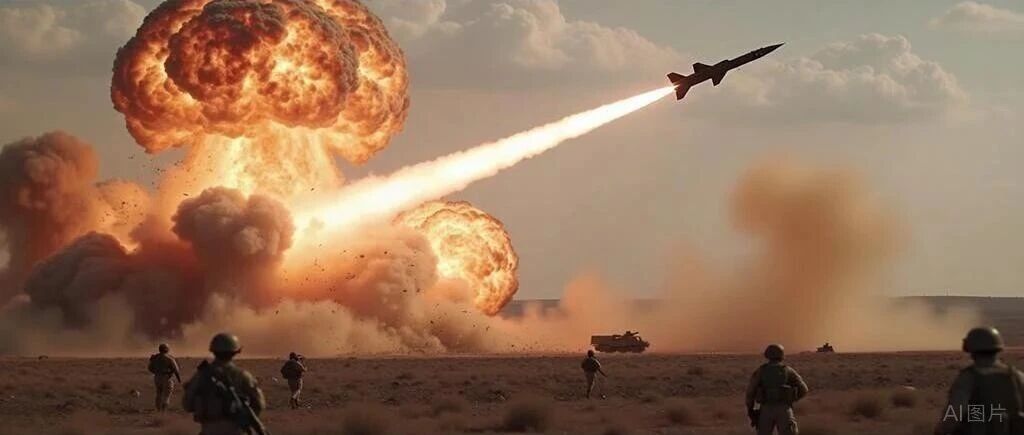
刚刚,封死涨停!导弹袭击,引爆!特朗普,最新发声
券商中国· 2026-03-19 04:06
Core Viewpoint - The geopolitical tensions in the Middle East, particularly involving Qatar and Iran, have led to significant volatility in energy markets, with prices for liquefied petroleum gas (LPG) and other commodities surging due to fears of supply disruptions [1][3][5]. Group 1: Market Reactions - On March 19, LPG futures surged by 10.99% to 6392 yuan/ton, alongside a broad increase in low-sulfur fuel, crude oil, and methanol prices [1]. - Affected stocks in the coal sector, such as Shaanxi Black Cat and Daqo Energy, saw significant gains, with many stocks hitting their daily limit up [1][5]. - Global markets experienced a sell-off, but energy and chemical-related futures and stocks showed strong performance, indicating a flight to safety in energy sectors [5]. Group 2: Geopolitical Developments - Qatar's LNG facilities were attacked, resulting in severe damage and a large fire, which heightened concerns over energy supply security [3]. - U.S. President Trump stated that the U.S. was unaware of Israel's actions against Iranian facilities, emphasizing that Israel would not target the South Pars gas field again unless provoked by Iran [4]. - The Iranian Revolutionary Guard warned that oil facilities in Saudi Arabia, UAE, and Qatar are now legitimate targets, escalating tensions in the region [1][4]. Group 3: Economic Outlook - UBS strategist Andrew Garthwaite noted that global stock markets may remain volatile due to high uncertainty, with a revised MSCI global market index target for 2026 set at 1100 points, down from 1130 points [8]. - The potential outcomes of the Middle East conflict are highly variable, with optimistic scenarios suggesting a quick resolution could raise the MSCI AC World index to 1280 points, while prolonged conflict could see it drop to 700 points, a 30% decline from current levels [8]. - The Australian central bank warned that the Middle East conflict could lead to significant international shocks, particularly affecting oil and commodity markets [9].