36氪未来消费

Search documents
重拳出击虚假营销,小红书组建了一支“战队”
36氪未来消费· 2025-09-18 09:43
Core Viewpoint - The article emphasizes the urgent need to combat false marketing practices that undermine user trust on content platforms, particularly in the context of rising competition and the prevalence of low-quality, deceptive content [2][3][21]. Group 1: Background and Context - The shift in consumer decision-making has led to content platforms becoming battlegrounds for brands, resulting in widespread false marketing practices [2]. - The emergence of the "Zhengzhou model," which involves mass-producing viral content and distributing it through ordinary accounts, has drawn attention to the issue of false marketing [2]. Group 2: Actions Taken Against False Marketing - Multiple platforms have reached a consensus to combat false marketing, with Xiaohongshu (Little Red Book) taking a strong stance by forming a "False Marketing Combat Team" in March [3][9]. - Since its establishment, the team has banned over 12 million false accounts, dealt with 13.76 million false marketing posts, and removed over 360 million false comments, resulting in a 60% overall decrease in false marketing content [9][12]. Group 3: Governance Strategies - Xiaohongshu's governance strategy includes five main areas: account governance, content governance, industry governance, brand governance, and search governance, supported by a technical team [12]. - The account governance focuses on identifying and banning "pseudo-influencer" and "crowdsourced" accounts, while content governance aims to clean up posts with disguised advertisements and fake comments [12]. Group 4: Challenges and Adaptations - False marketing has evolved into a sophisticated operation, making it challenging for the combat team to keep up, likening the situation to a cat-and-mouse game [14][15]. - The team has had to continuously adapt its algorithms and strategies to counteract the tactics employed by false marketing organizations, which have become increasingly adept at evading detection [14][19]. Group 5: Community Trust and Brand Integrity - The integrity of Xiaohongshu's community, built on authenticity, is at risk due to false marketing, which can erode user trust and disrupt the ecosystem for legitimate brands [8][22]. - The platform prioritizes maintaining a genuine user-generated content (UGC) environment, even at the cost of some search data metrics, to ensure that users receive authentic content [24]. Group 6: Future Outlook - The combat against false marketing is described as a long-term battle, with the goal of making the cost of false marketing exceed its benefits, thereby rendering it obsolete [26].


产品观察丨试水AI 搜索,淘宝想要更“万能”
36氪未来消费· 2025-09-17 11:10
Core Viewpoint - AI is increasingly penetrating Taobao, aiming to enhance user shopping experiences by reducing decision-making time and costs through various AI search products [6][12][17]. Group 1: AI Search Products - Taobao has launched several AI search products, including "AI万能搜," which allows users to ask questions and receive comprehensive answers that include text, images, and videos [6][8]. - "AI助手" is currently in small-scale testing, providing a conversational interface to help users clarify their shopping needs and recommend suitable products [6][9]. - The "AI找低价" feature enables users to find the lowest prices for similar products through image recognition, enhancing the shopping experience [8][9]. Group 2: User Experience Focus - The development of these AI products has prioritized user experience over traditional efficiency metrics, aiming to provide personalized and precise services [8][19]. - "AI万能搜" and "AI助手" are designed to simplify complex shopping needs, transforming vague requirements into clear recommendations [12][13]. - The AI products integrate various shopping scenarios, such as outfit guides and product comparisons, to streamline the decision-making process for users [9][14]. Group 3: Market Positioning and Strategy - Taobao's AI initiatives align with Alibaba's broader strategy to integrate AI into consumer-facing products, marking a shift from previous B2B-focused AI applications [12][20]. - The AI search products are not currently monetized, focusing instead on enhancing user engagement and experience [11][19]. - The potential for these AI tools to disrupt traditional search models is acknowledged, but they are still in early stages compared to established search functionalities [18][19]. Group 4: Future Prospects - Future developments may include more personalized recommendation mechanisms and predictive suggestions based on user behavior and preferences [19][20]. - The integration of AI capabilities across all shopping scenarios on Taobao is anticipated, expanding beyond retail to encompass various consumer needs [19][20].


LVMH老板探店两家中国“友商”,释放了什么信号?
36氪未来消费· 2025-09-17 11:10
Core Viewpoint - The Chinese market remains a crucial chess piece for LVMH, as the luxury goods market has not yet recovered, prompting CEO Bernard Arnault to closely observe local competitors and potential acquisition targets [2][4][8]. Group 1: Market Observations - Bernard Arnault has been visiting China frequently since 2023, with a notable focus on luxury retail locations in Shanghai, indicating a hands-on approach to understanding the market dynamics [3][5]. - During his visits, Arnault has shown particular interest in local brands such as Laopuhuang and Shanshayousong, suggesting a strategic evaluation of domestic competition [6][9]. Group 2: Competitive Landscape - LVMH's jewelry segment is one of the few growth areas, with Laopuhuang emerging as a strong competitor, boasting a consumer overlap rate of 77.3% with major international luxury brands [7]. - The performance of LVMH's leather goods division is declining, while competitors like Richemont are experiencing growth in their jewelry business, highlighting the need for LVMH to adapt its strategy [7]. Group 3: Strategic Moves - LVMH's investment in Polène, a mid-range brand, reflects a strategy to capture a broader market segment, particularly among consumers seeking luxury without the premium price tag [8][9]. - The brand Shanshayousong has gained traction among young urban consumers, indicating a shift in consumer preferences towards more affordable yet stylish options [9]. Group 4: Future Implications - Arnault's visits and the focus on local brands signal a potential shift in LVMH's strategy to collaborate or draw inspiration from Chinese brands, rather than solely relying on acquisitions [9]. - The ongoing adjustments in LVMH's approach to the Chinese market underscore its importance in the global luxury landscape, as the company seeks to navigate industry challenges and consumer trends [9].

刘强东首谈京东做酒旅:不想让行业再陷入价格战
36氪未来消费· 2025-09-17 00:33
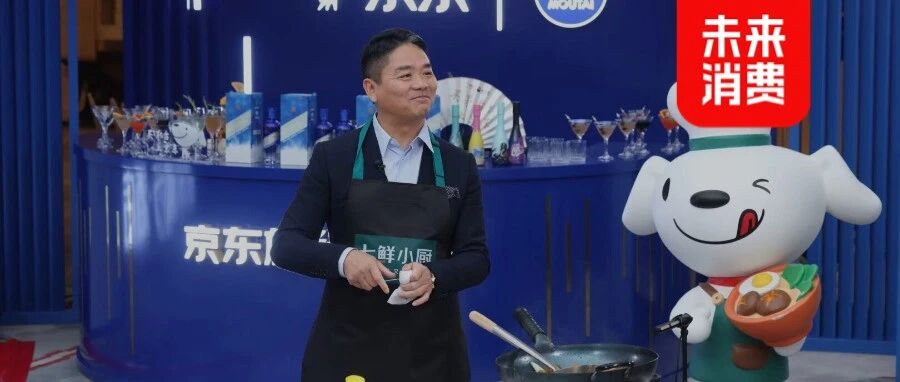
Core Viewpoint - The article discusses JD's recent developments in the food delivery and hotel industries, emphasizing the company's focus on supply chain innovation and its competitive stance against other platforms while maintaining a collaborative spirit in the industry [3][5][15]. Summary by Sections JD's Recent Events - The first "JD Wine Tasting Event" took place on September 16, where CEO Liu Qiangdong engaged with users, showcasing a dish he prepared, highlighting the company's commitment to customer interaction [3][4]. Business Growth and Strategy - JD's new delivery service has seen significant growth, with a 198.8% revenue increase in the new business segment to 13.852 billion yuan in Q2, despite a loss of 14.7 billion yuan in the same segment [4][5]. - The company reported a 35% increase in daily active users and a 17% increase in monthly active users, outperforming competitors like Taobao and Pinduoduo [4]. Supply Chain Innovation - Liu emphasized that JD's business model revolves around supply chain innovation, aiming to alleviate industry pain points rather than engage in destructive price wars [5][6]. - The "4+2" strategy for the hotel business focuses on four areas of revenue generation and two cost-saving measures, including low commissions and corporate procurement [5][6]. New Business Initiatives - The "Seven Fresh Kitchen" initiative aims to enhance hotel dining experiences and has already increased restaurant orders by over 30% in its vicinity [12][13]. - JD's approach to the hotel industry seeks to avoid price wars and instead focus on quality and service, with plans for future announcements regarding hotel development [15][16]. Commitment to Industry Standards - JD is committed to paying full social insurance for its delivery personnel, setting a new standard in the industry [17]. - Liu highlighted the importance of maintaining high-quality standards in retail, drawing parallels with the premium positioning of brands like Moutai [17]. Customer Engagement - Liu expressed gratitude for long-term customer relationships, emphasizing the importance of direct communication with users through events like the "Netizen Meeting" [18].

雅诗兰黛距离真正的复苏还有多远?
36氪未来消费· 2025-09-15 11:11
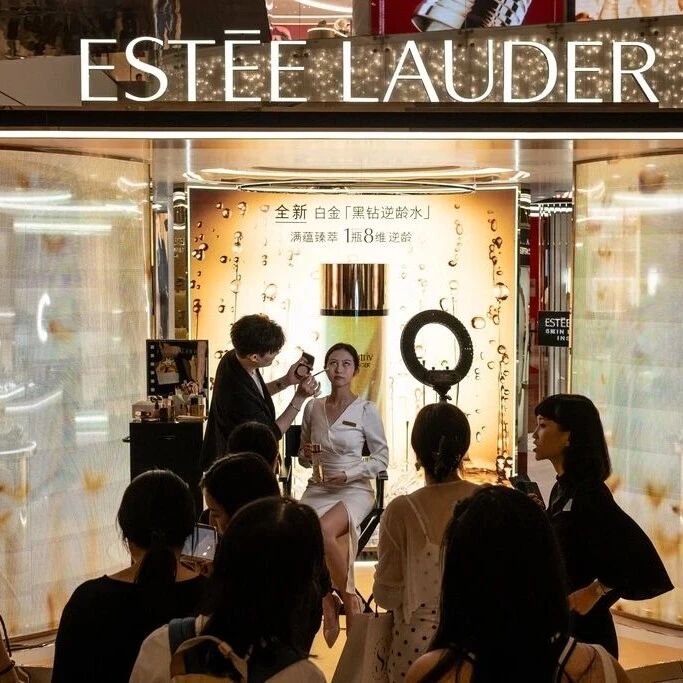
Core Insights - Estée Lauder is expected to return to growth in fiscal year 2026, contingent upon finding new brands to attract younger consumers [3] - The company is undergoing significant strategic reforms under CEO Stéphane de La Faverie, who emphasizes a focus on high-return opportunities and a streamlined organizational structure [4][5] Group 1: Strategic Changes - Stéphane de La Faverie has initiated a major strategic reform called "Beauty Reimagined," aimed at revitalizing the company through structural simplification and increased innovation speed [4] - The company has eliminated the position of "International Business President" and laid off approximately 7,000 employees globally, including 20% of management [4][5] - Estée Lauder has restructured its brand divisions into skincare and makeup categories, which is expected to enhance targeted marketing efforts [4][5] Group 2: Brand Portfolio and Acquisitions - Estée Lauder owns 25 brands, primarily acquired and positioned in the high-end market, with underperforming hair and certain makeup brands likely to be sold [5] - The company is considering acquiring affordable brands to expand its product price range, although specific acquisition plans will not be announced soon [5] - Estée Lauder is also looking to enhance its brand portfolio by acquiring more fragrance licenses, currently holding only one [5] Group 3: Market Adaptation - The company has accelerated the expansion of various online and offline distribution channels, including launching eight brands on Amazon's "Luxury Beauty" channel [5] - Estée Lauder is responding to the "ingredient-focused" beauty trend by promoting its high-end skincare brand La Mer through scientific collaborations, such as with the Salk Institute [6][7] - The collaboration with the Salk Institute aims to explore mitochondrial function and cellular aging, which could enhance the brand's market positioning [6][7] Group 4: Industry Challenges - Estée Lauder faces challenges similar to other beauty companies that thrived in the 70s and 80s, struggling to retain teenage consumers amid rapid market changes driven by social media [7][8] - The increasing discounting on online platforms intensifies pricing competition, adding pressure on brands that seek to lower prices to gain consumer favor [7][8]

消费电子巨头,为何集体上飞书?
36氪未来消费· 2025-09-15 11:11
Core Viewpoint - The article discusses the transition of Hisense to the collaboration tool Lark, highlighting its impact on organizational efficiency and employee productivity in the context of the consumer electronics industry [5][6][18]. Group 1: Hisense's Transition to Lark - Hisense's chairman mentioned that the switch to Lark has improved management efficiency through better information integration and collaboration [5]. - Employees have provided positive feedback, particularly noting enhanced meeting efficiency and streamlined processes [5][18]. - The integration of AI tools has allowed for automatic meeting minutes generation and task assignment, reducing inefficiencies [5][18]. Group 2: Industry Trends - Hisense's move is part of a broader trend in the consumer electronics sector, with companies like Xiaomi and Anker also adopting Lark to enhance collaboration and efficiency [6][8]. - The consumer electronics industry faces pressures such as shorter product cycles and complex collaboration, necessitating improved organizational efficiency [8][22]. - The adoption of Lark is seen as a strategic response to these challenges, enabling companies to better manage their operations and enhance product innovation [9][22]. Group 3: Benefits of Lark - Lark has been instrumental in breaking down silos within organizations, allowing for seamless communication and collaboration across departments [10][12]. - Companies like Anker have reported significant improvements in efficiency, with millions of documents and knowledge accumulated on the platform [11]. - The tool has facilitated real-time collaboration across different time zones and languages, which is crucial for companies operating globally [11][12]. Group 4: Future Implications - The article emphasizes that organizational agility and learning capabilities are becoming increasingly important in the consumer electronics industry [23]. - As companies expand globally and integrate AI into their operations, the need for effective collaboration tools like Lark will only grow [23][25]. - The successful implementation of Lark is expected to enhance not only employee experience but also product innovation and supply chain responsiveness [22][24].


星巴克中国借小红书改造门店;淮海路H&M重新升级开业;罗永浩:西贝的事情告一段落|品牌周报
36氪未来消费· 2025-09-14 14:05
Group 1 - Starbucks China announced a deep collaboration with Xiaohongshu to transform 1,800 stores into "interest community spaces" focusing on themes like pets, crafts, cycling, and running [3][4] - The concept of "Third Place," introduced by sociologist Ray Oldenburg, refers to informal public social spaces between home and work, which Starbucks has successfully commercialized [3][4] - The collaboration aims to extend Starbucks' brand experience beyond just coffee, enhancing its social attributes and cultural identity among younger users [4] Group 2 - H&M reopened its first brand experience center, "House of H&M," in Shanghai, featuring a 3,000 square meter space with multiple product categories and a café [5][6] - The H&M home series has primarily been sold online since its launch in mainland China in 2014, with plans for potential independent stores depending on consumer acceptance [6] Group 3 - The public dispute between Xibei's founder and Luo Yonghao over the use of pre-made dishes has led to a significant drop in Xibei's customer traffic and revenue [8][9] - The controversy highlights the lack of national standards for pre-made dishes in China, leading to differing interpretations between consumers and businesses [8][9] Group 4 - Uniqlo hosted a knitting party to promote its knitwear collection, which is a core product line for the brand, especially popular in the fall and winter seasons [11] - Although specific financial data is lacking, knitwear is estimated to contribute significantly to Uniqlo's overall revenue, potentially accounting for 20% to 30% [11] Group 5 - Lululemon celebrated its 10th anniversary on Tmall with a "Scuba Dynamic Theater" event featuring brand ambassadors and performances [13] - Maison Margiela appointed Miley Cyrus as its first-ever brand ambassador, marking a shift in the luxury brand's approach to celebrity endorsements [14][15] Group 6 - La Mer announced a three-year collaboration with the renowned SALK Institute to research cellular vitality and anti-aging, indicating a shift towards technology-driven skincare [17] - Giorgio Armani's will suggests a preference for selling shares to major fashion groups rather than remaining independent, signaling a potential shift in the luxury brand landscape [18] - Kering Group stated it would not sell its 29% stake in Puma, despite previous reports of seeking buyers, indicating stability in its investment strategy [19] - Ermenegildo Zegna reported a 3.4% decline in revenue but a 53% increase in net profit, attributed to improved profit margins following a direct-to-consumer transformation [20]


在沃尔玛的社区店里,我们看到一些“非共识”
36氪未来消费· 2025-09-14 14:05
Core Viewpoint - The article emphasizes that "customer" is the eternal "first principle" in retail, highlighting Walmart's focus on understanding and meeting customer needs as the core of its strategy [2][17]. Group 1: Community Store Concept - Walmart's community store is a new initiative aimed at transforming its brand and better serving urban middle-class customers, which number approximately 175 million [7][12]. - The community store concept is not just a trend but a necessary response to evolving consumer demands for convenience and accessibility [13][16]. - The store's design and product offerings reflect a commitment to customer preferences, with a focus on high-frequency, everyday items [11][22]. Group 2: Customer-Centric Approach - Walmart's strategy revolves around the principle of "customer first," which guides all decisions and actions, ensuring that the company remains aligned with consumer needs [19][23]. - The company has conducted multiple customer surveys to refine its product selection and service delivery, demonstrating a commitment to continuous improvement based on customer feedback [9][10]. - Walmart's understanding of its customer base is clear, focusing on providing value and quality that meet or exceed customer expectations [12][20]. Group 3: Product Strategy - Walmart's approach to private label products is unique; rather than focusing solely on increasing the share of private brands, the emphasis is on delivering quality that meets customer expectations [10][11]. - The company collaborates with leading brands and manufacturers to offer a diverse range of products, ensuring that customers have access to both private label and branded items [12][15]. - The focus is on the intrinsic value of products rather than just sales metrics, with customer satisfaction being the primary measure of success [20][22]. Group 4: Omnichannel Strategy - Walmart's community stores are part of a broader omnichannel strategy, integrating online and offline shopping experiences to meet diverse consumer needs [15][16]. - The company operates under a "one inventory" model, where products are available across different store formats and online platforms, ensuring consistency and convenience for customers [15][16]. - This strategy allows Walmart to cater to various shopping preferences, from large store experiences to quick community store visits, enhancing overall customer satisfaction [16][23].

3家消费公司拿到新钱;罗永浩开直播回应西贝预制菜争议;古茗4.9元咖啡再掀价格战 | 创投大视野
36氪未来消费· 2025-09-13 14:07
Group 1 - Chasing Car completed its first round of financing and is in the process of selecting a site for a new factory, which is expected to be 1.2 times larger than Tesla's Berlin factory [4] - Magic Creation completed a 6 million yuan angel round financing, focusing on developing courses and upgrading teaching platforms for children's programming and AI education [5] - Ropet, an AI pet company, completed a multi-million A1 round financing, with a focus on emotional companionship through AI [6][7] Group 2 - Controversy arose over Xibei's use of pre-made dishes, with founder Jia Guolong asserting that their dishes are not pre-made, while influencer Luo Yonghao called for transparency in the industry [8][9] - Xibei responded by publishing the preparation processes of dishes and launched a "Luo Yonghao menu" in about 370 stores to demonstrate transparency [9] - Tea Baidao has quietly entered the coffee market, with trial stores showing a 10% increase in sales after introducing freshly brewed coffee products [10] Group 3 - Ulike's anti-corruption efforts led to the transfer of 12 individuals to judicial authorities for criminal offenses, covering various business areas [11][12] - Chasing Technology plans to split multiple business units for IPOs starting from the end of next year [13] - Pop Mart's stock price has seen a significant decline, dropping approximately 20% from its peak, attributed to increased supply and reduced market interest [14][15][16] Group 4 - SHEIN responded to allegations of tax evasion in the UK, claiming compliance with local laws and regulations [17] - Eight Horse Tea Industry has submitted its fourth application for listing on the Hong Kong Stock Exchange [18] - The price of spot gold reached a historical high of $3,674.27 per ounce, reflecting its status as a safe-haven asset amid macroeconomic uncertainties [21] Group 5 - China's short drama industry is expected to reach a market size of $10 billion, with significant growth in overseas markets [22] - Shanghai recorded a historic high in inbound travelers during the summer, with tax refund amounts exceeding 600 million yuan, indicating a strong consumption trend [24]

迪士尼全年IP授权消费品零售额 620 亿美元,秘诀是“它不只是一家IP公司”
36氪未来消费· 2025-09-12 14:49
Core Viewpoint - Disney has established itself as a leader in the global licensing business, achieving an annual retail revenue of $62 billion, significantly surpassing its competitors [3][4]. Group 1: Licensing Business Performance - Disney's licensing revenue of $62 billion is the highest globally, compared to Authentic Brands Group at $32 billion, Hasbro at $16.1 billion, Warner Bros at $15 billion, and Pokémon at $12 billion [3]. - The company continues to benefit from its strong movie IP licensing, despite discussions in the toy industry about the potential for original IPs to thrive independently of content licensing [4]. Group 2: Business Model and Strategy - Disney's business model, established by Walt Disney in 1957, centers around leveraging successful movie IPs to generate a wide range of related products and services [5]. - The company maintains a consistent approach by showcasing new movie trailers followed by related consumer products at events, emphasizing the continuous flow of new films to drive consumer interest [6][7]. Group 3: Consulting Services - Disney positions itself not just as an IP company but as a consulting firm, providing comprehensive support to partners, including product development, marketing, and retail channel strategies [7][9]. - The company offers insights and forecasts to partners, sharing market trends and consumer preferences up to 18 months in advance, which enhances its collaborative efforts [9][11]. Group 4: Market Expansion and Cross-Border Business - Disney's cross-border business in the Asia-Pacific region has seen a year-on-year growth of approximately 45%, with a focus on leveraging local market knowledge for expansion [11][12]. - The company aims to capitalize on the large population base in the Asia-Pacific region, which is crucial for its growth strategy [11]. Group 5: Focus on Emerging Trends - Disney is actively monitoring and investing in popular toy categories in China, such as trading cards, blind boxes, and plush toys, which have seen significant growth [17]. - The trading card market in China has grown from 2.8 billion yuan in 2019 to an estimated 26.3 billion yuan by 2024, with a compound annual growth rate of 56.5% [17]. Group 6: Collaborations and Innovations - Disney has collaborated with various brands, including F1, to create exclusive products, tapping into the growing market of high-net-worth consumers [19]. - The company is committed to innovation in product design, as seen in the development of toys that blend traditional concepts with modern consumer interests [19][21].