华尔街见闻

Search documents
告别标配人生,驭见中国新中产的“人生旷野”
华尔街见闻· 2025-12-31 03:47
Core Viewpoint - The year 2025 is anticipated to mark a significant shift for China's new middle class, moving towards a more introspective lifestyle that values personal experience over societal expectations [1][2]. Group 1: Changing Consumer Behavior - Consumers are increasingly willing to pay for self-enhancing experiences rather than for the approval of others, indicating a shift towards "self-pleasure" values [2]. - Over 60% of users who switched to the brand came from traditional luxury brands like BBA, with the figure rising to over 70% for the S9 model [3]. Group 2: Demographics and Lifestyle Changes - The typical user of the brand is aged between 30-45, having moved past the need to showcase social status through consumption [4]. - Users express a desire to reclaim their "lifestyle sovereignty," seeking a balance between navigating societal pressures and maintaining personal freedom [4]. Group 3: Product Features and User Experience - The S9 model provides a luxurious and safe experience, exemplified by a user who avoided an accident due to the vehicle's advanced safety features [6][15]. - The S9T model caters to users with high demands, offering practical solutions for outdoor activities and transforming into a mobile workspace [10][12]. Group 4: Market Dynamics and Brand Positioning - The brand is positioned as a market disruptor, redefining the value of luxury vehicles and challenging the dominance of traditional luxury brands [14][22]. - The emergence of the "SBBA" market structure signifies a shift in luxury definitions, moving from traditional metrics to technology-driven assessments of value [29][30]. Group 5: Strategic Investments and Future Outlook - The company has committed 20 billion yuan to the brand, reflecting a strategic focus on long-term growth and innovation [18][19]. - The brand's success indicates a broader trend where new middle-class consumers prioritize "technological dividends" over established brand narratives [33].


泡泡玛特热潮遇冷:黄牛停止囤货,Labubu溢价神话正在破灭
华尔街见闻· 2025-12-30 12:45
Core Viewpoint - The "Labubu economy" is facing significant challenges as the secondary market's premium ability declines, leading to a loss of appeal for Pop Mart in the capital market [1] Group 1: Market Performance and Investor Sentiment - Investors are reassessing whether Pop Mart can maintain its high growth narrative and if its core IP is merely a fleeting trend [2] - Reports of weakened demand from scalpers have caused Pop Mart's stock to drop by 6.2%, marking its largest decline in three weeks and making it one of the worst performers in the MSCI Asia Pacific Index [2] - Since peaking in August, Pop Mart's stock has fallen approximately 44%, resulting in a market value loss of over $25 billion [5] Group 2: Secondary Market Dynamics - The sell-off was triggered by reports of significant price volatility in the secondary market, indicating weak demand and causing some scalpers to halt their stockpiling activities [4] - Data from the resale platform Qianshao shows that the average price of the mini Labubu set has fallen below the official retail price, with the "Sit Down" series dropping from nearly $400 to about $110 [8] Group 3: Growth Concerns and Market Expansion - Pop Mart's revenue growth in North America has slowed to 424%, halving compared to the previous quarter [10] - Despite aggressive marketing efforts, disappointing performance during the U.S. Black Friday and cooling resale demand have raised concerns about Pop Mart's long-term viability as a brand comparable to Disney or Sanrio [11] Group 4: Valuation and Diversification Efforts - Some institutional investors are adopting a wait-and-see approach due to negative market sentiment and uncertainties regarding future earnings per share [14] - Pop Mart is attempting to mitigate risks associated with reliance on a single IP by investing in other IPs and expanding into the entertainment sector, including theme parks and film development [15]
创始人同窗18年,干出一个IPO!卧安机器人夺下“AI具身家庭机器人第一股”
华尔街见闻· 2025-12-30 12:45
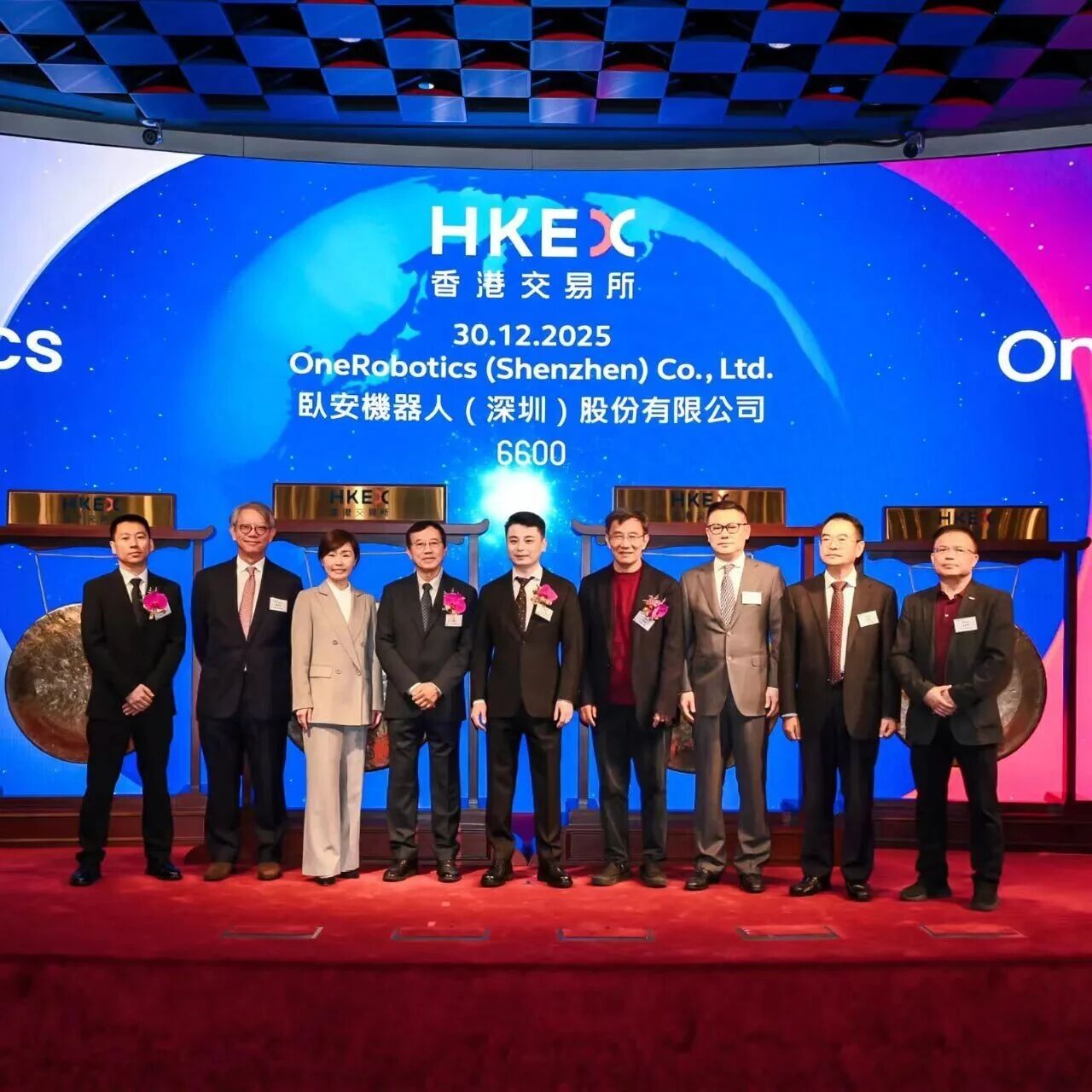
Core Viewpoint - The article emphasizes the significant growth potential of the robotics industry, predicting that global hardware sales will rise dramatically from $100 billion in 2025 to $25 trillion by 2050, positioning robotics as a trillion-dollar market opportunity [3][38]. Group 1: Company Overview - Woan Robotics has successfully launched on the Hong Kong market, becoming the first publicly traded company focused on AI-driven household robots [5]. - Unlike many robotics companies that have yet to achieve commercialization, Woan Robotics has established a clear global business path and innovative technology, resulting in substantial revenue [6]. - In 2024, Woan Robotics is projected to generate revenue of 610 million yuan and an adjusted EBITDA of 26.1 million yuan, attracting significant investment from major institutional investors [7]. Group 2: Market Position and Growth - Woan Robotics has experienced a remarkable revenue growth rate, with a compound annual growth rate of 48.9%, increasing from 275 million yuan in 2022 to 610 million yuan in 2024 [15]. - The company has strategically focused on the Japanese market, which has become a key revenue contributor, with income rising from 168 million yuan in 2022 to 352 million yuan in 2024 [17]. - The acceptance and reliance on household robots in Japan are increasing due to the aging population and labor shortages, creating a favorable market environment [19]. Group 3: Competitive Advantages - Woan Robotics differentiates itself from other listed robotics companies by integrating advanced technologies such as AI visual control and distributed neural networks into its household robot systems [20][22]. - The company has established a strong global presence, with products available in over 90 countries and regions, and has built a robust ecosystem connecting innovative products with users [28][29]. - Woan Robotics has a significant patent portfolio, with 311 patents, including 56 core technology patents, which strengthens its competitive position in the market [35][36]. Group 4: Future Growth Potential - The article outlines Woan Robotics' plans to expand into new markets and product lines, including AI sports robots and humanoid household robots, which are expected to drive future revenue growth [41][46]. - The company aims to introduce a subscription model for its AI coaching service, enhancing user engagement and creating new revenue streams [42][43]. - The global market for companion robots is projected to grow significantly, providing Woan Robotics with opportunities to capture a larger share of this expanding market [44][45].
吴恩达年终总结:2025年或将被铭记为“AI工业时代的黎明”
华尔街见闻· 2025-12-30 12:45
Core Insights - The year 2025 is anticipated to mark the dawn of the AI industrial era, characterized by unprecedented advancements in model performance and infrastructure investments that will significantly contribute to GDP growth in the U.S. [1][2] Group 1: Capital Expenditure and Energy Challenges - Major tech companies, including OpenAI, Microsoft, Amazon, Meta, and Alphabet, have announced substantial infrastructure investment plans, with each gigawatt of data center capacity costing approximately $50 billion. OpenAI's "Stargate" project, in collaboration with partners, involves a $500 billion investment to build 20 gigawatts of capacity globally [3]. - Microsoft is projected to spend $80 billion on global data centers in 2025 and has signed a 20-year agreement to restart the Three Mile Island nuclear reactor in Pennsylvania by 2028 to ensure a stable power supply [3]. - Bain & Co. estimates that to support this scale of construction, AI annual revenue must reach $2 trillion by 2030, exceeding the total profits of major tech companies in 2024 [3]. - Insufficient grid capacity has led to some data centers in Silicon Valley being underutilized, and concerns over debt levels have caused Blue Owl Capital to withdraw from negotiations to finance a $10 billion data center for Oracle and OpenAI [3]. Group 2: Talent Market Transformation - Meta has disrupted traditional compensation structures by offering lucrative packages, including cash bonuses and substantial equity, to researchers from OpenAI, Google, and Anthropic, with some four-year contracts valued at up to $300 million [5]. - Mark Zuckerberg has personally engaged in the talent acquisition battle, successfully recruiting key researchers from OpenAI [5]. - In response, OpenAI has introduced aggressive stock option vesting schedules and retention bonuses of up to $1.5 million for new employees [6]. Group 3: Proliferation of Reasoning Models and Agentic Coding - 2025 is viewed as the year of widespread application of reasoning models, with advancements such as OpenAI's o1 model and DeepSeek-R1 demonstrating enhanced reasoning capabilities through reinforcement learning [8]. - The integration of tools has led to significant improvements in model performance, with OpenAI's o4-mini achieving a 17.7% accuracy rate in a multimodal understanding test, driving the rise of "Agentic Coding" [10]. - By the end of 2025, tools like Claude Code, Google Gemini CLI, and OpenAI Codex are expected to handle complex software development tasks through intelligent workflows [10]. - Despite some limitations in reasoning models identified by research from Apple and Anthropic, the trend of utilizing AI for code generation and cost reduction in development remains strong [11].





在服装行业放缓周期中,运动品类为何仍能跑出高增长?
华尔街见闻· 2025-12-30 12:45
Core Insights - The apparel industry is transitioning from a focus on "quantitative expansion" to a need for sustainable growth that withstands structural scrutiny [1][4] - Consumer behavior is shifting towards valuing functionality, adaptability, and long-term value over mere novelty and emotional appeal [1][7] - Growth is no longer a universal benefit but a result that requires structural and capability-based approaches [8][9] Industry Trends - The apparel industry is entering a low-growth phase, with retail sales for clothing and textiles showing a modest year-on-year growth of around 3% from January to October 2025, slightly below the overall retail growth rate [5][10] - Certain niche segments are demonstrating resilience by maintaining higher-than-average performance through clear value propositions [2][10] Competitive Landscape - The differentiation within the industry is accelerating, with mass-market apparel facing pressure from price competition and inventory issues, while specialized segments with clear positioning are outperforming [7][10] - The professional sports segment is emerging as a key growth driver, with the domestic market for professional sports equipment projected to grow by 18.7% year-on-year in 2025, significantly outpacing the overall industry growth [10][11] Company Performance - Descente has emerged as a benchmark for growth within the professional sports segment, achieving a 61.1% year-on-year revenue increase in the first half of 2025, significantly surpassing the average growth rate of its segment [11][13] - The brand's growth is supported by a clear product structure, with skiing and golf categories contributing approximately 45%-50% and 25%-30% to its revenue, respectively [11][13] Consumer Engagement - Descente's high customer quality, with average transaction values between 3000-8000 yuan, and high repurchase rates contribute to sustainable growth [13][21] - The brand's flagship store, "Future City," exemplifies a new retail model that integrates immersive experiences to enhance consumer understanding and trust in the brand's professional capabilities [17][18] Growth Mechanism - The terminal capabilities of professional sports brands are evolving from mere sales points to critical components of growth, influencing efficiency and brand perception [16][21] - Descente's multi-channel strategy, including flagship stores and specialized outlets, enhances consumer engagement and reinforces brand value [20][21] Future Challenges - As the brand scales, maintaining the effectiveness of its professional ecosystem and balancing high-end positioning with broader market coverage will be crucial [29][30] - The competition in the professional sports sector is shifting from merely capturing market share to building a sustainable ecosystem around professionalism [29][30]

白银反弹4%,此前为何突然暴跌?对冲基金老将警示了五大短期风险
华尔街见闻· 2025-12-30 12:45
Core Viewpoint - The silver market is experiencing significant volatility, with recent price fluctuations highlighting both short-term risks and long-term bullish fundamentals [1][3][4]. Short-term Risks - The first risk is tax-driven selling, as investors holding substantial unrealized gains may sell before December 31 to benefit from long-term capital gains tax rates, leading to selling pressure in late December [6]. - The second risk involves a potential strengthening of the US dollar, driven by strong GDP growth data, which typically exerts pressure on dollar-denominated commodities [7]. - The third risk is the increase in margin requirements announced by the Chicago Mercantile Exchange, which could reduce leverage and speculative demand, although current margin levels are significantly higher than during the 2011 silver price crash [8][9][10]. - The fourth risk is technical selling due to silver being in an "overbought" condition, although this assessment is contested by some analysts who attribute price increases to structural demand rather than mere technical factors [11]. - The fifth risk is the threat of copper substitution in solar manufacturing, which could lead to technical selling despite the long lead time required for such a transition [13][14]. Market Dynamics - The Bloomberg Commodity Index is set for a significant rebalancing in January 2026, which may force passive funds to sell approximately 9% of their silver futures positions, exacerbating market volatility [15][16]. Long-term Fundamentals - Despite short-term risks, the long-term outlook for silver remains strong, supported by structural supply-demand imbalances. Current spot prices in various markets indicate significant premiums over futures prices, suggesting physical market tightness [17][18]. - Investment demand is not overly crowded, with speculative net long positions in silver at 19% of open interest compared to 31% in gold, indicating potential for further price increases [19]. - The solar industry is projected to significantly increase its silver demand, with expectations of 290 million ounces in 2025 and 450 million ounces by 2030, fundamentally altering the silver market landscape [21]. - The rising power demand from data centers and artificial intelligence further reinforces the silver market's dynamics, as solar energy, which requires silver, becomes increasingly critical [21].

DeepSeek一夜爆火、Labubu引爆全球抢购潮、“史诗级”外卖大战……2025年中国十大商业事件全盘点
华尔街见闻· 2025-12-29 10:24
Core Insights - The year 2025 is marked as a transformative year in business, driven by significant advancements in AI and technology, particularly highlighted by DeepSeek's cost-effective AI model that challenges existing market paradigms [1][3][4]. Group 1: AI and Technology Developments - DeepSeek's R1 model, launched on January 20, 2025, achieved performance comparable to OpenAI's models at a fraction of the cost, using only 2,000 GPUs and approximately $600,000 in training expenses, less than one-tenth of OpenAI's costs [5][8]. - The market reacted dramatically to DeepSeek's success, leading to a significant drop in Nvidia's stock, with a loss of nearly $600 billion in market value, marking a historic event in the stock market [10][12]. - The Chinese tech sector saw a resurgence, with the Nasdaq China Golden Dragon Index rising over 4% shortly after DeepSeek's impact, indicating a shift in investor focus towards Chinese tech companies [11][12]. Group 2: Market Dynamics and Competition - The entry of JD.com into the food delivery market initiated a fierce competition with Alibaba and Meituan, leading to aggressive subsidy wars and a new competitive landscape in the industry [24][27]. - The battle for market share in food delivery is characterized by significant discounts and promotional offers, with Meituan experiencing record order volumes amid the competition [29]. Group 3: Innovations in Consumer Products - Pop Mart's Labubu character gained global popularity, leading to a 170%-175% year-on-year revenue increase in Q1 2025, with significant growth in international markets [20][23]. - The stock price of Pop Mart surged over 200% in the first half of 2025, reflecting strong market interest and investment confidence in the brand's potential [20][23]. Group 4: Regulatory and Economic Responses - In response to external economic pressures, the Chinese government implemented a "stabilization fund" strategy to support the capital market, demonstrating a proactive approach to maintain market confidence [15][17]. - The People's Bank of China provided liquidity support to stabilize the market, showcasing a coordinated effort to mitigate the impact of geopolitical tensions on the economy [15][17]. Group 5: Advancements in Autonomous Driving and GPU Technology - China officially approved L3 autonomous driving vehicles for commercial use, marking a significant milestone in the automotive industry and setting the stage for a market expected to exceed 1.2 trillion yuan by 2030 [40][41]. - The emergence of domestic GPU manufacturers, referred to as the "Four Little Dragons," is reshaping the semiconductor landscape, with significant IPO activity and competitive differentiation among companies [42][44].

老板电器2025:寻找扣动厨电行业“iPhone时刻”的扳机
华尔街见闻· 2025-12-29 10:24
Core Insights - The article draws a parallel between the evolution of the kitchen appliance industry and the transformative impact of the iPhone on mobile technology, suggesting that the kitchen appliance sector is on the brink of a significant change driven by AI [2][3][37] - Despite the potential of AI, the kitchen appliance industry has not yet experienced its "iPhone moment," as many products still focus on superficial features rather than addressing core consumer needs [4][6] - The complexity of cooking, especially in the context of Chinese cuisine, presents challenges for AI integration, as cooking is highly personalized and cannot be easily standardized [5][6] Market Trends - In 2025, the Chinese kitchen appliance market saw a rollercoaster of performance, with a 6.1% year-on-year increase in retail sales in the first half, driven by government subsidies, but a decline in performance during major sales events like "Double Eleven" in the second half [12][13][14] - The upcoming "national subsidy" policies are expected to revitalize the market in 2026, focusing on boosting domestic demand and consumption [16][17] AI Integration - AI is becoming a key driver in reshaping the competitive landscape of the kitchen appliance industry, shifting the focus from hardware specifications to enhancing user experience [18][20] - The introduction of AI cooking models, such as the "Shishen" by Boss Appliances, aims to redefine kitchen appliances as interactive partners rather than mere tools [7][23][24] - The "Shishen" model utilizes a vast knowledge base to provide personalized recipe recommendations and health planning, marking a significant advancement in user engagement [27][28] Company Positioning - Boss Appliances has established a competitive edge by integrating AI into its product offerings, having launched a digital kitchen appliance line as early as 2022 and achieving full regulatory compliance for its AI model [21][23][34] - The company's sales of AI digital kitchen appliances grew by 55% year-on-year in Q3 2025, indicating strong market acceptance and a shift towards a service-oriented business model [34] Cultural Shift - The article emphasizes a cultural shift in the kitchen appliance industry, where companies are beginning to explore deeper emotional connections with consumers, moving beyond traditional manufacturing to define lifestyle experiences [31][42] - Boss Appliances has initiated projects that blend technology with cultural insights, aiming to enhance the emotional value of cooking and foster connections through culinary experiences [31][42]

交付破万,尊界S800如何改写了国产超豪华轿车的历史?
华尔街见闻· 2025-12-29 10:24
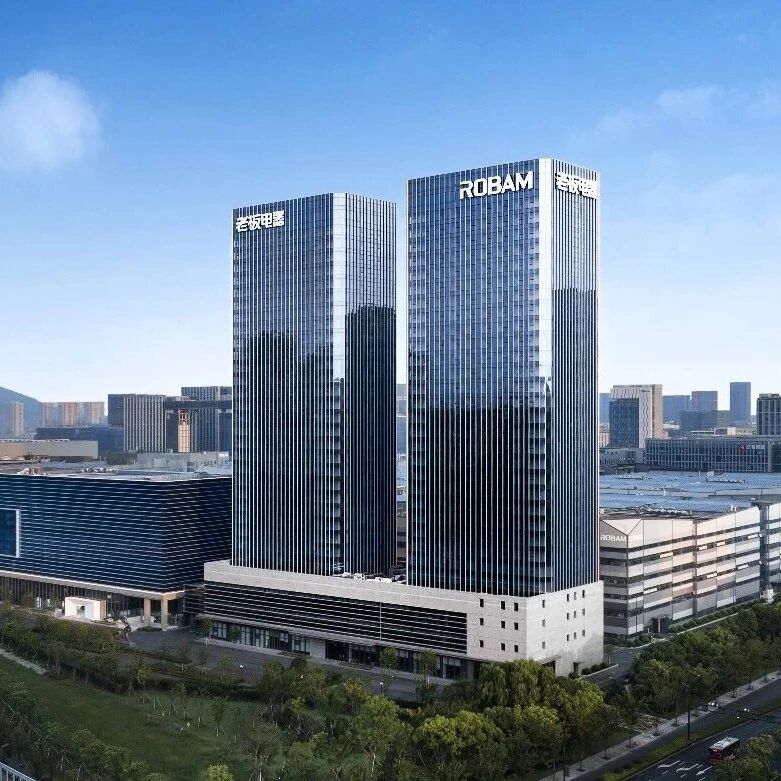
Core Viewpoint - The launch of the ZunJie S800, a domestic ultra-luxury sedan, has achieved remarkable sales success, breaking the record for the fastest 10,000 units delivered in China's luxury car market, with notable recognition from high-net-worth individuals like international superstar Jet Li [1][9]. Delivery and Quality - The ZunJie S800's delivery capability is a critical factor for success in the ultra-luxury car market, where high-quality standards and stable delivery are essential [3][4]. - The vehicle achieved over 2,000 deliveries in November alone, surpassing the combined sales of competitors like the Panamera and BMW 7 Series, and maintained its position as the top seller in the segment for three consecutive months [1][4]. Technological and Manufacturing Excellence - The ZunJie S800 incorporates advanced technology, including Huawei's high-level intelligent driving system and an 800V high-voltage platform, which enhances driving quality and sets a new standard for domestic ultra-luxury vehicles [6][8]. - The manufacturing process is supported by Huawei's digital modeling and quality control systems, ensuring consistency and high standards across all vehicles produced [7][8]. Market Impact and Brand Recognition - The ZunJie S800 has received multiple industry awards, reflecting its strong product capabilities and brand influence, and is expected to accelerate deliveries to 4,000 units per month [5][14]. - The vehicle has become a social symbol among high-net-worth individuals, with over 70% of buyers opting for the highest configuration, indicating a strong market demand and customer satisfaction [9][11]. Supply Chain and Industry Transformation - The success of the ZunJie S800 has prompted a significant upgrade in China's automotive supply chain, with over 221 suppliers improving their capabilities to meet the stringent standards required for ultra-luxury vehicles [15][17]. - The project has fostered collaboration among suppliers, leading to innovations in materials and manufacturing processes, which are essential for the advancement of domestic high-end automotive production [15][17].

一盎司白银罕见贵过一桶油!商品市场的“新霸主”来了?
华尔街见闻· 2025-12-29 10:24
Group 1: Silver Price Surge - The price of silver has surpassed $74 per ounce, exceeding the price of crude oil for the first time in 45 years, driven by strong demand and structural supply constraints [1][2] - Silver's price increase is attributed to both investment demand and industrial applications, particularly in clean energy sectors like solar panels and electric vehicles [2][7] - The current silver market is characterized by a significant supply constraint, as global pure silver deposits are nearly depleted, leading to silver being produced as a byproduct of mining other metals [11] Group 2: Industrial Demand and Investment Behavior - The industrial demand for silver is robust, with the solar industry consuming nearly 30% of the global annual silver production, highlighting a structural demand gap [8] - Investment behavior is shifting, with some investors turning to silver as a more affordable alternative to gold, especially as gold prices rise above $4,500 per ounce [9] - The ETF market reflects this trend, with iShares Silver Trust showing a significant price advantage over SPDR Gold ETF, attracting funds into the silver sector [10] Group 3: Oil Market Challenges - The global oil market is facing a supply surplus and structural demand transformation, with international oil prices having dropped 21% since 2025, reaching low levels post-pandemic recovery [3][14] - Analysts predict that unless major oil-producing countries coordinate substantial production cuts, the oversupply situation in the global oil market will worsen [14] - Geopolitical stability could further exacerbate supply-demand imbalances by releasing more oil production capacity [15]