美股IPO

Search documents
特朗普《华尔街日报》撰文“我的关税政策让美国重回正轨”
美股IPO· 2026-01-31 16:03
Core Viewpoint - The article argues that the tariff policy implemented by the Trump administration has successfully revitalized the U.S. economy, contrary to predictions of economic downturn and inflation by experts [2][4]. Economic Performance - The U.S. economy has shown remarkable growth, with GDP growth reaching 4.4% in Q3 2025, and predictions for Q4 suggesting growth could exceed 5% [2][4]. - The annual core inflation rate has dropped to 1.4%, significantly lower than expected [3]. - The stock market has reached 52 new highs since the policy implementation, with the Dow Jones Industrial Average potentially approaching 50,000 points [3]. Tariff Impact - The tariffs have led to a 27% reduction in the federal budget deficit and a 77% decrease in the monthly trade deficit, all while maintaining low inflation [4]. - U.S. exports increased by $150 billion, and domestic steel production rose by over 300,000 tons per month [4]. - The tariffs have attracted over $18 trillion in investment commitments within a year, significantly more than the $1 trillion brought in by the Biden administration over four years [5]. Trade Agreements - Historical trade agreements have been established with countries like the UK, EU, Japan, and South Korea, enhancing U.S. export opportunities and economic relationships [6]. - South Korean companies are set to invest $150 billion to revitalize the U.S. shipbuilding industry, and Japan is involved in constructing a major gas pipeline in Alaska [6]. National Security and Global Position - The tariff policy has strengthened national security and contributed to resolving international conflicts, including tensions between India and Pakistan [7]. - The U.S. has solidified its position as a leader in artificial intelligence and has signed significant military sales agreements, enhancing its global standing [7].

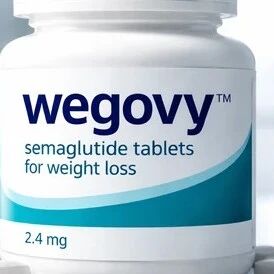
今年至今累涨约16%!诺和诺德股价颓废两年后凭借口服减肥药Wegovy“逆袭” ?
美股IPO· 2026-01-31 01:39
Core Viewpoint - Novo Nordisk has experienced a strong stock price rebound at the beginning of the year, driven by the impressive prescription performance of its oral weight loss drug Wegovy, outperforming major competitor Eli Lilly [1][3] Group 1: Stock Performance - Novo Nordisk's stock price has increased by approximately 16% year-to-date, while Eli Lilly's stock has declined by about 4% during the same period [3] - The reversal in performance is primarily attributed to Novo Nordisk's "first-mover advantage" in the oral weight loss drug market [3] Group 2: Product Launch and Market Response - Wegovy, the first FDA-approved oral obesity medication, officially entered the market in early January after receiving approval in December [3] - As of the week ending January 23, Wegovy's prescriptions in the U.S. reached 26,109, indicating strong market demand [3] - In its first week, Wegovy received 18,410 prescriptions, and in the second full sales week, the prescription volume exceeded 16,000, showcasing rapid growth [3] Group 3: Competitive Landscape - Over the past two years, Novo Nordisk's stock price had significantly declined, contrasting with Eli Lilly's strong performance due to its capture of approximately 60% of the obesity drug market share [3] - With the rapid uptake of Wegovy, Novo Nordisk is regaining investor confidence [3] - Eli Lilly is still awaiting FDA approval for its oral weight loss drug orforglipron, which may further alter the competitive landscape in the coming months [3]


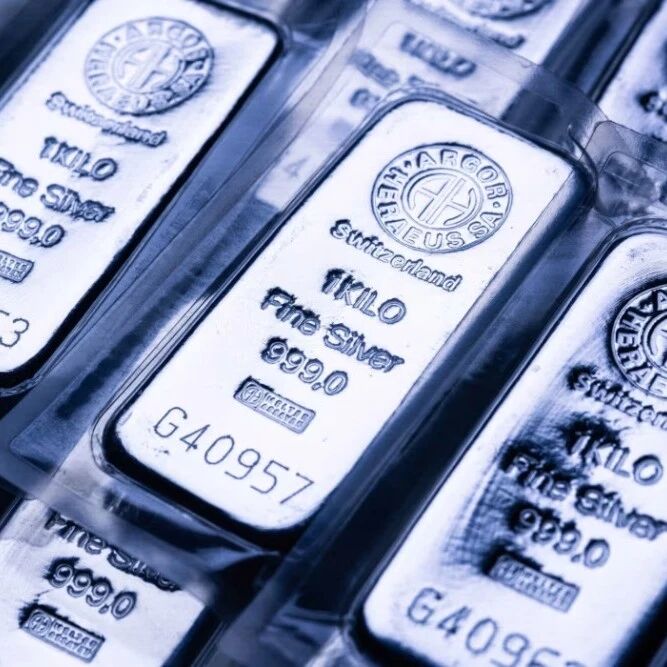
华尔街日报:黄金和白银创1980年以来最大单日跌幅
美股IPO· 2026-01-31 01:39
Core Viewpoint - The article discusses the significant drop in gold and silver prices, marking the worst day for these metals since 1980, driven by hawkish sentiments regarding inflation and the U.S. dollar following the nomination of Kevin Walsh as the Federal Reserve Chair by Trump [1][3]. Group 1: Market Reactions - Silver prices plummeted by 31%, while gold futures fell by 11%, marking the largest single-day dollar drop in history for gold [3][5]. - The sell-off began after reports of Trump's nomination of Walsh, who is known for his hawkish stance on inflation, which alleviated concerns on Wall Street regarding potential interest rate cuts [3][4]. - Following Walsh's confirmation, the U.S. dollar strengthened against other precious metals, leading to a rapid decline in the precious metals market [4]. Group 2: Price Movements - Silver futures dropped from over $114 per ounce to a settlement price of $78.29, a decline of $35.747, which is comparable to silver prices in June [4]. - Gold futures fell to $4,713.90 per ounce, the largest single-day drop since January 1980 [5]. - The declines in precious metals also negatively impacted mining stocks and contributed to a 0.4% drop in the S&P 500 index [5]. Group 3: Market Dynamics - Analysts suggest that the recent downturn may be a necessary correction after a period of rapid price increases, particularly for industrial users of these metals [5]. - There is speculation that short-term traders may have contributed to the sell-off as a protective measure against potential stock market declines [5]. - The article notes that the market for precious metals is relatively small, meaning that large investors can significantly influence price movements, adding to the volatility [7].
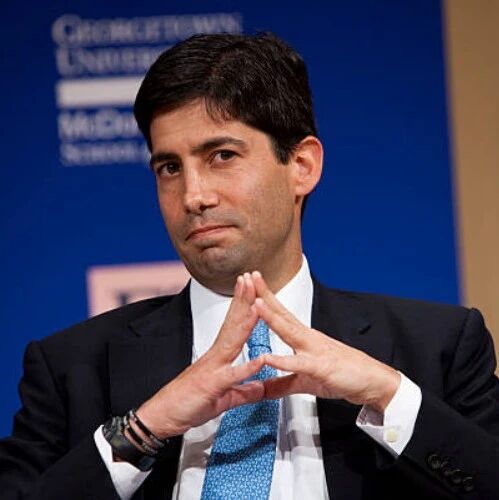
沃什获得提名对美联储意味着什么?
美股IPO· 2026-01-31 01:39
Core Viewpoint - Trump's nomination of Kevin Warsh to replace Powell as the Federal Reserve Chairman indicates an attempt to align monetary policy with his administration's goals, particularly advocating for lower interest rates [1][3]. Group 1: Warsh's Background and Experience - Warsh has a dual background in Wall Street and public service, having served as a Federal Reserve Governor during the 2008 financial crisis and as a member of the Bush administration's economic advisory team [4][5]. - He was the youngest person to be appointed as a Federal Reserve Governor at the age of 35 and has maintained close ties with Trump, providing economic policy advice over the years [5][6]. Group 2: Policy Proposals and Monetary Reform - Warsh has publicly criticized the Federal Reserve's policies, particularly its balance sheet expansion, and has called for comprehensive reforms, including significant reductions in the balance sheet to create room for future interest rate cuts [6][7]. - His previous cautious stance on interest rate cuts has shifted, now advocating for a reduction in rates, aligning with Trump's objectives [6][7]. Group 3: Constraints on Warsh's Influence - As Chairman, Warsh's ability to influence monetary policy will be limited, as decisions require majority support from the Federal Open Market Committee (FOMC), where he only has one vote [7][9]. - Historical precedents show that even respected Chairpersons can face challenges in gaining consensus, which may complicate Warsh's efforts to push for rate cuts [7][9]. Group 4: Independence of the Federal Reserve - The appointment of a Chairman aligned with the President's views does not necessarily end the Federal Reserve's independence, as the dynamics within the FOMC will play a crucial role in determining policy direction [9][10]. - Ongoing legal challenges regarding the dismissal of Fed officials could further impact the independence and decision-making processes within the Federal Reserve [9][10].
华尔街日报:凯文·沃什为何能成为美联储主席
美股IPO· 2026-01-31 01:39
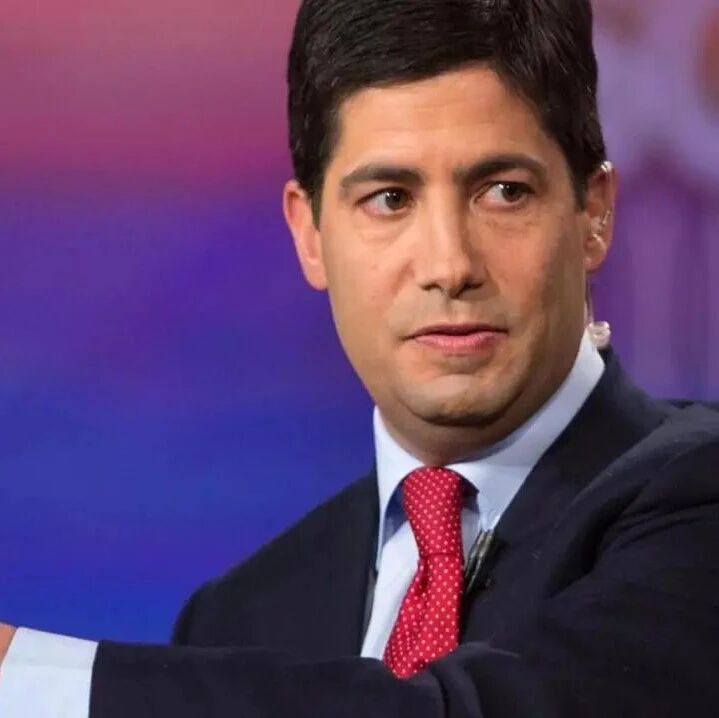
沃什曾在 美联储理事会 任职五年,协助央行应对2008-09年金融危机。自15年前离开美联储以来,他通过文章、演讲和采访,多次强调他 认为美联储在应对危机方面存在的不足。 Kevin Warsh's Long Road to the Fed Chair 特朗普挑选的接替杰罗姆·鲍威尔担任美联储主席的人选,多年来一直在为这份工作做准备。 凯文·沃什为领导美联储已经准备了十多年。 他原以为自己2017年就能得到这份工作,但特朗普总统却心存疑虑。沃什看起来太年轻,而且他过去对通胀的担忧表明,他可能无法像特朗普 希望的那样将利率维持在低位。最终,特朗普选择了杰罗姆·鲍威尔。 沃什坚持不懈——公开批评鲍威尔,与特朗普的圈子建立联系,并大力宣传总统的经济政策。如今,55岁的他终于如愿以偿。特朗普周五上午 宣布,他将提名沃什担任这一职务。 如果获得参议院确认,沃什将接替鲍威尔的职位。鲍威尔因未能大幅降低利率而持续受到总统的抨击。鲍威尔的董事长任期将于五月中旬到期。 由于共和党在参议院拥有53比47的多数席位,沃什的最终任命似乎已成定局,尽管过程可能并非一帆风顺。问题的关键在于司法部对美联储的 调查,鲍威尔和两党议员都认为这 ...
华尔街热门交易集体“翻车”!2026市场给投资者上的第一课:太拥挤的交易有多危险?
美股IPO· 2026-01-31 01:39
在投资者扎堆追逐、散户助推的市场氛围中,本周行情充分展现了市场信念能以多快的速度蒸发殆尽。 周五,美元指数创下5月以来的最大单日涨幅,重创美元空头;新兴市场股市相对美股的表现,也录得5月以来的最差单日表现。市场裂痕其 实在周四早盘已现端倪——金银价格在30分钟内暴跌超7%后虽有所反弹,但颓势已定。 尽管贵金属波动是本周市场的核心主线,但其背后传递出更深远的信号:当交易策略沦为市场共识,即便是微小变化也可能引发超乎预期的 剧烈震荡。 早在价格暴跌前,市场拥挤已现端倪。美国银行1月基金经理调查显示,做多黄金被视为全球市场最拥挤的交易。持续狂热的需求一度将金 价推高至长期趋势线44%以上,溢价水平创下1980年以来新高。 Truist Advisory Services首席市场策略师Keith Lerner对此直言:"市场共识总是正确的——除非走向极端。" 本周,这份市场共识的极限迎来了考验。 周五,美国总统特朗普提名凯文・沃什出任下一届美联储主席,进一步加速了市场抛售。这项虽不意外的人事任命(沃什数日来已是预测市场 热门人选),却加速了既有趋势的转向。这位传统鹰派人物近期转持降息立场,为美联储政策路径平添变数,动 ...
特朗普满意“鲍威尔接班人”:无需白宫施压,沃什自会降息
美股IPO· 2026-01-31 01:39
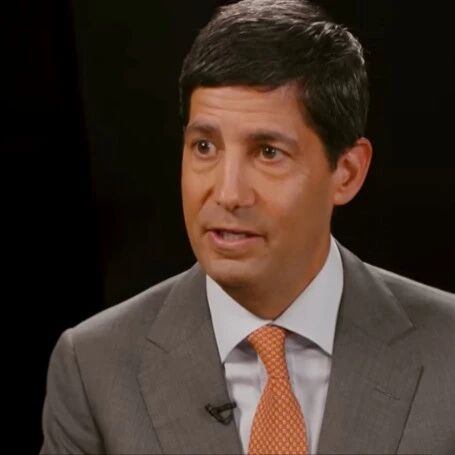
特朗普称,沃什没有向自己承诺降息,但他"当然想降息"。"新美联储通讯社"认为,沃什接替鲍威尔可能是自沃尔克就任以 来美联储最重大的权力交接。自1987年格林斯潘接替沃尔克以来,每位联储主席都强调与前任的延续性。沃什则承诺明确 打破此传统,全面重新思考美联储的资产持有、政策框架、经济角色和与行政部门的关系。 美国总统特朗普看来对他挑选的"鲍威尔接班人"很满意,认为前美联储理事沃什(Kevin Warsh)不需要他施压就会自行降 息。 讽刺的是,在2010年沃什还担任美联储理事时,他曾发表过一篇题为《独立性颂歌》的演讲,专门论述美联储的独立性。 他当时对货币政策专家听众表示:"任何不当影响美联储政策的企图都将遭到美联储官员和市场参与者的强烈反击。" 新主席面临多重挑战 据1月30日周五美股午盘时段的报道,特朗普在白宫的办公室表示,沃什会降低利率,无需白宫施压。特朗普称,沃什没 有向自己承诺降息,但他"当然想降息"。当被问及是否与沃什讨论过此事时,特朗普表示想"保持事情的美好和纯粹"。 周五美股盘前,特朗普在社交媒体宣布,将提名沃什任美联储主席,接替2026年5月任期届满的现任主席鲍威尔。特朗普 自称与沃什相识已久 ...
创有史以来最大跌幅!黄金、白银遭遇“血色星期五” 专业人士:这可能是期权惹的祸
美股IPO· 2026-01-31 01:39
周五,现货黄金日内跌幅曾接近13%、为上世纪80年代初以来四十多年盘中跌幅之最,跌幅超过了2008年金融 危机时。现货白银盘中一度暴跌超35%,创有纪录以来最大跌幅。专业人士认为,是期权市场交易进一步放大了 价格波动。 市场人士指出,本轮黄金急跌背后,可能存在"伽马挤压"效应的推波助澜。所谓伽马挤压,是指期权做市 商在持有大量期权空头头寸时,为保持对冲平衡,需要在价格上涨时买入更多期货或ETF份额,而在价格 下跌时反向卖出,从而加剧行情的顺周期波动。 值得注意的是,期权交易员并未完全撤离市场。GLD与iShares白银ETF(SLV.US)的一个月隐含波动率仍 维持在高位,显示市场对未来价格剧烈波动的预期依旧强烈。 芝加哥期权交易所衍生品市场情报主管Mandy Xu表示,尽管金价当日大幅下跌,期权市场的看涨押注反 而有所增加,GLD的期权偏度进一步倒挂,投资者加码买入看涨期权押注反弹。 COMEX市场上,投资者成交了大约1500笔"年底看涨组合",押注金价未来可能大幅反弹。本周早些时 候,类似的看涨交易更是出现了超过5500手的换手。与此同时,SPDR黄金ETF还出现了一笔规模巨大的 长期交易,有资金在202 ...
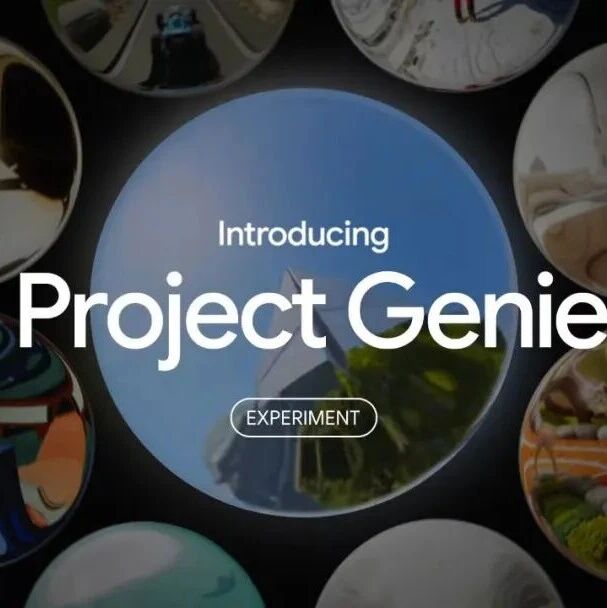
AI颠覆游戏业?谷歌“Project Genie”上线引美股游戏板块全线重挫
美股IPO· 2026-01-31 01:39
Core Viewpoint - The announcement of Google's "Project Genie," an AI prototype capable of generating interactive virtual worlds, has led to significant declines in the stock prices of major gaming companies, raising concerns about potential disruptions in the gaming development industry [1][3]. Group 1: Market Reaction - Major gaming companies experienced substantial stock price drops, with Unity Software falling over 24%, Roblox down approximately 13%, and Take-Two Interactive decreasing nearly 8% [3]. - International gaming companies, including Nexon, CD Projekt, Ubisoft, Nintendo, and Konami, also saw their stock prices affected by the news [3]. Group 2: Project Genie Overview - "Project Genie" allows users to create virtual worlds by describing scenes, characters, and perspectives, and it simulates physics and interactions in real-time [3]. - The prototype is currently available to AI Ultra subscription users in the U.S. and is seen as a potential game-changer for the gaming development model [3]. Group 3: Industry Implications - Concerns exist that if AI can significantly simplify world-building, it may impact the demand for professional game engines like Unreal Engine and Unity Engine [4]. - Platforms like Roblox, which rely on user-generated content, may lose their appeal if users can easily create worlds using AI [4]. - Project Genie could shorten development cycles and reduce costs, as some AAA games currently take five to seven years and cost hundreds of millions to produce [4]. Group 4: Analyst Perspectives - Analysts from Wells Fargo maintain that the introduction of AI tools will accelerate game development, which is a long-term positive for the industry [5]. - Unity's CEO believes that advancements in "world models" will serve as a powerful accelerator for video game creation rather than a threat [5]. - The application of AI in game development is becoming a trend, with nearly 90% of game developers reportedly using AI tools in their work [5].



高盛快评闪迪季报:业绩超过了“本就很高”的预期
美股IPO· 2026-01-30 04:28
高盛称,闪迪业绩不仅跨越了市场的高门槛,更是全面碾压预期。其Q4营收30.3亿美元、毛利率51.1%及EPS 6.2美元均远超华尔街共识。更惊人的是 Q1指引:营收预期高出市场53%,EPS指引更是市场预期的2.4倍。这表明NAND存储行业正经历超预期景气周期,将对美光科技等同类公司产生积极连 带效应。 高盛称,不要被之前的担忧蒙蔽双眼——闪迪不仅跨越了市场的高门槛,更是直接碾压了所有预期。 1月30日,高盛在最新研报中称,尽管在英伟达发布存储控制器公告、行业供需紧张以及价格预期强劲的推动下,SanDisk股价近期已经经历了 大幅上涨,导致市场原本对本次财报的门槛极高,但公司交出的答卷依然令人瞠目结舌。 高盛认为, 无论是刚刚过去的第四季度,还是对未来一季度的指引,数据都不仅仅是"超预期",而是远超(Far Above)华尔街共识。 最终录得 6.20美元。这一数字不仅击败了预期,简直是嘲笑了预期——高盛预测为3.66美元,华尔街预期为3.55美元。实际业绩几乎是市场 预期的两倍。 第一季度指引:颠覆性的增长预期 高盛表示,如果说Q4业绩是"过去式",那么公司给出的Q1指引则直接引爆了投资者的情绪。管理层的展 ...