LI AUTO-W(02015)

Search documents
纳斯达克中国金龙指数涨近2%:理想汽车、禾赛涨超4%
Ge Long Hui A P P· 2026-02-06 14:45
Core Viewpoint - Chinese concept stocks collectively strengthened, with the Nasdaq China Golden Dragon Index rising nearly 2% [1] Group 1: Stock Performance - Zenggu and Bomei Group surged over 9% [1] - NIO and New Oxygen increased by more than 8% [1] - Li Auto, Century Internet, Aihuishou, and Hesai rose over 4% [1] - GDS Holdings, Kingsoft Cloud, Baozun, and Huya gained over 3% [1] - Pony.ai, XPeng Motors, Baidu, and Bilibili climbed over 2% [1] - Alibaba, NetEase, and JD.com saw an increase of over 1% [1]




理想汽车重仓AI,李想回应质疑:70%的时间仍聚焦汽车
Xin Lang Cai Jing· 2026-02-06 14:35
Core Viewpoint - Li Auto is fully committed to embodied intelligence, with the new L9 being its first tangible product. The CEO emphasizes that a good car is essential for creating real value through embodied intelligence [1] Group 1: Company Strategy - Li Auto's CEO, Li Xiang, has dedicated 70% of his time to focusing on automotive development, indicating a strong commitment to integrating AI into their vehicles [1] - The new flagship SUV, the Li Auto L9, is set to officially launch in the second quarter of this year, showcasing the company's efforts to innovate in the automotive sector [1] Group 2: Industry Context - The emphasis on embodied intelligence suggests a trend in the automotive industry towards integrating advanced AI technologies into vehicles, which could redefine user experience and vehicle functionality [1] - Li Auto's approach highlights the importance of combining traditional automotive engineering with cutting-edge AI, positioning the company to potentially lead in this evolving market [1]
智通港股解盘 | AI负面冲击持续显现比特币又爆仓 底部汽车股被资金挖掘
Zhi Tong Cai Jing· 2026-02-06 13:02
Market Overview - US stock indices fell across the board, with December JOLTS job openings hitting a five-year low, significantly below expectations [1] - Challenger companies announced 108,000 layoffs in January, the highest for the same period since 2009, with a month-on-month increase of 205% [1] - Initial jobless claims rose to 231,000, an increase of 22,000 from the previous week, exceeding expectations, indicating a deteriorating economic situation [1] - Hong Kong stocks were also affected, closing down 1.21% [1] Technology Impact - The decline in job openings is partly attributed to advancements in artificial intelligence, such as Anthropic's Claude Opus 4.6, which outperforms GPT-5.2 in various fields [1] - Financial data service providers like FactSet experienced a significant drop of 10% in stock price, with S&P Global, Moody's, and Nasdaq also declining [1] Automotive Sector - NIO (09866) forecasted adjusted operating profit for Q4 2025 between RMB 700 million (approximately $100 million) and RMB 1.2 billion (approximately $172 million), driven by sales growth and improved product mix [3] - Li Auto (02015) is preparing to launch the new Li L9, featuring advanced technology and a price of RMB 559,800, with a market focus on high-end segments [3] - Both NIO and Li Auto showed positive stock performance, with NIO rising nearly 7% and Li Auto increasing by nearly 4% [3] Consumer Goods - The upcoming Spring Festival is boosting sales in the snack sector, with major companies ramping up production to meet demand [4] - Zhongtong Express (02057) projected total revenue for 2025 between RMB 48.5 billion and RMB 50 billion, a growth of approximately 9.5% to 12.9% from 2024 [4] - SF Express (09699) expects a profit of no less than RMB 238 million for 2025, with a year-on-year increase of over 80% [4] Dairy Industry - Dairy prices are at a low point, with a reduction in dairy cow inventory and losses in farms leading to the exit of inefficient production capacity [5] - The price of milk is expected to stabilize and rise by 2026, benefiting upstream farms and downstream dairy companies [5] - Yurun Dairy (09858) and Mengniu Dairy (02319) saw stock increases of over 4% and 3%, respectively [5] Pharmaceutical Sector - Innovent Biologics (09969) announced a positive earnings forecast, expecting revenue of RMB 2.37 billion for 2025, a year-on-year increase of approximately 134% [6] - The company anticipates its first profitable year with a net profit of around RMB 630 million [6] - Federal Pharmaceutical (03933) received approval for a new drug, enhancing its position in the market [6] Oil Market - Reports indicate that Russia has increased discounts on oil exports to China, aiming to attract demand amid declining purchases from India [7] - If India reduces its imports, China may become the primary buyer of discounted Russian oil, benefiting oil refining companies [7] - Major companies in the Hong Kong market include Sinopec (00386) and Shanghai Petrochemical (00338) [7] Duty-Free Market - China Duty Free Group (01880) reported a nearly 20% year-on-year increase in shopping totals at duty-free stores in Hainan since the new policy implementation [8] - The company holds a significant market share in Hainan's duty-free sector, with a strong supply chain and partnerships with over 1,000 luxury brands [9] - The expansion of duty-free shopping in Hainan is expected to enhance the company's growth prospects [9]

新L9能否撑起李想的AI梦?
雷峰网· 2026-02-06 12:36
Core Viewpoint - The new generation of Li Auto L9 is positioned as the industry's first embodied intelligent vehicle, integrating a complete AI technology stack to evolve from a passive tool to an intelligent agent capable of executing complex tasks [2][11]. Group 1: Product Overview - The new Li Auto L9 will enter the product announcement phase and is expected to be priced below 600,000 yuan, with special editions starting above 550,000 yuan [4]. - The L9 features the self-developed "Mach 100" chip, achieving a computing power of nearly 1280 TOPS per chip, totaling 2560 TOPS for the entire vehicle, which is three times the output capability of NVIDIA's Thor [3]. - The L9 combines an 800V fully active suspension system and a "complete" fully steerable chassis, allowing for real-time perception and control, thus creating a closed-loop system between the vehicle's decision-making and physical actions [3][14]. Group 2: AI and Technology Integration - Li Auto has transitioned to a fully self-developed AI model, with a focus on integrating various systems such as assisted driving, cabin interaction, and vehicle control into a unified architecture [12][13]. - The 800V fully active suspension system allows for independent wheel response and real-time adjustments, enhancing both stability and comfort [14]. - The "complete" fully steerable chassis is described as the vehicle's "nervous system," enabling intuitive responses and improving performance in L3 and above autonomous driving scenarios [14][15]. Group 3: Organizational Changes - Li Auto has undergone a significant organizational restructuring to align with its AI-driven strategy, emphasizing the importance of AI across all levels of the company [17][22]. - The company has shifted from a sales-focused management model to one that prioritizes user experience and AI capabilities, reflecting a commitment to becoming a leading AI company [22][23]. - The restructuring has led to the establishment of cross-functional teams focused on various aspects of AI technology, ensuring that technical capabilities are directly reflected in product development [23]. Group 4: Market Positioning - The L9 aims to regain market advantages with its unique configurations, such as the 800V fully active suspension and fully steerable chassis, which are not yet adopted by competitors [15]. - The vehicle's launch marks a significant step in Li Auto's strategy to position itself as a leader in embodied intelligence within the automotive industry [24].

一新股,暗盘大涨39.21%!
Zhong Guo Ji Jin Bao· 2026-02-06 11:21
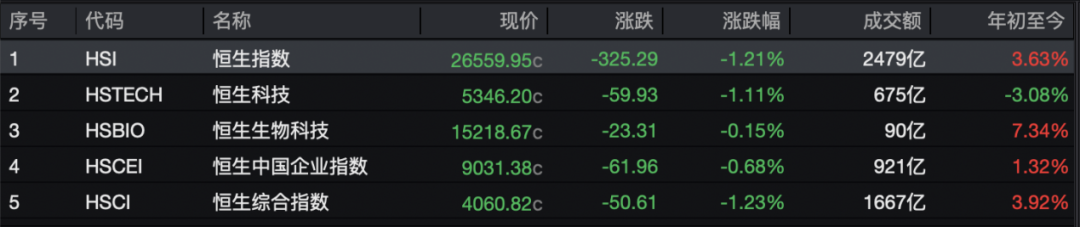
Group 1: Market Overview - The Hong Kong stock market experienced a collective decline on February 6, with the Hang Seng Index falling by 1.21% to 26,559.95 points, and the Hang Seng Technology Index decreasing by 1.11% to 5,346.20 points [1][2] - The total market turnover for the day was HKD 247.9 billion, with net inflows from southbound funds amounting to HKD 14.859 billion, and a cumulative net purchase of HKD 56.069 billion for the week [1] Group 2: Company Performance - The stock of 澜起科技 (Lianqi Technology) surged by 39.21% in dark trading, reaching HKD 148.9 per share ahead of its listing on the Hong Kong stock market on February 9 [9][13] - 澜起科技 is a leading international company in data processing and interconnect chip design, focusing on high-performance, low-power chip solutions for cloud computing and data centers [13] Group 3: Sector Movements - The beverage sector saw gains, with 茶百道 (Cha Bai Dao) rising by 6.08%, 古茗 (Gu Ming) increasing by 3.58%, and 沪上阿姨 (Hu Shang A Yi) up by 1.15%, driven by a promotional campaign from Alibaba's 千问App [3] - The lithium battery sector also performed well, with 彩客新能源 (Cai Ke New Energy) increasing by 6.59% and 中创新航 (Zhong Chuang Xin Hang) rising by 5.57%, attributed to strong demand in the new materials sector [5][7] - In the automotive sector, 蔚来 (NIO) saw a rise of 6.95%, with other companies like 零跑汽车 (Leap Motor) and 理想汽车 (Li Auto) also experiencing gains [8] Group 4: Analyst Insights - UBS has indicated that the Asian market is expected to enter a "super cycle," driven by multiple factors that could lead to long-term growth and profitability, particularly in the technology sector [14]




港股收评:集体下跌!恒指跌1.21%,锂电池股逆市上升
Ge Long Hui· 2026-02-06 09:01
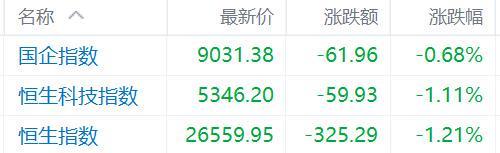
Market Overview - The Hong Kong stock market indices collectively declined, with the Hang Seng Index falling by 1.21%, the Hang Seng Tech Index down by 1.11%, and the Hang Seng China Enterprises Index decreasing by 0.68% [1] - Southbound funds recorded a net inflow of HKD 14.859 billion [11] Sector Performance - The lithium battery sector saw gains, with Cai Ke New Energy rising over 6%, and other companies like Zhong Chuang Innovation and Ganfeng Lithium also experiencing increases [4][7] - The oil and gas production sector performed well, with Yuanheng Gas surging over 27% and other companies like Jintai Feng International and United Energy Group rising over 7% [5][6] - The automotive sector continued to rise, with NIO increasing nearly 7%, and other companies like Li Auto and BYD also showing positive performance [7] Major Companies - Alibaba, Meituan, Kuaishou, NetEase, and Baidu all experienced declines of over 2%, while Tencent, JD.com, and Ctrip fell over 1% [2][3] - In contrast, Li Auto saw an increase of over 3%, and Xiaomi Group rose slightly by less than 1% [2][3] Cryptocurrency Market - The cryptocurrency sector faced significant declines, with Bitcoin dropping to around USD 64,000 [8] - Companies in the cryptocurrency space, such as New Fire Technology Holdings and Guofu Quantum, saw declines of over 7% and nearly 6%, respectively [8] Insurance Sector - The insurance sector experienced downturns, with AIA falling over 5%, Prudential down over 4%, and other companies like China Pacific Insurance and Zhong An Online also declining [9] Copper Industry - The copper sector faced declines, with China Metal Utilization dropping over 12% and other companies like China Nonferrous Metals and Minmetals Resources also experiencing losses [10] - Analysts predict that basic metals will maintain an upward trend this year, with copper, tin, and aluminum prices expected to rise by 20%, 16%, and 12% respectively by 2025 [10][11]





港股收盘(02.06) | 恒指收跌1.21% 科网股悉数承压 蔚来-SW(09866)盈喜后涨近7%
智通财经网· 2026-02-06 08:53
Market Overview - The Hong Kong stock market experienced fluctuations, with the Hang Seng Index closing down 1.21% at 26,559.95 points, with a total trading volume of 247.87 billion HKD. The Hang Seng China Enterprises Index fell 0.68% to 9,031.38 points, while the Hang Seng Tech Index decreased by 1.11% to 5,346.2 points. For the week, the Hang Seng Index dropped 3.02%, the China Enterprises Index fell 3.07%, and the Tech Index declined 6.51% [1] Blue-Chip Stocks Performance - Li Auto-W (02015) led the blue-chip stocks, rising 3.61% to 71.7 HKD, contributing 5.63 points to the Hang Seng Index. The CEO of Li Auto announced the launch of a new model, the Li L9 Livis version, priced at 559,800 RMB, featuring self-developed chips and enhanced intelligence [2] - Other notable blue-chip performances included Mengniu Dairy (02319) up 3.03% to 17.67 HKD, contributing 2.61 points, and PetroChina (00857) up 1.98% to 9.28 HKD, contributing 6.12 points. However, AIA Group (01299) fell 5.54% to 83.5 HKD, dragging down the index by 82.99 points, and Alibaba-W (09988) dropped 2.88% to 155 HKD, contributing a decline of 61.6 points [2] Sector Highlights - The electric vehicle sector showed strong performance, with NIO-SW (09866) rising 6.95% to 39.1 HKD, and Li Auto-W (02015) also performing well. NIO is expected to report its first quarterly adjusted operating profit in Q4 2025, estimated between 700 million RMB (approximately 100 million USD) and 1.2 billion RMB (approximately 172 million USD) [3] - The tea beverage sector saw gains, with Cha Bai Dao (02555) up 6.08% to 6.8 HKD, driven by Alibaba's promotional campaign for tea drinks [4] - Oil and gas stocks were active, with Shandong Molong (00568) rising 6.02% to 4.05 HKD, while gold stocks experienced a slight decline [4] Cryptocurrency Market - Cryptocurrency ETFs and related stocks faced significant declines, with the BoShi Bitcoin ETF (03008) down 7.98% to 4.992 HKD. Bitcoin futures experienced volatility, dropping below 60,000 USD before recovering to above 64,000 USD [6] - The overall market sentiment for cryptocurrencies weakened, influenced by a reassessment of asset valuations and external factors such as the performance of tech stocks and rising gold prices [6] New Listings - Three new stocks debuted on the Hong Kong market, with Zhuozheng Medical (02677) rising 13.36% to 67.9 HKD, Dazhu CNC (03200) up 14.82% to 110 HKD, and Muyuan Foods (02714) increasing by 3.9% to 40.52 HKD [7] - Long Resources (01712) reached a new high, surging 45.68% to 11.29 HKD, with expected net profit for the fiscal year ending December 31, 2025, projected between 58 million AUD and 62 million AUD, significantly higher than the previous year's profit [8]
港股收评:恒指跌1.21%、科指跌1.11%,黄金、加密货币及AI应用股普跌,科网股走势分化,新能源车股普涨
Jin Rong Jie· 2026-02-06 08:28
Market Overview - The Hong Kong stock market experienced a significant decline on February 6, with the Hang Seng Index falling by 1.21% to 26,559.95 points, the Hang Seng Tech Index down 1.11% to 5,346.2 points, and the National Enterprises Index decreasing by 0.68% to 9,031.38 points [1] - Major technology stocks mostly declined, with Alibaba down 2.88%, Tencent down 1.97%, and JD Group down 1.75%. In contrast, NIO saw an increase of nearly 7% [1] Individual Stock Performance - West China Cement (02233) continued to decline, dropping nearly 10%, with a cumulative drop of over 22% for the month. The company announced a $300 million issuance of 10.5% senior notes due in 2029 to manage existing debt [2] - Yujian Xiaomian (02408) rose over 4%, with a year-to-date increase of over 20%, supported by a share buyback announcement [2] - Nobikang (02635) reached a new high, increasing over 9% to 514.5 HKD, driven by its focus on AI technology and significant applications in various sectors [2] - Colorful New Energy (01986) saw its stock rise over 5% after announcing a profit forecast of at least 25 million RMB for the year ending December 31, 2025, a significant improvement from a loss the previous year [3] Institutional Ratings - Morgan Stanley expressed optimism about NetEase (09999), citing its attractive valuation with a current P/E ratio of 13 times, which is a 25% discount compared to its five-year average. The target price is set at 295 HKD [5] - Guohai Securities is optimistic about Leap Motor (09863), projecting revenues of 66.27 billion, 104.12 billion, and 135.41 billion RMB for 2025-2027, with significant profit growth expected [6] - Morgan Stanley also favored Laoputang Gold (06181), extending its valuation period to December 2026 and maintaining a target price of 1,296 HKD, citing potential short-term catalysts [6] Industry Insights - The macro strategy department of Bosera Fund noted that the Hong Kong stock market is currently influenced by liquidity benefits and fundamental uncertainties, with the improvement of price levels in 2026 being a key variable for market direction [8] - The fund manager of the Rongtong CSI Hong Kong Stock Connect Technology Index highlighted the potential for valuation recovery in the Hong Kong tech sector, driven by technological breakthroughs and sustained inflows of southbound capital [9]

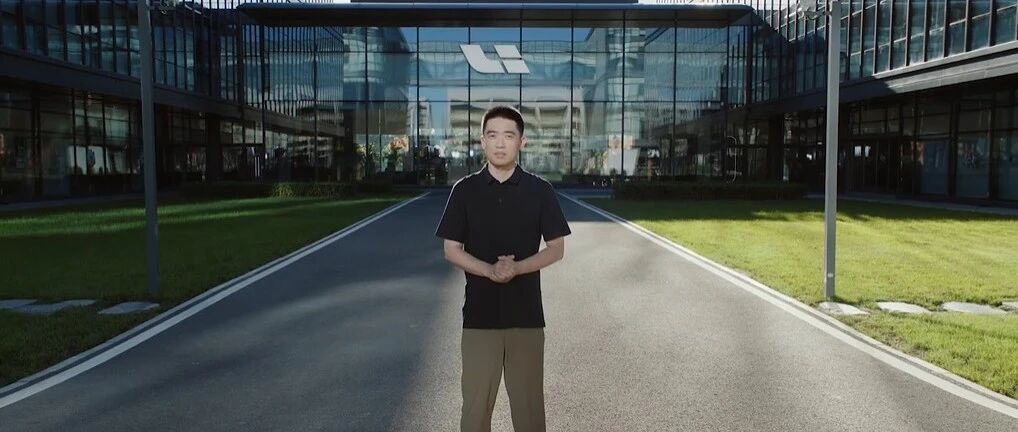
李想B站详细阐述26款L9为什么是具身智能汽车(含文字版)
理想TOP2· 2026-02-06 05:37
Core Viewpoint - The new Li Auto L9 represents a significant advancement in embodied intelligence, with a complete overhaul of perception and cognitive processes, transitioning from 2D ViT to 3D ViT technology [1][2]. Group 1: Technological Advancements - The traditional 2D ViT lacks the ability to truly understand the physical world, while the new 3D ViT allows for human-like perception [2]. - The L9 utilizes a self-developed chip, which significantly enhances computational power, being over three times more powerful than previous chips [3]. - The architecture of the new chip allows for flexible computation, enabling the implementation of 3D ViT through a powerful compilation team [3]. Group 2: Control Systems and Performance - The L9 introduces a fully steer-by-wire system, including electric mechanical brakes and four-wheel steering, which enhances response speed and safety [4][5]. - The new active suspension system, powered by four independent motors, combines comfort, handling, and stability, breaking the traditional trade-offs in automotive design [5]. Group 3: Future of Automotive Industry - The competition in the mid-to-high-end automotive market over the next 3 to 5 years will center around embodied intelligence, similar to the evolution from feature phones to smartphones [7]. - The core barriers in the automotive industry will be determined by the integration of chips and models, emphasizing the importance of co-design [7][8]. - The company has been designing its own chips since 2022 and developing foundational models since 2023, anticipating that consumers will recognize the value of these investments through their experience with the L9 [8].

异动盘点0206 | 茶饮股震荡走高,龙资源涨超35%;加密货币概念股大幅走弱,明星科技股普跌
贝塔投资智库· 2026-02-06 04:20
Group 1 - Lee & Man Paper (02314) has seen its stock price rise by over 30% year-to-date, with expected profits of approximately HKD 1.88 billion to HKD 2.00 billion in 2025, representing a year-on-year growth of 38% to 47% due to increased marginal profits [1] - Soundon Technology (02495) shares rose over 8.8% after winning a contract worth nearly RMB 300 million for an AI project in Sichuan province [1] - Zhongxin Innovation (03931) stock increased by over 3.8%, with a reported 630% year-on-year growth in commercial battery deliveries in January 2026, indicating a strong market strategy and capacity layout [1] Group 2 - Tea stocks experienced a rise, with Gu Ming (01364) up 4.12%, Cha Bai Dao (02555) up 3.74%, and others benefiting from a promotional campaign offering free milk tea at over 300,000 stores nationwide [2] - Innovent Biologics (09969) shares surged over 11% after announcing expected revenues of RMB 2.37 billion in 2025, a 134% increase, and a projected net profit of around RMB 630 million [2] - Jun Da Holdings (02865) rebounded over 4.6% following news of the U.S. Federal Communications Commission accepting SpaceX's data center application [2] Group 3 - Li Auto-W (02015) shares rose over 5.3% as the CEO teased the new Li L9 model, emphasizing the importance of AI in enhancing vehicle value [3] - JX International Resources (03858) saw a stock increase of over 4.6% as tungsten prices reached a recent high of CNY 1,545,000 per ton, up CNY 25,000 from the previous trading day [3] - Nine Dragons Paper (02689) shares increased by over 5.7% after announcing a profit forecast for FY26H1 of CNY 2.15 billion to CNY 2.25 billion, a year-on-year growth of 216% to 231% [3] Group 4 - Long Resources (01712) stock surged over 35%, reaching a historical high, with expected after-tax profits of AUD 58 million to AUD 62 million for the year ending December 31, 2025, a significant increase from AUD 12.9 million in the previous year [4] Group 5 - Forgent Power Solutions (FPS.US) debuted on the U.S. stock market with a closing increase of 7.41%, focusing on power solutions for data centers [5] - Bob's Discount Furniture (BOBS.US) also entered the market, with a slight increase of 0.12%, managing 206 showrooms across 26 states and projecting revenues of USD 2.32 billion for FY2025 [5] Group 6 - Eikon Therapeutics (EIKN.US) fell over 16.67% on its Nasdaq debut, focusing on cancer therapies with a candidate drug in mid-stage trials [6] - Cryptocurrency stocks saw significant declines, with Hut 8 (HUT.US) down 17.89% and others following suit amid a Bitcoin sell-off, which dropped nearly 10% [6] Group 7 - Major U.S. indices opened lower, with the Nasdaq down 1.6%, and notable tech stocks like Amazon (AMZN.US) and Tesla (TSLA.US) also declining [7] - Estée Lauder (EL.US) dropped nearly 19.19% despite meeting sales expectations, reflecting market volatility [7] Group 8 - NIO (NIO.US) shares rose 5.86% after announcing an expected adjusted operating profit of between RMB 700 million and RMB 1.2 billion for Q4 2025, marking its first quarterly adjusted operating profit [8] - Hims & Hers Health (HIMS.US) initially surged nearly 14% before closing down 3.77%, launching a new generic medication at a competitive price [9] - Qualcomm (QCOM.US) fell 8.46% amid concerns over weak earnings forecasts related to chip shortages affecting smartphone demand [9]