
CHANGAN AUTOMOBILE-B(000625)

Search documents
独家丨叶沛分管海外业务,长安汽车全球化进程提速
雷峰网· 2025-11-25 13:22
Group 1 - The article discusses the recent personnel changes at Changan Mazda, highlighting the appointment of Wang Xiaoling as the new Executive Vice President, succeeding Deng Zhitao, who will now lead Changan's Southeast Asia division [2] - Deng Zhitao previously held the position since September 2022, focusing on strategic planning and the transition to new energy, achieving over 220,000 annual sales for Changan Oshan during his tenure [2][3] - Wang Hui, the former head of Changan's overseas business, has transitioned to become the Chairman of Avita Technology, indicating a shift in leadership within Changan's global strategy [2][3] Group 2 - Ye Pei, who has extensive experience within the Changan system, has taken over the overseas business, reflecting Changan's commitment to enhancing its global strategy [5] - Ye Pei's career spans various key areas including brand, product, operations, and technology, and he has held multiple significant positions within Changan, indicating his deep involvement in core business decisions [5] - Changan's factory in Thailand, which began operations in May 2023, represents a significant investment of approximately 10 billion Thai Baht (around 2.2 billion RMB), with an initial capacity of 100,000 vehicles per year, set to double with future expansions [5] Group 3 - Changan has established nine factories overseas through various operational models, and its overseas sales reached 58,000 units in the first ten months of the year, marking a 25% year-on-year increase [6] - Cumulatively, overseas sales for the year have reached 523,000 units, accounting for over 22% of Changan's total sales, indicating a rapid acceleration in its globalization efforts [6]


国泰海通|汽车:广州国际车展召开,机器人成“新主角”
国泰海通证券研究· 2025-11-25 13:04
Core Insights - The 2025 Guangzhou International Auto Show opened on November 21, focusing on the latest achievements in electrification and intelligence, showcasing 1,085 vehicles, of which 629 are new energy vehicles, accounting for 58% of the total [2][4] - The event highlighted the emergence of humanoid robots as a new focal point, with companies like Xpeng, Changan, and GAC demonstrating their latest advancements in embodied intelligence [2][4] Group 1: Electric and Intelligent Vehicles - The auto show featured multiple new energy models, including Xpeng's first super-range model X9, which was launched on November 20, priced between 309,800 and 329,800 yuan, equipped with a 1.5T range extender system and a 63.3 kWh battery, offering a pure electric range of 452 km and a comprehensive range exceeding 1,600 km [3][4] - Leap Motor showcased its ABCD series, with the A10 model making its debut, designed with a focus on "technological natural aesthetics 2.0," featuring a body length exceeding 4,200 mm and a wheelbase over 2,600 mm, with a space utilization rate of 88.1% [3][4] Group 2: Robotics and Future Technologies - Xpeng introduced the humanoid robot IRON, designed with a "skeleton-muscle-skin" structure, featuring an AI chip with a computing power of 2,250 TOPS and a solid-state battery, with plans for mass production by the end of 2026 [2][4] - Changan plans to release its first vehicle-mounted robot by 2026, focusing on four scenarios: factory, store, home, and special applications, while GAC Group unveiled its fourth-generation GoMate Mini humanoid robot, expected to be mass-produced by 2027 [2][4] Group 3: Industry Trends - The concentration of new energy vehicles and cutting-edge technologies like humanoid robots and flying cars at the auto show reflects the ongoing commitment of automakers to electrification and intelligence [4] - As the industry moves towards standardization and high-quality development, the competitive focus is shifting towards product definition, technological self-research, and systematic capabilities [4]



长安汽车接盘北京现代重庆工厂,将生产深蓝汽车
Guan Cha Zhe Wang· 2025-11-25 12:35
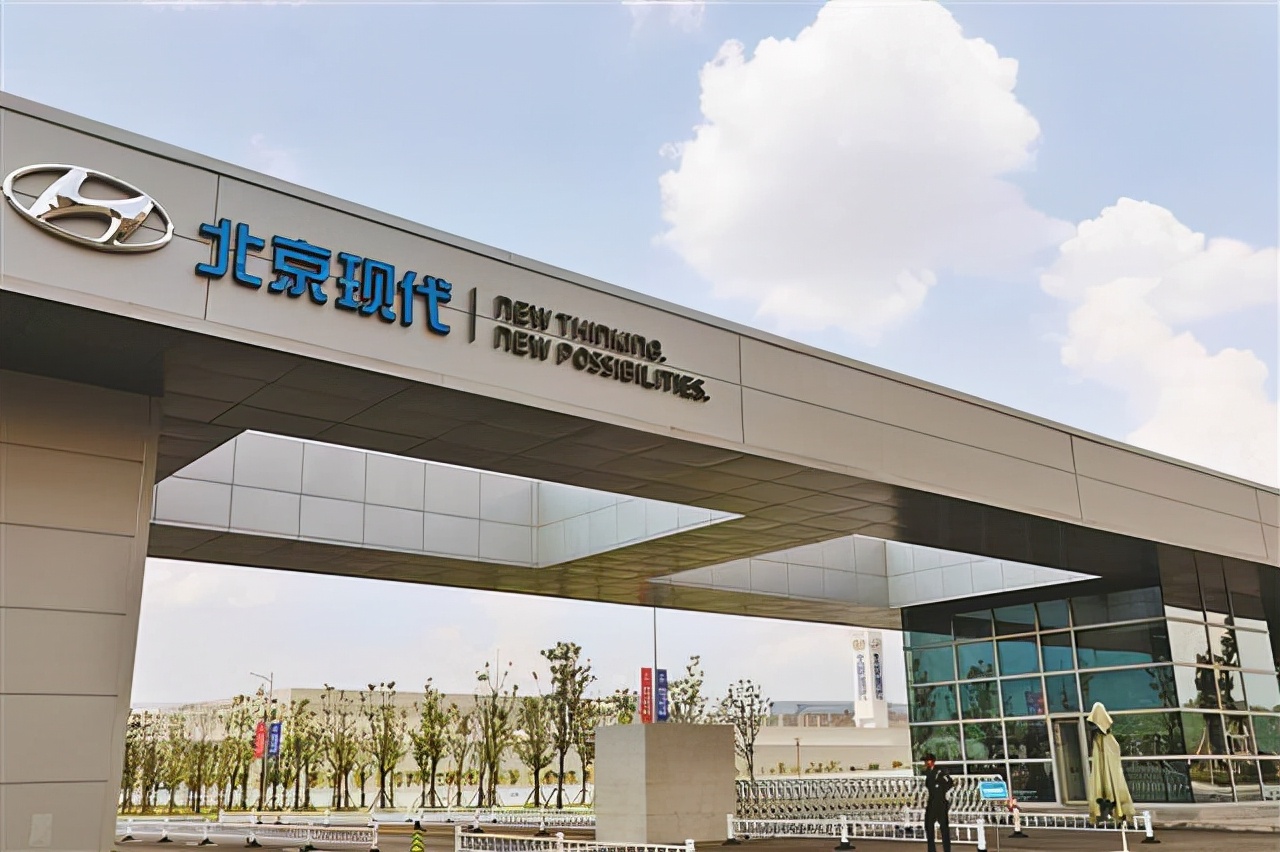
Core Viewpoint - The Beijing Hyundai Chongqing plant has been taken over by Changan Automobile, which will produce the Deep Blue brand of vehicles in the future [1][2]. Group 1: Company Overview - The Beijing Hyundai Chongqing plant was established in 2017 with a total investment of 7.75 billion yuan and a designed production capacity of 300,000 vehicles [1]. - The plant's production included models such as Reina, Fista, and ix25, contributing to a total planned annual production capacity of 1.65 million vehicles across all Beijing Hyundai facilities [1]. Group 2: Market Performance - After reaching a record annual sales of 1.12 million vehicles in 2014, Beijing Hyundai's sales began to decline due to increased competition from Japanese and German brands, as well as rising domestic brands [2]. - Sales dropped to 1.06 million in 2015, falling below 1 million for the first time in 2017, and continued to decline, with sales dropping below 500,000 in 2020 and below 300,000 in 2022 [2]. Group 3: Plant Status and Transition - The Chongqing plant was forced to cease operations by the end of 2021 and was put up for sale multiple times, eventually selling for 1.62 billion yuan at the end of 2023 [2][4]. - Prior to the Chongqing plant's closure, other Beijing Hyundai plants had also ceased operations, with the first two plants in Beijing already transferred to other companies [4]. Group 4: New Developments - Deep Blue, a mid-to-high-end electric vehicle brand under Changan Automobile, has seen significant growth, with sales exceeding 260,000 units from January to October 2023, marking a 57.1% year-on-year increase [4]. - The Chongqing plant is considered a suitable site for Deep Blue's production expansion due to its proximity to Changan's headquarters and increasing market demand [4].
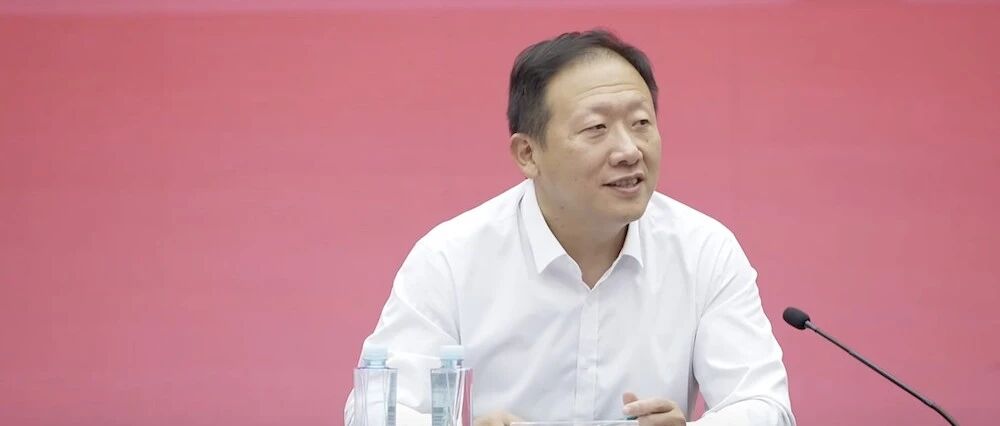
邓承浩:深蓝智能驾驶布局坚持合作和自研“两条腿”走路
Xin Jing Bao· 2025-11-25 12:07
Core Viewpoint - Deep Blue Automotive is adopting a dual approach in its intelligent driving strategy, utilizing both Huawei's solutions and self-developed systems to cater to different user demographics and software architecture needs [1][2]. Group 1: Intelligent Driving Strategy - Deep Blue Automotive's chairman emphasizes the importance of choosing between Huawei's intelligent driving system and self-developed solutions based on user demographics and software architecture considerations [2]. - The company aims for long-term over-the-air (OTA) updates to enhance the chosen intelligent driving assistance system [2]. Group 2: Product Definition - The definition of products at Deep Blue Automotive is driven by consumer needs and usage scenarios, focusing on technology and sports attributes to appeal to young users [3]. - Future products will emphasize smart technology and driving enjoyment as core elements [3]. Group 3: Range Extender Technology - The chairman asserts that range extender technology is not a transitional or outdated technology, highlighting its practical applications and the company's commitment to hydrogen fuel as a future extension of this technology [4]. - There is a growing understanding among Chinese consumers regarding their electric vehicle usage scenarios, indicating a maturation of the electric vehicle market [4]. - The company anticipates a continued market for fuel vehicles alongside range extenders and plug-in hybrids in the coming years [4]. Group 4: Market Outlook - The chairman predicts that the end of the purchase tax exemption may not significantly impact sales this year, but could present more opportunities next year [5]. - The competitive landscape for fuel vehicles remains strong, as many users still require fuel vehicles based on their specific usage scenarios [6].
11月25日深证国企股东回报(970064)指数涨0.73%,成份股中材科技(002080)领涨
Sou Hu Cai Jing· 2025-11-25 11:01
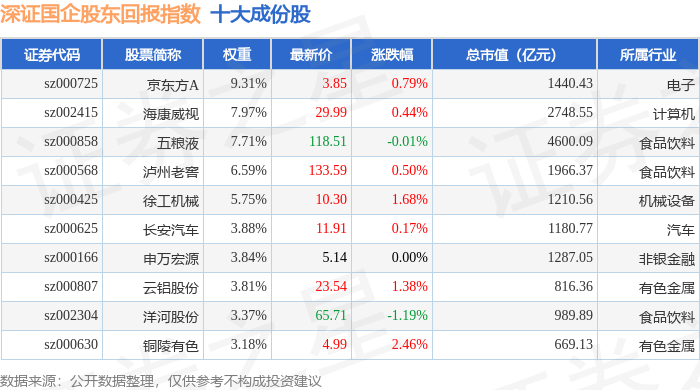
Core Points - The Shenzhen State-Owned Enterprises Shareholder Return Index (970064) closed at 1612.77 points, up 0.73%, with a trading volume of 20.124 billion yuan and a turnover rate of 0.78% [1] - Among the index constituents, 33 stocks rose, with China National Materials Technology leading at a 10.01% increase, while 12 stocks fell, with CITIC Special Steel leading the decline at 2.97% [1] Index Constituents Summary - The top ten constituents of the Shenzhen State-Owned Enterprises Shareholder Return Index include: - BOE Technology Group (sz000725) with a weight of 9.31%, latest price at 3.85, and a market cap of 144.043 billion yuan [1] - Hikvision (sz002415) with a weight of 7.97%, latest price at 29.99, and a market cap of 274.855 billion yuan [1] - Wuliangye Yibin (sz000858) with a weight of 7.71%, latest price at 118.51, and a market cap of 460.009 billion yuan [1] - Luzhou Laojiao (sz000568) with a weight of 6.59%, latest price at 133.59, and a market cap of 196.637 billion yuan [1] - XCMG Machinery (sz000425) with a weight of 5.75%, latest price at 10.30, and a market cap of 121.056 billion yuan [1] - Changan Automobile (sz000625) with a weight of 3.88%, latest price at 11.91, and a market cap of 118.077 billion yuan [1] - Shenwan Hongyuan (sz000166) with a weight of 3.84%, latest price at 5.14, and a market cap of 128.705 billion yuan [1] - Yunnan Aluminum (sz000807) with a weight of 3.81%, latest price at 23.54, and a market cap of 81.636 billion yuan [1] - Yanghe Brewery (sz002304) with a weight of 3.37%, latest price at 65.71, and a market cap of 68.686 billion yuan [1] - Tongling Nonferrous Metals (sz000630) with a weight of 3.18%, latest price at 6.67, and a market cap of 66.913 billion yuan [1] Capital Flow Summary - The net inflow of main funds into the index constituents totaled 425 million yuan, while retail funds saw a net outflow of 319 million yuan [3] - Key stocks with significant capital flow include: - China National Materials Technology with a net inflow of 210 million yuan from main funds [3] - Luzhou Laojiao with a net inflow of 91.542 million yuan from main funds [3] - Tongling Nonferrous Metals with a net inflow of 60.685 million yuan from main funds [3]



搭载“五恒”大健康座舱,别克至境世家亮相
Guan Cha Zhe Wang· 2025-11-25 09:05
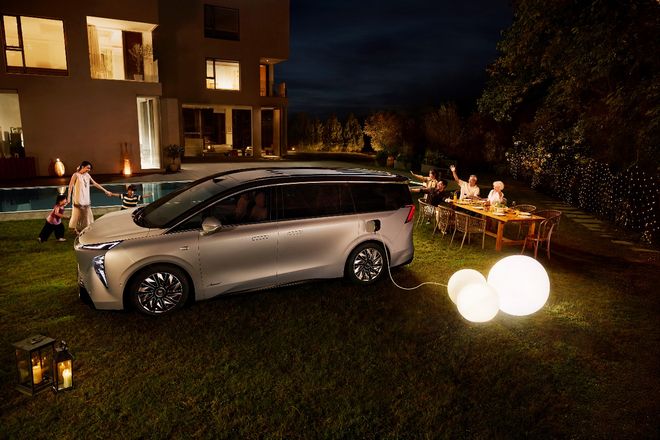
Core Viewpoint - Buick's new flagship MPV, the "至境世家" (Zhijing Shijia), was unveiled at the 23rd Guangzhou Auto Show, featuring a "Five Constants" health cabin and set to launch on December 5 [1][3][5] Group 1: Product Features - The vehicle dimensions are 5260mm in length, 2023mm in width, and 1820mm in height, with a wheelbase of 3160mm [1] - The design is inspired by private jets, featuring a low drag coefficient of 0.258Cd and a premium 12-layer two-tone paint process [1] - The cabin length exceeds 3.6 meters and height exceeds 1.3 meters, with an 80% utilization of width [3] - It includes a unique zero-gravity seat in the second row that adapts to passenger positions for maximum comfort [3] - The trunk space ranges from 630L to 2056L, accommodating multiple pieces of luggage [3] Group 2: Technology and Performance - The vehicle is equipped with the Qualcomm SA8775P chip, providing AI computing power of 72 TOPS and features an 8-screen digital interface [5] - It utilizes a dual-motor hybrid system, delivering 775N·m of torque and achieving 0-100 km/h in just 5.8 seconds [5] - The electric range is 224 km under CLTC standards, with fast charging capabilities [5] - Advanced driver assistance systems include "无断点" (no interruption) city NOA and "不停车一键泊入" (one-click parking without stopping) [5] Group 3: Strategic Vision - Buick's high-end electric sub-brand "至境" was announced in April, with plans to launch six new models based on the "逍遥" (Xiaoyao) architecture by April next year [7] - The company aims for 50% of its new energy vehicle sales to come from this segment by 2026, increasing to 60% by 2027, with a focus on profitability [7]
兵装重组概念下跌0.36%,主力资金净流出6股
Zheng Quan Shi Bao Wang· 2025-11-25 09:05
Group 1 - The military equipment restructuring concept declined by 0.36%, ranking among the top declines in the concept sector, with companies like Hunan Tianyan, Construction Industry, and Dong'an Power experiencing significant drops [1] - Among the military equipment restructuring concept stocks, only two saw price increases, with Huachuang Technology and Changan Automobile rising by 0.67% and 0.17% respectively [1] - The F5G concept led the gains today with an increase of 4.52%, while the military equipment restructuring concept was among the sectors with the largest decline [2] Group 2 - The military equipment restructuring concept experienced a net outflow of 606 million yuan in main funds today, with six stocks seeing net outflows, led by Changcheng Military Industry with a net outflow of 513 million yuan [2] - Other notable net outflows included Changan Automobile, Construction Industry, and Hunan Tianyan, with net outflows of 56.78 million yuan, 26.31 million yuan, and 10.58 million yuan respectively [2] - The trading data for the military equipment restructuring concept shows that Changcheng Military Industry had a trading rate of 17.21% and a price drop of 0.23% [2]


Changan Makes Official Debut at São Paulo Auto Show, Launches Brand in Brazil
Globenewswire· 2025-11-25 08:45
Core Insights - Changan Automobile officially launched its brand in Brazil at the São Paulo Auto Show, marking its entry into one of the world's largest automotive markets [1] - The company signed a cooperation agreement with CAOA to enhance its presence and deliver quality products and services to Brazilian consumers [1] Group 1: Brand Launch and Partnerships - Changan's debut in Brazil features the AVATR brand, which emphasizes "Emotive Luxury" and showcases innovative design and technology [3] - The partnership with CAOA involves a full-value chain collaboration, including R&D and after-sales services, to better cater to local consumer needs [4] - Brazilian supermodel Gisele Bündchen was announced as the brand ambassador, highlighting the collaboration's potential to enhance the driving experience for consumers [5] Group 2: R&D and Local Operations - Joint R&D efforts have been ongoing for over two years, involving more than 300 engineers from both China and Brazil [4] - The company has deployed over 100 test vehicles, accumulating over 1 million kilometers of test mileage to validate product performance [4] - Changan aims to advance localized R&D, manufacturing, and service operations in Brazil as part of its "Vast Ocean Plan" for global expansion [6] Group 3: Government Engagement - Brazilian President Luiz Inacio Lula da Silva visited Changan's booth at the Auto Show, expressing admiration for the vehicles' design and technology [6] - Lula acknowledged China's advancements in automotive manufacturing and conveyed high expectations for Changan's future in Brazil [6]
汽车行业年度策略:破局内卷提质转型,智能网联领航升级
Zhongyuan Securities· 2025-11-25 07:53
Market Overview - The automotive industry index increased by 14.79% as of November 21, 2025, outperforming the Shanghai Composite Index and CSI 300 Index by 0.38 percentage points and 1.61 percentage points respectively [11][12] - The automotive sector's performance was strong in the first half of 2025 but became more aligned with the broader market in the second half [11][12] - The majority of sub-sectors showed positive growth, with motorcycles and other segments leading the gains [17][18] Financial Performance - The automotive industry achieved a revenue of CNY 36,976.27 billion in 2024, a year-on-year increase of 3.35%, and a net profit of CNY 1,363.61 billion, up 9.98% [30] - In the first three quarters of 2025, the industry reported revenues of CNY 28,712.84 billion, reflecting a 10.73% year-on-year growth, and a net profit of CNY 1,165.36 billion, up 10.72% [30][31] - The industry’s gross margin was 15.83% in the first three quarters of 2025, a slight decline from the previous year, while the net margin improved to 4.29% [33] Passenger Vehicle Segment - The passenger vehicle market is expected to reach record sales in 2025, driven by policy support and increased penetration of new energy vehicles (NEVs) [43] - NEV retail sales reached 10.15 million units from January to October 2025, a year-on-year increase of 21.9%, with a market share of 52.73% [45][50] - The market structure is shifting towards domestic brands, which captured nearly 70% of the market share by September 2025, while foreign brands are losing ground [50][51] Commercial Vehicle Segment - The commercial vehicle market showed signs of recovery in 2025, with production and sales increasing by nearly 10% year-on-year in the first three quarters [5] - The growth in the commercial vehicle sector is driven by policies promoting vehicle replacements and the rising sales of new energy commercial vehicles [5][6] Automotive Parts Sector - The national strategy emphasizes "intelligent and connected" technologies as the main axis for upgrading the automotive industry [5] - The penetration of advanced driver-assistance systems (ADAS) is expected to drive market expansion and domestic substitution in core hardware [5][6] Investment Recommendations - The report maintains a "stronger than market" rating for the automotive sector, recommending key companies in the passenger vehicle segment such as BYD, Changan Automobile, and Great Wall Motors [6] - In the commercial vehicle segment, Yutong Bus is recommended, along with a focus on China National Heavy Duty Truck [6] - For the automotive parts sector, companies like Feilong Co., Top Group, and Desay SV are highlighted as potential investment opportunities [6]




智能网联新能源汽车产业专题对接活动在渝举办
Zhong Guo Xin Wen Wang· 2025-11-25 06:25
中新网重庆11月25日电 (梁钦卿)以"智联新生态·绿色新动能"为主题的智能网联新能源汽车产业专题对 接活动25日在重庆举行。本次活动汇聚来自政府机构、行业协会、国内外知名企业及产业链各环节代表 约300人,共同擘画中国智能网联新能源汽车产业高质量发展的新蓝图。 本次专题对接活动搭建了政、产、学、研、用等多方交流的平台,实现了从国家战略、行业趋势、区域 布局、生态构建到企业实践的全链条、全景式展示。 随后,中国汽车工程研究院股份有限公司董事长周玉林梳理了在当前产业变革背景下,我国汽车零部件 产业在行业竞争、开发模式、产品形态、国际化出海及区域布局等方面的发展趋势。他指出,下一步中 国汽研将着力打造《中国汽车零部件产业发展年鉴》及"中国企业评价协会汽车分会"两大平台,助力我 国汽车零部件企业向上发展。 重庆市经济和信息化委员会党组成员王含致辞表示,重庆拥有雄厚的工业基础、完备的产业生态、领先 的应用场景、畅联的区位优势以及精准有力的政策体系,正积极打造世界级智能网联新能源汽车产业集 群,并向全球投资者发出了诚挚的"重庆邀请"。 重庆长安汽车股份有限公司首席专家黄忠强分享了长安汽车在面向智能化、电动化转型过程中的 ...
