WLY(000858)

Search documents
食品饮料行业周报:双节白酒动销符合预期,关注景气度较高的子行业龙头-20251013
CHINA DRAGON SECURITIES· 2025-10-13 09:51
Investment Rating - The investment rating for the food and beverage industry is "Recommended" [2][27]. Core Views - The performance of the liquor sector during the recent Mid-Autumn Festival and National Day was in line with market expectations, with an overall sales decline of 20%-30% [24][28]. - The report suggests focusing on leading companies in sub-industries with high growth potential and lower valuations after recent corrections [27][29]. Summary by Sections Recent Market Performance - The food and beverage sector experienced a slight decline, with the Shenwan Food and Beverage Index falling by 0.29%, ranking 27th among Shenwan's primary industries [5][27]. - Sub-industries such as dairy (+1.13%), condiments (+0.74%), and meat products (+0.60%) showed positive growth, while other liquor categories saw declines [14][27]. Liquor Industry Insights - The report indicates that high-end liquor brands like Moutai, Wuliangye, and Fenjiu performed relatively well despite the overall market downturn [24][28]. - The report anticipates continued pressure on the overall financial performance of the liquor sector as it enters the third-quarter reporting period [28]. Consumer Goods Sector - The soft drink and snack sectors maintain a high level of market vitality, with companies like Dongpeng Beverage and Yanjinpuzi showing growth potential [29]. - The report highlights that the soft drink category is a necessity for daily outings, suggesting resilience in growth during holiday periods [29]. Key Company Focus - The report emphasizes the importance of monitoring companies such as Guizhou Moutai, Luzhou Laojiao, and Wuliangye for their stable performance in the high-end liquor market [28]. - It also recommends attention to regional leaders like Shanxi Fenjiu and Gujing Gongjiu for their resilience [28]. Price Fluctuations - Recent price movements for key liquor products include an increase in the price of Feitian Moutai, with the price per bottle rising from 1760 RMB to 1765 RMB for loose bottles and from 1780 RMB to 1795 RMB for packaged bottles [19][21]. - The average price of fresh milk remained stable at 3.04 RMB per kilogram, while other commodity prices such as sugar and soybeans showed slight fluctuations [21][21]. Company Announcements - Dongpeng Beverage is in the process of issuing H-shares and has updated its listing application with the Hong Kong Stock Exchange [24][29]. - Guangzhou Restaurant reported a 1.75% increase in mooncake sales compared to the previous year, with total sales reaching 13.98 million boxes [26]. Earnings Forecasts - The report provides earnings per share (EPS) forecasts for key companies, with Guizhou Moutai projected to have an EPS of 74.38 RMB in 2025, while Dongpeng Beverage is expected to reach 8.51 RMB [30][31]. - The price-to-earnings (PE) ratios for these companies indicate a favorable investment outlook, with Moutai at 19.2 and Dongpeng at 36.6 [30].




五粮液集团完成8亿元增持;茅台机场再推乘机购酒活动|观酒周报
2 1 Shi Ji Jing Ji Bao Dao· 2025-10-13 08:51
Group 1 - The local government of Renhuai terminated the contract with the wastewater treatment plant investor due to "insufficient capacity, needing to ensure normal operation" [1] - The wastewater treatment plant, invested by Chongqing Taike with 800 million yuan, was taken over by the government to ensure the normal operation of local distilleries [1] - Chongqing Taike's founder denied the government's claims, stating that the plant's water quality met standards and its processing capacity was gradually increasing [1] Group 2 - The national standardization technical committee for liquor has released draft standards for sensory evaluation terminology and quality requirements for solid-liquid and liquid-state liquor, seeking feedback from various industry stakeholders [3] - China Resources Beer announced the appointment of Jin Hanquan as executive director and president, effective from October 10, 2025, following the resignation of CFO Zhao Wei [4] - Shunxin Agriculture announced the resignation of its securities representative due to job transfer, appointing a new representative to ensure normal operations [5] - Yongshuntai's financial director Zhou Tao resigned due to job transfer but will continue to serve as a director [6] Group 3 - Moutai Airport is launching a ticket-based wine purchase activity from October 12 to October 23, with a maximum winning rate of 90% for certain flights [7][8] - Wuliangye Group completed an 800 million yuan share buyback, acquiring 627,330 shares, representing 0.16% of the total share capital [9] - The trademark dispute between Guizhou Guijiu and Shanghai Guijiu has concluded, with Shanghai Guijiu ordered to pay over 4.29 million yuan in damages [10] - Huangtai Liquor's major shareholder increased their stake to 25% through a 2.29% acquisition [11] - Xijiu Group's chairman Wang Diqiang visited several central enterprises in Beijing to discuss topics such as technological innovation and market expansion [12]
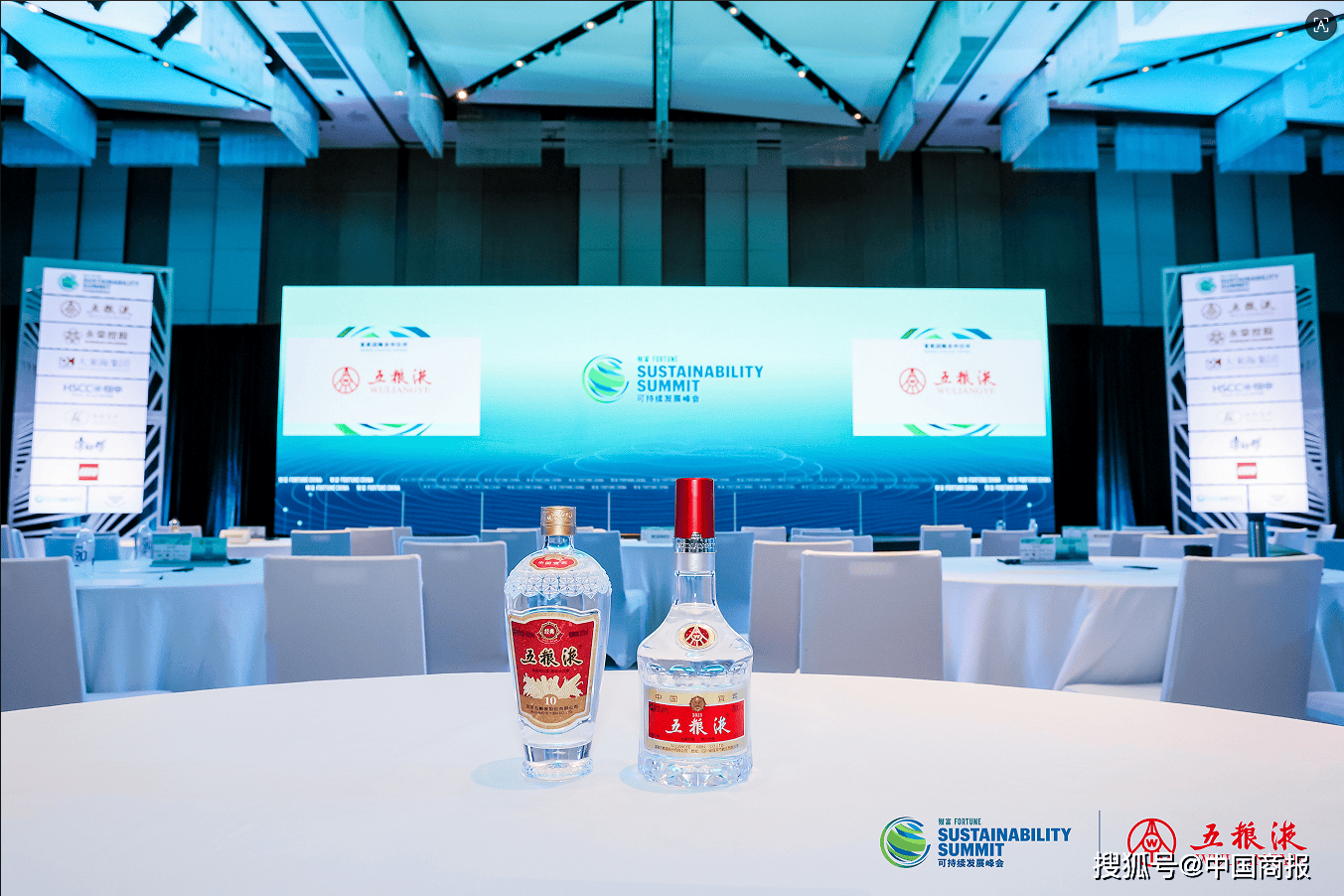
以“和美”实践应答可持续消费 五粮液亮相2025年《财富》可持续发展峰会
Sou Hu Cai Jing· 2025-10-13 08:38
Core Insights - The 2025 Fortune Sustainable Development Summit opened with the theme "Intelligent Era, Shared Benefits," where Wuliangye participated as the chief strategic partner and designated wine, showcasing the achievements of Chinese liquor in ecological and green development [1][3] Group 1: Sustainable Consumption - Wuliangye's Vice General Manager, Zhang Xin, highlighted the shift in consumer awareness towards sustainable consumption, noting that high-net-worth consumers view sustainability as a social label, while younger generations are willing to pay a premium for eco-friendly concepts [3] - Zhang emphasized the need for clearer communication regarding the ecological nature of liquor production, stating that many consumers are unaware of the industry's environmental impact [3][5] - The company's "Harmonious Beauty" culture, rooted in traditional Chinese philosophy, aligns with the underlying logic of sustainable consumption, promoting harmony between humans and nature [3][5] Group 2: Corporate Initiatives - Wuliangye is leading efforts to establish an industry-recognized ESG evaluation and labeling system, enhancing the credibility of "green brewing" practices [5] - The company has implemented a blockchain-based quality traceability system, ensuring transparency throughout the production process, from seed to finished product, achieving full traceability for key products [5][11] - Zhang stated that sustainable consumption requires a synergy between consumer voting power and corporate actions, fostering cross-industry green collaboration [5][9] Group 3: Innovative Practices - At the summit, Wuliangye showcased its ESG-themed creative exhibition, featuring a range of products that cater to various consumption scenarios, emphasizing the concept of "green consumption" [7] - The company has developed an eco-friendly version of its product, with packaging materials that are fully biodegradable, winning multiple design awards [11] - Wuliangye has established a circular economy system, utilizing by-products for animal feed and organic fertilizers, and treating wastewater to generate biogas for power generation [9][11] Group 4: Future Vision - Wuliangye aims to contribute to global sustainable agendas by promoting a development path that emphasizes ecological balance, quality, and cultural values, proving that green development is a core driver of high-quality growth [13] - The company plans to deepen its ESG practices and collaborate with global partners to create a sustainable future for Chinese liquor [13]

浙商证券:双节动销表现平淡 预计25Q3大部分酒企业绩仍同比下行
智通财经网· 2025-10-13 06:56
Core Viewpoint - The overall performance of the liquor industry in Q3 2025 is under pressure, with slow payment collection, increased inventory, and weak batch prices due to the impact of the "ban on alcohol" [1][2] Payment Collection - The payment collection progress for liquor companies in Q3 2025 has slowed down significantly, with only Kweichow Moutai expected to maintain a collection rate similar to previous years, while other companies face relative pressure [1][2] Sales Performance - The sales performance in Q3 2025 is under pressure, particularly in June and July due to the "ban on alcohol," although there has been some improvement in August and September. Kweichow Moutai has shown resilience with significant sales growth in August and September, with a year-on-year increase exceeding 20% [2][3] Inventory Levels - After a slight decrease in inventory levels in Q1 2025, the overall inventory in the liquor industry has accumulated due to a significant slowdown in sales since Q2 2025. The inventory is expected to decrease during the Mid-Autumn Festival and National Day, but channel inventory may not see significant reduction [2][3] Batch Prices - Batch prices for most liquor products are under pressure due to the "ban on alcohol" and aggressive promotional activities during the festive season. High-end liquor prices, such as Feitian Moutai, have dropped to 1750-1800 RMB, while other products like Wuliangye have also seen price declines [2][3] Price Segment Analysis - High-end liquor: Kweichow Moutai is expected to maintain growth, while Wuliangye and Luzhou Laojiao may face slight pressure in Q3 2025 - Mid-range liquor: Significant differentiation is expected, with Shanxi Fenjiu showing stable performance, while other brands may benefit from low base effects - Regional leaders: Brands like Gujinggongjiu and Yingjia Gongjiu are still adjusting and may be significantly impacted by the "ban on alcohol" [3][4] Earnings Forecast - Overall, liquor companies are expected to face pressure, with most companies' performance in Q3 2025 projected to decline year-on-year. However, Kweichow Moutai is anticipated to achieve revenue and profit growth, while others like Wuliangye and Shanxi Fenjiu may perform relatively steadily [4] Investment Recommendations - The company suggests focusing on bottom-range allocation opportunities in the liquor sector, recommending leading brands like Kweichow Moutai, Shanxi Fenjiu, and Wuliangye, as well as other brands with growth potential and lower valuations [5]

白酒板块午盘下跌 贵州茅台微跌0.98%
Bei Jing Shang Bao· 2025-10-13 06:25
Core Viewpoint - The stock market experienced a decline, with major indices dropping over 1%, particularly affecting the liquor sector, which saw a notable decrease in share prices of key companies [1] Industry Summary - The liquor sector index closed at 2224.57 points, down 1.28%, with 20 liquor stocks declining [1] - High-end liquor demand is showing weak recovery during the peak season, while mass-market liquor sales are performing better than the industry average [1] - The next-highest price segment is under pressure, with significant differentiation in performance among brands [1] - Current industry inventory levels are stabilizing, and some liquor companies are reducing inventory to alleviate operational pressure [1] - The outlook suggests that leading liquor companies are focusing on long-term healthy development, with fundamentals stabilizing and consumption promotion policies supporting gradual recovery in the industry [1] Company Summary - Guizhou Moutai closed at 1415.93 CNY per share, down 0.98% [1] - Wuliangye closed at 119.64 CNY per share, down 0.90% [1] - Shanxi Fenjiu closed at 187.00 CNY per share, down 0.90% [1] - Luzhou Laojiao closed at 126.90 CNY per share, down 1.53% [1] - Yanghe Brewery closed at 66.91 CNY per share, down 1.09% [1]

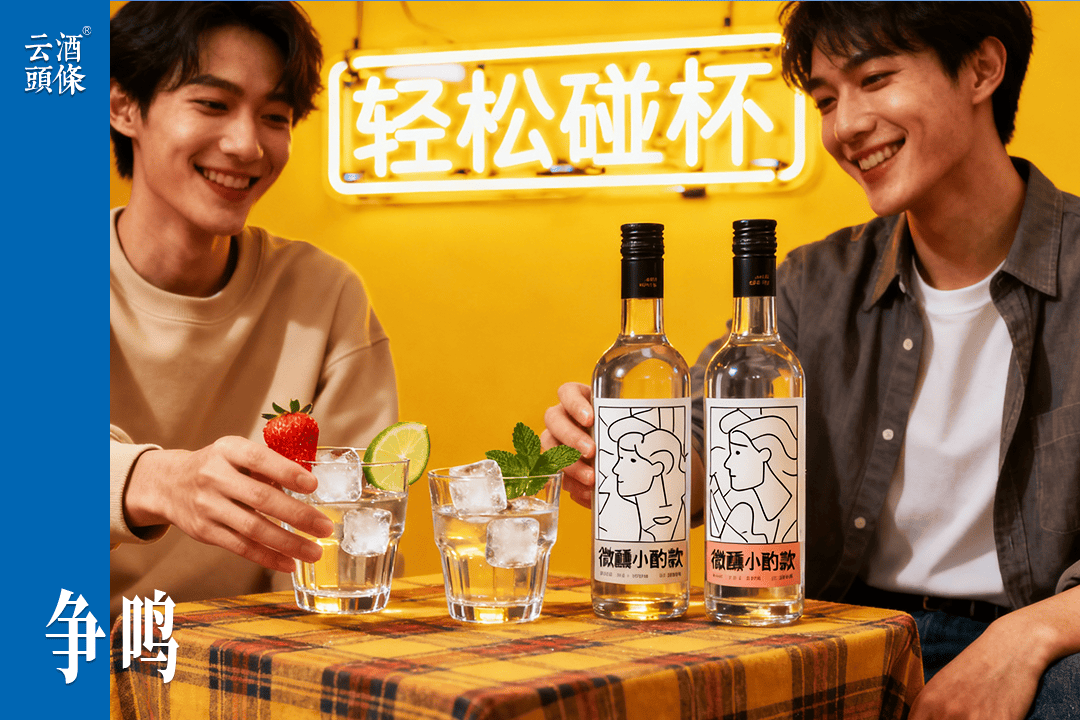
低度白酒是趋势,但不是风口
Sou Hu Cai Jing· 2025-10-13 05:54
Core Viewpoint - The emergence of low-alcohol liquor is a long-term trend in the industry, but it is not expected to rapidly become a mainstream market segment [2][4][22]. Demand Matching - Low-alcohol liquor faces challenges in matching consumer preferences, particularly in the low-end market where consumers prefer higher alcohol content, typically above 40 degrees [3][5]. - The mid-range market, targeting middle-class consumers, struggles to meet quality-price ratios, as low-alcohol options often fail to match established quality benchmarks [7]. Market Constraints - The high-end market has shrunk due to anti-corruption measures, limiting the consumption scenarios for low-alcohol liquor, which requires strong brand leadership to penetrate this segment [8][12]. - Technical barriers exist in producing low-alcohol liquor that maintains desirable flavor profiles and stability, which hinders rapid market growth [9][10]. Market Maturity Timeline - The transition to low-alcohol liquor as a mainstream choice will take 3-5 years, requiring significant industry investment in consumer education and brand development [12][22]. - Competition from other low-alcohol beverages poses a challenge, necessitating differentiation in flavor and style [12]. Lack of Market Leadership - The absence of strong benchmark brands in the low-alcohol segment limits its growth potential, as seen in previous successful market trends [13][15]. Consumer Perception Issues - Misconceptions equating low alcohol content with low value hinder the market's growth, necessitating a shift in consumer perception [15][22]. - The marketing of low-alcohol liquor is challenged by the decline of traditional retail channels, requiring direct engagement with consumers [15][22]. Industry Resistance - Internal resistance within companies to shift focus from high-alcohol to low-alcohol products complicates market entry and expansion [19][22]. - Regulatory standards regarding alcohol content restrict the development of low-alcohol products, impacting market dynamics [19]. Strategic Recommendations - Companies should focus on steady development rather than chasing fleeting trends, ensuring alignment with consumer maturity and market conditions [22][24]. - Targeting the mid-range market (100-300 yuan) is crucial for breaking into the low-alcohol segment, with strategies to gradually expand into higher and lower markets [23]. - Collaboration with light bottle liquor can enhance market competitiveness and broaden consumer appeal across different segments [25].

美团闪购发布酒水国庆中秋假期战报
Qi Lu Wan Bao· 2025-10-13 02:27
Core Insights - The premium liquor market has seen significant growth during the National Day and Mid-Autumn Festival holiday period, with major brands leading the consumption surge [1] Sales Performance - Moutai's sales increased nearly 10 times year-on-year - Wuliangye's sales grew nearly 3 times year-on-year - Luzhou Laojiao's sales surged over 11 times year-on-year - Jinshiyuan's sales rose over 5 times year-on-year - Honghualang 15's sales increased nearly 7 times year-on-year - Baiyunbian 15-year aged liquor's sales grew nearly 6 times year-on-year [1] Market Trends - Instant retail is emerging as a new growth driver for major liquor brands and regional leaders, facilitating exponential sales growth - The strong sales performance of top brands like Moutai and Luzhou Laojiao highlights their strong pricing power in the instant retail channel - Regional leaders are leveraging instant retail to overcome geographical limitations and reach a broader consumer base [1] Consumer Behavior - The demand for "30-minute delivery" has led to a surge in scenario-based consumption, indicating a shift in consumer preferences [1] Future Outlook - The ability to balance channel efficiency with value competition will be crucial for liquor companies navigating the industry's adjustment period [1]


五粮液亮相2025年《财富》可持续发展峰会 以“和美”理念贡献可持续发展酒业方案
Xin Hua Cai Jing· 2025-10-13 01:37
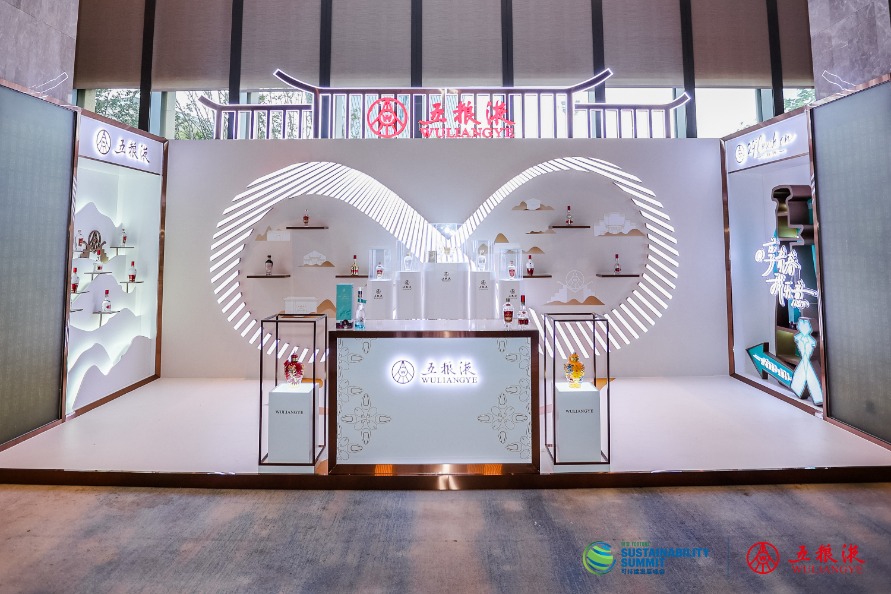
Core Insights - The 2025 Fortune Sustainable Development Summit commenced on October 10, with Wuliangye as the "Chief Strategic Partner" and "Designated Liquor," showcasing its achievements in the ESG field [1] - The summit's theme, "Intelligent Era, Shared Benefits," gathered experts and Fortune 500 companies to discuss sustainable development paths empowered by technology [1] Group 1: Wuliangye's Participation - Wuliangye created an ESG-themed art exhibition titled "Harmony and Sustainability," featuring elements like the Moebius ring and traditional brewing components, reflecting its commitment to quality, ecology, and culture [1] - The company presented a range of products, including classic Wuliangye series and innovative offerings, highlighting its brand evolution from tradition to innovation [1] Group 2: Consumer Engagement and Sustainable Development - During a roundtable discussion, Wuliangye's Vice General Manager emphasized the importance of addressing the gap between green supply and consumer awareness, advocating for standardization and public education [5] - The company promotes its value philosophy of "Harmony and Coexistence" to enhance product quality and ecological sustainability, aiming to lead a new trend in sustainable consumption in the liquor industry [5] Group 3: Quality Management and Technological Integration - Wuliangye has established a comprehensive quality management system from seed to wine, becoming the only company to receive the highest honor in China's quality management five times [5] - The introduction of blockchain technology has enabled a traceable quality supervision system, ensuring the source and quality of each bottle, thereby building consumer trust [5] Group 4: Environmental Initiatives - Wuliangye aims to become a "zero-carbon liquor enterprise" and has created the industry's first national green factory, promoting green planting and establishing over 1.5 million acres of high-standard grain bases [6] - The company has integrated ESG standards into its supplier evaluation system and focuses on green packaging and design, receiving international awards for its eco-friendly products [6] Group 5: Cultural Innovation and Future Plans - Wuliangye incorporates sustainable development concepts into traditional festivals and daily life through various marketing activities, enhancing consumer engagement [6] - The company plans to continue prioritizing ecological and green development, integrating ESG principles throughout its supply chain, and contributing to global sustainable development [6]
食品饮料行业周报:板块轮动拉升消费,餐饮链催化延续-20251012
Huaxin Securities· 2025-10-12 15:34
Investment Rating - The report maintains a "Recommended" investment rating for the food and beverage sector [9][58]. Core Insights - The report highlights that the white liquor sector is experiencing marginal improvements in sales during the double festival period, although it remains under pressure year-on-year. Channel inventory has slightly decreased but is still at a relatively high level, leading to anticipated pressure on wholesale prices as companies focus on controlling volume to maintain prices [6][56]. - The consumer sector is rebounding, driven by capital switching and favorable data from the National Day holiday. The report notes a significant increase in cross-regional mobility, with an estimated 2.432 billion people traveling during the holiday, a historical high [7][57]. - The beverage sector is performing strongly, with a focus on new consumption opportunities amid retail channel transformations. The report suggests monitoring companies like Heytea, Cha Bai Dao, and others in the tea beverage segment [8][58]. Summary by Sections Industry News - In September, Douyin's liquor sales increased by 58% month-on-month, and JD Seven Fresh reported a 109% year-on-year increase in liquor sales during the double festival period [5][18]. - The report mentions the official release of the twelve fragrance standard sample and various company developments, including Guizhou Moutai's focus on integrating tourism and liquor sales [5][18]. Company Feedback - The report provides insights into the performance of key companies, noting that the white liquor sector is under pressure but suggests focusing on high-dividend leaders like Guizhou Moutai and Wuliangye, as well as more elastic stocks like Jiu Gui Jiu and She De Jiu Ye [6][9]. - The report also emphasizes the importance of the tea beverage sector, particularly during the National Day holiday, and suggests monitoring companies like Mi Xue and Gu Ming [7][58]. Key Company and Profit Forecasts - The report includes a table of key companies with their stock prices, earnings per share (EPS), and price-to-earnings (PE) ratios, recommending a "Buy" rating for all listed companies, including Guizhou Moutai, Wuliangye, and others [59].

行业继续筑底关注高股息品种
Shenwan Hongyuan Securities· 2025-10-12 13:46
Investment Rating - The report maintains a cautious outlook on the food and beverage industry, suggesting that the industry is still in a bottoming phase and requires patience for recovery [5][6]. Core Insights - The food and beverage sector is advised to focus on structural opportunities, particularly in leading companies that offer high dividends and have long-term investment value, such as high-end liquor brands and major dairy companies [5][6]. - The liquor industry is expected to face continued pressure, with inventory levels high and demand weak, particularly in the context of the upcoming Spring Festival [6][7]. - The report highlights the importance of new consumption trends and structural growth opportunities in the consumer goods sector, recommending companies that align with these trends [5][7]. Summary by Sections 1. Weekly Perspective on Food and Beverage - The food and beverage sector saw a slight decline of 0.15% last week, with liquor down 1.17%, underperforming the broader market [4]. - The top-performing stocks included Zhuangyuan Pasture and Yangyuan Beverage, while the worst performers included Huanlejia and Gujing Gongjiu [4]. 2. Market Performance of Food and Beverage Segments - The food and beverage industry outperformed the Shenwan A index by 0.27 percentage points, with beverage and dairy sectors showing the strongest performance [28]. 3. Liquor Sector Insights - The report indicates that the average price for Moutai is 1765 RMB per bottle, down 35 RMB from the previous period, while Wuliangye is priced at approximately 830 RMB, also showing a decline [6][11]. - Overall demand for liquor is projected to decrease by 20-30% year-on-year during the Mid-Autumn Festival and National Day period, with inventory levels expected to rise by 10-20% [6][7]. 4. Consumer Goods Sector Insights - The report expresses optimism regarding the dairy sector due to declining costs and improving supply-demand dynamics, recommending companies like Yili and New Dairy [7]. - The snack and beverage segments are highlighted for their structural growth potential, with recommendations for companies like Unified Enterprises and Weilong [7].