BYD(002594)

Search documents
比亚迪二代刀片电池+闪充“双王炸”!燃油车已死,有事烧纸!
电动车公社· 2026-03-06 01:33
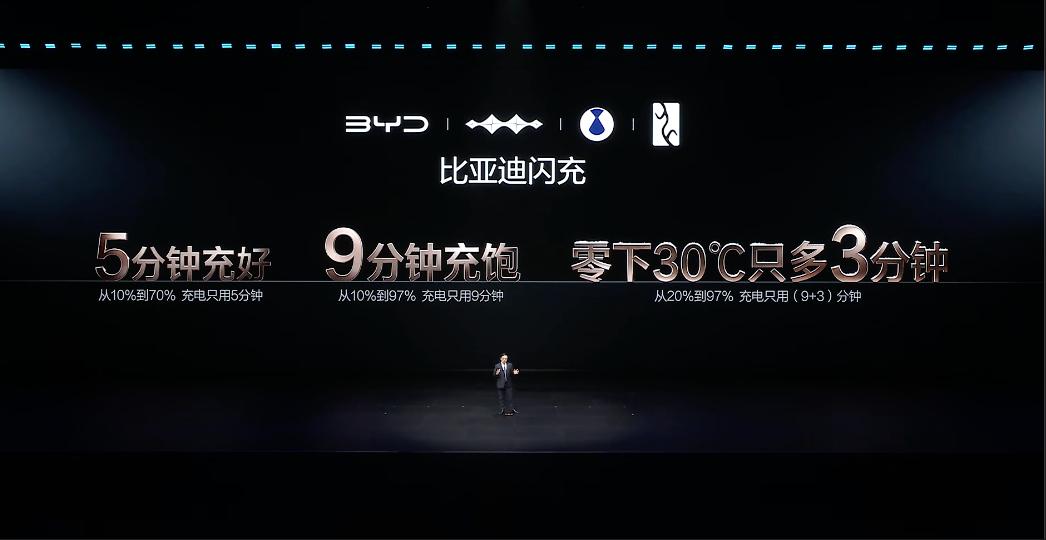
Core Viewpoint - The article discusses the launch of BYD's second-generation blade battery, highlighting its significant advancements in charging speed, safety, and energy density, which are expected to revolutionize the electric vehicle (EV) market and address consumer concerns about charging anxiety [1][3][25]. Group 1: Second-Generation Blade Battery Features - The second-generation blade battery offers unprecedented charging speeds, allowing users to charge from 10% to 70% in just 5 minutes and from 10% to 97% in 9 minutes, which is a significant improvement over existing technologies [6][10]. - In extreme cold conditions, the battery can still charge from 20% to 97% in just 12 minutes, demonstrating minimal impact from low temperatures on charging performance [14][16]. - The energy density of the second-generation blade battery has increased by 5% compared to the first generation, enabling a range of over 1000 kilometers for certain models [18][20]. Group 2: Safety and Durability - BYD has enhanced the safety features of the second-generation blade battery, conducting rigorous tests that exceed national standards, including puncture tests on batteries that have undergone 500 charge cycles without failure [22][24]. - The battery's lifespan has been improved, with a 2.5% increase in the capacity retention threshold compared to the first generation, ensuring longer usability [20]. Group 3: Charging Infrastructure and Strategy - BYD is launching a new charging infrastructure initiative called "Flash Charge China," aiming to build 20,000 charging stations by the end of 2026, significantly increasing the availability of fast charging options [47][49]. - The new charging stations will feature a maximum power output of 1500 kW, making them the highest capacity charging stations globally, and will utilize energy storage systems to mitigate grid impact [38][41]. - The charging process has been simplified for users, allowing for a seamless experience with minimal steps required to initiate charging [45]. Group 4: Market Implications and Future Outlook - The introduction of the second-generation blade battery and the accompanying charging infrastructure is expected to enhance the competitiveness of BYD's electric vehicles, potentially leading to a significant market share in the EV sector [28][55]. - BYD's strategy aims to not only improve its own product offerings but also to set a new standard for the entire electric vehicle industry, pushing towards a future where electric vehicles can match or exceed the convenience of traditional fuel vehicles [36][56].



今日新闻丨全新莲花FOR ME正式公布!丰田铂智7、腾势Z9 GT、海豹07、海狮06等新车上市!
电动车公社· 2026-03-06 01:33
Core Viewpoint - The article highlights significant developments in the electric vehicle (EV) sector, focusing on new product launches and advancements in battery technology, particularly BYD's second-generation blade battery, which enhances charging efficiency and performance in extreme conditions [2][4][9]. Group 1: BYD Developments - BYD officially launched its second-generation blade battery on March 5, which significantly improves charging efficiency for electric vehicles [2]. - The new battery allows for rapid charging, with tests showing that charging from 10% to 70% takes only 5 minutes, and from 20% to 97% in just 12 minutes even in extreme cold conditions [4]. - BYD plans to establish 2,000 fast-charging stations nationwide by the end of 2016 and will offer one year of free fast-charging rights to owners of vehicles equipped with the new battery [7]. Group 2: New Vehicle Launches - Toyota's new model, the Prius 7, has started pre-sales with a price range of 179,800 to 239,800 yuan, featuring a design consistent with the Toyota electric vehicle family and advanced technology [5][9]. - The Lotus For Me, a high-performance hybrid SUV, was officially launched, boasting a power output of 952 horsepower and a 0-100 km/h acceleration time of 3.3 seconds [18][20]. - The new Tengshi Z9 GT was launched with a price range of 269,800 to 369,800 yuan, offering both electric and hybrid versions with impressive performance metrics [22][24]. - The Song Ultra EV has begun pre-sales with a price range of 155,000 to 185,000 yuan, featuring a larger size and advanced interior technology [26][28]. - The new Sea Lion 06 EV was launched with a price range of 159,900 to 179,900 yuan, maintaining a familiar design while enhancing interior features and performance [37][39].

比亚迪王传福:要在不到一年时间里,把充电站数量做到中国车企第一
Guo Ji Jin Rong Bao· 2026-03-06 01:31
Group 1 - The core viewpoint of the article is that BYD aims to establish 20,000 charging stations by the end of this year, positioning itself as the leader among Chinese automotive companies in terms of charging station quantity [1] Group 2 - BYD's Chairman and President, Wang Chuanfu, announced the ambitious goal during the launch of the second-generation blade battery and fast-charging technology [1]
把油车往死里干,比亚迪王炸黑科技:满电只需5分钟,10万级也标配,建闪充就像装空调
3 6 Ke· 2026-03-06 01:26
Core Insights - BYD is focusing on enhancing its electric vehicle (EV) technology with the introduction of the second-generation blade battery and megawatt fast charging, aiming to eliminate range anxiety and charging time issues for consumers [4][10][36] - The company plans to standardize these technologies across all new models, making them accessible to a wider range of consumers, including those in the lower price segments [11][16][39] - BYD's ambitious goal for 2026 includes building 20,000 fast charging stations, significantly increasing the availability of charging infrastructure without requiring extensive upgrades to the existing power grid [22][24][27] Group 1 - BYD's strategy for 2026 emphasizes the transition from traditional fuel vehicles to electric vehicles, with a focus on rapid charging capabilities [1][4] - The second-generation blade battery increases capacity from 100 kWh to 120 kWh, allowing for a record range of 1,036 km on the latest model [8][10] - The megawatt fast charging technology can charge from 10% to 70% in just 5 minutes and from 10% to 97% in 9 minutes, addressing common consumer concerns about charging times [10][12] Group 2 - The company has tested its charging technology in extreme cold conditions, achieving full charges in under 12 minutes at temperatures as low as -30 degrees Celsius [13][14] - BYD's charging stations are designed to be low-cost and easy to install, allowing for rapid deployment and widespread accessibility [24][27] - The integration of advanced battery technology and charging infrastructure positions BYD to compete effectively against traditional fuel vehicles, potentially leading to a significant increase in EV adoption [16][36] Group 3 - BYD's new models, including the Tengshi Z9GT and the flagship SUV Datang, feature the latest battery and charging technologies, with ranges exceeding 800 km [37][39] - The company aims to achieve an annual sales target of 5.6 million vehicles, leveraging its technological advancements to regain its position as the top seller in the automotive market [36][42] - BYD's approach to democratizing advanced EV technology across various price points is expected to reshape the competitive landscape in the automotive industry [41][42]
比亚迪砍向蔚来
3 6 Ke· 2026-03-06 01:26
Core Insights - BYD has introduced a new battery technology that allows for rapid charging, significantly reducing the time needed to charge electric vehicles, which poses a challenge to NIO's battery swapping model [2][4][21] - NIO's battery swapping network, while extensive, faces pressure as BYD's advancements in fast charging diminish the time advantage of swapping batteries [6][16][20] Group 1: BYD's Advancements - BYD's new battery technology enables charging from 10% to 70% in just 5 minutes and from 20% to 97% in 12 minutes in extreme cold conditions [2][4] - The company has built a comprehensive charging infrastructure with plans to establish 20,000 fast charging stations, enhancing accessibility for users [4][5] - BYD's second-generation blade battery is attracting interest from other brands, indicating a potential for revenue generation beyond its own vehicles [15][21] Group 2: NIO's Challenges - NIO's battery swapping model, which was designed to address slow charging times, is now at risk as BYD's fast charging technology narrows the gap [3][6] - Despite achieving significant delivery numbers, NIO's reliance on a multi-brand strategy may dilute its premium brand image and affect profitability [10][14] - NIO's recent financing for its chip subsidiary aims to enhance its technological capabilities, but the core issue of charging speed remains a priority for new customers [7][8][9] Group 3: Market Dynamics - The competition between fast charging and battery swapping represents a fundamental shift in the electric vehicle market, with both companies adopting different strategies to capture market share [14][22] - NIO's future profitability hinges on transforming its battery swapping network from a cost center to a profit center, which requires achieving higher utilization rates [18][20] - The rapid evolution of charging technology poses a threat to NIO's existing business model, necessitating continuous innovation and adaptation [19][22]

王传福:比亚迪今年将在全国建成20000座闪充站
Guo Ji Jin Rong Bao· 2026-03-06 01:21
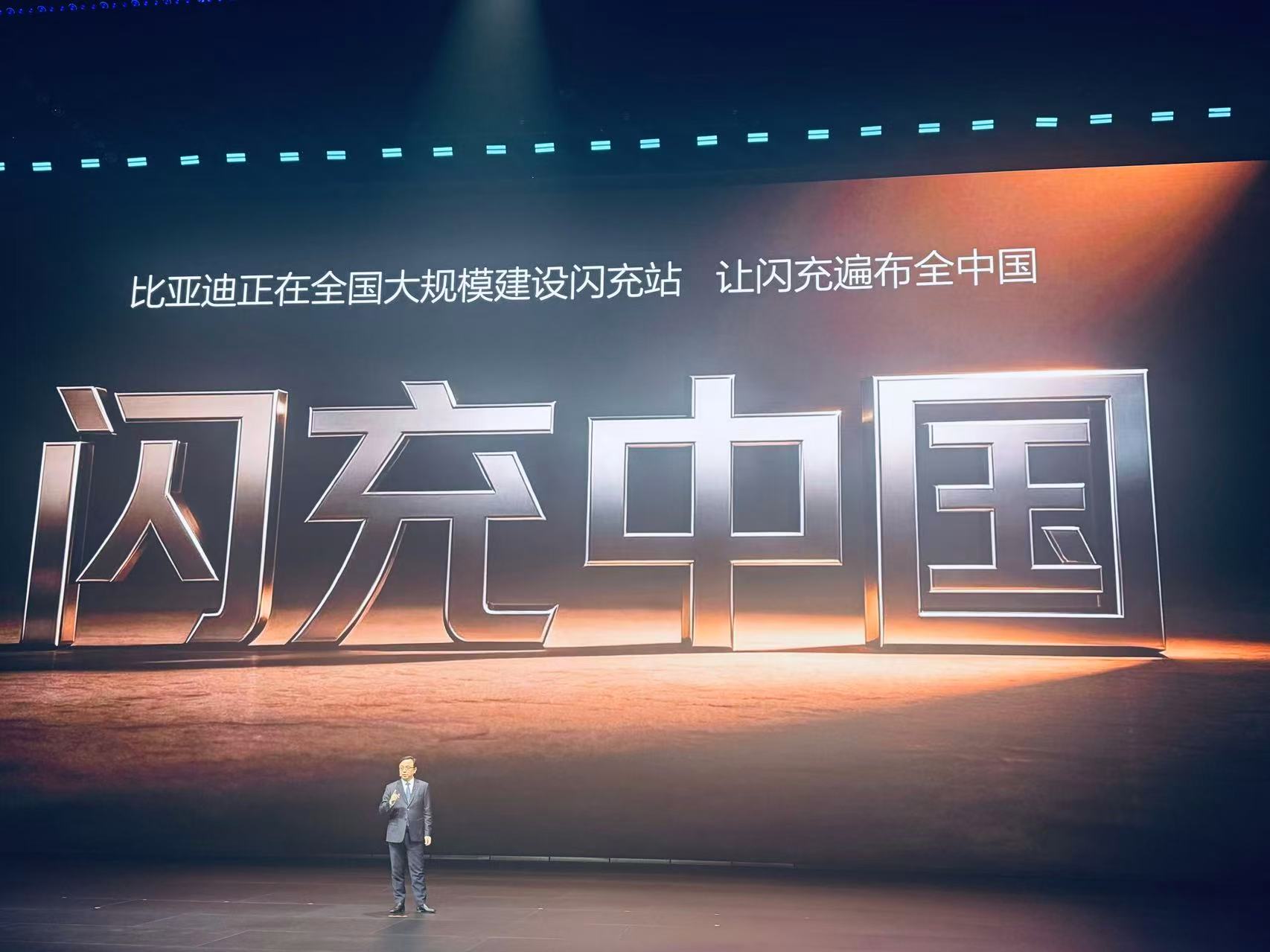
Core Insights - BYD Group's Chairman and President Wang Chuanfu announced the "Flash Charge China" strategy, focusing on the large-scale construction of flash charging stations across the country [1] Group 1: Flash Charge Strategy - BYD plans to build 20,000 charging stations by the end of this year, which includes 18,000 flash charging stations in collaboration with national charging network operators and 2,000 high-speed flash charging stations [1] - The charging stations will cover nearly one-third of the highway service areas, ensuring that there will be a BYD flash charging station every 100 kilometers on average along highways [1] Group 2: Construction Team and Progress - To accelerate the deployment of the flash charging strategy, BYD has established a dedicated construction team consisting of several thousand members [1] - Within two months, the team has already completed the construction of 4,239 flash charging stations ahead of schedule [1]
火速捡漏?阿里正式批准林俊旸辞职,谷歌DeepMind立刻抛橄榄枝;某车CEO头戴摄像头炮轰激光雷达:放在车顶不好看;OpenAI深夜祭出GPT-5.4
雷峰网· 2026-03-06 00:47
Key Insights - Lotus CEO criticizes the aesthetic impact of LiDAR on vehicles, advocating for a retractable design that maintains the car's sleek appearance [4][5] - Alibaba's CEO confirms the resignation of Lin Junyang, emphasizing continued investment in AI and open-source model strategies [8][9] - Tiger Whale Entertainment announces organizational upgrades to embrace AI and enhance the integration of online and offline entertainment [10] - BYD unveils the Seal 08, featuring advanced technologies like the second-generation blade battery and rear-wheel steering, set to launch in Q2 [17] - Chery's high-end brand, Exeed, announces a price increase of 5,000 yuan for its ET5 model, citing rising chip costs and a long-term strategic choice [14][15] - AI technology company Jiga Vision secures nearly 1 billion yuan in Pre-B round financing to develop embodied AI models [19][20] - Autonomous driving company Momenta secretly submits an IPO application in Hong Kong, aiming to raise at least 1 billion USD [21][22] - Bilibili reports a significant increase in revenue and net profit for 2025, marking its first year of profitability [30][31] - JD.com announces a 13% revenue growth for 2025, with over 700 million active users [32] - OpenAI launches GPT-5.4, enhancing its capabilities in reasoning, programming, and office tasks, while reducing the error rate of factual statements [39][40] - The U.S. plans to expand AI chip export controls globally, requiring companies like NVIDIA and AMD to obtain licenses for exports [41][42]



早报 | 道指跌近800点,美油涨超6%;阿里辟谣千问模型团队集体离职;美拟将AI芯片出口管制扩展至全球;比亚迪发布第二代刀片电池
虎嗅APP· 2026-03-06 00:26
Market Overview - The Dow Jones index fell by 784.67 points, a decline of 1.61%, amid escalating conflicts in Iran affecting global markets [2] - The S&P 500 index decreased by 0.57%, and the Nasdaq dropped by 0.26% [2] - International oil prices surged, with U.S. oil rising by 6.71% to $79.7 per barrel, and Brent crude increasing by 3.17% to $83.98 per barrel [2] Geopolitical Developments - Iran's military stated that the Strait of Hormuz is not fully closed, asserting control over maritime traffic while targeting military vessels disguised as commercial ships [3] - The Iranian Revolutionary Guard claimed to have struck a U.S. oil tanker in the northern Persian Gulf, emphasizing their control over the Strait during wartime [3][4] - France, Italy, and Greece are coordinating military efforts to ensure freedom of navigation in the Red Sea, responding to the escalating Middle East tensions [5][6] Legal and Regulatory News - A coalition of 24 U.S. states is suing the Trump administration over a new 10% global tariff, arguing it bypasses previous Supreme Court rulings [7] - The lawsuit claims the tariffs, implemented under the Trade Act of 1974, are illegal as they were intended for short-term currency emergencies, not long-term trade imbalances [7] Technology and Innovation - The U.S. plans to expand AI chip export controls globally, requiring companies like NVIDIA and AMD to obtain licenses for exports, effectively making the U.S. a gatekeeper for AI technology [10] - OpenAI released its latest model, GPT-5.4, which enhances capabilities for enterprise applications and complex knowledge work, marking a shift towards automated task execution [13] Corporate Developments - BYD launched its second-generation blade battery, achieving rapid charging times of 5 minutes to 70% and 9 minutes to 97% [14] - JD.com projected a revenue of 1.3091 trillion yuan for 2025, with JD Logistics expected to surpass 200 billion yuan in revenue for the same year [15] - Alibaba denied rumors of mass departures from its Qianwen model team, affirming stability and commitment to open-source strategies [16][17][18] Economic Indicators - The People's Bank of China announced an 800 billion yuan reverse repurchase operation to maintain liquidity in the banking system [24][25] - The U.S. is set to release February non-farm payroll data, with expectations of a significant slowdown in job growth to around 60,000, potentially indicating economic challenges [26]



“没有人比我们更懂电池”!比亚迪发布第二代刀片电池:5分钟充好,9分钟充饱
Hua Xia Shi Bao· 2026-03-06 00:16
Core Viewpoint - BYD has introduced its second-generation blade battery and flash charging technology, significantly improving charging speed and energy density, aiming to enhance user experience and reduce vehicle energy consumption [2]. Group 1: Battery Technology - The second-generation blade battery can charge from 10% to 70% in just 5 minutes and from 10% to 97% in 9 minutes, even in temperatures as low as -20°C, where it can charge from 20% to 97% in under 12 minutes [2]. - The battery's design has been restructured across four levels—materials, electrodes, cells, and systems—to address the challenges of charging speed and energy density, achieving over a 5% increase in energy density compared to the first generation [2]. Group 2: Vehicle Models - At the launch event, BYD announced 10 initial vehicle models equipped with the second-generation blade battery and flash charging technology, including models like Song Ultra and 2026 Sea Lion 06EV [3]. Group 3: Charging Infrastructure - BYD has launched the "Flash Charging China" strategy, planning to build 20,000 flash charging stations nationwide by the end of 2026, with 18,000 being "flash charging sub-stations" integrated into existing public charging networks [4]. - The remaining 2,000 will be "flash charging highway stations," with the goal of having one station approximately every 100 kilometers on highways, and the first 1,000 stations are expected to be completed before the May Day holiday this year [4]. Group 4: Sales Forecast - In the first two months of this year, BYD's cumulative sales of new energy vehicles exceeded 400,000 units, with projections for 2026 indicating total sales could reach 5.12 million units, a year-on-year increase of 11% [5]. - Domestic sales are expected to remain stable at around 3.56 million units, while export volumes are projected to grow by 44% to 53%, reaching between 1.5 million and 1.6 million units [5].
阿里批准林俊旸辞职,DeepMind向Qwen团队抛出橄榄枝;魔法原子回应创始人离职;比亚迪第二代刀片电池发布:纯电续航超1000公里丨邦早报
创业邦· 2026-03-06 00:09
Group 1 - Alibaba's CEO Wu Yongming confirmed the resignation of Lin Junyang and stated the company will continue to invest in AI research and talent acquisition while adhering to an open-source model strategy [1][5] - After Lin Junyang's departure, Google DeepMind's Omar Sanseviero extended an invitation to the Qwen team to collaborate on building excellent models and contributing to the open-source model ecosystem [4] - Alibaba refuted rumors of a mass resignation from the Qianwen model core team, asserting that the team remains stable and all products and services are operating normally [5] Group 2 - OpenAI's annual revenue surpassed $25 billion as of last month, marking a 17% increase from the previous year's $21.4 billion [5] - The 2026 Hurun Global Rich List revealed that Elon Musk retained his title as the world's richest person with a wealth of 5.5 trillion yuan, while ByteDance's Zhang Yiming became China's richest with 550 billion yuan, a 32% increase [6] - Ideal Auto plans to release a dual-wheel robot this year, primarily for factory manufacturing scenarios, with the product already prepared for a mid-year launch [7] Group 3 - Nvidia's CEO Jensen Huang indicated that a $300 billion investment in OpenAI might be the last due to the company's impending IPO [7] - Anthropic's CEO Dario Amodei is in discussions with the U.S. Department of Defense to finalize a contract for the use of Anthropic's AI models [9] - Xiaomi's Lei Jun suggested establishing a smart electric vehicle interdisciplinary major in universities to cultivate specialized talent in the automotive industry [10] Group 4 - Amazon's robotics division is set to lay off at least 100 employees [11] - The global smart robot hardware market is projected to approach $30 billion by 2026, with China expected to lead the growth [20] - The global first aerosol forecasting AI model, AI-GAMFS, was published, capable of providing high-precision environmental meteorological forecasts [19]