BYD(002594)

Search documents
海通国际2026年3月金股
Haitong Securities International· 2026-03-04 14:34
Investment Focus - The report highlights the strong growth potential in the storage industry, with domestic storage manufacturers expected to exceed production expansion forecasts, benefiting companies closely tied to these manufacturers [1] - NVIDIA is projected to have a strong performance in FY4Q26, with a significant increase in overall revenue and EPS trajectory, supported by a robust order backlog of 500 billion [1] - Alphabet's cloud business is expected to grow significantly, driven by AI solutions, with a 48% growth rate in the last quarter, leading to an increase in EPS for 2026 and 2027 [1] - Alibaba's cloud growth is anticipated to exceed consensus estimates by 2-3% for the year, despite short-term performance pressures [1] Company Analysis - Zhongwei Company is positioned as a leading player in the hardware sector, benefiting from a deepening platform strategy that expands its capabilities in etching, film deposition, and measurement [1] - Tencent is recommended as a top pick in the internet sector, with a target price of 700, driven by steady growth in core gaming and advertising businesses, alongside new revenue streams from mini-games and video accounts [2] - New Oxygen is recognized for its strong marketing capabilities and low customer acquisition costs, with a target price of 10.1 USD based on its growth trajectory in the light medical beauty sector [2] - Ato Hotel is expected to achieve a revenue growth of 26% to 12.39 billion, with a strong market position in the mid-to-high-end hotel sector [3] - HashKey is positioned as a leading digital asset platform in Asia, benefiting from regulatory trends and expected to expand its product offerings in derivatives and leveraged trading [4] - Tesla's advancements in autonomous driving and robotics are highlighted, with expectations for accelerated overseas expansion and significant product developments [4] - MP Materials is noted for its strategic importance in the rare earth industry, benefiting from domestic supply chain localization and increasing demand from the defense and renewable energy sectors [7] - ACWA Power is recognized as a leader in the renewable energy sector, with a focus on solar, wind, and green hydrogen projects, supported by government power purchase agreements [8] - Vestas is highlighted as a dominant player in the wind energy sector, benefiting from global wind power growth and technological advancements in turbine efficiency [9] - Three-Six Pharmaceutical is noted for its strong market position in kidney, blood, and oncology sectors, with promising pipeline products and collaborations with Pfizer [10]




中国汽车:专家电话会议要点-春节后需求复苏,或有农村电动车补贴支撑国内销量-China Automobiles_ Expert call takeaways_ Demand recovery post CNY, potential rural EV subsidy to support domestic volume
2026-03-04 14:17
Summary of Key Points from the Conference Call on the China Automobile Industry Industry Overview - **Industry Focus**: The discussion centered on the China automobile industry, particularly government policies affecting the sector, including trade-in subsidies, anti-involution measures, and L3/L4 autonomous vehicle regulations [1][7]. Core Insights 1. **Demand Recovery**: A recovery in demand was observed post-Chinese New Year (CNY), with February sales exceeding expectations. Approximately 600,000 units were sold in the first two weeks of February, leading to nearly 1 million units for the entire month, surpassing the industry's expectation of 800,000 units [5][6]. 2. **Subsidy Stimulus**: The government is expected to implement multiple policy tools to support industry growth, including a potential rural EV subsidy of around RMB 8,000 per vehicle. This is aimed at increasing NEV penetration in rural areas, where it currently stands at about 35% in tier 4/5 cities compared to 54% nationwide [6][7]. 3. **Trade-in Subsidy Trends**: There has been a positive trend in trade-in subsidy applications, with total applications rising from 335,000 to 612,000 within two weeks in February. The expert anticipates a gradual increase in applications, potentially reaching an average of 1 million per month [5][6]. 4. **Anti-involution Policy**: The implementation of anti-involution policies will depend more on industry supervision rather than strict government enforcement. The government is likely to encourage OEMs to adjust improper pricing rather than impose penalties [7][8]. 5. **L3/L4 Implementation**: The implementation of L3/L4 autonomous driving technology has been slower than expected. However, there is potential for acceleration as more OEMs apply for test trials, and the Ministry of Industry and Information Technology (MIIT) is expected to grant approvals as companies mature [8]. Additional Important Insights - **Economic Indicators**: The expert noted that if Q1 economic data is weaker than expected, additional policy tools may be introduced, particularly if consumption remains low. However, there is skepticism about increasing trade-in subsidies for lower-priced vehicles [7]. - **Financial Tools**: There is a realistic expectation for the acceleration of financial tools, such as longer-term loans and consumer interest subsidies, to support vehicle purchases. Several OEMs have already introduced 7-year car loans [7]. - **Market Concerns**: Despite the recovery in demand, there are concerns regarding overall domestic market demand due to weak performance in January, which was attributed to reduced trade-in subsidies and decreasing NEV purchase tax rebates [5][6]. This summary encapsulates the key points discussed during the expert call regarding the current state and future outlook of the China automobile industry, highlighting both opportunities and challenges.




2026年乘用车-以高端-出海为矛破局
2026-03-04 14:17
Summary of Conference Call Records Industry Overview - The conference call discusses the passenger car industry in China, focusing on the trends and forecasts for 2025 and 2026, including sales figures, market dynamics, and policy impacts [1][2][3]. Key Points and Arguments 2025 Passenger Car Market Performance - The wholesale volume of passenger cars in 2025 is projected to be 23.797 million units, reflecting a 6% year-on-year growth. New energy vehicle (NEV) sales are expected to reach 15.3 million units, marking a 26% increase and a penetration rate of 52% [1][3]. - The end of the old-for-new policy has led to a temporary decline in sales in Q4 2025, contrasting with previous years' trends [3]. Key Players and Market Dynamics - Geely leads in both plug-in hybrid and pure electric segments, with significant growth in both categories [6]. - Xiaomi's pure electric vehicle sales increased by 273,000 units, while BYD's share in the plug-in hybrid market has been challenged by Geely [6]. - Li Auto experienced a reduction of 158,000 units in its extended-range segment due to aging models [6]. Policy Changes and Market Impact - The 2026 policy changes include a shift from fixed subsidies to a proportionate subsidy model, with reduced incentives for NEV purchases. The purchase tax for NEVs will be set at 5%, and the minimum electric range for plug-in hybrids will increase from 43 km to 100 km [1][14]. - The old-for-new policy's impact is expected to weaken, particularly affecting mid-to-high-end models [14]. Export Market Trends - In 2025, China is expected to export 5.731 million passenger cars, a 21% increase, with NEVs accounting for over 40% of exports for the first time [1][13]. - The export structure is shifting towards electric vehicles, with significant growth in markets such as Latin America and the Middle East [13]. Future Trends and Predictions - For 2026, the total passenger car market is projected to reach approximately 29.82 million units, with NEV sales expected to grow by around 10% to 17.05 million units [16]. - Three major trends for 2027 include the rise of long-range plug-in hybrids, the deepening of high-end NEV offerings, and the expansion of niche markets like MPVs and off-road vehicles [17]. Investment Recommendations - Recommended investment lines focus on resilient domestic companies with overseas expansion potential, such as Geely, BYD, and Leap Motor [19]. - Companies that are less affected by macro policies and are gradually realizing high-end strategies, like JAC Motors and NIO, are also highlighted [19]. - Firms with leading smart technology capabilities, such as XPeng and Li Auto, are suggested for investment due to their potential to benefit from technological premiums [19]. Additional Important Insights - The competitive landscape in the sub-200,000 yuan market remains strong, with BYD and Geely leading in sales [8]. - The 20,000 to 30,000 yuan segment is increasingly driven by smart features and design, with Xiaomi and BYD emerging as key players [9]. - The high-end market (30,000 yuan and above) is seeing a decline in traditional luxury brands, while domestic brands are gaining traction through innovative offerings [10][12]. This summary encapsulates the critical insights from the conference call, providing a comprehensive overview of the passenger car industry's current state and future outlook.

汽车行业协会专家
2026-03-04 14:17
Summary of Key Points from the Automotive Industry Conference Call Industry Overview - The automotive industry is expected to experience a "low first, high later" trend in 2026, with initial low demand due to reduced consumer confidence from decreased housing loans and increased savings, followed by a gradual recovery starting in March 2026 [1][5] - The "7-year low-interest" financial policy is effectively replacing price wars, with loan rates as low as 0.5%-0.98%, significantly boosting sales of mid-to-high-end vehicles and those priced around 200,000 yuan [1][6] - The export growth rate is projected to decline to over 30% in 2026 due to the dual pressures of RMB appreciation and USD depreciation, with key markets being Central and South America, the Middle East, and the EU [1][6] Core Insights and Arguments - The automotive financial sector is seeing increased participation from banks due to a lack of better investment opportunities, with a strong willingness to engage in auto loans as they are considered relatively low-risk [7] - The "old-for-new" policy has tightened, limiting vehicles eligible for subsidies, which has created significant pressure at the beginning of 2026. Adjustments to the policy are expected to increase subsidy coverage and relax eligibility criteria [1][11] - The sales recovery in March 2026 is noted, particularly for small electric vehicles, driven by the return to normal production cycles and the implementation of "old-for-new" policies [3][4] Additional Important Content - The impact of the "7-year low-interest" policy is evident, with Tesla reporting a 107% increase in retail sales from January to February 2026, attributed to the attractiveness of low-interest financing options [8] - The automotive industry is focusing on "capacity restructuring" rather than "corporate restructuring" to alleviate competition, aiming to optimize existing joint venture capacities rather than pursuing direct mergers [9] - The potential for further policy adjustments to stimulate automotive consumption is high, especially in light of weak market performance in early 2026, with expectations for more targeted stimulus measures rather than large-scale initiatives [10][13] Export and Market Dynamics - The growth of new energy vehicle exports is expected to slow down in 2026 compared to 2025, with a projected growth rate of 30% or more, influenced by high growth rates in the previous year [14][15] - Domestic competition is likely to extend into overseas markets, with Chinese brands aiming to capture market share in regions where they currently hold a minor presence, leveraging lower pricing and higher dealer margins [16] - Key regions for future expansion include Central and South America, the Middle East, and the EU, with varying levels of opportunity and competition across these markets [17][18] This summary encapsulates the critical insights and projections from the automotive industry conference call, highlighting the expected trends, policy impacts, and market dynamics for 2026.
中国车市,开年即迎“颠覆性”技术
财联社· 2026-03-04 13:57
Core Viewpoint - The article highlights the intensified competition in the Chinese automotive market in 2026, driven by the release of "disruptive" technologies from leading companies Huawei and BYD, which aim to inject new momentum into the market [2][5]. Group 1: Huawei's Technological Advancements - Huawei launched a new generation of dual-light path image-level lidar with a line count of 896, the highest specification for mass production globally [2]. - The lidar can identify targets 14 cm in size from 120 meters away, with a 77% improvement in recognizing unconventional obstacles [2][3]. - The first models to feature this lidar technology will be the AITO M9 flagship and the AITO S800 [3]. Group 2: BYD's Innovations - BYD is set to unveil its second-generation blade battery, which promises enhancements in energy density, range, and low-temperature performance while maintaining safety [4]. - The new technology will be complemented by the MW Flash Charge 2.0, allowing for a charging current of up to 1000A and a maximum charging rate of 10C, enabling a 2 km range from just one second of charging [4]. - BYD's recent performance has shown a decline in domestic sales, attributed to increased market competition and a need for technological breakthroughs to address user demands [4][5]. Group 3: Market Dynamics - The competition between Huawei and BYD is expected to drive technological iterations within the industry, shifting the focus from mere sales volume to comprehensive competition in technology and safety [5]. - BYD's passenger car sales in February were reported at 187,800 units, a year-on-year decline of 40.99%, marking a continuous drop in sales since May of the previous year [5].


重磅!加拿大正式对中国电动车敞开配额大门,首批2.45万辆,适用6.1%最惠国关税税率!比亚迪已提前布局,奇瑞正招兵买马
Mei Ri Jing Ji Xin Wen· 2026-03-04 13:13
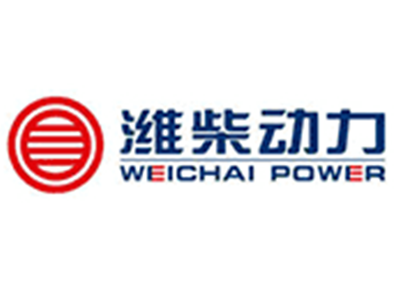
Core Viewpoint - Canada has announced a significant shift in its electric vehicle (EV) import policy from China, allowing for a quota of up to 24,500 vehicles from March 1 to August 31, 2026, with a reduced tariff rate of 6.1% [1][3]. Group 1: Import Quota and Tariff Changes - The initial import quota for Chinese electric vehicles is set at 49,000 units, covering pure electric, hybrid, and plug-in hybrid vehicles, with plans to consult on the quota mechanism in the coming months [3]. - The second phase of the quota will run from September 1, 2026, to February 28, 2027, allowing for an additional 24,500 vehicles and any unused quota from the first phase, with a target to expand the quota to 70,000 vehicles by 2030 [3]. - Previously, Canada imposed a 100% additional tax on electric vehicles imported from China starting October 1, 2024, raising the total tax rate to 106.1% [3]. Group 2: Trade Impact and Market Dynamics - In 2023, China exported 41,700 new energy passenger vehicles to Canada, a 751% increase year-on-year, with 13,200 units exported in the first half of 2024, marking a 500% increase [3][5]. - The value of electric vehicle imports from China surged from under 100 million CAD in 2022 to 2.2 billion CAD in 2023, with a significant drop of 92% in the fourth quarter of 2024 following the tax increase [5]. Group 3: Industry Expert Opinions - Experts view the removal of the 100% additional tax as a positive development, indicating that Canadian consumers would benefit from the competitive pricing and performance of Chinese electric vehicles [6]. - The Canadian government aims for over half of the imported electric vehicles from China to be priced below 35,000 CAD (approximately 180,000 RMB) within five years, aligning with the strengths of Chinese brands [6]. - Industry analysts suggest that while the policy shift opens opportunities for Chinese automakers, establishing local sales and after-sales systems in Canada will be essential for long-term success [6][12]. Group 4: Future Prospects and Investments - The reopening of import quotas coincides with a projected record high in China's automotive exports, expected to reach 7.098 million units in 2025, with new energy vehicle exports anticipated to grow by 103.7% [11]. - There is potential for increased collaboration between China and Canada in the automotive sector, not only in trade but also in investment, particularly in local assembly and production [11][12]. - Chinese companies are already preparing for market entry, with BYD registered for potential exports and Chery actively recruiting for roles related to entering the Canadian market [7][9].
EV Wars In February: BYD Sales Slump, NIO Sales Soar
Seeking Alpha· 2026-03-04 12:45
Group 1 - The focus of Cash Flow Club is on businesses with strong cash generation, ideally those with a wide moat and significant durability, which can lead to high rewards when bought at the right time [1] - The global electric vehicle market is highly competitive, with numerous start-ups and legacy players increasing their production capacity and rolling out new vehicles [1] - Jonathan Weber, an analyst with an engineering background, has been active in the stock market and shares research on value and income stocks, occasionally covering growth stocks [1] Group 2 - Cash Flow Club provides access to a leader's personal income portfolio targeting a yield of over 6%, along with community chat and a "Best Opportunities" List [1] - The club covers various sectors including energy midstream, commercial mREITs, BDCs, and shipping, emphasizing transparency on performance [1]


2026年智驾平权之车企智驾方案梳理
Soochow Securities· 2026-03-04 12:24
Investment Rating - The report maintains a positive outlook on the smart automotive sector, particularly emphasizing the L4 RoboX theme for 2026 [4] Core Insights - The report suggests a preference for B-end software companies over C-end hardware companies, recommending specific stocks in both H-shares and A-shares [4] - It highlights various downstream application perspectives, including Robotaxi and Robovan, and identifies key players and their business models [4] - The report also discusses upstream supply chain opportunities, including core suppliers and manufacturing partners [4] Summary by Sections Mainstream Automotive Companies' Smart Driving Technology Solutions - The report provides a comprehensive overview of the smart driving strategies of major automotive companies, detailing their partnerships and technology approaches [5][6][7][15][22][24][30][33] - Companies like BYD, Geely, Chery, and Great Wall are noted for their mixed strategies of self-research and external collaboration, with specific technology and supplier partnerships outlined [7][15][22][24][30][33] BYD's Smart Driving Strategy - BYD has shifted its smart driving approach from standard configuration to a pay-per-use model, emphasizing self-research while maintaining partnerships with algorithm companies [7][8] - The company has launched the "Tianshen Eye 5.0" system, which features advanced capabilities such as emergency steering and obstacle avoidance [12][13] Geely's Smart Driving Team Integration - Geely has completed the integration of its smart driving team under the "Qianli Zhijia" brand, focusing on enhancing its autonomous driving capabilities [15][17][19] - The company has established a structured approach to its smart driving solutions, offering multiple versions with varying hardware and software capabilities [19] Chery's Smart Driving Development - Chery has introduced the "Falcon Smart Driving" strategy, which includes multiple versions of its smart driving system, aiming for comprehensive coverage across various scenarios [22][23] - The company has also consolidated its smart driving R&D teams to enhance efficiency and innovation [22][23] Great Wall's Smart Driving Solutions - Great Wall has adopted a dual approach of self-research and external collaboration, with a focus on enhancing its computing power and algorithm capabilities [26][29] - The company has developed a tiered computing platform to support various levels of autonomous driving features [26][29] Changan's Smart Driving Framework - Changan has implemented a strategy that combines procurement from Huawei with its own smart driving research, aiming for a comprehensive autonomous driving solution [32][33] Other Companies' Strategies - The report also covers the smart driving strategies of other companies such as SAIC, GAC, and Leap Motor, highlighting their partnerships and technological advancements [33][36][38]
比亚迪第二代刀片电池要来了!续航1006km!
Xin Lang Cai Jing· 2026-03-04 12:05
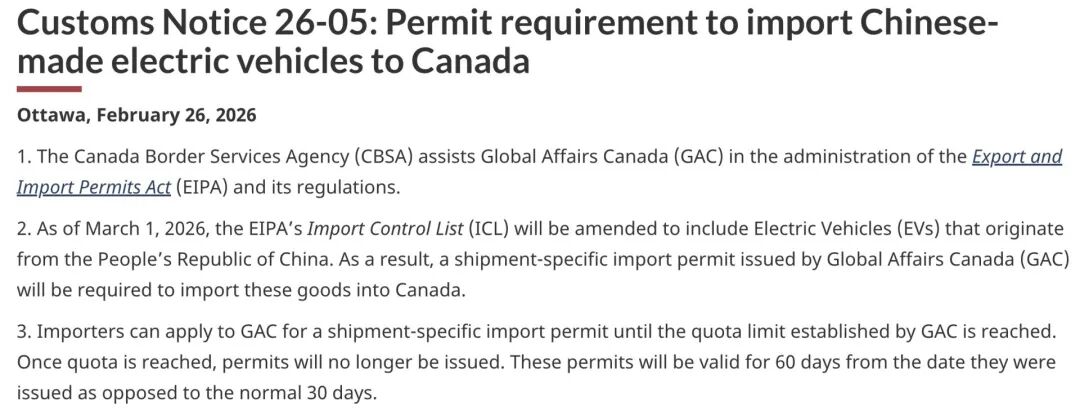
Core Viewpoint - BYD has officially announced the launch event for its second-generation blade battery and flash charging technology, scheduled for March 5 at 19:00 in Shenzhen, which is seen as a significant step in leading the transformation of the electric vehicle industry [1][10]. Group 1: Market Reaction - Following the announcement of the upcoming technology event, BYD's stock price reversed its downward trend, increasing by over 8% during the day, with a closing increase of 8.36%, resulting in a market capitalization surge of several billion [3][12][13]. - The positive market response is attributed to BYD's past technological breakthroughs and strong expectations for the upcoming disruptive technology [3][13]. Group 2: First-Generation Blade Battery - The first-generation blade battery was launched in 2020, featuring a structural innovation that eliminated traditional module designs, enhancing volume utilization by over 50% and providing high safety, long lifespan, and extended range [3][13]. - The first model equipped with this battery, the BYD Han EV, achieved a comprehensive range of 605 kilometers and a 0-100 km/h acceleration time of just 3.9 seconds, leading to significant sales and establishing the blade battery as an industry benchmark [3][13]. Group 3: Second-Generation Blade Battery - The second-generation blade battery is expected to significantly improve energy density, range, charge and discharge rates, low-temperature performance, and safety compared to the first generation, with a CLTC range potentially exceeding 1000 kilometers [5][15]. - The first model to feature the second-generation blade battery is the BYD Yangwang U7, which boasts a range of 1006 kilometers (CLTC) [5][15]. Group 4: Flash Charging Technology - The newly introduced megawatt flash charging system will allow for a charging experience comparable to traditional fuel vehicles, enabling a recharge of over 400 kilometers in just 5 minutes [7][17]. - This technology includes a full liquid cooling temperature control design, improving charging efficiency in low-temperature environments, addressing winter charging concerns for users in northern regions [7][17]. Group 5: Strategic Implications - BYD's investment in research and development has created a competitive barrier that is difficult for others to replicate, positioning the company as a leader in the electric vehicle sector [8][18]. - The release of the second-generation blade battery and flash charging technology is expected to challenge the notion that high-end technology must come with high prices, making advanced technology more accessible to mainstream models and accelerating the transition away from fuel vehicles [8][18].
加拿大对华电动车敞开配额大门,首批2.45万辆!比亚迪已提前布局,奇瑞正招兵买马,中国车企出海再迎重要窗口期
Mei Ri Jing Ji Xin Wen· 2026-03-04 11:09
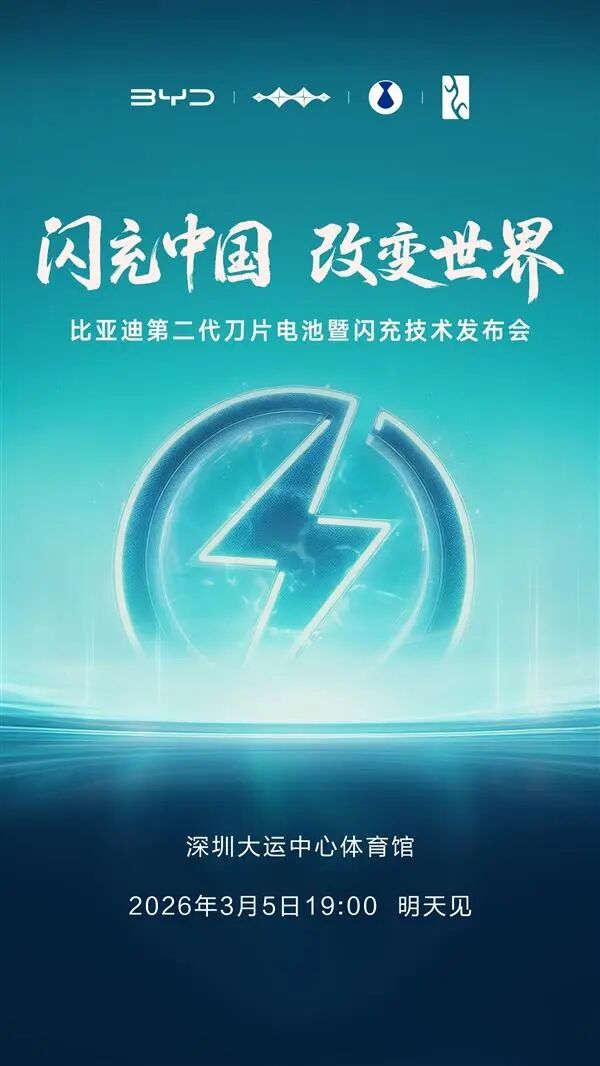
Core Insights - Canada has announced a significant shift in its electric vehicle (EV) import policy from China, allowing for the issuance of import licenses for up to 24,500 electric vehicles from March 1 to August 31, 2026, at a reduced Most-Favored-Nation tariff rate of 6.1% [1][3] Group 1: Import Quota and Policy Changes - The initial import quota for Chinese electric vehicles is set at 49,000 units, covering pure electric, hybrid, and plug-in hybrid vehicles, with plans to consult on the quota issuance mechanism in the coming months [3] - The second phase of the quota will run from September 1, 2026, to February 28, 2027, allowing for an additional 24,500 vehicles and any unused quota from the first phase, with a target to expand the quota to 70,000 vehicles by 2030 [3] - Prior to this policy change, Canada had imposed a 100% additional tax on electric vehicles imported from China starting October 1, 2024, which had significantly impacted trade volumes [3] Group 2: Trade Impact and Market Dynamics - In 2023, China exported 41,700 new energy passenger vehicles to Canada, marking a 751% year-on-year increase, with 13,200 units exported in the first half of 2024, a 500% increase [3] - The value of electric vehicle imports from China surged from under 100 million CAD in 2022 to 2.2 billion CAD in 2023, with a notable decline of 92% in exports in the fourth quarter of 2024 following the tax increase [5][3] - Experts view the removal of the 100% additional tax as a positive development for future cooperation between Canada and China in the electric vehicle sector [5] Group 3: Future Prospects and Strategic Moves - Canadian Prime Minister Mark Carney indicated that over half of the electric vehicles imported from China within five years should be priced below 35,000 CAD (approximately 180,000 RMB), aligning with the competitive strengths of Chinese brands [6] - Chinese automakers are already preparing for market entry, with companies like BYD registered for potential exports and Chery actively recruiting for roles related to entering the Canadian market [10][8] - The adjustment in policy is expected to not only boost trade but also encourage investment in local assembly and production, enhancing the long-term partnership between Canadian and Chinese electric vehicle sectors [14]