
红旗连锁

Search documents
博晓通:2025年现制饮品行业机遇分析报告
Sou Hu Cai Jing· 2025-06-07 11:43
Core Insights - The report indicates that the Chinese ready-to-drink beverage industry has entered a new stage of quality-price ratio and scale development, with a market size of 546.6 billion yuan in 2023, expected to exceed 1 trillion yuan by 2028, driven by second-tier cities and Southeast Asian markets [1][8][12]. Market Dynamics and Growth Drivers - The market structure shows that first-tier cities are saturated, while second-tier and lower cities account for over 60% of store numbers, with a compound annual growth rate (CAGR) of 23% in GMV [1][12]. - China and Southeast Asia contribute nearly 40% of the global growth in ready-to-drink beverages, with Southeast Asia experiencing a CAGR of 19.8% [1][12]. - Consumer demand is shifting from mere thirst-quenching to quality, health, and scenario-based consumption, driving multi-dimensional product innovation [1][8][20]. Supply Chain and Digital Empowerment - The supply chain is upgrading to direct sourcing from quality production areas, with leading brands establishing their own planting bases to enhance raw material quality and optimize costs [2][38]. - Digitalization is integrated into supply chain management, store operations, and consumer experience, enabling precise marketing and repurchase loops [2][19]. Franchise Model and Competitive Advantages - The franchise model is central to brand expansion, with initial investments for new tea beverage stores ranging from 120,000 to 400,000 yuan, and a payback period of 1-2 years [2][32]. - Brands ensure consistency in service between franchise and direct stores through strong management controls, with companies like "Hushang Ayi" accelerating market penetration through this model [2][25]. Industry Trends and Challenges - Future strategies must balance scale and differentiation, with leading brands enhancing social responsibility through initiatives like the New Tea Beverage Public Welfare Fund [2][12]. - The industry faces challenges from increasing homogenization, necessitating continuous product development and deeper digital applications to meet rapidly changing consumer demands [2][12]. Consumer Trends - Consumers are increasingly focused on the quality of raw materials, preferring high-end tea leaves, fresh fruits, and quality dairy products, while also seeking health-conscious options [20][24]. - The demand for low-sugar, plant-based ingredients is rising, with brands innovating to meet these health trends [22][24]. Product Innovation - The evolution of beverage ingredients reflects a shift towards health and functionality, with current trends emphasizing diverse tea bases and innovative, health-oriented additives [22][24]. - Seasonal product offerings help balance revenue fluctuations, with leading brands frequently launching new products to maintain consumer interest [1][22]. Market Expansion Opportunities - The second-tier and lower-tier cities represent the largest market for the new tea beverage industry, with significant growth potential [12][15]. - International market expansion, particularly in Southeast Asia, presents a second growth curve for brands, alongside the promotion of Chinese tea culture [12][16]. Strategic Implications - Digital transformation is crucial for sustainable growth, enhancing operational efficiency and creating competitive barriers for new tea beverage brands [19][38]. - The establishment of the New Tea Beverage Public Welfare Fund by several brands highlights a commitment to social responsibility and community engagement [40][41].


暴跌50%了,白酒能不能抄底?
Sou Hu Cai Jing· 2025-06-07 02:17
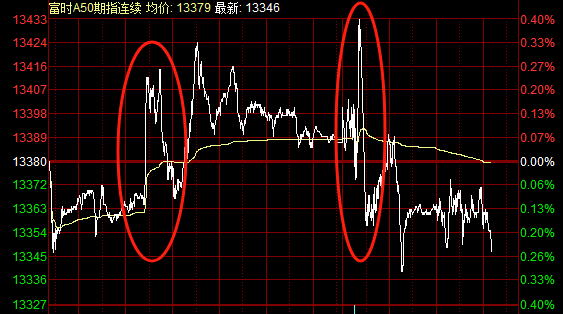
Group 1 - The recent phone call between the two national leaders had a minimal impact on the capital market, with A50 futures only moving from -0.13% to 0.24%, a mere 0.37 percentage points [1] - The A-share market continues to experience narrow fluctuations, with the Shanghai Composite Index showing a four-day cumulative increase of only 1.13%, struggling to surpass the 3400-point mark [3] - Silver has seen significant gains, with the "Guotou Silver LOF" rising by 4.68% today, totaling an 8.2% increase over recent days, while gold ETFs only increased by 1.52% [5] Group 2 - The supply shortage is a key factor driving the rise in silver prices, with the World Platinum Investment Council predicting a 30-ton shortage in the platinum market for 2025, and silver also facing supply issues [6] - The "gold-silver ratio" is undergoing a correction, currently at 92.7, indicating that silver may offer better value compared to gold at this time [7] - There are limited investment options for silver, with the "Guotou Silver LOF" underperforming its benchmark, and trading silver futures requiring significant capital, making it less accessible for small investors [9] Group 3 - The new consumption sector appears to be facing challenges, with stocks like "Mizuki Ice City" and "Old Peking Gold" experiencing significant declines [11] - The market capitalization of new consumption companies has reached levels that seem unreasonable, with "Bubble Mart" surpassing the combined market cap of major toy companies [13] - Traditional consumption sectors, such as liquor, are also struggling, with the liquor index showing a maximum drawdown of 57.76%, comparable to previous downturns [29] Group 4 - Public fund holdings in the liquor sector have decreased significantly, with the proportion dropping from 8.48% in Q4 2020 to 3.71% in Q1 2023, indicating a shift in investment sentiment [16][17] - The current price-to-earnings (PE) ratio for the liquor index is 18.87, which is at a level similar to the end of 2018, but the sustainability of this valuation is questioned due to potential future earnings stagnation [23][31] - The liquor index has maintained a dividend yield of 4.2%, suggesting that even with a significant price drop, the yield could remain attractive, raising questions about the likelihood of such a decline [31]
“互捧”还是“互黑”:品牌调侃成为新兴的营销手段
Hu Xiu· 2025-06-06 08:10
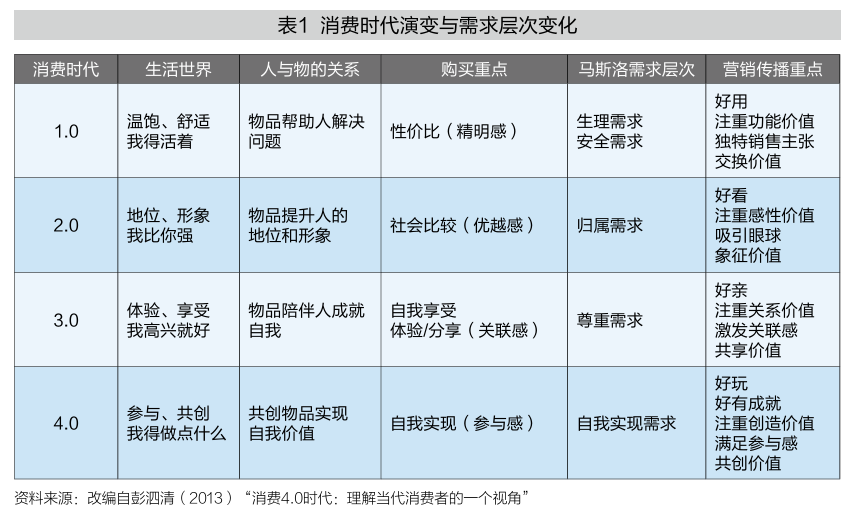
Core Viewpoint - Xiaomi's entry into the electric vehicle market has garnered support from various Chinese automotive brands and battery manufacturers, showcasing a spirit of collaboration within the industry [1] Group 1: Brand Teasing Definition and Context - Brand teasing is a marketing strategy where two or more brands interact humorously on social media platforms, aiming to engage consumers and enhance brand visibility [2][3] - The rise of new media has transformed brand communication, leading to more interactive and engaging marketing strategies [2][3] Group 2: Evolution of Consumer Behavior - Consumer behavior has evolved through different stages, from focusing on basic needs in the 1.0 era to seeking experiences and self-actualization in the 4.0 era, influencing marketing strategies accordingly [4][5][7] Group 3: Types of Brand Teasing - Brand teasing can be categorized into three types: mutual blackening, mutual flattery, and mutual flirting, each serving different marketing purposes [8][10] - Mutual blackening involves brands playfully criticizing each other to create engagement, while mutual flattery focuses on positive interactions to attract shared consumers [10][11][16] Group 4: Effects of Brand Teasing - Brand teasing effectively increases brand awareness and builds a positive brand image by engaging consumers in a humorous and relatable manner [22][23][24] - The unique and entertaining nature of brand teasing encourages consumer participation, enhancing brand loyalty and expanding reach through social media interactions [25][26] Group 5: Strategic Implementation - Companies should strategically choose the timing and content of brand teasing to align with their brand identity and target audience, ensuring effective engagement [26][27][28] - Continuous investment in brand teasing strategies is essential for long-term brand development and maintaining relevance in a competitive market [29]





2025麦肯锡报告:中国茶的消费市场在这里!
Sou Hu Cai Jing· 2025-06-06 05:51
Core Insights - The tea industry is undergoing transformation as consumer confidence stabilizes and shifts towards personal achievement and quality consumption [1][2][3][4] Group 1: Acceptance of the New Normal - Consumers are beginning to adapt to the "new normal," characterized by single-digit growth and cautious spending behavior, with tea consumption showing resilience [6][7] - The annual total consumption is projected to grow by 2.3% in 2025, remaining stable compared to the 2.4% growth expected in 2024, despite a decline in household income growth expectations from 2.5% to 1.4% [6][7] - The proportion of consumption to disposable income has shifted from -0.5% to 0.0%, indicating a cautious yet stable approach to spending [6] Group 2: Stability of Consumer Confidence - Overall consumer confidence is stabilizing, but there is a noticeable structural differentiation within tea consumption groups [11] - Rural consumers, particularly high-income and younger demographics, are showing increased optimism and willingness to spend, driven by rural revitalization policies [14] - In contrast, consumer confidence in first and second-tier cities is declining, particularly among high-income groups, with a notable drop in optimism among older generations [15][17][18] Group 3: Focus on Personal Value - There is a shift in consumer intent, with a decreasing correlation between overall consumption willingness and individual consumption intentions, leading to more rational purchasing decisions [19] - Consumers are increasingly willing to invest in education, health products, and travel, indicating a preference for products that enhance personal value [21] - The tea industry can capitalize on this trend by developing educational programs, functional tea products, and integrating tea culture with tourism, which are expected to see accelerated growth [22][25]

瑞幸咖啡及行业更新:饮茶or喝咖啡?
2025-06-06 02:37
Summary of Luckin Coffee and Industry Update Company and Industry Overview - **Company**: Luckin Coffee - **Industry**: Coffee and Tea Beverage Industry Key Points and Arguments 1. **Product Innovation and Promotions**: Luckin Coffee maintains competitiveness through product innovations like light milk tea and lemon tea, along with short-term promotions such as 5.6 and 5.9 yuan, which significantly boost summer store sales without affecting coffee delivery efficiency [1][2][16] 2. **Store Opening Pace**: The company is opening stores at a faster-than-expected rate, with a new store opening ratio of approximately 60% in high-tier cities and 40% in lower-tier cities, indicating ongoing user education and increased consumption frequency in high-tier cities. The total number of new stores is expected to exceed the initial guidance of 4,000 for the year [1][3][15] 3. **Impact of Delivery Business**: The delivery business has significantly driven growth for Luckin Coffee and the entire restaurant industry. Despite reduced platform subsidies, the brand has maintained store revenue growth by increasing its own subsidies, with delivery orders accounting for nearly 30% of total orders [1][6][17] 4. **Coffee Futures Price Fluctuations**: Recent fluctuations in Arabica coffee futures prices have impacted costs, but prices have recently decreased by 17%. The company has signed large procurement contracts and launched high-margin new products to alleviate cost pressures and improve gross margins [1][18] 5. **Tea Beverage Brands Performance**: Tea brands are performing well on delivery platforms, benefiting from high delivery order ratios and platform subsidies. Brands like Mixue Ice City and Tea Baidao are actively participating in delivery activities, showing growth in both store numbers and same-store sales [1][21] 6. **Same-Store Sales Growth**: Luckin Coffee's same-store sales have improved both sequentially and year-over-year, with May showing over 10% growth driven by sales volume, while prices have stabilized due to the introduction of lower-cost products [2][16] 7. **Challenges in Supply Chain Management**: The current market environment presents challenges for supply chain management due to uncertainties in platform subsidies and demand fluctuations, requiring companies to adapt their supply chain strategies [9] 8. **Market Trends in New Consumption**: The coffee and tea industry has shown signs of differentiation, with no strong new brands emerging since last year. This indicates that current market demand has been effectively met, making it difficult for new supply to enter the market [12][13] 9. **Performance of Tea Brands**: Tea brands are experiencing significant growth, with some brands like Mixue Ice City opening approximately 1,000 new stores monthly and achieving same-store sales growth exceeding 20% in May [21] 10. **Future Industry Outlook**: The delivery platform subsidies and upcoming hot summer weather are expected to continue driving growth in the coffee and tea industry, although data may slow down or face marginal pressure in the fourth quarter [24] Additional Important Insights - **LP Exit Clarification**: Recent exits of limited partners (LPs) are normal adjustments and not indicative of major shareholder sell-offs, which will not negatively impact the company [4] - **Management Changes**: The appointment of the CEO as chairman is seen as a logical step in the company's globalization and capitalization process, aimed at addressing potential structural issues [5] - **User Retention and Supply Chain Challenges**: User retention rates need further observation, especially after subsidy cessation, which may lead to mismatches in actual order volumes and supply chain capabilities [20]

2025年中国餐饮连锁化发展白皮书-中国餐饮连锁化率已达23%
Sou Hu Cai Jing· 2025-06-06 01:12
Industry Overview - The Chinese catering market is expected to exceed 5.5 trillion yuan in 2024, with a year-on-year growth of 5.3%, outpacing the growth of retail sales of consumer goods [1][14] - The chain rate has increased to 23%, up from 19% in 2021, indicating a significant rise in the expansion of leading brands [1][14] - The number of brands with 501-1000 stores has grown the fastest at 93.6%, reflecting a shift towards efficiency and quality in the industry [1][14] Category and Business Model Innovation - The chain rate for beverage stores remains stable at 49%, while self-service restaurants and local cuisines are emerging as growth highlights [1][30] - Self-service restaurants are innovating through both low-cost and high-quality offerings, with a 5% increase in chain rate [1][30] - Brands like Laoxiangji and Jiumaojiu are expanding through the "satellite store" model, reducing rental costs by 60% and increasing order volume by 1.74 times [1][30] Regional Market Characteristics - New first-tier cities lead in chain store distribution, with a chain store proportion of 23.4%, while first-tier cities reach 35.1% [2] - The catering consumption in lower-tier markets has increased by 19.6%, with a 32.9% share of new merchants [2] Franchise Model Upgrades and Capital Trends - Major brands like Haidilao and Jiumaojiu are opening up franchises, with over 85% of franchisees possessing cross-industry operational capabilities [6] - In 2024, the number of catering investment and financing cases decreased to 70, with a focus on supply chain and digitalization [6] Consumer Behavior and Product Trends - The average dining price has decreased by 10.2%, but the acceptance rate for high-rated merchants has increased by 13.7% [7] - Breakfast delivery has surged by 118.9%, and nighttime economy is driving growth in categories like barbecue and crayfish [7] Future Trends Outlook - The industry is transitioning from "scale-driven" to "value-driven," with a need for deeper supply chain integration and digital operations [8] - The dual penetration of lower-tier and high-tier cities is expected to continue, with regional specialties breaking through through standardization and cultural tourism integration [8]

外卖“百亿补贴”内卷,咖啡先受不住了
Hu Xiu· 2025-06-06 00:40
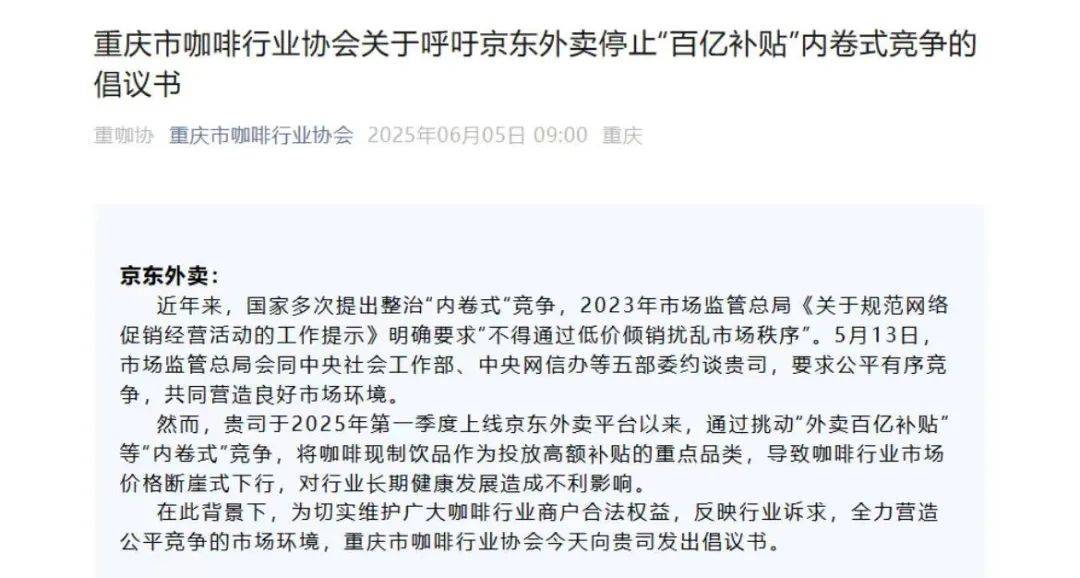
Core Viewpoint - The coffee industry is facing a significant price war driven by aggressive subsidies from delivery platforms, leading to unsustainable pricing and potential long-term damage to local coffee brands [3][6][32]. Group 1: Price War Dynamics - The coffee price war has resulted in prices dropping below 6 yuan per cup, with extreme cases as low as 2 yuan, making coffee cheaper than bottled water [2][15]. - The average cost of a cup of coffee for major brands like Luckin and Kudi is approximately 10.16 yuan and 9.55 yuan respectively, indicating that current prices are well below cost [17]. - The market share of national chain coffee brands has increased from nearly 80% to over 90% from early April to late May 2025, significantly impacting local brands [19]. Group 2: Impact on Local Brands - Local coffee brands are struggling under the pressure of the price war, with many unable to sustain operations, leading to calls for an end to irrational subsidies [3][5]. - The Chongqing Coffee Association has highlighted that the ongoing price competition is harming local brands' market share and innovation capabilities, with a reported 12% decline in online transaction amounts year-on-year [3][5]. - If the current situation persists, it is expected to adversely affect the livelihoods of more industry workers and the long-term health of the coffee sector [5][6]. Group 3: Consumer Behavior and Market Trends - The aggressive pricing strategies have altered consumer perceptions, with a heightened sensitivity to coffee prices, making it unlikely for consumers to support higher-priced local brands [20][28]. - The coffee market in China has seen a shift towards a more mature consumer base, with an average consumption of 300 cups per year in major cities, indicating potential for growth if pricing strategies stabilize [34]. - The focus on low prices has led to concerns about product quality and sustainability, with reports of diluted flavors and inconsistent product offerings [37][38]. Group 4: Future Outlook - The current price war is viewed as a short-term strategy that may not be sustainable, as it undermines the profitability and operational viability of coffee businesses [21][23]. - There is a growing recognition that the industry must shift from price competition to quality and service differentiation to foster a healthier market environment [36][42]. - Regulatory bodies are beginning to address the issues arising from the price war, indicating a potential shift towards more sustainable competitive practices in the future [38].
Met Gala红毯撞衫之战,DIOR输给LV了?|5月潮汐Mail
36氪· 2025-06-06 00:26
Group 1 - The article discusses the evolving trends in food and beverage, highlighting how young consumers are creatively using products like "Mixue Ice City" in cooking, transforming drinks into culinary ingredients [4][5][6] - The rise of unique food presentations, such as the "Prince Charming Soup," showcases the trend of visually appealing dishes gaining popularity on social media [8] Group 2 - The opening of LE LABO's new store in a traditional Beijing courtyard marks a significant move for the brand, integrating local architectural styles with its fragrance offerings [9][11][14] - The competitive landscape of high-end retail is shifting, with Beijing SKP undergoing a partial ownership change, raising questions about its future amidst a cooling luxury market [20][22][23] Group 3 - The collaboration between outdoor brand Outopia and China Rocket Company reflects a trend of brands merging functionality with cultural values, appealing to younger consumers [25][27] - The launch of IKEA's second-hand platform "IKEA preowned" aligns with sustainability goals, allowing users to buy and sell used IKEA products [60][62] Group 4 - GAP's marketing campaign for the 520 event emphasizes emotional connections and inclusivity, contrasting with the quieter responses from luxury brands in the same period [65][68]

全球品牌,如何赢在中国?
Xin Hua Wang· 2025-06-05 09:51
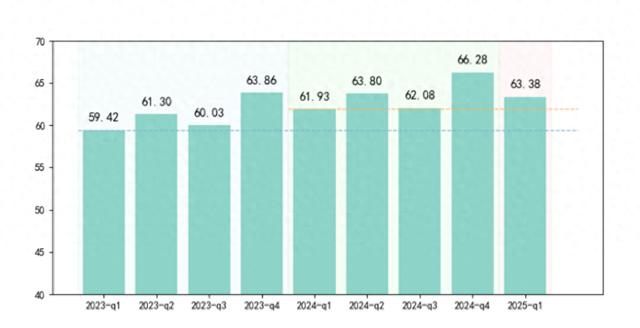
Group 1 - The report released by Peking University National School of Development and other institutions highlights a significant increase in China's online consumption brand index (CBI), rising from 59.42 in Q1 2023 to 63.38 in Q1 2025, indicating a notable recovery in consumption quality [1][3] - The report emphasizes that China's large-scale market advantages are becoming increasingly prominent, making it a core market for global brand strategies [3][10] - Both domestic and foreign brands are thriving in the Chinese market, showcasing a successful integration into consumer lifestyles through advanced technology and strong brand influence [4][6] Group 2 - The report utilizes a multi-dimensional evaluation standard based on platforms like Taobao, assessing brand quality through sales, pricing, search, and reviews, which reflects the current development status of brands [4][9] - Chinese brands are successfully breaking into global markets, with examples like BYD leading in electric vehicle manufacturing and DJI in the drone industry, demonstrating the effectiveness of technological innovation [6][7] - The integration of traditional cultural elements into product design is attracting international consumers, as seen in the fashion industry where traditional Hanfu elements are combined with modern aesthetics [6][9] Group 3 - Despite the achievements, challenges remain for Chinese brands in the global market, including cultural differences, trade barriers, and increasing international competition [7][9] - The report stresses the importance of continuous investment and innovation in brand building, as China still faces "bottleneck" issues in high-end technology [9][10] - The certainty of the Chinese consumer market, driven by a large population and supportive policies, is seen as a major attraction for both domestic and international brands [10][12]

“跳出河南发展河南”(连线评论员)
Ren Min Ri Bao· 2025-06-04 21:48
Core Viewpoint - The article emphasizes the importance of leveraging regional advantages and enhancing openness to drive high-quality development in Henan, despite its geographical limitations [1][2]. Group 1: Regional Advantages - Henan's unique geographical position allows for extensive connectivity, forming a "12345" high-speed rail travel circle that connects major economic regions across China [1]. - The province has developed a robust transportation network, facilitating frequent business interactions and enhancing trade opportunities [1]. Group 2: Industrial and Technological Collaboration - Strengthening industrial collaboration and technological innovation is crucial for Henan to integrate into the new development landscape, with a focus on complementing regional strengths [2]. - The introduction of quality educational resources and talent from prestigious universities has helped address Henan's technological innovation gaps [2]. Group 3: Manufacturing and Economic Growth - Henan has established a comprehensive modern industrial system, ranking first in industrial economic output among central and western provinces [3]. - The province's advanced manufacturing capabilities are highlighted by significant production increases in the electric vehicle sector, with 2024 projections estimating 681,000 units produced, up from 60,000 three years prior [2][3]. Group 4: International Trade and Market Expansion - Henan has accelerated its international trade efforts, exemplified by the establishment of the first China-Maldives free trade agreement certificate and the launch of new international cargo routes [4]. - The province's innovative approaches to market expansion, such as the introduction of Malaysian durians via direct flights, showcase its commitment to enhancing trade efficiency and consumer experience [4]. Group 5: Future Development Strategies - The article suggests that Henan should continue to explore new development opportunities through reform and openness, aiming to solidify its role as a significant contributor to national economic growth [2][5]. - By actively participating in the "Belt and Road" initiative and enhancing its logistics capabilities, Henan is positioning itself for competitive advantages in the evolving economic landscape [5].