雀巢

Search documents
瑞幸盯上蓝瓶咖啡!咖啡头部为何扎堆换东家?
东京烘焙职业人· 2026-01-03 08:33
以下文章来源于餐饮O2O ,作者专注餐饮业创新的 餐饮O2O . 餐饮O2O是中国专注餐饮产业链新媒体,每天分享餐饮产业上下游新鲜资讯+干货案例,以媒体为入 口,为餐饮业提供咨询培训、投融资、供应链、开店选址、创业加盟等行业深度服务。 近期的咖啡行业,正在经历一场静默而深刻的地壳运动。 一连串重磅 并购与出售 传闻,已不只是商业版图的简单改写,更像一场针对 咖啡价值 本身的 " 外科手 术 " 。 从瑞幸被传竞购蓝瓶和 Costa ,到 KDP 千亿收购皮爷母公司,再到星巴克中国控股权易主博裕资本 —— 巨头们正以近乎冷静的姿态, 将业务 " 拆解 " ,保留核心,剥离负担。 这背后是一个根本性质问: 一杯咖啡的价值,究竟附着于何处?是提供空间的实体门店,还是占据心智 的品牌符号? 答案的重写,正引发一场全球性的权力交接。 01 ■ 咖啡圈并购时代: 蓝瓶、皮爷、星巴克中国齐齐 " 换东家 " 近期咖啡行业风起云涌,重磅并购消息接连落地。 从瑞幸被传竞购蓝瓶咖啡和 Costa ,到美国饮料巨头 KDP 宣布收购皮爷咖啡母公司,再到历时近一年 的星巴克中国出售案终定 ...... 一场围绕品牌、渠道与市场话语权 ...




2026年15大行业趋势预测 世界经济将如何变革?
Sou Hu Cai Jing· 2025-12-31 07:21
Group 1: Global Economic Trends - In 2026, global defense spending is expected to reach a historic high of $2.9 trillion, influenced by geopolitical tensions and U.S. policies, with NATO countries planning to increase defense spending to 5% of GDP by 2035 [3][4] - Global energy demand is projected to grow by only 1% in 2026, driven by economic slowdown and improved energy efficiency, while carbon emissions are expected to increase by just 0.7% [4] - The global financial sector will face a new landscape of policy divergence, with major economies expected to lower interest rates, leading to a nearly 5% growth in global bank loans [7][8] Group 2: Automotive Industry - The global automotive market is anticipated to show a complex picture in 2026, with overall new car sales expected to grow by 2.5%, driven by a 15% increase in electric vehicle sales to 24 million units, with China accounting for over half of this market [3] - U.S. automakers are adjusting their electric vehicle strategies due to reduced policy support, with companies like Audi and Aston Martin delaying electric vehicle launches [3] Group 3: Energy Sector - Non-hydro renewable energy generation is expected to surpass 30% of the global energy mix for the first time, exceeding coal [4] - China is projected to add over 300 GW of wind and solar capacity, sufficient to power millions of households [4] Group 4: Healthcare Industry - Global healthcare spending is expected to grow by 5% to nearly $12 trillion, but actual government investment may remain tight due to prioritization of defense and debt reduction [10] - The pharmaceutical market is expected to see a 5% increase in sales, driven by the popularity of oral weight-loss drugs and the introduction of generic drugs in India and China [10] Group 5: Infrastructure Investment - Global infrastructure investment is projected to grow by 6%, exceeding $30 trillion, with nearly half of the investment concentrated in Asia [10][11] - The U.S. is focusing on digital infrastructure, with major tech companies expected to invest $400 billion in data centers [11] Group 6: Consumer Goods and Retail - Global retail sales growth is expected to be limited to 2% in 2026, with markets like India and the Philippines projected to grow by 5% and 7% respectively [15] - Companies are reshaping supply chains in response to trade tensions, with Nike planning to reduce reliance on Chinese manufacturing [16] Group 7: Tourism and Travel - The global tourism industry is expected to see a strong recovery, with international travelers projected to exceed 2 billion and total spending reaching $1.8 trillion [19][20] - The cruise market is set to expand, with at least 16 new cruise ships expected to enter service despite environmental regulations [20] Group 8: Technology and AI - The use of generative AI in businesses is expected to rise significantly, with the proportion of companies utilizing this technology projected to jump from under 5% in 2023 to about 80% by 2026 [18][19] - The demand for AI-related talent is expected to surge, with India alone needing 1 million skilled professionals by 2026 [19]

英伟达干翻苹果!登顶全球市值第一,AI 狂潮彻底改写科技格局?
Xin Lang Cai Jing· 2025-12-30 16:32
Group 1 - Apple has been surpassed by Nvidia as the highest market capitalization company globally, with Nvidia's market cap reaching $4.63 trillion compared to Apple's $4.04 trillion [1][3] - Alphabet, Google's parent company, has risen to third place with a market cap of $3.79 trillion, surpassing Microsoft [3] - The demand for artificial intelligence has significantly benefited chip manufacturers like Broadcom and TSMC, with TSMC being the only non-US company in the global top ten by market cap [3] Group 2 - European companies are lagging behind in market capitalization, with ASML being the highest at approximately $412 billion, ranking 24th globally [5] - Novo Nordisk has seen a significant drop in market position, falling from 24th to 68th due to the loss of competitive advantage of its weight-loss drug Wegovy [5] - In Germany, Siemens and Allianz remain in the top 100, while Deutsche Telekom has fallen out of the list, with T-Mobile ranking 73rd [5] Group 3 - In Switzerland, Roche remains the highest-ranked company with a market cap of $340 billion, while Novartis has improved its position to 46th with a market cap of $295 billion [6] - Siemens Energy has entered the list of companies with a market cap over $100 billion, with a significant stock price increase of over three times since spring [6] - The number of German companies in the global market cap rankings has increased from five to eight, although no German automotive manufacturers are currently listed [6]



冰雪赛事经济学:安踏走向闭环丨消费参考
2 1 Shi Ji Jing Ji Bao Dao· 2025-12-30 01:37
Group 1 - Anta Group is increasing its investment in the upcoming 2026 Milan Winter Olympics, providing equipment support for 13 Chinese national teams [1] - Anta's brands, including FILA and Descente, are collaborating with various national teams, focusing on developing professional competition and training gear [1] - The new equipment features significant technological advancements, such as a cutting-edge anti-cutting material developed in collaboration with academic institutions [1] Group 2 - The ice and snow sports market is currently not mainstream due to seasonal factors, which raises questions about the economic viability of Anta's investments in this sector [2][3] - Despite the challenges, the economic ecosystem around ice and snow events is forming, with technology from these events being integrated into consumer products [4] - The down jacket market in China has seen substantial growth, with a compound annual growth rate of 12.84% from 2019 to 2023, indicating a competitive advantage for sports brands like Anta [5] Group 3 - As ice and snow sports gain popularity, the market space is expected to grow, allowing Anta to launch consumer products based on national team technology [6] - This strategy highlights Anta's focus on cost optimization and value for consumers, enhancing its marketing approach [7]
中金 | 破局存量竞争:中国食饮出海掘金指南
中金点睛· 2025-12-30 00:01
Core Viewpoint - The domestic food and beverage industry in China has entered a mature phase with slowing growth, but recent policy benefits, supply chain advantages, and product enhancements have laid the groundwork for domestic companies to expand overseas [2][3]. Group 1: Market Overview - The overall growth rate of the domestic food and beverage industry is projected to be only 2.0% from 2020 to 2024, with traditional categories like mid-range beer and basic condiments entering a phase of stock competition [3]. - Some niche segments, such as energy drinks and compound seasonings, continue to show high growth, but the industry as a whole faces a ceiling [3]. - The RCEP agreement and cross-border trade facilitation actions have reduced tariffs and logistics costs, enhancing the conditions for Chinese companies to go global [3]. Group 2: Global Market Opportunities - The CAGR for the food and beverage industry in Southeast Asia, the U.S., and Western Europe from 2020 to 2024 is projected to be 4.6%, 5.9%, and 4.7% respectively, significantly higher than China's 2.0% [3][5]. - Southeast Asia has a population of approximately 600 million, with a young demographic and dietary habits similar to China, making it an attractive market for entry [3][7]. - The U.S. market, with a size of $919.8 billion, offers substantial opportunities due to its large scale and high consumer purchasing power, particularly among the growing Asian population [3][5]. - The EU has a high per capita GDP of $41,423, indicating strong consumer purchasing power and a clear trend towards premium products, providing space for differentiated offerings [3][5]. Group 3: Successful Case Studies - Kikkoman successfully entered the U.S. market in the 1960s by focusing on brand cultivation and local production, demonstrating the importance of understanding market inflection points and building a global distribution system [4]. - Domestic company Mixue has rapidly expanded overseas by leveraging cost-effectiveness, intellectual property, and franchising [4]. - Aisle has successfully penetrated the Indonesian market by enhancing brand recognition through localized innovation, achieving a market share among the top three [4]. Group 4: Regional Market Characteristics - Southeast Asia's food and beverage market is characterized by a young population and rapid GDP growth, making it a prime location for localized and scalable market entry [11]. - The U.S. market is marked by a growing Asian demographic with high income levels, creating a core consumer group for Asian food and beverages [12]. - The European market emphasizes high per capita income and a strong demand for health-oriented products, aligning well with Chinese offerings in tea, functional drinks, and plant-based products [12]. Group 5: Sector-Specific Insights - The seasoning market in Southeast Asia is growing steadily, with sauces and seasonings accounting for the highest market share [15]. - The U.S. seasoning market is projected to reach $37.28 billion in retail sales by 2024, with a CAGR of 6.8% from 2019 to 2024, indicating a diverse consumer preference [20][22]. - The snack market in Southeast Asia is experiencing rapid growth, with the region's snack market retail sales projected to reach $19.15 billion by 2024 [23][25]. Group 6: Challenges and Competitive Landscape - The competitive landscape in Southeast Asia is fragmented, with both local leaders and international giants present, necessitating a focus on differentiated product offerings [28]. - In the U.S. and Western Europe, the snack market is dominated by major international players, making it essential for Chinese companies to leverage unique flavors and innovative products to gain market entry [34].
Investors Say Europe Is Cooked, But JP Morgan’s Euro ETF Is Destroying The S&P and Hot AI Stocks
Yahoo Finance· 2025-12-29 15:07
Core Insights - European equities, particularly quality blue chips, have outperformed U.S. benchmarks and AI-focused stocks in 2025, despite currency fluctuations and geopolitical tensions [1]. Group 1: ETF Overview - The JPMorgan BetaBuilders Europe ETF (BBEU) offers low-cost exposure to developed European large caps with a 0.09% expense ratio and $8.4 billion in assets [2]. - BBEU achieved a return of 36.9% year-to-date through late December 2025, significantly surpassing the S&P 500's 17.8% gain during the same period [3]. Group 2: Performance Drivers - The fund experienced $678.7 million in inflows during one week in October, leading to a 16.4% increase in outstanding units, indicating strong institutional interest despite lower retail investor sentiment [3][7]. - Key contributors to BBEU's performance include European defense contractors like Rheinmetall and BAE Systems, as well as luxury brands such as LVMH and Hermès, which have shown resilience amid economic challenges [6]. Group 3: Portfolio Composition - The ETF's holdings include major companies such as ASML Holding (3.3%), AstraZeneca (2.2%), Roche Holding (2.2%), HSBC Holdings (2.0%), and Nestlé (2.0%), representing leaders in semiconductors, pharmaceuticals, banking, and consumer staples [5]. - The portfolio also features companies like SAP, Siemens, and Airbus, further diversifying its exposure [6]. Group 4: Currency Impact - Currency fluctuations have a dual impact; European investors in U.S. stocks faced a 14% loss due to euro strength in 2025, while American investors in BBEU benefited from dollar weakness [8].

麦秀华:牛奶如何在中国走进千家万户
Xin Lang Cai Jing· 2025-12-29 02:42
Core Insights - The article discusses the significant shift in milk consumption in China, where despite low lactose tolerance, Chinese people now consume over a quarter of the world's milk. This change is analyzed through various factors beyond modernization and Western dietary influences [1][3][4]. Group 1: Historical Context and Influences - Post-World War II food systems, particularly U.S. food aid, altered dietary habits in Asia, including China, laying the groundwork for increased milk consumption [3]. - The 1980s saw European milk exports to China, which, along with multinational companies like Nestlé establishing production facilities, contributed to the expansion of milk and dairy products in East Asia [3][4]. - Government support for dairy industry projects, including land reforms and financial incentives, has led to a significant increase in milk production, transforming milk from a luxury to a common beverage [3][4]. Group 2: Medicalization and Marketing - The marketing strategies of dairy and pharmaceutical companies have created health narratives around milk, such as "insufficient breast milk" and "picky eating," which have driven consumer demand [4][8]. - The collaboration between global capital, state policies, and commercial medicine has intertwined to elevate milk consumption in daily diets, marking a profound dietary transformation [4][8]. Group 3: Cultural and Traditional Aspects - Traditional Chinese dietary practices have historically been distant from milk consumption, but recent decades have seen a surge in daily milk intake, influenced by both nutritional awareness and modern marketing [7][8]. - The unique water buffalo milk production in regions like Shunde reflects local culinary traditions, which have been affected by economic changes and modern consumer preferences [10][11]. Group 4: Modern Consumption Trends - In Hong Kong, the low breastfeeding rates and the rise of formula milk consumption reflect a complex interplay of modern parenting ideals and societal pressures [13][14]. - The perception of milk as a necessary dietary component has led to the medicalization of lactose intolerance, framing it as an abnormality rather than a natural condition [14][15].


一周新消费NO.341|蒙牛纯甄上新「冻梨口味风味酸奶」;刘昊然亮相VICUTU新年衣橱以马上行系列开启新年叙事
新消费智库· 2025-12-28 13:03
New Products - Mengniu launched "Frozen Pear Flavor Yogurt" which uses French imported dual-strain fermentation, suitable for various scenarios like breakfast and outdoor activities [8] - Shuanghui and Tmall Supermarket introduced "Spicy Beef Strips" with ≥90% beef content and ≥27g protein per 100g [8] - Bawang Tea Ji launched the "Return to Yunnan" series with three flavors, using a blend of 65% Menghai Pu'er and 35% Mengku Ice Island ripe Pu'er [11] - Heytea collaborated with Pop Mart to introduce a new product line featuring custom star-shaped drinks and themed stores [11] - Watsons launched a limited edition "Biquan Sweet Apricot Jasmine Green Tea" using high-quality apricot puree [12] Industry Events - McDonald's opened its first stores in Ningxia and Qinghai, completing its presence in all provincial-level administrative regions in China [16] - Anta officially joined Taobao Flash Sale, with plans to cover over 4,000 stores by 2026 [18] - JD Health and Ganhe Group signed a strategic cooperation agreement to enhance supply chain efficiency and user health management [18] Investment Trends - Zhongyan Alkali Industry received a strategic investment of 3.92 billion RMB for green mining expansion [22] - Safilo acquired 25% of Inspecs Group for £21.7 million [22] - Qianjue Technology completed a Pre-A++ round financing of nearly 100 million RMB for technology development [22] - Sequoia China acquired a controlling stake in Golden Goose [22] Food Industry Developments - Mixue Ice City opened its first flagship store in Hangzhou, featuring a wide range of drinks and cultural products [28] - Haidilao introduced a small portion menu with prices starting from 3.8 RMB [28] - Mengniu launched "Soft Milk" using EHT enzyme hydrolysis technology for better nutrient absorption [28] - Nestlé completed the sale of its remaining 40% stake in Herta Foods to Casa Tarradelas [32]
指向“十五五”的这场金融盛会,树立“青岛风向标”
凤凰网财经· 2025-12-27 11:46
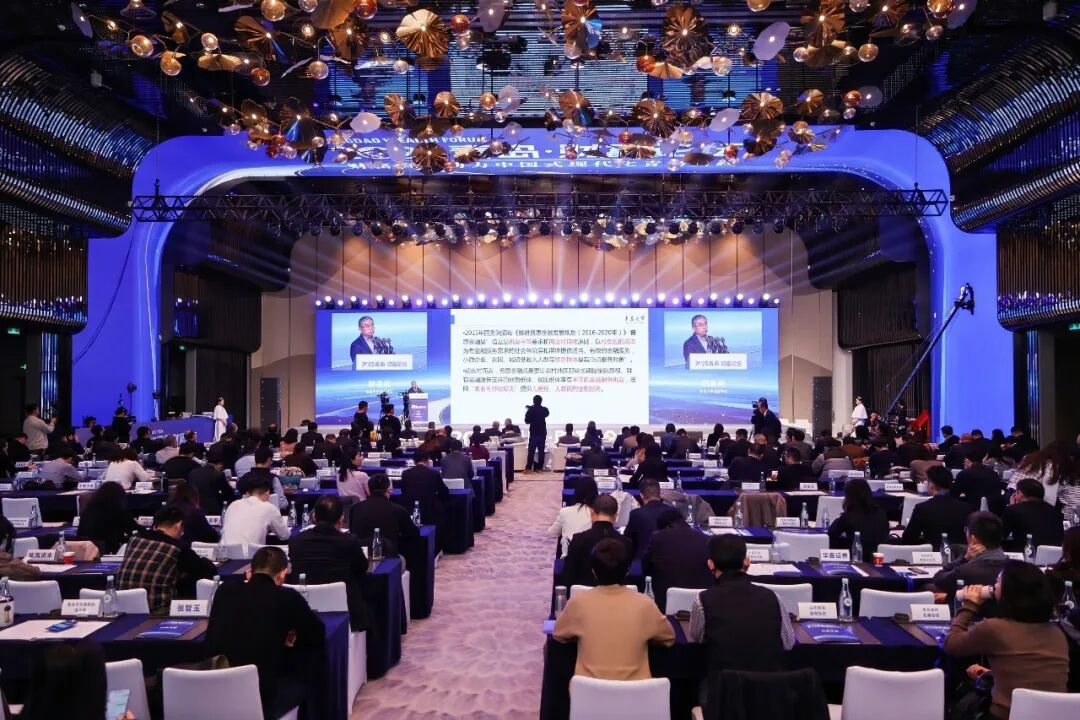
"十五五"开局之年已然临近。 规划建议首度将"金融强国"写入,既标志着我国金融发展逻辑发生重大转变——从基础制度搭建转 入以"强国"为导向的质量提升与全球竞争力培育阶段,更对金融业发展提出更高要求。 正是在这样的历史节点,12月26日,以"财富管理助力中国式现代化青岛实践"为主题的2025青岛 财富论坛在青岛金家岭金融区如约而至。 本次论坛共设置一个主论坛和三个分论坛,紧扣建设金融强国目标,围绕金融"五篇大文章",现场 数百位国内经济金融领域相关领导、业内知名专家学者齐聚,共探财富管理与国家战略同频共振的 实践路径。 01 发出"青岛声音",洞察"十五五"前沿趋势 过去一年,全球经济格局波谲云诡,国内新旧动能转换稳步演进,传统模式面临艰难险阻,在多重 风险交织叠加下,金融业站在了转型的十字路口。 本届论坛上,各界嘉宾在延续往年以前瞻视角、权威声音纵论行业发展同时,还进一步强调与国 家"十五五"规划建议的融合,带来精彩的观点输出,以更加积极的姿态深入探讨财富管理助力中国 式现代化青岛实践的赋能路径与未来图景。 "随着我国社会财富总规模的逐步积累,中国经济增长的模式也需要逐渐从投资驱动向消费投资并重 转变,充分发 ...
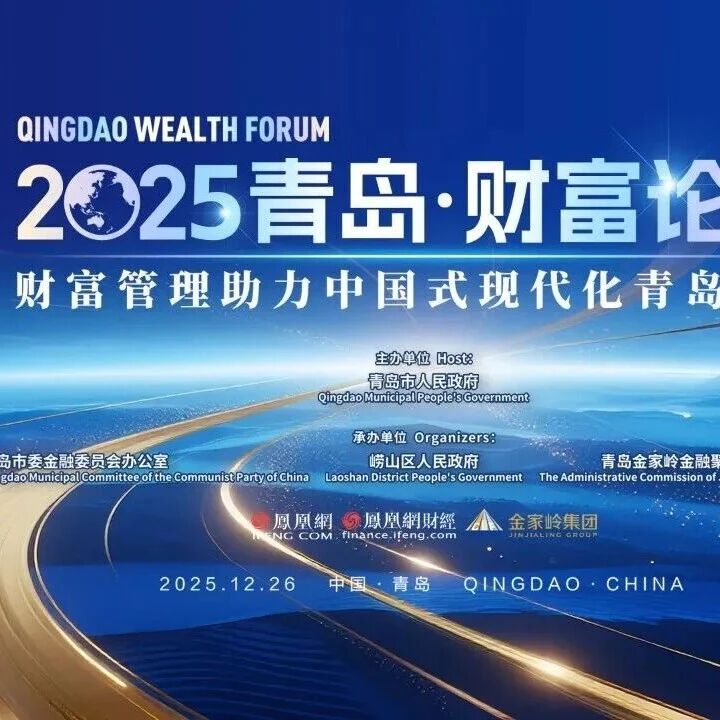
指向“十五五”的这场金融盛会,树立“青岛风向标”
Xin Lang Cai Jing· 2025-12-27 09:54
转自:推广 "十五五"开局之年已然临近。 规划建议首度将"金融强国"写入,既标志着我国金融发展逻辑发生重大转变——从基础制度搭建转入以"强国"为导向的质量提升与全球竞争力培育阶段, 也更对金融业发展提出新的更高要求。 正是在这样的历史节点,12月26日,以"财富管理助力中国式现代化青岛实践"为主题的2025青岛财富论坛在青岛金家岭金融区如约而至。 本次论坛共设置一个主论坛和三个分论坛,紧扣建设财富管理核心主线金融强国目标,围绕金融"五篇大文章",现场数百位国内经济金融领域相关领导、 业内知名专家学者齐聚,共探财富管理与国家战略同频共振的实践路径。 发出"青岛声音" 洞察"十五五"前沿趋势 过去一年,全球经济格局波谲云诡,国内新旧动能转换任重道远稳步演进,传统模式面临艰难险阻,在多重风险交织叠加下,金融业站在了转型的十字路 口。 已连续举办11届的青岛财富论坛,作为青岛推进财富管理中心建设的重要平台和品牌活动,早已成为洞察金融业发展趋势的前沿平台窗口。 本届论坛上,各界嘉宾在延续往年以前瞻视角、权威声音纵论行业发展同时,还进一步强调与国家"十五五"规划建议的融合,带来精彩的观点输出,以更 加积极的姿态深入探讨财 ...