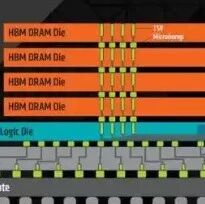
长江存储

Search documents
存储扩产周期叠加自主可控加速,看好半导体设备产业链 | 投研报告
Zhong Guo Neng Yuan Wang· 2025-12-03 02:03
Industry Perspective - Semiconductor equipment is the cornerstone of the semiconductor industry, with significant growth potential driven by storage expansion and domestic substitution [1] - According to SEMI, the semiconductor equipment market will maintain a 33.2% share as the largest single market globally in the first half of 2025, with leading domestic companies showing impressive performance [1] - The combined revenue of eight leading domestic companies is expected to grow by 37.3% year-on-year, while net profit attributable to shareholders is projected to increase by 23.9% in the first three quarters of 2025 [1] Investment Logic - The global semiconductor market has entered a strong recovery cycle, with the market expected to grow by 18.9% year-on-year in the first half of 2025 and 15.4% for the entire year [2] - AI technology is driving a surge in storage demand, with significant supply-demand gaps pushing prices higher; NAND and DRAM prices are expected to rise by 5-10% and 13-18%, respectively, by Q4 2025 [2] Domestic Storage Leaders - Domestic storage companies are accelerating capacity expansion, with Longxin Storage starting its IPO process and Jiangsu Changjiang Storage's third-phase project being officially established [3] - The introduction of 3D DRAM technology and advancements in NAND stacking are expected to significantly increase the market for etching and thin-film deposition equipment, with projected growth of 1.7 times and 1.8 times, respectively [3] Investment Recommendations - 2025 is anticipated to be a significant year for order growth and performance realization in the domestic semiconductor equipment sector [4] - Key beneficiaries include companies like Zhongwei Company, which is expected to benefit from storage expansion and 3D technology iterations [4] - Other recommended companies include North Huachuang, which has a broad product line, and Huahai Qingke, Zhongke Feice, and Jingce Electronics, which are rapidly increasing their domestic market share in specific segments [4]


花旗闭门会-2026中国科技硬件展望,光模块存储领跑中低端手机承压更看好PCB上游
花旗· 2025-12-01 16:03
Investment Rating - The report indicates a positive outlook for the optical transceiver market and recommends TCL Technology as a preferred investment target due to its significant revenue from LCD panels [8][9]. Core Insights - The global smartphone market is expected to see a 5% decline in low-end smartphone shipments in 2026, while average selling prices are projected to rise by nearly 7% [1][3]. - AI-related PCB and server stocks are currently trading at P/E ratios below 20, with Google's contribution to revenue and profit expected to increase significantly by 2026 [6]. - The panel prices are stabilizing after a decline, with an anticipated upward trend starting in 2026, benefiting companies like TCL Technology [7][8]. - The optical transceiver market is performing well, with positive feedback from Google's Gemini 3 project, indicating strong demand for 1.6T and 800G products [9]. Smartphone Market Outlook - The low-end smartphone market is facing challenges, with manufacturers likely to increase prices by approximately 120 RMB per unit to offset rising costs [5][4]. - Semiconductor companies in the smartphone sector are dealing with inventory surplus issues, particularly in the CIS segment, which may lead to short-term difficulties [13]. PCB and Server Industry - The P/E ratios for AI-related PCB and server stocks are low, with expectations for Google's revenue contribution to rise from 15% to 20% and profit from 20% to 25% by 2026 [6]. Panel Industry Trends - TCL Technology holds a strong position in the LCD panel market, with 60%-70% of its revenue derived from this segment, making it a key player as panel prices are expected to rise [8][7]. Memory Market Trends - Memory prices are expected to continue rising until at least mid-2026, with limited impact from Chinese suppliers until 2027 [11]. - The transition from DDR4 to DDR5 is anticipated in 2026, as both types are expected to have similar pricing [12].

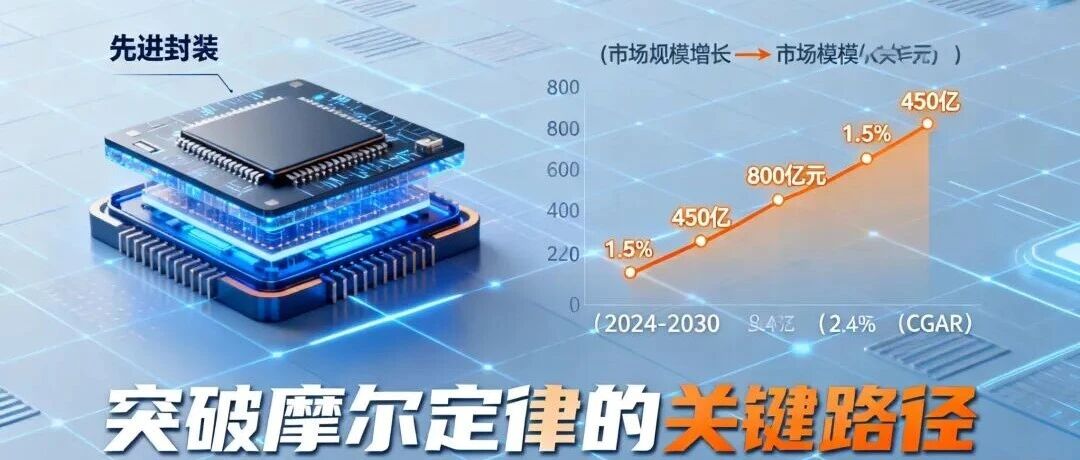
先进封装技术的战略价值与研究背景
材料汇· 2025-12-01 14:10
Core Insights - Advanced packaging technology is crucial for overcoming performance bottlenecks in the semiconductor industry, driven by emerging applications like AI, high-performance computing, and 5G communication [3] - The global advanced packaging market is projected to grow from approximately $45 billion in 2024 to $80 billion by 2030, with a compound annual growth rate (CAGR) of 9.4% [3][75] Technical Evolution Dimension - TSMC's CoWoS technology has evolved from supporting 1.5x to 3.3x mask sizes, with plans for a 5.5x version by 2025-2026 and a 9x version by 2027, significantly increasing integration density and reducing signal transmission latency [6][7] - Hybrid bonding technology is emerging as a core technology for next-generation advanced packaging, enabling direct wafer bonding without bumps, thus enhancing interconnect density and reducing power consumption [10][11] - AMD's MI300X AI accelerator utilizes a 3.5D packaging architecture, combining TSMC's SoIC and CoWoS technologies, achieving unprecedented integration levels with 1,530 billion transistors [14][15] - Intel employs a multi-technology strategy in advanced packaging, focusing on EMIB and Foveros technologies, with plans for further enhancements to improve performance and integration [18][19] - Glass substrate technology is gaining traction as a disruptive innovation, offering advantages in electrical performance, thermal stability, and cost-effectiveness, with a projected market penetration exceeding 50% within five years [22][23] Material System Analysis - BT resin substrates are the most widely used packaging material, accounting for over 70% of IC substrates, known for their excellent thermal and electrical properties [26][27] - ABF substrates, developed by Ajinomoto, are preferred for high-end chip packaging due to their superior processing capabilities and electrical performance, despite higher costs [28][30] - Ceramic substrates, particularly AlN and Si3N4, are ideal for high-performance applications due to their high thermal conductivity and mechanical strength [32][34] Equipment and Process Dimension - TCB equipment is critical for HBM packaging, with ASMPT holding over 80% market share, driven by the demand for AI chips and high-performance computing [45][47] - The global die bonder market is dominated by four major players, with ASMPT leading at 31% market share, followed by BESI, Ficontec, and Neways [49][51] - The back-end packaging equipment market is characterized by a diverse competitive landscape, with Disco leading in wafer thinning and cutting technologies [54] Industry Layout Analysis - TSMC is experiencing exponential growth in CoWoS capacity, projected to reach 65,000-75,000 units per month by 2025, driven by AI chip demand [63][65] - The HBM market is dominated by three players: SK Hynix, Samsung, and Micron, collectively holding over 95% market share, with SK Hynix leading at 60-70% [67][68] - China's packaging industry is rapidly advancing, with Jiangsu Changjiang Electronics Technology, Tongfu Microelectronics, and Huada Semiconductor becoming significant players globally [70][71] - The global advanced packaging market is shifting towards IDM manufacturers, who leverage integrated design and manufacturing advantages, with Taiwan companies holding a dominant position in the AI packaging market [73][74]


地方政府与城投企业债务风险研究报告:湖北篇
Lian He Zi Xin· 2025-12-01 11:03
1. Report Industry Investment Rating No relevant content provided. 2. Core Viewpoints of the Report - Hubei Province has an important transportation position, obvious resource endowment advantages, and its economic aggregate and per capita GDP rank among the top in the country. The provincial government's debt burden has increased but remains at a relatively low - medium level nationwide. Debt resolution work is advancing steadily, and the debt risks of urban investment enterprises are generally controllable [4][5]. - The "one - main, two - deputy" regional economic pattern in Hubei is stable, with significant differences in the economic development levels of different cities and prefectures. The general public budget revenue of each city and prefecture has increased year - on - year, but the fiscal self - sufficiency ability is generally weak [4]. - After the introduction of a package of debt resolution plans in 2024, the issuance volume and scale of urban investment bonds in Hubei decreased significantly year - on - year. In 2025, the issuance scale increased year - on - year, but the bond financing of most cities and prefectures showed a net outflow [6]. 3. Summary According to the Directory 3.1 Hubei Province's Economic and Fiscal Strength 3.1.1 Economic Development Status - Hubei has an important transportation position and rich resources. It is a comprehensive transportation and communication hub in central China. The province has abundant water energy, mineral, tourism, and education resources. During the 14th Five - Year Plan period, it will invest 820 billion yuan in comprehensive transportation construction [7]. - The permanent population has slightly decreased, and the urbanization rate is slightly lower than the national average. In 2024, the GDP and per capita GDP ranked 7th and 9th in the country respectively, and the GDP growth rate was 5.8%. In the first half of 2025, the GDP growth rate was 6.18%, higher than the national average [9]. - The industrial structure is continuously optimized, with the service industry remaining dominant. Traditional industries are stable, and strategic emerging industries are developing rapidly. The "Optical - Chip - Display - Terminal - Network" industry cluster centered in Wuhan East Lake High - tech Zone is expected to reach a trillion - level scale [11]. - Policies such as the "14th Five - Year Plan for the Development of the Middle Reaches of the Yangtze River Urban Agglomeration" and the "Wuhan Metropolitan Area Development Plan" are beneficial to Hubei's economic development. Since 2025, Hubei has introduced a series of policies to promote economic development [14][18]. 3.1.2 Fiscal Strength and Debt Situation - General public budget revenue ranks in the middle in the country, with a low fiscal self - sufficiency rate. In 2024, it was 393.788 billion yuan, ranking 11th in the country. From January to June 2025, it was 235.334 billion yuan, a year - on - year increase of 7.6% [21]. - Government - funded revenue was basically the same as the previous year, and the contribution of land use right transfer fees increased. The scale of superior subsidy revenue is large, and the comprehensive financial strength ranks in the middle - upper reaches of the country. In 2024, the superior subsidy revenue was 561.319 billion yuan, ranking 3rd in the country, and the comprehensive financial strength ranked 8th [22][26]. - The overall debt burden is at a relatively low - medium level nationwide. At the end of 2024, the local government debt balance was 1,858.61 billion yuan, a year - on - year increase of 18.95%. The debt ratio and debt - to - GDP ratio increased by 14.12 and 2.97 percentage points respectively [29]. - Hubei strictly implements the debt resolution plan, focusing on "three - asset" reform and actively seeking replacement bond quotas. It has completed the task of exiting financing platforms ahead of schedule, and the debt resolution work is advancing steadily [30]. 3.2 Economic and Fiscal Strength of Each City and Prefecture in Hubei Province 3.2.1 Economic Development of Each City and Prefecture - The "one - main, two - deputy" regional economic pattern is stable, and the economic development levels of different cities and prefectures vary significantly. Wuhan has a strong population siphon effect. Huangshi, Xiaogan, and Jingmen have relatively fast GDP growth rates [33]. - Different regions have different industrial characteristics. The "Han - Xiao - Sui - Xiang - Shi" region has a developed automobile - related industry, and the "Yi - Jing - Jing" region has a well - developed chemical industry. Emerging industries such as the "Optical - Chip - Display - Terminal - Network" in Wuhan are developing rapidly [38]. - In 2024, Huangshi, Xiaogan, and Jingmen had relatively fast GDP growth rates. In the first half of 2025, Shiyan and Jingmen ranked among the top two in terms of GDP growth rate [40][41]. 3.2.2 Fiscal Strength and Debt Situation of Each City and Prefecture - In the first half of 2025, the general public budget revenue of each city and prefecture increased year - on - year. Xiaogan, Shiyan, Huanggang, and Huangshi had relatively fast growth rates, while Wuhan had a slower growth rate [44]. - Affected by the real estate market, the government - funded revenue of some cities and prefectures decreased year - on - year. The government - funded revenue of different cities and prefectures showed a differentiated trend [48]. - The government debt balance of each city and prefecture has increased, and the debt - to - GDP ratio has risen. The debt resolution ideas of each city and prefecture are consistent with the provincial level, and various debt resolution measures have been taken [51]. 3.3 Debt - Repayment Ability of Urban Investment Enterprises in Hubei Province 3.3.1 Overview of Urban Investment Enterprises - Bond - issuing urban investment enterprises in Hubei are mainly at the prefectural and district - county levels. Wuhan has the largest number of bond - issuing urban investment enterprises, accounting for 25.22% of the province. High - credit - rated urban investment enterprises are mainly concentrated in Wuhan [56]. 3.3.2 Bond - Issuing Situation of Urban Investment Enterprises - In 2024, the number and scale of bond issuances by urban investment enterprises in Hubei decreased significantly year - on - year. From January to September 2025, the bond - issuing scale increased year - on - year, but the overall bond financing showed a net outflow [57][59]. 3.3.3 Debt - Repayment Ability Analysis of Urban Investment Enterprises - As of the end of 2024, the debt of bond - issuing urban investment enterprises in Hubei was mainly in the form of bank loans and bonds. The overall debt burden of urban investment enterprises in Ezhou and Wuhan is relatively heavy [63]. - As of the end of June 2025, most cities and prefectures' urban investment enterprises had a slightly improved cash - to - short - term - debt ratio, but there was still significant short - term debt - repayment pressure in Suizhou, Enshi, and Ezhou [68]. 3.3.4 Support and Guarantee Ability of Fiscal Revenue of Each City and Prefecture for the Debt of Bond - Issuing Urban Investment Enterprises - The scale of "total debt of bond - issuing urban investment enterprises + local government debt" in Wuhan is the largest, followed by Xiangyang, Yichang, Jingzhou, and Huangshi. Except for Shennongjia Forestry District and Enshi Prefecture, the ratio of "total debt of bond - issuing urban investment enterprises + local government debt" to comprehensive financial resources in other cities and prefectures exceeds 250% [74].
策略周报20251130:风格大切换,中盘蓝筹再崛起-20251130
Orient Securities· 2025-11-30 13:13
Core Viewpoints - The market is expected to remain strong towards the end of the year, but a significant style shift may occur, with mid-cap blue chips likely to rise again, presenting investment opportunities in the consumer, cyclical, and manufacturing sectors of mid-cap blue chips [3][16]. Market Analysis - The market has stabilized and rebounded, with previous adjustments deemed short-term in nature. A recent debt extension plan from a real estate company has drawn market attention, indicating a shift from "potential bottoming" to "value recovery pricing" post-extension. Future debt restructuring and debt-to-equity swaps may occur, with the bond market facing continued negative impacts. If this spreads to the stock market, risk preferences may converge towards mid-cap blue chips, highlighting their stability and growth potential. The stock market is expected to remain strong, but the focus of investment will shift towards mid-range stocks [4][17]. Industry Comparison - From March 2023 to the present, the market has consistently anticipated a tech and dividend-driven trend. Looking ahead, the end of the risk-on style is expected, with future investment opportunities in stocks with moderate risk characteristics. The mid-cap blue chip market, which has been dormant for four years, is poised for a resurgence, and market corrections may present good entry points [5][18]. Industry Allocation - Investment opportunities lie in mid-cap blue chips across three main lines: 1. The consumer sector, which has been quiet for years, is approaching a turning point. Many consumer stocks are undervalued, with supply constraints likely to drive prices up. Focus on mid-sized companies in sectors such as liquor, restaurant supply chains, snacks and beverages, home appliances, hotels, human resources, and beauty care [6][19]. 2. The cyclical sector is experiencing a revaluation driven by technological empowerment and supply constraints. Attention should be given to new materials and strategic minor metals (like antimony and rare earths), as well as industrial metals (copper and aluminum) that are seeing improved supply-demand dynamics, alongside traditional commodities like live pigs and rubber [6][19]. 3. The manufacturing sector is moving away from "dream narratives" to embrace "realization." Investment in manufacturing should shift from mere "story speculation" to verification of orders and revenues. Focus on sectors with ongoing performance verification expectations, such as communications, electronics, power equipment, and machinery [6][19]. Thematic Investments - Key areas of focus include: - **Artificial Intelligence**: Despite some skepticism about AI's future, the market's rational assessment of industry development is expected to lead to upward adjustments in investor expectations. Key areas include edge consumer electronics, robotics, computing power, and software applications [7][20]. - **Semiconductor Expansion and Domestic Substitution**: Domestic wafer fabs are expected to expand next year, and the capitalization of domestic storage chip leaders is progressing. Amid international tensions, domestic semiconductor materials are likely to accelerate development, with a focus on domestic computing power, chip manufacturers, equipment suppliers, and domestic substitutes for semiconductor materials [7][20]. - **Aerospace and Satellites**: There are differing views on the satellite industry’s progress next year. Successful launches of reusable rockets are anticipated to significantly boost industry development. Additionally, the IPO progress of industry leaders is expected to accelerate, with opportunities in satellite constellations, satellite tenders, commercial rockets, and terminal applications [7][20]. - **Solid-State Batteries**: The market remains attentive to the progress of solid-state battery projects. The acceleration of the industrialization process is evident, with the equipment/materials sector entering an order-driven phase, and demonstration vehicle timelines converging to 2025-2027. Focus on core companies in the supply chain [7][20]. - **Upstream Price Increases**: Supply constraints and structural demand growth are expected to provide price elasticity for related products, with attention on price-increasing varieties in the upstream of the new energy industry, chemicals, and non-ferrous metals [8][21].
别再骂AI了,内存涨价比黄金还狠,内行人揭露幕后真相
Sou Hu Cai Jing· 2025-11-29 10:31
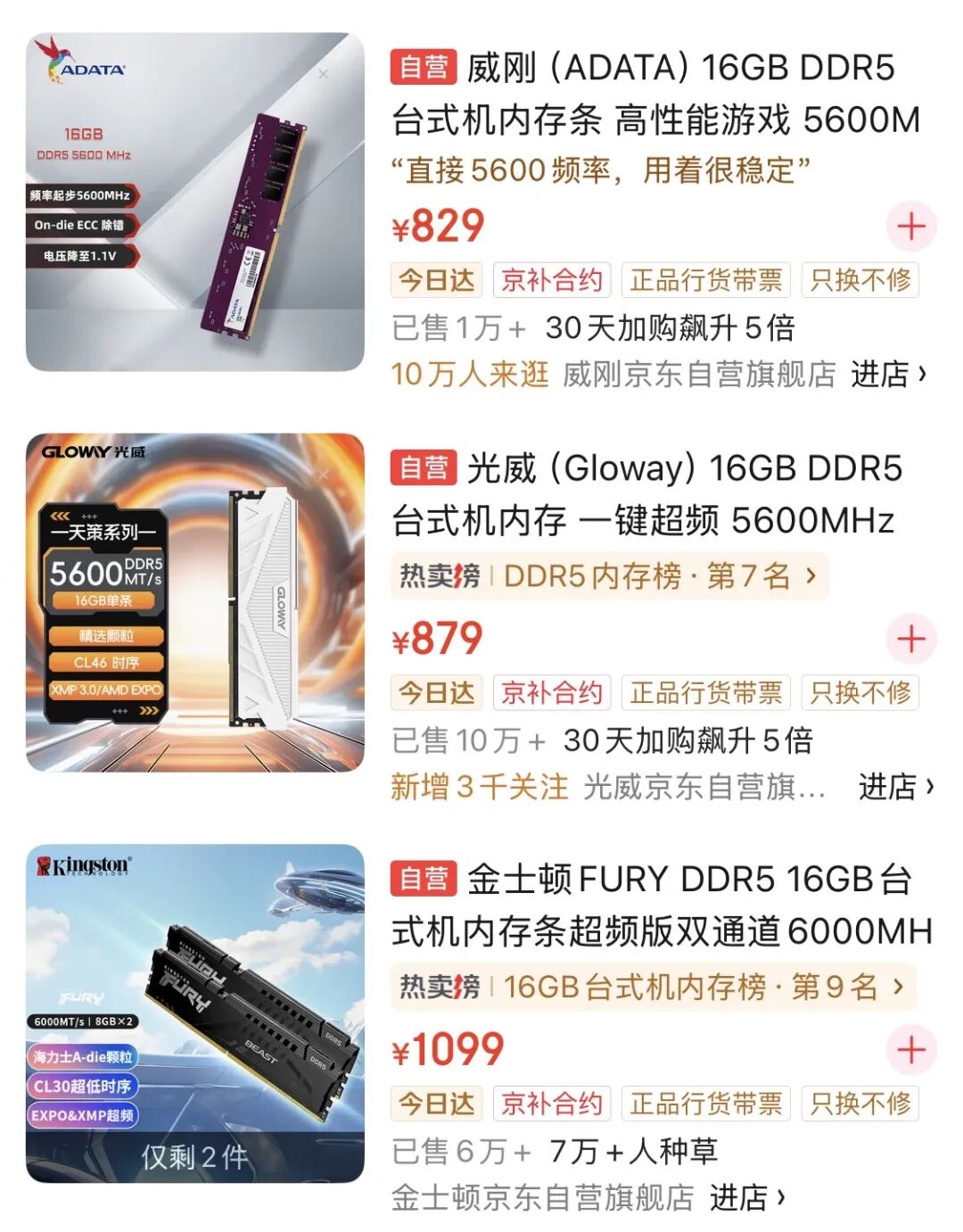
Core Viewpoint - The recent surge in memory prices, particularly for 16G DDR5 RAM, is attributed to a combination of monopolistic practices in the industry and production delays rather than solely the demand driven by AI [4][12]. Price Surge Analysis - The price of 16G DDR5 memory has nearly doubled since May 2023, with some high-end models exceeding 1,000 yuan, significantly increasing the cost for consumers [2]. - The perception that AI is the primary driver of this price increase is challenged, as the underlying issue is the monopolistic control of major players in the market [4]. Market Structure - The DRAM market is dominated by three major companies: Samsung, SK Hynix, and Micron, which collectively hold over 90% market share, leaving little room for new entrants [5]. - The high degree of product homogeneity among these companies means that there is little differentiation between brands, leading to high substitutability [5]. Production Characteristics - The production of memory chips is characterized by long lead times, with new factories taking 4 to 5 years to become operational, exacerbating supply issues [7]. - For instance, Micron's new factory in Japan will not be operational until late 2027, which does not alleviate current price pressures [7]. Supply and Demand Dynamics - The current price surge is a result of previous production cuts combined with a sudden spike in AI-related demand [12]. - The production cycle in the storage chip industry is lengthy, leading to mismatches between supply and demand, similar to the "pig cycle" in agriculture [10]. Monopolistic Effects - The oligopolistic market structure amplifies supply-demand mismatches, resulting in significant price volatility [10]. - Major companies are reallocating production capacity from standard DDR4 memory to higher-margin products like HBM, further constraining the supply of standard memory [9]. Emerging Competitors - Domestic manufacturers like Yangtze Memory Technologies and Changxin Memory Technologies are beginning to challenge the dominance of the major players, albeit with limited market share [17][19]. - These emerging companies are focusing on technological advancements and flexibility in production to respond more quickly to market demands [19]. Future Outlook - The rise of domestic manufacturers could lead to increased competition and potentially lower prices in the memory market as they focus on niche segments like edge computing and IoT [21]. - Historical trends suggest that monopolistic markets can be disrupted by technological innovation and increased competition, indicating a potential shift in the memory chip landscape [23]. - If domestic manufacturers can achieve a market share of over 30%, it is anticipated that memory prices will stabilize and return to more reasonable levels [25].
独家:他是最有希望被评为院士的高科技企业的高管之一!曾3次入围 但今年没来参选院士 是啥原因?
Xin Lang Cai Jing· 2025-11-29 00:22
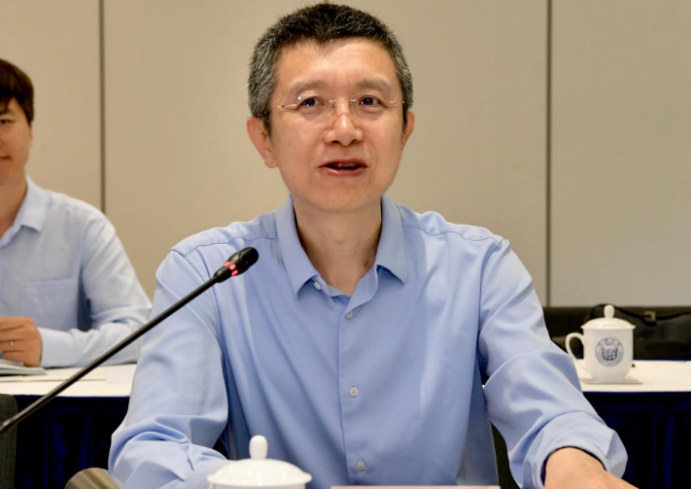
Core Points - The recent election results for the Chinese Academy of Engineering revealed that 144 individuals were elected, with three coming from private enterprises, indicating a shift towards recognizing contributions from the private sector [1][3] - The establishment of a "special quota" for private technology leaders in the 2025 election guidelines reflects the government's desire to encourage talent from private enterprises [3] - Despite the new opportunities, notable figures like Baidu's CTO Wang Haifeng did not participate in this year's election, raising questions about the reasons behind his absence [4][6] Group 1 - The election results included three scientists from private companies: Wu Kai from CATL, Lian Yubo from BYD, and Huang Xianbo from Jinfat [1] - The new guidelines for the 2025 election specifically allocate eight slots for candidates from private technology enterprises, highlighting the government's support for this sector [3] - Wang Haifeng, despite his qualifications and previous nominations, chose not to participate this year, which is seen as a significant loss for the private sector representation [6][9] Group 2 - Wang Haifeng has a strong academic and practical background in AI, having led significant projects and received multiple awards, which positions him as a deserving candidate for the academy [6][10] - The contributions of high-level executives in private enterprises, like Wang Haifeng, are often overlooked compared to those from academia, despite their substantial impact on technology and innovation [9][10] - The sentiment expressed by industry leaders suggests that Wang Haifeng's achievements will eventually lead to recognition, even if this year's election did not result in his selection [10]



内存价格飞升,国产替代能否改变战局?
3 6 Ke· 2025-11-28 06:13
Group 1 - The core issue of rising memory prices is driven by increased demand from AI giants, leading to significant price hikes in consumer electronics [1][8][9] - The price of 16GB DDR5 memory has surged, with current prices rarely falling below 800 yuan, compared to less than half that earlier this year [1][8] - AI server requirements are substantially higher, with DRAM memory needs being eight times that of regular servers, and NAND flash needs three times higher [10][11] Group 2 - The memory industry is experiencing a "super cycle," with DRAM prices reaching historical highs and expected to remain elevated until at least mid-2026 [16][19] - Major players like Samsung and SK Hynix are shifting production capacity towards high-bandwidth memory (HBM) to meet the surging demand from AI data centers [15][24] - The Korean semiconductor industry is benefiting significantly from this cycle, regaining pricing power after years of low prices due to oversupply [19][20] Group 3 - Domestic memory manufacturers, such as Yangtze Memory Technologies and ChangXin Memory Technologies, are emerging as competitors in the market, focusing on NAND and DRAM technologies respectively [33][34] - The Chinese memory industry has developed a complete supply chain, with various companies contributing to the production and technology advancements [40][41] - Despite the challenges, the rise of domestic players indicates a potential shift in the global memory market dynamics, with a focus on high-value products and technology upgrades [40][41]
2026全球半导体市场趋势展望(附24页PPT)
材料汇· 2025-11-27 15:44
Group 1 - The global semiconductor market is entering an upward phase of the "silicon cycle," with an expected market size of $783.8 billion in 2025, representing a growth rate of 23.4% [4][5] - The demand for high-performance semiconductor products is increasing due to the requirements of large AI models, leading to a tight supply situation in the memory market [5][10] - The U.S. has surpassed China to become the largest single semiconductor product market, with a projected market size of $269.6 billion in 2025, growing by 37.5% [10][11] Group 2 - Logic chips are expected to be the fastest-growing category in the semiconductor market, with a growth rate of 41.5% by 2025, followed by memory products [11][12] - The computing and communication sectors are projected to be the two main growth markets for semiconductors, with market sizes reaching $2.483 trillion and $2.822 trillion, respectively, by 2025 [14][12] Group 3 - China maintains its position as the largest exporter and importer of integrated circuits, with trade volumes significantly increasing due to the semiconductor industry's growth [15][16] - The trade deficit between China and the U.S. is widening, with China's imports from the U.S. increasing while exports are declining [21][22] Group 4 - China leads in the number of semiconductor patents and key articles published, indicating a strong position in intellectual property within the semiconductor industry [19][22] - The top 100 influential semiconductor companies in China are primarily concentrated in the integrated circuit design sector, with a significant presence in the Yangtze River Delta region [28][32] Group 5 - The new wave of semiconductor companies in China is also concentrated in the integrated circuit design field, with a notable presence in the Yangtze River Delta region [38][43] - High-performance storage and edge AI products are expected to drive new market developments, with high-performance storage becoming a core product in AI applications [47][48]

韩媒示警:韩国缺乏HBM混合键合核心专利
半导体芯闻· 2025-11-26 10:49
Core Insights - A study indicates that most core technologies required for advanced packaging of High Bandwidth Memory (HBM) are held by countries outside of South Korea [1] - South Korean companies excel in manufacturing and stacking HBM but are overly reliant on foreign companies for raw materials and equipment, which may expose them to patent litigation risks in the future [1][2] - TSMC and Adeia from the U.S. are leaders in hybrid bonding technology, with Adeia holding the most valuable patents based on a review of over 10,000 related patents from 2003 to 2022 [1] Patent Landscape - According to K-PEG ratings, TSMC ranks first in the number of high-quality patents above A3 level, followed by Samsung, Micron, and IBM [2] - China is rapidly growing in the memory sector, with companies like Yangtze Memory Technologies holding core technologies, including Xtacking, which are registered across South Korea, the U.S., Japan, Europe, and China [2] - Although South Korea holds the second-largest number of HBM-related patents, their quality and impact are below average due to reliance on imported core equipment and materials, posing risks to domestic companies [2] Future Implications - Companies may currently prefer to negotiate licensing agreements privately, but issues may escalate into litigation as hybrid bonding commercializes in 2026 [2]