SHEIN

Search documents
全球化智库(CCG)副秘书长张伟:出海不是简单的“地理迁移”,而是企业的全面变革 | 2025出海大会
3 6 Ke· 2025-07-28 09:01
Core Insights - The conference "Going Global with Craftsmanship" aims to provide a platform for Chinese companies to explore globalization opportunities and challenges, focusing on sustainable overseas expansion strategies [1] - Zhang Wei from the Globalization Think Tank (CCG) presented a framework termed "344 formation," highlighting three major opportunities, four significant challenges, and four core capabilities for Chinese enterprises going global [2] Opportunities - The era of Globalization 3.0 presents three strategic windows for Chinese enterprises, characterized by digital technology reshaping production relationships and creating unique opportunities for overseas expansion [3] - Regional economic integration is accelerating, with initiatives like RCEP enhancing trade facilitation and reducing costs for Chinese products entering markets like ASEAN and the Middle East [4] - Chinese companies are transitioning from OEM to brand and technology exporters, achieving breakthroughs in high-end manufacturing and electric vehicles, supported by improved infrastructure connectivity [5] - Digital technology is driving a paradigm shift, enabling companies like SHEIN and TikTok to reach global users rapidly, although it also intensifies international competition [6] Challenges - Companies face a dual challenge of traditional and new risks, including heightened geopolitical tensions that label various sectors as "national security" concerns [7] - Regulatory compliance presents significant hurdles due to vast differences in laws across countries, which can lead to severe penalties for non-compliance [8] - There is a structural shortage of talent capable of managing cross-cultural operations, necessitating the development of local teams [9] - Supply chain resilience is tested as companies may overlook local industry support and policy fluctuations when expanding into new regions [10] Success Strategies - Successful overseas enterprises must shift from being followers to co-creators of international standards, as demonstrated by companies like Huawei and CATL [11] - Localization goes beyond mere market entry; it requires deep cultural integration, as seen with Transsion's adaptations for African consumers [12] - Companies should establish intelligent risk management systems using AI to monitor policy changes and public sentiment, ensuring proactive compliance [13] - Building sustainable development models through local partnerships and community engagement can create a protective "soft power" for companies [14] Regional Focus: Yangtze River Delta - Companies in the Yangtze River Delta should leverage their strengths in high-end manufacturing and digital economy to pursue differentiated paths in global markets [15] - Emphasizing a "win-win" approach with local governments, communities, and partners is crucial for successful overseas ventures [16]


【环球财经】金砖多极合作谋新局 中巴金融伙伴关系添动能
Xin Hua Cai Jing· 2025-07-28 05:49
Group 1 - The seminar "BRICS 2025: Strategic Cooperation in a Multipolar World" was held in São Paulo, focusing on the leadership role of BRICS nations in global governance and the potential for deeper collaboration between China and Brazil in areas like digital economy and green energy [1] - The Chinese Consul General in São Paulo emphasized the importance of BRICS as a leading force in global governance reform, expressing China's willingness to strengthen strategic cooperation with Brazil under the BRICS framework [1] - The seminar highlighted the accelerating trend of de-dollarization, with countries like China and Brazil exploring local currency settlement mechanisms to enhance financial autonomy and risk resilience [2] Group 2 - The use of direct settlement in local currencies, such as the Chinese yuan and Brazilian real, is expected to bring multiple benefits, including reduced transaction costs and improved negotiation power in international trade [2] - Chinese Agricultural Bank representatives noted the increasing attempts at local currency settlement in sectors like electricity, agriculture, and manufacturing, with a commitment to support Brazilian enterprises through yuan financing [2] - The New Development Bank (NDB) is increasing the proportion of local currency loans for infrastructure projects among BRICS countries, which aids in mitigating exchange rate volatility and promotes financial integration [2]
20天,网签3100套,广州楼市正在刮骨疗毒
Sou Hu Cai Jing· 2025-07-26 13:33
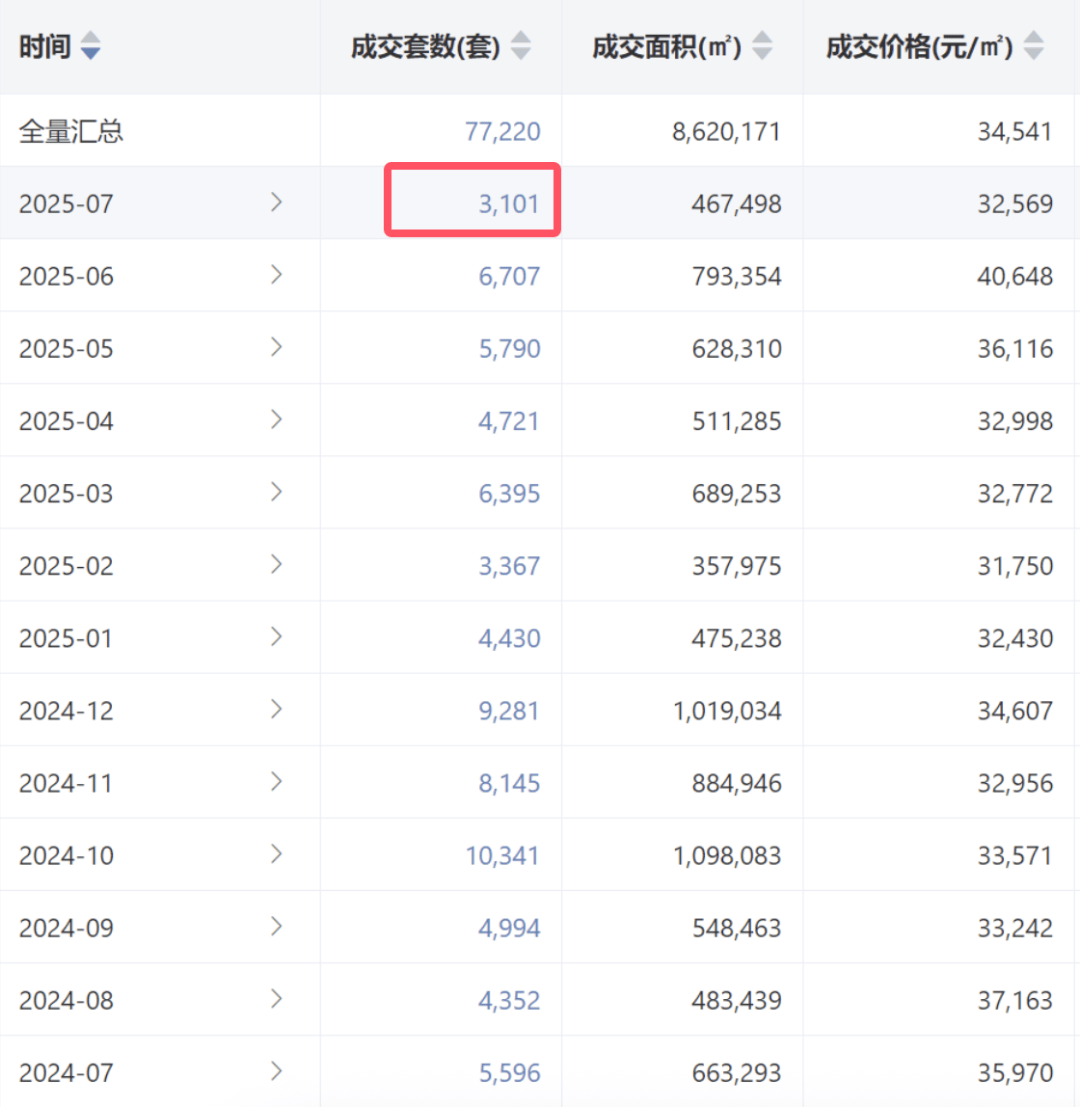
Market Overview - The real estate market in Guangzhou is currently experiencing a downturn, with only 3,101 units signed online as of July 20, which is significantly lower than last year's 5,596 units [1][3] - The average price per square meter is 32,569 yuan, which is slightly better than the previous month but still reflects a cooling market [2][3] Market Dynamics - June saw the highest number of transactions for the year at 6,707 units, driven by projects pushing for mid-year performance [3] - July is traditionally a slow month for real estate, compounded by high temperatures and school vacations, leading to decreased buying activity [3] - The market lacks new launches aside from a few projects, contributing to the overall stagnation [3] Government Initiatives - The Guangzhou government is actively stabilizing the market by utilizing a substantial fund to acquire existing residential properties, which is expected to provide a safety net for the market [8] - The government is also focusing on releasing quality land in core urban areas, which has shown positive results in attracting buyers and generating revenue for developers [8][9] - New regulations on housing design are being implemented to improve living conditions and address issues related to property safety and privacy [9] Economic Indicators - Guangzhou is witnessing a surge in urban vitality, with significant corporate investments and the establishment of major company headquarters, which is expected to enhance the city's attractiveness [11][12] - The city has seen a consistent increase in subway ridership, indicating a growing population and economic activity [12] Future Outlook - The ongoing urban renewal projects are expected to sustain purchasing power in the market, although the long-term sustainability of this demand remains uncertain [5] - The combination of government support, urban development, and new purchasing power from residents is seen as a positive sign for the market's recovery [15]
非洲电商:中国卖家的下一个黄金十年?
首席商业评论· 2025-07-26 03:32
Core Viewpoint - The article highlights the growing interest of Chinese sellers in the African e-commerce market, driven by the potential for growth and the demographic advantages of Africa, particularly its young population and rising middle class [3][6][10]. Group 1: Market Dynamics - Many sellers from Europe and Southeast Asia are exploring the African market due to the challenges in their current markets, such as increased competition and reduced profit margins [4][6]. - Data from China's customs shows a significant increase in exports to Africa, with a year-on-year growth of 33.4%, contrasting with declines in exports to the US and other regions [3][10]. Group 2: Demographic Advantages - Africa has the youngest population globally, with an average age of 19.3 years, and is projected to reach 1.549 billion people by 2025, making it a significant market for e-commerce [8][10]. - The middle class in Africa is expected to grow, potentially comprising over 40% of the population by 2060, which will drive consumption and economic growth [10][12]. Group 3: E-commerce Potential - E-commerce penetration in Africa is currently low, at only 2%-5% of total retail sales, compared to 20% in China, indicating substantial growth potential [10]. - The rise of the middle class and increased smartphone penetration are expected to further boost e-commerce growth in the region [14][15]. Group 4: Nigeria as a Key Market - Nigeria is identified as a primary target for Chinese sellers, with its e-commerce market expected to grow significantly, potentially tenfold in the future [15][16]. - The country has become a hub for technology and innovation, with a notable increase in startups and unicorns, particularly in fintech and e-commerce [16][18]. Group 5: Seller Adaptation - Sellers with experience in platforms like Shopee and AliExpress are more likely to succeed in Africa, where the market demands affordable products with lower return rates [21][22]. - The logistics challenges in Africa, such as poor road conditions and high last-mile delivery costs, necessitate a focus on local warehousing and community pickup points to improve efficiency [22][25]. Group 6: Payment and Brand Development - Cash on delivery remains the dominant payment method in Africa, and there is a growing need for financial technology solutions to address the lack of traditional banking services [26]. - The article emphasizes the importance of building local brands and adapting to consumer preferences, as the African market is still developing its brand consciousness [26][28].


倒计时下的墨西哥:新逻辑与潜规则
暗涌Waves· 2025-07-25 06:16
Core Viewpoint - The article discusses the complexities and challenges faced by Chinese companies operating in Mexico amid changing trade dynamics and tariffs, particularly in the context of US-China relations and the evolving economic landscape in Mexico [1][3][5]. Group 1: Trade Dynamics and Economic Impact - The upcoming US-China trade talks in Sweden are seen as a significant indicator of the future of bilateral economic relations [1]. - Mexico, as a key partner for China in Latin America, has experienced a decline in economic growth forecasts, with the IMF revising Mexico's growth from 1.4% to -0.3% for the year [3]. - The "China+1" strategy, which involves using Mexico as a manufacturing hub for exports to the US, is under threat due to increased tariffs and trade tensions [3][10]. Group 2: Manufacturing and Investment Challenges - Many Chinese companies have halted or reduced their investment plans in Mexico due to uncertainty surrounding US tariffs, particularly after Trump's announcement of a 30% tariff on Mexican imports starting in 2025 [10][11]. - Despite the challenges, there is still a strong interest in establishing manufacturing operations in Mexico, as evidenced by the continued inquiries from companies looking to enter the market [11][12]. - The need for Chinese manufacturers to adapt to local conditions and regulations in Mexico is emphasized, as the government aims to attract foreign investment while increasing local production [11][12]. Group 3: E-commerce and Market Potential - Mexico's growing e-commerce market, with a population of 130 million and a GDP per capita of $13,000, presents significant opportunities for Chinese companies [14]. - The internet penetration rate in Mexico is 86.51%, with e-commerce penetration at only 18%, indicating a market ripe for growth [14]. - Chinese platforms like SHEIN and TikTok are actively investing in the Mexican market, capitalizing on the high consumer potential [14][15]. Group 4: Local Adaptation and Management Strategies - Successful Chinese companies in Mexico tend to have a high proportion of local talent, which aids in navigating the complexities of the market [26][27]. - The importance of local leadership and understanding of the cultural and operational landscape in Mexico is highlighted as crucial for success [22][25]. - Companies are encouraged to embrace local practices and respect cultural differences to foster better relationships with local employees and stakeholders [25][26]. Group 5: Regulatory Environment and Compliance - The article discusses the dual nature of compliance in Mexico, where businesses must navigate both legal regulations and informal relationships [30][31]. - The increasing scrutiny on imports and the potential for stricter regulations on Chinese goods are noted as ongoing concerns for companies operating in Mexico [17][18]. - The need for companies to maintain compliance while also being aware of the local political and economic landscape is emphasized as critical for long-term success [32][33].

月入1万,就能成大款:东南亚的消费狂欢
Hu Xiu· 2025-07-25 05:02
Group 1 - Indonesia is characterized by a young population with a median age of 29, compared to 38 in China and 50 in Japan, indicating significant potential for consumer market growth [4][6] - Indonesia's population of 280 million accounts for over one-third of Southeast Asia's total population, making it a key market for trade, especially as China's largest trading partner shifts to Southeast Asia [5][6] - The current GDP per capita in Indonesia is below $5,000, approximately 40% of China's, but the cultural context allows for a lower financial burden on consumers, leading to a higher effective purchasing power [7][8] Group 2 - Chinese brands, such as Miniso and Pop Mart, are successfully entering the Indonesian market, with Miniso opening its largest global store in Jakarta, showcasing a unique competitive advantage due to limited local manufacturing [11][14] - Pop Mart has seen rapid growth in Indonesia, leveraging popular IPs like Labubu, indicating a strong demand for unique products that are not readily available locally [18][20] - The presence of Chinese brands in Indonesia is still in its early stages, with many brands that have been phased out in China finding success in the Indonesian market [28][44] Group 3 - The e-commerce penetration in Indonesia is low due to high logistics costs and inefficiencies, leading to a strong preference for offline shopping experiences [31][32] - Local protectionism poses challenges for foreign companies, as the Indonesian government prioritizes local manufacturing and restricts cross-border e-commerce operations [33][39] - The local payment systems are underdeveloped compared to China's, with a lack of acceptance for popular Chinese payment platforms like Alipay and WeChat Pay [38][41]


中国供应链“横扫”非洲:低价之外,还能靠什么站稳脚跟?
3 6 Ke· 2025-07-23 00:35
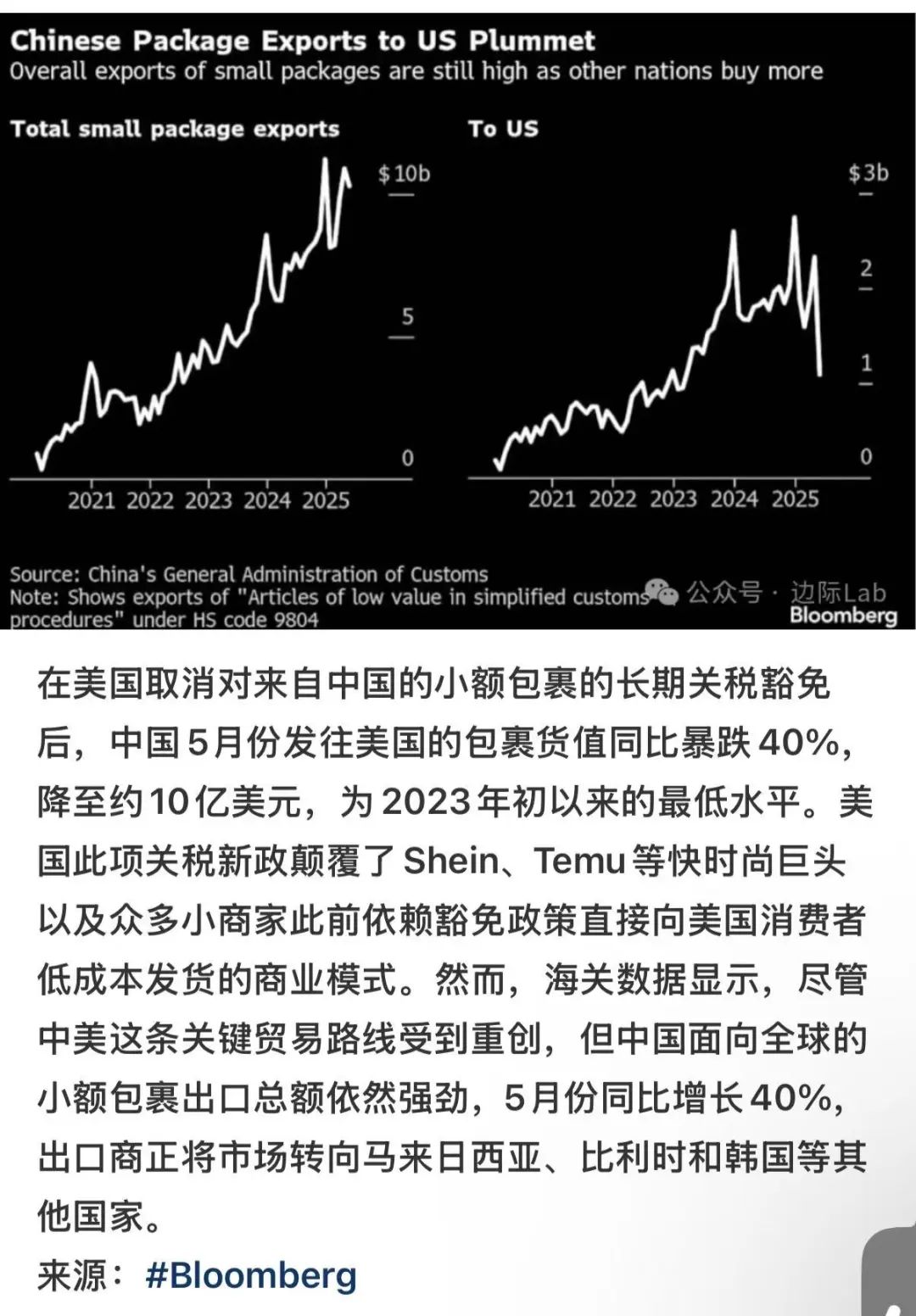
Core Insights - China's exports of low-value small packages to the U.S. saw a significant decline of 39% year-on-year and 53% month-on-month, dropping to 7.84 billion yuan, the lowest level since the beginning of 2023 [1] - In contrast, China's small package exports globally increased by 42%, with the African market playing a crucial role in this growth [4] Group 1: Market Dynamics - Over 80% of the 12,000 international sellers on Africa's largest e-commerce platform, Jumia, are from China, contributing one-third of the platform's GMV with a remarkable annual growth rate of 60% [4] - The African e-commerce market is experiencing an annual growth rate of 14.4%, driven by a young population where 60% are under 25 years old, making them highly price-sensitive [5] - Chinese manufacturers benefit from a mature production system that allows for the mass production of affordable yet reasonably quality light goods, which are rapidly penetrating the market through cross-border direct mail [6] Group 2: Challenges and Local Adaptation - Local e-commerce platforms in Africa are evolving beyond simple cross-border models, with Jumia and Takealot requiring sellers to send products to overseas warehouses, increasing storage costs for Chinese sellers [8] - Payment and logistics systems in Africa face significant challenges, including low electronic payment adoption and outdated warehousing facilities, which complicate operations for cross-border sellers [10][12] - High return rates in the African market, sometimes reaching 20%-30%, combined with rising logistics costs and fluctuating tariff policies, create a challenging environment for low-ticket items [12] Group 3: Strategic Shifts - Chinese sellers are shifting from merely selling products to building localized capabilities, focusing on logistics restructuring and establishing overseas warehouses in key markets like South Africa and Nigeria [13][15] - The "golden triangle" of e-commerce in Africa, comprising South Africa, Kenya, and Nigeria, accounts for over 60% of the regional market share, with a growing demand for home goods and electronics [15][18] - Local partnerships and compliance with regional regulations are becoming essential for Chinese sellers to navigate the complex market landscape and reduce entry barriers [19] Group 4: Long-term Vision - The future of Chinese supply chains in Africa lies in transitioning from "finished product exports" to "localized production," emphasizing deeper integration into the African market [20][27] - Successful companies like SHEIN and Transsion are demonstrating the value of deep localization through tailored products and marketing strategies that resonate with local consumers [22][24] - Building a reliable brand image in Africa requires a dual approach of physical supply chain integration and cultural respect, ensuring that Chinese brands are perceived as trustworthy partners rather than just low-cost providers [26][29]

中国互联网的沙特远征
3 6 Ke· 2025-07-22 11:07
Core Insights - Saudi Arabia's digital economy is rapidly developing due to a young population, high smartphone penetration, and supportive policies, attracting global companies, especially from China [1][4] - The "2030 Vision" initiated by Crown Prince Mohammed bin Salman aims to create a vibrant society and a prosperous economy by 2030, leading to significant foreign investment and market transformation [1][4] Group 1: Digital Economy and Market Trends - The Middle East's mobile gaming market is projected to grow at a rate of 4.8% from Q1 2024 to Q2 2025, surpassing the overall growth of the overseas mobile gaming market [3] - Saudi Arabia's average user spending on mobile games is twice that of the US and five times that of China, making it an attractive market for global gaming companies [3] - The local delivery and takeaway market is highly developed, with platforms like Talabat established as early as 2004, indicating a strong demand for online services [4] Group 2: Chinese Companies' Impact - Chinese companies are becoming key players in the Saudi market, introducing efficient business models and disrupting local competition, particularly in the food delivery sector [6] - Meituan's Keeta entered the Saudi market in September 2024, capturing 10% market share within five months by offering free delivery and faster service [6][7] - The competitive landscape in the delivery sector is intensifying, with local giants like HungerStation and Jahez holding about 70% market share, while Keeta's entry has significantly reduced delivery times [6][7] Group 3: Consumer Behavior and Preferences - Saudi consumers are willing to pay premium prices, which presents opportunities for businesses, as evidenced by the success of Chinese brands like SHEIN and the introduction of new grocery stores [11][12] - The local market is experiencing a diversification of food options, with the opening of Chinese supermarkets enriching the variety available to consumers [9][10] - The evolving social landscape, including increased female participation in the workforce and changing consumer habits, is driving growth in e-commerce and other sectors [12][13]
东盟中国自贸区3.0版将于年内签署;阿里速卖通推即时零售;京东“半托管”招商;Temu巴西半托管7月底上线|一周「出海参考」
Tai Mei Ti A P P· 2025-07-22 08:58
Group 1 - ASEAN-China Free Trade Area 3.0 negotiations are completed and the protocol is expected to be signed within the year, promoting regional economic integration [1] - The new tax incentives in Vietnam aim to support automotive companies, particularly in the production of electric vehicles, by modifying minimum production conditions for tax benefits [2] - Indonesia plans to fully transition to renewable energy by 2035, five years earlier than previously scheduled, with 75% of new power capacity coming from renewable sources in the next nine years [3] Group 2 - Saudi Arabia will open its real estate market to foreign buyers starting January 2026, allowing non-Saudis to purchase property in designated areas [4][5] - Amazon's Prime Day in 2025 set records for sales and participation, with third-party sellers also achieving significant sales growth [5][6] - The launch of Amazon's Pan-EU plan requires sellers to list products in five European countries, reflecting the potential of the Dutch e-commerce market [7] Group 3 - AliExpress has introduced "one-hour delivery" services in several countries, enhancing its logistics capabilities [8] - Lazada and Daraz have integrated their platforms, allowing sellers to operate across eight countries with a single click [9] - TikTok is enforcing a new GMV Max advertising tool to optimize seller promotions and reduce operational costs [10] Group 4 - Temu is launching a semi-managed model in Brazil, providing small and medium-sized sellers with a low-risk entry into the Latin American market [12] - Temu has introduced a "tax-inclusive" policy in Canada, which covers various taxes and aims to enhance pricing competitiveness for sellers [13] - SHEIN has opened a semi-managed business model in Canada and the Middle East, targeting cross-border sellers [14] Group 5 - eBay has implemented a new policy requiring sellers of automotive parts to offer at least 30 days of free returns, aimed at improving buyer confidence [11] - JD Global Sales has initiated a semi-managed recruitment plan, allowing sellers to focus on product fulfillment while the platform handles marketing [15] Group 6 - Global PC shipments increased by 7.4% year-on-year in Q2 2025, driven by commercial PC deployments ahead of Windows 10 service termination [16] - In June 2025, 33 Chinese companies entered the global mobile game publisher revenue ranking, collectively earning $1.76 billion [17] - China's high-tech product exports grew by 9.2% in the first half of 2025, with significant contributions from advanced machinery and instruments [18] Group 7 - China's cross-border e-commerce imports and exports reached approximately 1.32 trillion yuan in the first half of 2025, marking a 5.7% year-on-year increase [19] - SF International has launched a new warehouse in Thailand, enabling 48-hour delivery across the country, enhancing logistics for cross-border e-commerce [20] - Cainiao has upgraded its Asia-Pacific overseas warehouses, achieving a 99.9% order fulfillment rate for same-day dispatch [21] Group 8 - Alibaba Cloud plans to invest over 400 million yuan to enhance its international ecosystem and accelerate AI innovation [22] - Lianlian Digital is promoting the application of blockchain technology in cross-border payments, indicating a trend towards innovative financial solutions [23] Group 9 - Vietnam has imposed anti-dumping duties on certain hot-rolled steel products imported from China, with rates ranging from 23.1% to 27.83% [24] - The U.S. has announced a 50% tariff on imported copper, leading to a significant spike in copper futures prices [25] - The U.S. is set to impose new tariffs on various countries, including a 30% tariff on imports from the EU and Mexico, effective August 1 [26]

抖音小时达入驻全流程,2025年开店费用及教程超详细
Sou Hu Cai Jing· 2025-07-21 04:07
Core Insights - Douyin Xiaoshida is an instant retail service by Douyin, focusing on "delivery within approximately 1 hour after ordering" to meet users' immediate shopping needs [1] - The service was piloted in Shenzhen in August 2022 and expanded to major cities like Beijing, Shanghai, Guangzhou, and Shenzhen in 2023, with plans to open full access to all e-commerce influencers by March 2025 [1] - The service covers a radius of 5-10 kilometers from the user, offering categories such as fresh produce, food, daily necessities, 3C accessories, flowers, beauty products, and over-the-counter drugs [1] Service Model - Merchant Model: Merchants must provide business licenses and relevant operating qualifications, set up their stores, list products, and manage orders and delivery [2] - Influencer Sales: Influencers with complete e-commerce permissions can automatically activate their accounts and promote products through short videos, images, and live streams [2] - Delivery relies on third-party teams, with a system that matches nearby delivery personnel, typically achieving delivery within 1 hour, although delays may occur during peak times or adverse weather [2] Onboarding Process - Preparation: Required documents include business licenses, legal representative ID, store logo, and product photos [5] - Store Creation: Merchants create a store on the platform and fill in necessary information [5] - Submission and Review: Submitted information is reviewed, typically taking 3-5 business days for results [5] - Information Completion: After approval, merchants can further refine store details [5] - Product Upload: Merchants upload product information, including names, prices, descriptions, and inventory [5] - Shipping Fee Setting: Merchants set shipping fees based on actual conditions [5] - Product Launch: After completing the previous steps, products are published on the platform [5] - Marketing Operations: Merchants can then engage in marketing to attract more users [5]