OPPO

Search documents
2026,车企反攻智能硬件
3 6 Ke· 2026-01-18 23:37
Core Viewpoint - The rise of smart glasses, particularly from automotive companies, signifies a shift in the automotive industry towards integrating AI and smart hardware, transforming traditional business models from one-time vehicle sales to ongoing subscription-based services [1][3][9]. Group 1: Transition from Hardware to Smart Hardware - The transition from hardware to automotive manufacturing began in 2019, driven by a peak in smartphone sales and a surge in electric vehicle sales, leading hardware manufacturers to explore automotive opportunities [3][5]. - Companies like Xiaomi and Huawei have either entered the automotive market directly or partnered with automakers to develop smart driving and vehicle integration solutions [3][5]. - The evolution of smart hardware in vehicles is seen as a natural progression, with the automotive industry now embracing AI to create a unified smart ecosystem [1][3]. Group 2: New Profit Models for Automotive Companies - The introduction of smart glasses, such as Li Auto's Livis, illustrates a shift towards products that enhance brand loyalty and provide continuous data collection, which can improve AI model capabilities [10][11]. - The automotive industry is moving towards a model where vehicle sales become part of a broader consumer lifestyle platform, focusing on software services that offer higher profit margins compared to traditional vehicle manufacturing [13][14]. - The integration of AI into both vehicles and smart hardware allows for shared components and reduced costs, enhancing overall efficiency and profitability [14][16]. Group 3: Challenges in the AI Transition - The transition to AI-driven models presents significant challenges, including high costs associated with data, algorithms, and computational power, which create barriers to entry for new players [17][19]. - Successful companies in this space must have substantial financial resources, technical expertise, and the ability to scale operations to effectively compete [18][19]. - The competitive landscape is likely to solidify around a few leading brands capable of leveraging their existing consumer base and data to enhance their AI capabilities [19].


情绪消费、体验消费、绿色消费齐头并进多机构预计2026年消费市场将迎三大趋势
Xin Lang Cai Jing· 2026-01-18 21:31
Core Trends - The consumer market is expected to see three major trends by 2026: increased demand for differentiated experience services, growth in "self-pleasing" consumption, and the rise of green consumption [1][2]. Differentiated Experience Services - Consumers are increasingly seeking differentiated experiences and services, prompting many companies to invest more in offline experiences and establish emotional connections with consumers [2][3]. - Brands must provide stable product quality and respond to new lifestyle characteristics to build differentiation and trust, while offering a high-quality omnichannel shopping experience [3]. "Self-Pleasing" Consumption - Emotional consumption and the "self-pleasing" mindset are emerging as new trends, with many young consumers using spending to alleviate anxiety [2]. - The emotional consumption market in China is projected to reach 27.2 trillion yuan by 2026, with expectations to exceed 45 trillion yuan by 2029 [2]. Green Consumption - Green consumption is becoming a focal point for industry transformation, supported by policies that encourage consumers to purchase energy-efficient appliances and vehicles [5][6]. - The automotive sector is being guided towards green consumption through trade-in policies that promote low-carbon vehicles, with nearly 60% of new car purchases expected to be electric by 2025 [6]. - Many foreign car manufacturers are accelerating their transition to green technologies, as evidenced by significant price reductions for electric vehicles in the Chinese market [6].
宏观和大类资产配置周报:2026年需要以宏观政策的确定性应对各个方面的不确定性-20260118
Bank of China Securities· 2026-01-18 12:48
Macro Economic Overview - The report emphasizes the need for macro policy certainty to address various uncertainties in 2026, with a recommended asset allocation order of stocks > commodities > bonds > currency [1][4]. Asset Performance Review - The CSI 300 index fell by 0.57% this week, while the CSI 300 stock index futures decreased by 0.44%. Thermal coal futures dropped by 0.34%, and iron ore futures remained flat. The expected yield for bank wealth management products remained stable at 1.85%, while the annualized yield for Yu'ebao decreased by 2 basis points to 1.00%. The yield on ten-year government bonds fell by 4 basis points to 1.84%, and active ten-year government bond futures rose by 0.27% [2][12][39]. Asset Allocation Recommendations - The report suggests an overweight position in stocks, focusing on the implementation of "incremental" policies. Bonds are recommended for underweight due to potential short-term impacts from the "stock-bond seesaw" effect. Currency is also underweight, with yields expected to fluctuate below 1.5%. Commodities are recommended for standard allocation, with attention to fiscal spending in 2026 [4][13][39]. Economic Data Insights - In December, new social financing increased by 2.21 trillion yuan, with new loans amounting to 910 billion yuan. M2 money supply grew by 8.5% year-on-year. Exports in December saw a year-on-year increase of 6.6%, while imports rose by 5.7% [20][21]. Industry-Specific Insights - The report highlights the strong performance of the TMT sector, with the leading indices being the ChiNext Index and the Small and Medium-sized Enterprises Board Index, which rose by 1.55% and 2.18%, respectively. The computer and electronic components industries showed significant gains, while the defense and agriculture sectors faced declines [39][41]. Policy and Regulatory Developments - The People's Bank of China has introduced a series of monetary policy measures to support high-quality economic development, including lowering various structural monetary policy tool rates and increasing support for small and medium-sized enterprises. The report indicates that there is still room for further interest rate cuts and reserve requirement ratio reductions in 2026 [21][46].
苹果登顶2025年全球出货榜 多款安卓手机被指“借鉴”iPhone
Xin Lang Cai Jing· 2026-01-18 05:02
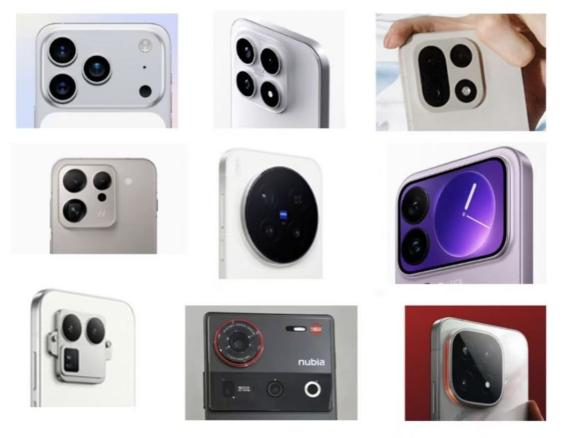
Core Insights - Apple is projected to lead global smartphone shipments in 2025, driven by the iPhone 17 series, achieving a market share of 19.7% with shipments of 247.8 million units, marking a year-over-year growth of 6.3% [3][4][6] - The global smartphone market is expected to show resilience, with total shipments reaching 1.26 billion units in 2025, a 1.9% increase from the previous year [3][4] Global Market Overview - The top five smartphone manufacturers in 2025 are Apple (247.8 million units), Samsung (241.2 million units), Xiaomi (165.3 million units), vivo (103.9 million units), and OPPO (102.0 million units) [4][6] - Apple and Samsung are the fastest-growing companies among the top five, with growth rates of 6.3% and 7.9% respectively [3][4] High-End Market Trends - The high-end segment is becoming increasingly significant, with Apple and Samsung's combined market share rising to 39%, indicating a consumer shift towards premium devices [6] - The iPhone 17 series has been well-received, contributing to Apple's record revenue in Q4 2025, supported by significant upgrades in features and specifications [6][7] Product Innovations - The iPhone 17 has been upgraded to a more balanced "water bucket" model, featuring a high-refresh-rate display and enhanced camera capabilities, while the iPhone 17 Pro is positioned as a "professional photography phone" with advanced features [7][9] - Apple's marketing strategy has shifted to include discounts on high-end models to stimulate consumer interest [9] Chinese Market Dynamics - In China, Huawei leads with 46.7 million units shipped, followed closely by Apple with 46.2 million units, indicating a competitive landscape [10][11] - The overall smartphone market in China is projected to decline by 0.6% in 2025, with Apple and Xiaomi being the fastest-growing brands among the top five [10][11] Design Trends and Imitation - The design of the iPhone has become a reference point for many Android manufacturers, leading to discussions about design imitation in the industry [10][12] - Analysts suggest that this trend of borrowing iPhone design elements is a strategy for Android manufacturers to appeal to budget-conscious consumers while maintaining a sense of premium quality [12][14] Future Market Expectations - The smartphone market is expected to face challenges in 2026, with rising costs due to storage shortages and component price increases, leading to anticipated price hikes [18][19] - The introduction of foldable iPhones is anticipated to revitalize the market, with significant consumer interest noted in surveys [20]

最懂年轻人的手机企业,OPPO是怎么做到的?
新华网财经· 2026-01-18 02:26
Core Viewpoint - OPPO's new flagship store in Xi'an represents a fusion of technology and culture, aiming to attract young consumers by integrating traditional elements with modern aesthetics and popular culture [1][3][14]. Group 1: Store Opening and Concept - The OPPO flagship store in Xi'an opened on January 17, 2026, themed "Ancient Capital Meets National Aesthetics," blending the city's historical significance with contemporary trends [1]. - The store features immersive experiences linked to the popular IP "Light and Night of Love," creating a cultural space that resonates with younger audiences [5][12]. Group 2: Design and Cultural Integration - The store's design draws inspiration from Xi'an's rich history, incorporating elements like Qin brick textures and Tang dynasty floral patterns into modern displays [4]. - Traditional craftsmanship is juxtaposed with contemporary art, creating a dialogue between history and modernity, exemplified by the integration of ancient motifs with modern technology [4][12]. Group 3: Engagement with Youth Culture - The store includes interactive zones featuring characters from "Light and Night of Love," allowing fans to engage in a gamified experience that merges traditional culture with modern interests [5][9]. - OPPO's strategy involves deep collaboration with popular IPs to create immersive experiences that resonate with young consumers, as seen in other flagship stores across China [9][10]. Group 4: Retail Strategy and Future Plans - OPPO's retail strategy focuses on transforming stores from mere product-selling spaces to social hubs for young people, emphasizing experiential engagement [12]. - The company plans to open 50 flagship stores in key cities over the next three years, prioritizing locations that align with cultural and demographic factors to ensure effective outreach to target audiences [13][14].

时隔3年,功率器件“小巨人”长晶科技重启IPO
Shang Hai Zheng Quan Bao· 2026-01-17 12:41
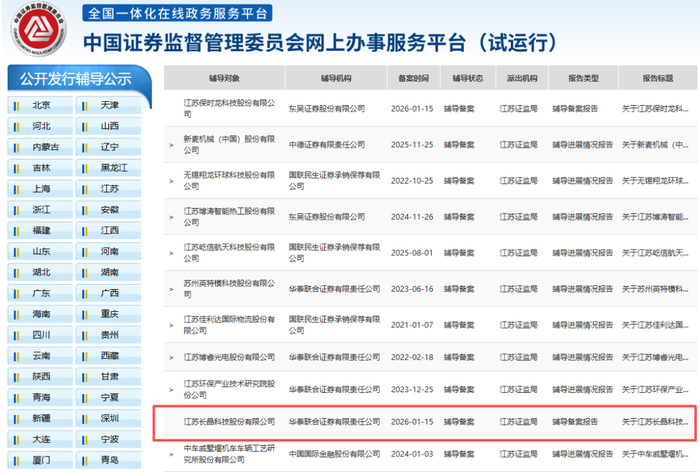
Core Viewpoint - Jiangsu Changjing Technology Co., Ltd. has applied for IPO guidance registration with the Jiangsu Securities Regulatory Bureau, with Huatai United Securities as the advisory institution [1] Company Overview - Jiangsu Changjing Technology was established in November 2018 with a registered capital of 435 million yuan. The legal representative is Yang Guojiang, who also controls 31.62% of the voting rights through various entities [1][12] - The company previously attempted to list on the ChiNext board but withdrew its application in September 2023 after two rounds of inquiries [3][4] Financial Performance - In 2022, the company's revenue approached 1.9 billion yuan, with total assets of approximately 3.71 billion yuan and a net profit of about 129.79 million yuan [8][9] - The company has been recognized as one of the "Top Ten Power Device Enterprises" by the China Semiconductor Industry Association for consecutive years [9] Market Position - In 2021, the company's discrete device product revenue ranked 7th among Chinese manufacturers and 23rd globally, with a market share of 1.1% [10] - The company operates under a Fabless model and has established long-term partnerships with major suppliers, while also developing an IDM operational system [7] Shareholder Structure - The company has 48 shareholders, including notable investors such as Xiaomi and OPPO, with significant stakes held by various investment funds [14][15][16]
小米18系列定档,雷军抢先友商一步,副屏设计保留,销量继续涨
Sou Hu Cai Jing· 2026-01-17 03:32
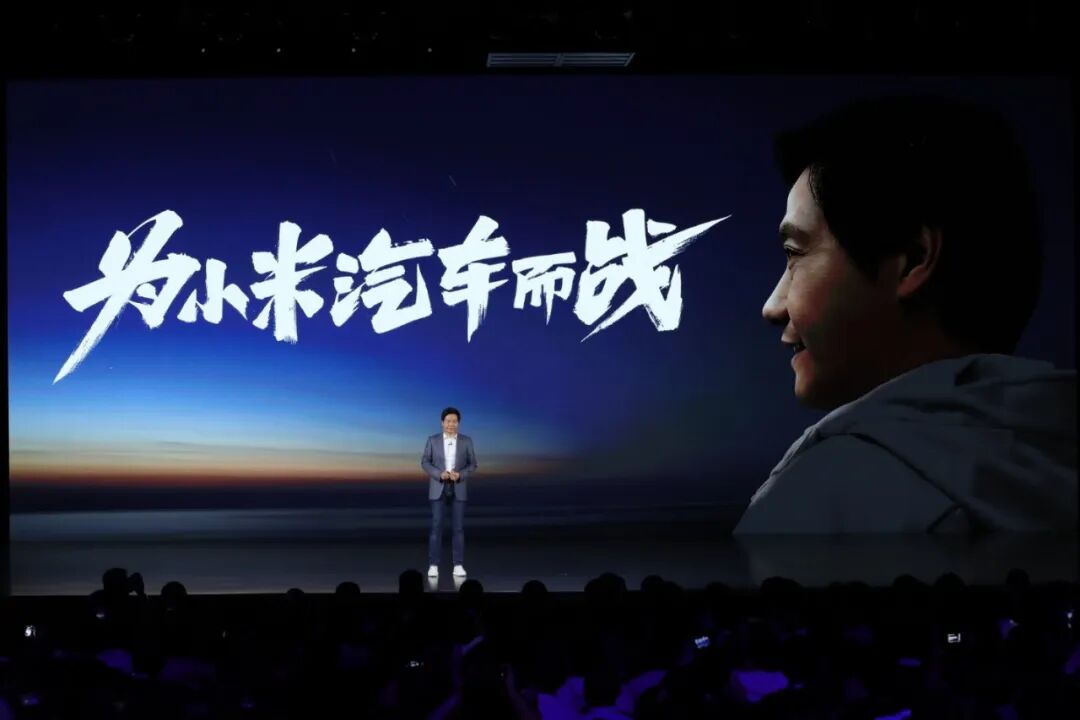
Group 1 - Xiaomi's 17 series has become the best-selling domestic flagship phone within five months of its release, with the 18 series scheduled for launch in September [1][5] - The early release strategy has allowed Xiaomi to maintain a competitive edge over rivals, with the 18 series set to continue the trend of differentiated design, including a secondary screen [1][3] - The sales performance of the 17 series was significantly boosted by its early launch, achieving over 1 million units sold in less than 10 days, which is equivalent to 50% of the total sales achieved in the following 100 days [8] Group 2 - Competitors such as OPPO and Vivo are responding to Xiaomi's success by planning to release their flagship models earlier, potentially in September, to mitigate Xiaomi's first-mover advantage [9][10] - The introduction of new models, including a ProMax version by competitors, indicates a shift towards differentiation in design and features, as they aim to attract consumer attention [9] - Xiaomi is advancing its self-developed technologies, including processors and operating systems, with the 18 series expected to feature the Snapdragon 8 Elite Gen6 processor and possibly a special version with its own OS [12]

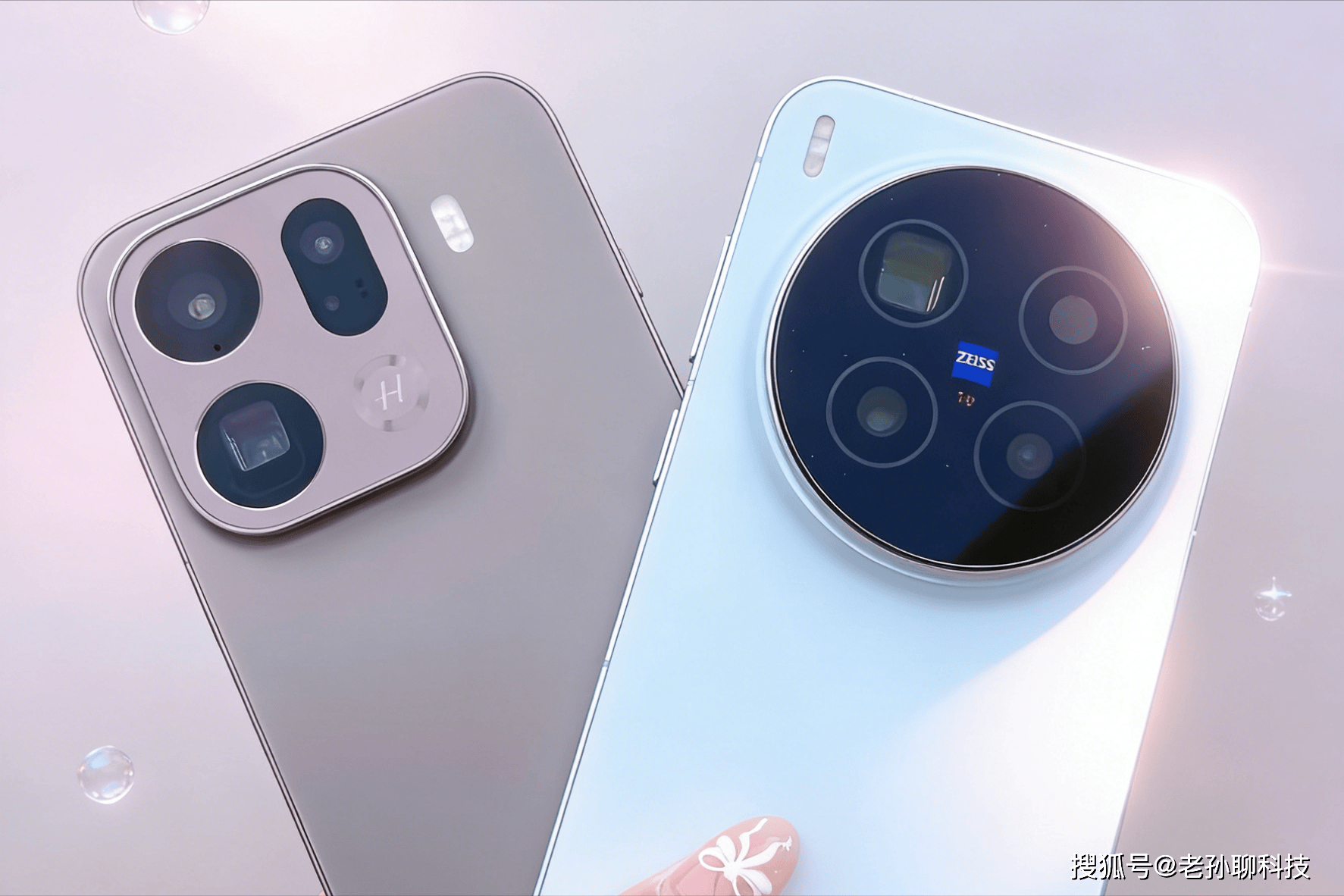
广货行天下,为何底气足?
Xin Lang Cai Jing· 2026-01-17 00:12
Core Viewpoint - The "Guangdong Goods Going Global" initiative is a significant event aimed at promoting Guangdong's manufacturing capabilities and expanding its market reach both nationally and internationally [1][2][3] Group 1: Manufacturing Strength - Guangdong's manufacturing strength has significantly improved, transitioning from traditional products to high-tech goods such as drones, smartphones, and electric vehicles, with 70% of consumer drones and 40% of smartphones produced in the region [1] - The province is leveraging technological innovation to enhance its manufacturing sector, aiming for higher positions in the global value chain [1] Group 2: Industrial Foundation - Guangdong boasts all 31 categories of manufacturing, with 15 categories ranked first in the nation, and has established nine trillion-yuan industrial clusters in sectors like electronics, textiles, and new energy [2] - The region's manufacturing ecosystem is comprehensive and efficient, enabling rapid product development and supply chain integration, exemplified by Shenzhen's ability to connect upstream and downstream industries within a day [2] Group 3: Policy Support - The initiative is backed by over 1.5 trillion yuan in industrial investments and various policies aimed at encouraging technological innovation and upgrading the manufacturing sector [2] - Promotional actions such as "old for new" consumer programs and the "Guangdong Quality Purchase" campaign are designed to stimulate demand and enhance market access for Guangdong products [2] Group 4: Global Vision - The "Guangdong Goods Going Global" initiative reflects Guangdong's ambition to position itself as a leader in manufacturing, with a commitment to high-quality development and a focus on enhancing the reputation of "Made in Guangdong" [3]
全文| 仁桥夏俊杰最新年度交流:2026年股票风景或“中国这边独好”,市场有一点还未被定价充分……
聪明投资者· 2026-01-17 00:05
Core Viewpoint - The article discusses the annual communication meeting of Renqiao Asset, highlighting the reflections and outlooks of the company regarding market performance and investment strategies for 2026, particularly focusing on the potential for systematic revaluation of undervalued stocks and the impact of AI on various sectors [2][3][5][57]. Group 1: Market Reflections - The market in recent years has been rational, with short-term variables fully priced in, yet the rapid decline in China's risk-free interest rates has not led to a corresponding increase in the valuations of low-valued stocks [5][59]. - The company missed the technology stock rally and is reflecting on its investment logic and optimization strategies [3][6]. - The company believes that the low-valued sectors may experience systematic revaluation, similar to the market conditions in the second half of 2014, especially for lesser-known stocks [5][6][62]. Group 2: Investment Strategy - The company employs a contrarian investment strategy, indicating that no industry is off-limits for investment, but acknowledges a historical shortcoming in the technology sector [6][49]. - The company maintains a balanced position between Hong Kong and A-share markets, expecting A-shares to outperform in the latter part of the market cycle [6][7]. - The company has increased its allocation in the pharmaceutical sector, viewing it as a complex industry with various opportunities [7][8]. Group 3: Predictions for 2026 - The company predicts that low-valued stocks will undergo systematic revaluation in 2026, driven by the release of funds from maturing long-term deposits and the ongoing liquidity in the market [59][60][62]. - The company anticipates a decline in the AI computing bubble, with a focus on application areas such as autonomous driving and AI in healthcare, which are expected to present significant opportunities [65][70][76]. - The company expects consumer wealth to stabilize in 2026, leading to a potential recovery in consumer spending, supported by favorable policy shifts [81][84]. Group 4: Sector-Specific Insights - The company highlights the importance of identifying sectors that can successfully implement "anti-involution" strategies, particularly in industries with simpler competitive landscapes, such as aviation and beer [87][91]. - The company notes that the export sector performed well in 2025, but warns of potential risks from currency fluctuations in 2026, suggesting a shift from "safe overseas" strategies to "local service" approaches [102][103].
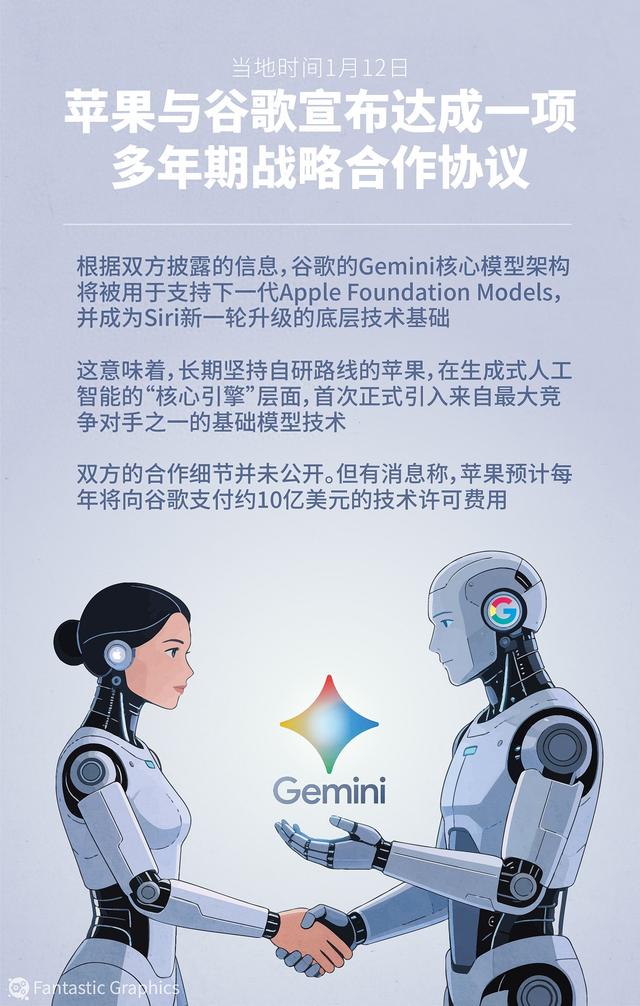
苹果谷歌AI联姻背后的行业重构信号
Xin Lang Cai Jing· 2026-01-16 20:08
Group 1 - The core point of the news is the collaboration between Apple and Google, which signifies the importance of AI large models in driving market value growth, as evidenced by Alphabet's market capitalization surpassing $4 trillion [3][5] - Apple will utilize Google's Gemini large model and cloud technology for its next-generation foundational models, including the upcoming revamped Siri, indicating a strategic shift in Apple's AI development approach [3][5] - The partnership is seen as a response to Apple's challenges in developing its own AI capabilities, particularly the need to meet rising user expectations for AI service quality [3][7] Group 2 - Industry analysts highlight that Google's multi-modal capabilities are currently superior, prompting Apple to accelerate its AI model iteration through this collaboration [4][6] - The financial details of the agreement remain undisclosed, but reports suggest Apple may pay Google approximately $1 billion annually for this partnership [5] - The collaboration is limited to foundational technology optimization, ensuring that user privacy remains intact within Apple's devices and private cloud computing [5][6] Group 3 - The partnership may lead to a more concentrated market in large models, with concerns about power centralization in the AI sector, as noted by industry experts [6][8] - Apple's slower pace in AI development has led to perceptions of it falling behind competitors, with delays in the rollout of new features for Siri [6][9] - Apple's focus on maintaining capital efficiency while advancing its AI roadmap is emphasized, avoiding large-scale resource expansion to overcome technical bottlenecks [7][9] Group 4 - The integration of large models into consumer devices presents significant technical challenges, including the need for optimized architecture and resource management [10][11] - Other companies in the industry, such as Huawei and Xiaomi, are also facing similar challenges in adapting large models for their AI assistants and consumer hardware [10][11] - The goal of creating AI-native products that seamlessly integrate across platforms is highlighted as a key objective for future developments in the AI space [12][13]