
宝马

Search documents
"认知大于事实"果真对吗?破除一个营销神话
Sou Hu Cai Jing· 2025-12-02 08:43
Core Viewpoint - The phrase "cognition is greater than fact" is often misinterpreted in the business context, leading many companies to focus excessively on marketing and branding at the expense of product quality and differentiation [5][25]. Group 1: Marketing and Cognition - The belief that "cognition is greater than fact" can lead to a marketing trap where companies prioritize branding over the actual value of their products [5][16]. - Examples like Volvo demonstrate how consistent branding can create strong associations in consumer minds, even if the underlying facts are not as clear [2][10]. - The concept of "black box business" illustrates that in certain markets, consumer judgment is heavily influenced by branding, as seen with luxury items like diamonds and high-end wines [9][10]. Group 2: Product Quality and Market Reality - In "white box business," where consumers can easily assess product quality, the reality of the product outweighs any marketing claims, as demonstrated by educational services and delivery companies [12][15]. - The case of "钟薛高" (Chongxuegao) highlights the risks of relying solely on marketing to create perceived value, as consumer backlash occurred when the product did not meet expectations [17][19]. - The comparison between Tesla and traditional luxury car brands shows that tangible product performance can disrupt established brand perceptions, emphasizing the importance of facts over marketing narratives [20][25]. Group 3: Recommendations for Businesses - Companies should maintain honesty about their products and focus on delivering quality, especially in sectors like healthcare and education where consumer evaluation is critical [23]. - Businesses must be wary of "concept inflation," as consumers become fatigued by overhyped marketing claims, making authenticity a valuable asset [24]. - A balanced approach that values both cognition and fact is essential for long-term success, as seen in companies like Apple that combine strong branding with high-quality products [24][25].


如何看待高成长与经典价值?柏基“传奇基金经理”詹姆斯·安德森2019年深度撰文
聪明投资者· 2025-12-02 07:04
Core Viewpoint - The article discusses the evolving perspectives on growth and value investing, highlighting the need to reassess traditional investment principles in light of modern economic realities and the success of high-growth companies [5][6][25]. Group 1: Growth vs. Value Investing - James Anderson acknowledges a widening divide between growth and value investing, suggesting that traditional value metrics may not suffice in a changing economic landscape dominated by tech giants like Microsoft, Google, and Amazon [7][20]. - Despite the differences, Anderson emphasizes that both growth and value investing share common principles, such as the importance of honest long-term cash flow estimation and risk management [8][25]. - The article references the historical context of growth investing, noting a lack of comprehensive literature supporting long-term growth strategies compared to the extensive documentation of value investing [12][14]. Group 2: Case Studies of Companies - Microsoft serves as a prime example of a company that has achieved significant long-term growth, with revenue increasing from $60 billion in 2008 to $110 billion in 2018, showcasing a compound annual growth rate of 24% [22]. - Google, now Alphabet, also illustrates the potential for sustained growth, with revenue rising from $21.8 billion in 2008 to $136.8 billion in 2018 [23]. - The article contrasts Coca-Cola's stagnation in stock value over the past 20 years with Facebook's growth trajectory, suggesting that Facebook may align more closely with value investing principles despite its high valuation metrics [82][88]. Group 3: Economic Structural Changes - The article posits that the current economic environment is undergoing profound changes, necessitating a reevaluation of investment strategies that account for systemic transformations rather than relying solely on historical performance [44][46]. - It highlights the shift from asset-heavy to knowledge-based economies, where companies like Facebook and Google thrive due to network effects and scale advantages [71][73]. - The discussion includes the implications of these changes for future investment returns, suggesting that traditional metrics may not adequately capture the potential of companies operating in rapidly evolving sectors [41][60]. Group 4: Industry Examples - The automotive industry is examined, with General Motors and BMW representing traditional value stocks facing challenges, while Ferrari exemplifies a company achieving high margins and cash flow despite low sales volume [100][104][107]. - The article notes that the automotive sector is experiencing significant disruption, particularly with the rise of electric vehicles and changing consumer preferences, which complicates traditional valuation methods [96][98]. - The contrasting performance of companies within the automotive sector illustrates the broader theme of how different business models and market positions can lead to varying investment outcomes [100][106].





犹豫不决,正成为美国车市的主旋律
Guan Cha Zhe Wang· 2025-12-02 06:58
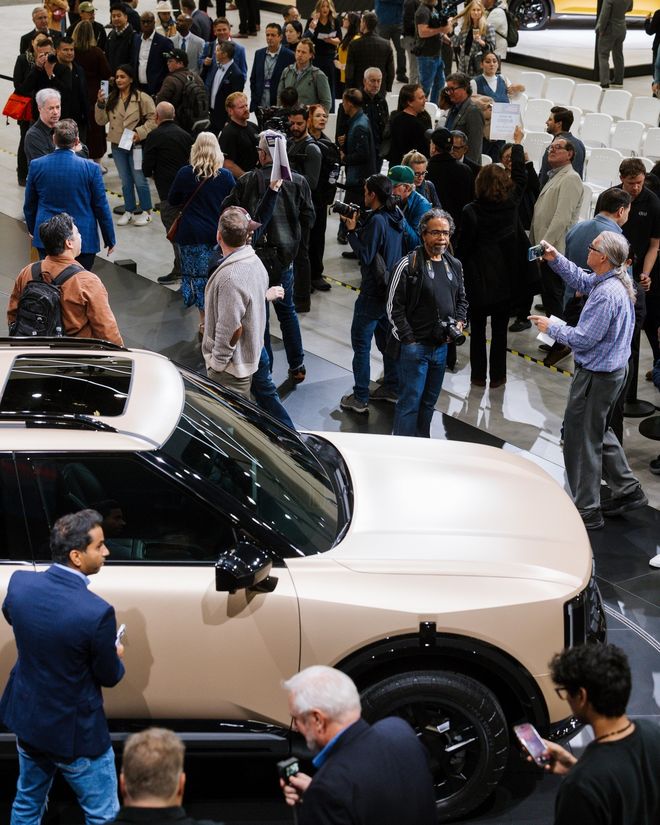
Core Viewpoint - The Los Angeles Auto Show, despite being the oldest and largest auto exhibition in the U.S., has received criticism for lacking innovative electric vehicle (EV) offerings and failing to attract major European automakers, leading to a perception of stagnation in the American automotive market [1][4][5]. Group 1: Event Overview - The Los Angeles Auto Show concluded on November 29, 2023, but was met with disappointment from both consumers and media, echoing sentiments from previous years [1][4]. - The event was overshadowed by the upcoming Tokyo Auto Show and SEMA aftermarket show, with many manufacturers focusing their efforts elsewhere [4][5]. Group 2: Participation and Offerings - Only American companies like Rivian, Lucid, and Tesla showcased new models, while Japanese and Korean manufacturers presented a diverse range of products [7]. - Notable electric vehicles displayed included the 2026 Nissan Leaf with a range of 487 km, Chevrolet Bolt with 410 km, and Jeep Recon with 370 km [9]. - Rivian and Lucid introduced models priced at $77,000 and $80,000 respectively, with ranges of 659 km and 724 km [11]. Group 3: Market Trends and Challenges - The U.S. electric vehicle market experienced a temporary surge in Q3 2023, particularly in California, but this growth did not translate into long-term stability [12]. - Following the cancellation of EV tax incentives by the Trump administration, the market share of electric vehicles dropped significantly from 12.9% in September to 5.2% in October [12]. - Major automakers like Acura, Ford, and GM have announced plans to halt production of certain EV models and cancel new development projects, reflecting uncertainty in future product strategies [12][14]. Group 4: Industry Sentiment - The hesitance of U.S. automakers to fully commit to electric vehicle production is evident, with many companies still focusing on traditional fuel models while exploring hybrid options [14]. - Media reports highlight a conflicting narrative regarding the future of electric vehicles in the U.S., oscillating between optimism and caution [16].


奥迪中国总裁:安全是绝不妥协的领域
Di Yi Cai Jing· 2025-12-02 00:46
"安全是绝不妥协的领域。绝大多数新规要求(我们)已完全满足,坚决支持旨在提升行业安全标准的 法规。"奥迪中国总裁罗英瀚(JohannesRoscheck)近日对第一财经记者表示。 罗英瀚称,奥迪的核心任务是依托两大合作伙伴(一汽奥迪和上汽奥迪),将最佳产品引入中国市场。 明年主力产品阵容全面革新,包括基于PPE平台的全新纯电车型,以及AUDI品牌新产品。 当前中国汽车市场竞争格局重塑,特斯拉、蔚来、问界等新能源汽车品牌在高端市场销量的攀升,分流 了传统豪华车品牌份额。外资豪华车企普遍转变了打法,尤其是在中国消费者看重的智能化领域,奥 迪、奔驰和宝马通过不同方式实施了深度本土化战略,这主要源于中国消费者对高端汽车的要求和期待 不同于全球其他地区的消费者。 AUDI 和PPE首款产品E5 Sportback和奥迪Q6-etron均在今年下半年推向市场。而相较于燃油车时代,外 资豪华车企的电动车产品的定价策略有所调整,起售价格门槛相对下调。比如,AUDI和奔驰最新电动 车平台首款产品的价格拉到了25万元上下。 奥迪中国管理层此前在接受记者采访时表示,根据调研,到2030年,高端汽车消费市场中75%的增量将 来自新能 ...
银轮股份(002126):汽车热管理龙头 拓展算力、机器人新成长曲线
Xin Lang Cai Jing· 2025-12-02 00:33
Core Viewpoint - The company, a leader in automotive thermal management, is expanding into new growth areas such as data centers and robotics, showing strong revenue and profit growth with a compound annual growth rate (CAGR) of 22% in revenue and 43% in net profit from 2022 to 2024 [1] Group 1: Business Expansion and Growth - The company has diversified its business into four growth curves: commercial vehicle off-road, new energy thermal management, digital and energy thermal management, and artificial intelligence and robotics [1] - The passenger vehicle segment is leading the growth, while the digital energy business is rapidly expanding, and the commercial vehicle and off-road segments are providing stable contributions [1] - The company has achieved a historical high in overseas revenue, which accounted for 24% of total revenue in the first half of 2025, with significant improvements in profitability from international operations [1] Group 2: Digital Energy and AI Cooling - The demand for liquid cooling in data centers is expected to accelerate, driven by high capital expenditures in the domestic internet sector and AI applications [2] - The company has secured 301 orders for data center liquid cooling systems, with a total capacity of 500 MW, indicating a strong market presence [2] - The digital and energy segment is projected to contribute an additional annual sales revenue of 637 million yuan after mass production [2] Group 3: Acquisition and Strategic Moves - The company plans to acquire a controlling stake in Deep Blue Co., focusing on energy storage temperature control and HVAC systems, which will enhance its capabilities in data center liquid cooling and energy storage [3] - The automotive sector is transitioning towards electrification and intelligence, increasing the thermal management value per vehicle, with the penetration rate of new energy vehicles in China expected to reach 56% in 2025 [3] Group 4: Market Position and R&D - The company has established a comprehensive product layout, including battery thermal management systems and various components, with over 1,000 effective patents and a research and development expense ratio of over 4% [4] - The company has entered the supply chains of numerous leading domestic and international clients, including major automotive manufacturers [4] - The humanoid robotics market is anticipated to grow significantly, with the company positioning itself to leverage synergies between robotics and automotive clients [4][5] Group 5: Financial Projections - The company is expected to achieve revenues of 15.211 billion yuan, 17.952 billion yuan, and 20.978 billion yuan from 2025 to 2027, with year-over-year growth rates of 19.8%, 18.0%, and 16.9% respectively [6] - The projected net profits for the same period are 973 million yuan, 1.255 billion yuan, and 1.577 billion yuan, with year-over-year growth rates of 24.2%, 29.0%, and 25.7% respectively [6]

蛰伏后的爆发:思灵机器人从工业场景迈向物理AI
Tai Mei Ti A P P· 2025-12-02 00:25
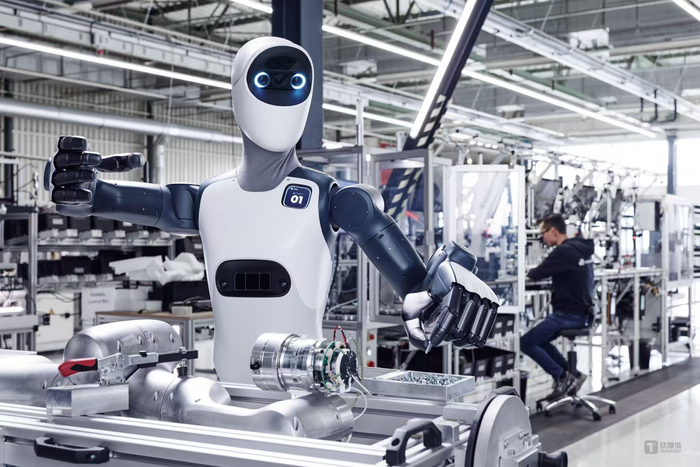
Core Insights - The industrial scene has become a competitive battleground for leading embodied intelligence companies, driven by the global restructuring of supply chains and the manufacturing industry's shift towards smart and flexible operations [2] - A report from Crunchbase indicates that 70% of global robotics funding in 2024 will be directed towards industrial applications, with the International Federation of Robotics (IFR) predicting the industrial robotics market will reach 10 million units by 2030 [2] - Despite the demand, challenges such as precision, stability, durability, and collaboration between machines and humans hinder the widespread adoption of industrial robots [2] Company Overview - Agile Robots, founded in 2018, has gained attention with the release of its full-sized industrial humanoid robot, Agile ONE, and the acquisition of Thyssenkrupp Automation Engineering [3] - The company has completed multiple funding rounds, attracting investments from notable firms such as SoftBank Vision Fund, Sequoia Capital, and Hillhouse Capital, among others [3] - The founder, Dr. Chen Zhaopeng, is a recognized expert in robotics, previously holding a senior position at the German Aerospace Center [3] Product Development - Agile Robots has delivered over 30,000 robots across various industries, including automotive and consumer electronics, achieving a remarkable revenue growth of 100% for seven consecutive years [5] - Agile ONE integrates core technologies developed over years, representing a complete ecosystem for factory automation and embodying the concept of "physical artificial intelligence" [5] - The Agile Hand, a high-freedom dexterous hand, features advanced sensors and control systems, enhancing precision and adaptability in various industrial tasks [7][10] Technological Innovation - The robot's "three-layer brain" architecture distinguishes it from traditional models, enabling complex decision-making, task planning, and precise operations [13] - Agile Robots has developed a vast dataset from over 30,000 deployed robots, enhancing the adaptability and performance of Agile ONE in real-world industrial scenarios [14] - The company emphasizes creating a comprehensive physical AI ecosystem rather than just standalone robots, facilitating collaboration between machines and humans [15][17] Market Expansion - Agile Robots has expanded its offerings beyond traditional industrial applications, venturing into healthcare with its 7-degree-of-freedom medical robot, Diana7 Med, and exploring solutions in agriculture, education, and energy sectors [21][23] - The company has strategically acquired other firms to enhance its industrial robotics ecosystem, including notable companies like Franka and idealworks [19] Conclusion - Agile Robots' journey reflects a commitment to addressing real-world challenges across various sectors, continuously evolving its technology and expanding its market presence while adhering to its mission of linking artificial intelligence with the physical world [25]

60天卖出100多辆,特斯拉印度天崩开局
汽车商业评论· 2025-12-01 23:06
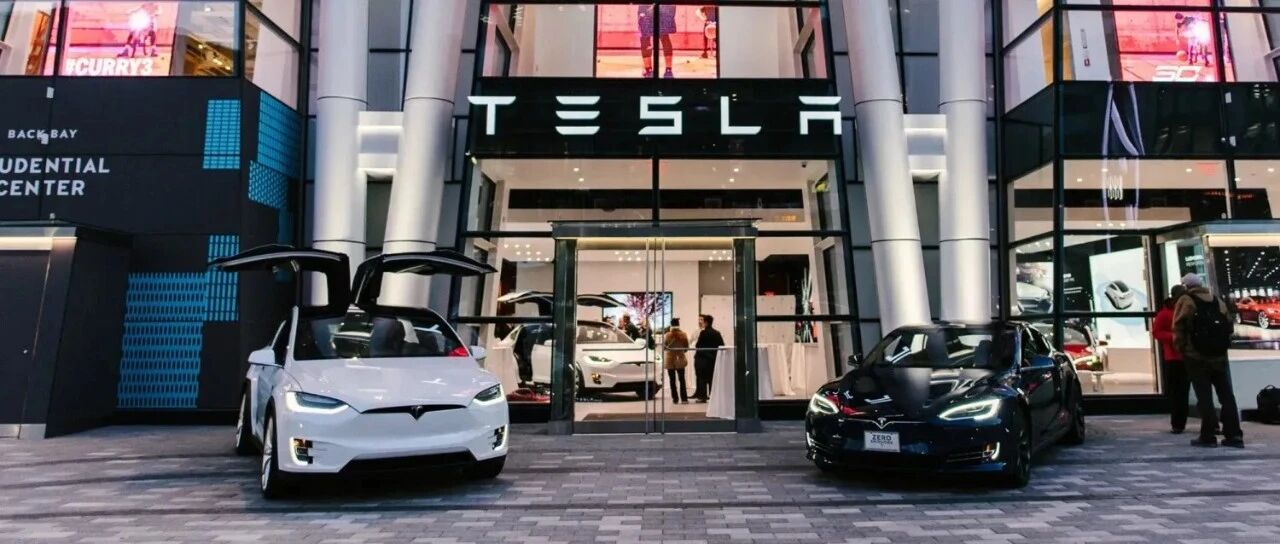
Core Viewpoint - Tesla's entry into the Indian market has faced significant challenges, with low sales figures highlighting the difficulties of competing in a price-sensitive market dominated by local brands and high import tariffs [4][5][11]. Group 1: Market Entry and Initial Performance - Tesla opened its first experience center in Mumbai in July, marking its official entry into the Indian automotive market [4][8]. - Since opening orders in July, Tesla has sold only over 100 vehicles in India, which is notably low given the country's large population and growing automotive market [5][11]. - The Model Y, Tesla's only model available in India, had slightly over 600 orders by mid-September, but only a few converted to actual sales [5][11]. Group 2: Challenges Faced - High import tariffs, which can reach 100%, have historically hindered Tesla's ability to price competitively in India [7]. - A recent policy change reduced import tariffs to 15% for electric vehicles, contingent on local manufacturing commitments, but Tesla has opted to initially sell imported vehicles rather than invest in local production [7][11]. - The pricing of the Model Y in India is approximately 6.7 million rupees (around $80,000), significantly higher than its starting price of $40,000 in the U.S., making it unaffordable for most Indian consumers [11][12]. Group 3: Competitive Landscape - The Indian electric vehicle market is growing, with over 202,000 registrations this year, but Tesla's market share is minimal compared to local brands like Tata and Mahindra, which dominate the lower price segments [14][15]. - German luxury brands have sold around 4,000 electric vehicles in India this year, overshadowing Tesla's performance [15]. - Local brands are leveraging existing fuel vehicle platforms to offer more affordable electric options, making it difficult for Tesla to compete [14][15]. Group 4: Infrastructure and Consumer Hesitance - Currently, India has only two Tesla supercharging stations, which is insufficient for a country with a population of nearly 1.5 billion [12]. - Tesla plans to expand its charging network but still lags behind local competitors who have established more extensive charging infrastructures [12][14]. - Delivery delays and high prices have resulted in Tesla's early adopters being primarily high-income consumers, limiting broader market penetration [12][16].

乘用车终端需求跟踪及展望
2025-12-01 16:03
Summary of Conference Call Records Industry Overview: Automotive Market Key Insights and Arguments - The automotive market in 2025 is significantly influenced by policy changes, with subsidy reductions and stricter measures expected to suppress consumption, particularly affecting the economy car segment [1][4] - In October, discounts on vehicles increased but did not lead to a price war; brands like BYD and Geely launched new models while older models saw moderate price reductions [1][6] - The penetration rate of new energy vehicles (NEVs) in 2026 will depend on the continuation of policies and technological upgrades, with trends towards larger batteries, longer ranges, and fast-charging technologies [1][8] - High-end joint venture brands are expected to continue losing market share, especially in the price range above 250,000 yuan, due to competition from domestic NEVs [1][9] Market Demand and Trends - Overall demand and foot traffic in November decreased compared to October, primarily due to a pause in subsidy policies leading to consumer hesitation [2] - December is expected to see a rebound in demand, but year-on-year comparisons will still show a decline due to inventory clearance needs and potential tax increases from new technology [2][5] - The first quarter of 2026 is anticipated to be optimistic due to seasonal sales and government subsidies, although challenges are expected in March and April, particularly for economy cars [5][16] Discount and Pricing Strategies - Discounts in October and November were deeper than in September, particularly during the National Day holiday, but did not violate regulatory policies [6] - Discounts for brands like BYD and Xpeng decreased by approximately 10% in November compared to October, indicating a shift in pricing strategies [6] Company-Specific Insights BYD - BYD plans to launch the M6 and a new generation of plug-in hybrid technology in 2026, aiming to enhance electric range and low-temperature fast-charging capabilities [3][12] - Domestic retail sales for BYD in 2025 are projected to be between 3.2 to 3.3 million units, a decline from 3.5 million units in 2024, but a recovery is expected in 2026 with about 10% growth [13] Tesla - Tesla's market outlook for the next two years is cautious, with expectations of stagnation or potential decline unless improvements in their Full Self-Driving (FSD) technology are made [11] - The introduction of lower-priced Model 3 and Model Y variants is anticipated to expand market share in the first quarter of 2026 [11] Xiaomi - Xiaomi's current monthly delivery volume is around 50,000 units, with a significant portion of orders being speculative due to the second-hand market collapse [17] - The delivery cycle is currently projected at 20 to 25 weeks, but actual delivery may take longer, leading to an order backlog [17] Joint Venture Brands - High-end joint venture brands like BMW and Mercedes are expected to face significant pressure, particularly in the mid-range segment, while lower-priced joint venture brands remain competitive due to a lack of strong rivals [10] Future Challenges - The implementation of the trade-in policy has been smooth initially, but challenges are expected in March and April 2026 due to diminishing subsidy levels and potential inventory issues [16] Additional Important Insights - The competition between BYD and Geely in technology upgrades is likely to intensify, with both companies aiming to push the NEV penetration rate above 60% by March 2026 [1][8] - The market for traditional fuel vehicles is expected to face challenges from the increasing presence of electric models, particularly in the under 100,000 yuan segment [10]

国家级自废武功,英国工业快被英国卖光了
创业邦· 2025-12-01 10:13
Group 1 - The article highlights the exorbitant costs associated with the Hinckley Point C nuclear power station in the UK, which has spent £700 million to protect fish, resulting in minimal impact on fish populations [5][6][7] - The UK is experiencing a significant decline in its industrial capabilities, with the closure of the last two blast furnaces marking a critical point in its deindustrialization journey [10][11] - The acquisition of British Steel by China's Jingye Group for £70 million and subsequent investments of nearly £1.2 billion have not prevented ongoing losses, with the company losing approximately £700,000 daily [17][19] Group 2 - The UK's steel industry is facing severe challenges, with the last two operational blast furnaces being outdated and environmentally unfriendly, leading to a complex situation for the government [19][20] - The article discusses the historical context of the UK's industrial decline, noting that manufacturing's share of GDP fell from 35% in 1950 to less than 10% in 2022, one of the lowest among developed nations [23] - The automotive industry, once a stronghold for the UK, has seen many iconic brands sold off, with MG and Lotus now owned by Chinese companies, reflecting the broader trend of industrial decline [25][28] Group 3 - The UK's military industrial base is also deteriorating, with reports indicating that the country can no longer produce artillery barrels, raising concerns about its defense capabilities [38] - The article emphasizes that the decline in industrial strength serves as a warning to other nations about the risks of deindustrialization, suggesting that recovery is challenging once industrial capabilities are lost [39]

观车 · 论势 || 从2025车展收官管窥汽车业一年之变
Zhong Guo Qi Che Bao Wang· 2025-12-01 09:41
Core Viewpoint - The 2025 Guangzhou Auto Show marks a transition in the Chinese automotive industry towards rationality and high-quality development, moving away from previous exuberance and signaling a more mature market approach [2][8]. Group 1: Industry Trends - The concept of "intelligent driving equality" has emerged as a key theme, with both domestic and joint venture brands accelerating the development of advanced driver assistance systems (ADAS), making features like urban NOA available in lower-priced models [3][5]. - Major joint ventures, including Volkswagen and Toyota, are collaborating with local tech firms like Huawei to enhance the intelligence of fuel vehicles, showcasing new models equipped with advanced driving assistance systems at the auto show [4][6]. Group 2: Technological Advancements - The automotive industry is exploring diverse powertrain technologies, including pure electric, range-extended, and plug-in hybrid models, with significant advancements in electric vehicle range, nearing 900 km for pure electric models and over 200 km for plug-in hybrids [5][6]. - The rise of "Huawei vehicles" reflects a deepening collaboration within the industry, with multiple brands showcasing their models equipped with Huawei's intelligent driving technologies at the Guangzhou Auto Show [6][7]. Group 3: Market Dynamics - The reduction in foot traffic at the auto show indicates a shift from a "traffic-first" marketing strategy to a more product-focused approach, emphasizing user needs and product quality over short-term hype [6][7]. - The conclusion of the 2025 auto show signifies a departure from rapid growth towards a more refined and quality-driven era in the Chinese automotive industry, highlighting the importance of building user recognition in a competitive market [7][8].
