
地缘冲突

Search documents
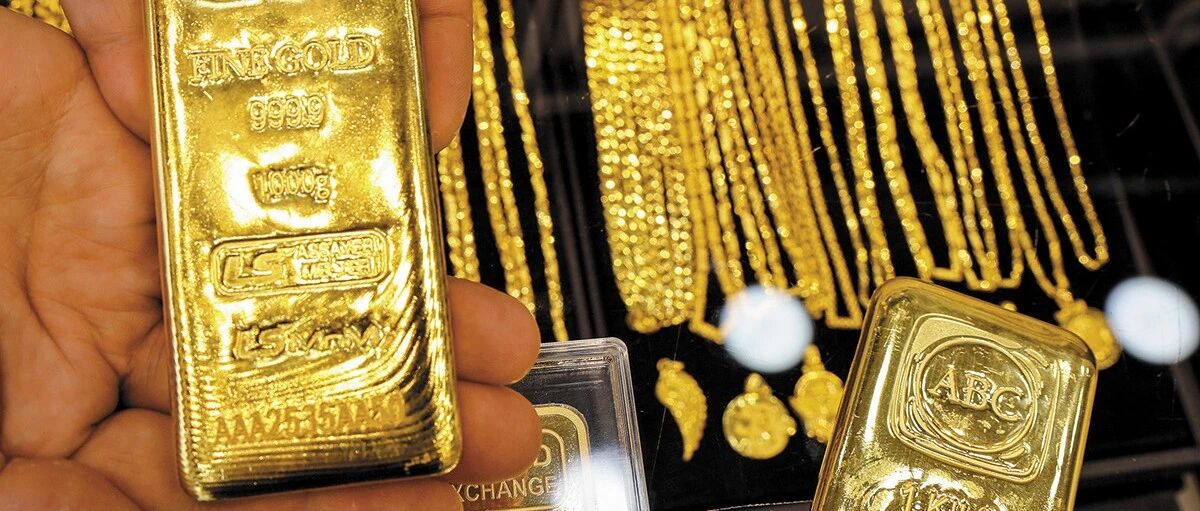
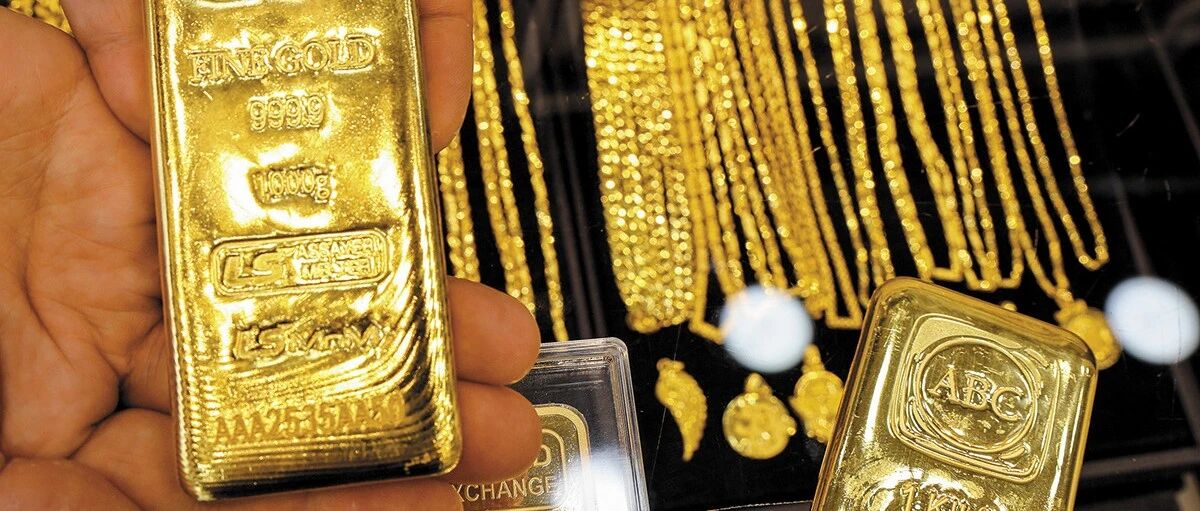
金价首破4600美元,黄金ETF暂停申购
第一财经· 2026-01-12 14:53
Core Viewpoint - The global precious metals market is experiencing a significant surge, with gold and silver prices reaching new highs, driven by various macroeconomic factors and geopolitical tensions [3][6]. Group 1: Precious Metals Price Movement - COMEX gold futures prices have surged, reaching an all-time high of $4612 per ounce, while COMEX silver peaked at $84.69 per ounce, with a daily increase exceeding 6% [3]. - In the domestic market, Shanghai gold futures hit a maximum of 1031 yuan per gram, and silver futures saw a daily increase of 14%, closing at 20945 yuan per kilogram [3]. - The overall trend in the futures market shows a strong bullish sentiment, with all six base metal futures contracts on the London Metal Exchange (LME) closing higher, including a 5% increase in tin and a 2% increase in copper [6]. Group 2: Macroeconomic Influences - Recent U.S. labor market data indicated a slower-than-expected increase in non-farm employment, which, combined with a declining unemployment rate and a weakening dollar, has provided new support for gold prices [6]. - Upcoming inflation data is anticipated to impact gold prices, with expectations that persistent inflation may slow down the Federal Reserve's rate-cutting pace, potentially limiting gold's recent upward momentum [6]. Group 3: Central Bank Actions and Market Dynamics - Central banks continue to accumulate gold, with China's gold reserves reported at 7415 million ounces (approximately 2306.323 tons) as of December 2025, marking the 14th consecutive month of increases [7]. - The ongoing trend of central bank gold accumulation, coupled with global monetary expansion and a shift away from the dollar, is expected to support the upward trajectory of precious metals [7]. Group 4: ETF and Investment Strategies - To manage high inflows, gold ETFs have begun to limit purchases, with the E Fund Gold ETF announcing a suspension of subscriptions starting January 16, 2026, to adjust the pricing of gold contracts and protect investor interests [9]. - The Bloomberg Commodity Index has adjusted its target weight for gold from 14.29% to 14.90%, while silver's weight decreased from 4.49% to 3.94%, effective January 15, 2026, which may lead to significant selling pressure in the silver market [10]. - Investment strategies should consider the volatility of gold and silver, with recommendations for long-term holdings to hedge against inflation while being cautious of geopolitical risks and central bank purchasing patterns in the short term [10].

金价首破4600美元,上金所出手降温,黄金ETF暂停申购
第一财经· 2026-01-12 12:28
Core Viewpoint - The global precious metals market is experiencing a significant surge, with gold and silver prices reaching new highs, driven by various macroeconomic factors and geopolitical tensions [3][6]. Group 1: Precious Metals Price Movement - COMEX gold futures prices have surged, reaching an all-time high of $4612 per ounce, while COMEX silver peaked at $84.69 per ounce, with a daily increase exceeding 6% [3]. - In the domestic market, Shanghai gold futures hit a maximum of 1031 yuan per gram, and silver futures saw a daily increase of 14%, closing at 20945 yuan per kilogram [3]. - The overall trend in the futures market shows a strong bullish sentiment, with all six base metal futures contracts on the London Metal Exchange (LME) closing higher, including a 5% increase in tin and a 2% increase in copper [6]. Group 2: Macroeconomic Influences - Recent U.S. labor market data indicated a slower-than-expected increase in non-farm employment, which, combined with a declining unemployment rate and a weakening dollar, has provided new support for gold prices [6]. - Upcoming inflation data is anticipated to impact gold prices, with expectations that persistent inflation may slow down the Federal Reserve's rate-cutting pace, potentially limiting gold's recent upward momentum [6]. Group 3: Central Bank Actions and Market Dynamics - Central banks continue to accumulate gold, with China's gold reserves reported at 7415 million ounces (approximately 2306.323 tons) as of December 2025, marking the 14th consecutive month of increases [7]. - The ongoing trend of central bank gold accumulation, coupled with global monetary expansion and a shift away from the dollar, is expected to support the upward trajectory of precious metals [7]. Group 4: ETF and Investment Strategies - To manage high inflows, gold ETFs have begun to limit purchases, with the E Fund Gold ETF announcing a suspension of subscriptions starting January 16, 2026, to adjust the pricing of gold contracts and protect investor interests [9]. - The adjustment in the Bloomberg Commodity Index weights for gold and silver is expected to create selling pressure, particularly on silver, which may experience greater volatility due to its smaller market size [10].
长江有色:12日铜价飙涨 下游消费依旧平淡
Xin Lang Cai Jing· 2026-01-12 07:42
Group 1 - The core viewpoint of the articles indicates a significant increase in copper prices driven by various macroeconomic factors and market dynamics [1][2][3] Group 2 - On January 12, copper futures in Shanghai opened strongly, with the main contract reaching a closing price of 100,280 yuan/ton, up 3.51% from the previous day [1] - The London copper price also saw an increase, with the latest quote at 13,192.5 USD/ton, rising by 227 USD/ton, or 1.75% [1] - Domestic spot copper prices surged, with the Yangtze River 1 copper price reported at 103,280 yuan/ton, an increase of 2,600 yuan [1] Group 3 - The macroeconomic environment is influenced by the U.S. Department of Justice's threat to prosecute Federal Reserve Chairman Powell, which is perceived as an attempt by the Trump administration to interfere with interest rate decisions [1] - The weakening of the U.S. dollar has made dollar-denominated commodities more attractive to foreign buyers, contributing to the rise in commodity prices [1] Group 4 - The Chinese Ministry of Finance announced the cancellation of VAT export rebates for photovoltaic products starting April 1, 2026, which may lead to a short-term boost in the photovoltaic sector and subsequently support copper prices [2] - Despite the increase in copper prices, the domestic copper concentrate processing fees remain under pressure, and the market is experiencing a seasonal slowdown in demand [2] - Recent data shows a significant increase in copper inventory, with Shanghai Futures Exchange copper stocks rising by 24.22% to 180,543 tons, the highest in nearly nine months [2] Group 5 - The technical outlook suggests that copper prices are likely to maintain a strong upward trend in the short term [3]

合成橡胶:高位震荡
Guo Tai Jun An Qi Huo· 2026-01-12 01:50
1. Report's Industry Investment Rating - The trend strength of synthetic rubber is 0, indicating a neutral view [3] 2. Core View of the Report - In the short - term, due to the fermentation of geopolitical conflicts in various regions, international energy prices are running strongly. Butadiene and synthetic rubber, as part of the oil product sector, may be supported by short - term sector fluctuations. The butadiene market has a pattern of neutral reality and strong expectations, with its fundamentals being short - term neutral. The apparent demand for synthetic rubber remains high, and its fundamentals have no obvious contradictions, mainly fluctuating with the cost side [3] 3. Summary by Relevant Catalogs 3.1 Fundamental Tracking 3.1.1 Futures Market - For the butadiene rubber (BR) 02 contract, the daily closing price decreased by 180 yuan/ton to 12,015 yuan/ton, the trading volume decreased by 66,416 lots to 101,221 lots, the open interest decreased by 3,889 lots to 26,339 lots, and the trading value decreased by 418,950 ten - thousand yuan to 609,966 ten - thousand yuan [1] 3.1.2 Spread Data - The basis (Shandong BR - futures main contract) increased by 80 to - 15, and the monthly spread (BR02 - BR05) remained unchanged at - 35. The prices of North China, East China, and South China private BR decreased by 50 yuan/ton to 11,600, 11,650, and 11,700 yuan/ton respectively [1] 3.1.3 Spot Market - The market price of Shandong BR (delivery product) decreased by 100 yuan/ton to 12,000 yuan/ton. The price of Qilu styrene - butadiene rubber model 1502 decreased by 50 yuan/ton to 12,200 yuan/ton, and model 1712 remained unchanged at 11,100 yuan/ton. The mainstream prices of butadiene in Jiangsu and Shandong decreased by 50 yuan/ton to 9,250 and 9,450 yuan/ton respectively [1] 3.1.4 Fundamentals - The BR operating rate increased by 0.02% to 79.6897%, and the theoretical full cost and profit of BR remained unchanged at 11,873 yuan/ton and 27 yuan/ton respectively [1] 3.2 Industry News - As of January 7, the latest inventory of butadiene in East China ports was about 41,300 tons, a decrease of 3,400 tons from the previous period. The arrival of imported ships decreased significantly, the downstream industries had good operating rates, and the raw material inventory was normally consumed, leading to the decline in port inventory [2] - As of January 7, 2026, the domestic BR inventory was 33,100 tons, a decrease of 400 tons or 1.08% from the previous period. The domestic BR production remained at a high level, and the market was boosted by the sharp increase in raw material prices. The production enterprises' shipments improved, but there was some unsold inventory waiting to be picked up. The overall inventory change was limited, and the inventory of some sample traders decreased slightly [2][3]
基本面指引有限,铅价跟随板块运行
Tong Guan Jin Yuan Qi Huo· 2026-01-12 01:20
1. Report Industry Investment Rating - No relevant information provided 2. Core Viewpoints of the Report - Last week, the main contract price of Shanghai lead futures rose first and then fell. The macro - environment was positive with loose global monetary policies and resource premiums due to geopolitical conflicts, leading to a general rise in precious metals and non - ferrous metals. The fundamentals showed a situation of weak supply and demand. The supply pressure was limited as the increase and decrease in primary and secondary lead production offset each other. Consumption was dragged down by the expiration of policies and battery export pressure, and social inventories were expected to increase slowly. With multiple factors in play, the fundamentals provided limited guidance, and it was expected that the lead price would fluctuate widely following the non - ferrous metal sector [4][8]. 3. Summary by Relevant Catalogs 3.1 Transaction Data | Contract | 1/2 | 1/9 | Change | Unit | | --- | --- | --- | --- | --- | | SHFE Lead | 17355 | 17355 | 0 | Yuan/ton | | LME Lead | 1994 | 2046.5 | 52.5 | US dollars/ton | | Shanghai - London Ratio | 8.70 | 8.48 | - 0.22 | | | SHFE Inventory | 28004 | 30111 | 2107 | Tons | | LME Inventory | 239325 | 222725 | - 16600 | Tons | | Social Inventory | 1.91 | 1.96 | 0.05 | Ten thousand tons | | Spot Premium | - 70 | - 130 | - 60 | Yuan/ton | [5] 3.2 Market Review - After the New Year's Day holiday, the main 2602 contract of Shanghai lead futures had a good start. The stock market, precious metals, and non - ferrous metals rose generally. The lead price rose following the sector rotation, reaching a weekly high of 17860 yuan/ton. Then, as some funds took profits, the lead price adjusted at a high level and finally closed at 17395 yuan/ton, with a weekly increase of 0.2%. On Friday night, it fluctuated narrowly. LME lead rose first and then fell. At the beginning of the year, non - ferrous metals rose generally. LME lead broke through 2025 US dollars/ton and continued to rise. It started to adjust near the upper edge of the oscillation range and finally closed at 2046.5 US dollars/ton, with a change of 2.63%. In the spot market, by January 9, lead warehouse receipts in Jiangsu and Zhejiang were quoted at 17245 - 17315 yuan/ton, at a discount of 10 - 0 yuan/ton to the SHFE 2601 contract. After the high - level decline of Shanghai lead, the quotes of warehouse receipts by holders decreased, and more factory - delivered goods were sold. Some smelting enterprises with increased inventory pressure actively quoted for sales. The mainstream origin quotes were at a discount of 30 yuan/ton to a premium of 30 yuan/ton to the SMM1 lead, and in some regions, the premium was 100 - 150 yuan/ton. Secondary lead smelters generally sold at a discount, with secondary refined lead quoted at a discount of 300 - 150 yuan/ton to the SMM1 lead average price. Downstream enterprises were more wait - and - see and only purchased on a need - to - basis [6]. - In terms of inventory, by January 9, the LME weekly inventory was 222725 tons, a weekly decrease of 16600 tons. The SHFE inventory was 30111 tons, an increase of 2107 tons. By January 8, the SMM five - region social inventory was 1.96 million tons, an increase of 0.12 million tons compared with December 31 and an increase of more than 500 tons compared with January 5 [7]. 3.3 Industry News - On January 9, 2026, the processing fees for domestic and foreign lead concentrates were 300 yuan/metal ton and - 145 US dollars/dry ton respectively, with the average remaining flat compared with the previous period [9]. - On the evening of January 7, Fuyang City, Anhui Province lifted the orange alert for air pollution, and some secondary lead enterprises in the region gradually resumed full - production operations [9].
开发科技:公司业务未受到地缘冲突的影响
Zheng Quan Ri Bao Wang· 2026-01-09 12:46
Group 1 - The core viewpoint of the article is that the company's business has not been affected by geopolitical conflicts as of the current date [1]
【黄金期货收评】金价陷多空对峙格局 沪金上扬1006元
Jin Tou Wang· 2026-01-09 09:41
Group 1 - The core viewpoint indicates that gold prices are currently experiencing a tug-of-war between bullish and bearish sentiments due to recent market dynamics and economic indicators [2] - On January 9, the Shanghai gold spot price was quoted at 1000.85 yuan per gram, showing a discount of 5.63 yuan per gram compared to the futures main price of 1006.48 yuan per gram [1] - The U.S. initial jobless claims rose to 208,000, slightly below market expectations, while the previous value was revised up by 1,000 to 200,000, indicating a stable labor market [1] Group 2 - According to Guangfa Futures, the adjustment in commodity index weights has triggered short-term selling, while rising inflation expectations and favorable employment data support gold prices [2] - International gold prices increased by 0.5% to 4477.39 USD per ounce, with a session low of 4407.29 USD per ounce, and global gold ETF inflows for 2025 are expected to reach a historical high [2] - The medium to long-term outlook for gold remains positive, with recommendations to hold long positions above 4300 USD, while monitoring the gold-silver ratio and U.S. non-farm payroll data [3]
日度策略参考-20260109
Guo Mao Qi Huo· 2026-01-09 05:51
Report Industry Investment Rating No relevant content provided. Core View of the Report - The market sentiment cooled slightly yesterday, with the commodity market weakening significantly and the stock index showing a volatile trend. The trading volume also contracted. After a rapid rise, the stock index has entered a stage of shock consolidation. There are no obvious macro-level negatives at present, and the short-term outlook for the stock index remains bullish. The bond futures are favored by the asset shortage and weak economy, but the central bank has recently warned of interest rate risks. Attention should be paid to the Bank of Japan's interest rate decision. [1] - The prices of various commodities are affected by different factors, such as supply and demand, policy changes, and macro sentiment. The report provides trend judgments and trading suggestions for each commodity, including metals, energy, chemicals, and agricultural products. [1] Summary by Related Catalogs Macro Finance - Stock Index: After a rapid rise, the stock index has entered a stage of shock consolidation. There are no obvious macro-level negatives at present, and the short-term outlook for the stock index remains bullish. Attention should be paid to capital flows and market sentiment changes. [1] - Treasury Bonds: The bond futures are favored by the asset shortage and weak economy, but the central bank has recently warned of interest rate risks. Attention should be paid to the Bank of Japan's interest rate decision. [1] Non-Ferrous Metals - Copper: The copper price has fallen from its recent high, but there are still disruptions in the mining end. The downside space for the copper price is expected to be limited. [1] - Aluminum: There has been an accumulation of domestic electrolytic aluminum stocks recently, and the industrial driving force is limited. The macro anti-involution sentiment has ebbed, and the aluminum price has fallen from its high. [1] - Alumina: The supply side of alumina still has a large release space, and the industrial side exerts downward pressure on the price. However, the current price is basically near the cost line, and the price is expected to fluctuate. [1] - Zinc: The fundamentals of zinc have improved, and the cost center has shifted upward. The recent macro sentiment has been good, and the zinc price has risen. However, considering the still existing pressure on the fundamentals, caution is advised regarding the upside space. [1] - Nickel: The market's concerns about nickel supply have significantly cooled, and the LME nickel inventory has increased significantly recently. The nickel price has corrected from its high. Since Indonesia has not disclosed the specific amount and said that it is still in the process of accounting, there is still uncertainty about the implementation of the subsequent policy. The short-term volatility risk of the nickel price has increased. Attention should be paid to the implementation of Indonesia's policy, changes in macro sentiment, and changes in futures positions, and risk control should be done well. [1] Precious Metals and New Energy - Gold and Silver: The annual weight adjustment of the BCOM index has officially started, and the exchange has introduced multiple risk control measures for silver to suppress speculative enthusiasm. The prices of precious metals have fallen across the board, with a significant decline in silver. In the short term, gold and silver are expected to continue to be weak and volatile. In the medium and long term, attention can be paid to the opportunity to buy on dips after this round of risk release. [1] - Platinum and Palladium: Platinum and palladium have followed the weakening of precious metals. In the short term, they are expected to be in a wide-range volatile pattern. In the medium and long term, with the still existing supply-demand gap for platinum and the tendency of palladium to have a loose supply, platinum can still be bought on dips or a [long platinum, short palladium] arbitrage strategy can be adopted. [1] Industrial Products - Industrial Silicon: There is an increase in production in the northwest and a decrease in production in the southwest. The production schedules for polysilicon and organic silicon in December have decreased. [1] - Polysilicon: It is the traditional peak season for new energy vehicles. The demand for energy storage is strong. The supply side has increased production resumption. There is a short-term rapid increase. [1] - Rebar and Hot Rolled Coil: In the short term, sentiment and capital have a greater influence than industrial contradictions. One can try to follow long positions with a stop-loss; for futures-spot trading, participate in positive spread positions. [1] - Iron Ore: There is sector rotation, but the upside pressure on iron ore is obvious. It is not recommended to chase long positions at this level. [1] - Non-Ferrous Metals: There is a combination of weak reality and strong expectations. The current supply and demand situation remains weak, but in terms of expectations, energy consumption double control and anti-involution may have an impact on supply. [1] - Soda Ash: Soda ash follows the trend of glass. In the medium term, the supply and demand situation will be more relaxed, and the price will be under pressure. [1] - Coking Coal and Coke: If the "capacity reduction" expectation continues to ferment and there is pre-holiday restocking of spot goods, coking coal may still have room to rise. However, since the current market's "capacity reduction" expectation mainly comes from online rumors, it is difficult to judge the actual upside space. After a significant increase, the volatility will intensify, and caution should be exercised. The logic for coke is the same as that for coking coal. [1] Agricultural Products - Palm Oil: The MPOB December data is expected to be bearish for palm oil, but palm oil will reverse under the themes of seasonal production reduction, the B50 policy, and US biodiesel in the future. Short-term rebounds due to macro sentiment should be watched out for. [1] - Soybean Oil: The fundamentals of soybean oil are relatively strong. It is recommended to allocate more in the oil sector and consider a long Y, short P spread. Wait for the January USDA report. [1] - Rapeseed Oil: The trade relationship between China and Canada may improve, and Australian rapeseed will be imported smoothly. After the rapeseed trade flow is opened up, the trading logic of rapeseed oil will gradually shift from the domestic tight supply situation to the global rapeseed production increase expectation. There is still room for the price to fall. Short-term rebounds due to macro sentiment should be watched out for. [1] - Cotton: There is a strong expectation of a good harvest for domestic new crops, and the purchase price of seed cotton supports the cost of lint cotton. The downstream operating rate remains low, but the inventory of yarn mills is not high, and there is a rigid demand for restocking. Considering the growth of spinning capacity, the demand for cotton in the new crop market year is relatively resilient. Currently, the cotton market is in a situation of "having support but no driving force." Future attention should be paid to the tone of the No. 1 Central Document in the first quarter of next year regarding the direct subsidy price and cotton planting area, the intention of cotton planting area next year, the weather during the planting period, and the demand during the "Golden Three and Silver Four" peak season. [1] - Sugar: Currently, there is a global surplus of sugar, and the supply of domestic new crops has increased. The short-selling consensus is relatively strong. If the futures price continues to fall, there will be strong cost support below. However, there is a lack of continuous driving force in the short-term fundamentals. Attention should be paid to changes in the capital side. [1] - Corn: The fundamentals of corn have not changed significantly. The spot price remains firm, and the progress of grain sales at the grassroots level is relatively fast. Most traders have not yet strategically built inventories, and feed enterprises maintain a safe inventory. There is a certain restocking demand before the holiday. The short-term outlook for CO3 is expected to be oscillating and slightly bullish. Attention should be paid to the dynamics of policy grain auctions. [1] - Soybean Meal: The domestic market may restart the auction of imported soybeans; the relationship between China and Canada is expected to ease, and China is expected to suspend the tax on Canadian rapeseed meal; the macro sentiment has cooled, and the domestic market has returned to the fundamentals and shown a significant decline. Recently, it has been greatly affected by policy news. The soybean meal futures price is expected to be mainly oscillating in the short term. Attention should be paid to the adjustment of the January USDA supply and demand report and the trend of the Brazilian premium. [1] - Pulp: Pulp has fallen today due to the decline in the commodity macro market. The overall price has not broken through the oscillating range. The short-term commodity sentiment fluctuates greatly, and it is recommended to observe cautiously. [1] - Logs: The spot price of logs has shown a certain sign of bottoming out and rebounding recently. The further downside space for the futures price is expected to be limited. However, the January overseas quotation has still slightly declined, and the log futures and spot markets lack upward driving factors. It is expected to oscillate in the range of 760 - 790 yuan/m³. [1] - Hogs: Recently, the spot price has gradually stabilized. Supported by demand and with the出栏体重 not yet fully cleared, the production capacity still needs to be further released. [1] Energy and Chemicals - Crude Oil: OPEC+ has suspended production increases until the end of 2026. There is uncertainty about the Russia-Ukraine peace agreement. The United States has imposed sanctions on Venezuela's crude oil exports. [1] - Fuel Oil: In the short term, the supply-demand contradiction is not prominent, and it follows the trend of crude oil. The probability of the 14th Five-Year Plan's rush demand being falsified is high, and the supply of Ma Rui crude oil is not short. The profit of asphalt is relatively high. [1] - BR Rubber: The futures position has declined, and the number of new warehouse receipts has increased. The increase in BR has slowed down temporarily. The spot price has led the rise to repair the basis, and BR continues to focus on the upward momentum above the 12,000 yuan line. The listed prices of BD/BR have been continuously raised, and the processing profit of butadiene rubber has narrowed. The overseas cracking device capacity has been cleared, which is beneficial to the long-term export expectation of domestic butadiene. The tax on naphtha also has a positive impact on the butadiene price. Fundamentally, butadiene rubber maintains high production and high inventory operation, and the trading center is generally average. Styrene-butadiene rubber is relatively better than butadiene rubber. [1] - PX and PTA: The PX market has experienced a rapid rise, but this round of rise is not due to a fundamental change. The fundamentals of PX do have support, and the market is expected to continue to tighten in 2026, driven by the new PTA production capacity in India and the organic growth of demand. Domestic PTA maintains high production. The gasoline spread is still at a high level, which supports aromatics. [1] - Ethylene Glycol: There is news that two sets of MEG plants in Taiwan, China, with a total annual capacity of 720,000 tons, plan to stop production next month due to efficiency reasons. Ethylene glycol has rebounded rapidly during the continuous decline, stimulated by supply-side news. The current operating rate of the polyester downstream remains above 90%, and the demand performance is slightly better than expected. [1] - Short Fiber: The PX market has experienced a rapid rise, but this round of rise is not due to a fundamental change. Domestic PTA maintains high production, and the domestic polyester load has declined. The short fiber price continues to closely follow the cost fluctuations. [1] - Styrene: The Asian styrene market is generally stable. Suppliers are reluctant to lower prices due to continuous losses, while buyers insist on pressing prices due to weak downstream polymer demand and compressed profits. Although the downstream demand is weak, the domestic market has a strong bullish sentiment due to export support. The market is in a weak balance state, and the short-term upward momentum needs to be driven by the overseas market. [1] - Urea: The export sentiment has slightly eased, and there is limited upside space due to insufficient domestic demand. There is support from anti-involution and the cost side below. [1] - PF: Geopolitical conflicts have intensified, and there is a risk of an increase in crude oil prices. There are fewer maintenance activities, the operating load is at a high level, and there are overseas arrivals, so the supply has increased. The downstream demand operating rate has weakened. In 2026, there will be more new production capacity, and the supply-demand surplus will further intensify, and the market expectation is weak. [1] - Propylene: There are fewer maintenance activities, the operating load is relatively high, and the supply pressure is relatively large. The improvement in the downstream is less than expected. The propylene monomer price is at a high level, the crude oil price has risen, and the cost support is strong. Geopolitical conflicts have intensified, and there is a risk of an increase in crude oil prices. [1] - PVC: In 2026, there will be less global new production capacity, and the future expectation is relatively optimistic. Currently, there are fewer maintenance activities, new production capacity is being released, and the supply pressure is increasing. The demand has weakened, and the orders are not good. The differential electricity price in the northwest region is expected to be implemented, which will force the clearance of PVC production capacity. [1] - LPG: The January CP has risen more than expected, and the cost support for imported gas is relatively strong. The geopolitical conflicts between the United States, Venezuela, and the Middle East have escalated, and the short-term risk premium has increased. The trend of inventory accumulation in the EIA weekly C3 inventory has slowed down, and it is expected to gradually turn to inventory reduction. The domestic port inventory has also decreased. Domestic PDH maintains high production and deep losses. There is a rigid demand for global civil combustion, and the demand for MTBE from overseas olefin blending for gasoline has declined temporarily. Since January 1, 2026, naphtha has been re-taxed, and the long-term demand expectation for light cracking raw materials such as LPG has increased, and the performance of downstream olefin products is relatively strong. [1] Shipping - Container Shipping - European Line: It is expected to peak in mid-January. Airlines are still relatively cautious in their trial reflights. The pre-holiday restocking demand still exists. [1]
宁证期货今日早评-20260109
Ning Zheng Qi Huo· 2026-01-09 01:54
Report Summary 1. Report Industry Investment Ratings No specific industry investment ratings are provided in the report. 2. Core Views - Geopolitical conflicts are frequent, and it is advisable to take a short - term approach for oil investments. The economic resilience indicated by jobless claims data increases negative factors for silver, which may follow gold in high - level oscillations [2]. - The short - term supply - demand game for live pigs continues, with futures prices oscillating in a range. For palm oil, there is a game between "Indonesian policy positive expectations" and "Malaysian high - inventory reality", and short - term participation is recommended [4]. - For soybean meal, the supply in the first quarter is generally abundant, restricting the upside space of spot prices, and short - term participation is advised. The lithium carbonate market is in a stage of stable supply and demand [5][6]. - The short - term upward trend of steel prices may be blocked. For coking coal, the risk of this round of price increase is high, and cautious operation is recommended. PTA is better to be observed in the short term [7][8]. - Natural rubber should be treated with wide - range oscillations, and short - term short positions at high levels are advisable. Aluminum prices are expected to enter a high - level oscillation stage in the short term [9][10]. - Methanol is expected to oscillate in the short term. Soda ash is expected to oscillate weakly in the short term. The tightening of the capital market due to the issuance of treasury bonds at the beginning of the year is negative for treasury bond futures [11][12]. - Gold has long - term bullish support but a high probability of a short - term peak, and it is expected to oscillate at a high level in the medium term. Plastic is expected to oscillate in the short term [13][14]. 3. Summary by Variety Crude Oil - Four countries (Iraq, UAE, Kazakhstan, and Oman) plan to cut daily production by 829,000 barrels by June 2026 to compensate for over - production from January to April last year. Geopolitical concerns in Venezuela, Russia, Iraq, and Iran led to a sharp overnight rebound in oil prices [2]. Silver - The number of initial jobless claims in the US last week rose to 208,000, slightly lower than market expectations and still at a historically low level. The market generally expects the Fed not to cut interest rates in January, increasing negative factors for silver [2]. Live Pigs - On January 8, the national average pork price was 17.89 yuan/kg, down 0.3% from the previous day. The short - term supply - demand game continues, and futures prices oscillate in a range [4]. Palm Oil - In Indonesia, the consumption of palm - based biodiesel last year was 14.2 million liters, up 7.6% year - on - year. Indonesia may increase the palm oil export tax. There is a game between positive policy expectations and high - inventory reality [4]. Soybean Meal - On January 8, domestic soybean meal spot prices showed mixed trends. The supply in the first quarter is generally abundant, restricting the upside space of spot prices [5]. Lithium Carbonate - Raw material prices are rising, supply is growing steadily, and demand is mainly for rigid needs and long - term contracts [6]. Rebar - As of January 8, rebar production increased by 1.5%, factory inventory by 6.14%, social inventory by 2.66%, and apparent demand decreased by 12.71% compared to the previous week. The short - term upward trend may be blocked [7]. Coking Coal - The capacity utilization rate of 523 coking coal mines increased by 5.7% month - on - month. The risk of this round of price increase is high, and the inventory pressure remains high [8]. PTA - PTA social inventory decreased, but the expectation of inventory accumulation in the first quarter is increasing. It is better to observe in the short term [8]. Natural Rubber - Southeast Asian raw material prices stopped falling and rebounded, domestic production areas are in the off - season, and the demand side is in a state of flexible production control. It should be treated with wide - range oscillations [9]. Aluminum - A new bauxite project in Cameroon is expected to start production in 2026. Aluminum prices are expected to oscillate at a high level in the short term [10]. Methanol - Domestic methanol production is at a high level and rising, downstream demand is slightly decreasing, and inventory is accumulating. It is expected to oscillate in the short term [11]. Soda Ash - The price of heavy - duty soda ash rose slightly, production increased by 8.11% week - on - week, and inventory increased by 11.67% week - on - week. It is expected to oscillate weakly in the short term [12]. Long - term Treasury Bonds - Money market interest rates mostly rose. The tightening of the capital market due to the issuance of treasury bonds at the beginning of the year is negative for treasury bond futures [12]. Gold - Gold has become the world's largest reserve asset for the first time in 30 years. It has long - term bullish support but a high probability of a short - term peak [13]. Plastic - Supply pressure has been slightly relieved, production enterprise inventory has decreased, and demand is still weak. It is expected to oscillate in the short term [14].
2026年1月9日,国内黄金9995价格多少钱一克?
Sou Hu Cai Jing· 2026-01-09 01:12
Group 1 - Domestic gold price (99.95%) is quoted at 1001.82 CNY per gram, up 0.21% [1] - International gold price is reported at 4479.7 USD per ounce, up 0.43% [2] Group 2 - U.S. weak employment data strengthens market expectations for at least two rate cuts in 2026, benefiting gold as a non-yielding asset; the upcoming non-farm payroll report on January 9 is a key event [3] - Global geopolitical uncertainties are rising, with U.S. military actions in Venezuela and threats against Colombia driving safe-haven investments into gold; central banks, including the People's Bank of China, continue to increase gold reserves, with a 30,000-ounce increase to 74.15 million ounces by the end of December 2025 [4] Group 3 - Institutions are generally bullish on gold prices in the long term, with HSBC predicting prices could reach 5000 USD per ounce in the first half of the year, while Morgan Stanley expects a rise to 4800 USD per ounce in Q4; however, short-term pressures from Bloomberg commodity index adjustments may lead to passive selling [5]